How Cheese Is Made: From Milk to Cheese
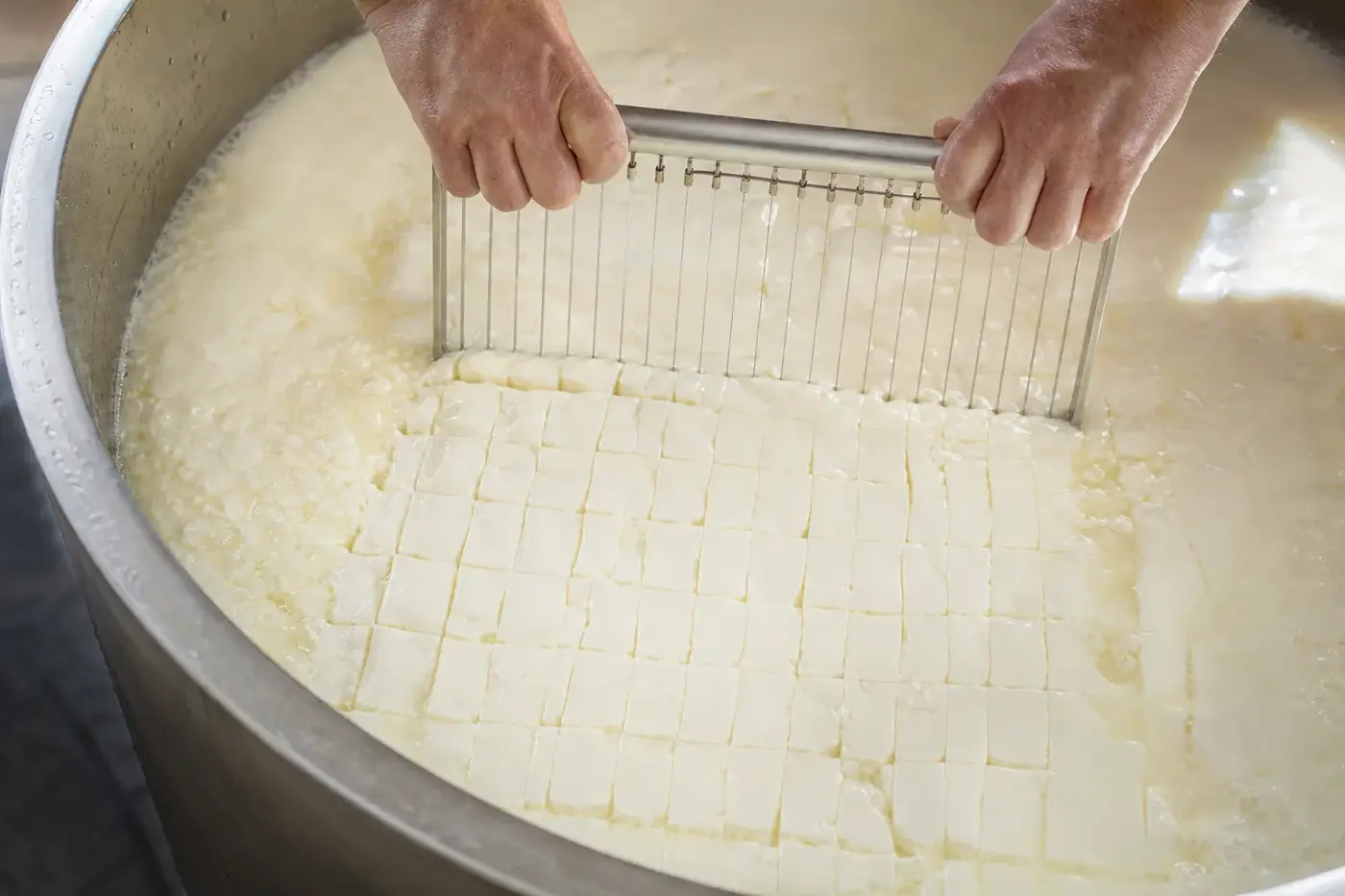
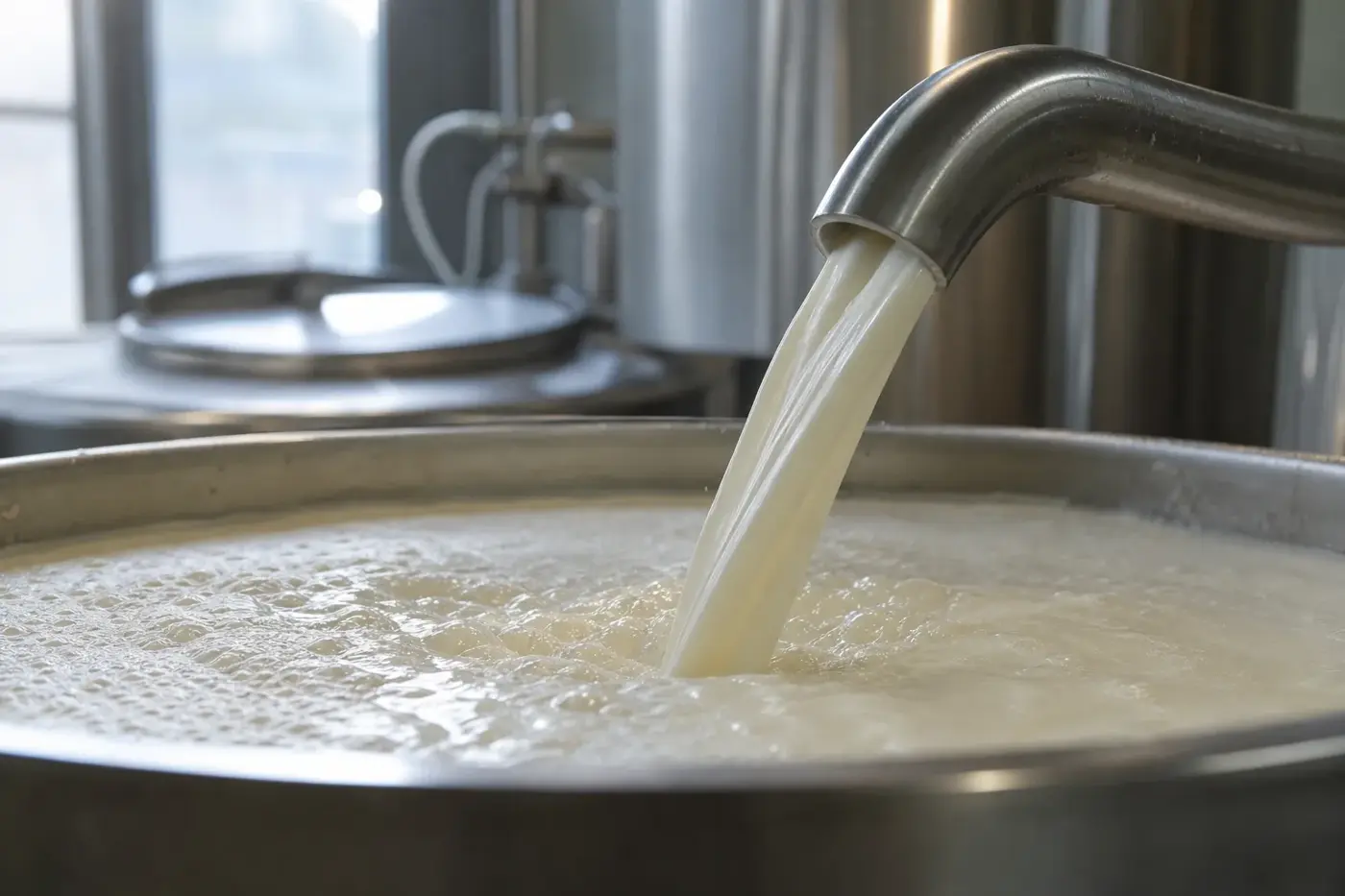
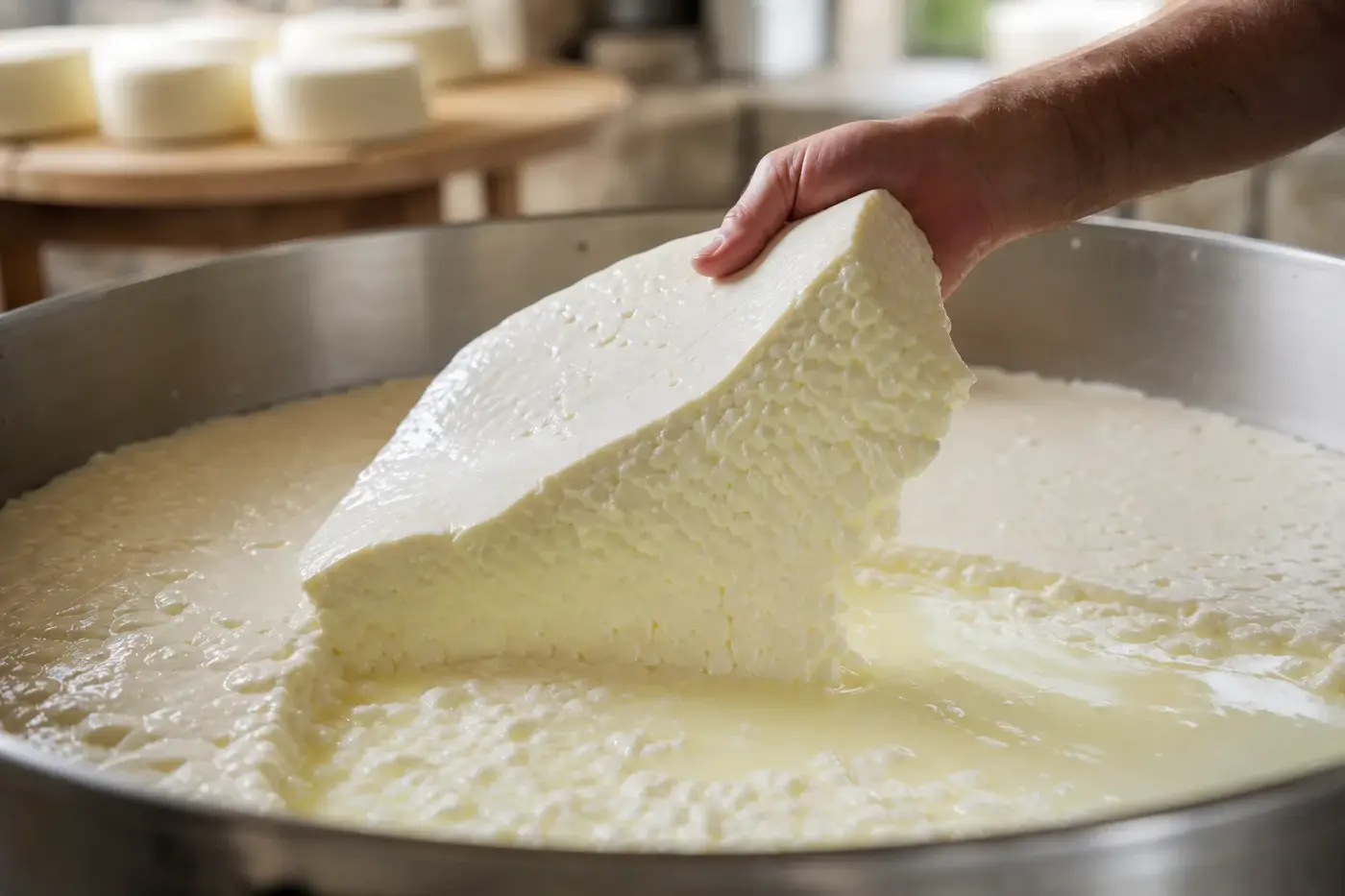
Cheese begins when milk proteins come together into a curd, which holds water and fat while whey, the liquid portion, drains away. The maker then controls acidity, moisture, salt and, for ripened cheeses, the conditions in which microbes and enzymes develop the finished texture and flavour. Follow the milk through the vat first, then explore the science and the different methods.[1,2]
Cultures and Coagulation
Cheesemaking brings together two questions: how milk develops acidity, and how it forms a curd.
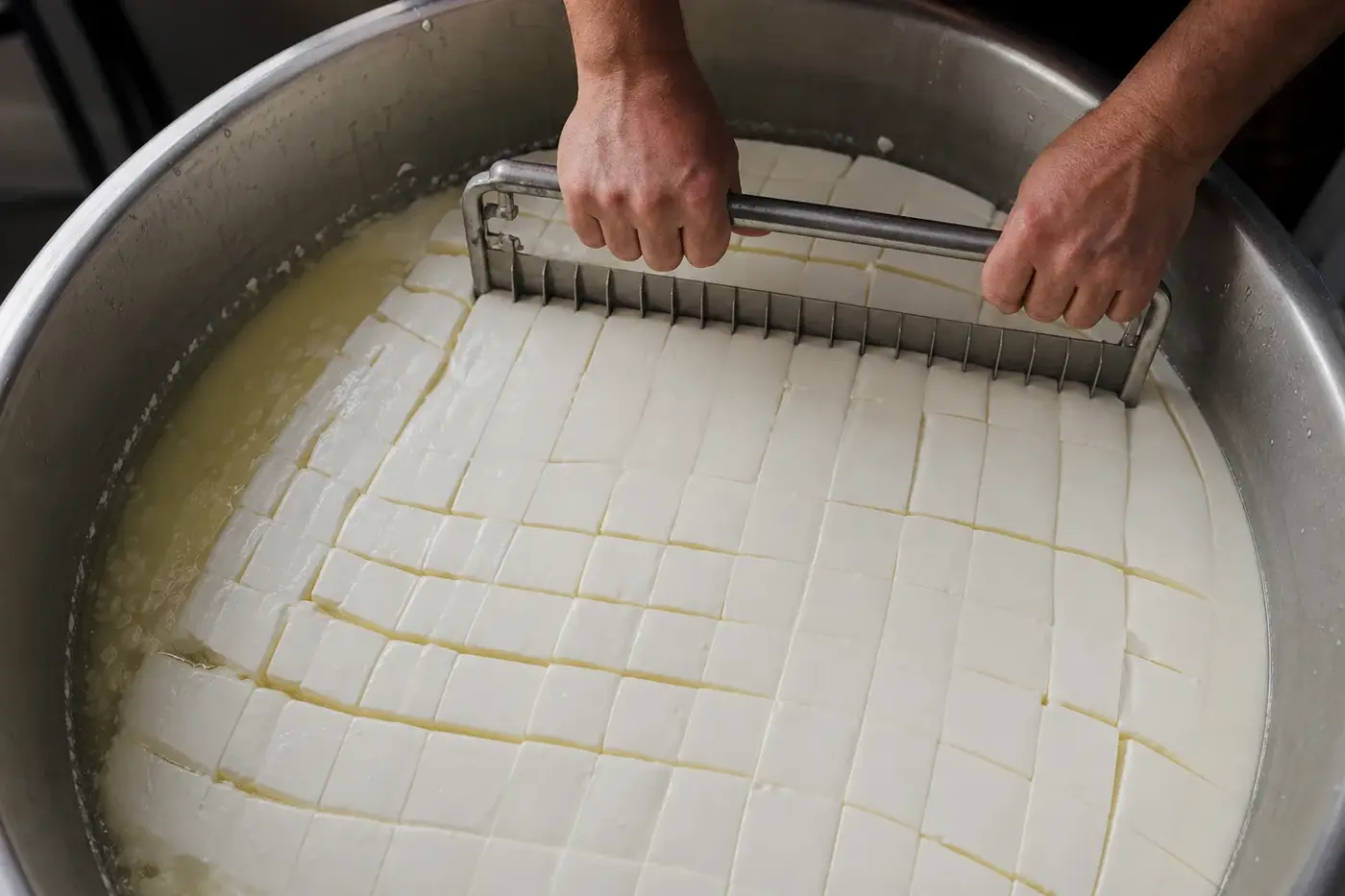
Making the Curd
Making the curd brings together the questions behind some of cheesemaking’s most distinctive stages: how curd is handled, shaped and salted.
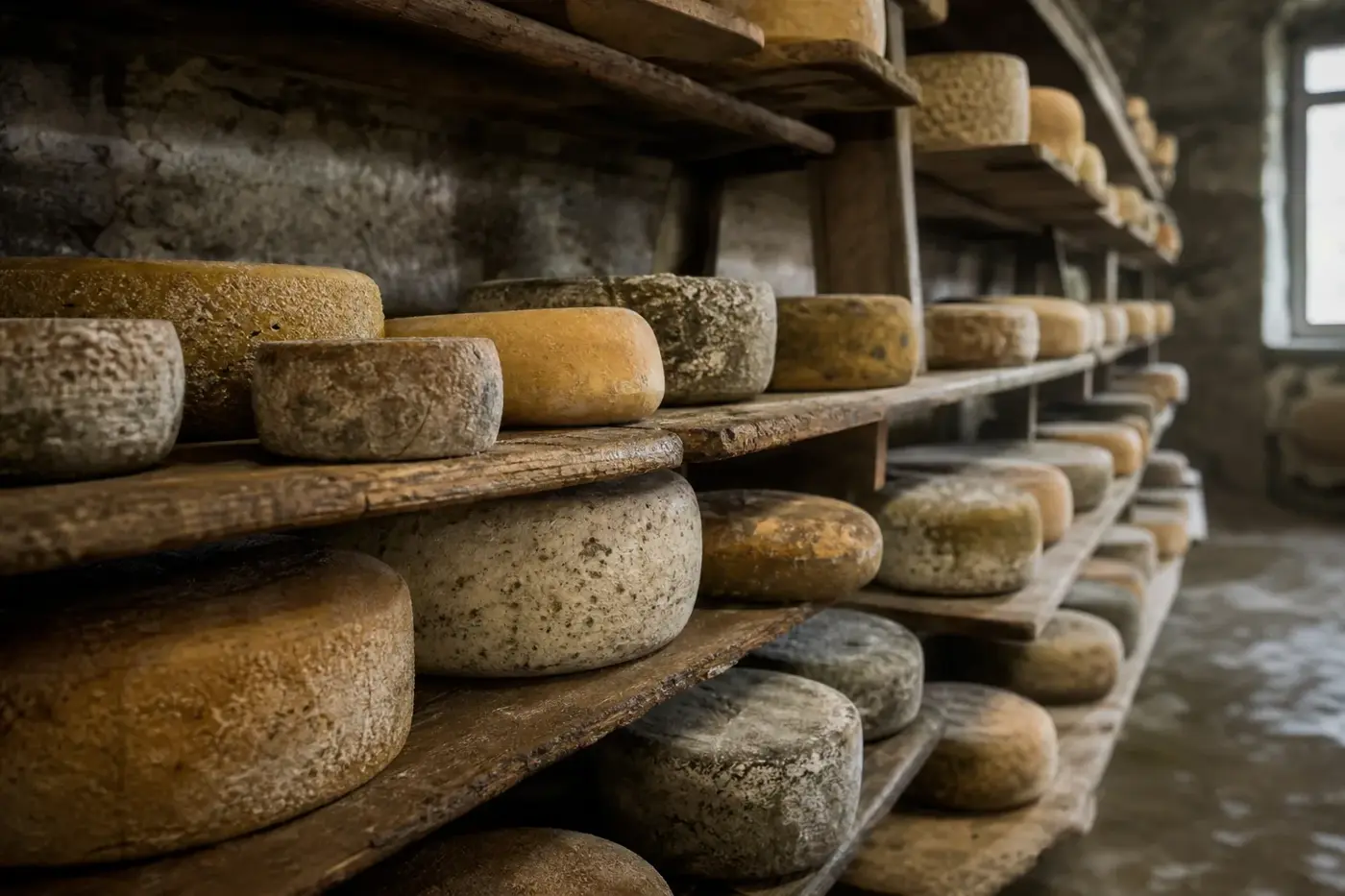
Ripening and Affinage
How does a young cheese become the cheese you recognise on the plate?
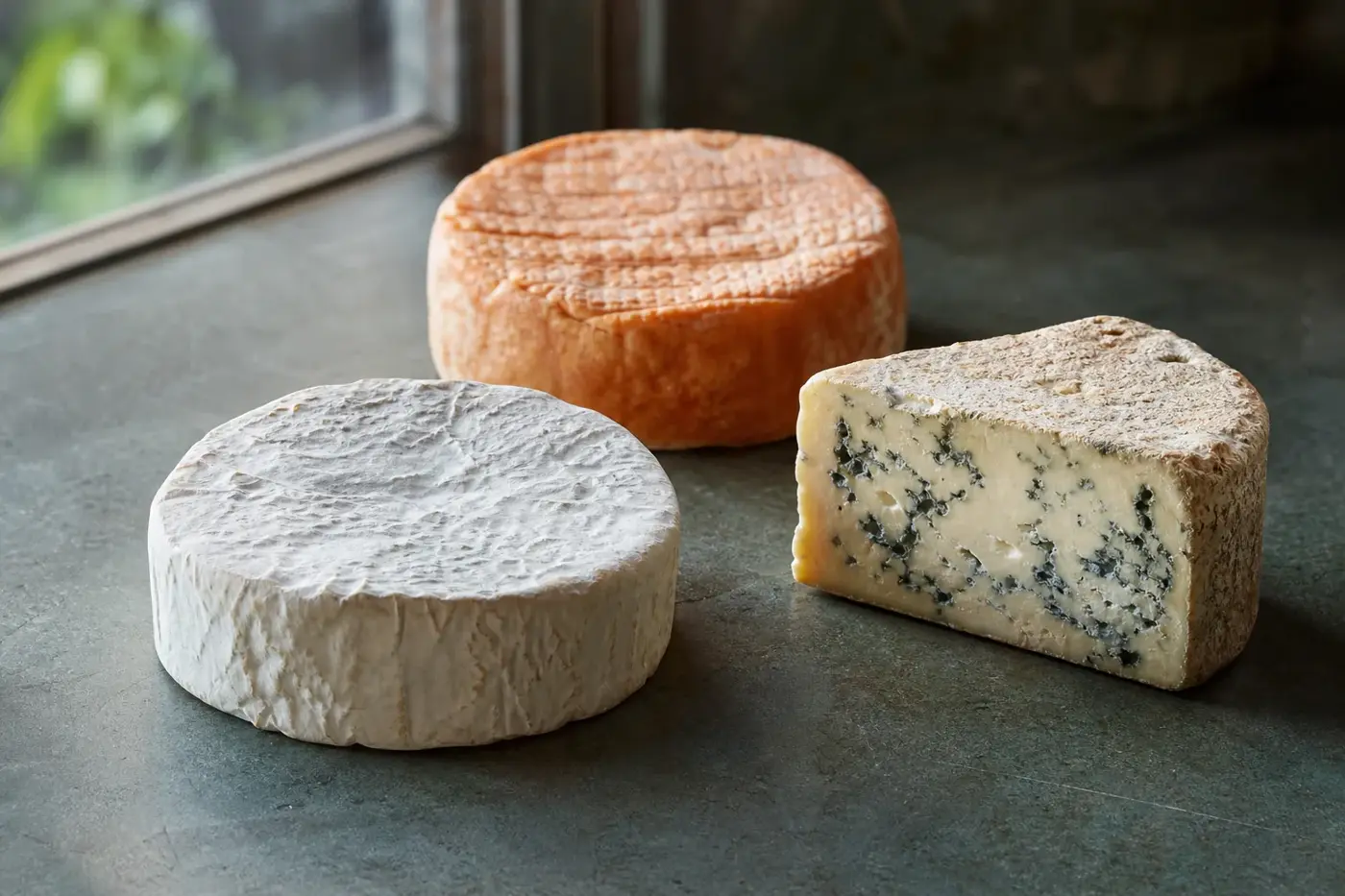
Rinds, Moulds and Microbes
The rind is a useful starting point for exploring the life of a cheese.
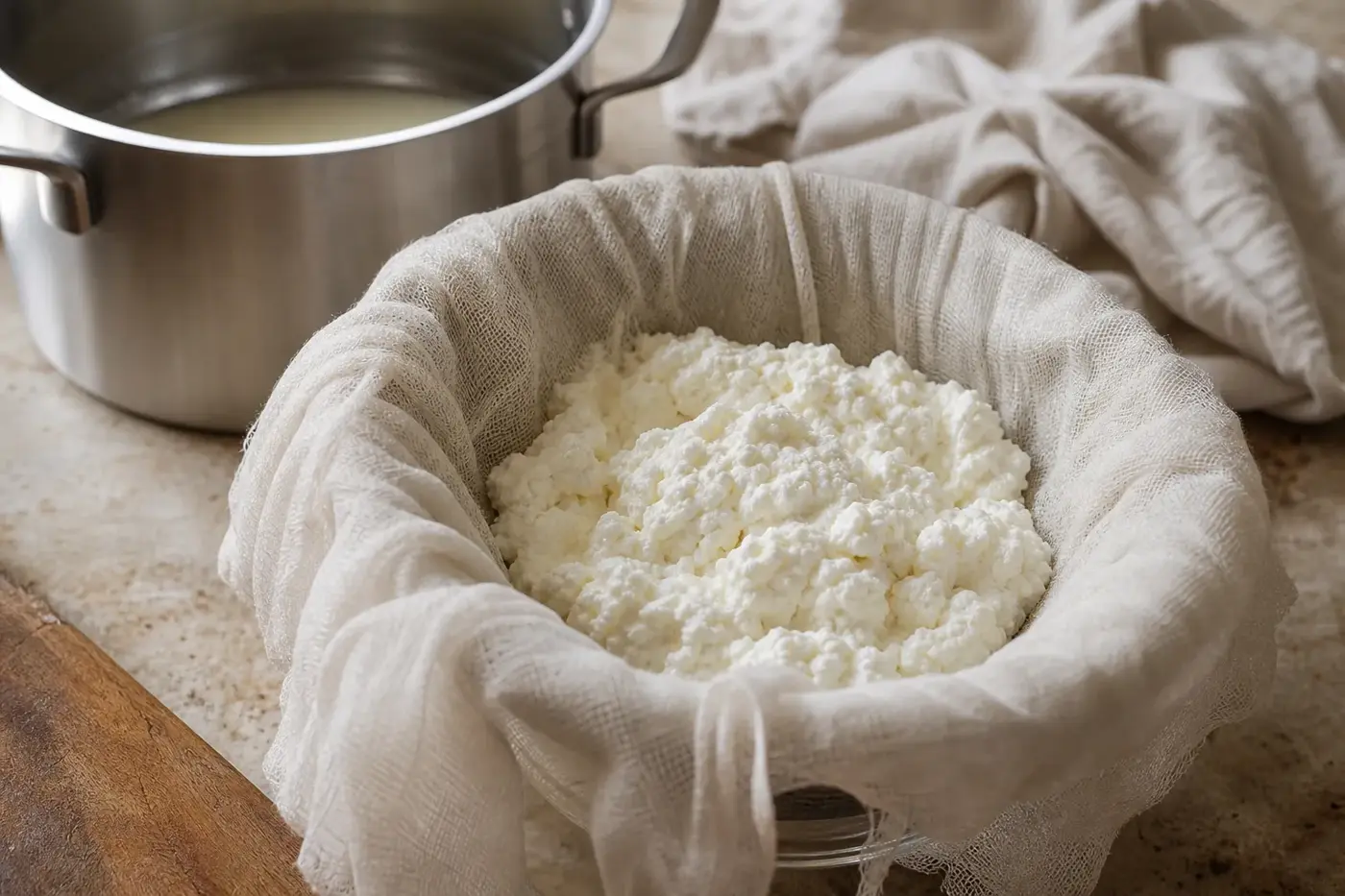
Other Methods
Other methods of making cheese raise a different set of questions: what goes into the product, how the method works and what a home project involves.
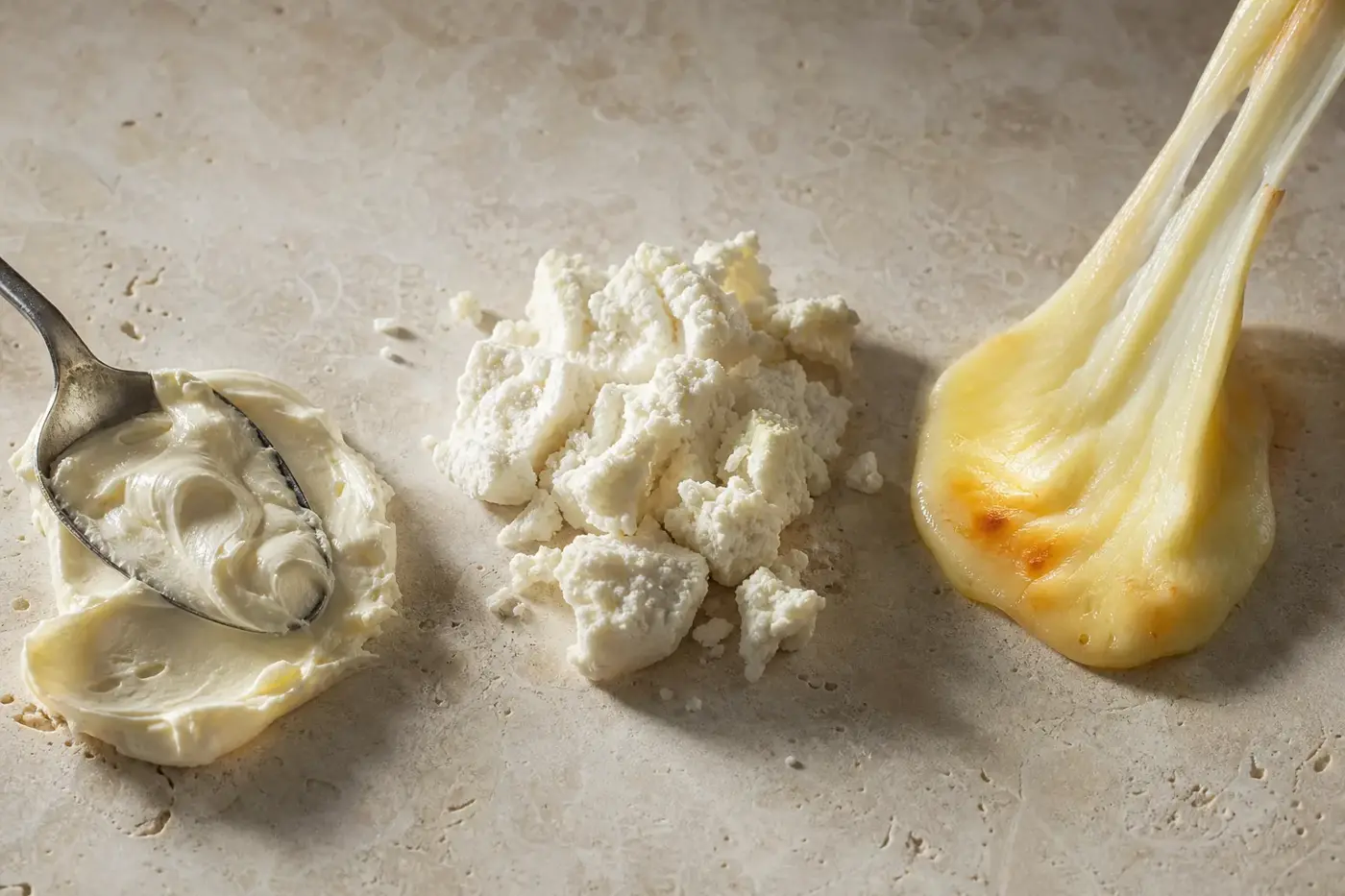
The Science of Cheese
The science of cheese begins with questions you can bring to the cheeseboard or the kitchen: why does this cheese crumble, what gives that one its flavour, and will it melt?
Everything in this section
- Quality, Defects and EquipmentGood cheese begins with decisions, and this hub follows the questions behind those decisions: what makers look for, how