Cultures and Coagulation
Cheesemaking brings together two questions: how milk develops acidity, and how it forms a curd. Cultures and coagulation sit at the centre of those questions, and this hub gives you a reading route through the cultures, coagulants and choices explored in the articles below.
Start here: Read How Cheese Is Made: From Milk to Cheese for the wider sequence, then Rennet Explained: Animal, Microbial and Fermentation Produced for an entry point to this hub.
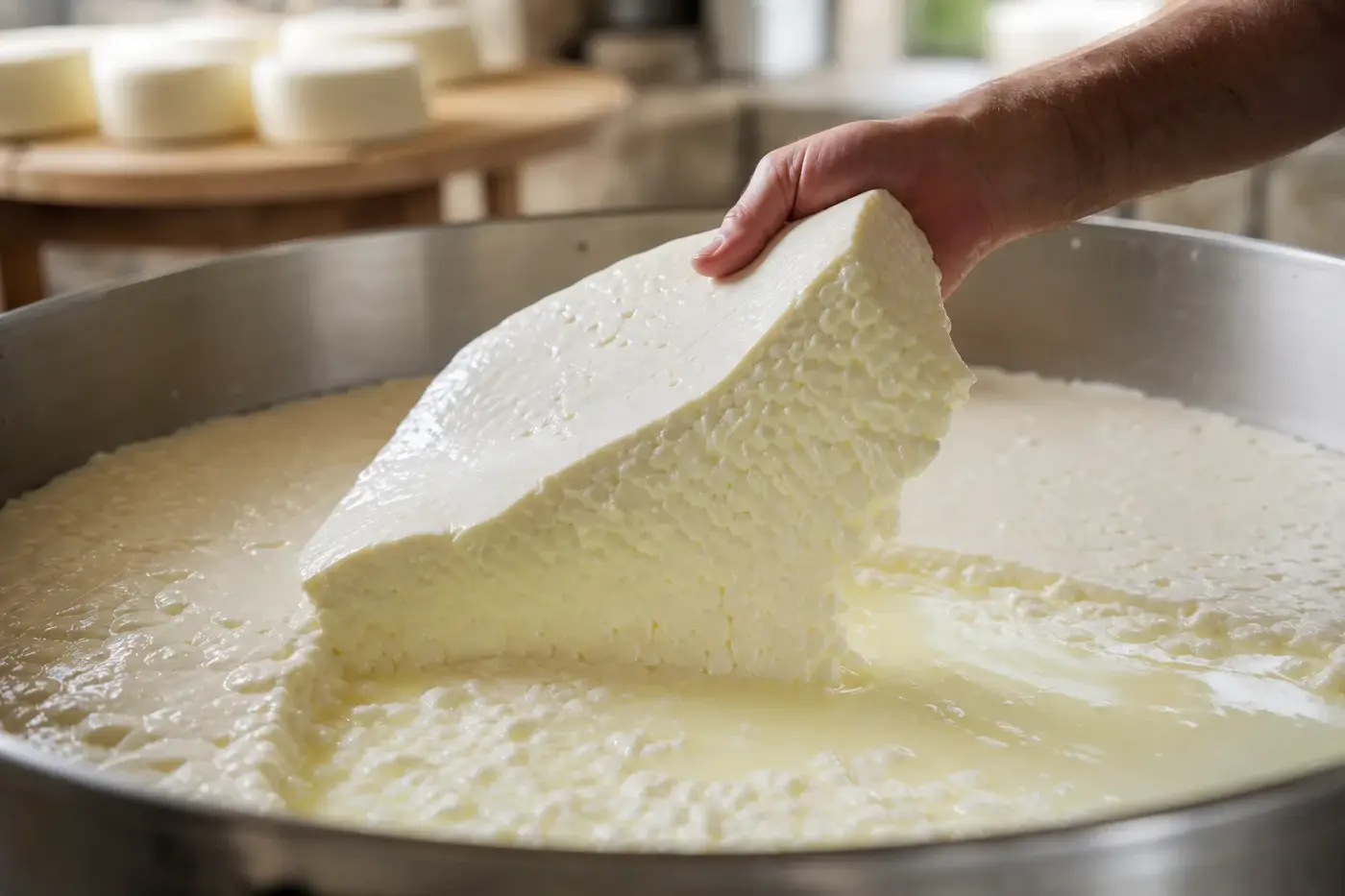
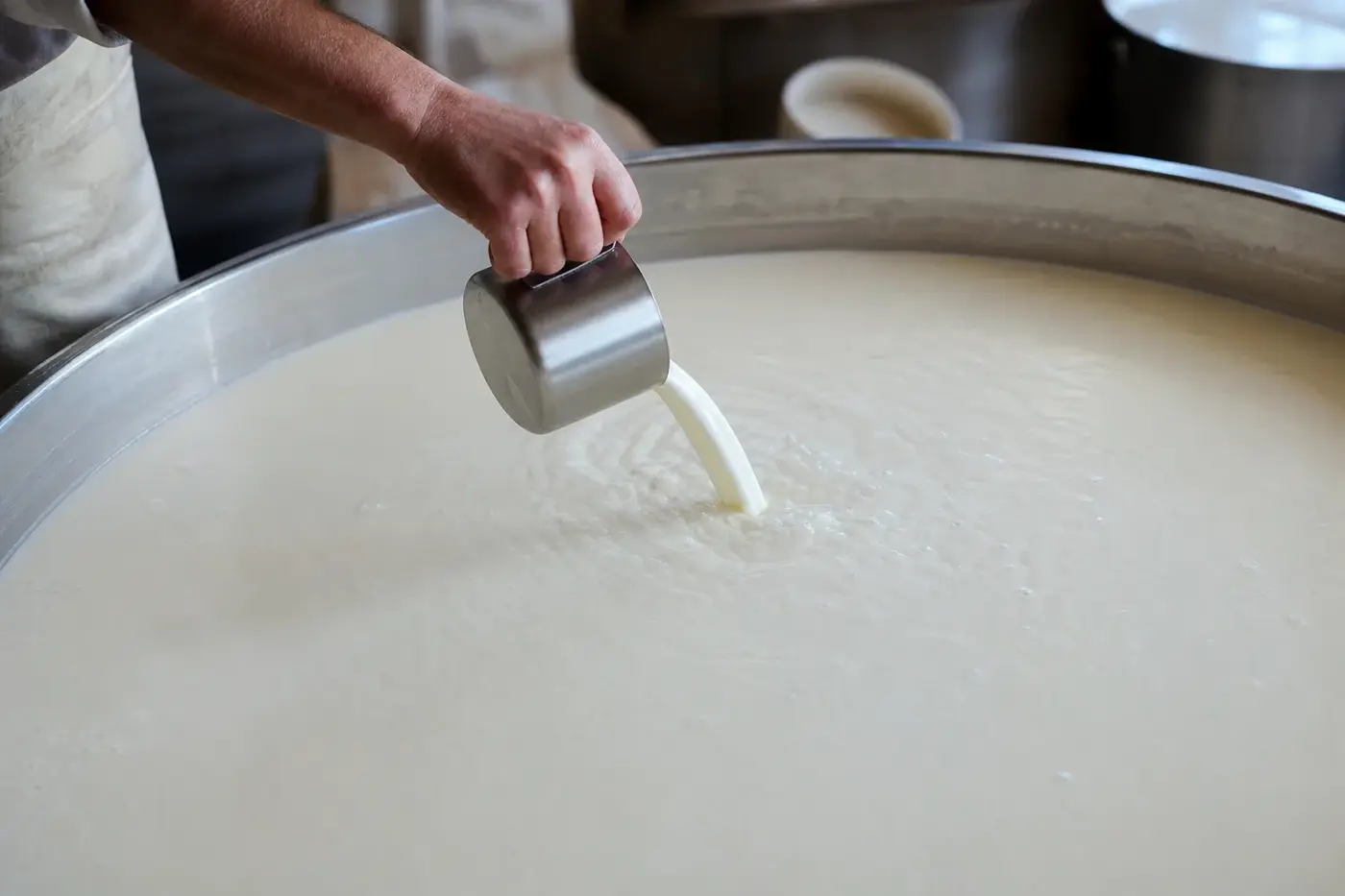
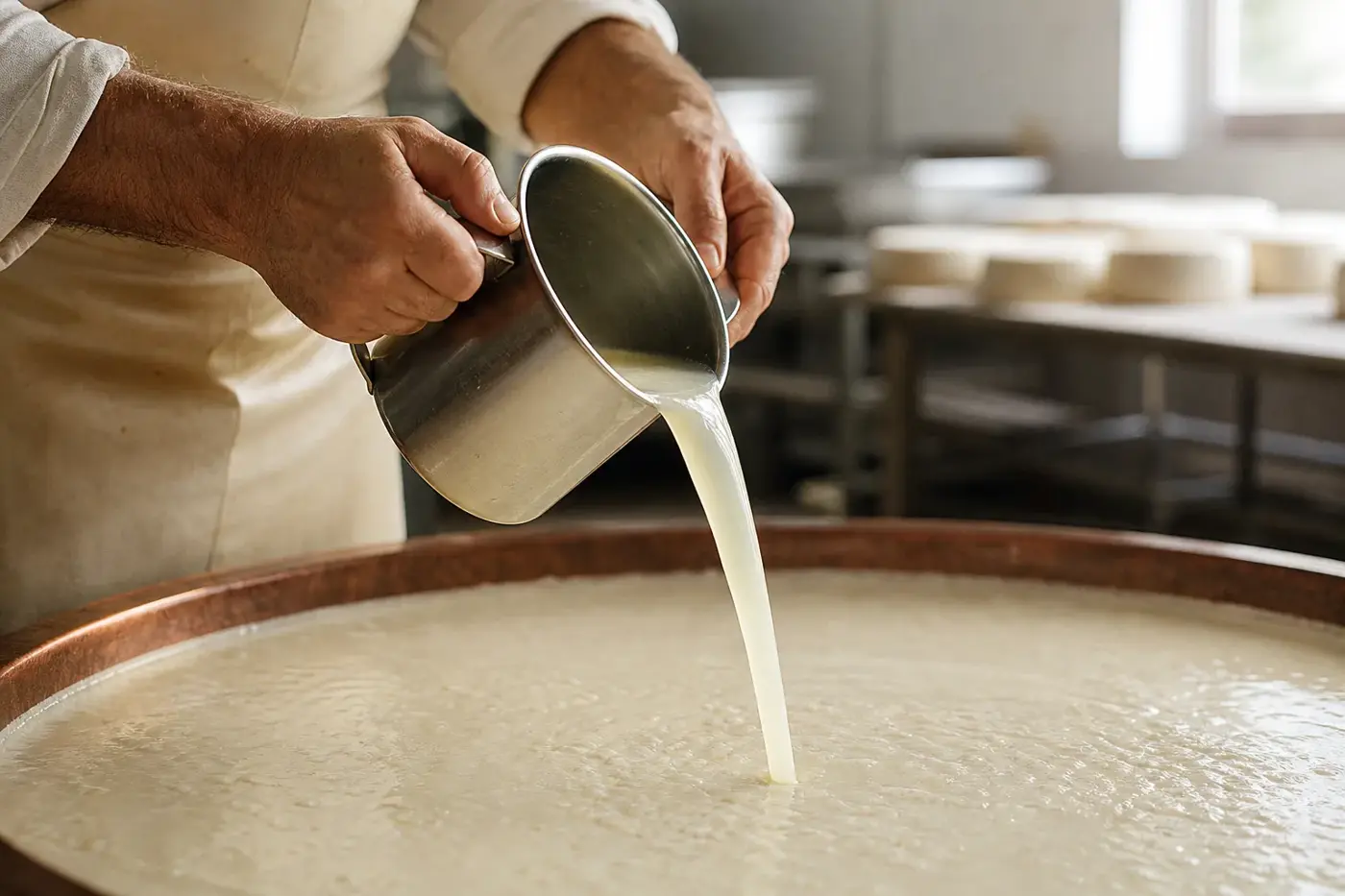
Wild Cultures vs Commercial Starters
Yesterday’s whey slips into today’s vat, carrying a dairy’s living culture with it.
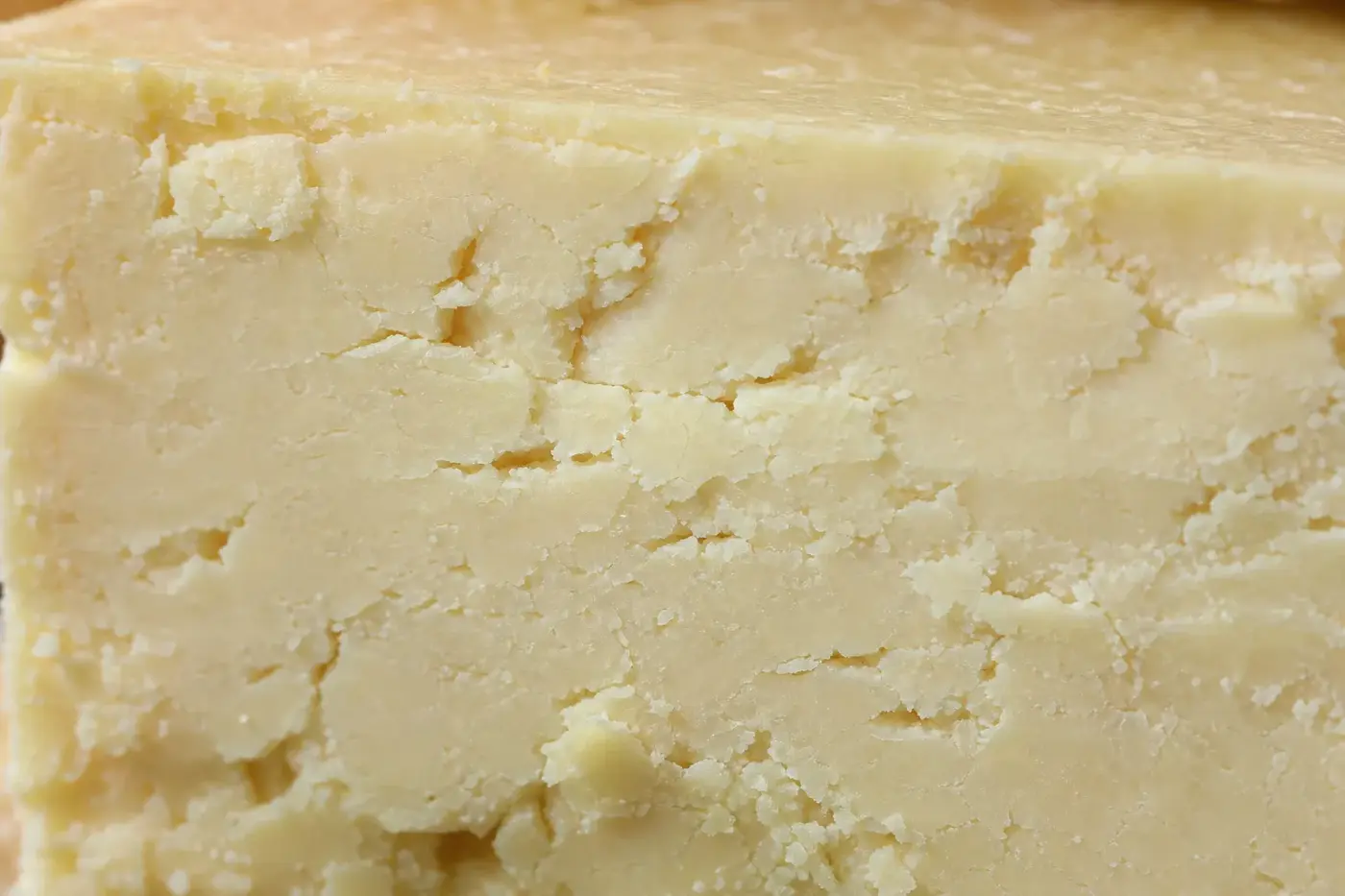
Non Starter Lactic Acid Bacteria and Ripening
Inside a maturing Cheddar, the first rush of acidification is over.
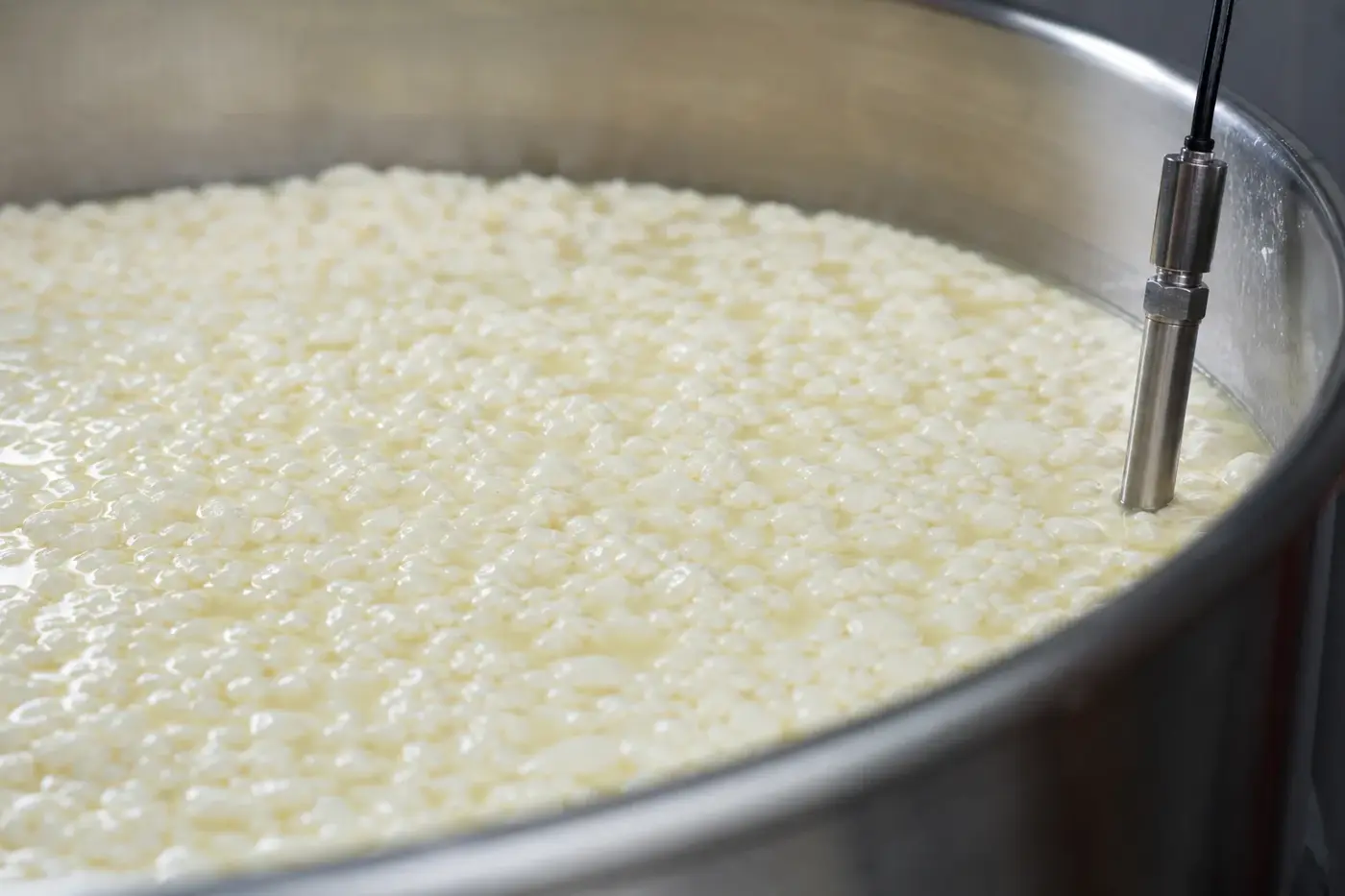
Bacteriophages: Why Starter Cultures Fail
The pH curve starts falling, then loses momentum.
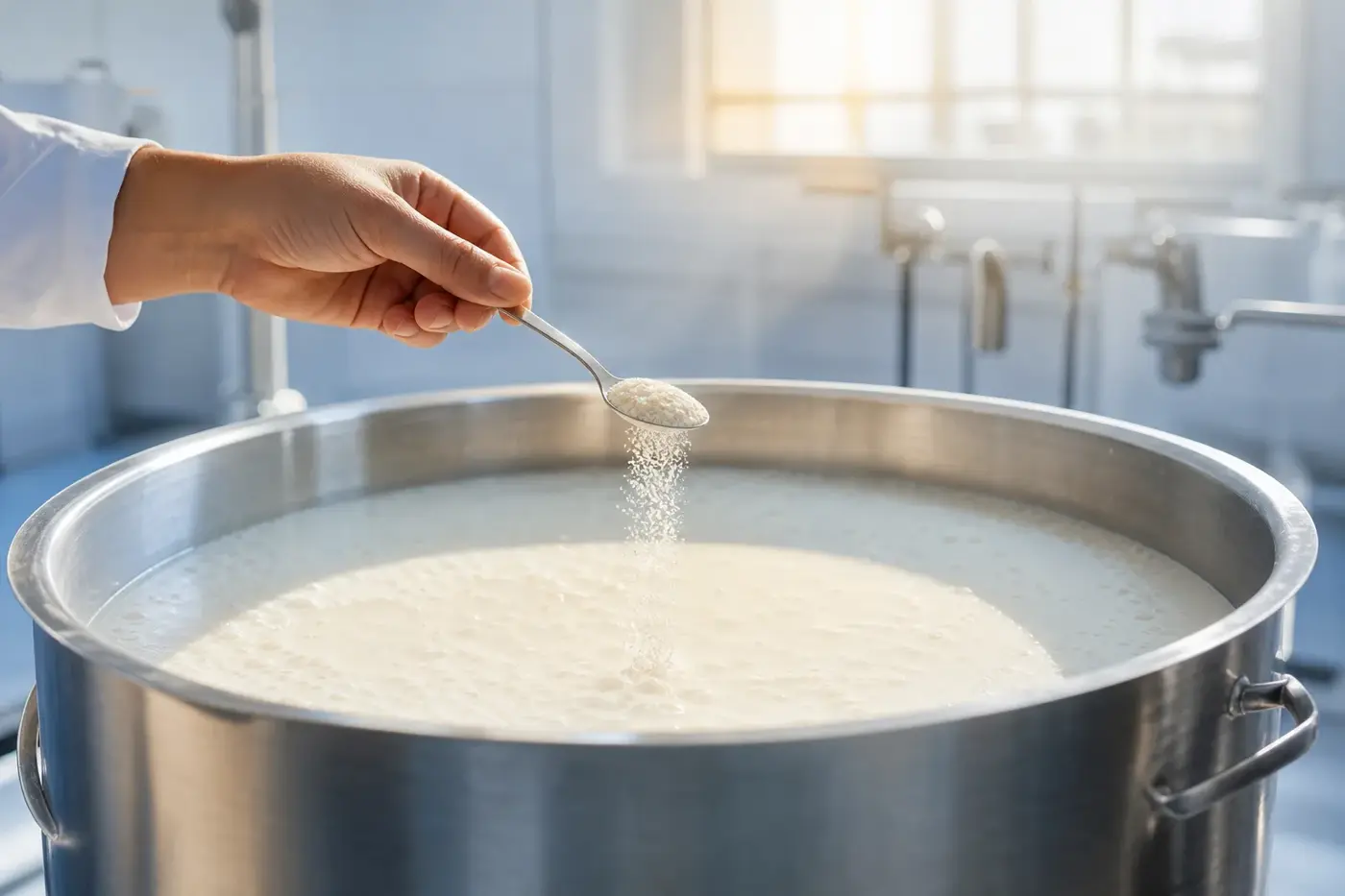
Mesophilic and Thermophilic Cultures
The milk has set.
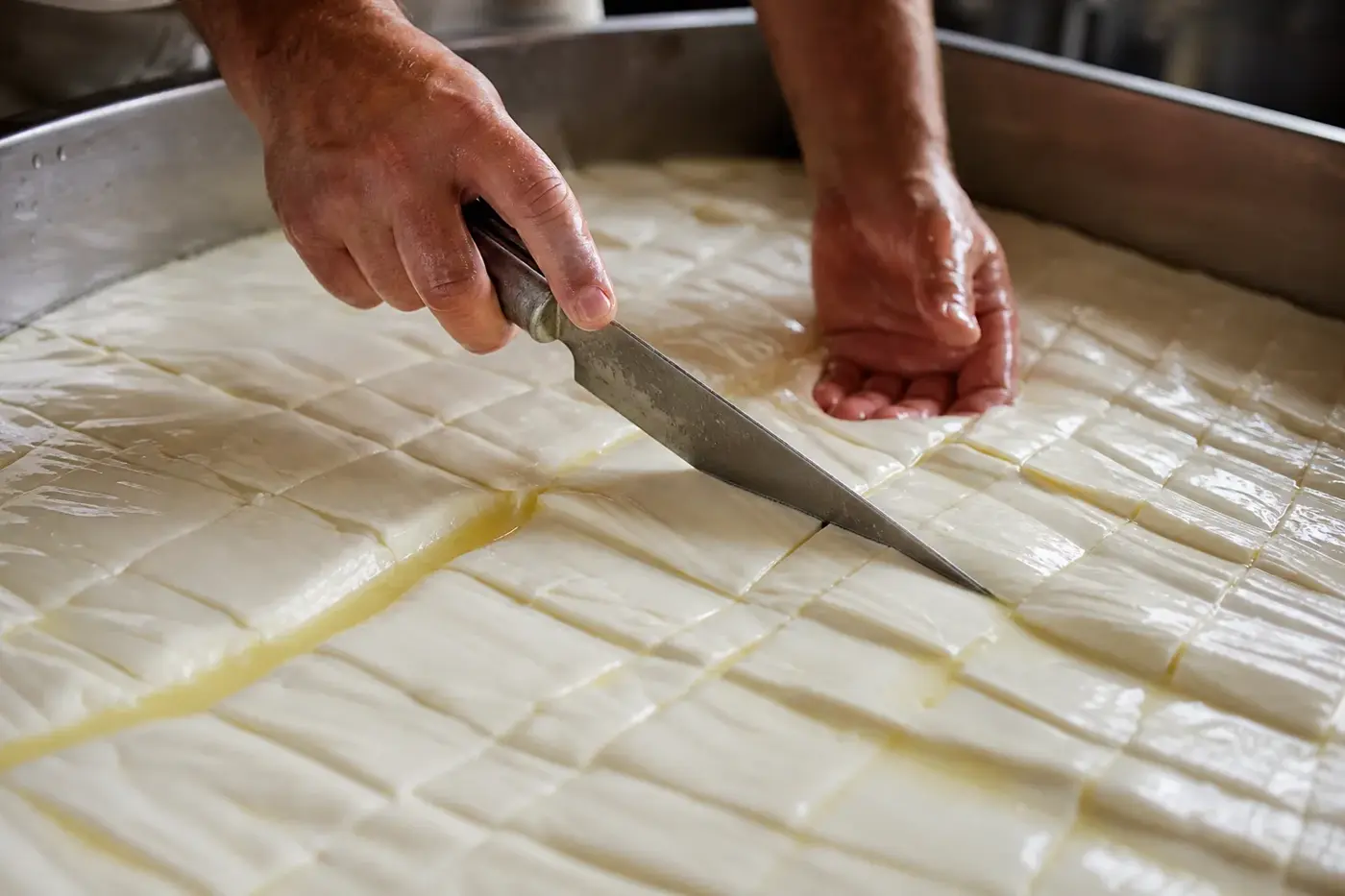
Rennet Explained: Animal, Microbial and Fermentation Produced
In Spain, cardoon thistle meets raw ewes' milk, and Torta del Casar begins to take shape.
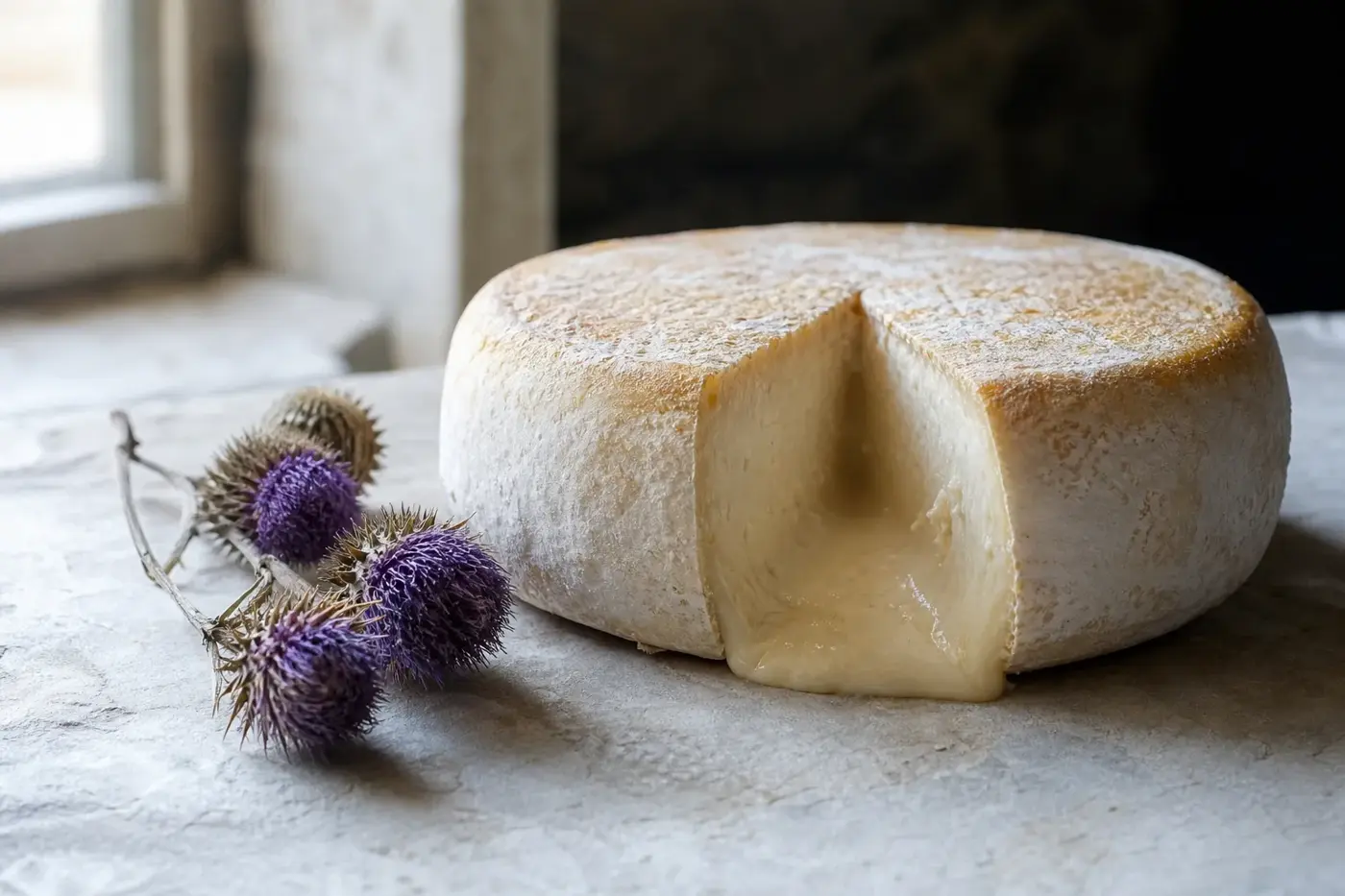
Vegetable Rennet: Thistle and Other Plant Coagulants
Cut into a young Queijo Serra da Estrela and watch its smooth, compact paste gently lose its shape.
Everything in this section
- Acid Set vs Rennet Set CheeseDip your spoon into quark, then grate a hard cheese.
- Calcium Chloride in CheesemakingYour knife goes into the curd.