Science & Making
Rinds, Moulds and Microbes
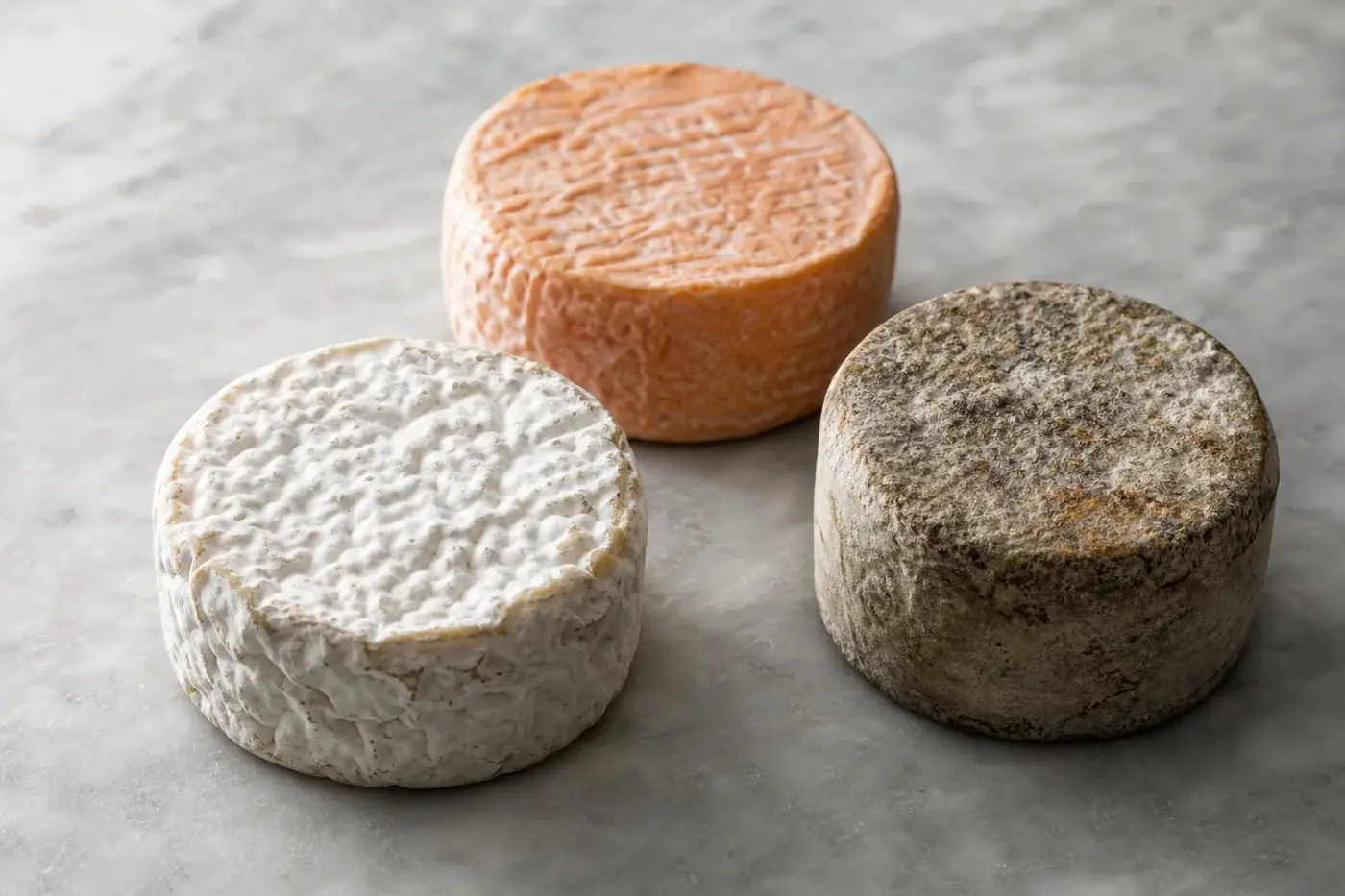
The rind is a useful starting point for exploring the life of a cheese. This hub brings together guides to surfaces, moulds and microbes, then turns to the questions raised by holes, crunchy bits and cheese mites.
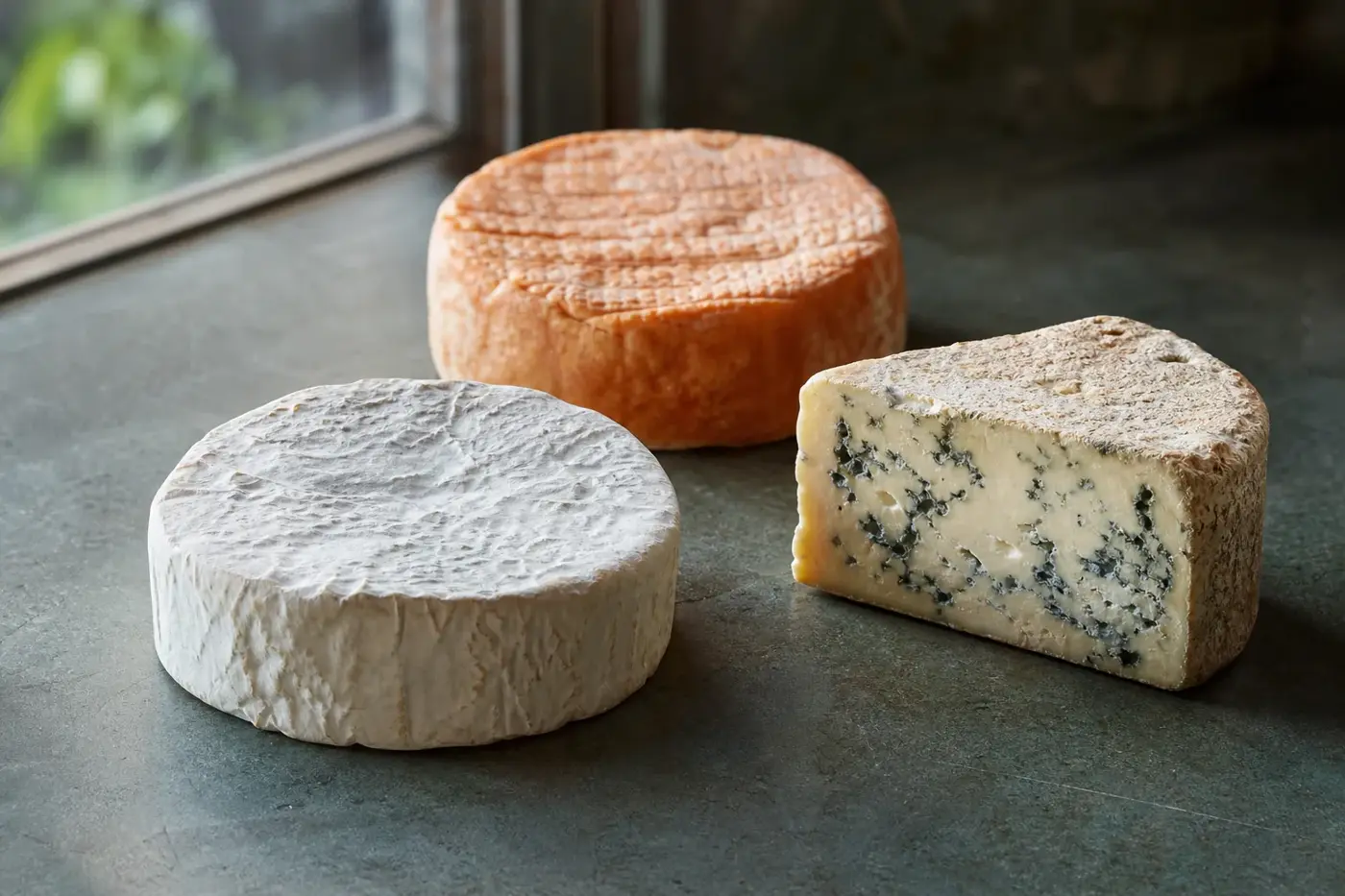
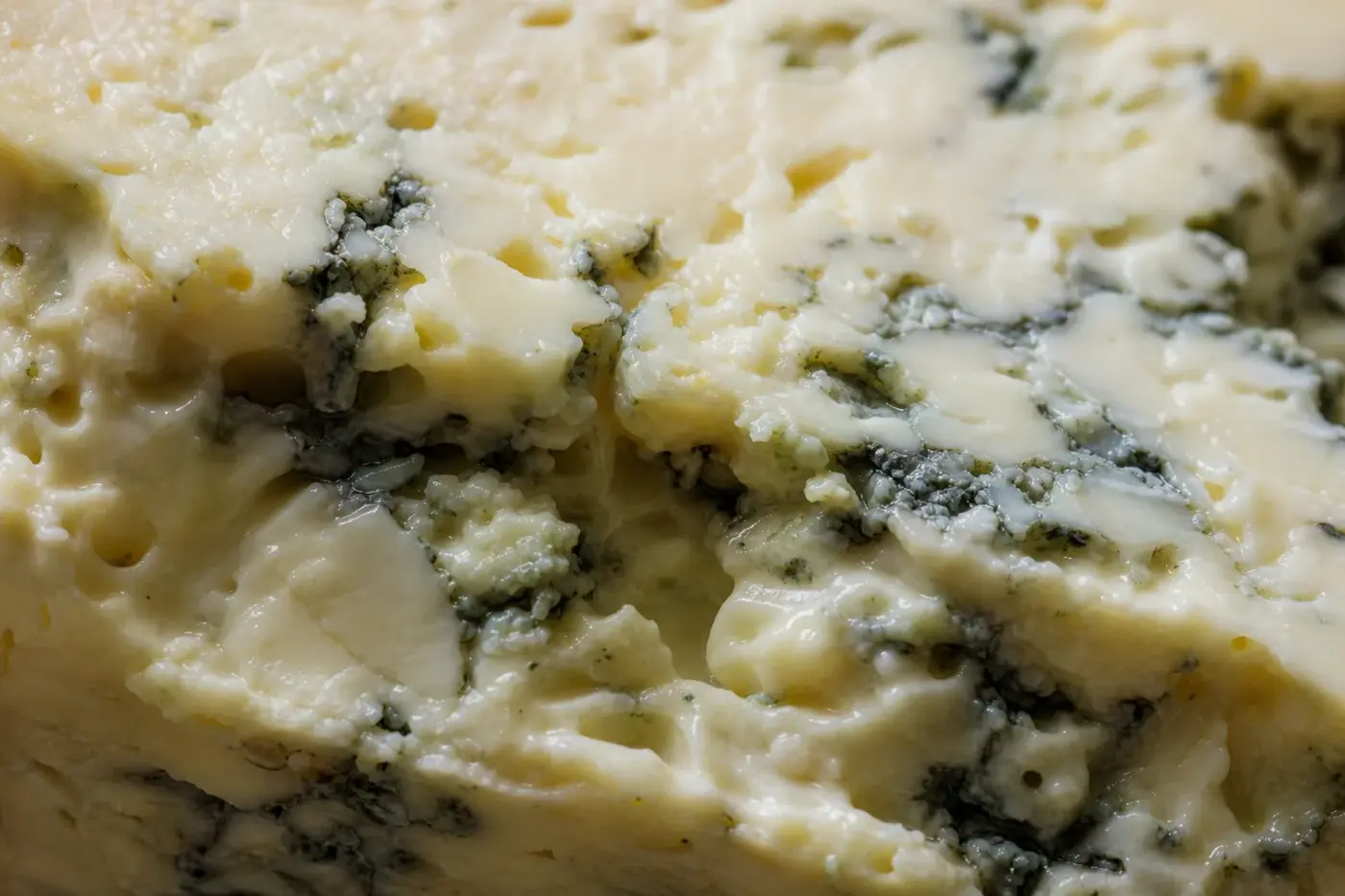
Penicillium roqueforti: How Blue Cheese Gets Its Veins
Your knife reveals branching veins, flecks and pockets of blue-green against pale cheese.
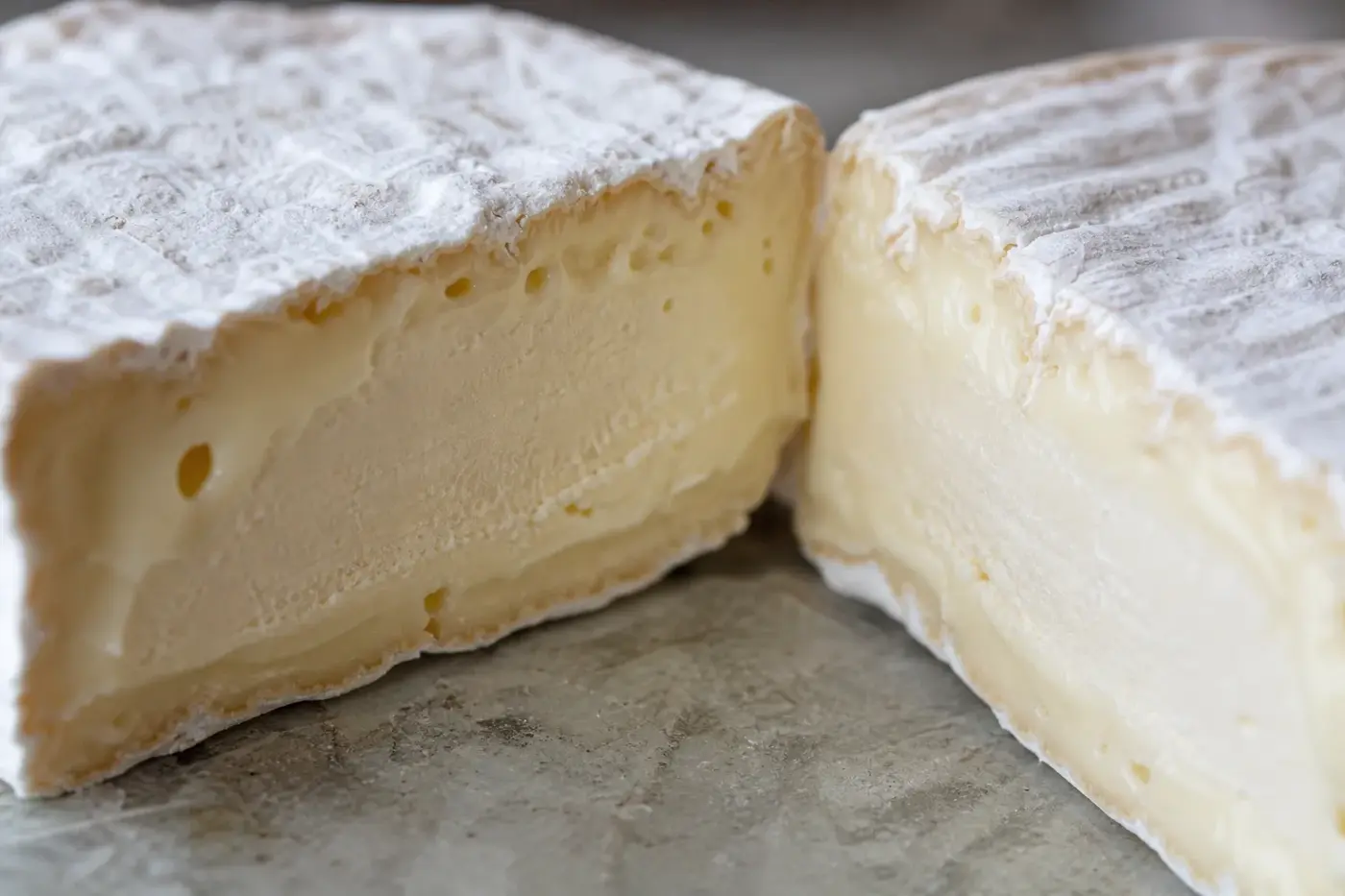
Penicillium camemberti and Bloomy Rinds
Cut into a young bloomy-rind cheese and look beneath its white coat.
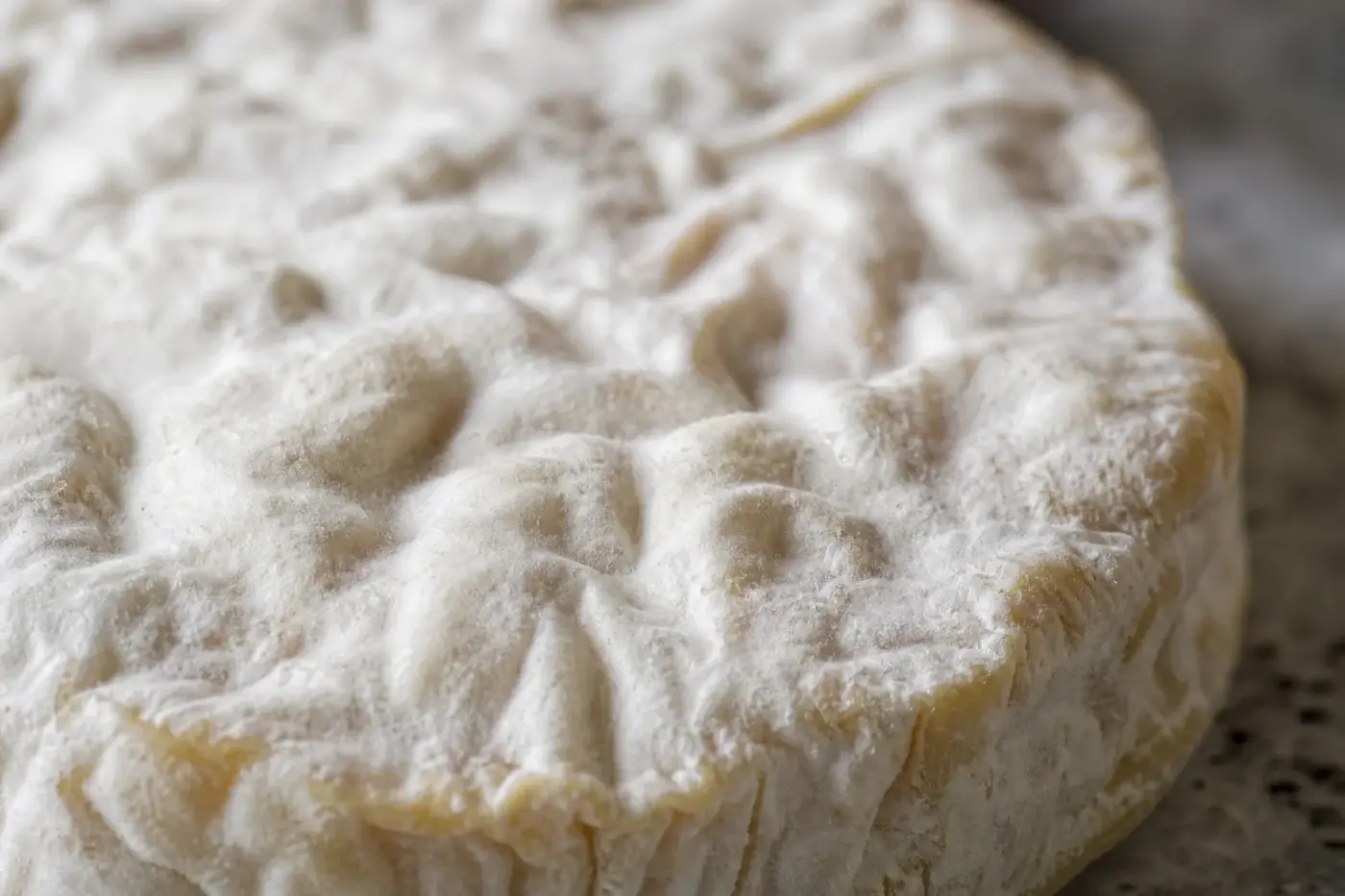
Geotrichum candidum Explained
Lean closer to the pale coat on a young soft cheese.
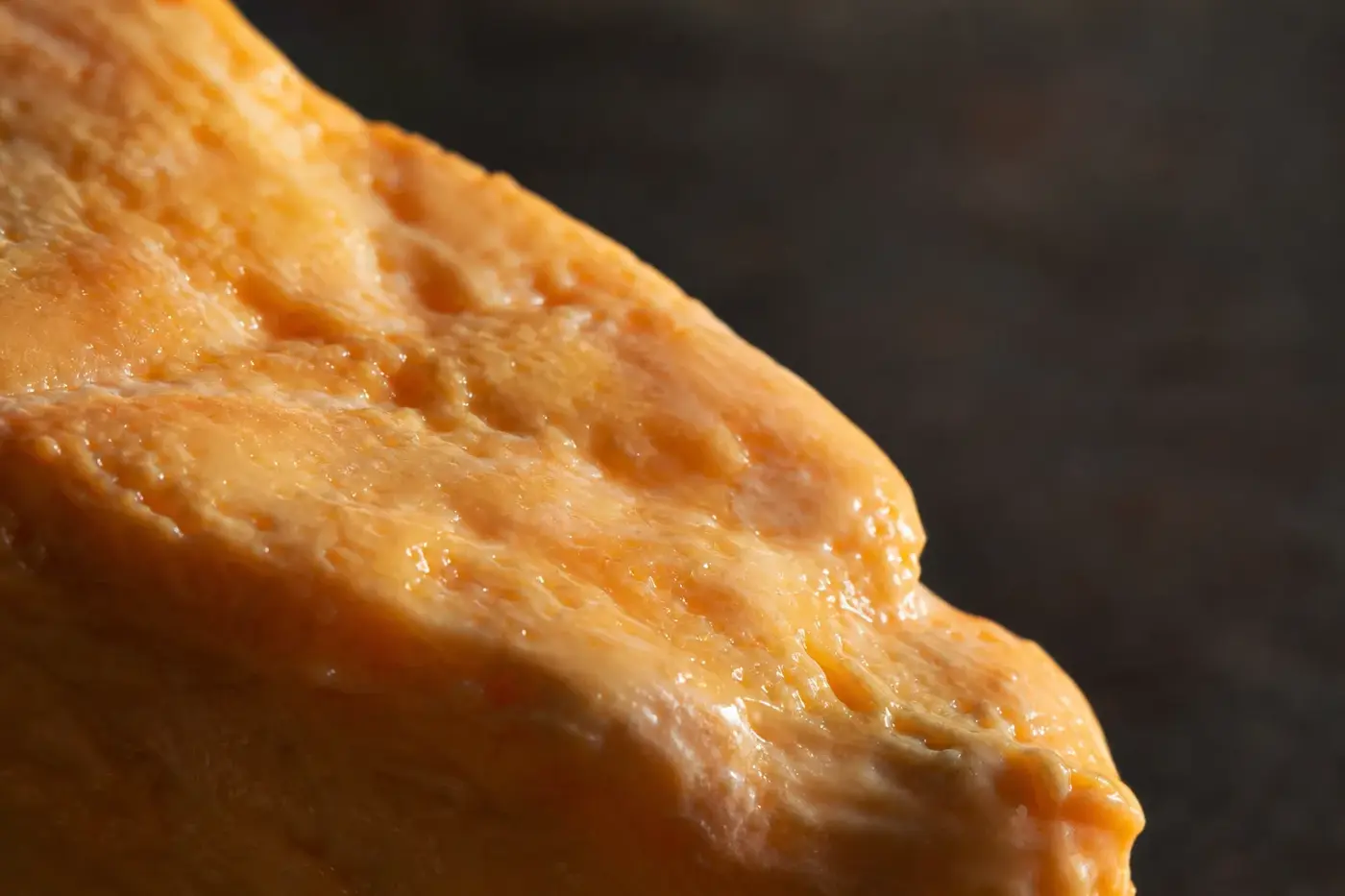
Washed Rind Microbes: Bacteria, Yeasts and Aroma
You notice the smell first.
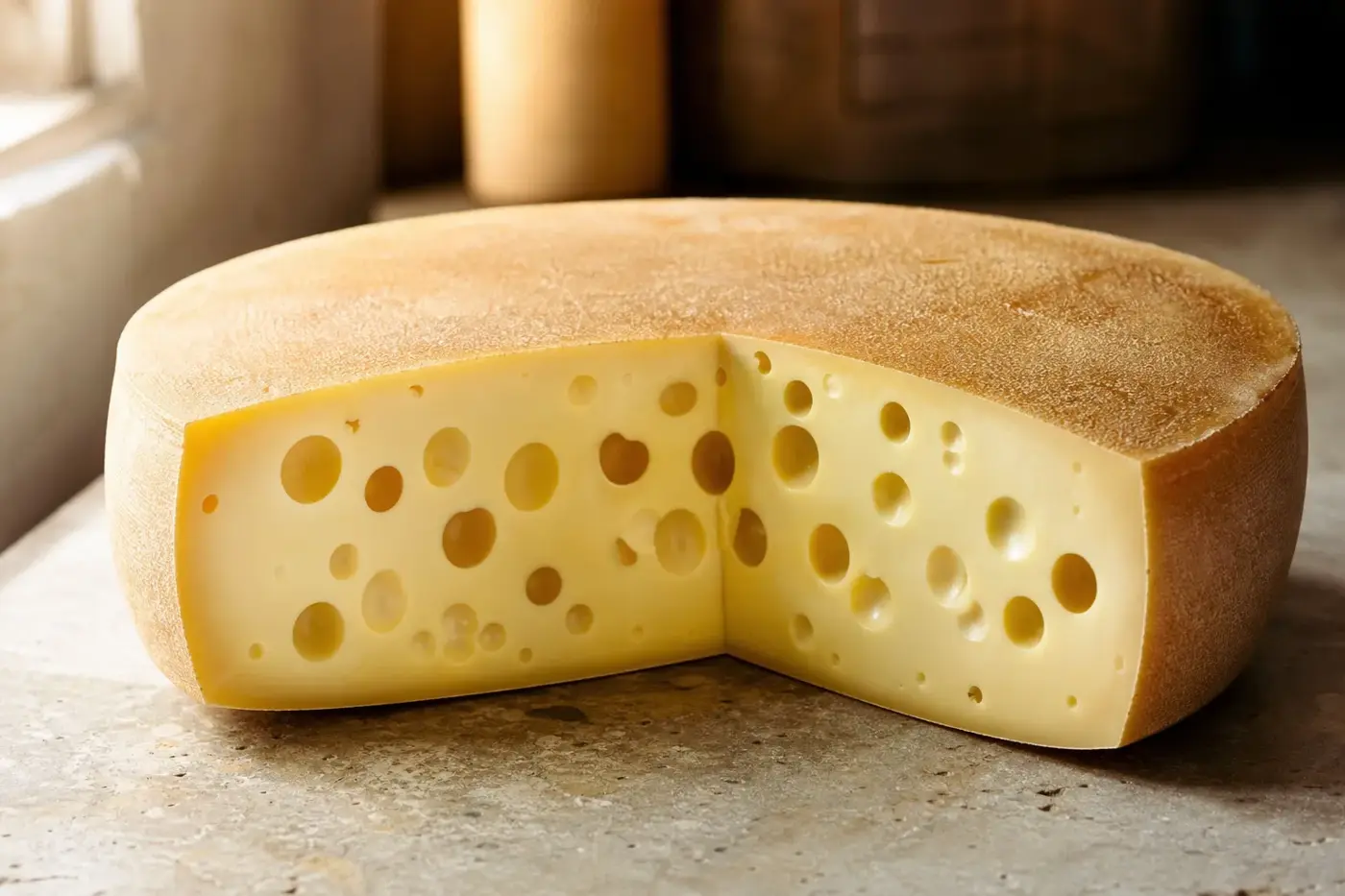
How Swiss Cheese Gets Its Holes
Picture 90 litres of milk and a trace of powdered hay.
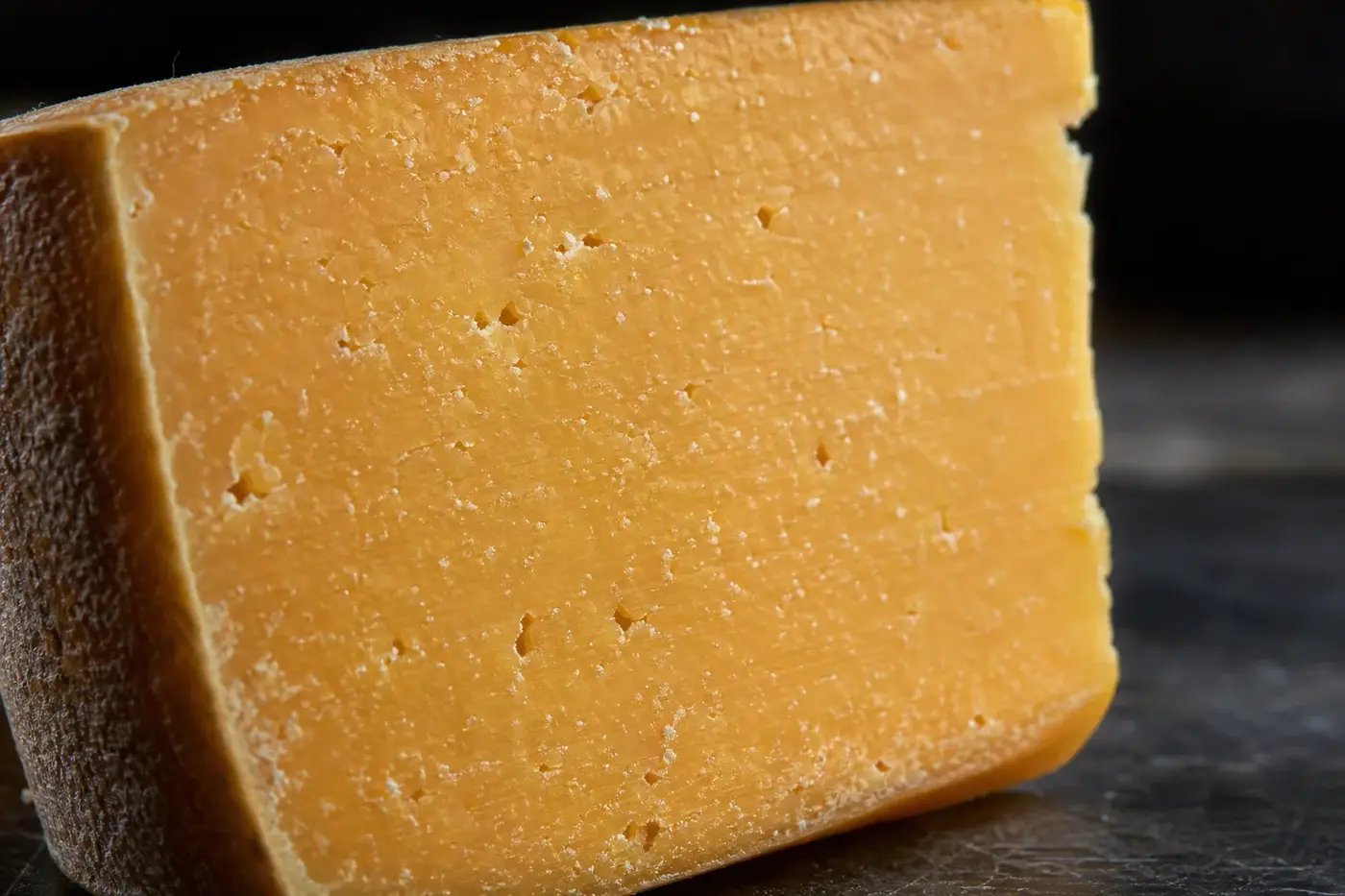
Cheese Crystals: What Are the Crunchy Bits?
Your knife slips through Parmigiano Reggiano or long-aged Gouda.
Everything in this section
- Cheese Mites and MimoletteCut into an aged Mimolette and the contrast is striking: firm orange cheese beneath a rough, cratered crust.