Cheese During Pregnancy
You scatter Parmesan over your plate, then pause: it was made with unpasteurised milk.
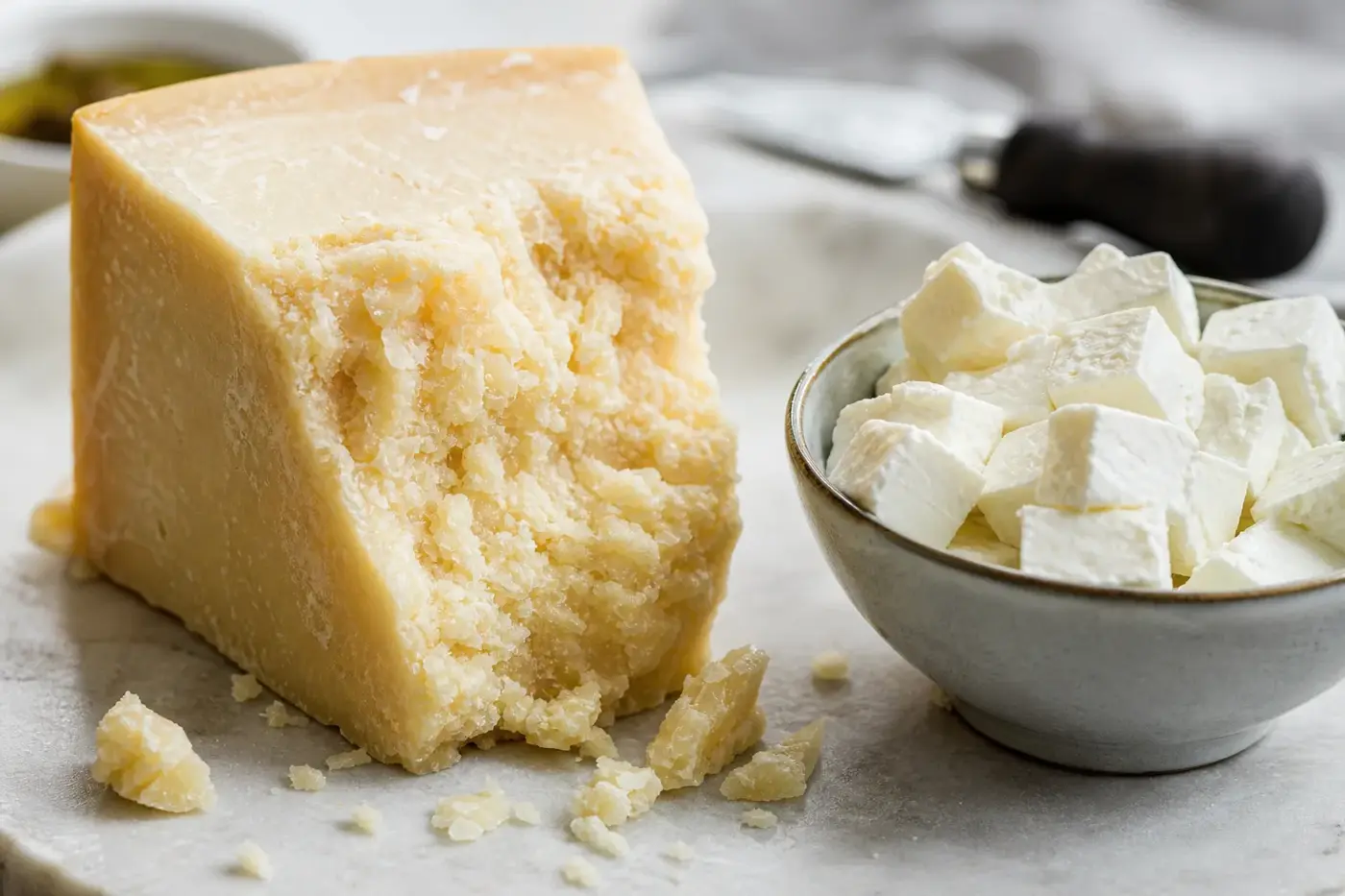
You scatter Parmesan over your plate, then pause: it was made with unpasteurised milk. Here is the surprise: it falls within NHS pregnancy guidance. So does cold pasteurised feta, yet New Zealand’s MPI says feta should be cooked.[1][7]
If you’re hoping for one simple rule, the answer needs a little unpacking. The dividing line is not just hard versus soft, or pasteurised versus raw milk. It depends on the cheese, whether you eat it cold or cooked, and the advice where you live. The NHS allows several hard cheeses and certain pasteurised soft cheeses, while other countries draw different boundaries.[1][4][6]
Your country comes before your cheese board
Before you reach for a favourite, turn to the guidance where you live. This November 2026 comparison brings together advice for pregnant people. Dates beside agencies are their published review or update dates, not the date of this comparison.
You’ll see quotation marks around short extracts from the official sources. The descriptions around them summarise those same sources.
| Country and source | Choices the guidance lists | What to avoid or cook as specified |
|---|---|---|
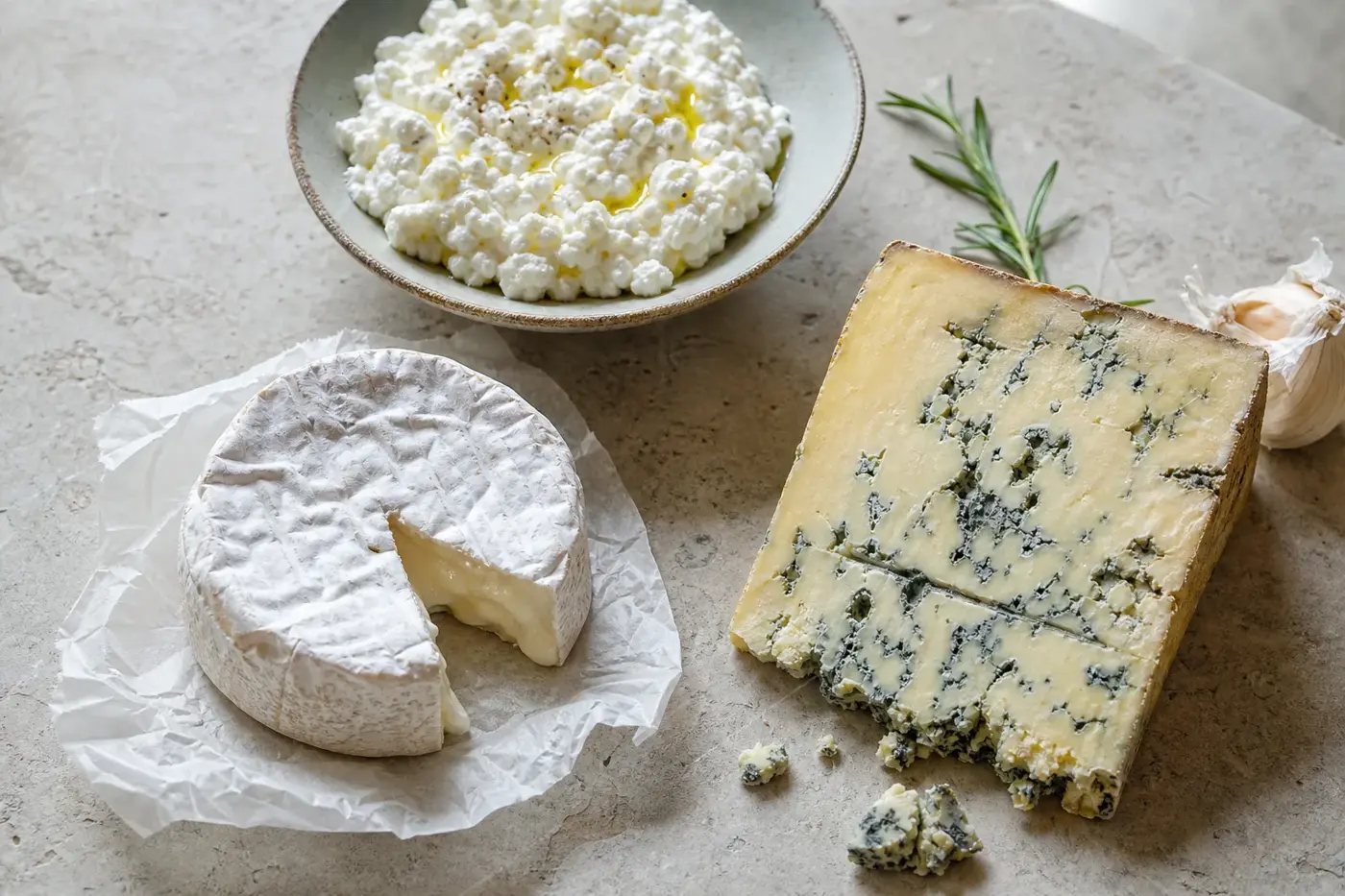
| UK, NHS, reviewed 15 June 2026.[1] | “pasteurised or unpasteurised hard cheeses, such as cheddar, gruyère and parmesan”; “pasteurised semi-hard cheeses, such as edam”. Also pasteurised cottage cheese, cream cheese, processed cheese spreads, mozzarella, feta, paneer, ricotta, mascarpone, halloumi, burrata and goats' cheese without a white rind. | These “must be thoroughly cooked”: cheese made from unpasteurised milk, such as soft goats' cheese with a white rind; mould ripened soft cheeses with a white rind, pasteurised or unpasteurised, such as brie, camembert and chèvre; and soft blue veined cheeses, such as Danish blue and gorgonzola. Avoid unpasteurised milk, cream, yoghurt, butter and ice cream. |
| US, FDA, current 16 January 2025.[2] | “Cheeses made with pasteurized milk, except for queso fresco-type cheeses made with pasteurized milk”. | “Cheeses made with unpasteurized (raw) milk” and “Queso fresco-type cheeses, like queso fresco, queso blanco, and requesón, made from either pasteurized or unpasteurized milk”. |
| US, CDC, 31 January 2025.[3] | Pasteurised hard cheeses, including Asiago, Cheddar, Parmesan and Swiss/Gruyere/Emmental; pasteurised cottage cheese, cream cheese, string cheese, feta and mozzarella. | Any unheated queso fresco-type cheese, even when pasteurised; any raw milk cheese. See CDC’s heating exception in the cooking table. |
| Canada, Health Canada, 29 September 2026.[4] | Uncooked pasteurised hard cheese, firm cheese, cottage cheese, processed cheese and spreadable cheese. Examples: Parmesan, Romano, Cheddar, Colby, Swiss, cheese curds and cream cheese. | “Avoid all uncooked cheese made from unpasteurized milk”. Also avoid uncooked soft cheese, including Brie, Camembert and feta; semi-soft cheese such as Havarti; and blue-veined cheese, even when pasteurised. |
| Australia and New Zealand, FSANZ, metadata dated 2 October 2025.[6] | This page does not specify choices. | Avoid “soft, semi-soft and surface-ripened cheeses such as brie, camembert, ricotta, blue and feta (unless thoroughly cooked)”. |
| New Zealand, MPI, reviewed 29 July 2026.[7] | Hard cheese such as cheddar and parmesan, refrigerated. Pasteurised cottage cheese and cream cheese in sealed packs, eaten cold within two days of opening. | Low-acid soft pasteurised cheese, including brie, camembert, blue, ricotta, paneer, mozzarella, feta and haloumi: “Do not eat unless cooked”. All unpasteurised milk products: “Don’t eat”. |
| France, health ministry, updated 6 March 2026.[8] | Its prevention advice focuses on foods to avoid and says “Retirer la croûte des fromages”, meaning remove cheese rinds. | Avoid raw milk and soft cheeses with bloomy or washed rinds. Pregnant women are among those advised to avoid these foods. |
| France, ANSES, 8 April 2022. | Cooked pressed cheeses such as gruyère and comté are exceptions to its raw milk cheese advice. | Pregnant women and other people at risk should avoid raw milk cheeses, “à l'exception des fromages à pâte pressée cuite comme le gruyère ou le comté”. |
| France, Santé.fr, published 25 April 2025, with content supplied by mpedia of the Association Française de Pédiatrie Ambulatoire. | Remove cheese rinds. | Avoid unpasteurised cheeses, including grated cheese. |
If you live in Scotland, Food Standards Scotland points you towards NHS Inform’s Ready Steady Baby guidance. FSS also identifies blue-veined and mould-ripened soft cheese among foods associated with Listeria.[12][13]
On the agencies’ source pages, look for the relevant cheese categories rather than relying on a brand name. The FSA’s blue-cheese risk assessment was commissioned to inform pregnancy guidance shared with FSS.[17]
When cooking changes your cheese choices
“Steaming hot” is the NHS wording. Health Canada describes cheese in a casserole or au gratin, “hot, bubbly and browned on top”.[1][4] Those details matter. Cooking can change the advice, but each agency sets its own conditions and specifies which cheeses they cover.
The table below brings together those heating conditions for this November 2026 comparison. Where a source uses Fahrenheit, you’ll also find the metric equivalent.
| Agency and jurisdiction | Which cheese or food? | The agency’s cooking wording |
|---|---|---|
| NHS, UK.[1] | Any cheese, including soft or blue. | “any cheese that's been cooked until steaming hot, including soft or blue cheese”. |
| CDC, US.[3] | Queso fresco-type or raw-milk cheeses; 74 °C is approximately 165 °F. | “when heated to 165°F or until steaming hot”. |
| Health Canada.[4] | Cheese from pasteurised or unpasteurised milk. | “like in a casserole or au gratin (meaning, broiled until hot, bubbly and browned on top)”. |
| FSANZ, Australia and New Zealand.[6] | Listed cheeses: “unless thoroughly cooked”. Its general reheating instruction appears alongside. | “Reheat food thoroughly until it is steaming hot (75°C)”. |
| MPI, New Zealand.[7] | Its low-acid soft pasteurised cheese category. | “Do not eat unless cooked”. |
| Health ministry, France.[8] | General instruction for foods eaten hot. | “Réchauffer les aliments consommés à chaud à une température interne supérieure à + 70°.” In English: reheat foods eaten hot to an internal temperature above 70 °C. |
Keep the French instruction in context when you read it. It belongs to the ministry’s general food-hygiene advice and appears separately from the list of foods pregnant women should avoid.[8]
The same feta, a different answer
Pasteurised feta makes the international differences particularly clear. The NHS lists it among cheeses you can eat during pregnancy. FSANZ says to avoid feta unless thoroughly cooked, while MPI puts it in its cooked-only category.[1][6][7]
You’ll find the same issue beyond feta. Cold pasteurised mozzarella, ricotta and halloumi also receive different advice from the NHS and MPI.[1][7] Your location matters as much as the name on the packet.
Hard cheese has a dividing line of its own. The NHS explicitly includes hard cheeses made from unpasteurised milk. CDC specifies pasteurised hard cheese among its alternatives, while MPI separately tells pregnant readers not to eat any unpasteurised dairy products.[1][3][7]
If you’re in Canada, turn to Health Canada’s current cheese sheet, dated 29 September 2026. Addressed directly to pregnant people and other higher-risk groups, it advises avoiding every uncooked cheese made from unpasteurised milk.[4] An older pregnancy page, modified 5 June 2025, lists unpasteurised hard cheeses such as Romano and Parmesan among safer alternatives.[5]
In the US, there is another detail to look for: deli-sliced cheese. CDC’s more detailed pregnancy table, included in this November 2026 comparison, lists it unheated among riskier choices. Its alternative is heated deli-sliced cheese: “heated to 165°F or until steaming hot”, approximately 74 °C (165 °F).[14]
FDA’s pregnancy page separately excludes queso fresco-type cheeses from its pasteurised-cheese choices.[2] The federal FoodSafety.gov pregnancy page uses the same cheese categories and heating exception as CDC’s Listeria prevention page.[15]
Why the fridge is only part of the picture
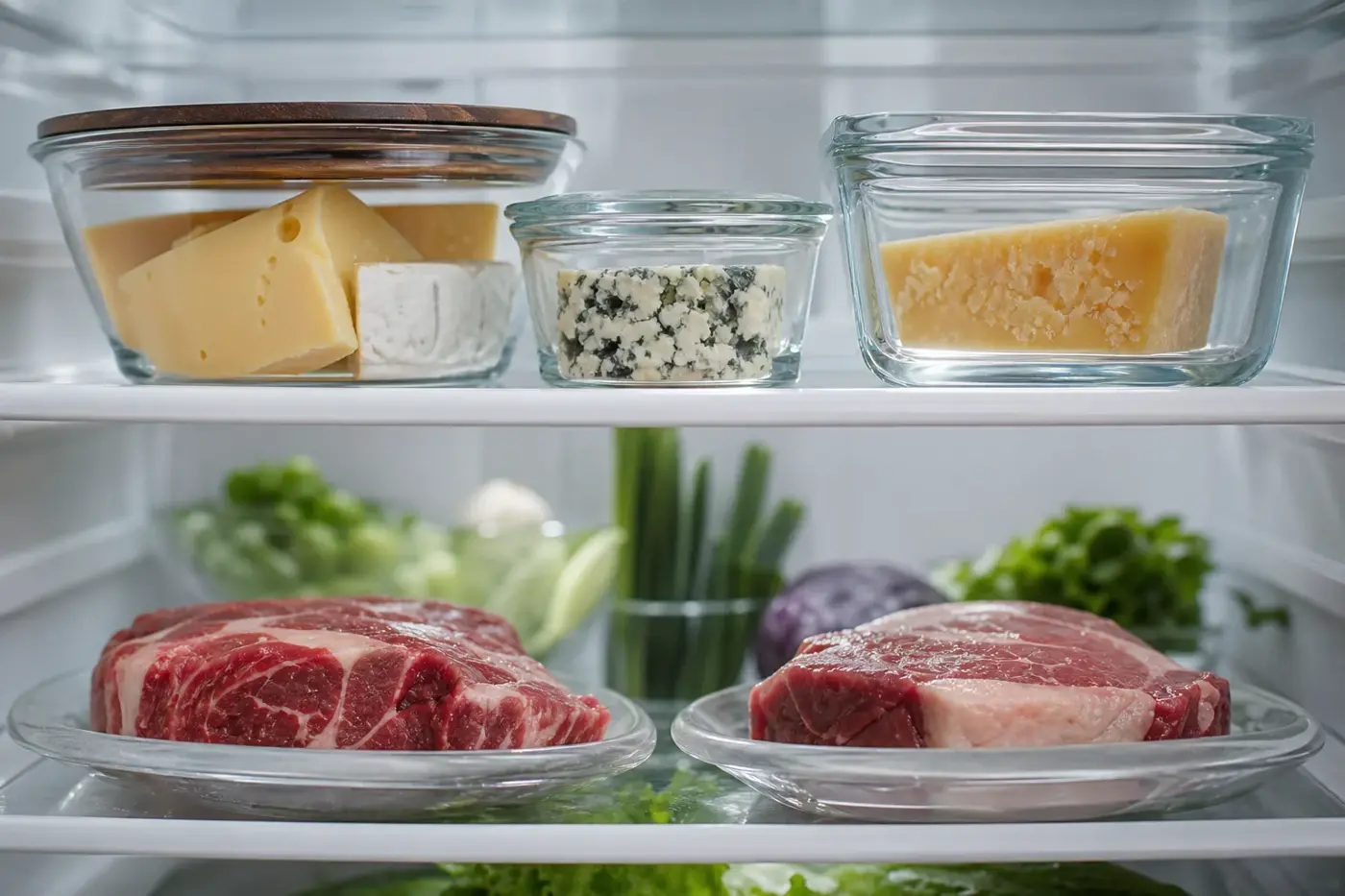
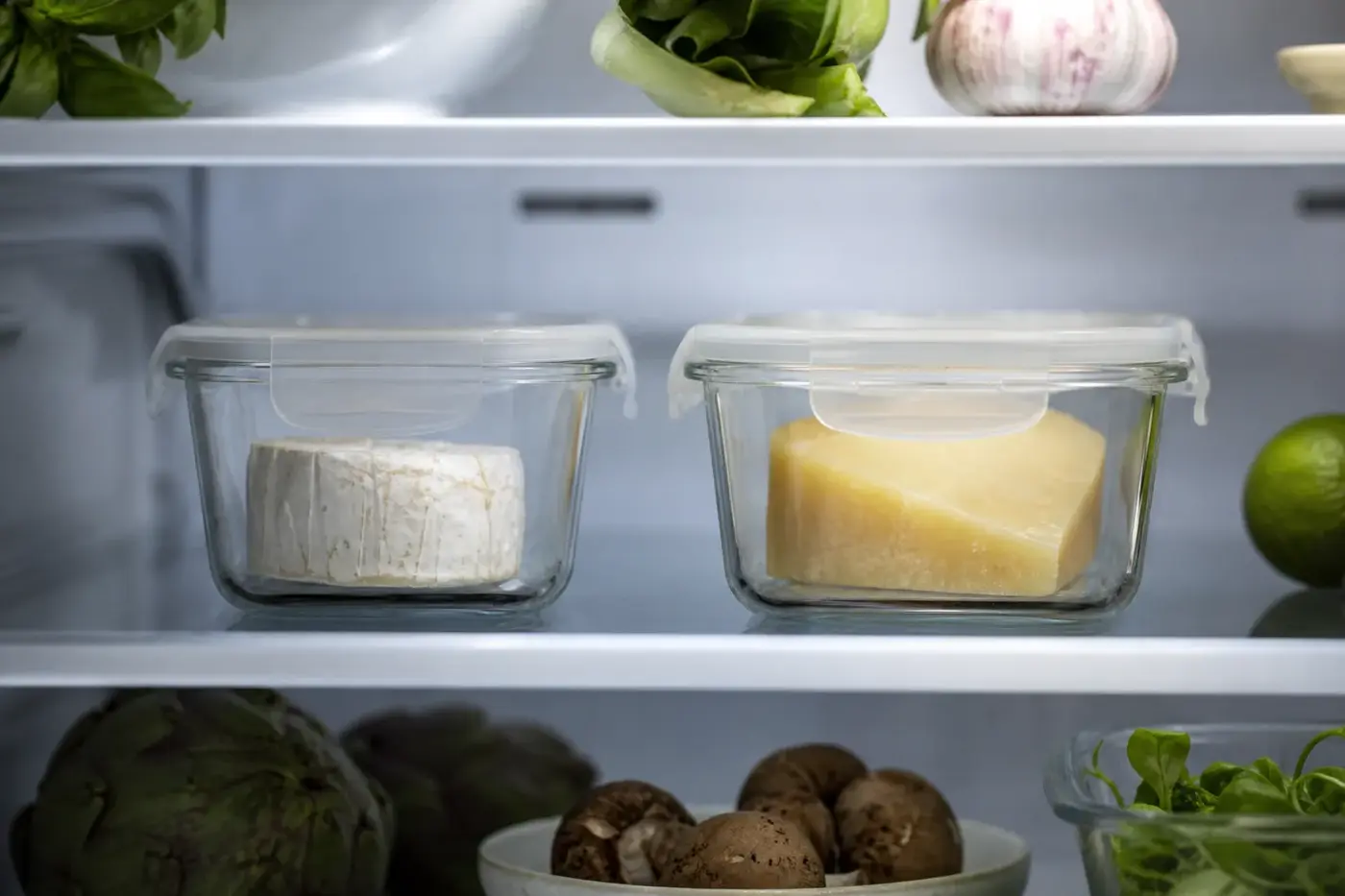
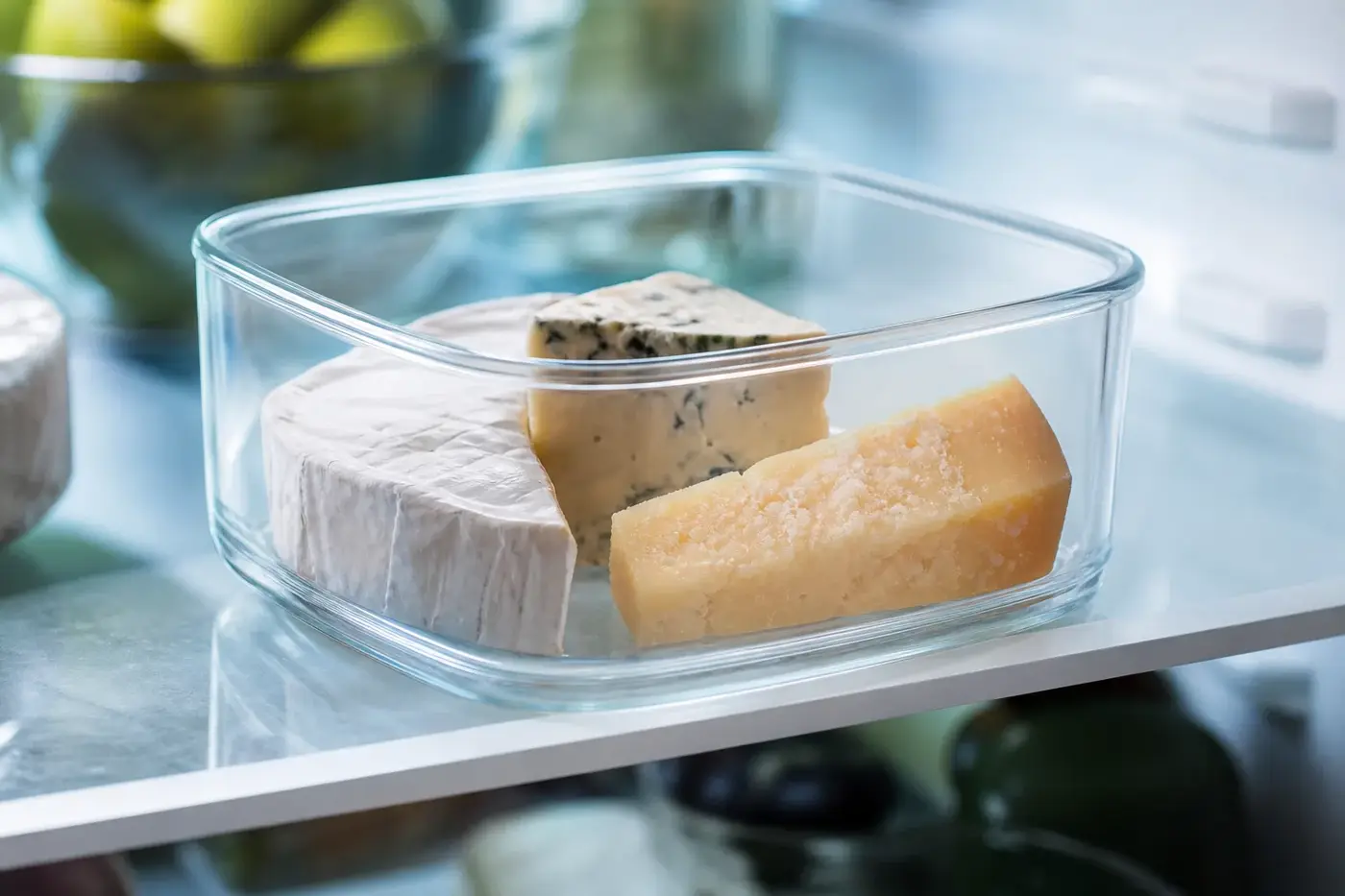
Cold cheese does not answer the whole question. Listeria bacteria can grow at refrigerator temperatures, which is one reason refrigeration alone does not settle which cheese to eat during pregnancy.[2]
Listeriosis is an infection caused by Listeria bacteria in contaminated food. FDA explains that illness during pregnancy can be mild or absent in the mother while causing serious harm to the pregnancy or newborn.[2] The NHS lists miscarriage, stillbirth and serious illness in the newborn among the possible consequences.[1]
Pasteurisation is not the whole story, either. Contamination can happen after milk has been pasteurised, and CDC’s guidance restricts certain pasteurised cheeses.[3][14]
Already eaten it? Where to turn for help
If you’re worried about something you have eaten, or you have symptoms, the NHS advises speaking to a midwife or GP.[1] If you are pregnant and think you have listeriosis, its listeriosis page says to seek an urgent GP appointment or help from NHS 111. A midwife can also advise.[10]
A severe headache with a stiff neck, seizures, sudden confusion or difficulty waking needs immediate emergency help. Call 999 or go to A&E, says the NHS, and do not drive yourself there.[10] The NHS identifies these as possible signs of meningitis.[10]
In the US, contact a healthcare provider if you ate food recalled or linked to an outbreak and have fever with other symptoms, such as tiredness and muscle aches. CDC says to tell the provider about the possible exposure.[11]
If you ate possibly contaminated food but feel well, CDC says most experts consider testing or treatment unnecessary. Take questions about what to do to a healthcare provider.[11]
FSANZ advises pregnant women with symptoms to seek medical attention immediately.[6] In Scotland, FSS directs anyone who thinks they have food poisoning to their GP or NHS 24 on 111.[13]
A recall notice? Keep your packet to hand
A recall concerns an affected product, not simply a style of cheese. Official notices identify those products and tell you what to do. Services include the FSA in the UK, FDA in the US, Canada’s recalls portal, FSANZ in Australia and RappelConso in France.[16]
Match your packaging to the notice: it may specify a particular batch, pack size or date code. If your product is affected, follow the notice’s instructions rather than applying a general cooking exception from the tables above.[16]
General information only, not medical advice: follow the official guidance where you live.
Questions people ask
Can I eat Parmesan made with unpasteurised milk during pregnancy?
The NHS lists both pasteurised and unpasteurised hard cheeses, including Parmesan, as choices. See NHS pregnancy guidance for the full list.
Can I eat brie during pregnancy if it is cooked?
The NHS says brie must be thoroughly cooked, whether it is made with pasteurised or unpasteurised milk. Its guidance says cheese should be cooked until steaming hot.
Can I eat feta during pregnancy?
The NHS lists pasteurised feta as a choice. New Zealand’s MPI says feta should not be eaten unless cooked, so check the guidance where you live.
Why does cheese need special consideration during pregnancy?
Listeria bacteria can grow at refrigerator temperatures, and contamination can occur after milk has been pasteurised. The NHS lists miscarriage, stillbirth and serious illness in the newborn among the possible consequences of listeriosis.
What if I have already eaten cheese I am worried about?
The NHS advises speaking to a midwife or GP if you are worried about something you have eaten or have symptoms. If you are pregnant and think you have listeriosis, the NHS says to seek an urgent GP appointment or help from NHS 111; see its listeriosis guidance.
Sources
- NHS. Foods to avoid in pregnancy. Reviewed 15 June 2026. Cheese categories, cooking wording and advice after eating a food of concern. Official guidance.
- US Food and Drug Administration. Listeria (Food Safety for Moms-to-Be). Content dated 16 January 2025. Pregnancy guidance and Listeria questions and answers. Official guidance.
- Centers for Disease Control and Prevention. Preventing Listeria Infection. 31 January 2025. Food-choice table for people at increased risk. Official guidance.
- Health Canada. Safer cheese choices for people at greater risk of food poisoning: Information Sheet. 29 September 2026. Current cheese guidance.
- Health Canada. Safe food handling for pregnant people. Published March 2025; modified 5 June 2025. Older pregnancy guidance.
- Food Standards Australia New Zealand. Listeria in food. Metadata dated 2 October 2025. Official guidance.
- New Zealand Ministry for Primary Industries. List of safe food in pregnancy. Reviewed 29 July 2026. Dairy entries retrieved through the official page’s indexed text. Official pregnancy food table.
- France, Ministère de la Santé. Listériose. Updated 6 March 2026. Prevention and reheating passages retrieved through official search extracts. Official guidance.
- Santé publique France. Listériose: La maladie. Updated 19 September 2025. Prevention section, including milk treatment and rind removal. Official information.
- NHS. Listeriosis. Web version retrieved November 2026. Urgent and emergency advice. Official symptom and contact guidance.
- Centers for Disease Control and Prevention. Symptoms of Listeria Infection. 3 February 2025. Section on when to contact a healthcare provider. Official guidance.
- Food Standards Scotland. People who are at higher risk of food poisoning. Web version retrieved November 2026. Pregnancy section and referral to Ready Steady Baby. Official guidance.
- Food Standards Scotland. Listeria: Fast Facts. PDF, publication date not established; retrieved November 2026. Foods associated with infection and contact advice. Official factsheet.
- Centers for Disease Control and Prevention. Safer Food Choices for Pregnant Women. Web version retrieved November 2026. Cheese comparison table. Official pregnancy guidance.
- FoodSafety.gov. People at Risk: Pregnant Women. Web version retrieved November 2026. Cheese categories and heating exception. Federal pregnancy guidance.
- Official recall services, web versions retrieved November 2026: FSA news and alerts; FDA recalls, market withdrawals and safety alerts; Canada recalls and safety alerts; FSANZ Australian food recalls; France RappelConso.
- Food Standards Agency. Risk assessment for vulnerable consumers from Listeria monocytogenes in blue cheese. Web summary retrieved November 2026. Commissioning purpose and relationship to FSA and FSS pregnancy guidance. Official assessment summary.
This desk-researched comparison uses official guidance, keeping each agency’s categories and cooking conditions separate.
Last checked: November 2026
Last checked November 2026.
The editors suggest you read next