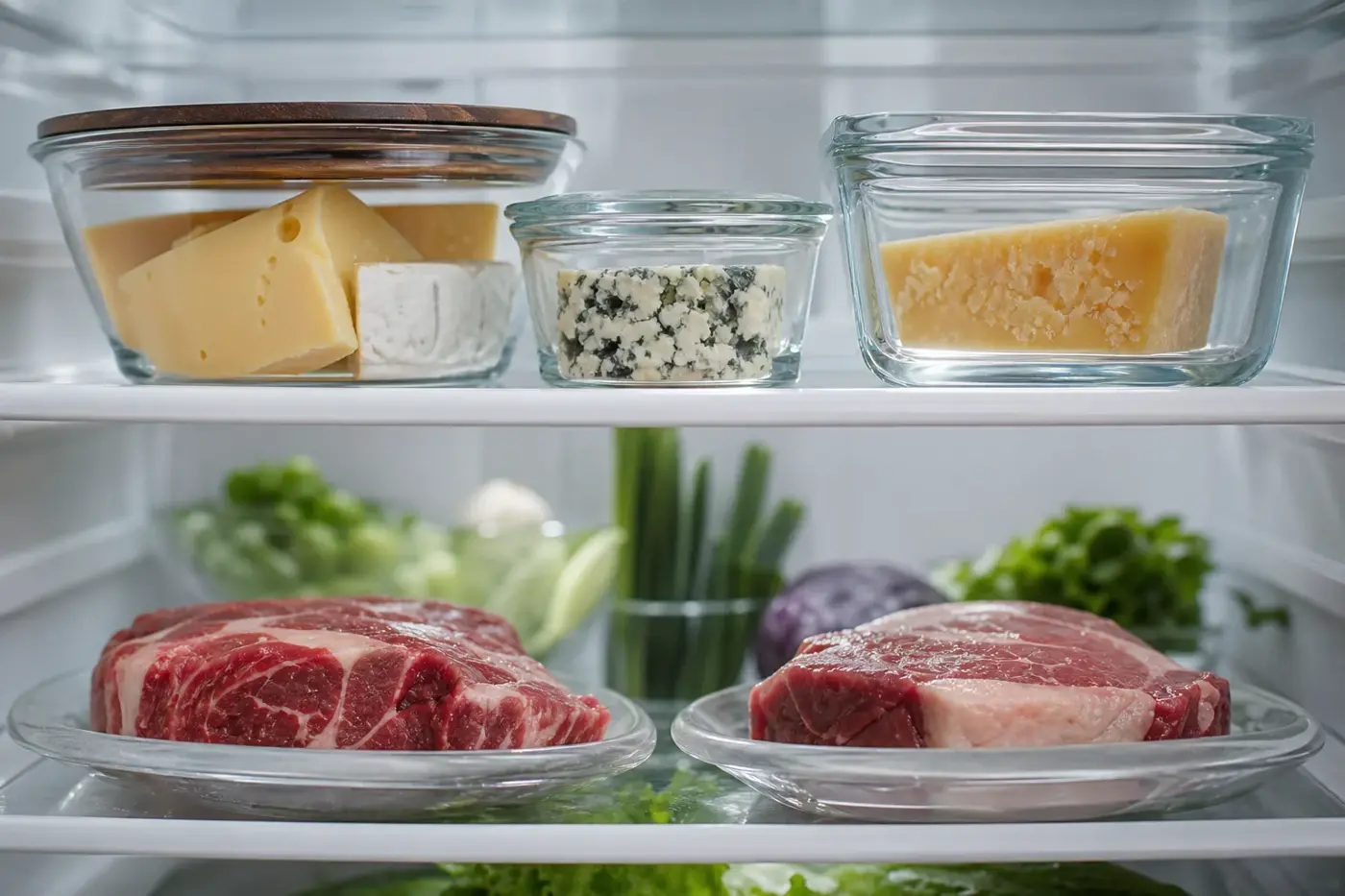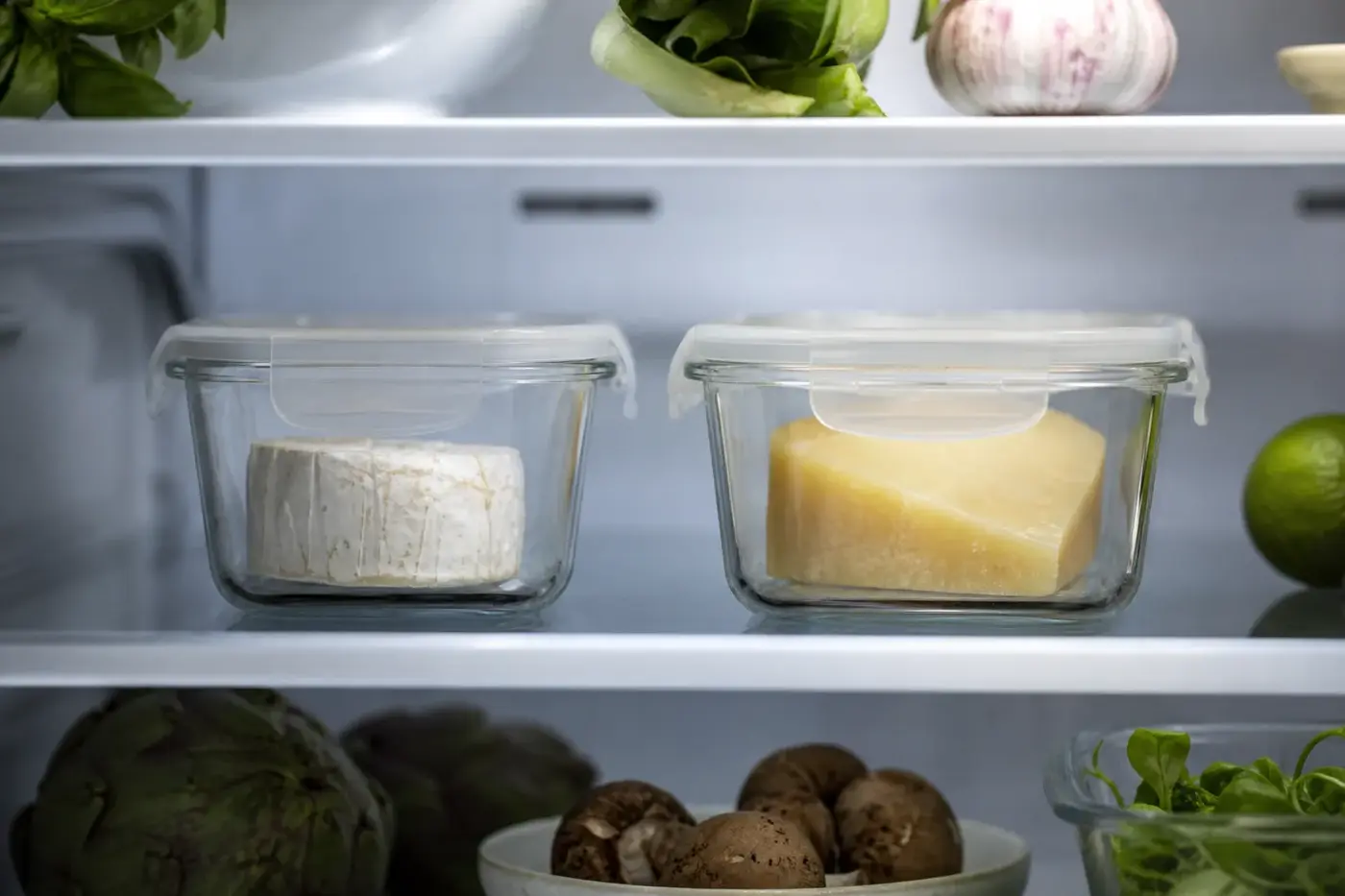
The fridge door opens. You lift out your cheese and catch its familiar aroma. But smell, taste and appearance cannot tell you whether Listeria is there. It can grow in refrigerated food, and USDA explains that disease-causing bacteria generally leave these qualities unchanged.[3][4]
Listeria monocytogenes can contaminate cheese and cause listeriosis. This rare infection can be serious during pregnancy, in older people and in people with weakened immune systems. Most healthy adults exposed do not develop symptoms. If you are at higher risk, though, careful choices and handling matter.[1][2]
What your fridge can and cannot do
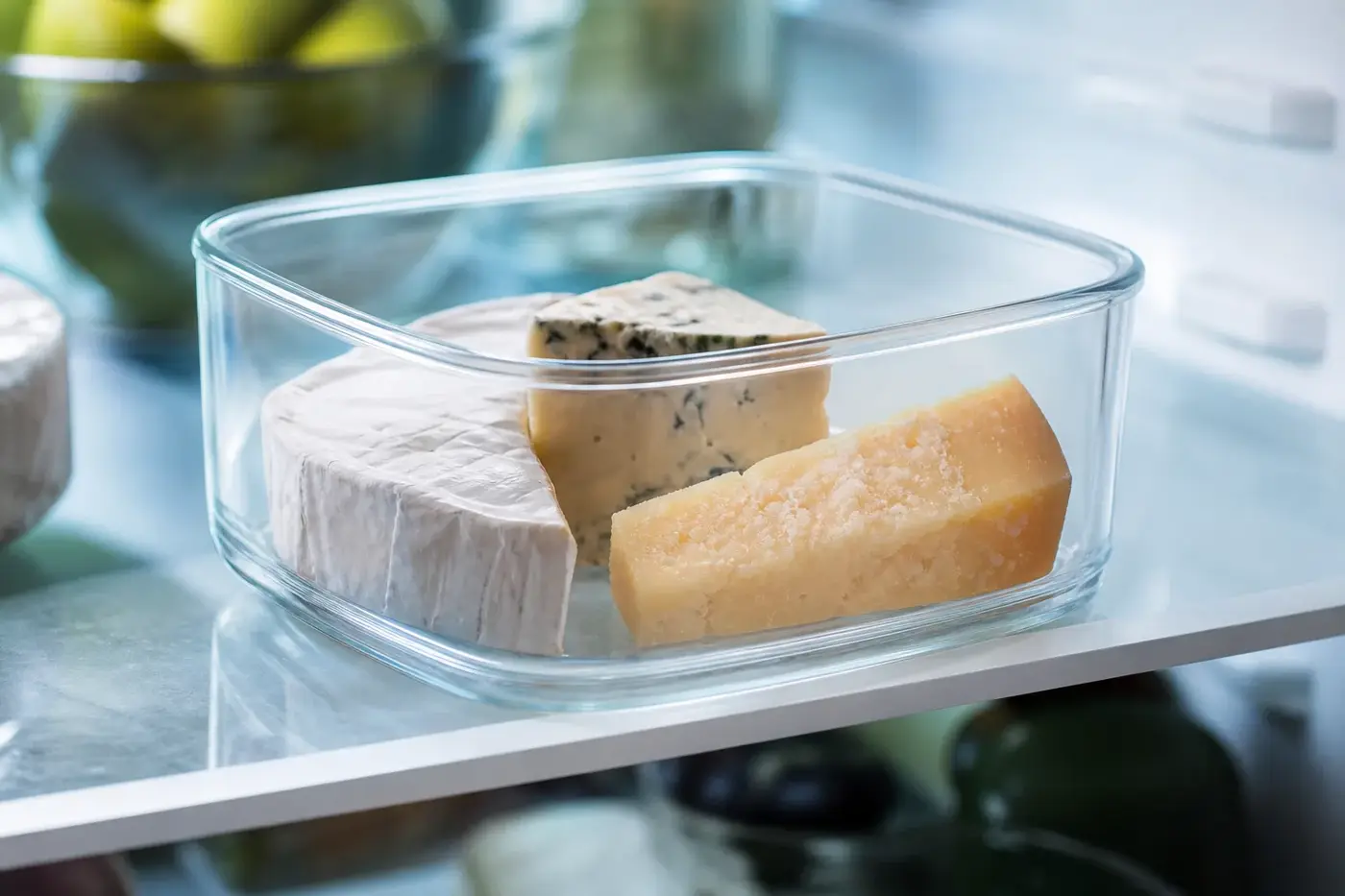
Keeping cheese refrigerated is essential, but it does not stop Listeria growing. Time matters too: how long your cheese stays in the fridge is part of the picture. Even if you know its usual aroma well, a sniff cannot establish whether it contains the bacterium.[3][4]
Pasteurisation kills Listeria in milk, but contamination can happen afterwards during cheesemaking. Raw milk can also carry the bacterium. Milk treatment therefore matters alongside hygiene, the cheese’s characteristics and storage, rather than settling the question on its own. CDC’s account of the 2026 US outbreak identifies soft cheese as the source.[5][6]
When you need to take extra care
CDC identifies pregnant women, newborns, adults aged 65 or older and people with weakened immune systems as the principal risk groups. In these groups, infection is more likely to spread beyond the gut and cause invasive listeriosis. As you age, your immune system becomes less effective at recognising and clearing harmful germs.[2][6]
During pregnancy, a mother may feel only mildly unwell while the infection harms her baby. CDC estimates that about 1 in 25,000 pregnant women in the United States are infected each year. Among those infected, about 1 in 4 lose the pregnancy or their baby shortly after birth. Keep that distinction in mind: the first figure concerns all pregnant women; the second concerns those who become infected.[2]
Reading the numbers with care
The figures below cover listeriosis from all food sources, not cheese alone. Surveillance counts diagnosed and reported illness, while estimates describe a wider annual burden. Geographical coverage, reporting periods and methods differ. These totals therefore cannot tell you which country is safer for eating cheese.[1][7][8][9]
| Area | Reporting period | What the figure covers | Figure | Source |
|---|---|---|---|---|
| EU and EEA | 2023 | Confirmed cases reported by 30 countries | 2,993 cases; 0.67 per 100,000 | ECDC, 5 June 2025[1] |
| EU | 2024 | Confirmed invasive human cases | 3,041 cases | EFSA and ECDC, December 2025[7] |
| England and Wales | 2025 | Confirmed cases in national surveillance | 181 cases | UKHSA, May 2026[8] |
| United States | Annual estimate, published January 2025 | Estimated illnesses across the US | 1,600 illnesses | CDC prevention page[10] |
To follow changes over time, compare figures from the same surveillance system. Check that their geographical coverage matches too.[9][10]
The EU’s 2024 report recorded 301 deaths. Its 15.6% case fatality figure counts only cases whose outcome was known. In England and Wales in 2025, 28 deaths were reported among non-pregnancy-associated cases. Listeriosis was recorded as a cause of death for 17.[7][8]
A reported death percentage describes illness in a population, not your chance of dying after a serving of cheese. Calculating that risk would require exposure information and reliable attribution to the food. These surveillance figures do not describe the risk from individual cheeses.[1][7][8]
How investigators trace an outbreak to cheese
In these US investigations, interviews, laboratory testing and food supply-chain tracing established the sources. That work can reach back years. An outbreak may be recognised much later than the earliest illness eventually linked to it.[11][12][13]
| Investigation | Cheese identified as the source | What investigators found |
|---|---|---|
| 2022, United States | Brie and camembert made by Old Europe Cheese, Inc. | Six cases, five hospitalisations and no deaths across six states. Four of five interviewees reported eating brie or camembert.[11] |
| 2024 investigation, United States | Queso fresco and cotija made by Rizo-López Foods | 26 cases, 23 hospitalisations and 2 deaths across 11 states. Illness onsets ran from 15 June 2014 to 10 December 2023.[12] |
| 2026, United States | Requesón, a soft fresh cheese from Clover Hill Dairy | 15 cases, 14 hospitalisations and 1 death across four states. The recall later widened to other cheeses; investigators linked the illnesses to requesón. The investigation closed on 26 August 2026.[6][13] |
In the Rizo-López investigation, testing found the outbreak strain in cheese. That helped connect illnesses separated by years. The 2026 investigation also brought recalls of other cheeses, but the distinction matters: expanding a recall is a precaution, while identifying the food responsible for illness is a separate finding.[12][13]
Choosing cheese that fits your circumstances
Start with the guidance for your country and health circumstances. Agencies use different cheese categories and age thresholds, so advice does not apply unchanged across borders. The country guidance below is dated November 2026.[2][3][14][15][16]
- United States: If you are at higher risk, CDC advises avoiding unheated queso fresco-type cheeses, whether made with pasteurised or raw milk, and all raw milk cheeses. Its cooked alternative is to heat these cheeses to 74 °C (165 °F) or until steaming hot.[10]
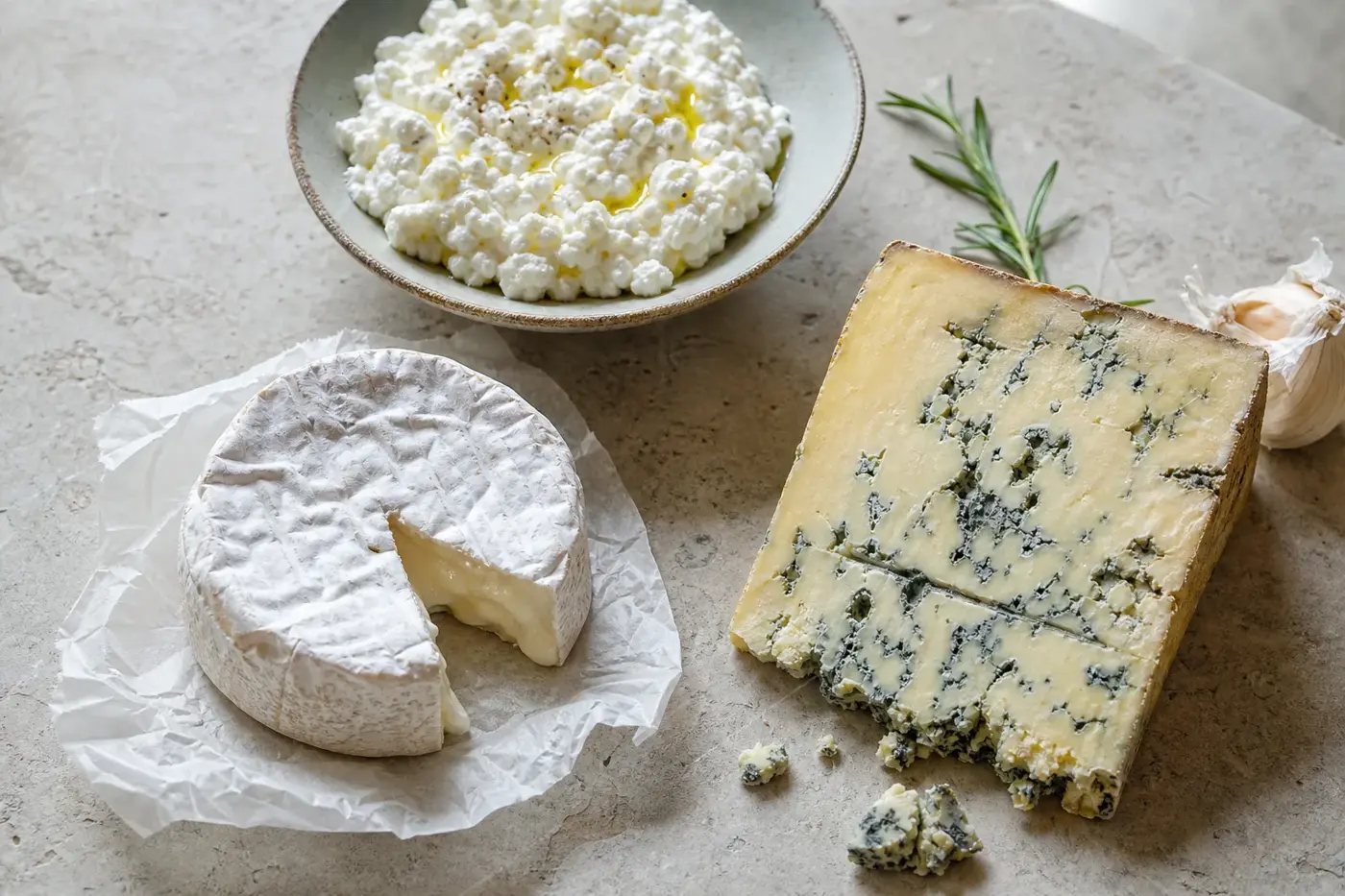
- Canada: Health Canada’s advice covers pregnancy, people aged 60 or over, children aged 5 or under and people with weakened immunity. It advises avoiding all uncooked raw milk cheese and uncooked soft, semi-soft and blue-veined cheeses, including those made with pasteurised milk.[14]
- Australia and New Zealand: FSANZ advises pregnant people, older people and those with weakened immunity to avoid soft, semi-soft and surface-ripened cheeses unless thoroughly cooked. New Zealand MPI separately advises pregnant people to avoid low-acid soft pasteurised cheeses unless cooked.[3][15]
- UK: NHS advice for pregnant people is to avoid mould ripened soft cheeses with a white rind and soft blue cheeses unless cooked until steaming hot, even when made with pasteurised milk. Other soft cheeses made with unpasteurised milk should also be avoided. In Scotland, Food Standards Scotland advises keeping chilled ready to eat foods at 5 °C or below, following label instructions and keeping raw foods separate.[16][17]
- France: ANSES advises people at risk to avoid raw milk cheeses, except cooked pressed cheeses, and to keep the refrigerator at 4 °C. The French health ministry advises keeping it between 0 °C and 4 °C.[18]
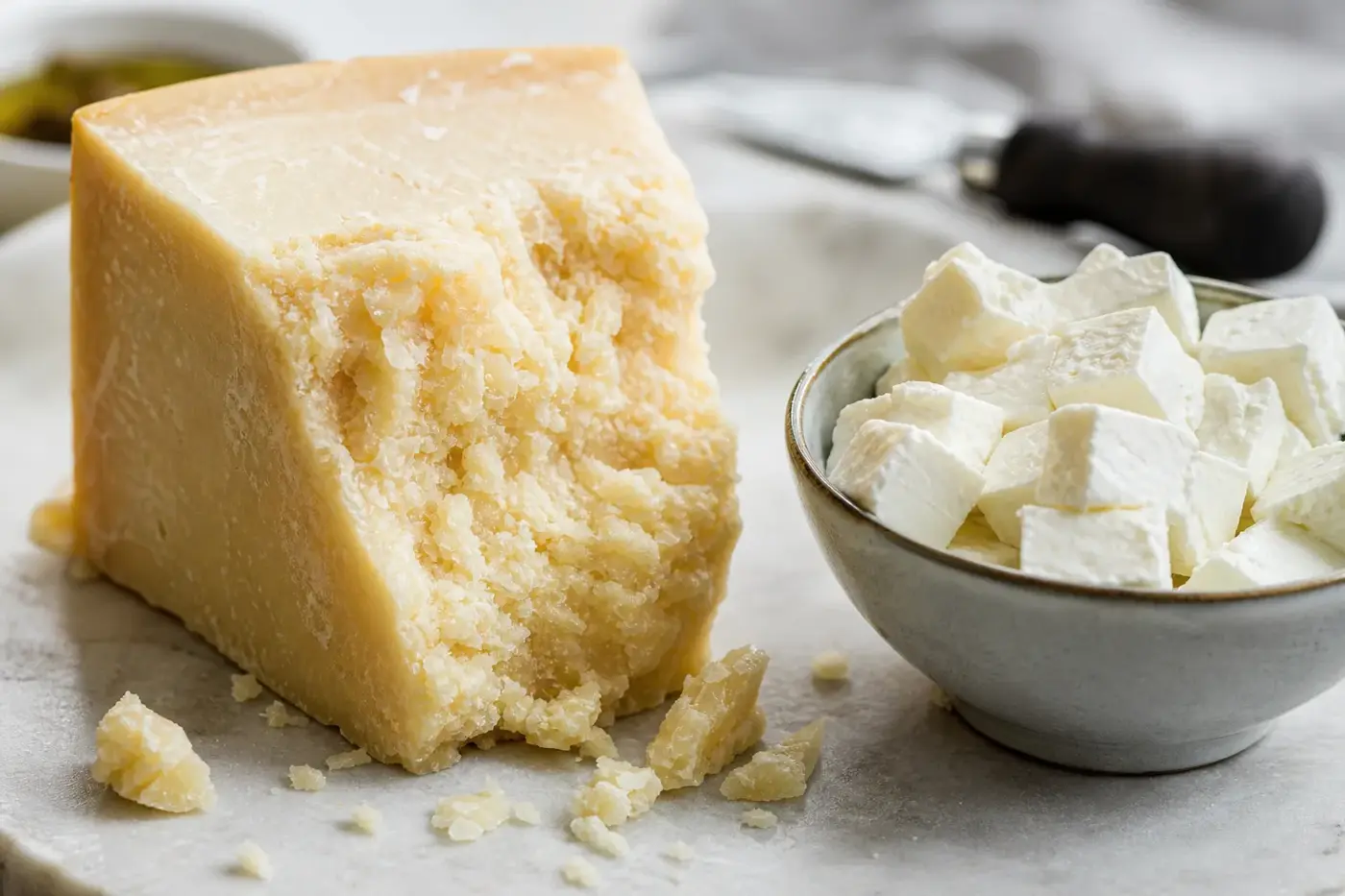
Choosing another cheese is more useful than studying a soft cheese’s appearance. CDC’s alternatives for higher-risk people include hard cheeses made from pasteurised milk, plus pasteurised cottage cheese, cream cheese, string cheese, feta and mozzarella. Health Canada also lists pasteurised hard and firm cheeses among its uncooked choices, but puts soft feta on its avoid list. Follow the advice where you live.[10][14]
If you see a recall notice, match it to the exact product and batch. Follow its instructions if your cheese is affected. FDA advises cleaning and sanitising surfaces and containers touched by recalled cheese. Wash your hands, and keep raw foods separate from foods eaten without further cooking.[13][17]
Making sense of the EU’s 2026 testing rules
Since 1 July 2026, Regulation (EU) 2024/2895 has changed criterion 1.2 in Regulation (EC) No 2073/2005 in the EU. It concerns ready to eat foods able to support Listeria growth, excluding foods intended for infants or special medical purposes. Great Britain retains the earlier criterion.[19][20]
The applicable limit depends on the producer’s evidence about shelf life. There are two routes:
- If the producer demonstrates, to the competent authority’s satisfaction, that Listeria will remain within 100 colony-forming units per gram throughout shelf life, that limit applies.
- If the producer cannot demonstrate this, the criterion is not detected in 25 g for products placed on the market throughout their shelf life. Previously, this latter criterion applied before the food left the producer’s immediate control.[19]
These are obligations for producers, not instructions for your kitchen. They apply to a defined food category and depend on evidence about bacterial growth during shelf life.[19][20]
The FSA’s September 2026 consultation draft focuses on reducing listeriosis in health and social care settings. These are places where food is prepared for vulnerable people. Its revision record names Food Standards Scotland among the organisations involved.[20]
Recognising symptoms and getting help
Mild illness can bring fever, aches, chills, nausea, vomiting or diarrhoea. Invasive illness can cause headache, a stiff neck, confusion, loss of balance or seizures. CDC says symptoms of invasive illness usually begin within two weeks. They can, however, start as late as ten weeks after contaminated food is eaten.[6][16]
In the UK, seek an urgent GP appointment or contact NHS 111 if you think you have listeriosis and are pregnant or have weakened immunity, or if you think your baby has it. This is NHS advice, and during pregnancy you can also contact your midwife. Elsewhere, contact your local healthcare service promptly if you are at higher risk and suspect infection.[16]
Call 999 or go to A&E in the UK for warning signs such as a severe headache with a stiff neck, seizures, sudden confusion or difficulty waking. These can indicate meningitis. Outside the UK, use your local emergency number. Tell the clinician about any recalled food you ate.[16]
CDC advises pregnant women with fever and unusual tiredness or aches to call their healthcare provider. Mention recalled food eaten during the previous two months. A doctor or midwife can assess your circumstances and decide what care is needed.[2]
General information only, not medical advice: follow the official guidance where you live.
Questions people ask
Can pasteurised cheese contain Listeria?
Pasteurisation kills Listeria in milk, but cheese can become contaminated afterwards during cheesemaking. The NHS advises pregnant people to avoid mould ripened soft cheeses with a white rind and soft blue cheeses unless cooked until steaming hot, even when made with pasteurised milk. See the current NHS guidance.
Who is most at risk from Listeria?
CDC identifies pregnant women, newborns, adults aged 65 or older and people with weakened immune systems as the principal risk groups. Infection in these groups is more likely to spread beyond the gut, causing invasive listeriosis. See CDC guidance for more information.
Which cheeses can higher risk people choose?
CDC lists hard cheeses made from pasteurised milk, plus pasteurised cottage cheese, cream cheese, string cheese, feta and mozzarella as alternatives. Health Canada lists pasteurised hard and firm cheeses among its uncooked choices, but includes soft feta on its avoid list. Check the current guidance for where you live.
What should I do if my cheese is recalled?
Check the recall notice against the exact product and batch, and follow the notice if your cheese is affected. FDA advises cleaning and sanitising surfaces and containers touched by recalled cheese. See the recall notice and FDA guidance.
What are the symptoms of listeriosis and when should I seek help?
Mild illness can bring fever, aches, chills, nausea, vomiting or diarrhoea, while invasive illness can cause headache, a stiff neck, confusion, loss of balance or seizures. The NHS advises seeking an urgent GP appointment or contacting NHS 111 if you think you have listeriosis and are pregnant or have weakened immunity, or if you think your baby has it. It advises calling 999 or going to A&E for warning signs such as a severe headache with a stiff neck, seizures, sudden confusion or difficulty waking. See NHS guidance.
Sources
- European Centre for Disease Prevention and Control. Listeriosis: Annual Epidemiological Report for 2023. Published 5 June 2025.
- US Centers for Disease Control and Prevention. People at Increased Risk for Listeria Infection. 24 September 2025.
- Food Standards Australia New Zealand. Listeria in food. Current online edition, retrieved November 2026.
- USDA Food Safety and Inspection Service. Can bacteria grow in the refrigerator?. Updated 10 September 2024.
- US Centers for Disease Control and Prevention. How Listeria Spread: Soft Cheeses and Raw Milk. 16 January 2025.
- US Centers for Disease Control and Prevention. Listeria Outbreak Linked to Soft Cheese. Updated 26 August 2026.
- European Food Safety Authority and European Centre for Disease Prevention and Control. The European Union One Health 2024 Zoonoses Report. EFSA Journal, 23(12), e9759, published 9 December 2025; editorial amendment 17 March 2026.
- UK Health Security Agency. Listeriosis in England and Wales: summary for 2025. Updated 28 May 2026.
- US Centers for Disease Control and Prevention. About Listeria Infection. 2 August 2024.
- US Centers for Disease Control and Prevention. Preventing Listeria Infection. 31 January 2025.
- US Centers for Disease Control and Prevention. Listeria Outbreak Linked to Brie and Camembert Cheese: September 2022. Retrieved page updated 31 January 2025; subject-matter review dated 9 December 2022.
- US Centers for Disease Control and Prevention. Investigation Update: Listeria Outbreak, Queso Fresco and Cotija Cheese: February 2024. Investigation update 10 April 2024; page dated 31 January 2025.
- US Food and Drug Administration. Outbreak Investigation of Listeria monocytogenes: Soft Cheese (June 2026). Updated 26 August 2026.
- Health Canada. Safer cheese choices for people at greater risk of food poisoning: Information Sheet. 29 September 2026.
- New Zealand Ministry for Primary Industries. List of safe food in pregnancy. Current online edition, retrieved November 2026.
- NHS. Listeriosis. Last reviewed 10 November 2023; next review due 10 November 2026.
- Food Standards Scotland. Listeria monocytogenes. Current online edition, retrieved November 2026.
- French health ministry. Listériose. Current online edition, retrieved November 2026. ANSES. Qu'est-ce que la listériose et comment s'en prémunir ?. Date not shown, opened November 2026. ANSES. Fromages au lait cru : quels risques pour la santé et comment mieux les prévenir ?. 8 April 2022.
- European Commission. Commission Regulation (EU) 2024/2895 of 20 November 2024 amending Regulation (EC) No 2073/2005 as regards Listeria monocytogenes. Official Journal, 21 November 2024; applies from 1 July 2026.
- Food Standards Agency. Revised guidance: reducing the risk of vulnerable groups contracting listeriosis. Open consultation draft, 23 September 2026.
This piece was researched from official surveillance reports, investigation accounts, national consumer guidance and the published EU amendment, with reported cases kept separate from estimated annual illness.
Last checked: November 2026
Last checked November 2026.
The editors suggest you read next