Cheese Recalls and Traceability: What to Do
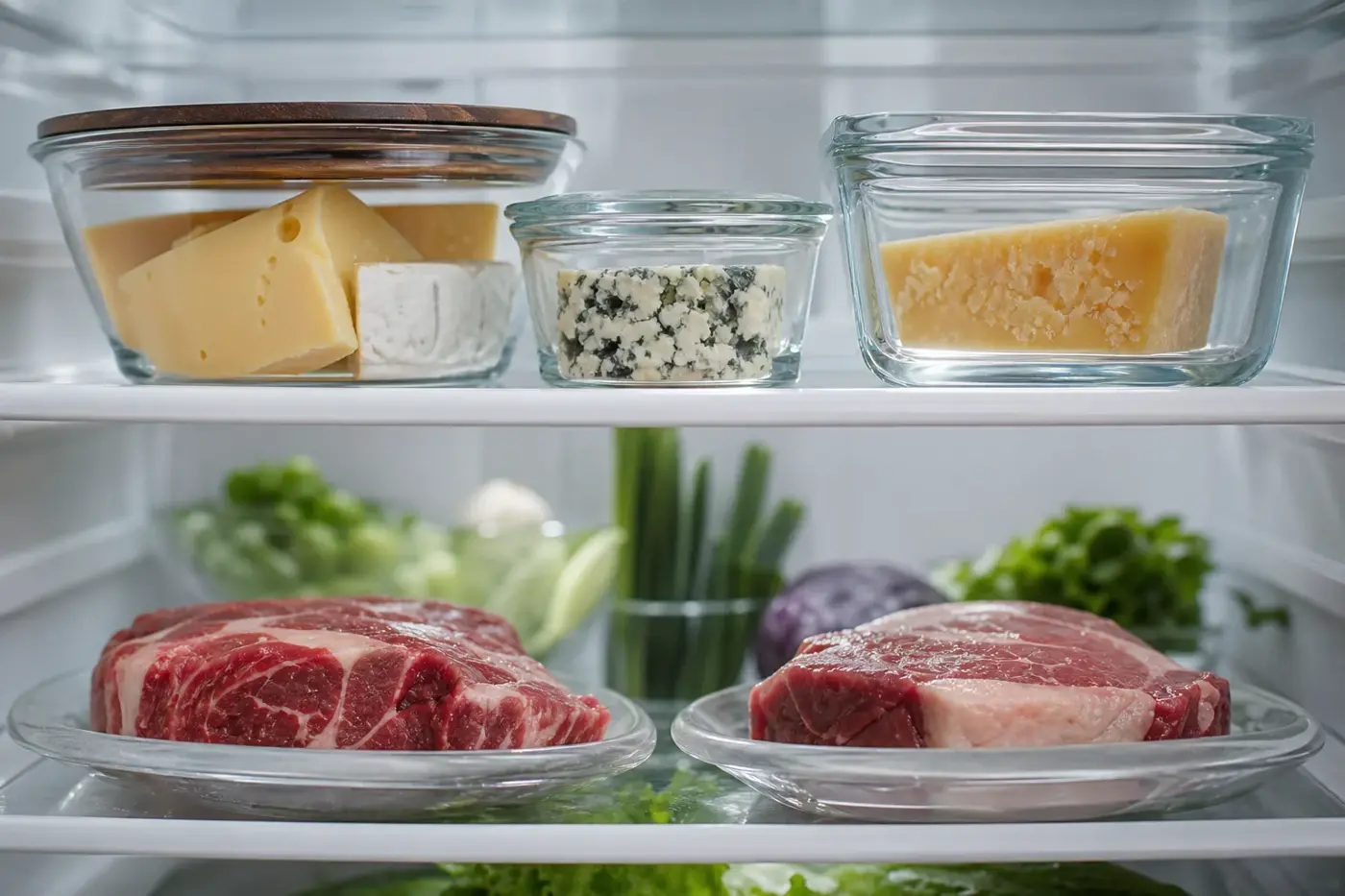
You open the fridge and reach for a wedge of cheese.
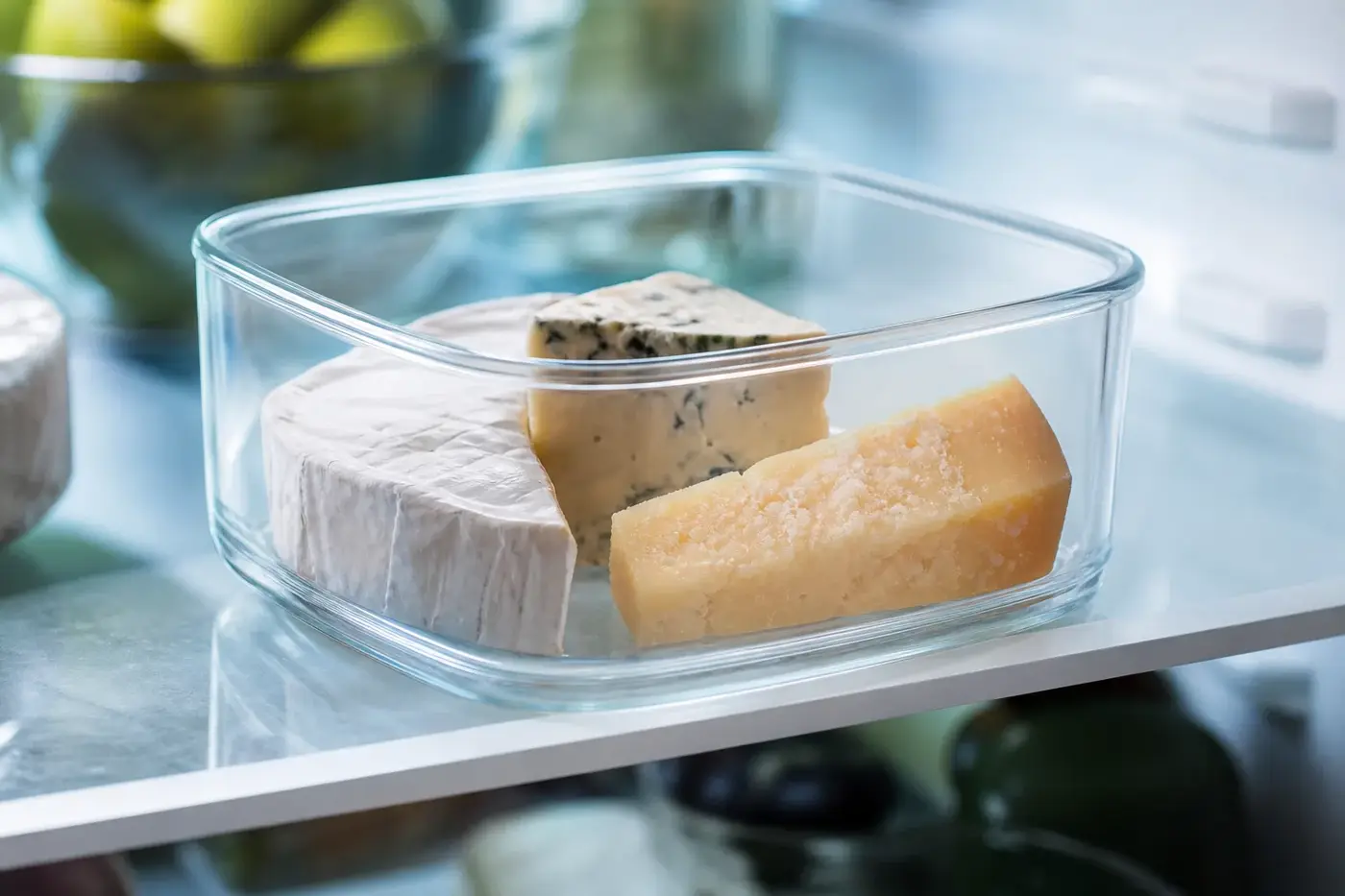
You open the fridge and reach for a wedge of cheese. On the wrapper, a tiny batch code connects it to records of production and delivery. During a recall, that small print matters: stop eating, compare the label with the latest official notice, and follow its return or disposal instructions. Keep the wrapper, or photograph it, before discarding anything.[1,2]
Seen a recall notice? Take these five steps
- Read the latest notice in full. For England, Wales and Northern Ireland, visit the Food Standards Agency alerts page; in Scotland, use Food Standards Scotland alerts. Open the full notice for the retailer's or manufacturer's instructions.[3,4]
- Match your cheese, detail by detail. Compare the product name, pack size, batch or lot code and use-by or best before date. Read every listed range, including wording such as “all batches”.[1]
- Stop eating affected cheese. A taste is not a safety test. Follow the return or disposal instructions, keeping the cheese separate from unaffected food while you arrange that.[1,5]
- Clean everything it touched. Include the knife, board, container and relevant fridge surfaces. Wash your hands after handling it and before touching other food, and follow any extra cleaning instructions in the notice.[6,7]
- Already eaten some? Read the health advice. Follow the advice for the hazard named in the alert. Seek help through the appropriate local health service when indicated, and tell the clinician about the recalled food.[8,9]
Your wrapper and the notice: compare them together
The familiar brand name is only the beginning. You need the full product details to identify which packs a recall covers, so place the packaging beside the notice and compare each identifier. Take a photograph sharp enough to show even the smallest printed code.[1,2]
| Detail to match | What to look for | If you're unsure |
|---|---|---|
| Product name | Full name, brand and variety | Ask the retailer which product is covered. |
| Pack size | Stated weight or all specified sizes | Use the original pack size, not what remains. |
| Batch or lot | Every letter and digit listed | Send the notice's contact a clear photograph. |
| Date marking | Exact use-by or best before date or range | Make sure you are reading the correct printed date. |
Your UK recall identification checklist, based on official recall guidance.[1,2]
Use-by dates concern safety; best before dates concern quality, according to UK government labelling guidance. During a recall, the date also helps identify the affected product. Follow the recall instructions even if that date is still in the future.[1,10]
If you ask for help, keep the complete wording to hand. A readable label, the shop and your purchase date give customer services much more to work with than “the same cheese”. For everything else on the pack, see how to read a cheese label.[1,2]
Wrapper gone? Start with the shop
Perhaps you've discarded the wrapper, or your wedge was cut and wrapped at the counter. Start with the shop rather than trying to reconstruct a batch code from memory. Give the cheese name, branch, purchase date and approximate time, plus any receipt, order confirmation or photograph you still have.[2,11]
Ask the retailer to check its supplier and delivery records, along with any counter records linking sales to the cheese it opened. These may identify your cheese, although the detail available for an individual loose sale depends on the business's system. Meanwhile, set it aside and do not eat it.[2,11]
Return or dispose of it, then clean up
Follow the route in the notice: return the affected product where requested, or follow its disposal instructions. Save the identification details before throwing away the wrapper. If you're unsure what to do with an opened portion, ask the contact named in the alert.[1,5]
US FoodSafety.gov's recall guidance says to wash plates, utensils and counters that have touched recalled food with soap and water. It also directs consumers to clean the refrigerator after recalled food has been kept there.[7]
For England, Wales and Northern Ireland, the FSA advises thorough cleaning of utensils and dishes between tasks. It also recommends regularly washing or changing cloths and using cleaning products suitable for food surfaces. Follow the manufacturer's instructions for any disinfectant, including its use on food-contact surfaces.[6]
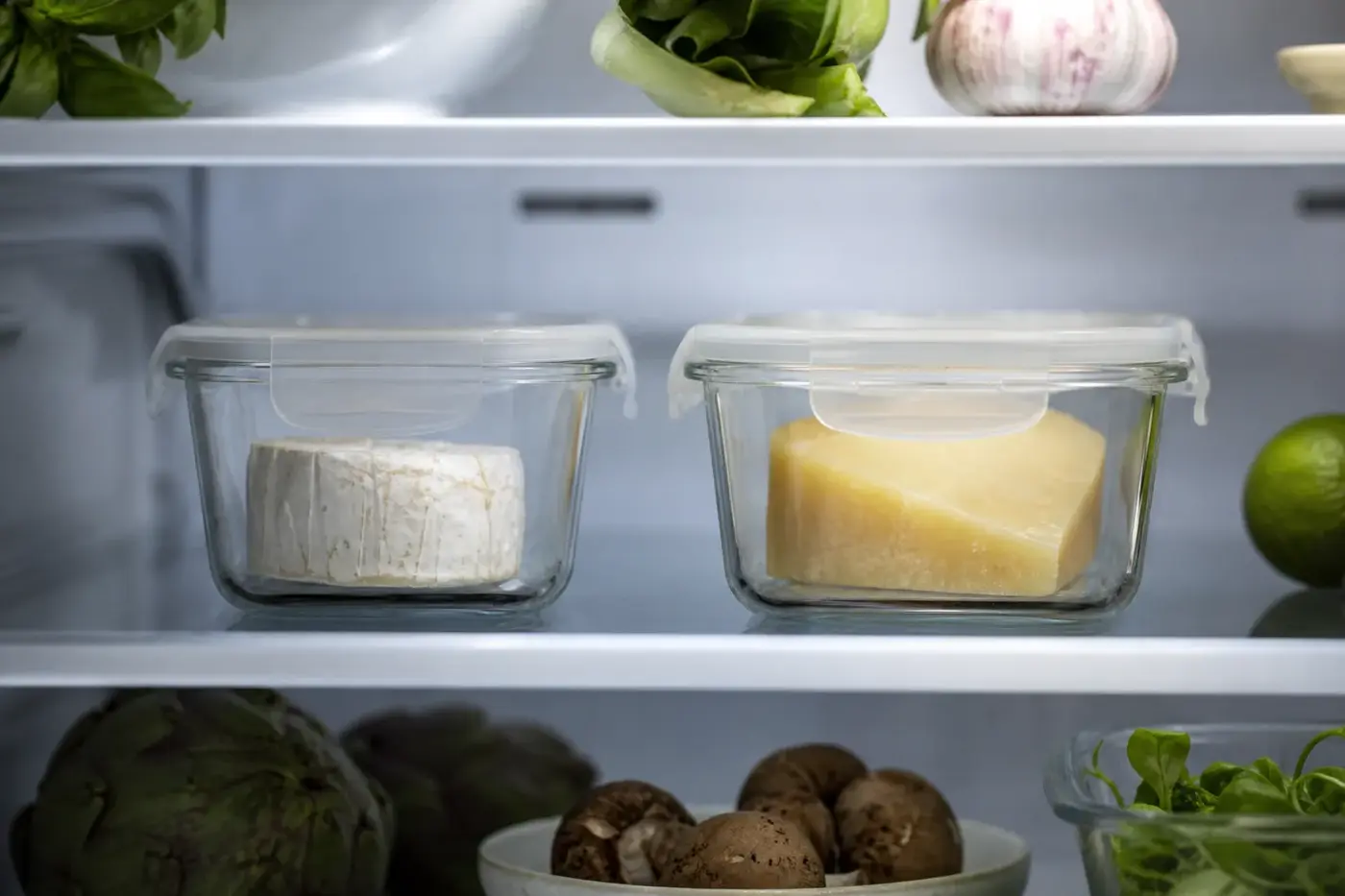
Work through the places your cheese touched: storage box, fridge shelf, serving board and knife. Keep other food clear while you clean, then wash your hands. If another food may have been contaminated, ask the recall contact about that too.[6,7]
This page summarises published guidance from the official sources it cites. It is not medical advice. Guidance differs between countries and changes over time, so check the current source for where you live, and ask your doctor, midwife, pharmacist or dietitian about your own circumstances.
Already eaten some? Follow the alert's health advice
Start with the hazard named in the alert and read its health instructions. Tell a healthcare professional which product you ate, when you ate it and whether you have symptoms. Cheese recalls concern different hazards, so do not assume every one involves Listeria.[1,8,9]
In England, NHS guidance says to seek an urgent GP appointment or help from NHS 111 if you are pregnant and think you have listeriosis. The same applies if you have a weakened immune system, or treatment that weakens it, and think you have listeriosis, or if you think your baby has it. Pregnant people can also contact their midwife.[8]
Northern Ireland's nidirect guidance likewise advises these groups to seek prompt medical advice. It also identifies older people as being at greater risk of serious listeriosis, with risk increasing with age. If you belong to these groups, promptly read the incident's advice and ask your doctor or midwife about your circumstances.[9]
In England, NHS food-poisoning guidance says to call 111 if you keep vomiting and cannot retain fluids, have bloody diarrhoea, or still have dehydration after oral rehydration treatment. Call 999 or go to A&E for emergencies including vomiting blood, sudden severe abdominal pain, confusion or severe difficulty breathing.[12]
For England, read the NHS listeriosis guidance for urgent and emergency advice. For Northern Ireland, consult the nidirect listeriosis guidance.[8,9] For background, turn to listeria and cheese safety.
Withdrawal or recall? What each asks of you
A withdrawal takes a product out of the supply chain. A recall also asks consumers who may have it to act, perhaps by returning or disposing of it. The notice tells you what to do.[5,13]
The reason might be microbial contamination, an undeclared allergen, foreign material or another food-safety failure. Food Standards Scotland also explains that businesses may withdraw products for labelling or quality problems even when the food remains safe to consume. Read the stated reason and look for any particular group identified in the notice.[5,13]
For an allergy alert, match both the named allergen and the affected products precisely. To understand the difference between an allergic reaction and difficulty digesting lactose, read cheese allergy vs lactose intolerance.[13]
How the shop can reach you
A loyalty-card scheme may let a retailer contact identifiable purchasers directly. Joint FSA and FSS guidance includes this route alongside shop notices, business websites and other public communications. Keep an eye on notices yourself too: the normal traceability requirement concerns business customers, not a record of every household purchase.[2,11]
Before contacting the business, gather your label photograph, receipt or online order details. Explain whether any cheese remains, whether you bought it loose and whether you served it to other people. If you passed some on, share the official notice so those people can check their portion too.[1,2]
Behind your wedge, a story in records
Your wedge from the counter has a paper trail, even if it arrived looking rather informal in its wrapping. The shop's records identify its supplier; the supplier's records identify the business that supplied it. Investigators can follow those links to connect deliveries and locate other stock.[11]
This is traceability: following food and its ingredients through production, processing and distribution. Your wedge is the part you can see. The business records provide the links behind it, a supporting cast that rarely gets a place on the cheeseboard.[11]
Inside a dairy or packing operation, more detailed records can connect an ingredient lot to a production batch, then to the packs dispatched. Joint FSA and FSS guidance recommends linking batch codes with ingredients and production information. Those internal connections help turn a supplier's warning into a list of products to investigate.[2]
The printed code links to those records; it doesn't contain the cheese's entire journey. Its value depends on the records behind it. Incident information determines a recall's scope, so read the published product list rather than assuming a warning covers only one batch.[2,11]
The traceability duties behind the counter
General food law requires businesses to have traceability systems identifying their suppliers and the businesses they supply. That information must be available to authorities. The familiar description is “one step back, one step forward”.[2,11,14]
Food of animal origin, including cheese, carries additional requirements. If you run a food business, you need to consult the rules relevant to your operation.[2,11,14]
Article 19 of Regulation 178/2002 requires a business that considers, or has reason to believe, food fails food-safety requirements to initiate withdrawal immediately once it has left its immediate control. It must also inform the competent authorities. If the food may have reached consumers, the business must inform them effectively and accurately, with recall where other measures are insufficient to protect health.[14]
Businesses must also notify authorities immediately when they consider, or have reason to believe, food they placed on the market may harm human health, explaining the action taken. Retailers and distributors have duties to assist withdrawals and cooperate in tracing the food.[14]
| Where your business operates | Legal framework | Who to contact for incident guidance | Date |
|---|---|---|---|
| England | Assimilated Regulation 178/2002, Articles 18 and 19.[5,11] | Local authority; FSA. | November 2026 |
| Wales | Assimilated Regulation 178/2002, Articles 18 and 19.[5,11] | Local authority; FSA. | November 2026 |
| Scotland | Assimilated Regulation 178/2002, Articles 18 and 19.[2,13] | Local authority; FSS. | November 2026 |
| Northern Ireland | EU Regulation 178/2002, Articles 18 and 19.[11,14] | Local authority; FSA. | November 2026 |
These principles sit within different national enforcement arrangements. FSS tells Scottish businesses to inform their local authority and FSS where relevant. FSA guidance for England, Wales and Northern Ireland directs businesses to their competent authority, with FSA incident notification where unsafe food has reached consumers.[5,13]
Take another look: notices can change
Return to the live official alert, particularly if your first glimpse was a screenshot or an older news report. Read the date and any update wording, then compare the product details again. An amended notice may add products or change the information you need to follow.[3,4]
The FSA alerts service publishes both food alerts and allergy alerts. FSS publishes alerts for Scotland and works with the FSA on UK-wide notices. Read the retailer's or manufacturer's update too, and use the official notice's contact details if your pack is hard to identify.[3,4,13]
Keep your photograph and purchase details until your query is resolved. If the business confirms your cheese is affected, follow the latest notice for that product. Have those same details ready if you need health advice from your doctor, midwife or pharmacist.[1,8,9]
Keep these cheese safety guides close to hand
- Cheese Food Safety: The Complete Guide: for wider household safety questions.
- Listeria and Cheese Safety: for the organism, higher-risk groups and official guidance.
- How to Store Cheese at Home: for routine storage once the recall question is resolved.
Questions people ask
How can I check whether my cheese has been recalled?
Compare the product name, pack size, batch or lot code and date with the full official notice. In England, Wales and Northern Ireland, check https://alerts.food.gov.uk/news-alerts; in Scotland, check https://www.foodstandards.gov.scot/alerts.
What if I have thrown away the wrapper?
Contact the shop and give the cheese name, branch, purchase date and approximate time, plus any receipt, order confirmation or photograph you still have. Ask the retailer to check its supplier and delivery records, and set the cheese aside without eating it while the match is checked.
What is the difference between a cheese withdrawal and a recall?
A withdrawal removes a product from the supply chain. A recall also asks consumers who may have it to act, for example by returning or disposing of it.
How should I clean up after a cheese recall?
US FoodSafety.gov says to wash plates, utensils and counters that have touched recalled food with soap and water, and to clean the refrigerator if the food was kept there. Follow any additional cleaning instructions in the notice.
What should I do if I have eaten recalled cheese?
The page says to follow the health advice for the hazard named in the alert and tell a healthcare professional which product you ate, when you ate it and whether you have symptoms. In England, the NHS advises people who are pregnant, have a weakened immune system or think their baby has listeriosis to seek an urgent GP appointment or help from NHS 111 if they think they or their baby have it. See https://www.nhs.uk/conditions/listeriosis/ for the NHS guidance.
Sources
- UK Government, Food or feed incidents: recalls and withdrawals: What to do, current online guidance, retrieved November 2026. Product identification, consumer communications, separation and disposal instructions. Official guidance.
- Food Standards Agency and Food Standards Scotland, Guidance on Food Traceability, Withdrawals and Recalls within the UK Food Industry, March 2019. Traceability, internal batch information and Annex H on consumer communications. Official guidance PDF.
- Food Standards Agency, Alerts, live food and allergy alert index, retrieved November 2026. Current FSA alerts.
- Food Standards Scotland, Alerts, live food and allergy alert index, retrieved November 2026. Current FSS alerts.
- Food Standards Agency, Food incidents, product withdrawals and recalls, updated 20 August 2026. Applies to England, Wales and Northern Ireland. Official guidance.
- Food Standards Agency, Why is cleaning important, published 18 December 2017, current online edition retrieved November 2026. Applies to England, Wales and Northern Ireland. Official cleaning guidance.
- FoodSafety.gov, Recalls and Outbreaks, current US consumer guidance, retrieved November 2026. Kitchen and refrigerator cleaning after recalls. Official recall guidance.
- NHS, Listeriosis, current online edition retrieved November 2026. Symptoms, higher-risk groups and urgent or emergency care. NHS guidance.
- nidirect, Listeriosis, current Northern Ireland government guidance, retrieved November 2026. Northern Ireland guidance.
- UK Government, Understanding food labelling: Best before and use-by dates, current online edition retrieved November 2026. Official date-marking guidance.
- Food Standards Agency, Food traceability for businesses, updated 15 October 2026. Applies to England, Wales and Northern Ireland. Official traceability guidance.
- NHS, Food poisoning, reviewed 19 December 2024. NHS guidance.
- Food Standards Scotland, Food and feed incidents, current online edition retrieved November 2026. Scottish notification arrangements, withdrawals and recalls. Official Scottish guidance.
- European Parliament and Council, Regulation (EC) No 178/2002, adopted 28 January 2002, published 1 February 2002, original Official Journal text. Articles 18 and 19 are also reproduced in source 2. Original legal text.
Researched through official recall services, regulator guidance, published health advice and the original general food law text, with the outstanding legal and specialist checks recorded below.
Last checked: November 2026
Last checked November 2026.
The editors suggest you read next