Biodiversity, Pasture and Rare Breeds
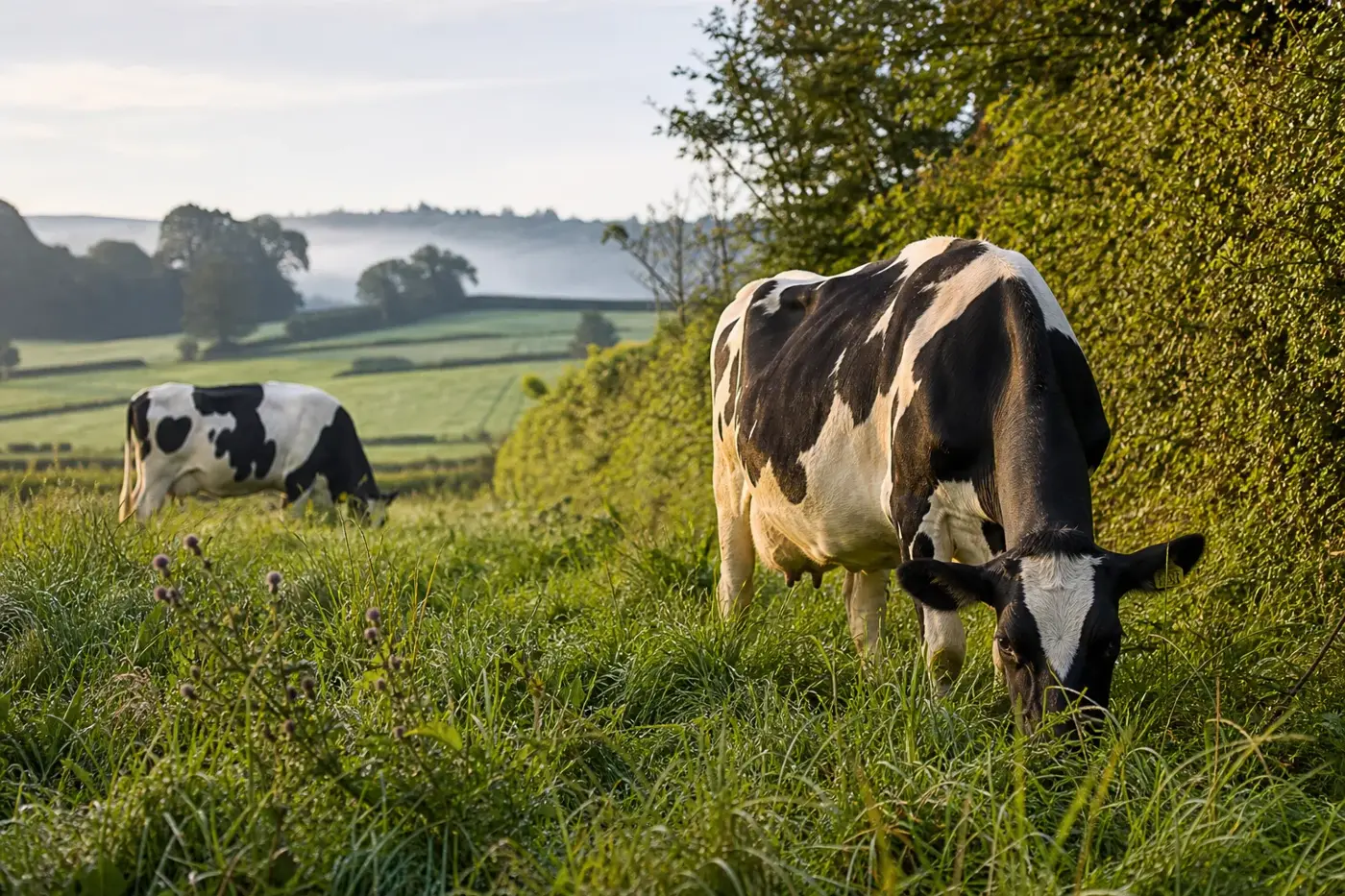
Flowers open between the grass stems.
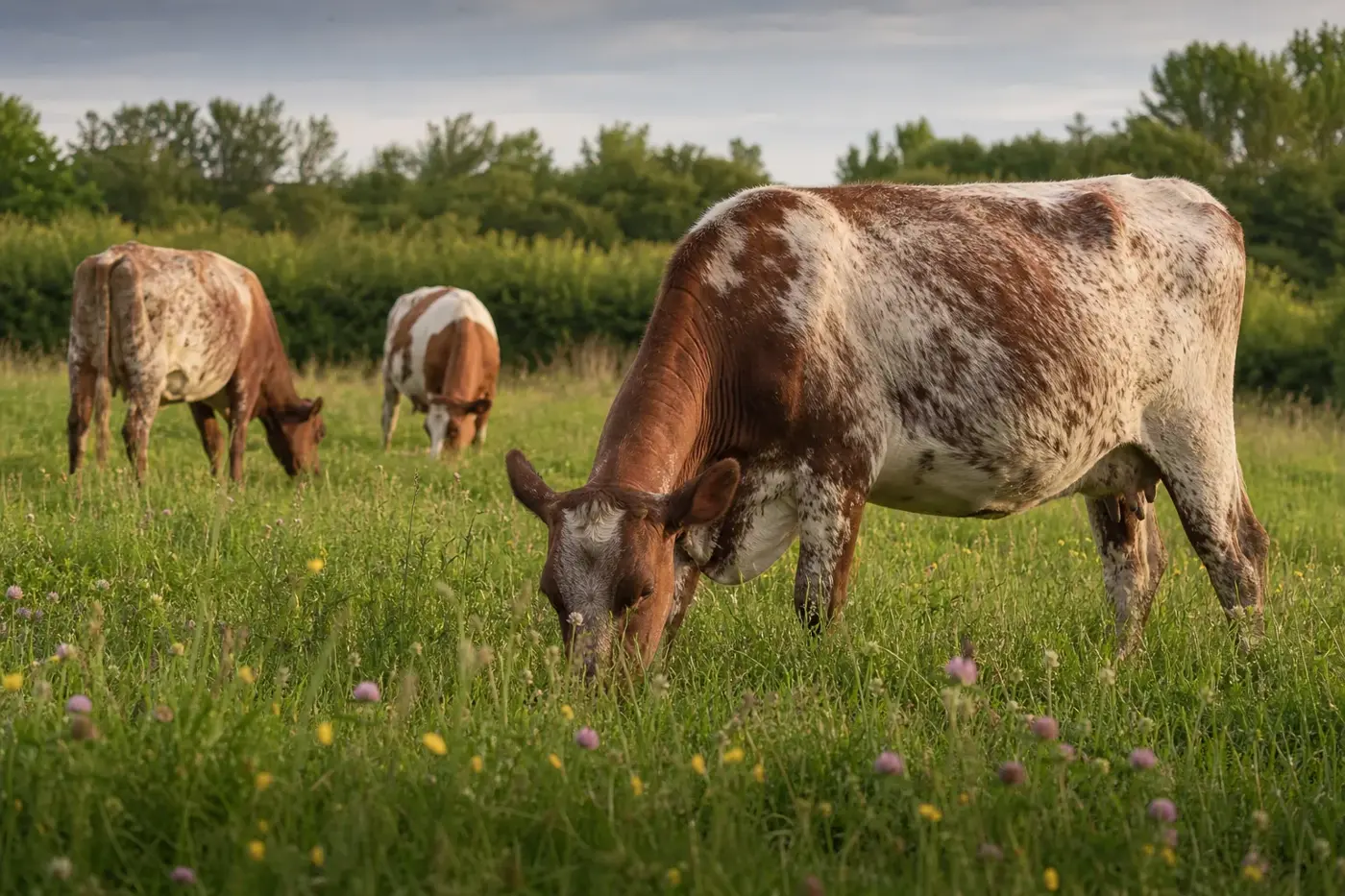
Flowers open between the grass stems. Insects arrive to feed, while cattle shape the habitat with each grazing season. Your cheese has a story here, among the things growing and living beside the herd. The interesting question is how the farmer protects them.[1][7]
Look for evidence of habitat management and breeding. Grazing cattle and a traditional breed name are a promising beginning, but neither can do all the talking. Even the most handsome cow needs supporting paperwork.[1][7]
Meet the farm's different kinds of diversity
Start with the landscape: grassland, hedges and water. These habitats support different species of plants, animals and fungi. Then turn to the livestock, whose inherited differences within and between breeds provide the genetic diversity needed for breeding and adaptation.[1][4][8]
These layers do not always flourish together. A herd may conserve valuable genetic variation in a field with few flowering plants; an ordinary commercial herd may graze a farm with important wildlife habitat. Ask what is being conserved, where you can find it, and what evidence supports the claim.[1][7][9]
An old pasture still needs a closer look
A field's age cannot tell you everything growing in it. Permanent pasture describes continuity of grassland use; species-rich grassland describes its biological character. England's government habitat guidance recognises that permanent and temporary grassland can both lack species richness.[1]
If you want to understand wildlife value, a plant survey tells you more than age or administrative category. Temporary grass leys are the shorter-lived grassland in farming rotations: ask what was sown, how long it stays and whether wild plants establish alongside it. For permanent fields, ask about reseeding and heavy fertilisation.[1]
Keep three strands of the story separate. There is the land's history, the mixture planted and the habitat recorded today. They are connected, but one cannot stand in for another.[1]
Give the flowers their moment
A field can contain flowering plants yet offer insects few open flowers. Grasses, herbs and wildflowers provide different structures and opportunities to bloom, but tight grazing can stop flowers opening during an insect's foraging season. For pollinators, the timing matters as much as the plants.[2][3]
A study published in 2026 followed paired fields in north-west Ireland over two growing seasons. Four pairs compared delayed mowing with conventional management; five compared delayed grazing. Both delayed treatments increased flower and bumblebee abundance.[2]
There is encouragement here, and an important detail to hold on to. These were species-rich fields, and most mowing comparisons involved late-cut systems. The findings belong to that particular habitat and management setting.[2]
Watch the cattle, then the field's recovery
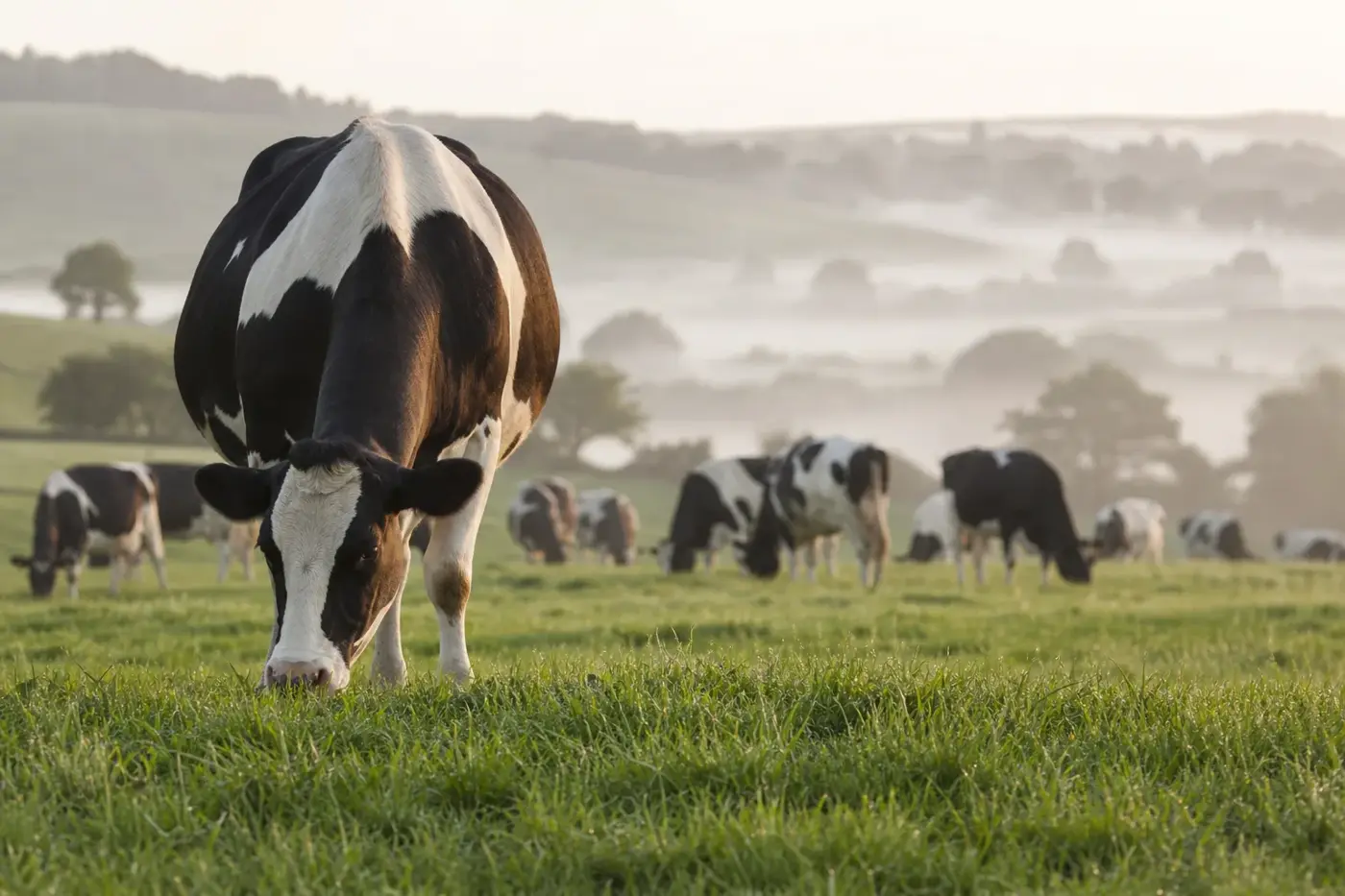
How many cattle enter a field? You need that number, but you also need to know how long they stay. Grazing's effects depend on the animals, timing, duration and amount of vegetation removed.[2][3]
Stocking density records animals on an area at a given time. Its ecological meaning also depends on the length of their stay and the recovery afterwards. Ask for the seasonal pattern, not just the headcount.[2][3]
In a controlled experiment, sixteen prairie pastures in the Pacific Northwest received four cattle stocking rates over two years. Increasing grazing intensity reduced vegetation structure and soil stability, while increasing compaction and bare ground. Bumblebees were sensitive early in the season; sweat bees appeared unaffected.[3]
Even the insects responded differently. Give cutting the same close attention: which fields go first, which retain flowers, and does the farmer adjust management after wildlife observations? England's species-rich grassland guidance includes uncut refuges and vegetation heights suited to the habitat: some grasslands need short vegetation, others a taller, more varied structure.[1]
Follow the hedge and look beneath your feet
A hedge takes you beyond the story of a single pasture. England's Rural Payments Agency describes hedgerows as wildlife corridors and habitat supporting pollinators, slowing erosion and reducing runoff. Ask how management keeps that network connected, not simply how much hedge was planted in one year.[4]
Then turn towards the ponds and ditches. What condition are they in, and what protects them from slurry, sediment and sprays? The Environment Agency identifies nutrients, pesticides and sediment among pollutants that can damage aquatic environments; a flower-rich field cannot tell the whole farm's story if a polluted ditch runs beside it.[5]
There is life beneath your feet, too. England's grassland habitat guidance recognises fungi among its organisms, while the grazing experiment shows how management changes soil condition. Ask whether habitat surveys and soil assessments accompany the visible work on flowers and hedges: you cannot see the whole picture from the gate.[1][3]
Protect the precious habitat already there
Creating habitat matters, but so does keeping what is already there. The prairie experiment demonstrated how overgrazing can simplify vegetation and damage soil. New habitat is only part of the account you need.[3]
Fertiliser and manure management also reaches beyond the crop being fed. The Environment Agency explains that agricultural nitrogen and phosphorus losses can accelerate aquatic plant and algal growth. This process, eutrophication, can cause aquatic habitats to deteriorate.[5]
England's official nutrient guidance emphasises soil and crop need, weather and pollution risk when planning applications.[6] On habitat grassland, management must also protect the plants being conserved. The November 2026 requirements for the government's species-rich grassland action restrict fertiliser, pesticides and cultivation, with specified exceptions.[1]
Ask what has been retained alongside what has been created. Fertiliser, herbicides, ploughing and reseeding can change grassland plants and the habitat available to wildlife, with effects depending on the existing habitat and its management. A restoration project makes more sense when the farmer explains which existing habitats it protects, too.
Ask where the cows spend winter
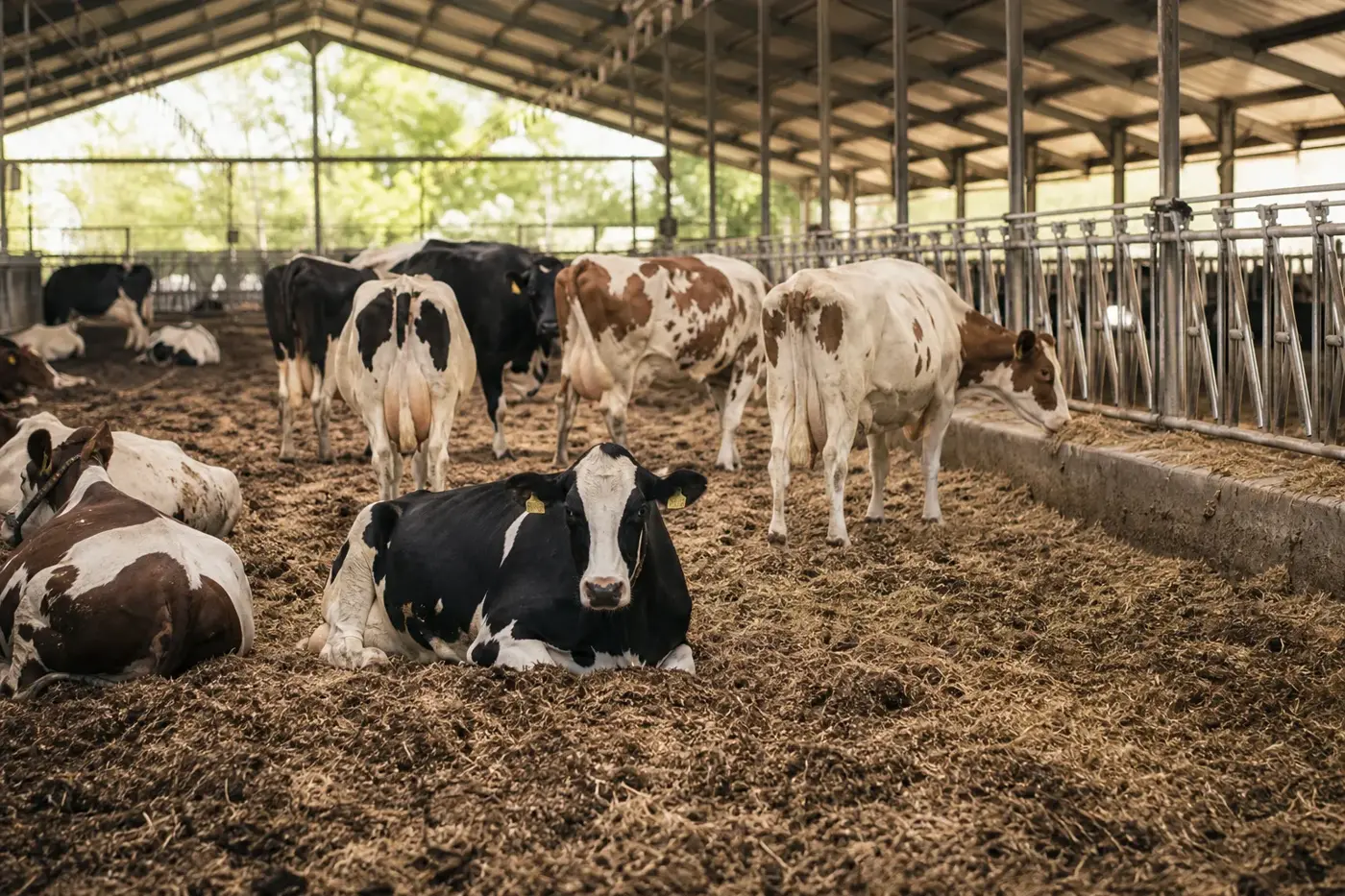
Summer pasture is not a dairy cow's whole year. Where are the cows during winter and wet weather, what do they eat, and how are their health and comfort monitored? Ask about manure storage, too: England's pollution guidance specifically addresses livestock damage to soil, feeding areas and manure management.[6]
Those questions matter even when the summer fields look beautifully managed. Supplementary feed takes the story beyond the farm boundary. A lifecycle assessment follows inputs and outputs across production, including feed grown elsewhere.[11]
In Scotland's Langhill research, calculations included farm land and land used for purchased feed. Ask about feed ingredients and origins, including imports. You also want to know what proportion of the cows' diet comes from grazing.[11]
Discover what rare breeds carry forward
A rare breed offers more than a name for a cheese description. Conserving livestock breeds preserves options for future breeding. FAO identifies diverse animal genetic resources as a source of adaptability to climate change, emerging disease and pressures on feed and water, carrying generations of selection and husbandry within them.[7][8]
In November 2026, the UK Rare Breeds Survival Trust's 2026/27 Watchlist places Gloucester and Northern Dairy Shorthorn cattle in its Priority category. Dairy Shorthorn (OP) appears there too, separately from Dairy Shorthorn in the Native category. Those two letters identify an original population, a distinction worth asking about when you discover whose milk supplies a cheese.[10]
Counting cows is only the beginning. RBST considers effective population size, reflecting the contribution of male and female parents, alongside inbreeding. Even a large number of animals can present genetic concerns if they descend from a narrow pool of parents.[9]
Ask whether the herd participates in registered breeding and conservation planning, and how that supports the breed. There is cultural conservation here, too: FAO describes livestock diversity as the result of millennia of adaptation, domestication, selection and exchange by livestock keepers. Cheese connects you directly to those traditions, so ask whose milk enters the vat and how using it sustains a continuing breeding population.[8][9]
Give welfare, land and emissions room to speak
A breed does not perform in isolation. SRUC's Langhill programme compares genetic lines selected for different milk component yields under contrasting management systems, recording performance, fertility and health. Rather than treating a breed as inherently sustainable, ask how breed and feeding system work together, including their effects on health and longevity.[12]
Environmental comparisons deserve equally careful questions. A lifecycle study used seven years of records from four Langhill systems to compare emissions against milk output and different measures of land use. Grazing systems looked more favourable when emissions were expressed per hectare on the farm; including off-farm land changed the comparison.[11]
The apparent winner can change with the unit and boundary. For you as a cheese buyer, the clearest account brings together habitat condition, feed sourcing, animal health and emissions with a stated unit. A lower footprint per kilogram of milk answers a different question from whether a meadow keeps its flowers.[1][11][12]
Read animal welfare, climate and organic farming information alongside the farm's biodiversity account. Keep each measure visible. No single answer should drown out the others.[1][11][12]
Bring these questions to the cheese counter
Begin with the milk. A named supplying farm tells you more than a general pastoral description, and the evidence should match the claim. If several farms supply the milk, ask which farms and practices the biodiversity claim covers. A lovely meadow cannot answer on everybody else's behalf.
| Topic | Ask the cheesemaker | What to look for |
|---|---|---|
| Pasture | Which fields do the cows graze, and which are species-rich? | A dated habitat survey naming the fields and recording their plants.[1] |
| Timing | When do cattle move, and when is grass cut? | A seasonal grazing and cutting plan showing wildlife refuges.[1][2] |
| Connected habitats | How do you look after hedges, ponds and ditches? | A habitat map and pollution prevention measures.[4][5] |
| Feed | What do the cows eat outside the grazing season? | Ingredients, origins and whether footprint calculations include purchased feed.[11] |
| Breeding | Which registered breed or original population provides the milk? | Herd registration and details of breed conservation work.[9][10] |
| Assessment | Who assesses the biodiversity claim, and what do they examine? | The current standard, assessment scope, inspection date and findings. |
For any certification, including an organic claim, look at which product, farms and period the certificate covers. For biodiversity, seek the habitat requirement and evidence of results. A modest, specific account can tell you plenty: what was recorded, what management changed, and what happened afterwards.
Follow your cheese beyond the pasture
- How to Read a Cheese Label: untangle the food's identity from claims about its farming.
- How Cheese Is Made: From Milk to Cheese: follow the milk on its journey beyond the farm.
- Protected Names Explained: PDO, PGI and TSG: explore origin protection alongside the separate evidence for environmental claims.
Questions people ask
Is permanent pasture always good for wildlife?
Not necessarily. Permanent pasture describes continuity of grassland use, while species-rich grassland describes its biological character. A survey of what grows in a field tells you more about its wildlife value than its age or category.
How do grazing and cutting affect flowers and pollinators?
Tight grazing can keep flowers from opening during an insect's foraging season. In a study of species-rich fields in Ireland, delayed mowing and delayed grazing both increased flower and bumblebee abundance.
Which dairy cattle breeds are on the Rare Breeds Survival Trust's Priority list?
The 2026/27 Watchlist places Gloucester, Northern Dairy Shorthorn and Dairy Shorthorn (OP) in its Priority category. Dairy Shorthorn appears separately in the Native category.
Why does cattle feed matter when assessing a farm's environmental impact?
Supplementary feed can take the picture beyond the farm boundary. In Scotland's Langhill research, calculations included both farm land and land used for purchased feed.
How can I check a cheese's biodiversity claim?
Ask which supplying farms and practices the claim covers, and look for evidence such as a dated habitat survey naming fields and recording plants. For certification, check which product, farms and period the certificate covers, as well as the assessment scope, inspection date and findings.
Sources
- Department for Environment, Food & Rural Affairs and Rural Payments Agency. CGS22: Manage priority habitat species-rich grassland. Updated 13 October 2026. England-specific habitat guidance and scheme requirements.
- Journal of Insect Conservation. Impacts of delayed grazing and mowing on bumblebees and flowers in species rich grasslands. Volume 30, article 21, published 4 March 2026. Primary paired-field research.
- Ecological Society of America, Ecosphere. Short-term responses of native bees to livestock and implications for managing ecosystem services in grasslands. Published 18 October 2012. Primary grazing experiment.
- Rural Payments Agency. Hedgerow management rules: cutting and trimming. Updated 6 November 2026. The article uses its ecological explanation, rather than reproducing the cutting rules.
- Environment Agency. Manage water on land: guidance for land managers. Updated 12 February 2026. England.
- Environment Agency. How to comply with the Farming Rules for Water. Live guidance retrieved November 2026. England.
- Food and Agriculture Organization of the United Nations. Animal genetics. Undated live resource, retrieved November 2026.
- Food and Agriculture Organization of the United Nations. A Global Policy for Animal Genetic Resources. Undated live resource, retrieved November 2026.
- Rare Breeds Survival Trust. Watchlist overview. 2026/27 edition and accompanying methodology, retrieved November 2026.
- Rare Breeds Survival Trust. Watchlist 2026/27. Official poster, 2026. Categories checked visually against the colour key.
- SRUC and University of Edinburgh research, published in Animal. Relative emissions intensity of dairy production systems: employing different functional units in life-cycle assessment. Volume 11, issue 8, pages 1381 to 1388, 2017.
- Scotland's Rural College. Langhill breeding study. Undated institutional research account, retrieved November 2026.
Researched through official conservation and environmental guidance, breed conservation records and primary grassland and dairy-system research; the buyer questions are editorial synthesis.
Last checked: November 2026
Last checked November 2026.
The editors suggest you read next
Sustainability in Cheese: The Complete Guide
At the cheese vat, curd parts company with liquid whey.