Sustainability in Cheese: The Complete Guide
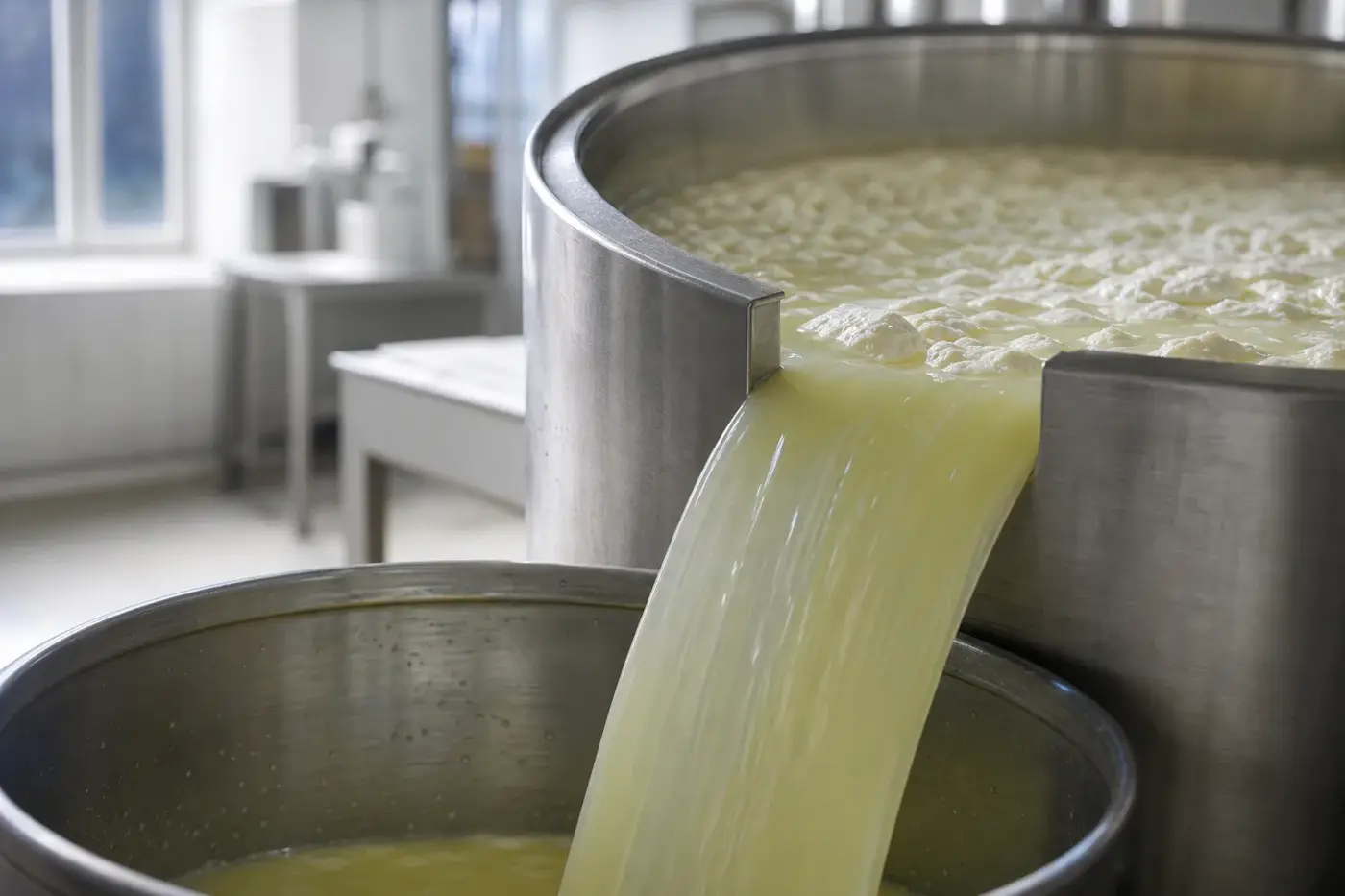
At the cheese vat, curd parts company with liquid whey.
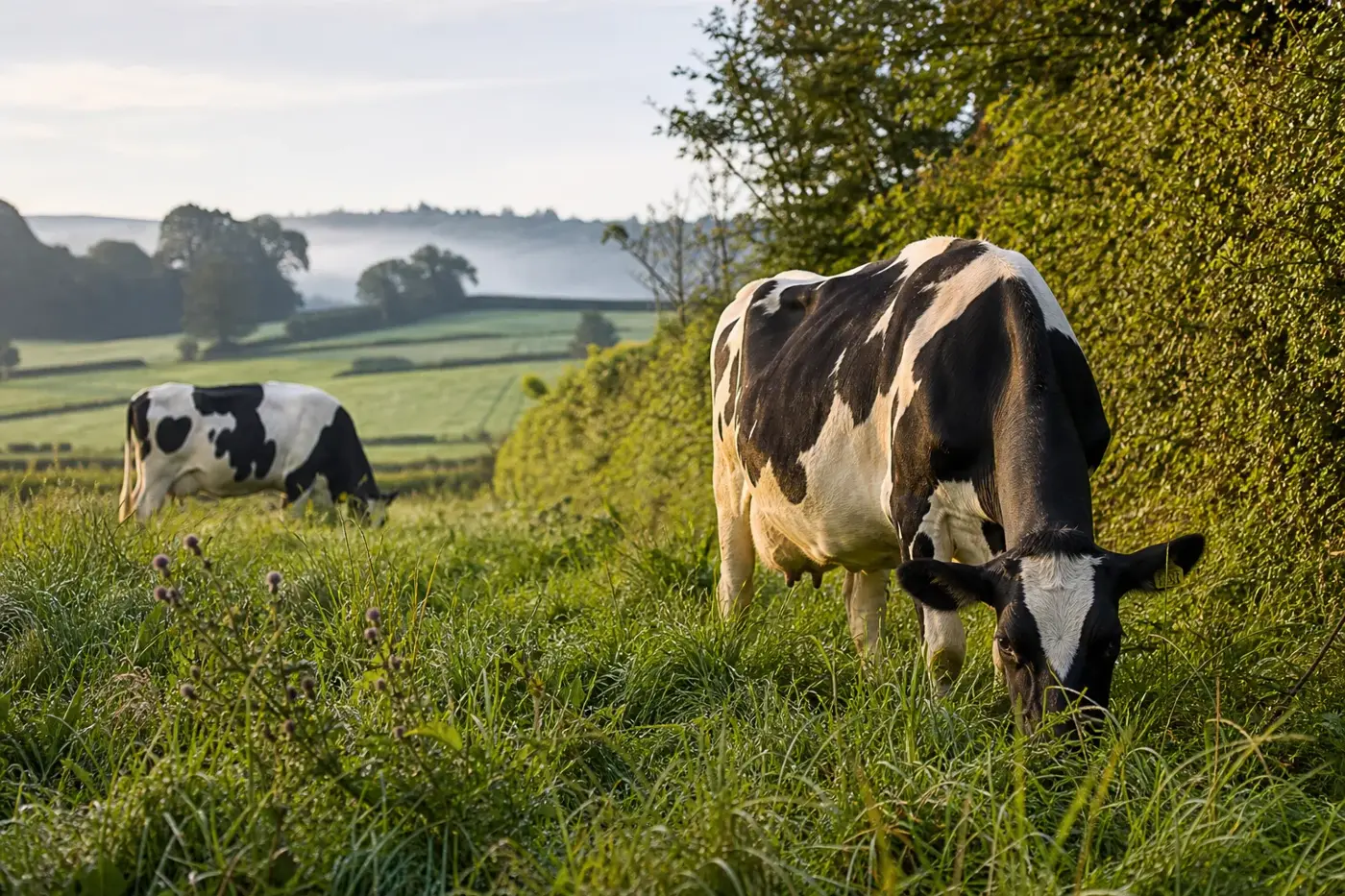
At the cheese vat, curd parts company with liquid whey. One is bound for cheesemaking; the other needs a destination of its own. Their next stops help shape your cheese’s environmental footprint, although this story began long before the milk reached the vat, out in the feed field and on the farm.[1][2]
Follow that journey into your kitchen and sustainability becomes a richer question. You find environmental pressures, the animals’ lives and the livelihoods of the people making your cheese. Quite a lot to fit beside the crackers.[3]
Good cheese needs more than a good carbon number
A carbon number can tell you something useful. It cannot tell you everything. FAO's Sustainability Assessment of Food and Agriculture Systems framework brings atmosphere, water, land, biodiversity, animal welfare, labour rights and local economies into the picture.[3]
Give each subject its own question. What emissions arise, and which habitats are affected? How are the animals cared for? Can farmers and dairy staff carry on their skilled work under fair conditions?
You can admire a producer’s strongest achievement without asking it to answer every other question. Keep those questions separate. The answers will be much more useful.
Follow your cheese from field to kitchen
Your cheese has a longer story than its label can hold. A US cheese study followed feed production, farming, manufacturing, packaging, transport, retail, consumption and disposal. Stop counting at the dairy gate and you miss several chapters.[1]
| Stage | Questions to take along |
|---|---|
| Feed and farming | Where does feed come from, how is manure managed, and how are animals and habitats cared for?[3][8] |
| Dairy and maturation | How much milk is lost, where does whey go, and what cleaning water, heat and electricity are used?[9][14] |
| Distribution and retail | How is cheese transported, refrigerated and packaged, and how much remains unsold?[1] |
| Home and disposal | How much do you buy, eat and discard, and where is packaging collected?[1][13] |
Back at the vat, curd is the solid portion of milk kept for cheesemaking. Whey is the liquid separated from it. The dairy therefore has more than one output, and each destination changes the environmental calculation.[1]
Remember that split when you look at footprint figures. It makes them easier to untangle. For the process itself, see how cheese is made.[1]
Even on grass, methane follows the herd
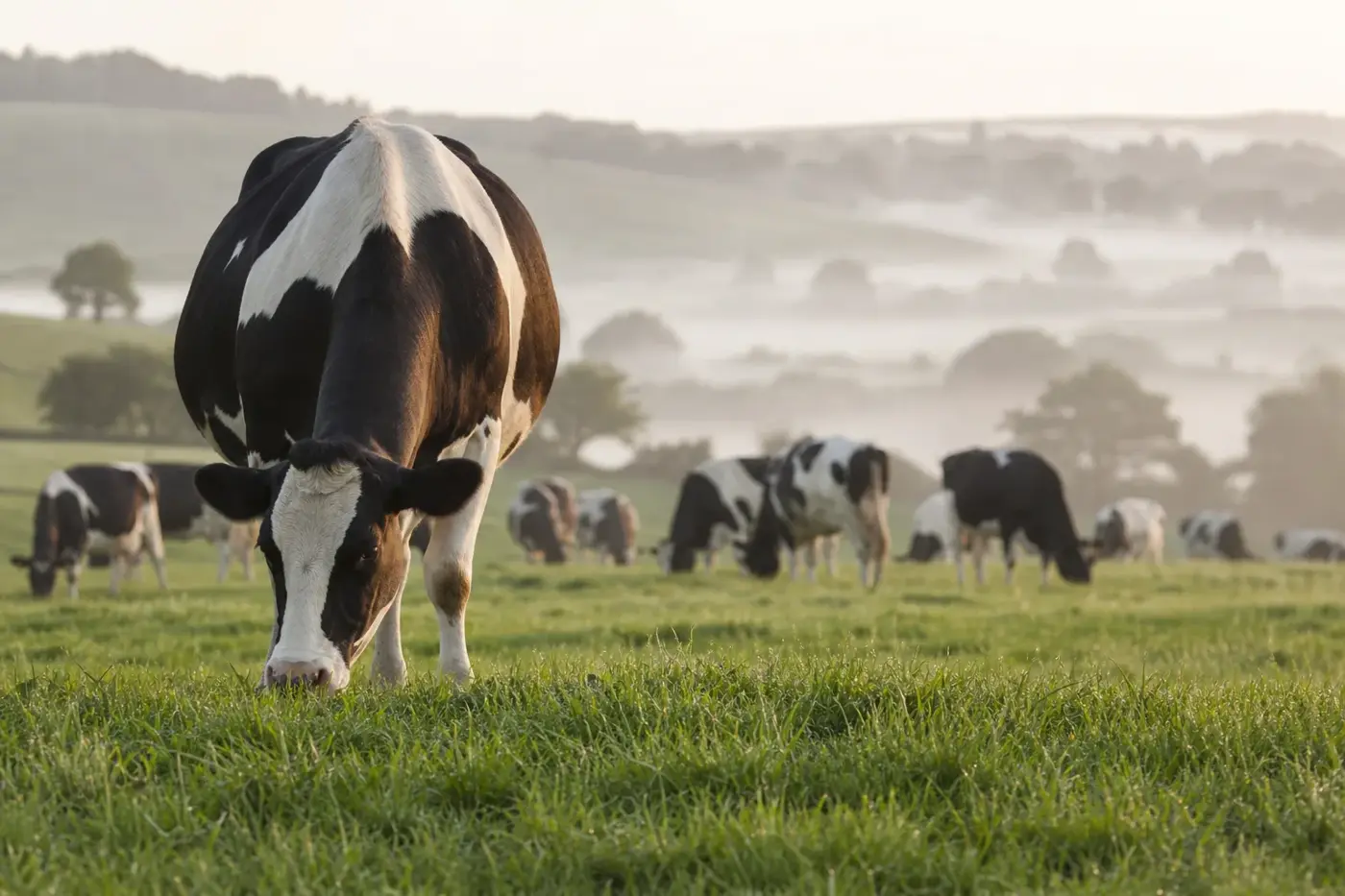
A grazing herd may make a lovely picture, but grass-fed animals still produce methane. Cattle, sheep and goats are ruminants: microbes help them digest fibrous feed and produce methane along the way. Manure management releases methane too, so both belong in your assessment, whether animals eat grass or crops grown for feed.[4]
The IPCC's Sixth Assessment describes methane as a short-lived climate forcer. Its warming influence is concentrated over a shorter period than carbon dioxide's. That makes the time horizon used to compare the gases important.[4]
Cutting methane can help limit warming in the nearer term. Cutting carbon dioxide remains necessary for long-term climate stabilisation. You do not have to choose between the two.[4]
When you see a footprint, look for its climate metric and assessment period. Then distinguish emissions per kilogram of output from the farm's total emissions. Producing more can improve the first figure without delivering the same change in the second, so ask which measure has actually improved.[4][5]
Make friends with a footprint’s small print
A headline result is only as useful as the method behind it. A lifecycle assessment, or LCA, accounts for environmental inputs and outputs across a defined system. ISO 14044 sets requirements for its goal and scope, inventory, impact assessment, interpretation, reporting and critical review.[5]
Three terms will help you find your way. Boundary tells you where counting begins and ends. Functional unit tells you what is being compared, perhaps a kilogram of cheese, dry matter or a serving. Allocation explains how shared burdens are divided between outputs: milk and meat at the farm, then cheese and whey at the dairy.[1][6]
These choices shape the result. A study using operational data from seventeen US cheese plants reported on a dry-weight basis and used several allocation approaches for different flows. A Canadian dairy case study tested four ways of allocating emissions between milk and meat.[1][6]
Before comparing their figures, check that the boundaries and units match. Otherwise, numbers that look straightforward may be answering quite different questions.[1][6]
Moisture makes this especially important with cheese. Measuring per kilogram of dry matter takes water out of the denominator; measuring per kilogram sold leaves it in. Both can be useful, but they tell you different things.[1][6]
Give allocation the same attention. Assigning more of a shared process to whey can change the cheese result without changing the equipment or milk supply. Look for a sensitivity analysis showing what happens to the conclusions when assumptions change.[1][6]
Before letting an LCA guide your purchase, ask for its date, the milk supply represented, its treatment of co-products and any independent review. Those details help you connect a footprint for one dairy or historical production system to the cheese in front of you.[5][6]
Look beneath that lovely pasture
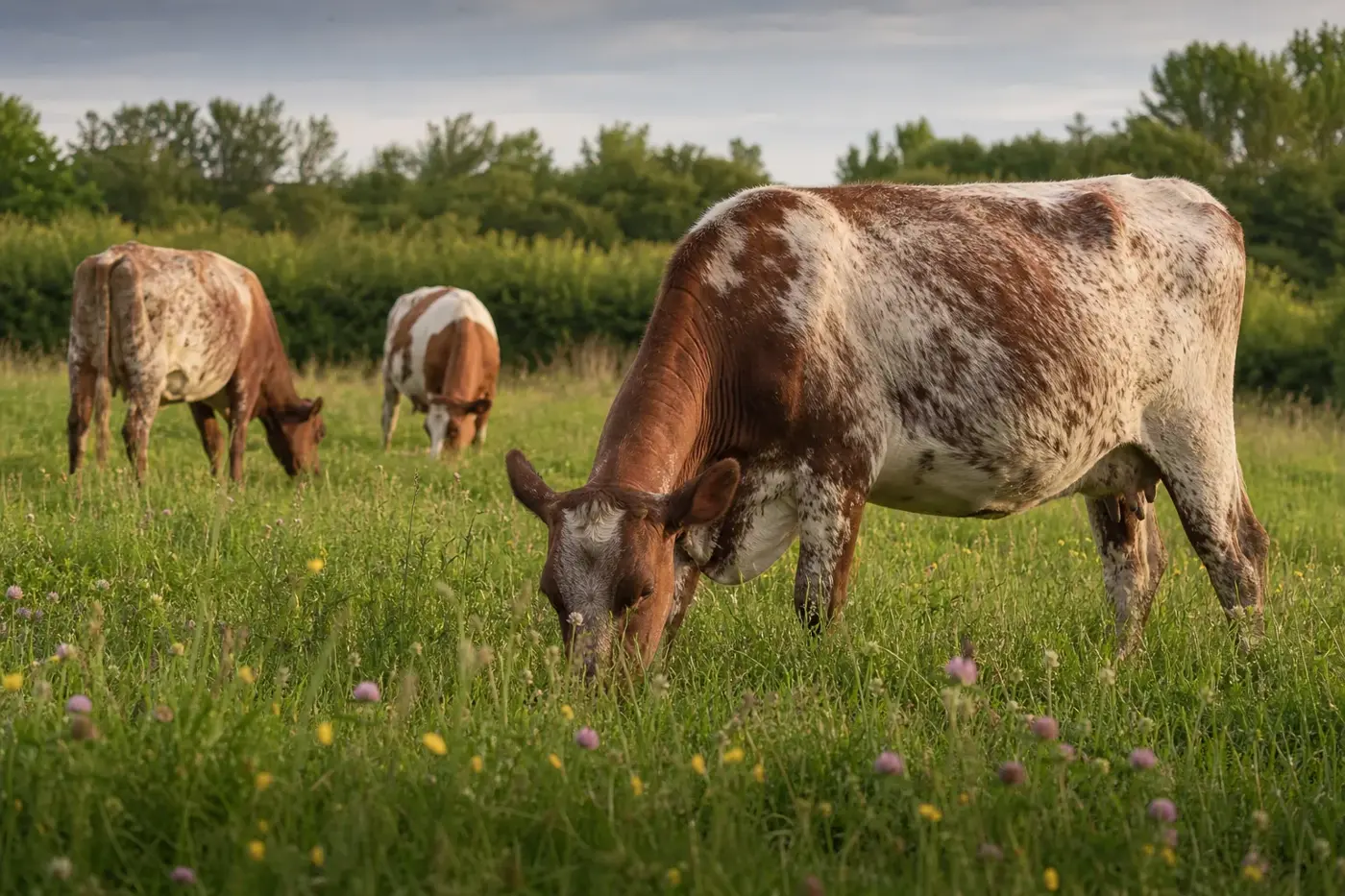
Before admiring a pasture, ask what occupied the land before it became pasture or a feed crop. Where does purchased feed come from? How does the producer check for habitat conversion, and which landscape features are retained or restored?[3]
A feed policy tells you much more when it names ingredients, origins and a monitoring method. You want a trail you can follow, not just a reassuring description.[3]
Grazing needs local evidence too. Researchers studying ten paired grazed and ungrazed grassland sites found that the effects of long-term grazing depended on aridity. At the more arid sites, grazing reduced biodiversity and ecosystem multifunctionality; at the relatively less arid sites, those effects were absent.[7]
“Do the animals graze?” is a useful opening question. Follow it by asking what is monitored on this particular land, how grazing pressure is adjusted and whether habitat condition is improving. For soil carbon claims, ask for the land, measurement period and evidence behind the claimed change.[7][13]
That grassland experiment examined biodiversity and multiple ecosystem functions, not plants alone. Your useful takeaway is to pin down what “improvement” means. A species count, a grazing plan and a climate footprint describe different things, and each needs a baseline against which progress can be judged.[7]
Every litre of water has a local story
A litre of water does not have the same consequences everywhere. You need to consider local availability, the season of use and the environment receiving the water. FAO's assessment framework treats water as a distinct sustainability theme, worth attention in its own right.[3]
Keep consumption and pollution as separate questions. In England, Environment Agency guidance identifies runoff, erosion and leaching as routes by which manure, fertiliser and sediment reach water. It directs land managers to assess risks and plan nutrient applications around soil and crop needs and conditions.[8]
Inside the dairy, ask where product-rich wastewater goes. Is it collected, treated or recovered, and how is clean water kept separate? England's Environment Agency and Natural Resources Wales both direct relevant industrial installations towards best available techniques, or BAT, to reduce environmental impacts.[9][10]
Records bring these questions into focus. Parkham Farms' application separates mains water, recovered process water and borehole water, and identifies cheese factory wash water as a wastewater stream. Ask for that kind of breakdown before trying to interpret a single total.[14]
Withdrawal, reuse and discharge are different parts of water management. To make sense of a figure, you need to know which one it describes.[14]
Give animal welfare its own voice
A climate calculation records environmental burdens. Welfare asks how animals experience their lives. Both matter, but neither can supply the evidence for the other.[3][11]
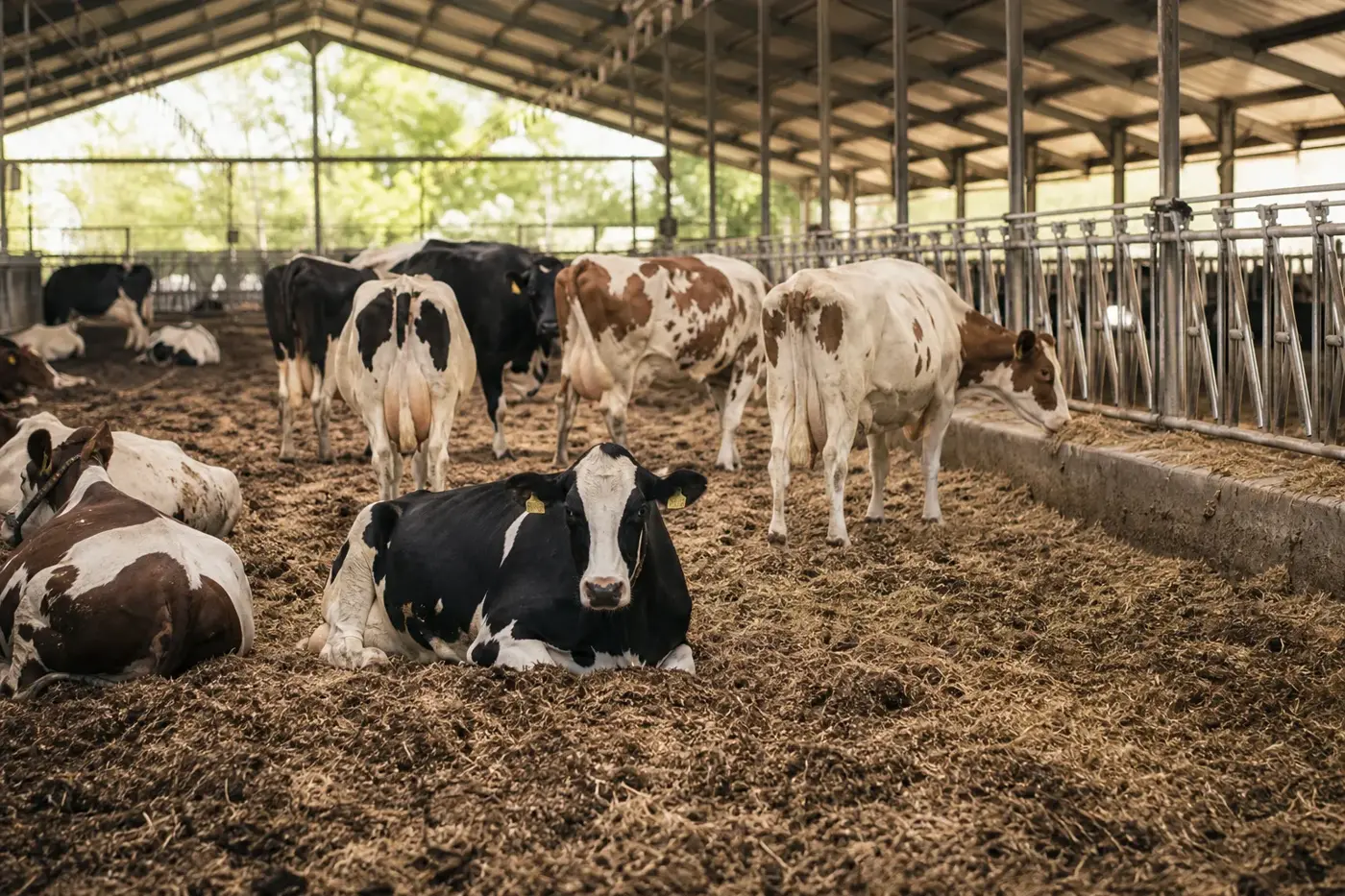
Ask about lameness, injuries, access to feed and water, comfortable resting space, handling, calf care and treatment of sick animals. A photograph of a herd cannot answer those questions, however appealing the view.[3][11]
In England, Defra describes keepers' duties to provide an appropriate environment and diet, allow normal behaviour, and protect animals from pain, injury, suffering and disease. Scotland and Northern Ireland have their own farmed animal welfare regulations and official guidance.[11][12]
When comparing producers, look for dated welfare results. Ask what inspections cover and what happens when problems are found. Environmental and welfare improvements may coincide, but one good result cannot stand in for evidence of both.
Find out where the whey goes
Whey can be a useful output rather than a lost resource. In the Spanish factory LCA, using it as animal feed improved the modelled environmental result by displacing other fodder. That benefit came from the particular use represented in the study.[2]
A February 2026 permit application for Parkham Farms described another route. Ultrafiltration recovers whey protein concentrate. Reverse osmosis then concentrates the lactose stream and recovers water for further treatment and reuse, a process documented in the applicant's BAT assessment.[14]
The same assessment lists insulation, variable-speed drives and solar energy among its energy measures. At any dairy, ask what is metered, where heat and electricity are used, and which changes have delivered measured reductions.[14]
Recovering a useful ingredient takes processing of its own. Before comparing the options, you need to follow the complete route, including energy and transport.[14]
Preventing losses of milk and cheese belongs in this conversation too. Ask how the dairy records losses and separates edible surplus from wastewater. The records should show whether a change reduces waste overall or simply moves it into another stream.[9][14]
Look beyond the wrapper
You can see the packaging; the impacts of milk production are much less visible. In the Spanish factory case study, raw milk production drove most environmental impacts, while packaging materials contributed little. The wrapper may be right under your nose, but it does not necessarily deserve top billing.[2]
That makes farming a priority for your questions, although the individual supply chain determines the balance. The most visible part is not always the most consequential.[2]
For packaging, consider its protective role, material and local collection routes. For transport, examine vehicle loading and delivery arrangements. For refrigeration, look at energy used in storage, retail and your home.[1][13]
An LCA covering all three helps establish their relative importance in the supply chain you are considering. It lets you weigh the parts rather than guess from whatever catches your eye.[1][13]
“Local” is a welcome opening to a conversation about provenance. An environmental claim still needs evidence covering the relevant journey and production system. The UK's Competition and Markets Authority asks businesses to substantiate claims, make fair comparisons and consider the whole lifecycle.[13]
Get curious about organic and biodynamic labels
An organic label gives you a defined certification trail to follow. Defra's UK guidance requires certified production and supply chains and sets conditions for describing food as organic. A control body code must appear on the label, with different code formats for Great Britain and Northern Ireland.[15]
For food labelled organic, at least 95% of agricultural ingredients must be organic. Other ingredients, additives and processing aids must meet the permitted lists. These are production and certification conditions, so if you also see a climate claim, ask for the emissions study and its scope.[15][13]
The approved control body list explains that certified businesses are inspected at least annually. Check the particular cheese, its certifier and the certificate’s scope. You can then assess greenhouse gas, water and habitat evidence using the same LCA questions you would ask of other cheese.[16]
Biodynamic certification adds scheme-specific requirements. Demeter describes its international standard as minimum requirements for recognition and says farms receive an annual Demeter inspection in addition to organic inspection.[17]
That tells you about the scheme’s requirements and inspection process. To judge environmental outcomes, look for measurements addressing the particular outcomes being claimed.[17]
Meet the people who make your cheese possible
Follow sustainability into the milking parlour, the cheese vat and the packing bench. FAO's framework includes decent livelihoods, labour rights, fair trading practices, local economies and vulnerability. It offers you a useful checklist for how a business treats people and prepares for disruption.[3]
Ask whether milk suppliers have dependable relationships with the dairy. Do staff receive training, and is practical knowledge passed on? Staffing, safe working conditions, apprenticeships and succession all deserve their place in the conversation.
Specific answers tell you more than a broad promise to support rural communities. Who supplies the milk, how do agreements work, which skills are taught, and what continuity planning exists?
Small and large businesses alike can answer with records suited to their operation. Look for the detail. The size of the business making a promise is not a measure of its substance.
Buy cheese you will enjoy, then give it a plan
Start with what you will eat. Choose a quantity you can use, give each opened piece a place in your meal planning and check what you already have before buying more. These simple habits address the consumption and waste stages included in cheese LCA.[1]
When choosing a producer, take one claim at a time. What does it cover, when was it measured, and what evidence can you inspect? A clear answer about milk sourcing, whey recovery or staff training is more useful than an unexplained description of the whole cheese as sustainable.[13]
Keep a short record: the product or milk pool covered, reporting year, measure used, baseline and location of the underlying document. That makes a later improvement claim testable. It also stops a strong result for one product being stretched across everything sold under the same name.[13]
Ask the same questions of a farm dairy, a co-operative and a larger manufacturer. You are looking for evidence that fits the claim, whoever makes it.[13]
Keep storage instructions with your cheese and make opened pieces easy to identify. For practical handling, see how to store cheese at home. The Food Standards Agency publishes chilling, freezing and defrosting guidance for England, Wales and Northern Ireland; consult its official source for current instructions.[18]
For label terminology, turn to how to read a cheese label. If mould appears, follow mould on cheese: when to cut and when to bin, rather than inventing a waste-saving rule. Looking after the environment and following the official instructions for your food need to work together.
General information only, not medical advice: follow the official guidance where you live.
Questions people ask
What makes a cheese sustainable?
A useful assessment considers environmental pressures, animal welfare and livelihoods, rather than relying on a carbon figure alone. The FAO framework includes water, land, biodiversity, labour rights and local economies.
Do grass fed animals still produce methane?
Yes. Cattle, sheep and goats produce methane during digestion whether they eat grass or crops grown for feed. Manure management also releases methane.
What does an organic cheese label mean?
UK guidance requires certified production and supply chains, and a control body code must appear on the label. At least 95% of agricultural ingredients must be organic, but a separate emissions study is needed to assess a climate claim.
What happens to whey from cheesemaking?
Whey is the liquid separated from the curd. In a Spanish factory study, using whey as animal feed improved the modelled environmental result by displacing other fodder.
Is local cheese always more sustainable?
A local claim describes provenance, but an environmental claim needs evidence covering the relevant journey and production system. The UK's Competition and Markets Authority asks businesses to substantiate claims, make fair comparisons and consider the whole lifecycle.
Sources
- Springer Nature, Life cycle assessment of cheese and whey production in the USA, The International Journal of Life Cycle Assessment, volume 18, 2013. Methods, functional units, system boundaries and allocation sections.
- US National Library of Medicine, PubMed record for Environmental impact of cheese production: A case study of a small-scale factory in southern Europe and global overview of carbon footprint, 2018. Retrieved abstract extract.
- Food and Agriculture Organization of the United Nations, Sustainability Assessment of Food and Agriculture Systems: Guidelines, version 3.0, 2014. Sustainability framework and assessment themes.
- Intergovernmental Panel on Climate Change, Climate Change 2021: The Physical Science Basis, Chapter 6, Short-lived Climate Forcers, 2021. Methane discussion, Table 6.2 and accompanying lifetime explanation.
- International Organization for Standardization, ISO 14044:2006, Environmental management, Life cycle assessment, Requirements and guidelines, edition 1, 2006. Official catalogue abstract; catalogue records confirmation in 2022 and two amendments.
- US National Library of Medicine, PubMed record for Life-cycle assessment of greenhouse gas emissions from dairy production in Eastern Canada: a case study, 2012. Retrieved abstract extract describing allocation alternatives.
- Nature Communications, Experimental impacts of grazing on grassland biodiversity and function are explained by aridity, volume 14, article 5040, 2023. Original study of ten paired grazed and ungrazed sites.
- Department for Environment, Food & Rural Affairs and Environment Agency, How to comply with the Farming Rules for Water, updated 4 February 2026. England guidance on pollution pathways, risk assessment and nutrient planning.
- Environment Agency and Department for Environment, Food & Rural Affairs, Best available techniques: environmental permits, updated 29 September 2026. England guidance.
- Natural Resources Wales, Food, drink and milk Best Available Techniques and additional guidance documents, current webpage retrieved November 2026. Guidance for relevant installations in Wales.
- Department for Environment, Food & Rural Affairs, Farm animals: looking after their welfare, updated 15 August 2023. England guidance.
- Scottish Government, Animal welfare, current policy webpage; Department of Agriculture, Environment and Rural Affairs, Farmed animal welfare, current webpage. Both retrieved November 2026.
- Competition and Markets Authority, The Green Claims Code checklist, 20 September 2021. Evidence, scope, lifecycle assessment and fair comparisons in environmental marketing.
- Earthcare Technical Limited for Parkham Farms Limited, Best Available Techniques Assessment: Bespoke Installation Permit Application, version 1.0, issue 0, February 2026. Applicant's document hosted by the Environment Agency; BAT 2, BAT 6 and BAT 7 tables.
- Department for Environment, Food & Rural Affairs, Organic food: labelling and advertising rules, updated 20 August 2025. Certification, ingredient conditions and control body codes.
- Department for Environment, Food & Rural Affairs, Organic products: approved UK control bodies, current webpage retrieved November 2026. Certification functions and inspection frequency.
- Biodynamic Federation Demeter International, The Demeter Standard, undated webpage retrieved November 2026. Scheme owner's account of recognition requirements and inspections.
- Food Standards Agency, How to chill, freeze and defrost food safely, published 18 December 2017, current webpage retrieved November 2026. Applies to England, Northern Ireland and Wales.
This piece combines desk research from original studies, official assessment frameworks, government guidance and a dated permit application, with practical questions developed from that evidence.
Last checked: November 2026
Last checked November 2026.
The editors suggest you read next