Dutch Cheese Markets: Alkmaar, Gouda, Edam and Hoorn
The bell sounds across Alkmaar’s Waagplein.
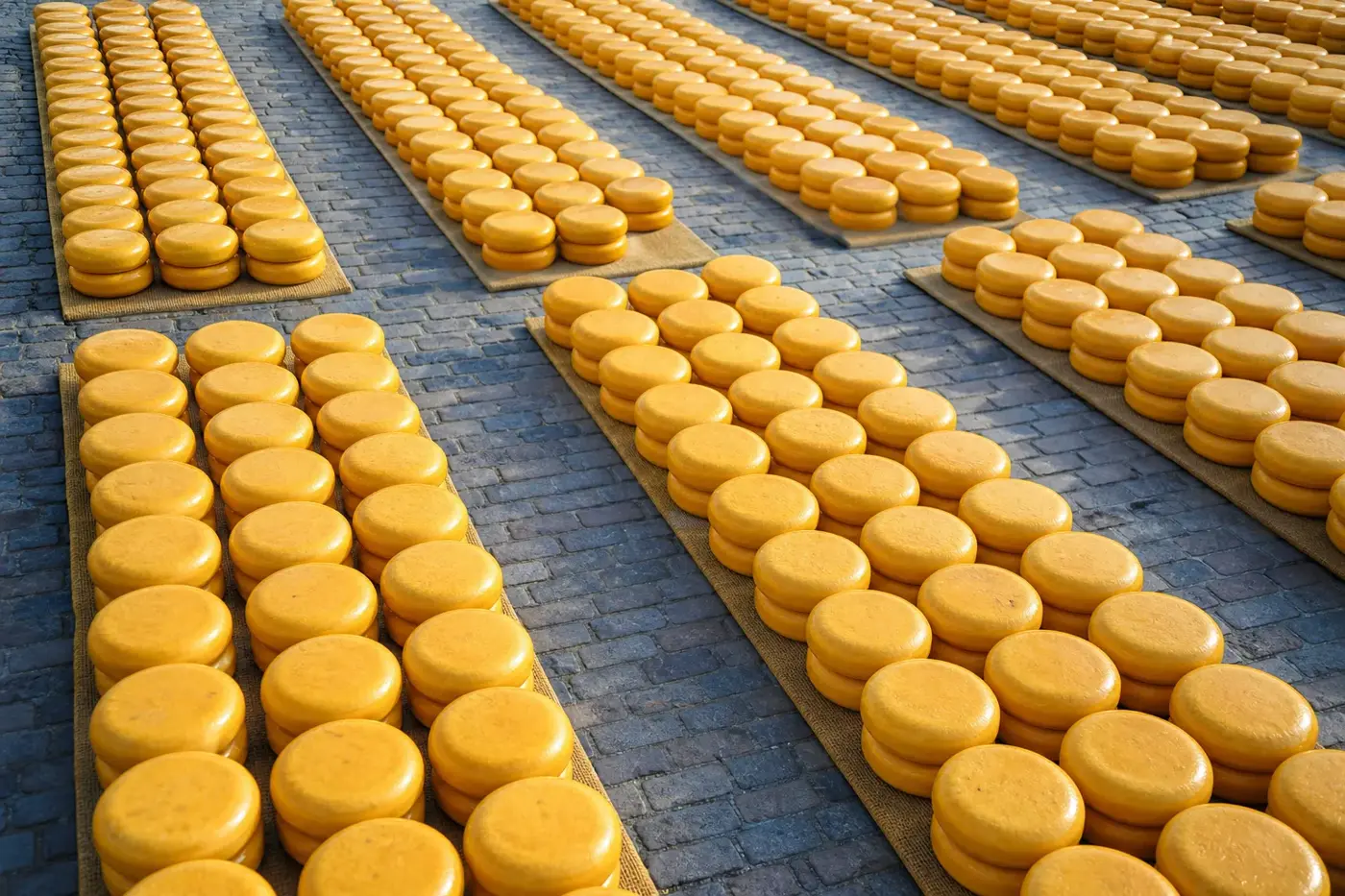
The bell sounds across Alkmaar’s Waagplein. About 2,400 cheeses lie in long rows, an audience impressively unlikely to fidget. White-clad carriers balance wooden barrows on their way to the weighing house as inspection, bargaining and carrying turn the business of trade into public theatre. [1][2]
You can watch documented seasonal markets in Alkmaar, Gouda and Edam. In Hoorn, start with the town’s trading heritage unless the local visitor office confirms a current cheese market event. Leave room for two distinct pleasures: watching the ceremony and finding cheese to taste or take home. [1][2][3][4]
Behind the ceremony, follow a working day
Before the colourful hats and watching crowds, there were three jobs: inspect the cheese, agree a deal and establish its weight. Farmers needed somewhere to meet traders. The town’s weighing house, or Waag, provided the machinery that kept business moving. [1][5][6]
Look at the surviving buildings and you can see how deeply cheese trading shaped these towns. Water brought farms and merchants together, too. Gouda’s market organiser describes a regional dairy-trading centre connected to the IJssel and Gouwe rivers. [1][5][6]
Around Edam, boats carried cheese from the producing countryside to market. Today’s demonstration retraces that journey. These markets grew where farms met transport routes and trade, not simply where somebody happened to have a handsome square. [3][5]
The dates give each town its own story. Alkmaar’s organiser records weighing rights and a cheese scale in 1365, although the date of its first cheese market remains uncertain. According to Edam’s organiser, its commercial market ended in 1922 and returned as a visitor attraction in 1989; Gouda’s account places the end of its market’s original commercial function in 1987. [3][5][7]
As you watch, look for the work beneath the ritual. Inspection assessed the cheese, bargaining settled the transaction, carriers moved the goods and weighing established the quantity. Those clapping hands and moving barrows soon become a sequence you can follow, rather than simply a colourful scene. [1][3][5]
Alkmaar: choose your carriers and follow their steps
Before the public ceremony begins, long rows of cheeses fill Alkmaar’s Waagplein. The organiser describes about 2,400 cheeses in the display, plenty to take in before anyone lifts a thing. Then the opening bell sets the square moving: inspection, bargaining, carrying and weighing. [1]
Choose a pair of carriers and watch their progress. Between them hangs a wooden carrying frame called a berrie, often translated as a barrow. Their short, coordinated steps steady the suspended load: the organiser calls this the cheese carriers’ trot. [1]
Follow one load towards the Waag and you will see why that rhythm matters. Then turn your attention to the hats. The guild’s four teams, called vemen, wear red, green, blue and yellow, their colours appearing on straw hats and carrying frames against white clothing. [1][2]
An orange hat and a cane identify the cheese father, who directs the groups. The guild dates its foundation to 17 June 1593. Behind all this bustle sits a long history of working together. [2]
At the scales, watch the handover as closely as the carrying. The organiser describes a bagman stationed at the weighing operation and a weighmaster checking the weight. The carriers may catch your eye first, but every part of this system has its job. [1][2]
If you want more cheese history afterwards, continue inside the Waag building to the Hollands Kaasmuseum. The market organiser recommends it for learning more after the outdoor activity. Consult the museum’s own visitor information before arranging entry. [7]
Gouda: keep an eye on the bargaining hands
In Gouda, the hands tell the story. Traditional handjeklap, or handclap bargaining, accompanies negotiations between farmer and trader. The market’s historical account records deals sealed with a clap, so watch the exchange before following the cheese towards the weighing house. [5]
The present Waag dates from 1668. A relief on its façade depicts weighing; inside, the original scales survive. Building and ceremony tell you the same thing: trade needed equipment and civic organisation, as well as a buyer and seller who could agree. [6]
Gouda’s official tourism service describes horse-drawn cheese carts, unloading and weighing as part of the visitor presentation. Stalls and a craft market surround the ceremony, giving you a separate shopping experience. Allow time for both: cheeses in the ceremonial trading area are not necessarily available individually to spectators. [8]
You can comfortably make Gouda a full town visit. Its official tourism service lists the Waag Museum, Gouda Cheese Experience, St John’s Church and Museum Gouda among the attractions. Choose one substantial indoor stop after the ceremony, rather than squeezing everything around it. [9]
The Waag Museum keeps you closest to the trading you have just watched. Its interpretation explores the town’s trade and the goods weighed there, while the shop offers farmhouse cheese and other local products. Confirm visitor arrangements directly before travelling. [6]
Edam: arrive in time to meet the cheese boats
Water runs through the story of Edam’s market square. The organiser’s historical account links it with the nearby Prins Mauritspad: around 1680, the water was filled in and the market moved onto the resulting square. The setting helps you picture how cheese reached the town. [3]
Today’s demonstration brings that journey into view. Cheese arrives by small boat, is unloaded and carried to market, then inspected, bargained over and taken to the scales. The organiser also describes onward transport by horse and cheese wagon. [3]
Make time for an arrival, rather than watching only the activity outside the Waag. Edam’s setting is more contained than Alkmaar’s broad display. Much of its interest lies in the short journey between landing place, square and weighing house. [1][3]
Choose Edam if you would like to trace cheese through a small town, with water transport woven into the story. Here, you can follow the journey rather than focus chiefly on carrying teams. Both approaches reveal the work, simply from different angles. [1][3]
The organiser identifies the Kaaswaag as a place for an exhibition, tasting and buying cheese. Afterwards, follow the waterways and streets described in the local visitor guide, or consider the Edams Museum. Consult each venue’s arrangements separately, especially outside the summer market season. [3][10]
Hoorn: start with the harbour and its trading past
Make Hoorn a heritage visit first. A government visitor guide records a revived cheese market on the Roode Steen in 2019, but you should not assume a ceremonial market currently operates. Ask Hoorn’s visitor information service for confirmation before making a cheese demonstration the reason for your journey. [4][11]
There is plenty of trading history to follow here. The official visitor service points you towards the historic harbour, maritime heritage centre and guided or self-guided walks. Together, they connect the town centre with its waterfront past and give your day a focus beyond an outdoor cheese performance. [11]
Take particular care when planning museum visits. In November 2026, the Westfries Museum’s website reports that its main building is closed for restoration. It directs visitors instead to its town-history presentation at the Statenpoort, associated walking routes and online material. [12]
Consult the museum’s current information before deciding what to book. You might begin with a heritage walk, continue towards the harbour and leave time for local shopping. Add a cheese-market event only once you have confirmation of its date, location and programme. [11][12]
Which town feels like your kind of day?
What would you most like to follow: the carriers, the bargaining or the boat? This comparison draws on the organisers’ descriptions of documented visitor formats, rather than ranking the cheeses. For a visit beyond November 2026, consult the latest event information. [1][3][5][11]
| Town | Your setting | What to watch | How to shape your day |
|---|---|---|---|
| Alkmaar | A broad cheese display on the Waagplein | Coloured carrying teams and the route to the scales | Follow the carriers and their coordinated work. [1][2] |
| Gouda | The market square beside the historic Waag | Bargaining, carts and weighing | Pair the ceremony with trade history and town attractions. [5][6][8] |
| Edam | A contained square linked to waterways | Boat delivery and the cheese’s journey through the market | Trace the connection between water transport and cheese trading. [3] |
| Hoorn | A historic trading town and harbour | Ask about current market operation, scale and atmosphere | Build your day around heritage and confirm any cheese event separately. [11][12] |
Alkmaar’s organiser describes a busy, stimulating environment. Edam’s smaller square gives you a different spatial experience, but smaller does not necessarily mean less crowded on a particular market day. In either town, choose a position where you can follow the part of the work that interests you most. [3][13]
Gouda and Edam: there is more to a cheese than its town name
Gouda and Edam are both town names and cheese names. Alkmaar’s organiser describes displaying Gouda and Edam cheeses at its own market. Keep that distinction in mind: where you see a cheese and where it was made are two separate pieces of information. [1]
When you shop, ask three questions. Who made it, where was it produced and how was it matured? Keep the market location separate from the product’s stated origin.
For a closer look at the cheese, turn to the guide to Gouda. Then use how to read a cheese label to help interpret the information on an individual product. A name opens the conversation; it does not finish it.
Make comparison part of your visit. Ask a shop to explain the differences between two cheeses it stocks, then note their names, makers and stated ages. You will leave with a useful record, rather than an assumption that every wheel associated with a town shares the same character.
Save a little time for the tasting
Watching cheese travel across a square and tasting it each deserve their own place in your day. Gouda’s tourism service describes local-product stalls and cheese shops alongside the historical spectacle. In Edam, the organiser points you towards tasting and retail opportunities at the Kaaswaag. [3][8]
Start with a question, not a souvenir list. Ask to compare younger and longer-matured examples, or cheeses from different makers. If tasting is offered, note the product name before the next sample; enthusiasm is not always a reliable filing system.
Keep carrying routes clear and follow the organiser’s instructions about entering the demonstration area. Find a good view of one stage, then leave time to talk with a knowledgeable retailer. You can enjoy the visit without photographing every movement.
Before you go: make room for a comfortable day
Start with the year, not the weekday. In November 2026, the published 2026 seasons for Alkmaar and Edam are already past, so consult their current calendars for the next announced events. Edam’s available calendar still displays its 2026 programme; begin with the organiser’s current calendar when planning your journey. [14][15][16]
Gouda’s organiser describes a Thursday-morning season from April through August, with no market on Ascension Day. Read the detailed calendar and latest announcements for any further exceptions. Confirm the start time with the organiser rather than relying on an abbreviated tourism listing. [17]
Before committing to the journey, work through these five practical questions. With the arrangements settled, you can give the cheese your attention when you arrive.
- Which event are you going to? Confirm the year, location, cancellations and whether it is a morning or evening market.
- What happens if the weather turns? Ask where cancellation notices appear and whether any activities move indoors.
- How will you get there? Use current public-transport planning and allow time between arrival and the opening ceremony.
- What access do you need? Ask specifically about viewing positions, seating, surfaces, toilets and step-free access to your chosen museum.
- What is your alternative? Choose an indoor attraction and confirm its visitor arrangements independently.
Alkmaar publishes detailed accessibility information. Seating is limited and subject to space, with up to one companion; visitors are asked to report to the tourist information office. Ask how those arrangements fit your needs before travelling. [13]
The organiser also reports multilingual announcements and hearing-loop reception through the telecoil setting. There is no dedicated quiet zone. Consider each detail against what you need to enjoy your visit. [13]
For Edam, the organiser directs public-transport visitors towards bus travel and states that the town has no railway connection. Recheck the route for your travel date. In all four towns, settle the practical arrangements first, then build the rest of your day around the market. [16]
Questions people ask
When are the Dutch cheese markets held?
Gouda’s organiser describes a Thursday morning season from April through August, with no market on Ascension Day. For Alkmaar and Edam, check the organisers’ current calendars for the next announced events. Confirm the exact year, date and start time before travelling.
What happens at Alkmaar’s cheese market?
About 2,400 cheeses lie in rows on Waagplein before the opening bell. After inspection and bargaining, pairs of carriers use wooden frames called berries to take the cheese towards the weighing house.
What is handjeklap at Gouda’s cheese market?
Handjeklap is traditional handclap bargaining between a farmer and trader. Gouda’s historical account records deals sealed with a clap.
Is there a cheese market in Hoorn?
A government visitor guide records a revived cheese market on the Roode Steen in 2019, but current operation is not verified. Ask Hoorn’s visitor information service to confirm any event before travelling for it.
Can you taste or buy cheese at the markets?
Gouda’s tourism service describes local product stalls and cheese shops alongside the historical spectacle. In Edam, the organiser identifies the Kaaswaag as a place for tasting and buying cheese. The cheeses in Gouda’s ceremonial trading area are not necessarily offered individually to spectators.
Sources
- Kaasmarkt Alkmaar, The course of a cheese market, undated web edition, retrieved November 2026. Official source.
- Kaasmarkt Alkmaar, Cheese carriers, undated web edition, retrieved November 2026. Official source.
- Kaasmarkt Edam, De geschiedenis van de kaasmarkt, undated web edition, retrieved November 2026. Organiser’s history and visitor account.
- US Army Garrison Benelux, Cheese markets in The Netherlands, visitor account containing a 2019 programme, retrieved November 2026. Dated historical visitor information.
- Goudse Kaasmarkt, History, undated web edition, retrieved November 2026. Organiser’s historical account.
- Welcome to Gouda, Museum of the Gouda Waag, undated tourism-service entry, retrieved November 2026. Visitor and building information.
- Kaasmarkt Alkmaar, Historie van de kaasmarkt, undated web edition, retrieved November 2026. Organiser’s historical account.
- Welcome to Gouda, Gouda Cheese Market, 2026 event listing, retrieved November 2026. Official tourism information.
- Welcome to Gouda, Highlights, undated web edition, retrieved November 2026. Official attraction directory.
- VVV Edam, Welkom in Edam, 2024 visitor leaflet, retrieved November 2026. Visitor leaflet.
- Kom naar Hoorn, Tours en informatie, undated web edition, retrieved November 2026. Official visitor information.
- Westfries Museum, Museum dicht stad open, current museum announcement, retrieved November 2026. Museum’s own visitor information.
- Kaasmarkt Alkmaar, Accessibility Cheese Market Alkmaar, undated web edition, retrieved November 2026. Organiser’s accessibility information.
- Kaasmarkt Alkmaar, When does the cheesemarket take place, 2026 calendar, retrieved November 2026. Official calendar.
- Kaasmarkt Alkmaar, Visit Alkmaar’s cheese market and discover Holland’s cheese city, homepage, retrieved November 2026. Next-event announcement.
- Kaasmarkt Edam, Kaasmarkt Edam, homepage and 2026 calendar, retrieved November 2026. Official calendar and transport information.
- Goudse Kaasmarkt, FAQ, undated web edition, retrieved November 2026. Organiser’s seasonal information.
Researched through market organisers, official local visitor services and museum publications, with historical event information kept separate from current operating status.
Last checked: November 2026
Last checked November 2026.
The editors suggest you read next
Cheese Festivals Around the World
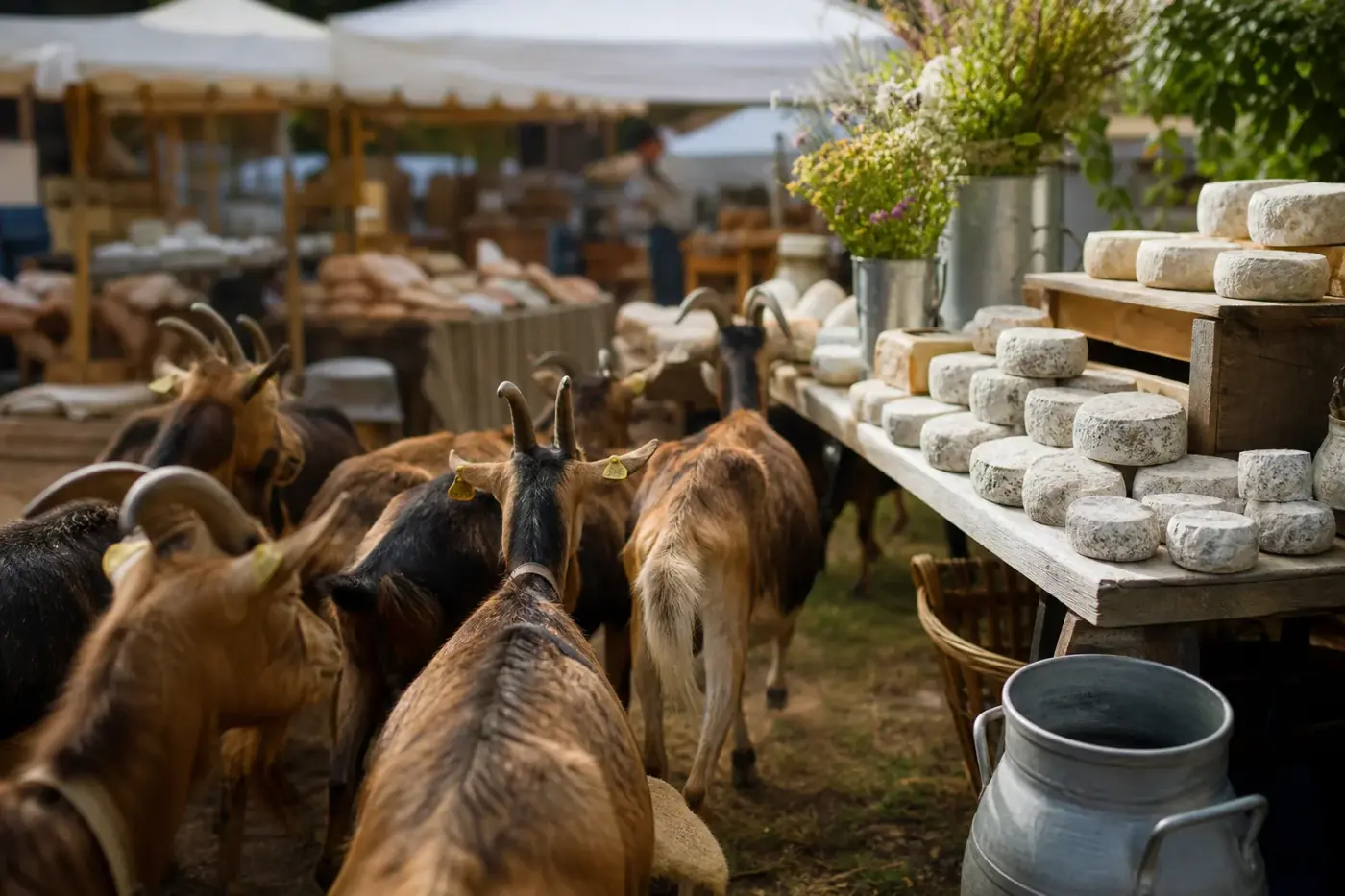
A herd of goats arrives at Rocamadour's cheese festival.