Salmonella, STEC and Other Pathogens in Cheese
You stir cheese into a sauce and watch it melt.
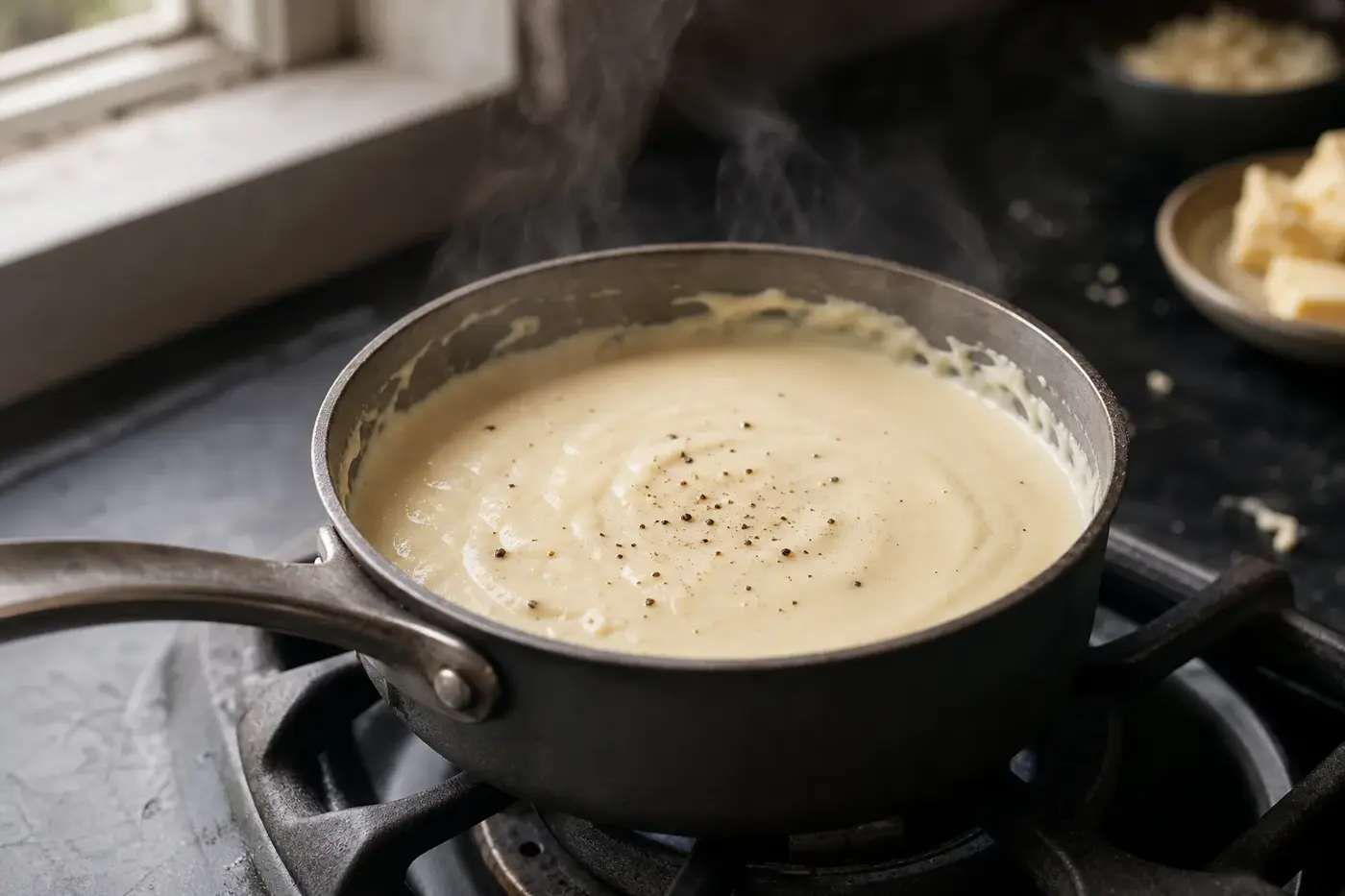
You stir cheese into a sauce and watch it melt. The heat can kill bacteria, yet leave a dangerous toxin behind: staphylococcal toxin can survive ordinary cooking, including limited boiling. Live bacteria can cause infection, but toxins they have already produced in food can cause harm too. [1, 5, 8]
Pasteurisation kills important milk-borne pathogens. Contamination can still happen afterwards, so it helps to understand the risks when you buy, store and serve cheese. Age, firmness and appearance cannot tell you whether it is safe. [1, 5, 8]
From milking to your board: where contamination begins
The journey can begin before milk reaches the dairy. Animal faeces can introduce pathogens during milking, while an infected udder can introduce organisms including Staphylococcus aureus. Equipment, the dairy environment, packaging and handling provide further routes into finished cheese. A UK investigation of raw and thermised milk cheeses describes them all. [1]
For cheesemakers, this creates two distinct responsibilities: controlling organisms in incoming milk and protecting cheese throughout manufacture and handling. Investigations of cheese-associated illness have traced problems to raw milk, inadequate pasteurisation and contamination after pasteurisation. Each needs attention at a different stage. [1]
At home, your cheese usually goes straight to the table, ready to eat. Bacteria from raw chicken, an unwashed chopping board or contaminated hands may reach your plate without another cooking step. The Food Standards Agency’s guidance for England, Wales and Northern Ireland specifically includes cheese among foods needing protection from cross-contamination. [12]
Salmonella: why stopping growth is only part of the job
Salmonella bacteria live in animals’ intestines and can reach food through contamination. The UK Health Security Agency, or UKHSA, identifies dairy produce among foods that can carry them. Infection can also spread through contact with infected people or animals. [2]
The usual symptoms are diarrhoea, stomach cramps, nausea, vomiting and fever, according to UKHSA. They generally develop 12 to 72 hours after infection, and illness commonly lasts four to seven days. UKHSA advises consulting a doctor if symptoms are severe or prolonged. [2]
Cheese becomes a concern when contaminated milk reaches production or bacteria reach the cheese later. Conditions that stop Salmonella multiplying do not necessarily kill it. UKHSA’s laboratory guidance records survival through drying and fermentation and at low pH, meaning high acidity. [1, 14]
Drying and acidification therefore have a place within a cheese’s manufacturing controls. They are not household remedies you can use to make contaminated cheese safe. [1, 14]
STEC: a small exposure can have serious consequences
Very few STEC organisms may be enough to cause infection. The initials mean Shiga toxin-producing Escherichia coli: bacteria capable of producing toxins associated with serious illness. UKHSA identifies unpasteurised milk and dairy products as possible sources, alongside other contaminated foods, animal contact and contaminated water. [3]
Symptoms include stomach cramps and diarrhoea, which may be bloody. Some people have mild illness or no symptoms, so a lack of blood does not rule out STEC. UKHSA also warns that infection can spread between people through inadequate hand hygiene. [3]
The complication of particular concern is haemolytic uraemic syndrome, usually shortened to HUS. It involves damage to red blood cells, a low platelet count and acute kidney injury. UKHSA’s clinical guidance says up to 15% of paediatric STEC cases progress to HUS. Children therefore particularly need prompt assessment. [4]
If you are a parent or carer, seek urgent medical help for bloody diarrhoea rather than waiting to identify the food responsible. NHS England advises calling 111 when an adult or child has bloody diarrhoea or bleeding from the bottom. [10]
This page summarises published guidance from the official sources it cites. It is not medical advice. Guidance differs between countries and changes over time, so check the current source for where you live, and ask your doctor, midwife, pharmacist or dietitian about your own circumstances.
Staphylococcus aureus: why cooking cannot make it safe
Someone who feels perfectly well can carry Staphylococcus aureus into food. According to the US Centers for Disease Control and Prevention, or CDC, people may carry it on their skin or in their nose without being ill. Unwashed hands can transfer it to food, where it can multiply and produce toxin. [5]
That toxin, already present in the food, causes the resulting food poisoning. CDC lists nausea, vomiting, stomach cramps and diarrhoea, often beginning suddenly within 30 minutes to eight hours of eating. UKHSA’s food-testing guidance includes cheese among dairy foods associated with staphylococcal food poisoning. [5, 14]
The crucial distinction is that cooking can kill the bacteria while leaving their toxin hazardous. UKHSA notes that staphylococcal enterotoxins can survive some normal cooking processes, including limited boiling. You cannot rely on turning suspect cheese into a sauce to remove this hazard. Prevention depends on hygiene and temperature control before toxin forms. [5, 14]
Campylobacter and Brucella: two different routes to understand
Campylobacter: keep raw poultry separate from your cheese
UKHSA identifies raw or undercooked meat, particularly poultry, unpasteurised milk and untreated water as sources of Campylobacter. Poor food-preparation hygiene can spread it too. That includes transferring bacteria from chicken to ready-to-eat food. [6]
For you as a cheese eater, the relevant connections are contaminated milk and cross-contamination. Keeping your cheese board away from raw poultry preparation tackles that second route directly. Unpasteurised milk is an established dairy hazard, but that evidence does not measure how frequently Campylobacter occurs in finished UK cheeses. [6, 12]
Brucella: recognising a very rare UK infection
Brucellosis is very rare in the UK, according to the NHS. You can acquire it from unpasteurised milk or cheese made from the milk of infected animals, as well as through animal contact. Symptoms may include fever, sweating, extreme tiredness, headaches and back or joint pain. [7]
The NHS explains when symptoms warrant seeing a GP and advises mentioning recent overseas travel. [7] If you seek care, tell the clinician where the milk came from and the circumstances in which you ate the cheese. Those details can be useful. [7]
These are different settings, rather than interchangeable warnings. UKHSA identifies unpasteurised milk among established Campylobacter exposure routes, while NHS brucellosis advice concerns a very rare UK infection and relevant overseas exposure. [6, 7]
Pasteurisation matters, and so does everything afterwards
Pasteurisation uses controlled heat treatment to kill harmful bacteria in milk. Food Standards Australia New Zealand’s scientific assessment concludes that it destroys the vegetative cells of the significant milk-borne bacterial pathogens assessed. Vegetative cells are bacterial cells rather than resistant bacterial spores. [8]
That protection applies at the treatment stage. Afterwards, cheese can encounter contaminated equipment, surfaces, packaging or hands. Choosing pasteurised milk cheese and handling it hygienically work together, each addressing a different opportunity for contamination. [1]
For a maker, protection must extend beyond the pasteuriser. Hygienic separation, effective fermentation, appropriate storage and protection during packing all matter. The right combination of controls depends on the cheese and its production process. [1, 8]
If you want to understand raw, thermised and pasteurised milk, start with milk treatments explained. For a separate pathogen with particular significance during pregnancy and for people with weakened immunity, read Listeria and cheese safety.
Acidity, salt and time: inside the cheesemaker’s controls
Cheesemaking puts several obstacles in the way of bacterial growth. Food scientists call this a hurdle system: acidity, available water, salt, competing microorganisms, temperature and time work together. How well those hurdles work depends on both the organism and the cheese. [1, 8]
| Factor | What happens in the cheese | What it means for you |
|---|---|---|
| Acidity | Starter bacteria produce acid, lowering pH. | The speed and extent of acidification influence pathogen control. [8] |
| Salt | Reduces the water available to microorganisms. | It works alongside acidity, moisture and temperature. [1, 8] |
| Moisture removal | Draining and pressing remove moisture; drying can reduce water activity. | Stopping growth does not mean bacteria have been destroyed. [1, 14] |
| Maturation | Gives the cheese longer exposure to its changing conditions. | Survival depends on the organism and the complete process. [1, 8] |
Water activity means the water available for microbial growth, not simply how much moisture a cheese contains. Salt and drying can lower it. Starter cultures are the microorganisms deliberately added to drive fermentation. They help establish acidity and compete for nutrients. [1, 8]
The important distinction is between stopping multiplication and eliminating contamination. UKHSA records that Salmonella can survive fermentation and drying. Age, saltiness or a firm texture alone cannot tell you whether contaminated cheese has become fit to eat. The whole production process matters. [14]
Choosing cheese when you need extra care
Children, pregnant women, older people and people who are unwell are particularly vulnerable to food poisoning, according to the NHS. UKHSA’s STEC guidance specifically advises children and older people who are particularly susceptible to severe effects to avoid unpasteurised dairy products. [3, 9]
The FSA separately advises pregnant women, people aged 65 or over, infants and small children, and people with compromised immunity not to consume raw drinking milk or cream. That advice concerns those products. When you choose cheese, you also need the relevant cheese-specific guidance. [13]
Pregnancy guidance covers concerns beyond Salmonella and STEC, particularly Listeria. Visit the cheese safety hub for the wider subject, and consult the linked official guidance for your country and circumstances.
When symptoms need medical attention
Bloody diarrhoea, persistent dehydration and an inability to keep fluids down need prompt attention. The NHS England advice below is for November 2026. If you are elsewhere, use the equivalent local urgent-care service. [10]
| What is happening? | What NHS England advises you to do |
|---|---|
| Bloody diarrhoea or bleeding from the bottom | Call 111 now. [10] |
| Repeated vomiting; unable to keep fluids down | Call 111 now. [10] |
| A child under five has dehydration signs, such as fewer wet nappies | Call 111 now. [10] |
| Someone aged five or over remains dehydrated after oral rehydration sachets | Call 111 now. [10] |
| Confusion, unusual unresponsiveness or sudden severe abdominal pain | Call 999 or go to A&E. [10] |
Dark urine and urinating less often are signs of dehydration described by the NHS. Its guidance also advises seeking help if diarrhoea lasts more than seven days or vomiting more than two days. When you speak to the clinician, mention relevant food exposure, travel and any recall notice. [7, 10]
From shop to cheese board: practical habits that help
Protect your ready-to-eat cheese from contamination and follow its storage instructions. For November 2026, these practical steps follow FSA guidance for England, Wales and Northern Ireland. [11, 12]
- Read the label first. Establish whether the milk was pasteurised when this matters for the person eating it. Follow the product’s storage instructions and date marking. The NHS advises checking cheese labels for milk treatment. [9, 11]
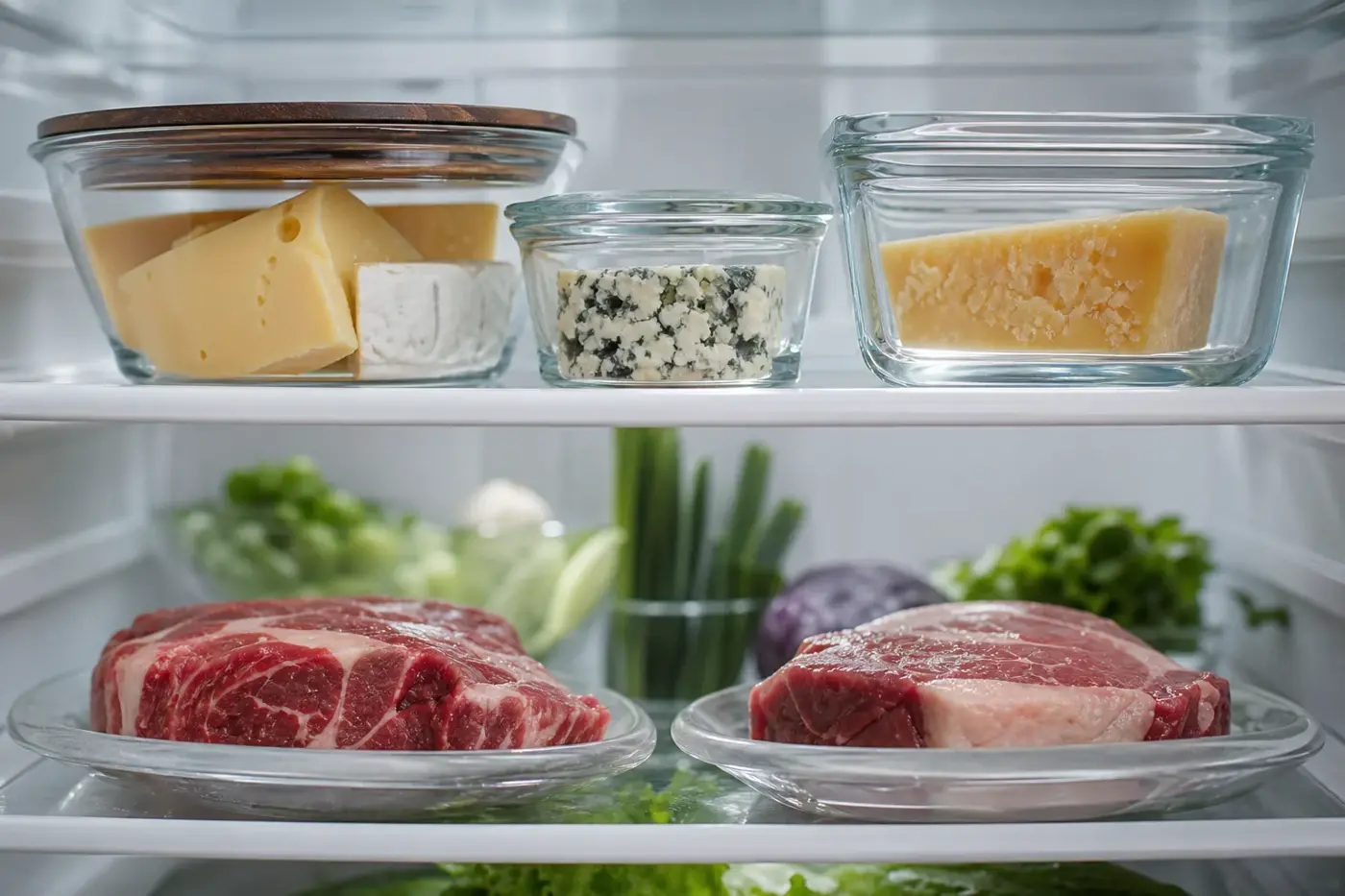
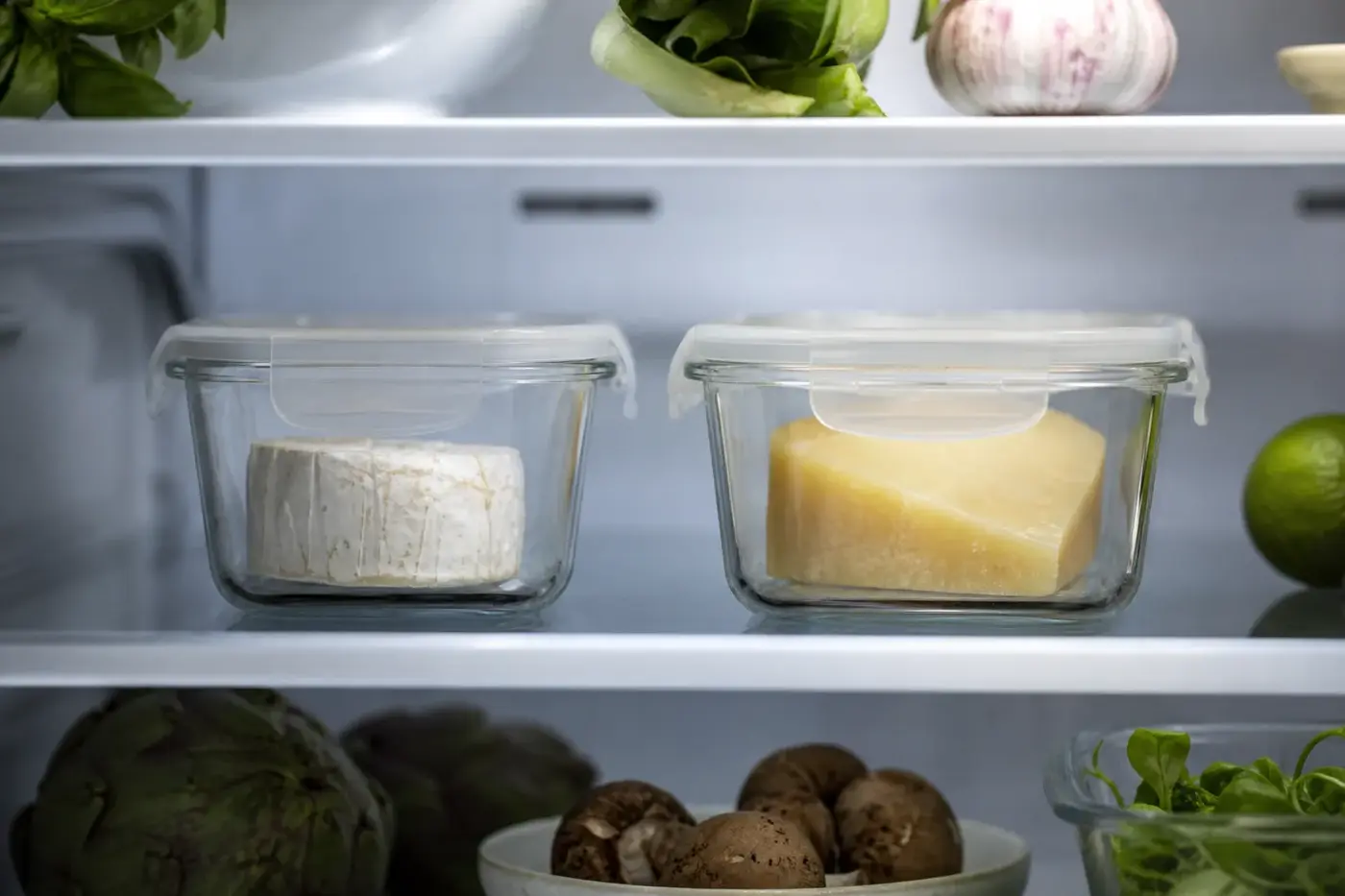
- Know your fridge temperature. The FSA recommends between 0 and 5 °C (32 to 41 °F), checked with a fridge thermometer. Store dairy products as directed on their packaging. [11]
- Use clean hands, boards and utensils. Wash your hands with soap and warm water before preparing food. Where possible, use separate equipment for raw meat and ready-to-eat cheese. Serve cheese on a clean board. [12]
- Give accompaniments the same care. Keep unwashed vegetables separate from ready-to-eat foods, wash produce before use and clean spills promptly. Other ingredients need the same care as your cheese. [12]
- Keep time out of the fridge short. The FSA advises the shortest possible time during preparation, with a maximum of four hours. Follow any more restrictive product instructions. [11]
- Follow recall instructions. Check the FSA alert for product details, affected batches or dates and the action requested. Follow the notice rather than trying to make the cheese safe through cooking. [5, 15]
If you need help with wrapping or fridge organisation, visit storing cheese at home. It covers those questions and everyday handling.
What laboratory testing can tell you
Your eyes cannot answer the questions that laboratory testing can. UKHSA’s guidance distinguishes testing for organisms, toxin production and toxin genes. Its dairy-testing framework includes Salmonella and STEC for fresh and ripened cheeses made with raw or thermised milk. [14]
An E. coli hygiene result and a specific STEC investigation answer different questions. Laboratories may need further identification to distinguish pathogenic variants. Toxin-related tests address hazards that a simple bacterial count cannot fully describe. [14]
For the wider picture, visit the cheese safety hub. For pregnancy and other higher risk groups, consult the relevant NHS and FSA advice. [9, 13] If a product is affected, turn to the FSA recall notice. [15] To understand how laboratories assess samples, see UKHSA's testing guidance. [14]
Questions people ask
Can pasteurised cheese still become contaminated?
Yes. Pasteurisation kills important milk borne pathogens, but cheese can be contaminated afterwards through equipment, surfaces, packaging or hands.
Does ageing or drying cheese kill Salmonella?
Not necessarily. UKHSA records that Salmonella can survive fermentation and drying, so age or firmness alone cannot establish whether contaminated cheese is fit to eat.
Who should avoid unpasteurised dairy products?
UKHSA advises children and older people who are particularly susceptible to severe effects of STEC to avoid unpasteurised dairy products. Consult UKHSA’s STEC guidance for its advice.
How should cheese be stored and served safely?
The Food Standards Agency recommends a fridge temperature between 0 and 5 °C and following the storage instructions on the packaging. It advises keeping food out of the fridge for the shortest possible time during preparation, with a maximum of four hours, and following any more restrictive product instructions.
What should I do if I have bloody diarrhoea?
NHS England advises calling 111 now if an adult or child has bloody diarrhoea or bleeding from the bottom. Consult NHS England’s guidance for other symptoms that need urgent attention.
Sources
- Food Standards Agency, Advisory Committee on the Microbiological Safety of Food. Paper concerning the microbiological quality of raw or thermised milk cheeses, file 861raworthermisedcheeses.pdf. Undated retrieved copy; reports UK sampling conducted in 2004. Retrieved paper.
- UK Health Security Agency. Salmonella in humans: guidance, data and analysis. Updated 8 April 2026. Official guidance.
- UK Health Security Agency. Shiga toxin-producing Escherichia coli (STEC): symptoms, how to avoid, how to treat. Updated June 2026. Official public guidance.
- UK Health Security Agency. Shiga toxin-producing Escherichia coli (STEC): diagnosis and notification. 4 January 2024. Clinical guidance.
- US Centers for Disease Control and Prevention. About Staph Food Poisoning. Reviewed 28 October 2026. Official explanation.
- UK Health Security Agency. Campylobacter: guidance, data and analysis. Collection updated 30 April 2019; current online text retrieved November 2026. Official guidance.
- NHS. Brucellosis. Reviewed 4 October 2023. Official patient guidance.
- Food Standards Australia New Zealand. Microbiological Risk Assessment of Raw Milk Cheese. December 2009, particularly sections 9.1.2 and 9.1.3. Scientific assessment.
- NHS. Dairy and alternatives in your diet. Reviewed 11 December 2023. Official dietary guidance.
- NHS. Diarrhoea and vomiting. Current online version retrieved November 2026. Official symptom and urgent-care guidance.
- Food Standards Agency. How to chill, freeze and defrost food safely. Published 18 December 2017; current online version retrieved November 2026. Applies to England, Northern Ireland and Wales. Official consumer guidance.
- Food Standards Agency. Why avoiding cross-contamination is important. Published 18 December 2017; current online version retrieved November 2026. Applies to England, Northern Ireland and Wales. Official hygiene guidance.
- Food Standards Agency. Raw drinking milk. Published 9 January 2018; current online version retrieved November 2026. Applies to England, Northern Ireland and Wales. Official consumer guidance.
- UK Health Security Agency. Guidelines for assessing the microbiological safety of ready-to-eat foods placed on the market. 2024 edition, Salmonella and staphylococcal sections, specialist testing discussion and dairy-testing algorithm. Official laboratory guidance.
- Food Standards Agency. Alerts. Live register retrieved November 2026. Official food alerts.
Researched through official public-health guidance, food-safety assessments and laboratory guidance, with scientific mechanisms separated from country-specific consumer advice.
Last checked: November 2026
Last checked November 2026.
The editors suggest you read next