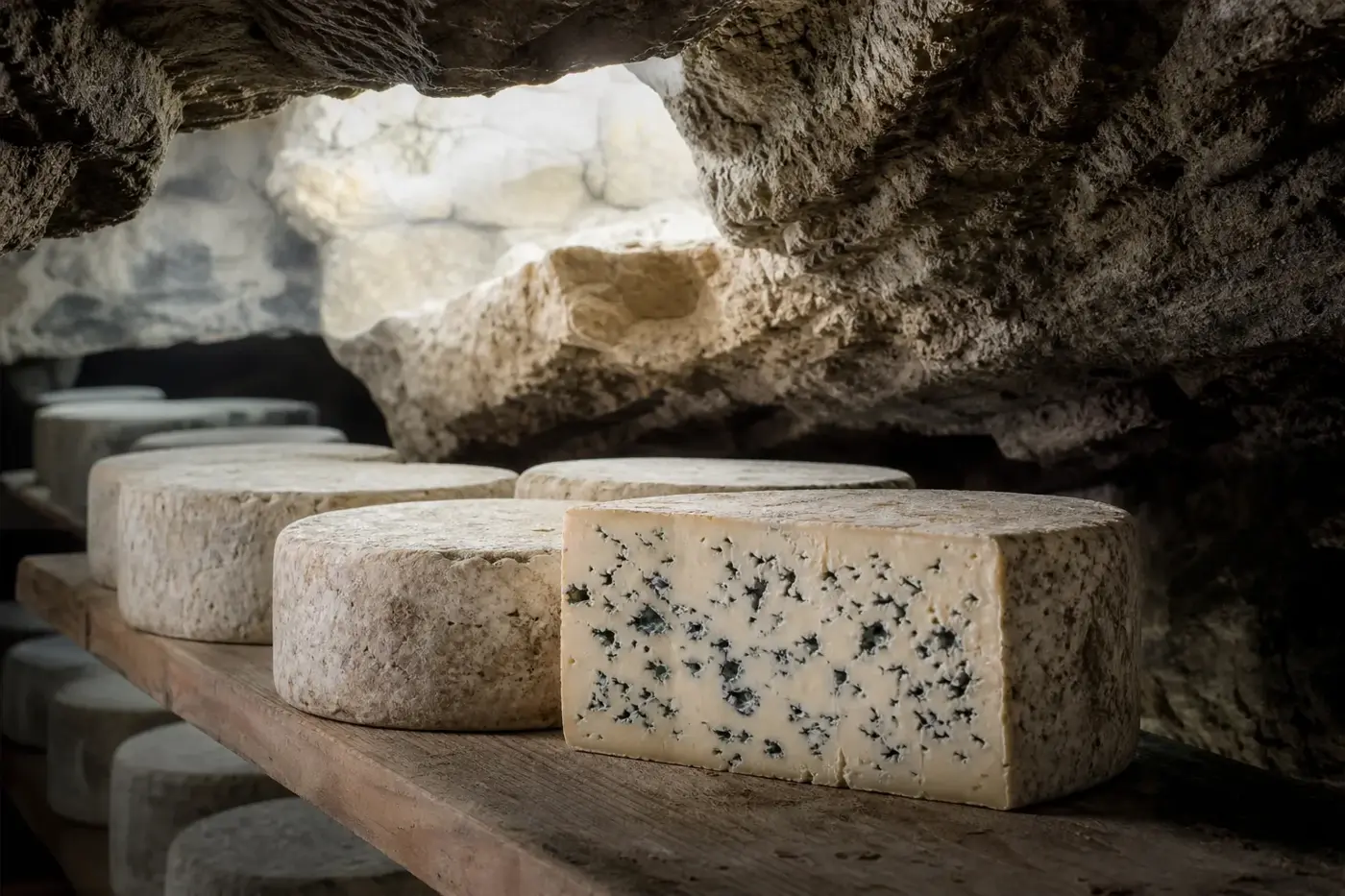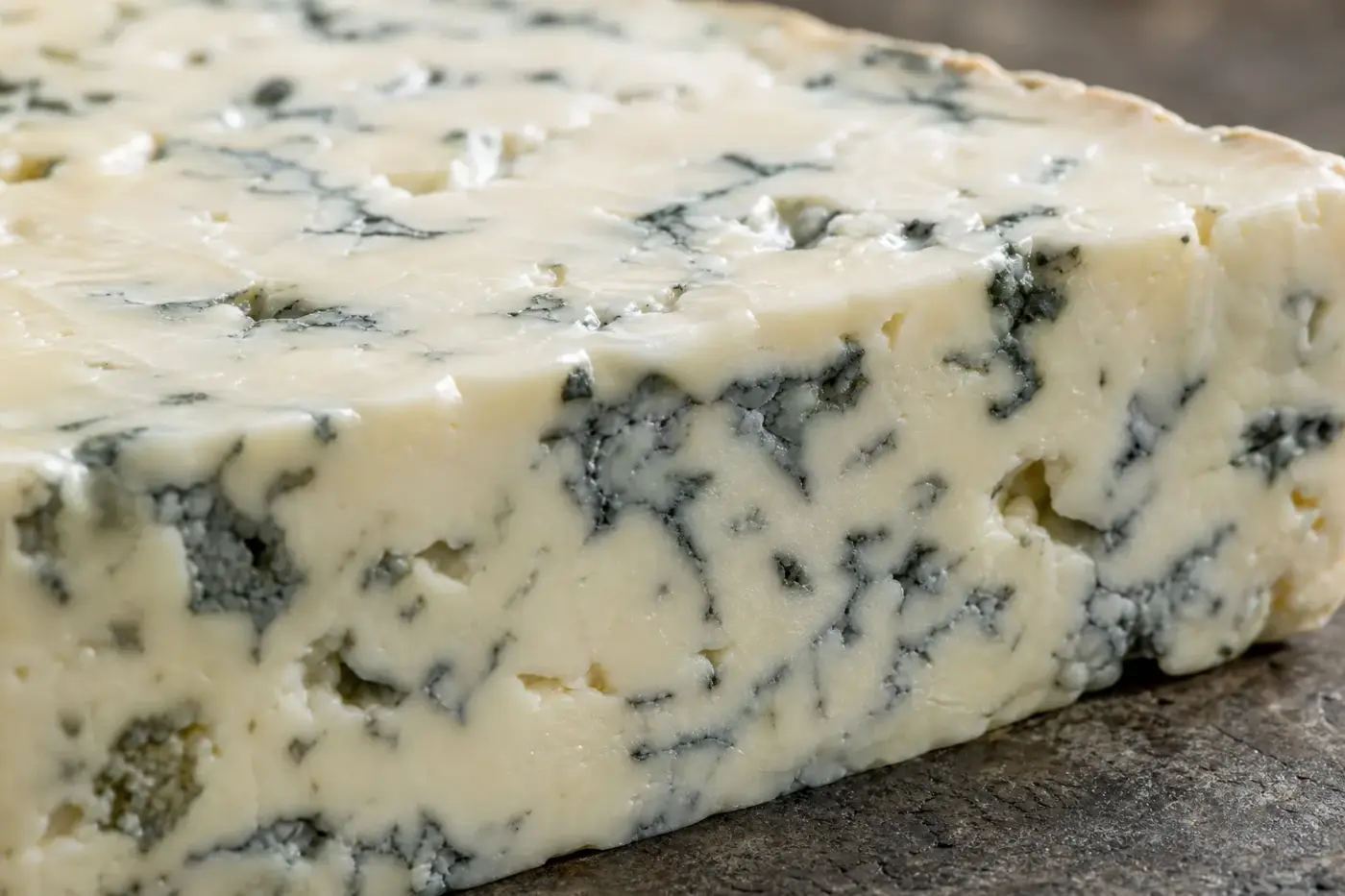
The knife comes down. Paper folds around the wedge you have chosen, and your attention follows the cheese. But the timing matters: an identical wedge wrapped before you arrived can carry different labelling duties. Same cheese, different rules, depending on how it reaches you. [3,5,9]
Ingredient and allergen information tells you what was deliberately used. Handling is a separate conversation: accidental cross-contact can happen even without a “may contain” warning. You need both parts of the picture. [3,5,9]
Start with the counter, not the country of origin
Where you buy matters more than where the cheese was made. Great Britain means England, Scotland and Wales; Northern Ireland has a separate legal position. Here are the frameworks as of November 2026. [1,2,3,4,6]
| Where you buy | Main framework | What to look for |
|---|---|---|
| Great Britain | Assimilated Regulation (EU) No 1169/2011, with domestic rules. [1,3,4] | Allergens made to stand out in required ingredient lists; further rules for direct sale and loose food. |
| Northern Ireland | EU Regulation (EU) No 1169/2011, with domestic enforcement rules. [2,3] | Similar core allergen presentation, within a distinct legal framework. |
| European Union | Regulation (EU) No 1169/2011. [2] | Common rules for prepacked food; national measures decide how information for non-prepacked food reaches you. |
| United States | Federal Food, Drug, and Cosmetic Act, especially 21 USC 343(w). [6,7] | Major allergen declarations on FDA-regulated packaged foods. |
Let milk catch your eye
Look for milk among the ingredients. It is one of the 14 regulated allergen categories in Great Britain, Northern Ireland and the EU. Where an ingredient list is required, the allergen name must stand out, perhaps in bold or a contrasting typeface. An ingredient called whey must make its milk origin clear, with the relevant word emphasised. [1,2,3]
Changing the animal does not change that duty. The FSA explains that milk covers mammalian milk, including cow, sheep, goat and buffalo milk. If you avoid a particular source, look for two separate details: the species and the allergen information. [3]
Turned the cheese over and found no ingredients?
You might find no ingredient list, and that can be legal. Article 19(1)(d), in both the GB and EU texts, permits this where nothing has been added beyond lactic products, food enzymes and microorganism cultures essential to manufacture. For cheese other than fresh cheese and processed cheese, the exemption also allows the salt needed for manufacture. That salt allowance does not extend to every cheese. [1,2]
Allergen disclosure still matters. Article 21 allows a food name that clearly identifies the allergen to fulfil the duty, and the FSA considers “cheese” a clear reference to milk. A qualifying cheese can therefore have neither an ingredient list nor a separate “contains milk” statement. Any additional allergen still needs disclosure. [1,2,3]
Add nuts or a flavoured coating, and the ingredients and exemption need a fresh assessment. Read the information for the cheese you are buying, rather than relying on its plain version. For the other particulars on a packet, see how to read a cheese label. [1,2]
Notice when the paper goes round
The wrapper alone does not settle the rules. In the UK, food packaged at the selling premises before you select or order it is generally prepacked for direct sale, or PPDS. Food wrapped after your order is non-prepacked. Food packed by one business and supplied to another for sale is prepacked. [3,5]
For UK PPDS food, the name and ingredient list belong on the package or an attached label. Allergens must be emphasised whenever they appear. Article 19 ingredient list exemptions still apply, including the conditional cheese exemption above. Being cheese does not automatically exempt every wrapped wedge. [3]
Buying loose cheese in the UK? Regulated allergen information must be available before purchase. Food Standards Scotland describes written options, such as shelf labels, and information given verbally by staff. Ask for the supplier's current information and explain which allergen you need to avoid. [4,5]
In the EU, Article 44 requires allergen information for non-prepacked food, food packed on request and food prepacked for direct sale. Member States can decide how it is provided and require additional particulars. A counter display that works in one country may need different supporting information in another. [2]
Look beyond the centre of the cheese
Give the coating or rind, filling and accompanying ingredients your attention too. Nuts, mustard, sesame and egg-containing additions each need consideration under the applicable allergen rules. A familiar cheese name cannot tell you everything added to a flavoured version. [1,2,5]
Egg-derived lysozyme is a reason to look beyond a technical name. Under GB and EU rules, an allergenic ingredient or processing aid used in manufacture and still present in the finished food must be identified, even if its form has changed, unless a specific exemption applies. Calling something an enzyme or processing aid does not automatically remove that duty. [1,2,3]
Vegetarian? Get to know what set the curd
An ingredient list is not a complete record of cheesemaking. GB and EU Article 20 allows certain constituents to be omitted, including enzymes used as processing aids and some carried-over additives without a technological function in the finished food. Allergen disclosure still applies. Additives that must be listed are generally identified by their functional category, then their name or E number. [1,2]
“Cultures” and “enzymes” tell you little about origin. If you shop vegetarian, you may need the maker to confirm the coagulant, the agent that sets milk into curd, and any other animal-derived processing materials. Ask specifically about animal rennet: its absence from the ingredient list does not establish that it was not used. Explore the different sources in rennet explained. [1,2,7]
“May contain” tells you something different
Mandatory allergen information tells you about allergens intentionally used as ingredients or qualifying processing aids. Precautionary allergen labelling, often shortened to PAL, addresses unintended cross-contact: accidental transfer from another food or the production environment. PAL is voluntary in the UK. No warning does not mean dedicated equipment or excluded cross-contact. [5,9]
The FSA's precautionary labelling guidance says a warning should follow assessment of a cross-contact risk that risk management cannot remove. It must not replace hygiene controls. FDA guidance likewise says advisory statements must be truthful and cannot substitute for manufacturing controls. Both distinguish “may contain” warnings from ingredient declarations. [7,9]
This page summarises published guidance from the official sources it cites. It is not medical advice. Guidance differs between countries and changes over time, so check the current source for where you live, and ask your doctor, midwife, pharmacist or dietitian about your own circumstances.
Lactose free, dairy free, vegan: different promises
Lactose free dairy is still dairy. The UK's NHS distinguishes lactose intolerance, difficulty digesting milk sugar, from allergy to milk protein. Reducing lactose does not make a milk-containing product suitable for someone with a milk allergy. Another animal's milk is not necessarily a safe substitute either; ask a healthcare professional about personal dietary decisions. [10,11]
In UK guidance, a milk-free claim addresses the allergen itself and requires strict controls against contamination. Read a dairy-free claim alongside the product's precise milk information, rather than treating it as another spelling of lactose-free. For a lactose-free claim, check the manufacturer's specification and the rules where the product is sold. [5,11]
Vegan carries a different message again. The FSA says vegan labelling concerns ingredients of animal origin intentionally used. Shared production areas can still expose vegan products to milk or egg, and those products can carry a relevant precautionary warning. Read the allergen information even when the label says vegan. [12]
For more on those separate dietary questions, see cheese allergy versus lactose intolerance and lactose in cheese.
Shopping in the United States? Look in both places
The nine major allergens for FDA-regulated packaged foods are milk, eggs, fish, Crustacean shellfish, tree nuts, peanuts, wheat, soybeans and sesame. The UK and EU list differs, also addressing categories such as mustard and celery. If your allergen falls outside the US major list, examine the ingredients and seek product-specific information. [2,5,7,8]
US law allows the allergen source in the ingredient list, with parentheses where necessary, or in a “Contains” statement immediately after or beside it. That statement must be at least as large as the ingredient text. Bold type is optional, unlike the distinguishing emphasis required in UK and EU ingredient lists. Look in both places, not just for bold words. [1,2,6,7]
FDA's October 2026 clarification includes milk from domesticated goats, sheep and other ruminants. It says non-cow milk should identify the animal source. A product containing both cow and goat milk would identify “milk” and “goat milk”. [8]
FDA says federal allergen labelling covers food packaged by retail establishments for sale, but not food put into a wrapper in response to your order. Check state and local requirements separately. FDA also confirms that an incidental additive's exemption from the ingredient list does not remove major allergen disclosure duties. [7]
Take five useful questions to the counter
Make the conversation about this particular cheese and how it is handled. A general reassurance is no substitute for specific answers. These questions follow the FSA's identified cross-contact routes, including shared equipment, storage and processing aids. [9]
- Can I see the current ingredient and allergen information for this cheese, including its coating and any added ingredients?
- Does that information cover enzymes and processing aids, including any egg-derived lysozyme?
- Which allergens are handled on the same cutting board, wire, knife, wrapping surface or storage shelf?
- What separation and cleaning controls are used before this cheese is cut and wrapped?
- If the answer is uncertain, can you check with the maker or the person responsible for allergen information? [3,9]
Tell the seller explicitly about the allergy. The FSA advises people with allergies to check labels and tell staff about their needs, including when ordering vegan products. FDA recommends checking the label every time because ingredients can change. [8,12]
If reliable information is unavailable, ask the supplier to resolve the question before you choose. Discuss your personal avoidance plan with your healthcare professional. [8,12]
Get the details before you click to order
Before you confirm an order, get the actual product's allergen information. In Great Britain, Northern Ireland and the EU, mandatory allergen information for distance sales must be available before purchase and when the food is delivered. Required allergen particulars for non-prepacked food follow the same timing. [1,2,3]
Choosing a mixed selection? Ask the seller to identify each cheese and retain its corresponding information. Make sure substitutions will be discussed with you: every replacement needs its own ingredient and allergen assessment. [3,8]
Questions people ask
Does goat cheese have to declare milk as an allergen?
The FSA says milk covers mammalian milk, including goat, sheep, cow and buffalo milk. Changing the animal does not remove the milk declaration.
Does a cheese counter have to provide allergen information?
In the UK, regulated allergen information for loose cheese must be available before purchase. Food Standards Scotland describes written options such as shelf labels, as well as information given verbally by staff.
Can I tell whether cheese is vegetarian from its ingredient list?
An ingredient list does not record every part of cheesemaking. The absence of animal rennet from the list does not establish that it was not used, so vegetarian shoppers may need the maker to confirm the coagulant and other animal derived processing materials.
Does the absence of a “may contain” warning mean there is no cross contact?
No. Precautionary allergen labelling is voluntary in the UK, so its absence does not establish that equipment was dedicated or cross contact excluded. The FSA says a warning should follow assessment of a risk that cannot be removed through risk management.
When should allergen information be available when buying cheese online?
In Great Britain, Northern Ireland and the EU, mandatory allergen information for distance sales must be available before purchase and when the food is delivered. Required allergen particulars for loose food follow the same timing.
Sources
-
The National Archives. Regulation (EU) No 1169/2011, amended GB text retrieved November 2026, document generated 6 October 2025. Articles 9, 14, 19, 20 and 21; Annexes II and VII. Official GB text.
-
European Union. Regulation (EU) No 1169/2011 on the provision of food information to consumers, consolidated version dated 1 April 2025, retrieved November 2026. Articles 9, 14, 19, 20, 21 and 44; Annexes II and VII. EUR-Lex consolidated text.
-
Food Standards Agency. Food allergen labelling and information requirements technical guidance, updated 3 November 2026. Applies to England, Northern Ireland and Wales. Official technical guidance.
-
Food Standards Scotland. Allergen Labelling, live guidance retrieved November 2026. Scottish guidance.
-
UK Government. Understanding food labelling: Allergen labelling, live consumer guidance retrieved November 2026. Official consumer guidance.
-
United States Government Publishing Office. United States Code, Title 21, section 343: Misbranded food, 2024 edition, particularly subsection (w). Official statutory text.
-
US Food and Drug Administration. Questions and Answers Regarding Food Allergens, Including the Food Allergen Labeling Requirements of the Federal Food, Drug, and Cosmetic Act, Edition 5, January 2025. Sections B, C and D, particularly D.7, D.8 and D.14 to D.18. Final guidance document.
-
US Food and Drug Administration. Frequently Asked Questions: Food Allergen Labeling Guidance for Industry, including milk-source answers dated 29 October 2026. Official FDA questions and answers.
-
Food Standards Agency. Precautionary allergen labelling, 2023, live version retrieved November 2026. Sections 2 to 5 and 7. Official precautionary labelling guidance.
-
NHS. Lactose intolerance, reviewed 8 July 2026. Official NHS guidance.
-
NHS. Dairy and alternatives in your diet, reviewed 11 December 2023, retrieved November 2026. Sections on milk allergy, lactose intolerance and dairy alternatives. Official NHS dietary guidance.
-
Food Standards Agency. Vegan food and allergens, official printable guidance retrieved November 2026; revision date not stated in the retrieved document. Official FSA guidance.
This desk-researched article compares official legislation and agency guidance, separating ingredient disclosure, sales format and accidental cross-contact.
Last checked: November 2026
Last checked November 2026.
The editors suggest you read next
Cheese Law Around the World: The Complete Guide
GRUYERE reached an American legal border and lost its exclusivity.