Cross Contamination and Temperature Control for Cheese
The cheese is on the board.
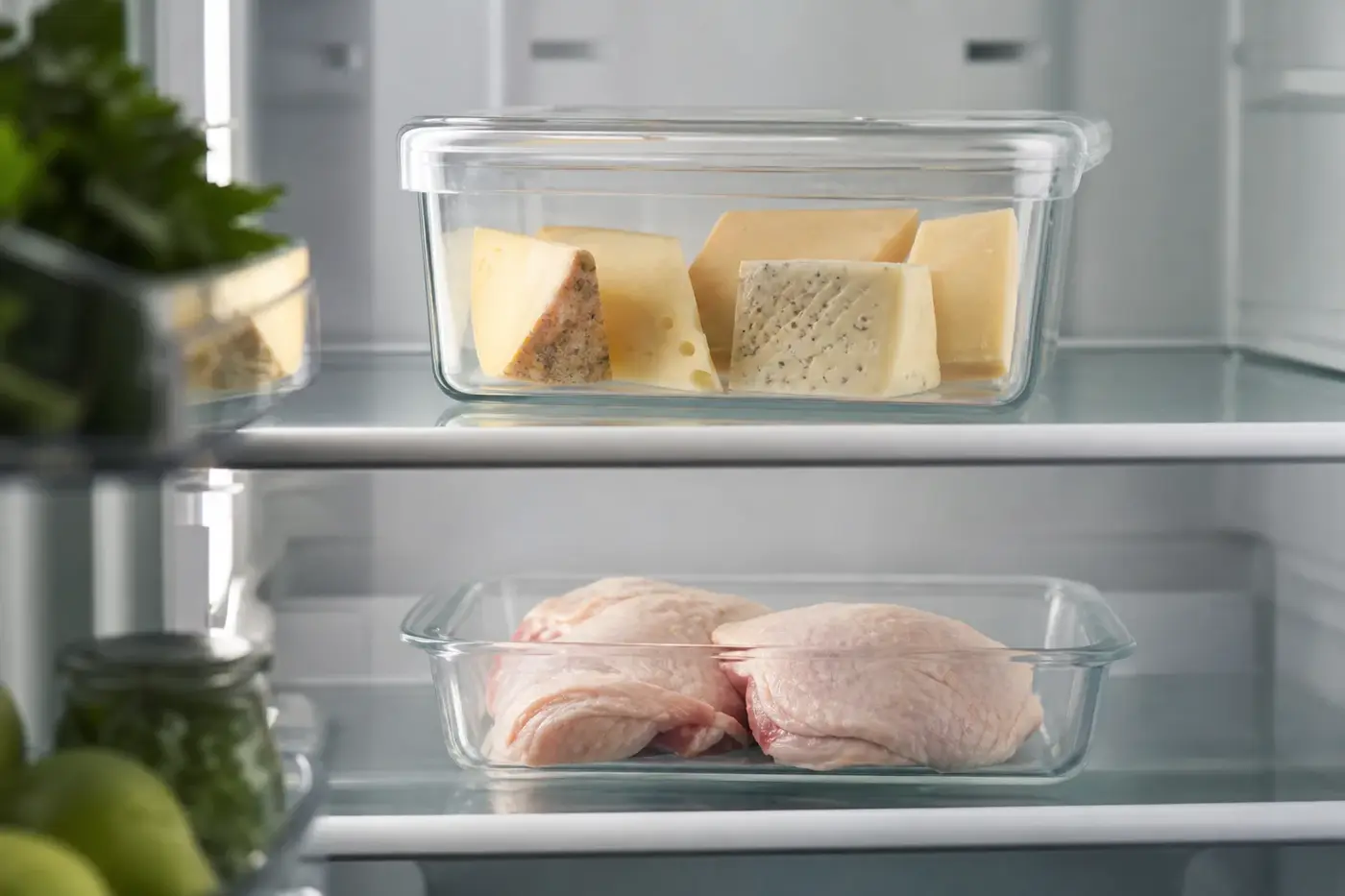
The cheese is on the board. You reach for the knife, but earlier that same blade cut raw chicken. Harmful bacteria can travel straight from one to the other, and if you eat the cheese cold, there is no further cooking to intervene. Safety starts before the cheeseboard, in your shopping bag, on your fridge shelf and wherever hands, knives or plates meet food. [5]
The household advice below comes from UK agencies, with November 2026 as its reference point. For the wider picture, start with cheese food safety. If you run a business, also follow the procedures and legal requirements for your own UK nation. [2][3]
Follow the hidden routes from raw food to cheese
Once you put cold cheese on a board, there is no final cooking step between it and someone's mouth. It is ready to eat, so keeping it separate from raw food is essential. Cross contamination means harmful microbes moving between foods, hands, equipment and surfaces. The FSA advises keeping raw foods apart from foods such as cheese during preparation and storage. [1]
That journey need not involve the cheese directly. You handle raw meat and touch the fridge handle; someone else touches it before arranging the cheese. Knives, boards, shelves and cloths can carry contamination too. Food Standards Scotland advises separating raw and ready to eat foods, and cleaning hands, equipment and surfaces between tasks. [5]
Firm cheese needs careful handling too
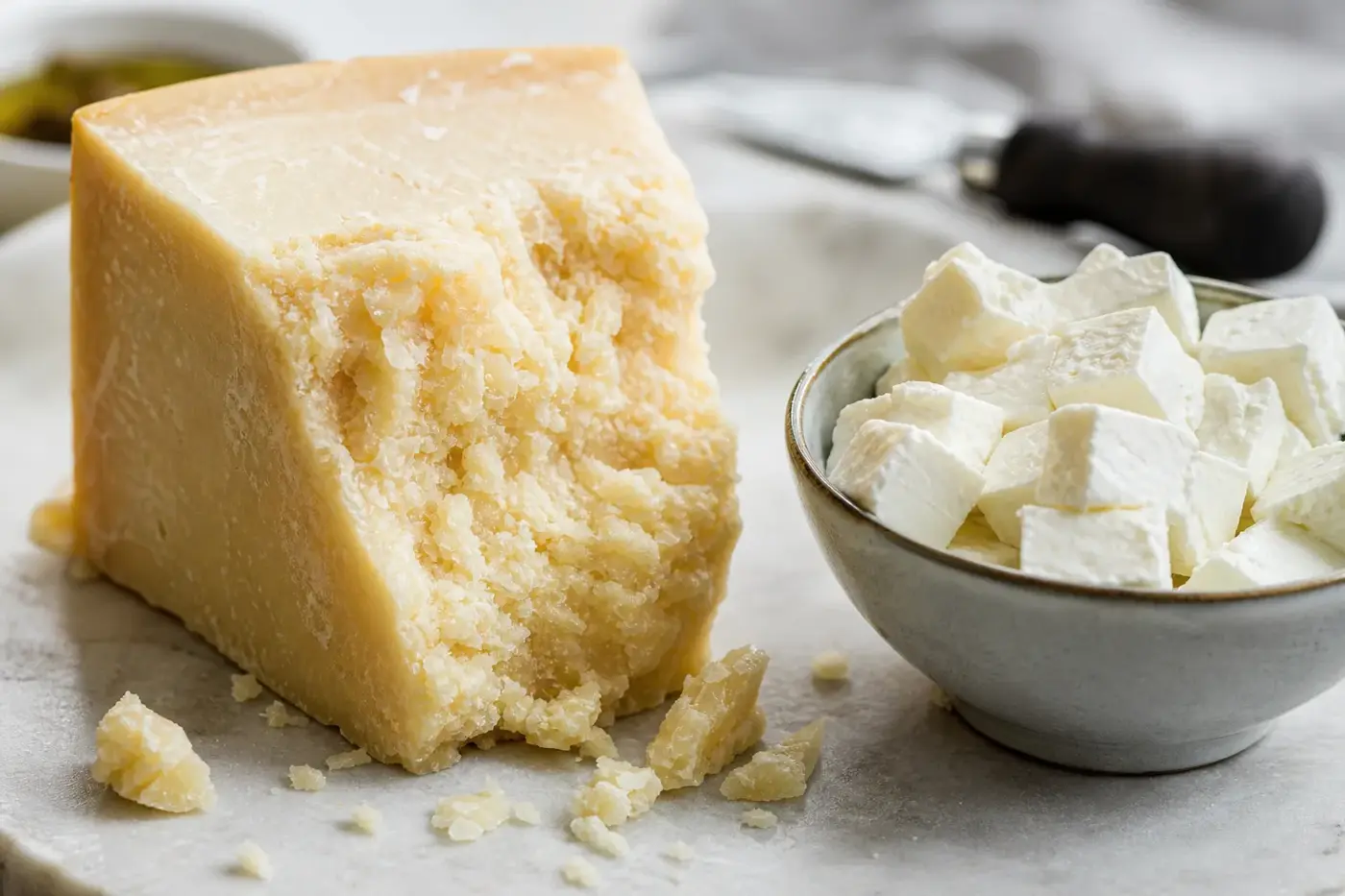
A hard cheese can feel reassuringly sturdy, but texture tells you only part of the story. Acidity and water activity, meaning the water available for microbial growth, are key factors in the FSA's temperature control guidance. It specifically includes soft and semi-hard cheeses ripened by moulds or bacteria among foods normally requiring temperature control once ripened. [4]
Differences in moisture, acidity and water activity affect how readily microbes grow in soft and hard cheeses. Neither firmness nor dryness prevents contamination. Both need handling and storage suited to the product. [4]
NHS pregnancy guidance distinguishes hard cheeses from mould-ripened soft cheeses and soft blue cheeses. Those distinctions concern the cheese and the person eating it. Your hard cheese still needs protection from dirty knives and raw food juices. Follow its storage instructions rather than relying on its dry texture. [1][12]
Keep cheese cool all the way home
Your journey home is part of chilled storage, not a pause before it begins. For dairy products, the FSA's picnic guidance recommends a cool bag or box with ice or frozen gel packs distributed throughout, rather than gathered at the bottom. Keep it closed as much as possible and out of direct sunlight. [6]
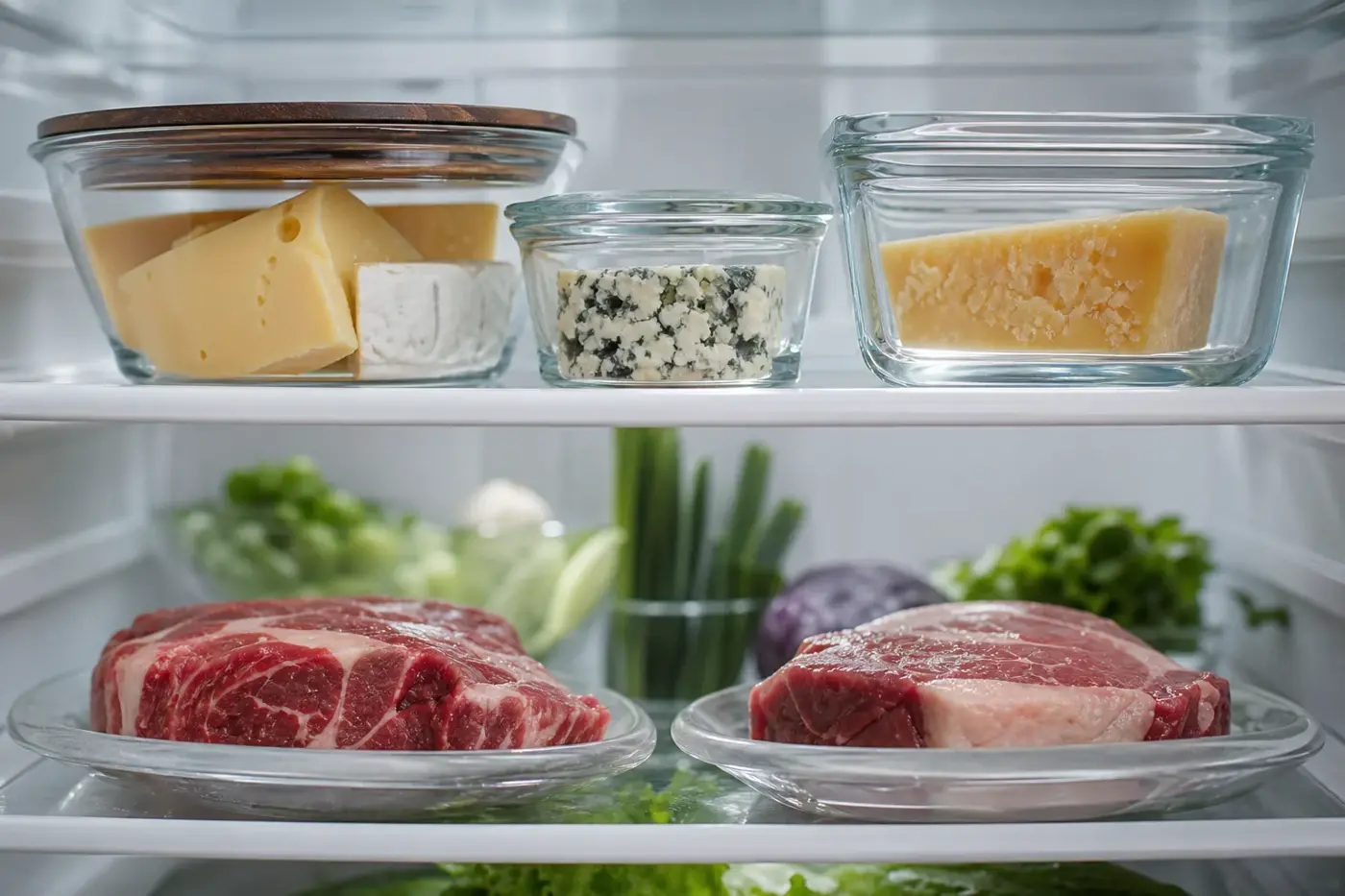
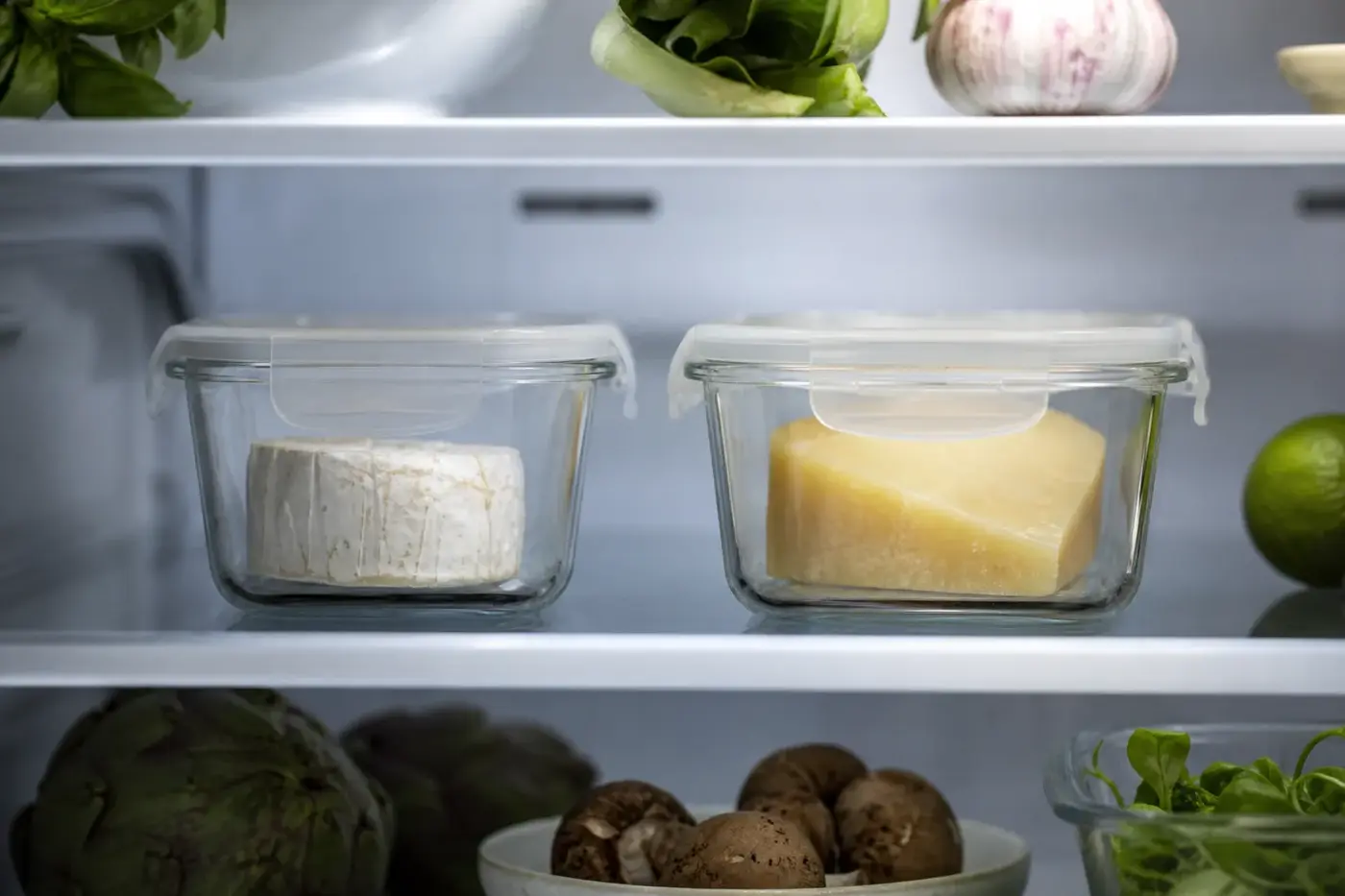
Once home, promptly refrigerate cheese that needs chilling. Keep it covered or in a clean, closed container, above raw meat, poultry and fish. Those raw foods belong in sealed containers on the bottom shelf, where leaking juices cannot drip onto cheese or its packaging. Clean spills promptly. [1][3]
Leave enough space in your fridge for air to circulate. If you move cheese into another container, keep its original label for the storage directions, opening instructions and date. [2][3] For wrapping choices and quality, see storing cheese at home.
Let your thermometer tell you the temperature
Aim for a domestic fridge temperature between 0 °C and 5 °C. The FSA recommends this range for England, Wales and Northern Ireland, and Food Standards Scotland gives Scottish households the same target. Under FSA advice, check with a fridge thermometer once a week; FSS says to check regularly. [2][3]
The numbered dial is a power setting, not necessarily a temperature reading in degrees Celsius. FSS explicitly warns about the distinction. Follow the manufacturer's instructions to adjust it, then use a thermometer to find the actual temperature. Do not assume a higher dial number means a warmer fridge. [3]
If you run a business, appliance air temperature and food temperature need different checks. FSS's CookSafe guidance explains that built-in displays show appliance air temperature. The FSA recommends checking chilled equipment against an independent thermometer and checking between packs with a clean, disinfected probe. The display alone cannot tell you whether the food is sufficiently cold. [7][8]
Start with clean hands and a clean board
Before preparing cheese, wash your hands with soap and water, and wash them again after handling raw food, as FSA household guidance advises. Use separate utensils and boards for raw foods and ready to eat foods. Wash equipment thoroughly between tasks, and wash your hands after cleaning boards used for raw food. Regularly wash or replace cloths, letting them dry before reuse. [9]
Cleaning and disinfection do different jobs. In guidance for Scottish food businesses, CookSafe defines cleaning as removing food debris and dirt; disinfection kills bacteria and viruses on a surface already made visibly clean. Choose a suitable product that is safe for food surfaces, following its dilution, contact time and rinsing instructions. Include taps, handles and other points touched by hands in the cleaning schedule. [7]
Serve a little and keep the rest chilled
Put out only the cheese you intend to use, leaving the remainder chilled. For households in England, Wales and Northern Ireland, the FSA says chilled food should spend the shortest possible preparation time outside the fridge, with a maximum of four hours. In Scotland, FSS says party food should not be left out longer than four hours. [2][3]
Extremely hot weather shortens that window: the FSA advises using outdoor food within two hours. Take cheese from the cool box only as you need it and return remaining food promptly. Keep it chilled during the journey, and minimise time outside refrigeration during preparation and service. [6]
Follow any stricter instructions on the product. At work, use the time and temperature limits in your business's food safety procedures, with a clear way to identify when each displayed batch left refrigeration. Taking the same platter in and out repeatedly makes that history harder to control. [4][7]
Read the date, then note when you open it
A use by date is about safety. FSS tells Scottish households not to eat cheese after it, even when it looks and smells normal. That date depends on following the label's storage instructions. A sniff, a look or a small taste cannot reliably detect harmful bacteria. [10]
A best before date is about quality. FSS says it is valid only when you have followed the storage instructions; sensory checks can help you assess quality after that date. It does not override a recall, a contamination incident or a break in cold storage. [10]
Read the opening instructions alongside the printed date. NHS listeriosis guidance says to eat ready to eat foods within two days of opening unless the packaging says otherwise, and not to eat food after its use by date. Keep those instructions and note when you opened the cheese. [11] For the separate question of unwanted mould, see mould on cheese.
When the power goes, leave the fridge closed
During a power cut, keep your fridge door closed and check its thermometer. The FSA and FSS say an outage shorter than four hours is unlikely to affect chilled food safety. How long a fridge stays cold is only an estimate, though. It depends on the appliance, room temperature and how often the door opens. [13][14]
Before deciding what to keep or discard, consult the current guidance for where you live. Households in England, Wales and Northern Ireland should use the FSA's power cut guidance; Scottish households should use FSS guidance. Your decision rests on the temperature and how long the food has been affected. [13][14]
If raw meat juices reach exposed cheese, discard it. Neither trimming nor washing makes it safe. Clean and disinfect the contaminated shelf, container and equipment before using them again. Businesses should isolate affected stock and follow their documented corrective procedure; for equipment failures or uncertain histories, the FSA directs businesses to their local authority environmental health team. [1][7][8]
For a recall, match the official notice against your cheese's product details, batch and date. Stop serving affected cheese and follow the return or disposal instructions. Keep its identifying information handy when seeking advice from the retailer or authority. Official recall information is linked in the sources. [16]
Choose with the person at your table in mind
Who is coming to the table matters. The NHS identifies pregnancy, newborn babies, older age and weakened immunity as factors increasing the risk of serious listeriosis. FSS also identifies young children, pregnant people, older adults and people with certain health conditions or treatments as more vulnerable to food poisoning. Consult the relevant agency's current advice before choosing cheese for someone in these groups. [11][15]
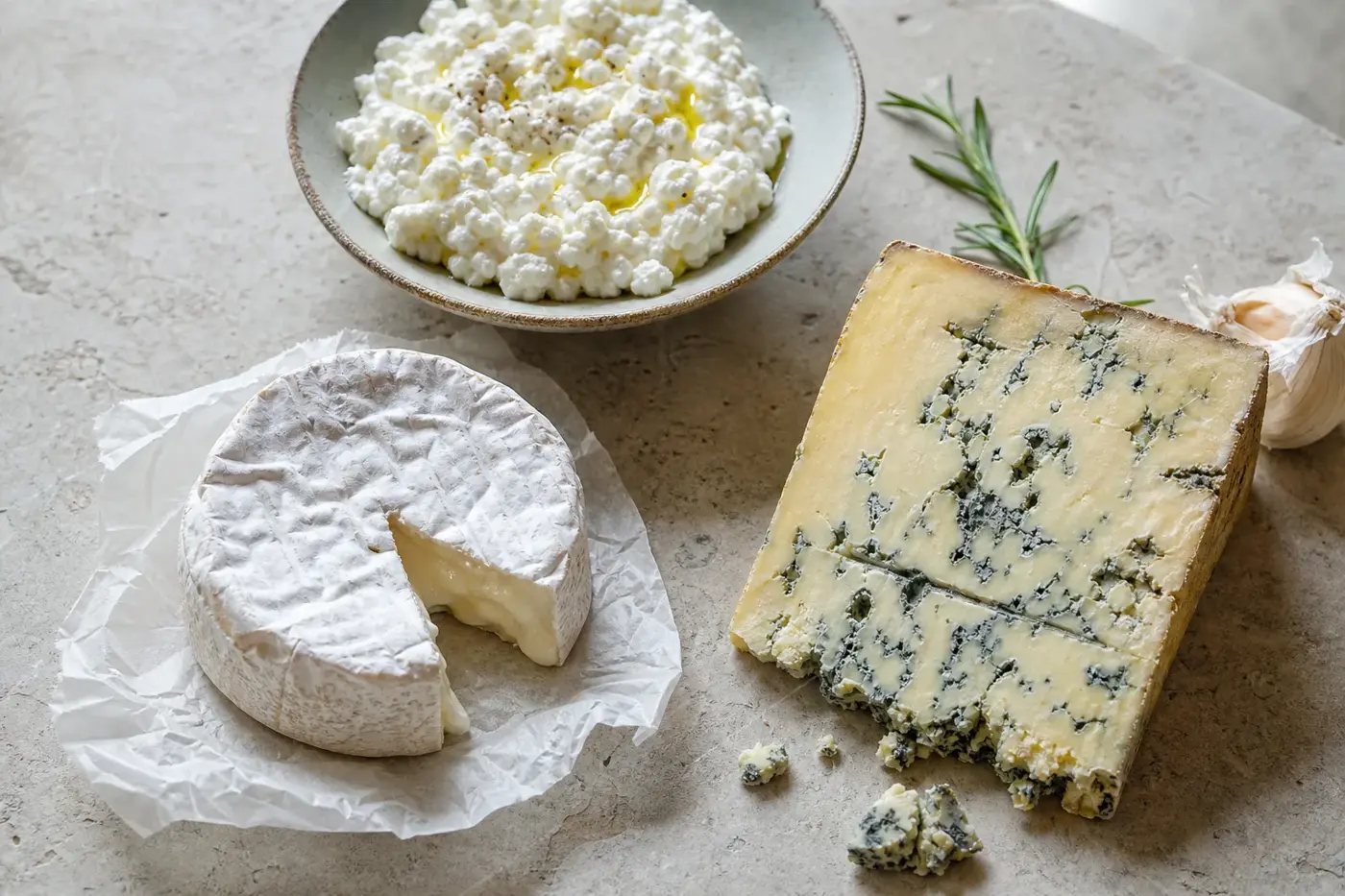
NHS pregnancy advice, as of November 2026, says not to eat mould ripened soft cheeses with a white coating or soft blue cheeses unless cooked until steaming hot. This applies whether the milk is pasteurised or unpasteurised. It permits hard cheeses made with either milk treatment and lists specified pasteurised soft cheeses among its suitable choices. [12]
For the fuller explanation, see listeria and cheese safety, or visit cheese food safety for the hub's wider guidance. Ask a doctor, midwife, pharmacist or dietitian about your personal circumstances. The NHS listeriosis page also explains when symptoms need urgent attention. [11]
This page summarises published guidance from the official sources it cites. It is not medical advice. Guidance differs between countries and changes over time, so check the current source for where you live, and ask your doctor, midwife, pharmacist or dietitian about your own circumstances.
Behind the counter, build safety into the day
At a cheesemonger's counter or in a restaurant, an occasional check when something feels warm is not enough. You need a repeatable system. FSS's CookSafe guidance uses HACCP, hazard analysis and critical control points, to identify hazards, set limits, monitor them and decide what happens when a limit is missed. Those procedures must fit your actual delivery, storage, cutting, display and service operation. [7]
The table separates national rules for holding chilled food from the household fridge target. It covers the general framework for retail and catering operations. Operations governed by Regulation (EC) No 853/2004 fall outside these domestic schedules and need their applicable dairy hygiene controls. [17][18][19]
| Where you operate | Rules for keeping food chilled | Legal source or guidance, with reference date |
|---|---|---|
| England | Maximum 8 °C for foods supporting pathogen growth or toxin formation, subject to exemptions. | SI 2013/2996, Schedule 4; November 2026. [17] |
| Wales | FSA guidance says to keep chilled food at 8 °C or below. | FSA guidance rather than binding text; November 2026. [4][8] |
| Northern Ireland | FSA guidance says to keep chilled food at 8 °C or below. | SR 2006/3, Schedule 4; November 2026. [8][18] |
| Scotland | Refrigeration or a cool ventilated place, subject to exemptions; no equivalent general 8 °C limit. | SSI 2006/3, Schedule 4; November 2026. [19] |
England's Schedule 4 exempts foods that can remain at ambient temperature throughout their shelf life without a health risk. Official temperature guidance explains a service or display tolerance of a single period of less than four hours in England, Wales and Northern Ireland. Other departures require their own legal conditions and supporting evidence. [4][17]
For everyday operation, the FSA recommends setting chilled equipment at 5 °C or below and checking it at least daily, beginning with opening checks. Record failures and corrective action, maintain equipment and train staff. FSS says monitoring need not mean writing down every temperature, but your business must establish and follow its monitoring procedures. [7][8]
Questions people ask
What temperature should I keep my fridge at for cheese?
The FSA and Food Standards Scotland recommend a domestic fridge temperature of 0 °C to 5 °C. The FSA advises checking it with a fridge thermometer once a week.
How long can cheese be left out?
The FSA says chilled food should spend the shortest possible preparation time outside the fridge, up to a maximum of four hours. In extremely hot weather, the FSA advises using outdoor food within two hours.
Can I eat cheese after its use by date if it smells fine?
Food Standards Scotland says not to eat cheese after its use by date, even if it looks and smells normal. A sniff, a look or a small taste cannot reliably detect harmful bacteria.
Can I save cheese if raw meat juices drip onto it?
Discard exposed cheese reached by raw meat juices rather than trying to rescue it by trimming or washing. Clean and disinfect the contaminated shelf, container and equipment before reuse.
Which cheeses does the NHS advise against during pregnancy?
NHS pregnancy guidance says not to eat mould ripened soft cheeses with a white coating or soft blue cheeses unless cooked until steaming hot, whether the milk is pasteurised or unpasteurised. Check the current NHS pregnancy guidance and ask a doctor, midwife, pharmacist or dietitian about your own circumstances.
Sources
[1] Food Standards Agency. Why avoiding cross-contamination is important. Published 18 December 2017; web version retrieved November 2026. Applies to England, Northern Ireland and Wales.
[2] Food Standards Agency. How to chill, freeze and defrost food safely. Published 18 December 2017; web version retrieved November 2026. Applies to England, Northern Ireland and Wales.
[3] Food Standards Scotland. Chilling food. Undated web guidance, retrieved November 2026.
[4] Food Standards Agency. Guidance on Temperature Control. PDF hosted by Food Standards Scotland, version retrieved November 2026; publication date not established from the passages examined.
[5] Food Standards Scotland. Preventing cross-contamination in the kitchen. Undated web guidance, retrieved November 2026.
[6] Food Standards Agency. Keeping food safe on a picnic. Undated PDF version, retrieved November 2026.
[7] Food Standards Scotland. CookSafe guide, web version, section 3. Undated web edition, retrieved November 2026.
[8] Food Standards Agency. Safer Food, Better Business for retailers: Chilled storage and display. Undated safe-method sheet, retrieved November 2026.
[9] Food Standards Agency. Why is cleaning important. Published 18 December 2017; web version retrieved November 2026.
[10] Food Standards Scotland. Use-by and best-before dates. Undated web guidance, retrieved November 2026.
[11] NHS. Listeriosis. Reviewed 10 November 2023; web version retrieved November 2026.
[12] NHS. Foods to avoid in pregnancy. Web version retrieved November 2026.
[13] Food Standards Agency. Food safety in a power cut: advice for consumers. Published 26 July 2023; web version retrieved November 2026. Applies to England, Northern Ireland and Wales.
[14] Food Standards Scotland. Food safety during a power cut. Undated web guidance, retrieved November 2026.
[15] Food Standards Scotland. People who are at higher risk of food poisoning. Undated web guidance, retrieved November 2026.
[16] Food Standards Agency. Recalls and alerts. Official publication index, retrieved November 2026.
[17] UK legislation. The Food Safety and Hygiene (England) Regulations 2013, Schedule 4. SI 2013/2996, revised text returned by the official publisher, November 2026.
[18] Northern Ireland legislation. The Food Hygiene Regulations (Northern Ireland) 2006. SR 2006/3, particularly Schedule 4; revised text retrieved November 2026.
[19] Scottish legislation. The Food Hygiene (Scotland) Regulations 2006. SSI 2006/3, particularly Schedule 4; revised text retrieved November 2026.
This desk-researched draft brings together official household guidance, business control methods and national legislation, keeping household recommendations separate from business requirements.
Last checked: November 2026
Last checked November 2026.
The editors suggest you read next