The knife hovers over the cheese. You have chosen your slice, but its name and appearance cannot tell you whether the enzymes that formed its curds came from a calf's stomach, a plant or a microorganism.[2] Even a very handsome rind has its limits. Halal suitability depends on ingredients and production practices, including rennet, so ask which clotting enzyme the maker uses and whether this particular cheese carries halal certification you accept.[1][2]
Start with your guest, not the cheeseboard
Halal means lawful or permitted in Islam; haram means prohibited. For food, you need to consider both the ingredients and how the product is prepared and handled. Singapore's Islamic Religious Council, MUIS, includes freedom from prohibited ingredients and separation from non-halal substances in its published principles for processed foods.[1]
Buying for a guest? Begin with the authority or certification they accept, rather than choosing the cheese first. Scholarly interpretations differ, and individual Muslims follow the guidance and standards they trust; the US certifier HFSAA explicitly acknowledges differences of opinion among Islamic scholars. Agreeing your guest's requirements first makes your choice much simpler.[12]
Rennet: a small ingredient worth asking about
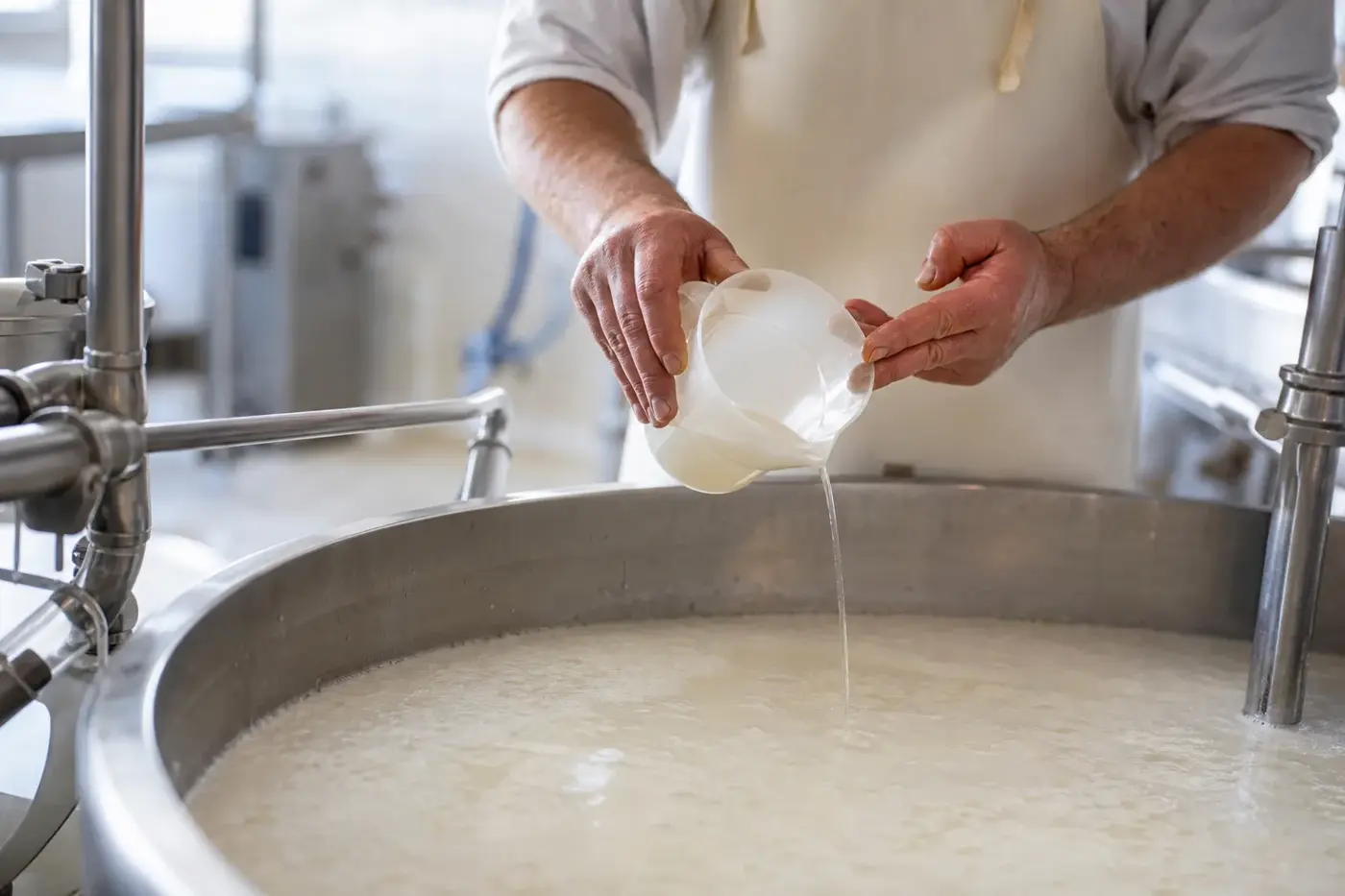
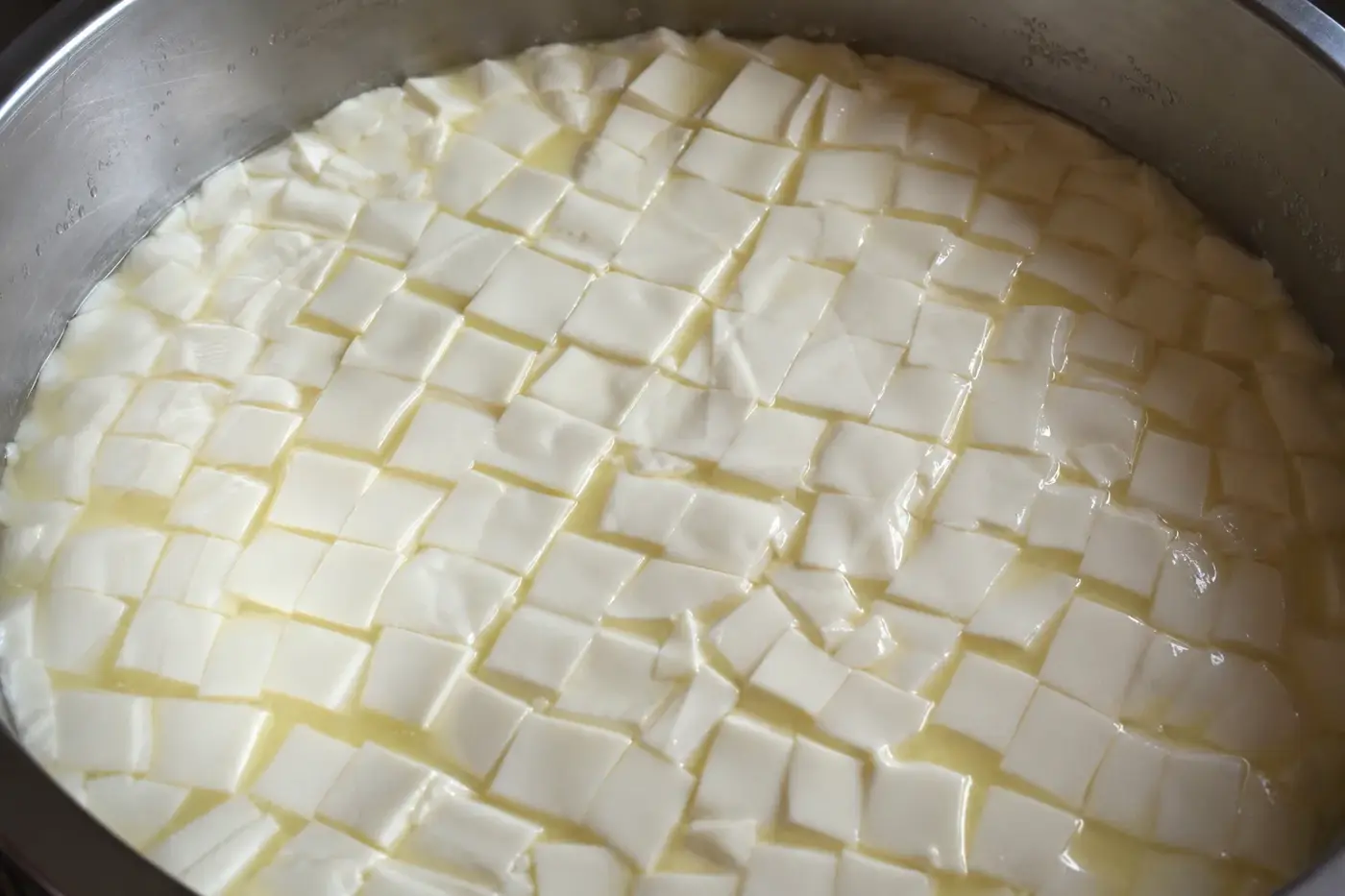
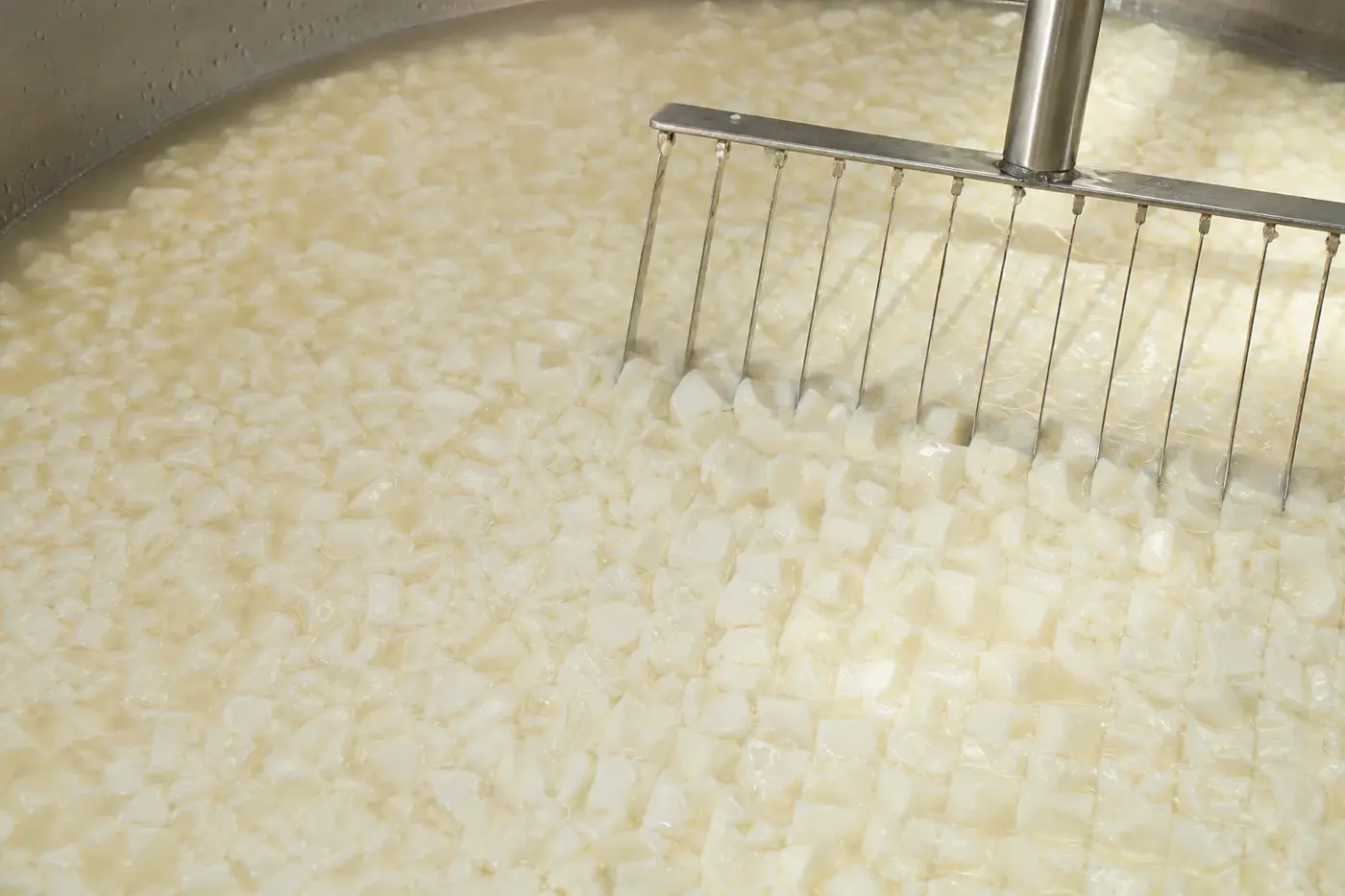
Rennet does the work of turning milk into curds by coagulating it. It is an enzyme preparation, and IFANCA Pakistan identifies chymosin as the active enzyme in calf rennet. Cheese enzymes can come from animal, plant or microbial sources.[2]
For enzymes obtained from slaughtered animals, the species tells you only part of the story. Halal Quality Control's published assurance programme requires materials derived from slaughtered land animals to come from halal-slaughtered animals. “Bovine” means from cattle, but you still need to establish whether the slaughter meets the applicable standard.[4]
At the counter, ask which preparation the maker actually uses. If you would like to understand the technical distinctions behind the answer, turn to rennet explained and how cheese is made.
Follow the enzyme: animal, microbial or plant
Animal rennet comes from animal tissue, traditionally a calf's stomach. Ask for the species and evidence that the preparation meets your chosen certifier's slaughter requirements. IFANCA Pakistan accepts calf rennet when the calf has been slaughtered according to Islamic requirements and rejects it otherwise.[2]
Microbial clotting enzymes are produced using microorganisms, rather than extracted from stomach tissue. Fermentation-produced chymosin is a distinct preparation: microorganisms produce chymosin through biotechnology. If a supplier says “microbial”, ask whether they mean a microbial clotting enzyme or fermentation-produced chymosin, then request certification or a specification for that preparation.[2]
Plant clotting enzymes come from plants, removing the particular question of animal slaughter. They do not settle questions about the preparation or the rest of the cheese. The American Halal Foundation, AHF, requires scrutiny of additives and processing aids used in plant-derived materials, alongside the starting material itself.[3]
When “microbial” needs a little more detail
“Microbial” tells you where an enzyme originates, but the materials used to produce it matter too. AHF's published requirements examine the nutrients used to grow microorganisms, known as the growth medium, alongside production enzymes, additives and processing aids. Its examples of unacceptable materials include growth media from prohibited sources and antifoaming agents derived from lard.[3]
You will usually find the useful detail in supplier documents, rather than on the retail label. Ask whether the cheesemaker's enzyme supplier has provided halal documentation covering the preparation, instead of trying to reconstruct fermentation from the pack. Once you have accounted for rennet, the cultures, other ingredients and manufacturing arrangements still need assessment.[3][6]
Give the other ingredients a closer look
Ask about lipase by name. This enzyme may also be used in cheese production, and IFANCA Pakistan notes both animal and microbial sources. An answer about rennet can leave lipase entirely unaccounted for, so include both in your enquiry.[2]
Starter and ripening cultures need their own attention, too. Under AHF's requirements, microbial products must be traced back to their growth media. Ask whether the producer has checked the cultures' supporting documents, especially if everything supplied so far concerns only rennet.[3]
Flavoured cheeses, cheese spreads and cheese-containing dishes bring more ingredients into the picture. AHF's standards require approval of flavourings, emulsifiers and other additives, and address materials used in processes such as filtration and fermentation. Name the flavouring, carrier or processing aid when you ask. That gives the producer a more precise question than whether the main ingredients are acceptable.[6]
Alcohol and flavourings: whose standard applies?
An alcoholic drink used on a cheese or in a dish raises different questions from ethanol used as a flavouring solvent. Establish its source, purpose and amount, then have those details assessed under the standard you follow. MUIS's published ruling permits specified uses of ethanol as a flavouring solvent when it comes from permitted sources and meets stated limits.[5]
Under that Singapore ruling, ethanol must not exceed 0.5% in the flavouring or 0.1% in the finished product, and must not come from prohibited products. Halal Quality Control's published programme sets a different food limit of 0.5%, alongside restrictions on source. These are the named authorities' conditions as of November 2026, not an interchangeable worldwide threshold.[4][5]
Ask the certifier to interpret the producer's alcohol information for you. Supply the source and purpose as well as the percentage: all may affect whether the product meets that standard.[4][5]
Remember the knife, board and serving plate
Your cheese is not the only thing that matters when you serve it. MUIS requires separation from non-halal substances during preparation, processing, storage and transport. If cheese is cut or served away from its original pack, ask about the knife, board, slicer and other surfaces or utensils, along with accompanying ingredients.[1]
Equipment requirements vary by standard. AHF's processed-food standards cover cleaned equipment, production scheduling and prevention of contact with prohibited materials. Halal Quality Control requires physical separation where halal and haram production share an address, and specifies a ritual-cleaning procedure before equipment is used rotationally. Ask which standard governs the arrangements and whether the certifier has approved them.[4][6]
Reading a UK cheese label: where to begin
Start with the ingredients list, if there is one. Look for enzymes, rennet, lipase, flavourings and added alcoholic drinks, then look for supporting certification. An ingredient's name may tell you its job without identifying its supplier or the production materials needed for a halal assessment.[2][3]
A cheese can legally have no ingredients list in Great Britain. Article 19(1)(d) of assimilated Regulation (EU) No 1169/2011 exempts qualifying cheeses containing only the specified dairy products, essential enzymes and microorganism cultures, plus salt where permitted. Fresh and processed cheese are excluded from that salt allowance. A short label may simply reflect this legal exemption.[7]
Article 20 separately allows certain constituents to be omitted, including food enzymes used as processing aids and certain carriers, subject to its conditions and Article 21's requirements. A retail ingredients list can therefore leave out materials relevant to halal certification. If the enzyme source remains unclear, request the manufacturer's supporting information.[8]
The FSA identifies the assimilated regulation as applying in Great Britain, while EU food information law applies in Northern Ireland. Its guidance also explains that non-prepacked food generally does not require a full ingredients list. At a cheese counter or in a restaurant, ask for the supplier's original packaging or specification.[9]
If the answer is simply “enzymes”, ask the manufacturer to identify the preparation and provide evidence acceptable to your certifier. An animal species alone calls for a follow-up about slaughter; a microbial origin calls for the preparation's supporting documentation.[2][3][4] For wider labelling questions, see how to read a cheese label.
Match the certificate to the cheese in front of you
Choose an identifiable certification body whose standard you accept. Request the current certificate or product schedule, then match it to the exact cheese and manufacturing site. Check validity dates and scope with the issuer, especially if the producer offers several ranges or supplies different markets.
A useful certificate gives you a route to confirmation. MUIS describes application, processing, certification, post-certification inspections and renewal in its Singapore certification process. It also links to a search for certified eating establishments and food preparation areas. Use a directory for the category it covers; if your cheese falls outside that scope, contact the issuing body.[1][14]
With sliced, grated or repacked cheese, check the finished product, including where that later handling happens. Halal Quality Control's assurance programme explicitly addresses outsourced manufacturing and private labels, requiring the manufacturing site to be identified and inspected. Match product and site details together, rather than relying on the brand name.[4]
Keep the evidence alongside your product details. A dated producer reply, certificate reference and pack information are more useful than a general statement that a dairy makes halal cheese. If you are buying for somebody else, share those details so they can decide according to their own practice.
Vegetarian and kosher: useful clues, different questions
A vegetarian claim can help you enquire about animal-derived ingredients, but halal assessment also covers alcohol and production controls. In Great Britain, voluntary food information must be accurate, unambiguous and non-misleading under Articles 7 and 36 of the assimilated food information regulation. Ask for the evidence behind the vegetarian claim, then check the separate halal requirements.[1][10][13]
Kosher certification follows Jewish dietary law. The Orthodox Union explains that its requirements for rennet-set cheese cover kosher ingredients and special rabbinical involvement in cheesemaking; its treatment of acid-set cheeses differs. For a kosher-labelled cheese, establish halal status separately through the ingredients, processes and authority you follow.[11]
Five questions for your next counter visit
Give staff a precise enquiry they can pass to the right person. You do not need to deliver a speech over the Stilton. These are suggested questions, rather than reports of actual enquiries:
- At the counter: “Which maker and exact product is this? Could I see the original pack and any halal certificate covering it?”
- About enzymes: “Is the coagulant animal, microbial, plant-derived or fermentation-produced chymosin? Is lipase used as well, and what documentation covers these preparations?”
- About the rind or flavouring: “Are alcoholic drinks or ethanol-containing flavourings used in making or treating this product? Has the certifier assessed them?”
- In a restaurant: “Could you check the cheese supplier's information, the sauce ingredients and whether the utensils or preparation surfaces contact non-halal foods?”
- When the answer is uncertain: “Could the kitchen or manufacturer confirm that in writing? I need the information for this particular product, rather than the style generally.”
If staff say only that the cheese is vegetarian, return to the details still unanswered. If they produce a certificate, match it to the cheese being served. As a host, agree the evidence with your guest before choosing, rather than leaving them to decide from a name on a cheeseboard.
Nutrition and religious suitability: read both separately
Halal certification answers a question of religious suitability. To compare cheeses nutritionally, read their nutrition information, including the stated amounts of fat and salt. The certificate and nutrition declaration serve different purposes: each gives you details the other does not.[1][9]
Questions people ask
Is cheese made with animal rennet halal?
It depends on the animal and whether its slaughter meets the applicable standard. IFANCA Pakistan accepts calf rennet when the calf was slaughtered according to Islamic requirements and rejects it otherwise.
Is microbial rennet always halal?
A microbial origin alone does not establish halal suitability. The American Halal Foundation also examines growth media, additives and processing aids, so ask for documentation covering the actual preparation.
Is vegetarian cheese automatically halal?
A vegetarian claim can help with enquiries about animal ingredients, but halal assessment also covers alcohol and production controls. Ask for evidence behind the vegetarian claim and check the separate halal requirements.
Can halal cheese contain alcohol?
Standards differ, and the source, purpose and amount all matter. MUIS permits specified uses of ethanol as a flavouring solvent under stated conditions, while Halal Quality Control sets a different food limit and restrictions on source.
How can I check whether a cheese has valid halal certification?
Request the current certificate or product schedule and match it to the exact cheese and manufacturing site. Check its validity dates and scope with the issuing body.
Sources
- Majlis Ugama Islam Singapura. For consumers, updated 21 February 2025. Basic halal principles, processed-food conditions and establishment-search link.
- IFANCA Pakistan. FAQ, undated online edition, retrieved November 2026. Sections “Isn't All Cheese Halal?” and “What Is The Source Of Rennet?”.
- American Halal Foundation. Halal Certification Requirements, updated 21 October 2026. Sections on microbial products, animal derivatives and vegetable products.
- Halal Quality Control. Halal Assurance Program, document P04-3, version 1, 2022.1, revision 0. Criteria 14 and 18; appendices 5.3 and 5.4.
- Majlis Ugama Islam Singapura. Ethanol (English), updated 21 February 2025. Ruling on ethanol used as a flavouring solvent.
- American Halal Foundation. AHF Halal Standards, updated 9 July 2026. Processed-food requirements concerning ingredients, production controls and microbial materials.
- UK legislation publisher. Regulation (EU) No 1169/2011, Article 19, assimilated version retrieved November 2026. Paragraph 1(d), omission of an ingredients list for qualifying cheeses.
- UK legislation publisher. Regulation (EU) No 1169/2011, Article 20, assimilated version retrieved November 2026. Omission of specified constituents from ingredients lists.
- Food Standards Agency. Packaging and labelling, updated 4 September 2026. Jurisdiction, ingredients, nutrition declarations and non-prepacked foods.
- UK legislation publisher. Regulation (EU) No 1169/2011, Article 36, assimilated version retrieved November 2026. Voluntary food information.
- Orthodox Union Kosher. Kosher in the Dairy Case, 2013 online article. Rennet-set cheese, rabbinical involvement and acid-set cheese.
- Halal Food Standards Alliance of America. About HFSAA, undated online edition, retrieved November 2026. Statement acknowledging scholarly differences.
- UK legislation publisher. Regulation (EU) No 1169/2011, Article 7, assimilated version retrieved November 2026. Accurate and non-misleading food information.
- Majlis Ugama Islam Singapura. For business, updated 22 July 2025. Published outline of Singapore's halal certification process.
This piece was researched through published religious-authority and certification-body materials, UK legislation and official food-labelling guidance, with practical questions synthesised from their documented requirements.
Last checked: November 2026
Last checked November 2026.
The editors suggest you read next