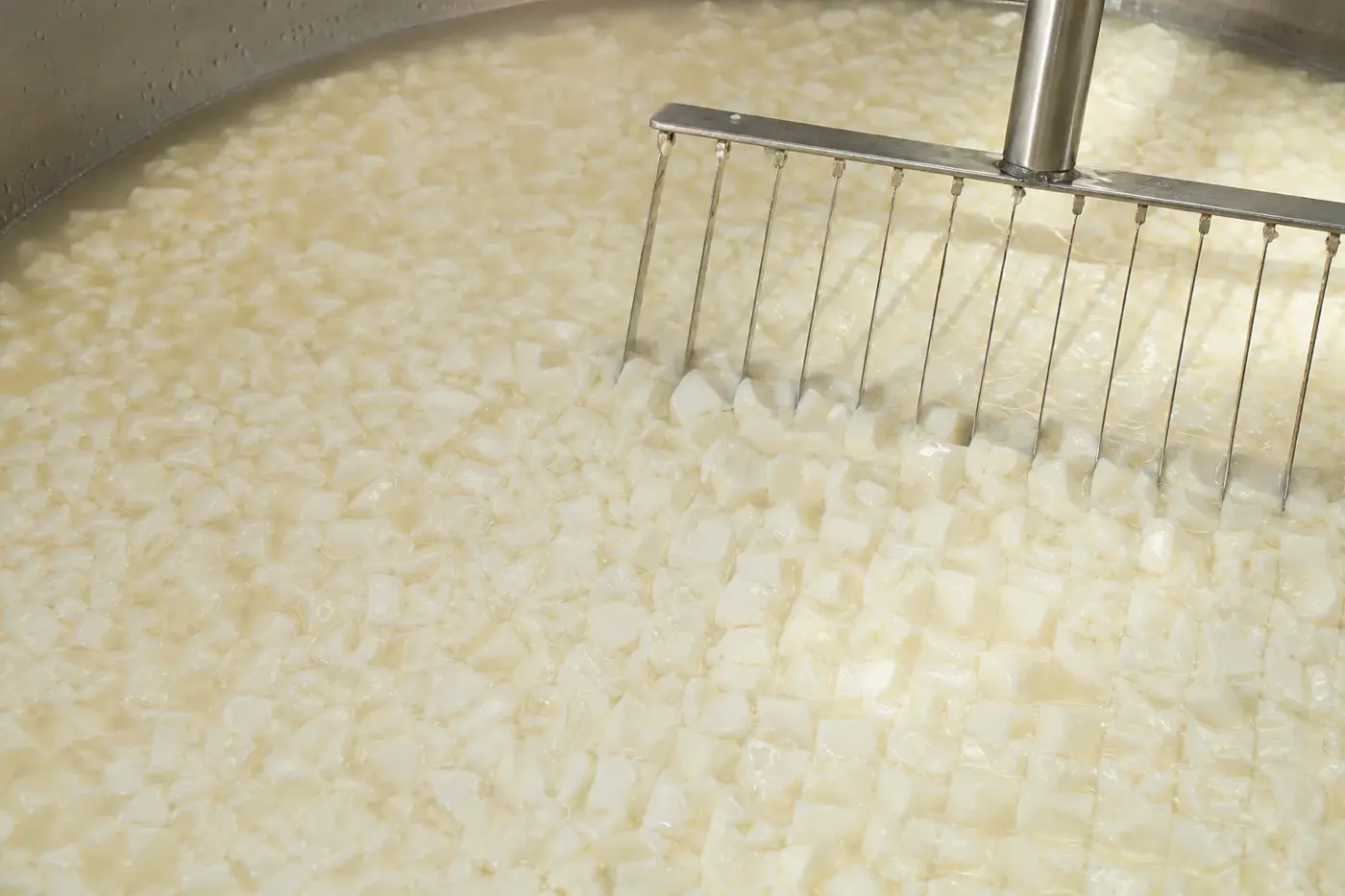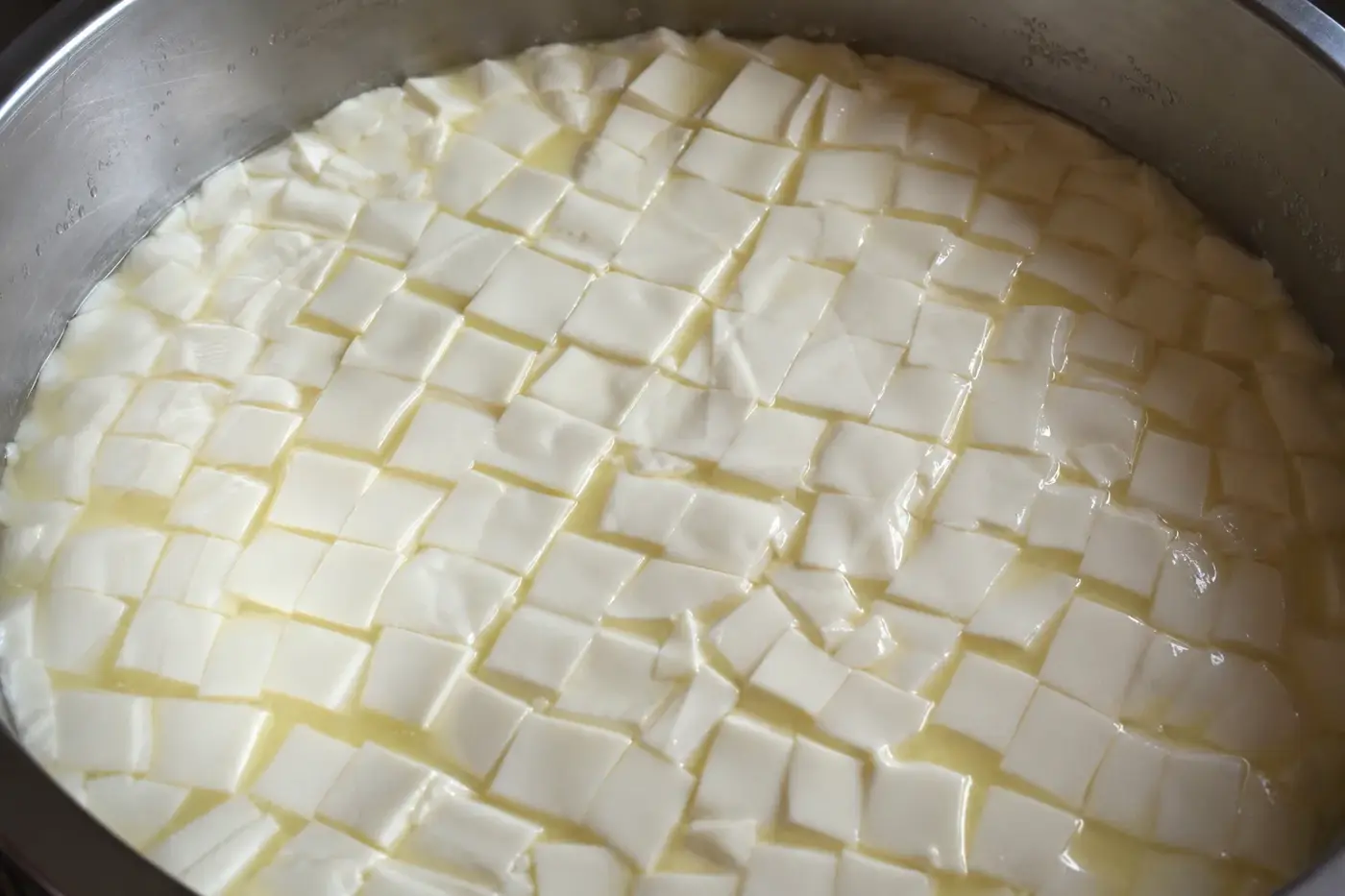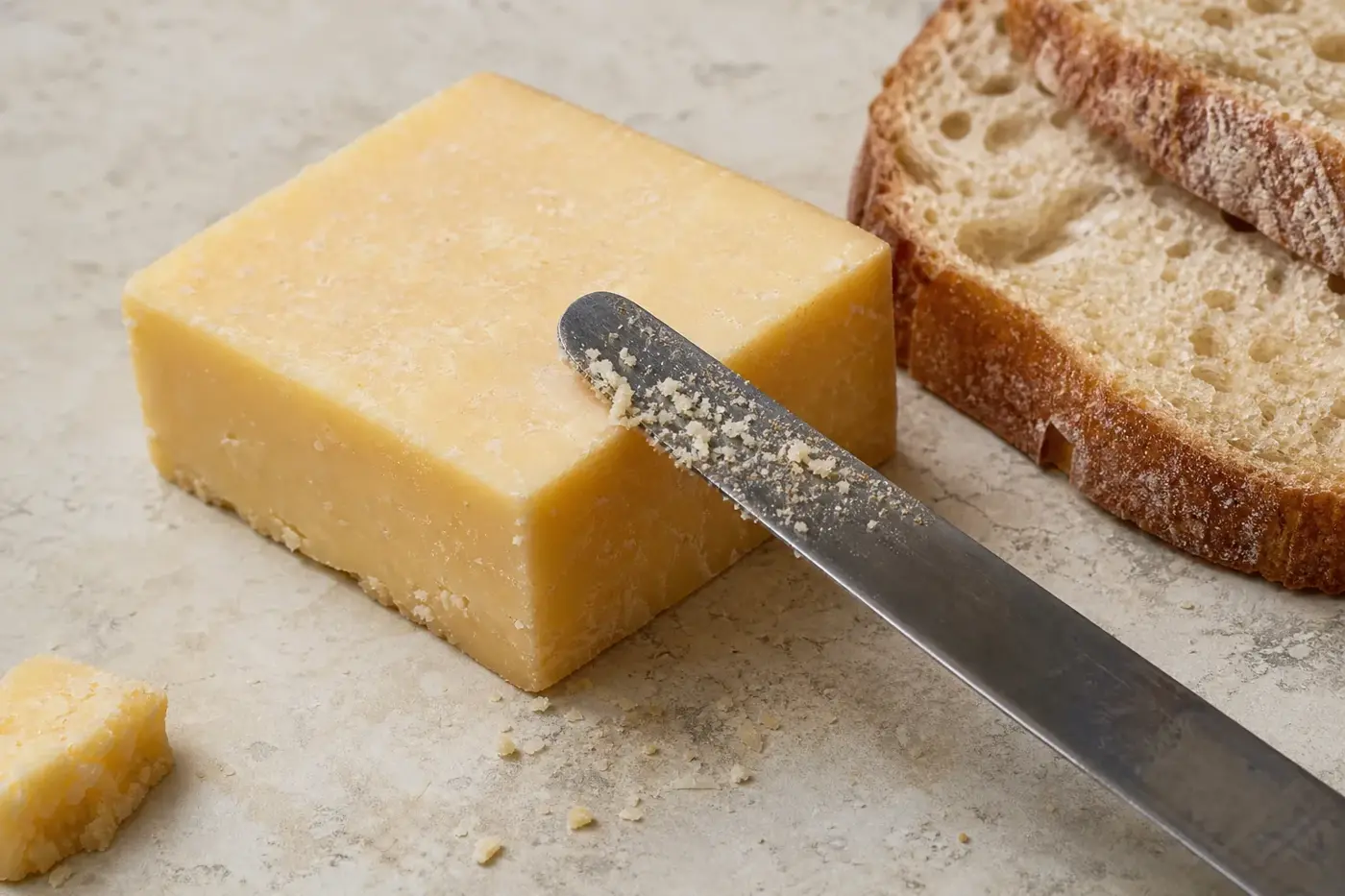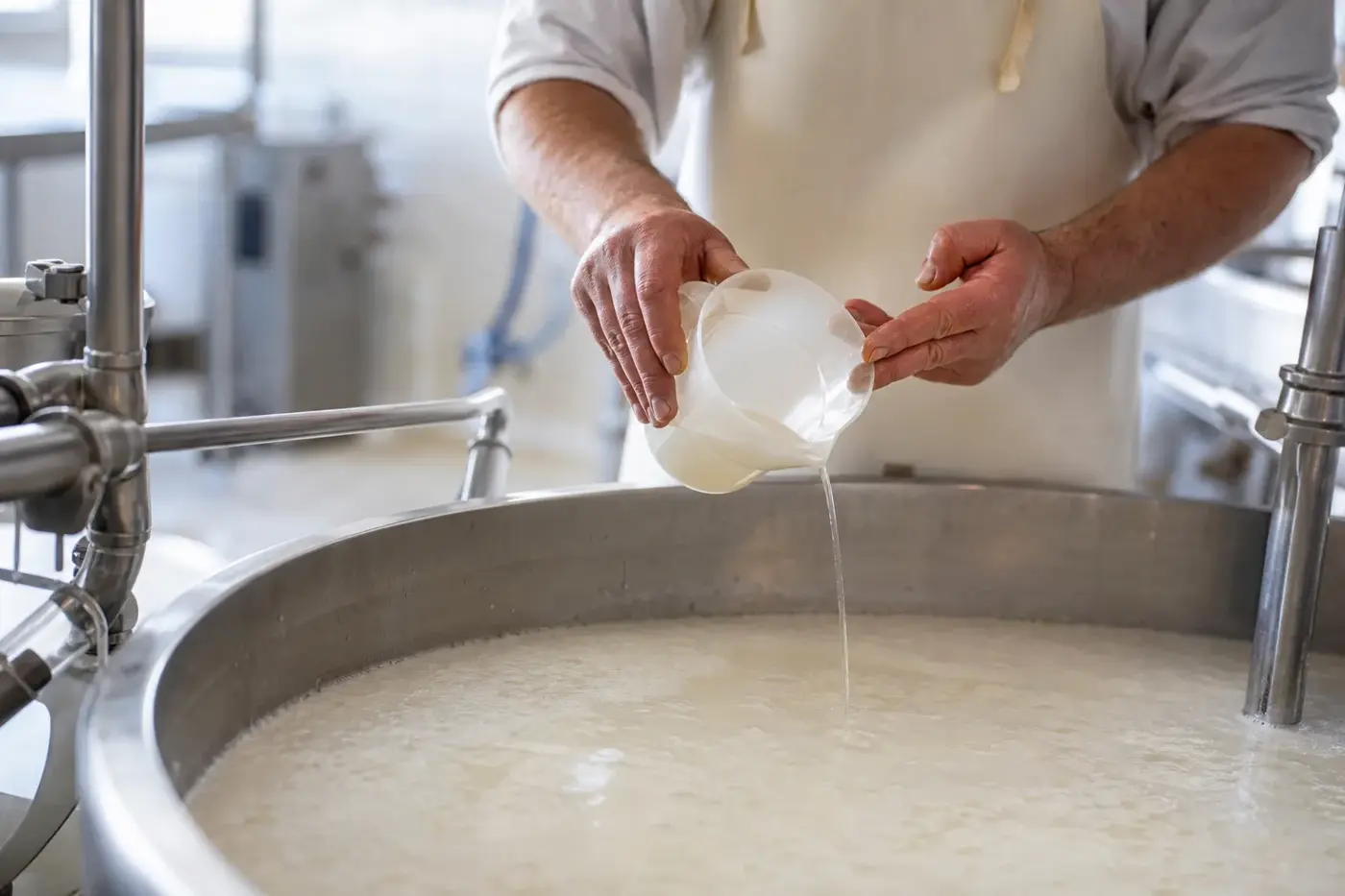
Milk fills the vat. It comes from a permitted animal, and the rennet is non-animal. You might think kosher approval is the next stop, but major Orthodox certifiers still have questions: about the equipment and, for cheeses covered by a specific rabbinic rule, Jewish involvement in production. [1, 2]
Start with the milk, but keep looking
Before you choose your wedge, look at its milk. Kosher means fit or permitted under Jewish dietary law, known as kashrut. Milk from a non-kosher animal is prohibited; cows, sheep and goats are permitted sources. Their milk is the beginning of the story: the other ingredients and manufacture need assessment too. [3, 4]
Milk supervision brings a separate question. Chalav Yisrael, also spelt cholov Yisroel, identifies milk produced under Jewish supervision. Some authorities accept other arrangements in particular circumstances. The Orthodox Union, for example, accepts US regulatory controls for ordinary commercial milk, while recognising that some consumers require chalav Yisrael. [4]
Choosing cheese for another household? Check both requirements before you buy. A cheese may meet a certifier's standard for Jewish involvement in cheesemaking without meeting your guest's separate requirement for supervised milk. The Chicago Rabbinical Council explicitly distinguishes the two: approval on one does not settle the other. [5]
What the ingredient list leaves unsaid
You can study every ingredient and still be missing an important part of the picture. The distinctive cheese rule is commonly called gevinat akum, with spellings including gevinas akum. It concerns cheese made without the required Jewish involvement or supervision, so milk and rennet alone cannot settle the finished cheese's kosher status. [9]
One central concern was rennet from an animal not slaughtered according to Jewish law. Rennet is a coagulant: it helps milk form curd, the solid portion separated from liquid whey. Under the codified rule, replacing that suspect rennet with a permitted ingredient does not, by itself, remove the production requirement. [2]
Cheese meeting the relevant Jewish production requirement is called gevinat Yisrael, also written gevinas Yisroel. This is the detail an otherwise reassuring ingredient list cannot give you. The label may explain exactly what entered the vat, without telling you who supervised the milk's transformation into cheese. [2]
Who watches the milk become cheese?
Jewish involvement does not take the same form under every ruling. The Chicago Rabbinical Council describes one position requiring Jewish presence to oversee manufacture. Another requires participation, such as adding the rennet, or qualifying Jewish ownership. The kosher supervisor responsible for production checks is called a mashgiach. [5, 6]
Acid-set cheeses bring another distinction to the vat. Their curds form mainly through acidification, rather than relying on rennet. OK Kosher describes an approach that exempts them from the special gevinat akum requirement for ordinary milk certification, but applies additional involvement for chalav Yisrael products. Other authorities include acid-set cheeses in the rule. [7]
A soft texture cannot make the decision for you. The Orthodox Union warns that some soft-textured cheeses are rennet-set and fall within the special requirement. Acid-set cheeses still need their ingredients and equipment assessed. Before choosing a certification, establish which standard your household or guests follow. [8]
Rennet: three routes into the vat
Animal rennet comes from the stomach tissue of young ruminants. The species tells only part of its kosher story: slaughter and subsequent processing matter too. The Chicago Rabbinical Council explains that animal rennet can be acceptable when prepared under the specific requirements of Jewish law. [5]
Microbial rennet uses coagulating enzymes produced by microorganisms. Fermentation produced chymosin uses microorganisms modified to produce chymosin, an enzyme also found in animal rennet. Both routes need close assessment of the particular preparation and its manufacturing inputs. That includes the materials used to nourish those microorganisms. [10]
For your own enquiries, keep the enzyme and the cheesemaking as two separate questions. A non-animal enzyme may be acceptable while production still lacks the supervision a certifier requires under gevinat akum. To explore how these preparations are made, see rennet sources. [2]
The less conspicuous ingredients matter too
Rennet tends to get the attention, but it is not working alone. Starter cultures help acidify milk, and the materials used to produce them can also need scrutiny. Lipase develops flavour by breaking down fat and can have animal origins. Cream, milk powders, stabilisers and added flavourings bring further ingredients into the certifier's assessment. [8, 9]
Some materials are harder to spot. OK Kosher specifically includes anti-foam agents among the processing aids requiring kosher assessment, and its guidance includes equipment in the approval. Ask whether the certifier has assessed the complete production system, supporting materials included. Familiar ingredient names cannot answer that question for you. [11]
Follow your wedge beyond the factory
A factory's certified production run does not necessarily make everything it produces certified. When certified and other cheese are made at different times, the certifier must assess the equipment's previous use and the preparation required. Kashering makes suitable equipment kosher under rabbinic supervision. Its requirements depend on the equipment and how it has been used. [9, 11]
The story carries on through cutting and packing. The Orthodox Union's cheese guidance specifically addresses cutters and packaging control, so certified labels reach the intended production. A certified whole cheese and a wedge cut and wrapped elsewhere therefore raise different verification questions. That remains true even if they began as the same cheese. [9]
At the counter, ask whether certification covers cutting and repacking as well as the original cheese. For a catered meal, establish who supervises preparation and serving. Keep your enquiry focused on what will reach the table, including everything that happens after the cheese leaves production. [9, 11]
Get to know the symbol on your label
That kosher certification symbol is often called a hechsher. First, identify the organisation behind it; then ask whether your trusted authority accepts that organisation for cheese. The Chicago Rabbinical Council publishes a directory of agencies it accepts. Recognising the symbol and accepting its standard are two different steps. [12]
Next, look at the exact product, not just the familiar brand. OK Kosher requires the product name on the label to match its certificate. It also warns against suggesting an entire range is certified when only some products qualify. Its symbol guidance distinguishes dairy and Passover designations, which answer different questions. [13]
For any letters beside the symbol, turn to the issuing certifier's guide. The Orthodox Union explains that OU-D can indicate dairy ingredients or manufacture on dairy equipment. Those possibilities have different practical implications. Ask if the distinction matters to how you will use the cheese. [14]
Another small marking carries an important distinction: OK Kosher specifies that P means Passover, not pareve. Pareve means neither meat nor dairy in kosher classification. For milk cheese, expect a dairy designation. Refer an unexpected or unclear marking to the issuing agency. [13, 15]
| What to check | What you need to find out | Who can help |
|---|---|---|
| Certifier | Who issued the approval, and whether your practice accepts it | Certifier and trusted kosher authority [12] |
| Product | The exact name, variety and pack | Official listing or certificate [13] |
| Designation | Dairy status and Passover approval | Certifier's symbol guide [13, 14] |
| Batch | Any lot, date or production restrictions | Certificate conditions and certifier [9] |
| Repacking | Whether cutting and wrapping are covered | Retailer's supervising authority [9, 11] |
Unsure about a batch? Send the certifier photographs of the symbol, full label and lot code. Industrial cheese certification may depend on a batch letter or other specified identification, controls the Orthodox Union describes separately from ordinary retail packaging. Follow the conditions for the particular product you have in your hands. [9]
Your label has more to tell you beyond kosher approval. For the wider picture, see how to read a cheese label. A little label reading is a respectable cheese lover's habit, even if it does prolong the shopping.
At your table: dairy, meat and waiting customs
A kosher-certified cheese remains dairy, whether you tuck it into a sandwich, stir it into a sauce or use it in a baked dish. Milk cheese belongs in the dairy part of a kosher kitchen. Meat and dairy are kept apart in meals and utensils, with poultry included in the practical separation rules. [4, 14]
Timing matters alongside the menu. The Orthodox Union describes different traditions for waiting after meat before dairy, with six hours the most prevalent custom. Going the other way has its own requirements, and certain aged cheeses attract a waiting practice before meat. Follow your community's guidance on the particular cheese. [4, 15]
Before you open cheese for guests, ask about certification, milk supervision and the planned meal. Keep the packaging available for them to read. Settling these details beforehand makes it easier to choose food and serving arrangements that suit the people at your table.
Give Passover its own check
A familiar year-round kosher approval does not automatically cover Passover, also called Pesach. Cultures and rennet raise particular questions because materials used to produce them can present Passover concerns. The Orthodox Union identifies the nutrients used to grow these preparations, along with shared manufacturing equipment, as points requiring assessment. [10]
Those checks follow the cheese through the production plan, equipment and packaging. The Orthodox Union describes dedicated supervision of its Passover cheese from facility preparation through final packaging. OK Kosher's plant manual likewise requires ingredients to be reassessed for Passover, even if they already have ordinary kosher approval. [10, 15]
Look for explicit Passover approval for the exact cheese and production concerned. Read the certifier's symbol explanation: OK Kosher specifies that P means Passover, with dairy indicated separately. Your familiar year-round dairy symbol answers the ordinary certification question. Passover approval still needs a separate check. [13, 15]
Kosher, vegetarian and halal: ask each question
A kosher mark does not automatically make your cheese vegetarian. Animal rennet can meet kosher requirements when prepared appropriately. Equally, a vegetarian claim does not supply the Jewish involvement required by the certifiers discussed above. If you need both, check both. [1, 5]
For halal suitability, ask the relevant halal authority or look for certification it accepts. A kosher symbol records approval under the issuing kosher body's standards. If your guests follow another religious practice, ask about their requirements directly. One approval should not be assumed to stand for another. [13]
Lactose content and suitability for someone with a milk allergy are separate questions again. For England, Northern Ireland and Wales, consult the Food Standards Agency's food allergy and intolerance guidance (November 2026). [16]
Kosher milk cheese is still a dairy product containing milk proteins. Kosher approval certifies neither that it is lactose free nor that it suits someone with a milk allergy. For the distinctions, see cheese allergy and lactose intolerance and lactose in cheese. Seek individual advice from a doctor or dietitian about your own circumstances. [14, 16]
Ask about the cheese you actually have
Give the certifier or a trusted kosher authority a precise question, with the details needed to answer it. Include the exact product name, label photographs, batch code and where the cheese was cut or packed. Say whether you need chalav Yisrael or Passover approval. These details help identify the applicable certification conditions. [9, 13, 15]
If you are buying for someone else, send them the product details before you buy. They can consult the authority they follow, with the exact cheese and certification in view. Then you can choose something that fits their practice, rather than relying on a general assumption about what a kosher label means.
General information only, not medical advice: follow the official guidance where you live.
Questions people ask
Is cheese with vegetarian rennet automatically kosher?
No. A permitted enzyme does not by itself remove the requirement for Jewish involvement in cheesemaking under the rule known as gevinat akum.
Is all kosher cheese made with supervised milk?
No. A cheese can meet a certifier’s standard for Jewish involvement in cheesemaking without meeting a separate requirement for chalav Yisrael, or supervised milk.
Is kosher cheese always vegetarian?
No. Animal rennet can meet kosher requirements when prepared under the specific requirements of Jewish law, so a kosher mark alone does not establish vegetarian suitability.
Can a certified cheese lose its coverage when cut at a counter?
Cutting and packing are part of the chain of certification checks. Ask whether certification covers cutting and repacking as well as the original cheese.
Is kosher cheese automatically suitable for Passover?
No. Ordinary kosher approval does not automatically cover Passover, so look for explicit Passover approval for the exact cheese and production concerned.
Sources
- Orthodox Union, How is cheese made kosher?, consumer FAQ, undated web edition. Ingredients, equipment and the additional cheese-production requirement.
- Sefaria, Shulchan Arukh, Yoreh De'ah 115:2, sixteenth-century code with gloss, online text and translation, undated web edition.
- Sefaria, Mishneh Torah, Forbidden Foods, chapters 1 to 9, twelfth-century code, online text and translation, undated web edition.
- Orthodox Union, What is Kosher Food? What Does Kosher Mean? OU Kosher Rules & Definition, undated web edition. Sections on permitted animals, milk supervision and meat and milk.
- Chicago Rabbinical Council, Cheese, 24 April 2023. Milk supervision, animal rennet and differing requirements for Jewish involvement.
- Orthodox Union, What type of kosher supervision is needed for hard cheese?, Halacha Yomis, undated web edition.
- OK Kosher, A Closer Look: Soft Cheese, undated web edition. Acid-set production, ingredients and differing supervision requirements.
- Orthodox Union, Retail Dairy Products: Whats, Hows and Whys, undated retrieved web edition. Sections on cultures, soft cheese and rennet-set cheese.
- Orthodox Union, Kosher Cheese, 13 June 2013. Sections on the rabbinic prohibition, ingredients, equipment and control of kosher labels.
- Orthodox Union, How Does the OU Certify... Cheese, Flavors, Lettuce, undated retrieved web edition. Cheese section on cultures, rennet, growth materials and Passover production.
- OK Kosher, Kosher 101: Kosher Equipment, 21 April 2023. Production aids, previous equipment use and kosherisation.
- Chicago Rabbinical Council, Acceptable Kashrus Agencies, current online directory, undated retrieved edition.
- OK Kosher, A Guide to the Proper Use of the OK Kosher Symbol, 2 November 2023. Product-specific certification, symbol designations and range-wide claims.
- Orthodox Union, OU Kosher Symbols Explained, undated retrieved web edition. Dairy, dairy-equipment and pareve classifications.
- OK Kosher, OK Kosher Plant Manual, 2013 edition, retrieved from the publisher's current website. Sections on dairy, cheese, chalav Yisrael, labels and Passover.
- Food Standards Agency, Food allergy and intolerance advice for consumers, published 2020; publication record updated 7 August 2026. Applies to England, Northern Ireland and Wales.
This desk-researched article compares religious texts and certifiers' published explanations, using official consumer guidance for the separate allergy and intolerance discussion.
Last checked: November 2026
Last checked November 2026.
The editors suggest you read next