How Long Does Cheese Last?
You open the fridge and survey your cheese collection, or “the essentials”, as you prefer to call it.
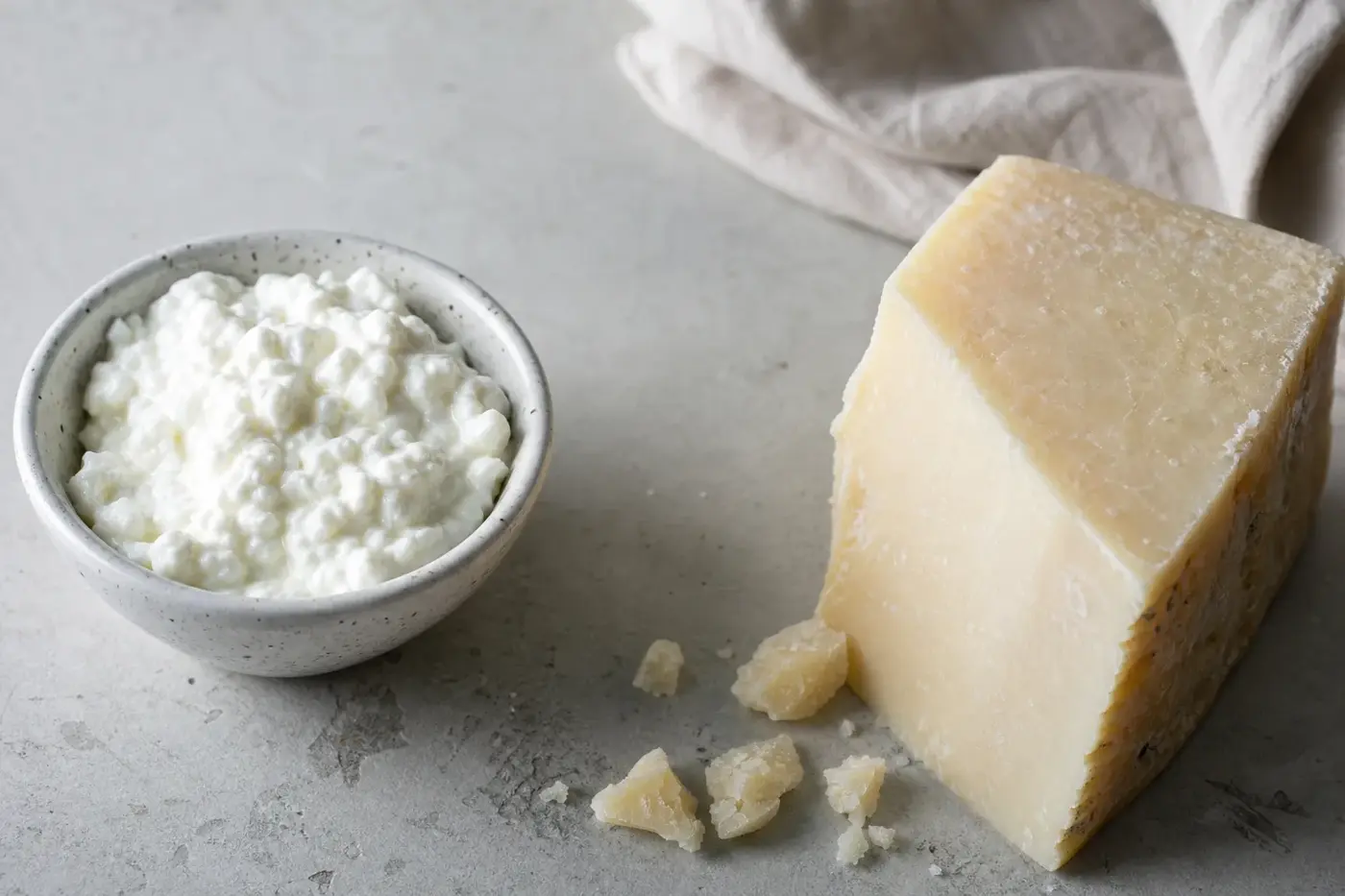
You open the fridge and survey your cheese collection, or “the essentials”, as you prefer to call it. There is cottage cheese beside an unopened block of hard cheese. Their clocks tick at very different speeds: one week versus six months in published US guidance. Moisture, format, packaging and storage matter, but first: are you asking whether it will taste good, or whether it is safe to eat?[1]
Why soft cheese needs your attention sooner
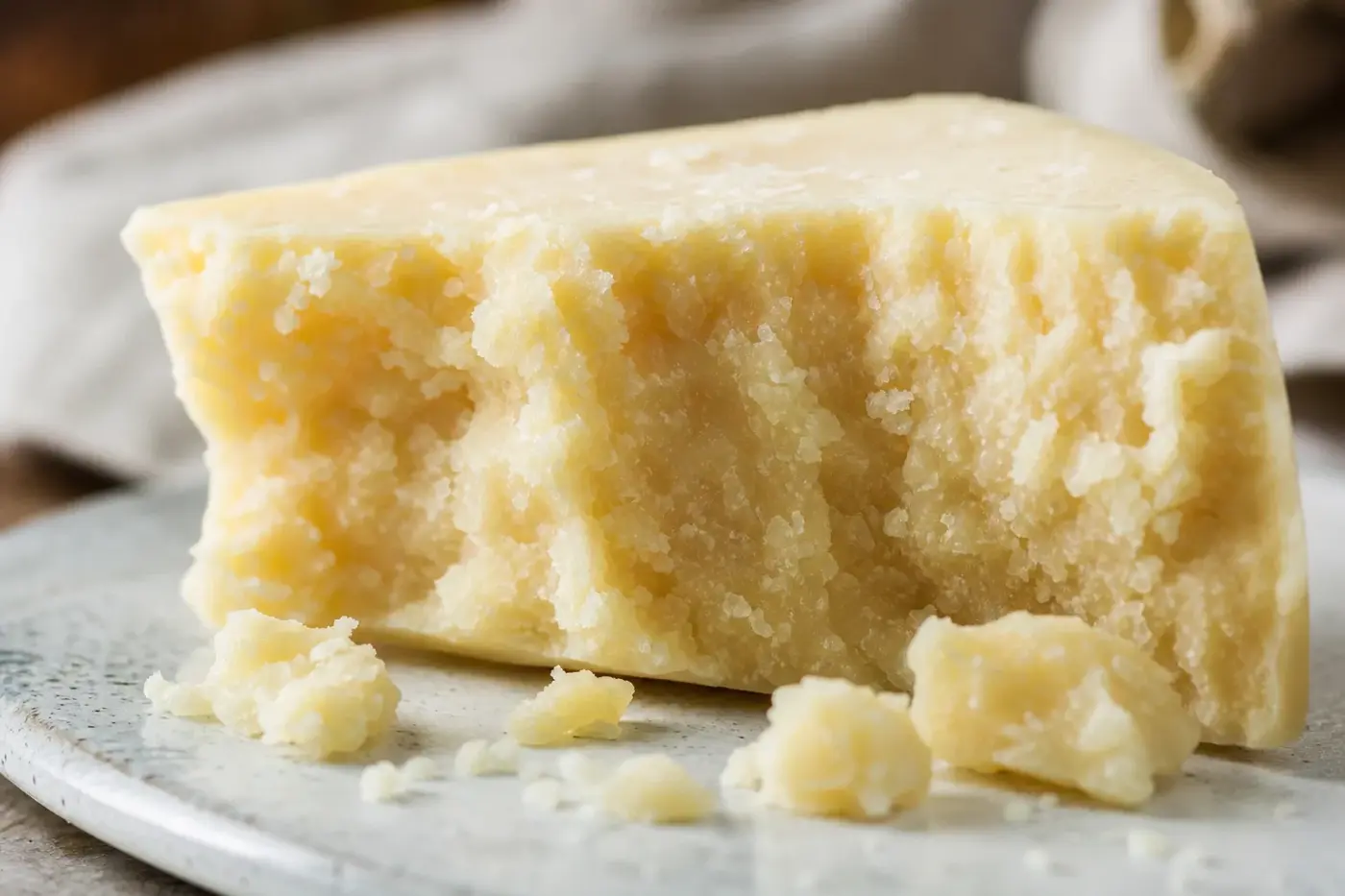
Picture a fresh, soft cheese beside a dense hard block. Fresh and soft cheeses generally contain more moisture, which helps explain why one gets days and the other may get months unopened. US food preservation guidance explains that contamination can spread beneath moist foods' surfaces, while mould generally penetrates hard cheese less deeply.[1,9]
Losing flavour or texture, though, is not the same as becoming unsafe. The FSA separates quality changes, which you may assess in foods bearing a best before date, from the safety limits of a use by date. A reassuring smell cannot overrule that deadline.[4]
From ricotta to hard cheese: your fridge guide
Start with the pack, not the table. Follow any use by date and any product instructions giving shorter times than those below. In this November 2026 domestic storage guidance, the US figures come from Cornell University's Food Keeper guide; the Canadian figures come from Health Canada.[1,7]
| Cheese and format | Country and fridge temperature | How long you can keep it | Does opening change things? |
|---|---|---|---|
| Fresh cottage cheese or ricotta | US, 4 °C (40 °F) or below | 1 week | From purchase; no separate opening time [1] |
| Cream cheese | US, 4 °C (40 °F) or below | 2 weeks | From purchase; no separate opening time [1] |
| Soft cheese | Canada, 4 °C (40 °F) or below | 1 week | |
| Semi-soft cheese | Canada, 4 °C (40 °F) or below | 2 to 3 weeks | |
| Hard cheese block | US, 4 °C (40 °F) or below | 6 months unopened; 3 to 4 weeks opened | Separate times given [1] |
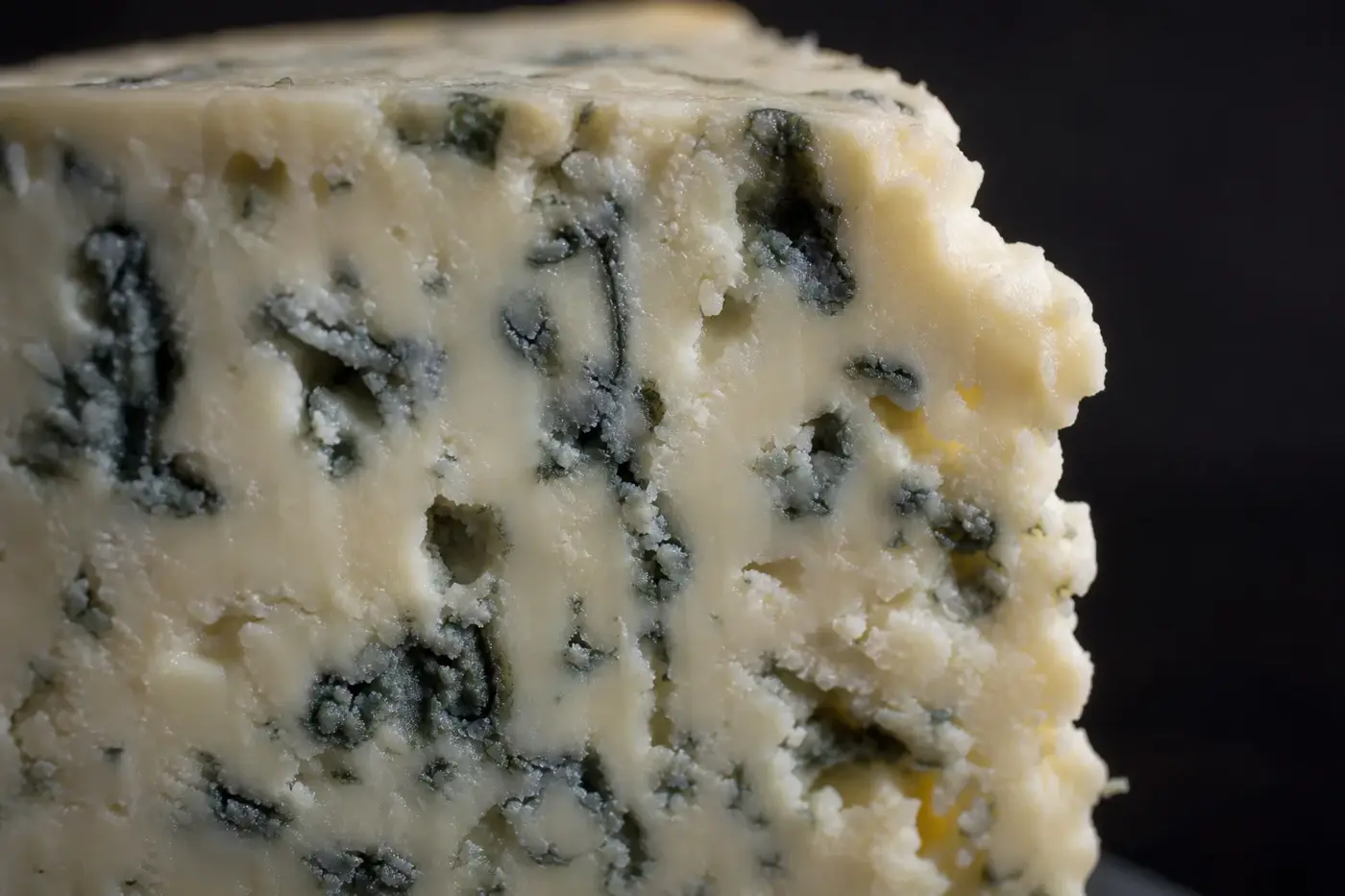
| Blue cheese | No guidance given here | No keeping time given here | No opening guidance given here |
The NHS advises using opened ready-to-eat food within two days unless the packaging says otherwise. That general advice does not establish a blue cheese storage range. Health Canada's semi-soft entry does not separate sealed and opened packs, so follow your product's opening instructions.[5,7]
Opened it? Give the label another look
An unopened pack's date goes with the storage conditions on its label. Once you break the seal, look for a separate instruction telling you how many days you have left. In the UK, the NHS advises using opened food within two days unless the packaging says otherwise.[2,5]
Write the opening date on the container while it is still in your hand. If you move the cheese into another container, keep the original label with its storage instructions and batch information. It is a small habit that makes the shorter deadline easier to follow.
Grated, sliced or cooked: the format comes first
The format matters, so follow the storage and opening instructions for the cheese you bought. North Dakota State University Extension gives separate US storage guidance for sliced, shredded and hard block cheese. Its sliced and shredded figures need clear opening conditions before they can serve as keeping times here.[8]
Once your cheese becomes part of a cooked dish, follow that dish's leftover instructions. For England, Wales and Northern Ireland, the FSA advises cooling cooked food and refrigerating it within one to two hours, then eating leftovers within 48 hours or freezing them. Divide a deep dish into smaller portions to help it cool.[3] When reheating, the NHS says food should be steaming hot right through.[5]
Read the little words beside the date
Use by means safety; best before means quality. That is the distinction in FSA guidance for England, Wales and Northern Ireland. After a use by date, discard the food even if it looks and smells normal: the FSA says not to eat, cook or freeze it.[2]
A best before date gives you room to judge quality. The FSA permits sensory checks for these foods, alongside their storage and opening instructions. Read those little words carefully: dates in the same place on two packs can mean very different things.[2]
If you need a hand finding your way around the pack, see how to read a cheese label.
A properly cold home for your cheese
Check your fridge with a thermometer rather than guessing. For England, Wales and Northern Ireland, the FSA recommends a domestic fridge between 0 and 5 °C (32 to 41 °F). The Canadian storage figures above assume 4 °C (40 °F) or below, so use the temperature conditions attached to your chosen guidance.[3,7]
Keep cheese covered and follow its packaging instructions. North Dakota State University's guide recommends moisture-resistant wrapping, while the NHS advises separating raw and ready-to-eat foods and washing hands regularly. Keep utensils clean too: a knife that has touched raw food should not return to the cheese.[5,8]
For the fuller wrapping and fridge routine, head to how to store cheese at home.
What a look and a sniff can tell you
Check the date first, then the storage history. Only then consider quality: for foods bearing a best before date, the FSA suggests looking for mould and texture changes, and smelling dairy foods for souring.[4]
Compare your cheese with its expected condition. Treat an unfamiliar change cautiously, especially when you do not know how it has been stored.[4]
Your senses cannot settle every safety question. Cheese may look perfectly unremarkable after its use by date because food poisoning bacteria cannot reliably be seen or smelt. Never taste suspect cheese to decide whether it is safe.[2,7]
This page summarises published guidance from the official sources it cites. It is not medical advice. Guidance differs between countries and changes over time, so check the current source for where you live, and ask your doctor, midwife, pharmacist or dietitian about your own circumstances.
Unexpected mould: when to let the cheese go
An unwanted patch of mould calls for caution. The FSA's home food guidance advises against eating obviously rotten food or food containing unwanted mould, particularly for vulnerable groups. Cutting off the visible patch cannot guarantee removal of all unseen toxins, so if you follow FSA guidance, take this cautious approach.[4]
US guidance from Washington State University Extension separates hard blocks from soft cheese and grated, crumbled or sliced cheese. It advises discarding mouldy soft cheese and mouldy grated, crumbled or sliced cheese because contamination can spread beneath the surface or during cutting. For hard cheese, it allows removal of a substantial surrounding portion.[9]
Intentional ripening mould is different from new growth. Before trying to rescue a hard piece, read mould on cheese: when to cut and when to bin for the jurisdiction-specific guidance and method.[9]
Your cheese board has a time limit too
Keep time outside the fridge as short as possible. For England, Wales and Northern Ireland, the FSA sets a maximum of four hours for chilled food during preparation. Separately, the NHS advises eating chilled ready-to-eat foods within four hours of taking them out of the fridge.[3,5]
Put a modest portion on the table and leave the rest chilled. Note when it came out, counting preparation time too. For outdoor eating, Health Canada stresses keeping cold foods cold because bacteria grow quickly in the temperature danger zone: a warm picnic needs active chilling, not the room-temperature routine used for serving.[7]
Pay particular attention to soft cheeses' chilled storage instructions. A hard block's long fridge life does not transfer to the mixed cheese board beside it.[1,5]
Pregnancy and higher risk: start with local advice
If you are pregnant, UK NHS guidance lists hard cheeses, pasteurised semi-hard cheeses and specified pasteurised soft cheeses among foods you can eat. Soft cheeses with a white mould rind and soft blue cheeses should be cooked until steaming hot all the way through. That applies whether the milk is pasteurised or unpasteurised.[6]
In the US, CDC advice for people at increased risk includes avoiding unheated queso fresco-type cheeses, even when pasteurised. It also advises avoiding raw milk cheeses unless appropriately heated. Its higher-risk groups include pregnant people, newborns, adults aged 65 or older and people with weakened immunity.[10]
The CDC specifies heating these cheeses to 74 °C (165 °F) or until steaming hot. Its alternative choices include pasteurised hard cheese, cottage cheese, cream cheese, feta and mozzarella. These recommendations differ from the NHS list, so follow your country's advice rather than combining the two.[10]
The NHS also offers listeriosis advice for other people at higher risk, including older adults and people with weakened immune systems.[5] Consult the linked guidance for this November 2026 overview, and ask your doctor, midwife, pharmacist or dietitian about your circumstances. For more, see listeria and cheese safety.
Freezing for later? Expect a change in texture
Make the freezer decision while food is still within its permitted storage period. FSA advice for England, Wales and Northern Ireland allows freezing up to midnight on the use by date. Check the pack's freezing instructions, wrap portions well, label them and keep the freezer around -18 °C (0 °F).[3]
Defrost in the fridge and use within 24 hours of complete thawing.[3] That becomes your next deadline, so keep it in mind when choosing how much to thaw.
The US Food Keeper guide gives hard cheese six months in the freezer, but says cottage cheese, ricotta and cream cheese do not freeze well. North Dakota State University Extension explains that freezing can change both texture and taste. Cream cheese, for instance, becomes crumbly and more useful for cooking.[1,8]
Decide before the permitted storage period ends, not afterwards. For the wider handling routine, return to how to store cheese at home.[2,3]
One final check: has your cheese been recalled?
A recall notice outranks both the printed date and the cheese's appearance. Check the FSA alerts for England, Wales and Northern Ireland, or the FDA's recalls list in the US. Match the product and batch details against the notice, not just the name.[11,12]
Questions people ask
How long does cheese last once opened?
Cornell University's guide gives an opened hard cheese block three to four weeks in the fridge at 4 °C or below. The NHS advises using opened ready to eat food within two days unless the packaging says otherwise. Follow any use by date and any shorter product instructions.
Can I cut mould off cheese and eat the rest?
The FSA advises against eating food with unwanted mould because cutting away the visible patch cannot guarantee that unseen toxins have been removed. US guidance from Washington State University Extension allows removal of a substantial surrounding portion from hard cheese, but advises discarding mouldy soft, grated, crumbled or sliced cheese.
Can I eat cheese after its use by date if it smells fine?
The FSA says not to eat, cook or freeze food after its use by date, even if it looks and smells normal. A best before date concerns quality, and the FSA permits sensory checks alongside storage and opening instructions.
How long can cheese stay out of the fridge?
For England, Wales and Northern Ireland, the FSA sets a maximum of four hours for chilled food during preparation. The NHS separately advises eating chilled ready to eat foods within four hours of taking them out of the fridge.
Which cheeses does the NHS say can be eaten during pregnancy?
NHS pregnancy guidance lists hard cheeses, pasteurised semi hard cheeses and specified pasteurised soft cheeses among foods that can be eaten. It says soft cheeses with a white mould rind and soft blue cheeses should be cooked until steaming hot all the way through, whether pasteurised or unpasteurised. See NHS pregnancy guidance and ask your doctor or midwife about your circumstances.
Sources
-
Food Marketing Institute and Cornell University, The Food Keeper: A Consumer Guide to Food Quality & Safe Handling, undated edition hosted by University of Georgia Extension. See “Refrigerated food” and the dairy storage table. Source PDF.
-
Food Standards Agency, Best before and use-by dates, undated official PDF edition retrieved November 2026. Source PDF.
-
Food Standards Agency, How to chill, freeze and defrost food safely, published 18 December 2017, live GOV.UK edition retrieved November 2026. Applies to England, Northern Ireland and Wales. Official guidance.
-
Food Standards Agency, Home food fact checker, official PDF edition retrieved November 2026. See “Does the sniff test work for milk and dairy food?” and “Can you still eat food if you remove the mouldy part?” Source PDF.
-
NHS, Listeriosis, reviewed 10 November 2023, live edition retrieved November 2026. See “How to avoid listeriosis”. Official guidance.
-
NHS, Foods to avoid in pregnancy, live edition retrieved November 2026. See “Cheese, milk and other dairy”. Official guidance.
-
Health Canada, Safe food storage, page dated 11 April 2024, live edition retrieved November 2026. See “Chilling” and “Fridge and freezer storage”. Official guidance.
-
North Dakota State University Extension, Food Storage Guide Answers the Question, publication FN579, PDF hosted in its January 2023 document directory. See the refrigerated dairy table. Source PDF.
-
Washington State University Extension, Lewis County Master Food Preservers, Molds on Food, undated PDF hosted in its March 2021 document directory. See the cheese handling tables. Source PDF.
-
US Centers for Disease Control and Prevention, Preventing Listeria Infection, 31 January 2025. See “Who is at risk” and the food choices table. Official guidance.
-
Food Standards Agency, Alerts, live database retrieved November 2026. Official alerts.
-
US Food and Drug Administration, Recalls, Market Withdrawals, & Safety Alerts, live database retrieved November 2026. Official alerts.
Researched by comparing published national food safety advice with primary university extension storage guidance, keeping countries, cheese formats and opening conditions separate.
Last checked: November 2026
Last checked November 2026.
The editors suggest you read next
How to Store Cheese at Home
Open the fridge and a strongly aromatic cheese may introduce itself before you have found the milk.