Can You Freeze Cheese?
You reach for a neat block of cheese, knife poised for a proper slice.
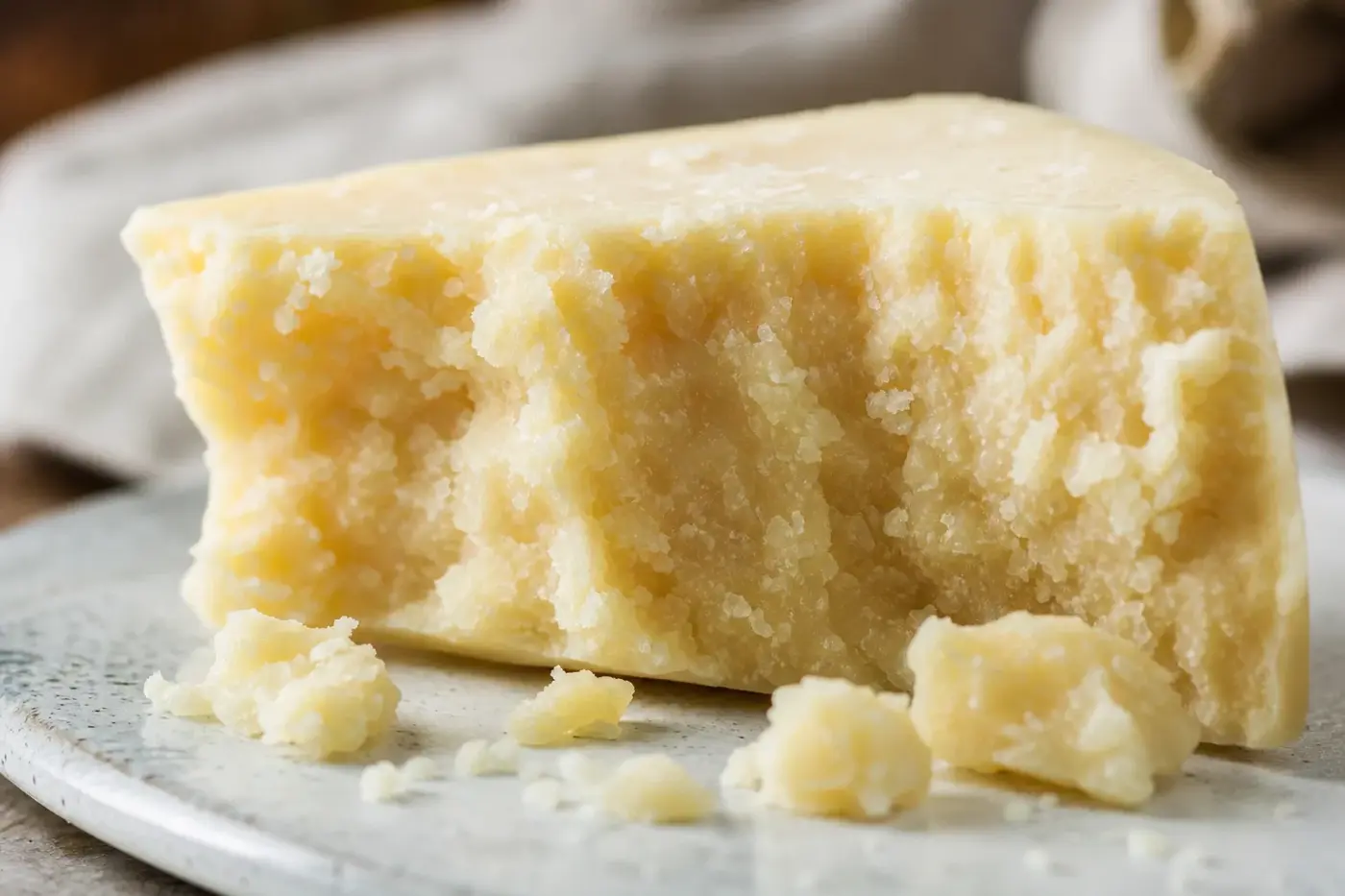
You reach for a neat block of cheese, knife poised for a proper slice. It crumbles instead. The freezer has quietly changed your cheeseboard plans, but dinner may still come out rather well: that cheese could be just right for a gratin. Yes, most cheese can be frozen, but expect texture to change more than flavour, and start with cheese that has been stored safely. [1,3]
The handling advice below follows Food Standards Agency (FSA) guidance for England, Northern Ireland and Wales, as of November 2026. US Food and Drug Administration (FDA) guidance is identified separately where used. For everyday refrigeration, see how to store cheese at home. [2,3]
Why your lovely cheese loses its composure
Inside your cheese, water sits in a network of milk proteins, with fat distributed through it. As that water freezes, ice crystals can disturb the structure. Once thawed, the water and protein may no longer behave as before. Your cheese can hold together less well, feeling crumbly or mealy in your mouth. [1,4]
A 2023 experiment on Mongolian cheese made that damage visible. Using microscopy and texture measurements, researchers found larger voids and damage in the protein matrix of conventionally frozen and thawed samples. Treatments that reduced ice crystal damage preserved the structure better. That supports the explanation, though the experiment examined one cheese with specialist equipment, not the conditions in every domestic freezer. [4]
Happily, losing a clean slice need not mean losing flavour. The US National Center for Home Food Preservation notes that frozen hard and semi-hard cheese may become crumbly and mealy while retaining flavour. Think cooking ingredient rather than table centrepiece. Your cheese has changed jobs, not necessarily retired. [1]
Choose your cheese with dinner in mind
Hard and semi-hard cheeses are your most straightforward choices, particularly for cooking. The National Center for Home Food Preservation supports freezing these styles, while warning that they may crumble. Grate a firm cheese first and you will not be relying on clean slices later. [1,6]
With soft, surface-ripened cheese, consider how much you love that original texture. Castello's general freezing guide advises against freezing Brie and Camembert, while the US preservation centre lists a freezer storage period for soft cheese. If you want to serve yours whole, protecting its texture is a good reason to refrigerate it and follow the label instead. [1,5]
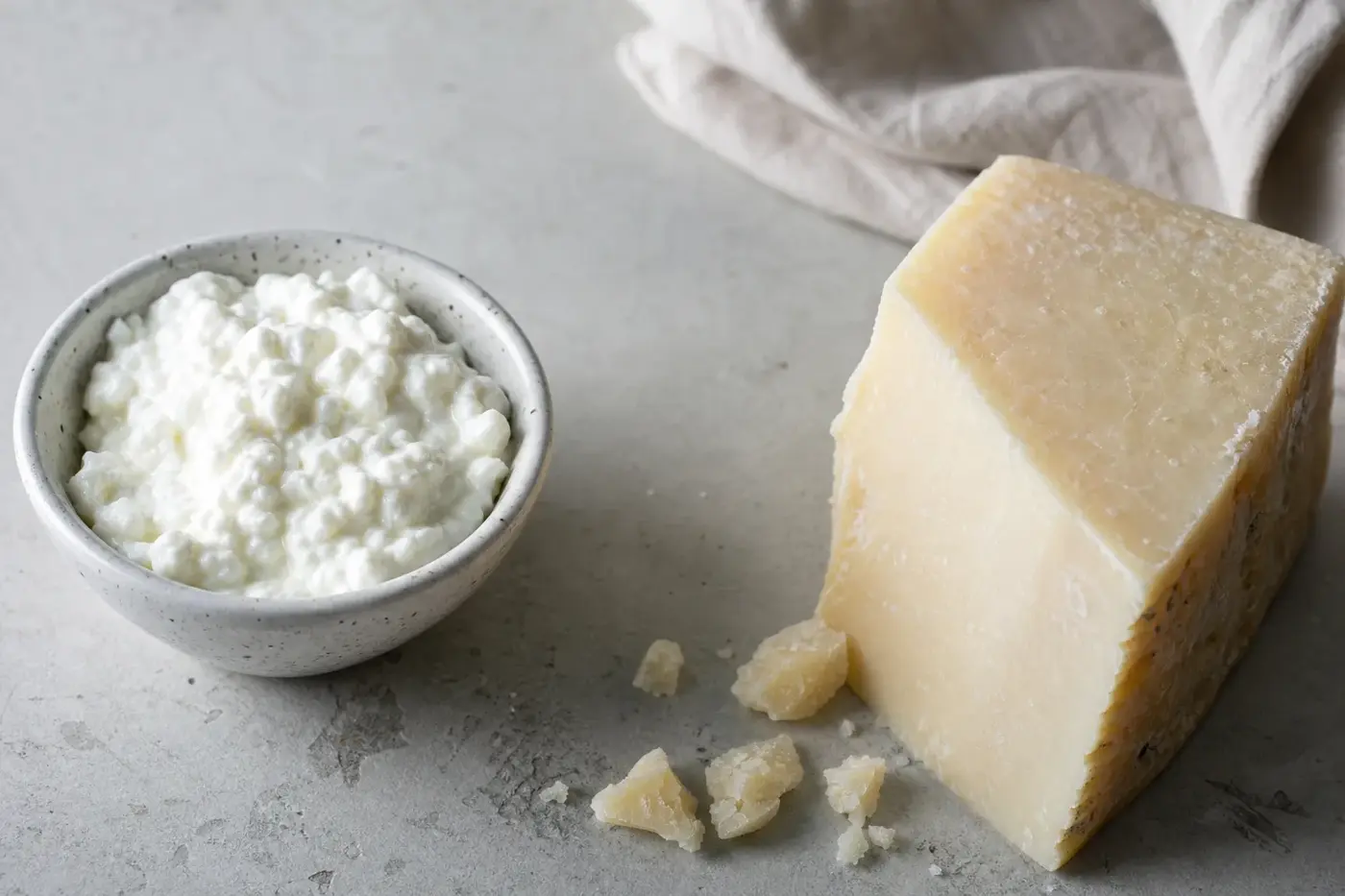
Fresh cheeses such as cottage cheese, ricotta and cream cheese are poor candidates if you want their original consistency back. The preservation centre says they do not freeze well. Colorado State University Extension notes that frozen cream cheese becomes crumbly, though it may suit cooking where smoothness matters less. [1,6]
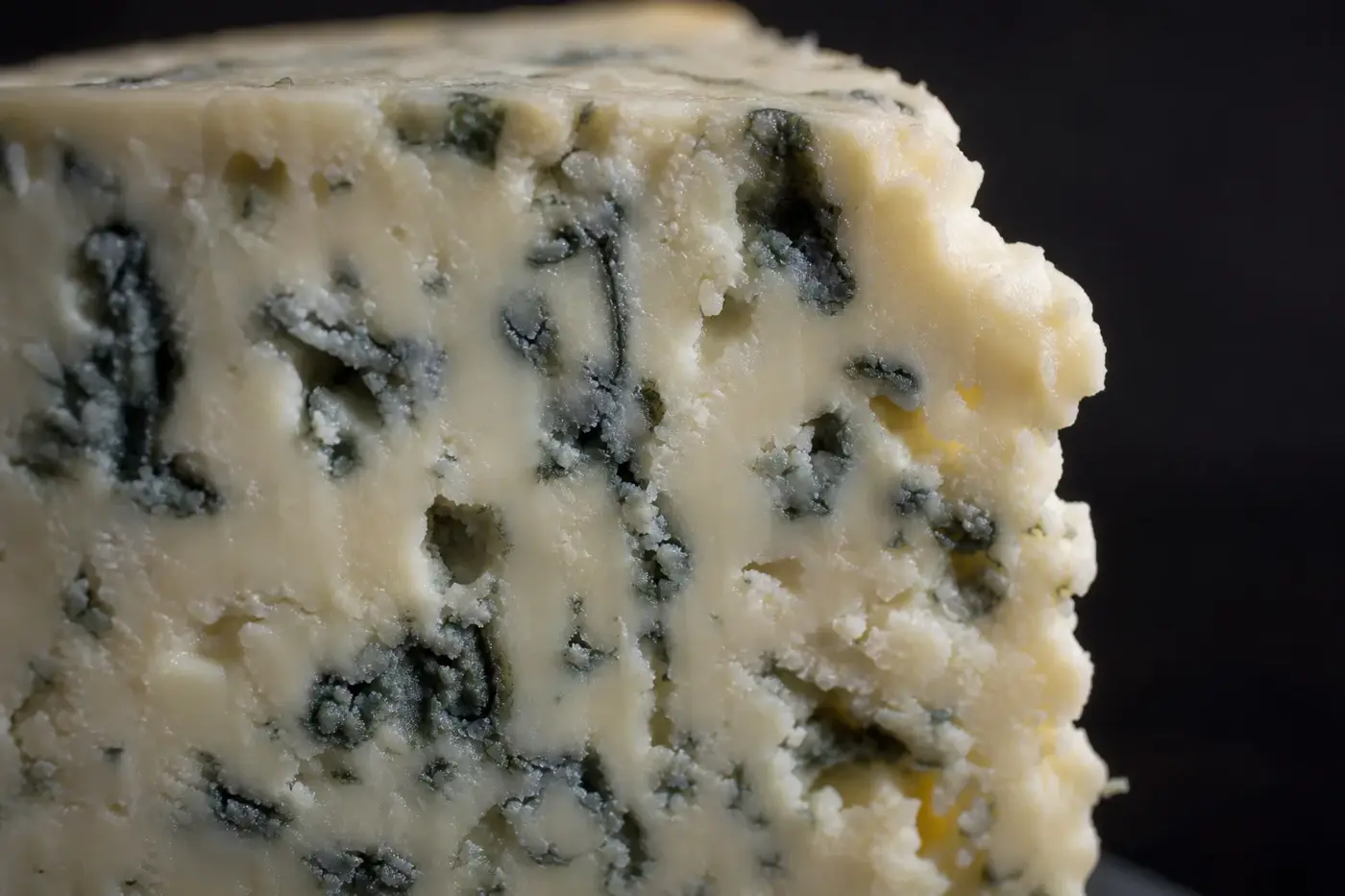
For blue cheese, take your lead from the particular product. Castello says its Creamy Blue can be frozen, but becomes crumblier and less creamy, and recommends cooked uses. That is advice for Creamy Blue, not a promise about every blue cheese. [7]
Washed-rind cheeses need their own maker's instructions too. If your soft washed-rind cheese is destined for a cheeseboard, refrigeration is the practical choice: that texture is part of the pleasure. If you must freeze it, check the specific product's guidance first and plan to cook with it. [2]
Pack now for a happier dinner later
Before you freeze a large piece, picture the dish you want to make with it. The FSA recommends individual portions so you can defrost only what you need. A little preparation now makes that advice easy to follow. [2]
- Blocks: divide into portions you would use in one dish. For sauces or toppings, grate some now. Leave a small block only if your planned recipe calls for one.
- Slices: separate meal-sized stacks with food-safe baking paper, then wrap each stack. You can take what you need without handling the whole supply.
- Grated cheese: divide between small freezer bags or containers. Flatten bags into a thin layer rather than a thick lump, making each portion easier to manage later.
- Wrap closely: use food-safe freezer wrap, then a sealed freezer bag or airtight container. Press excess air from bags before sealing. The FSA recommends careful wrapping to limit freezer burn. [8]
- Label for later: write down the cheese, freezing date and intended use. Keep the pack instructions, or photograph them before discarding the packaging. Date labelling is also part of the FSA's freezing advice. [8]
Use clean utensils when dividing cheese and return portions to cold storage promptly. Keep the original information, especially any pack instruction that differs from general guidance. Your labelled portions need their handling instructions as well as their names. [3,9]
Get the freezer conditions right
Set your freezer to around -18 °C (0 °F), following FSA guidance for England, Northern Ireland and Wales. Check the appliance temperature. Cheese feeling solid is not a substitute for that check. [2]
For hard cheese, the US preservation centre gives six months as a quality guide. Castello gives the same period for Cheddar. Follow your product's own instructions, using a shorter period if they specify one. [1,5]
Safety and eating quality are separate considerations. The FDA says properly handled food kept continuously frozen at -18 °C (0 °F) stays safe indefinitely, although flavour, texture and aroma decline. That advice depends on safe handling before freezing and an uninterrupted frozen state. [3]
Those dry, leathery patches of freezer burn are a quality defect, according to the FDA; better packaging helps prevent them. A recommended freezer period is not a deadline that suddenly makes good cheese dangerous. Nor does it make it acceptable to freeze cheese that has already been mishandled. [3]
Thaw gently and keep an eye on time
Defrost your cheese in the fridge and use it within 24 hours of becoming fully thawed. That is the FSA advice for England, Northern Ireland and Wales. Put the wrapped portion in a container to catch moisture, allowing time for the centre to thaw. A larger portion needs longer than a smaller one. [2]
Some manufacturers suggest longer after thawing. Castello's general guide says three days, but under the FSA approach followed here, stick to the shorter 24-hour window. [2,5]
Want to scatter grated cheese straight from frozen? Choose a product or recipe whose instructions specifically allow it, add only the amount required and follow the cooking directions for the whole dish. Otherwise, thaw it in the fridge as above. The FSA's general advice is to follow packaging instructions and ensure food cooks evenly. [9]
Give thawed cheese a delicious next chapter
A vegetable gratin, macaroni cheese, a savoury pie topping or cheese on toast can put thawed hard or semi-hard cheese to good use. Work with the changed texture rather than fighting it. Grated or crumbled portions suit dishes that do not depend on an intact slice. Dinner is not marking you on presentation. [5]
For thawed blue cheese, sauces, soups and baked dishes follow the uses Castello suggests for its Creamy Blue. For thawed cream cheese, choose a cooked dish where a completely smooth texture matters less, as Colorado State University Extension advises. You will have an easier time accommodating a little crumbling than trying to restore the original spread. [6,7]
You can still consider a cheeseboard if the product permits freezing and you enjoy its thawed texture. Try a small portion before committing the rest to an occasion. If it breaks into granules rather than slices, choose a cooked dish instead. Check its handling history before judging its eating quality. [6,3]
Let the use-by date guide your decision
The FSA allows food to be frozen up to and including its use-by date, provided storage instructions have been followed. Freeze your cheese within that limit, not the following morning. In the UK, a use by date concerns safety; a best before date concerns quality. Read the wording on your cheese. [8,10]
Once you have opened the pack, keep any shorter instructions in view too. Decide while the cheese is still suitable to keep, rather than using the freezer to extend a period it has already exceeded. For help with the wording, see how to read a cheese label. [10]
Freezing it again? Cook it first
Under the FSA guidance followed here, do not refreeze defrosted food unchanged. It can be frozen again once cooked. If you turn thawed cheese into a cooked dish, follow the FSA advice to cool cooked food and refrigerate or freeze it within one to two hours. Reheat only once after that. [2,8]
Portioning before freezing is the simplest way to avoid this problem. Take out one meal's cheese and leave the rest frozen, rather than thawing a larger piece than you need.
Know what your freezer cannot fix
Freezing stops growth rather than reliably destroying harmful bacteria. The FDA specifically says it does not eliminate or reduce Listeria monocytogenes. Contaminated cheese can remain contaminated after thawing, even if its texture and smell seem ordinary. [3,11]
Follow recall instructions for the exact product and batch, including cheese already in your freezer. If unexpected mould is worrying you, consult mould on cheese: when to cut and when to bin before deciding what to keep. Freezing cannot rescue cheese that needs discarding. For the organism itself, see listeria and cheese safety. [11,12,13]
General information only, not medical advice: follow the official guidance where you live.
Questions people ask
Which cheeses freeze best?
Hard and semi hard cheeses are the most straightforward choices, especially for cooking, though they may become crumbly. The US National Center for Home Food Preservation says cottage cheese, ricotta and cream cheese do not freeze well.
How long can cheese stay in the freezer?
The US National Center for Home Food Preservation gives six months as a quality guide for hard cheese, and Castello gives the same period for Cheddar. Check the product's instructions and use a shorter period if they specify one.
How should I defrost frozen cheese?
The FSA advises defrosting it in the fridge and using it within 24 hours of becoming fully thawed. See the FSA guidance cited on the page [2].
Can I freeze cheese on its use by date?
The FSA allows food to be frozen up to and including its use by date, provided storage instructions have been followed. Once the pack is open, check any shorter instructions too. See the FSA guidance cited on the page [8, 10].
Can I refreeze thawed cheese?
Under the FSA guidance followed on the page, defrosted food should not be refrozen unchanged, but it can be frozen again once cooked. The FSA advises cooling cooked food and refrigerating or freezing it within one to two hours, then reheating it only once. See the FSA guidance cited on the page [2, 8].
Sources
-
National Center for Home Food Preservation, University of Georgia. Freezing Cheese. Online guidance drawn from So Easy to Preserve, sixth edition, 2014, and The Food Keeper, 1996. Hard and semi-hard cheese, texture changes, fresh cheeses and recommended freezer periods.
Read at nchfp.uga.edu -
Food Standards Agency. How to chill, freeze and defrost food safely. Published 18 December 2017; live edition checked November 2026. Applies to England, Northern Ireland and Wales.
Read at gov.uk -
US Food and Drug Administration. Are You Storing Food Safely? Live consumer guidance, checked November 2026. Freezer temperature, continuous frozen storage, bacterial survival and freezer burn.
Read at fda.gov -
Foods. Effects of Low-Frequency Electromagnetic Field on the Physicochemical Properties of Freeze-Thawed Mongolian Cheese. Volume 12, issue 8, article 1567, 2023. Original experimental research, particularly methods section 2.2 and microstructure section 3.2.
Read at pmc.ncbi.nlm.nih.gov -
Castello. How to freeze cheese. Undated manufacturer guidance, live edition checked November 2026. A commercial source for its own freezing recommendations.
Read at castellocheese.com -
Colorado State University Extension. Food Storage for Safety and Quality. Live edition checked November 2026, dairy products table.
Read at extension.colostate.edu -
Castello. Castello Creamy Blue Cheese. Undated UK product page, live edition checked November 2026, freezing FAQ. Manufacturer guidance with a commercial interest in the product.
Read at castellocheese.com -
Food Standards Agency. Christmas food hygiene. Published 11 January 2018; live edition checked November 2026, section “Freezing and reusing your leftovers”. Applies to England, Northern Ireland and Wales.
Read at gov.uk -
Food Standards Agency. Cooking your food. Published 18 December 2017; live edition checked November 2026, cooking instructions and hygiene guidance. Applies to England, Northern Ireland and Wales.
Read at gov.uk -
GOV.UK. Understanding food labelling: Best before and use-by dates. Live edition checked November 2026.
Read at gov.uk -
US Food and Drug Administration. Listeria (Listeriosis). Live edition checked November 2026, information for food businesses on refrigeration and freezing.
Read at fda.gov -
Food Standards Agency. Alerts. Live official recall and allergy alert index, checked November 2026.
Read at alerts.food.gov.uk -
US Food and Drug Administration. Recalls, Market Withdrawals, & Safety Alerts. Live official index, checked November 2026.
Read at fda.gov
Researched through official food safety guidance, university preservation advice, original dairy science research and attributed manufacturer instructions, with practical recommendations synthesised from those sources.
Last checked: November 2026
Last checked November 2026.
The editors suggest you read next
How to Store Cheese at Home
Open the fridge and a strongly aromatic cheese may introduce itself before you have found the milk.