Philadelphia
Spread a little Philadelphia on your sandwich and you have already taken a small geographical detour.
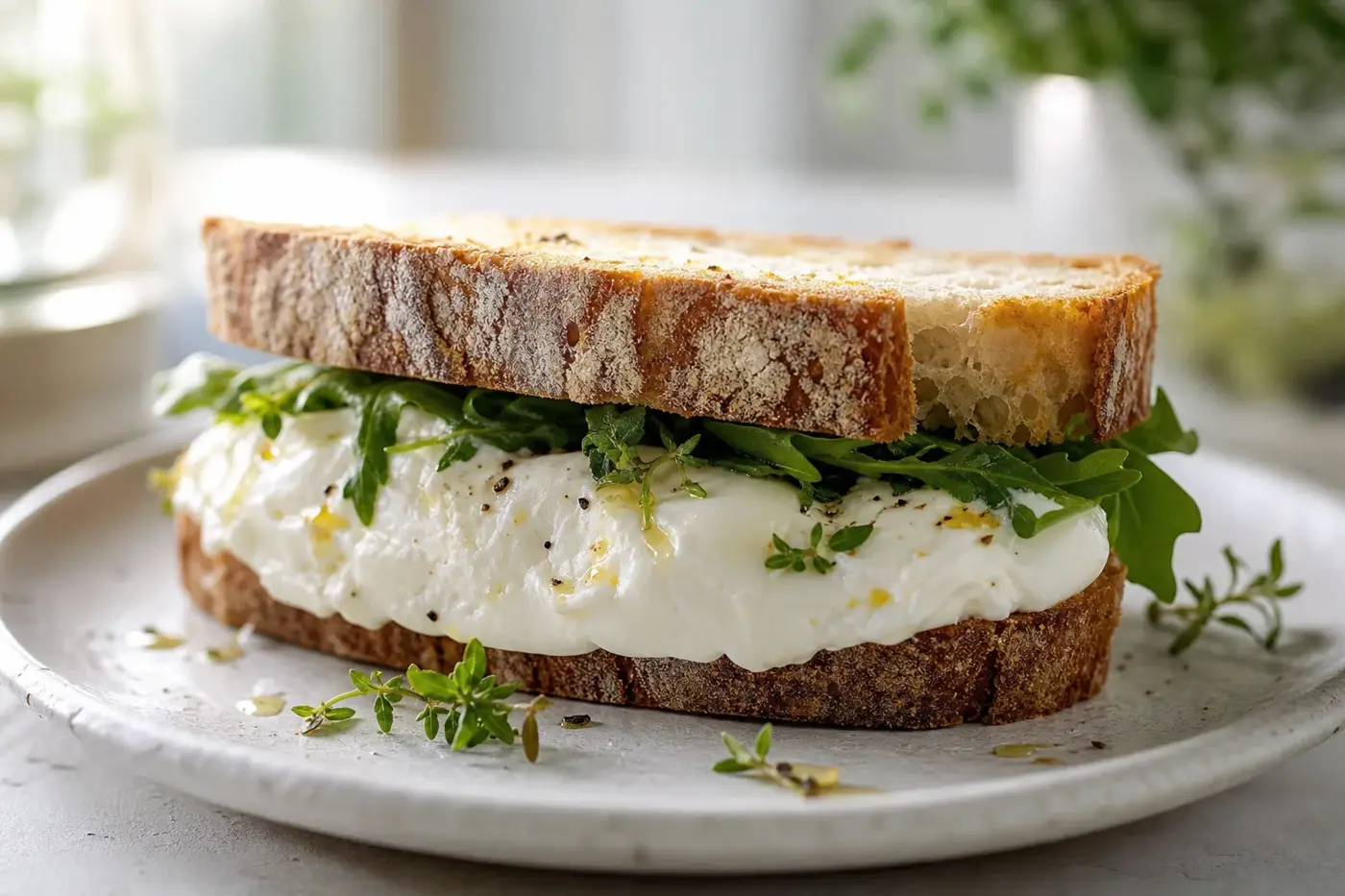
Spread a little Philadelphia on your sandwich and you have already taken a small geographical detour. This soft cheese brand began in New York: Mondelēz dates its origins to 1872, with the Philadelphia name following in 1880. That city’s reputation for good food supplied the inspiration. The sandwich, at least, knows where it is going. [1,2]
The nineteenth-century American brand is now a familiar presence in British fridges. Its name, though, tells you neither a traditional cheese style nor a required place of manufacture. Ownership and recipes vary by market, so start with the country on the label. [1,2]
| At a glance | What to know |
|---|---|
| Brand | Philadelphia [1] |
| Britain and continental Europe | Mondelēz International group [2,3] |
| United States | The Kraft Heinz Company group [3,4] |
| Exact rights-holding entities | Not identified |
| British products compared | Original; Light; Garlic & Herbs [5,6,7] |
| British product descriptions | Full fat soft cheese; medium fat soft cheese [5,6,7] |
| Brand introduced | 1880, according to Mondelēz [1] |
| British manufacturing site | Not identified |
| Ownership information date | November 2026 [2,3,4] |
From New York beginnings to a Philadelphia name
Before the familiar tub, there was foil. It entered Philadelphia’s story in 1920, according to Mondelēz’s published history. By then, the cheese had travelled from its New York beginnings in 1872 through the adoption of its name in 1880. Its trademark had passed to the Phenix Cheese Company in 1903. [1]
Philadelphia supplied the reputation for good food; New York supplied the beginnings. The brand owner’s chronology then takes you to Europe in the 1960s, including Britain and Germany. This is the growth of a commercial brand, rather than the history of a traditional regional cheese. [1]
That distinction is useful when you shop or cook. Cream cheese is a category; Philadelphia is a brand within it. Compare other soft cheeses by their ingredients and how they perform, rather than asking one familiar name to speak for the whole style. [9]
One familiar name, different owners
Pick up a British tub and an American pack and you will find the same name, but different group owners. Mondelēz International holds Philadelphia in Britain and continental European markets. The Kraft Heinz Company holds it in the United States, and both companies include it in their brand portfolios. [2,3,4]
The split grew out of the separation of Kraft’s North American grocery business in 2012. The trademark agreement dated 27 September 2012 explicitly identifies Philadelphia as a split-ownership brand. Mondelēz’s 2025 annual report, published in 2026, continues to describe reciprocal intellectual property licences arising from that separation. [2,3]
Ownership, licensing and manufacturing tell you different things. A licence permits particular intellectual property to be used under agreed conditions; it does not identify the factory that filled your tub. With an imported product, read the local label, responsible business and ingredients. British product information belongs to the British product. [2,3]
Lift the lid on the British ingredients
Milk and cream are where the British dairy range begins. For Original, the manufacturer lists full fat soft cheese, salt, guar gum as a stabiliser and citric acid as an acid. It also states that the milk is pasteurised and the cheese is suitable for vegetarians. [5]
Light and Garlic & Herbs take a slightly different route. Both contain guar gum and carrageenan as stabilisers, alongside citric acid. Garlic & Herbs also lists garlic at 1.3% and herbs. You are looking at differences in formulation, not just flavour and fat content. [6,7]
Give those stabilisers their moment on the ingredient list, too. When you compare tubs, read the full list and the stated functions rather than stopping at the brand name. For the bigger picture, how cheese is made takes you through milk treatment, cultures and curd formation. [5,6,7]
Try a plain taste before the toppings
“Fresh” and “creamy” recur in the manufacturer’s descriptions. Spreading, cheesecake and sandwiches feature prominently in its British presentation. Before you put your tub to work, give colour, smoothness and spreadability their own moment, separate from flavour. [9]
Taste how mild or tangy the cheese seems before adding strongly flavoured accompaniments. Then let your dish lead the way. Plain soft cheese leaves room for other ingredients, while Garlic & Herbs brings its seasoning with it. [7,9]
For desserts, follow the version specified in your recipe. Tubs carrying the same brand name need not behave identically. Your cheesecake has no particular loyalty to the logo. [7,9]
Meet the three British tubs side by side
Original has the most fat of these three products; Garlic & Herbs has the most salt. These figures come from the manufacturer’s British product pages, with November 2026 as the information date. Every quantity is per 100 g of cheese, not fat in dry matter. [5,6,7]
| British product | What the label calls it | Fat (g/100 g) | Saturates (g/100 g) | Salt (g/100 g) |
|---|---|---|---|---|
| Original | Full fat soft cheese | 21.0 | 14.0 | 0.75 [5] |
| Light | Medium fat soft cheese | 11.0 | 7.2 | 0.80 [6] |
| Garlic & Herbs | Medium fat soft cheese | 10.5 | 6.9 | 1.15 [7] |
Original also has the highest saturated fat. Light contains slightly more salt than Original, though less than Garlic & Herbs. “Lighter” changes some nutrients without reducing every one, so look for the figure that matters to you. [5,6,7]
Make a little time for the label
On the British product pages, Original is “full fat soft cheese”. Light and Garlic & Herbs are “medium fat soft cheese”. Those descriptions identify the individual foods beneath the Philadelphia name. The prominent branding cannot tell you their full composition. [5,6,7]
Read the food description alongside the ingredients, allergen information and nutrition. Check the country of sale, particularly with an imported pack or an American recipe. The guide to reading a cheese label helps you separate the brand, the food’s name and the information around them.
Picture the serving on your plate
A thin sandwich layer and a generous filling give you different amounts of cheese. How much you eat, and how often, matters: the NHS advises UK readers to keep track of both because cheese can be high in saturated fat and salt. It also recommends comparing dairy labels, rather than giving an entire brand a health verdict. [10]
For a 30 g serving, multiply each per 100 g figure by 0.3. The table does that calculation for you, with rounding for readability. Treat 30 g as a measuring aid, not a personalised dietary recommendation. [5,6,7]
| British product | Energy (kcal/30 g) | Saturates (g/30 g) | Salt (g/30 g) |
|---|---|---|---|
| Original | 67.5 | 4.20 | 0.23 [5] |
| Light | 45.6 | 2.16 | 0.24 [6] |
| Garlic & Herbs | 44.7 | 2.07 | 0.35 [7] |
Measure your usual serving once and those numbers become easier to picture. For a dish you share, consider the cheese in the whole recipe and how you divide it. The other ingredients contribute to the total, too.
Find the guidance for your dietary needs
All three British products here use pasteurised milk and are suitable for vegetarians, according to the manufacturer. All three contain milk. If you choose another flavour or an imported pack, read its declarations separately. [5,6,7]
For pregnancy in the UK, the NHS includes pasteurised cream cheese among the soft cheeses you can eat. It distinguishes these from mould-ripened soft cheeses and soft blue cheeses, which require thorough cooking until steaming hot. Consult the current NHS guidance alongside your particular product’s label. [11]
Lactose intolerance and allergy to cows’ milk protein are different conditions. The NHS describes lactose intolerance as difficulty digesting milk sugar, and advises speaking to a GP or another health professional if you suspect either condition. You can find ingredient checks and a fuller explanation in cheese allergy and lactose intolerance. [10]
Plan a second outing for your tub
The British brand presents Original for cheesecake and bagels, Light for sandwiches and pasta, and Garlic & Herbs for wraps and savoury sauces. Choose plain soft cheese when you want control over a filling’s flavour. Reach for a seasoned version when garlic and herbs suit the other ingredients. [6,7,9]
Before you open the tub, think about where you might use it next. Plain cheese can fill a sandwich and later go into a sauce; a garlic version can season both a wrap and a pasta dish. Matching the pack size to those plans can help reduce waste. [6,7]
Once it is open, follow the storage instruction on your own British pack and write the opening date on the lid. Read the opened-pack instruction alongside the printed date, then work to whichever limit comes first. For broader questions, turn to storing cheese at home.
Follow the milk, then sort the packaging
Where does the milk in this particular product come from? That question gets you closer to sourcing than asking whether the branding feels British. The brand’s British website describes work with milk suppliers on farming practices and animal welfare. It is the manufacturer’s account of its supply chain. [8]
Packaging calls for a local eye, too. The company says its tubs and their components are designed for recycling when separated, and asks you to check local collection arrangements. Follow the pack’s disposal directions, including separating the membrane from the tub. Design and what your neighbourhood collects are different matters. [8]
Philadelphia’s story takes you from a dairy product to an international business, through territorial brand rights, locally specified products and packaging suited to everyday use. For you, the clearest comparison is still between actual packs. Their descriptions, ingredients, nutrition and instructions reveal more than a familiar name or a photograph of a serving suggestion. [2,3,5,6,7,8]
Keep exploring labels and milk
- Raw Milk, Thermised and Pasteurised Cheese: get to know the differences between milk treatments.
- How to Read a Cheese Label: take a closer look at ingredients, descriptions and declarations.
General information only, not medical advice: follow the official guidance where you live.
Questions people ask
Can you eat Philadelphia during pregnancy?
The NHS includes pasteurised cream cheese among the soft cheeses that can be eaten during pregnancy. The manufacturer says the three British products compared on the page are made with pasteurised milk. Check the current NHS pregnancy guidance and the product label.
Is Philadelphia suitable for vegetarians?
The manufacturer says British Original, Light and Garlic & Herbs are suitable for vegetarians. Check the declaration on other flavours or imported packs.
How does Philadelphia Light compare with Original?
British Light has 11 g of fat per 100 g, compared with 21 g in Original. Light has slightly more salt, at 0.80 g per 100 g compared with 0.75 g in Original.
What is in Philadelphia Original?
The British Original ingredients list contains full fat soft cheese, salt, guar gum as a stabiliser and citric acid as an acid. The manufacturer says the milk is pasteurised.
How should Philadelphia be stored after opening?
Follow the storage instruction on your own British pack and write the opening date on the lid. Read the opened pack instruction alongside the printed date and plan around whichever limit comes first.
Sources
-
Mondelēz International, Philadelphia, corporate brand history, undated, retrieved November 2026. Records the company’s account of the 1872 beginnings, 1880 brand adoption, naming explanation and subsequent expansion. Official brand history.
-
Mondelēz International, 2025 Annual Report on Form 10-K, 2026, “Intellectual Property” and exhibit index. Describes the 2012 separation and continuing intellectual property licensing framework. SEC filing.
-
Kraft Foods Global Brands LLC and Kraft Foods Group Brands LLC, Master Ownership and License Agreement Regarding Trademarks and Related Intellectual Property, dated 27 September 2012, Exhibit 10.4. Agreement filed with the SEC.
-
The Kraft Heinz Company, Brands, undated, retrieved November 2026. Includes Philadelphia in the company’s brand portfolio. Corporate brands page.
-
Philadelphia, Mondelēz International, Philadelphia Original, British product information, undated, retrieved November 2026. Ingredients, nutrition, pasteurisation and vegetarian declaration. British Original product page.
-
Philadelphia, Mondelēz International, Philadelphia Light, British product information, undated, retrieved November 2026. Ingredients, nutrition, pasteurisation, vegetarian declaration and suggested uses. British Light product page.
-
Philadelphia, Mondelēz International, Philadelphia with Garlic & Herbs, British product information, undated, retrieved November 2026. Ingredients, nutrition, pasteurisation, vegetarian declaration and suggested uses. British Garlic & Herbs product page.
-
Philadelphia, Mondelēz International, How we care, British website, undated, retrieved November 2026. Manufacturer statements on ingredients, supplier engagement and packaging. Manufacturer’s sourcing and packaging information.
-
Philadelphia, Mondelēz International, Our Story, British website, undated, retrieved November 2026. Manufacturer’s descriptions and presentation of the brand’s uses. British brand account.
-
NHS, Dairy and alternatives in your diet, reviewed 11 December 2023, retrieved November 2026. Sections on cheese, label comparisons, milk allergy and lactose intolerance. NHS dairy guidance.
-
NHS, Foods to avoid in pregnancy, current webpage retrieved November 2026. “Cheese, milk and other dairy”. NHS pregnancy guidance.
This desk-researched article compares the manufacturer’s British product information with corporate records and published NHS guidance.
Last checked: November 2026
Last checked November 2026.
The editors suggest you read next
Who Makes the World's Cheese? The Big Dairy Groups
You pick up Galbani at the cheese counter, then pause over Kerrygold.