Lactalis
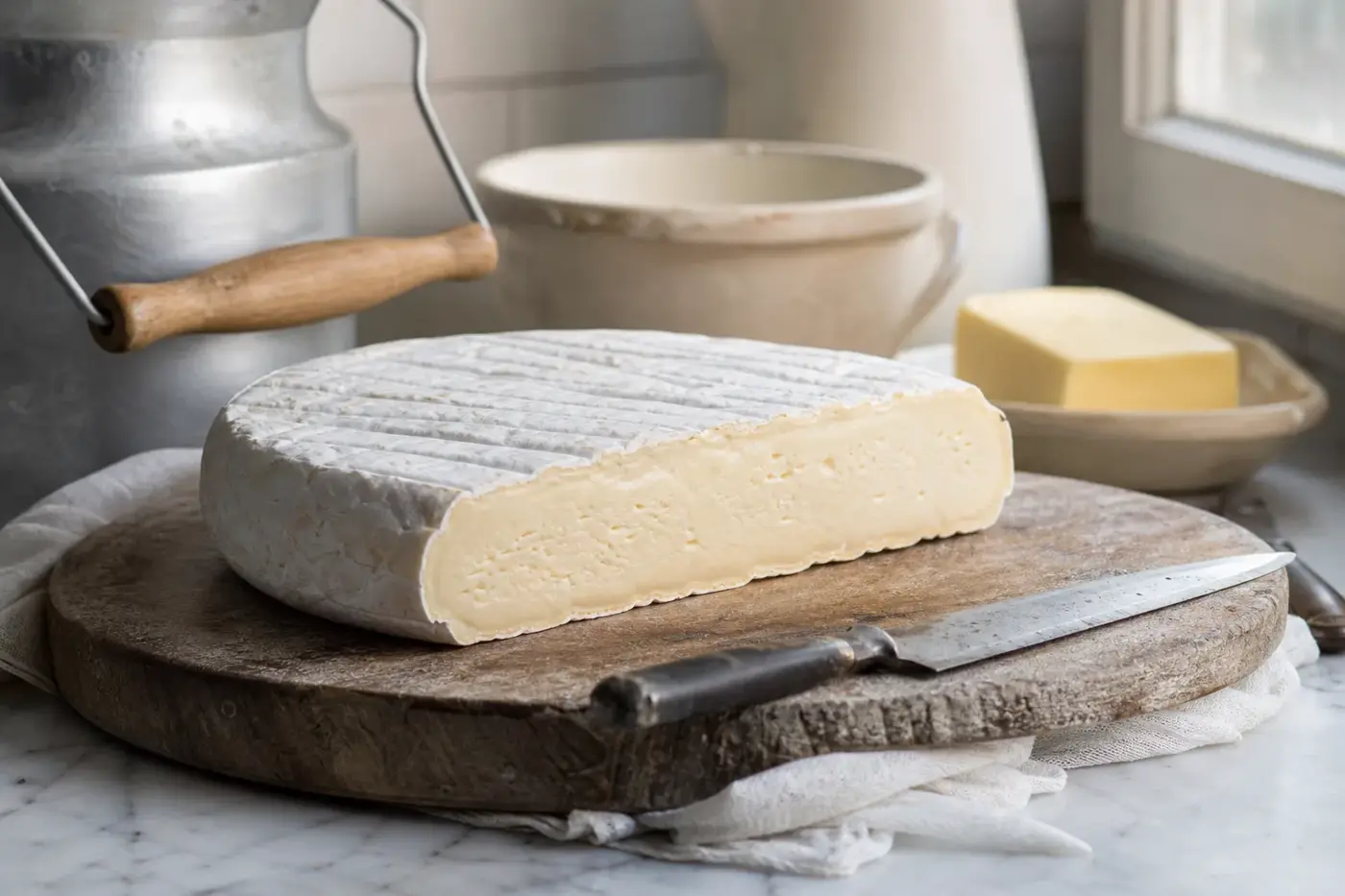
Picture seventeen Camemberts, made from 35 litres of milk collected around Laval.
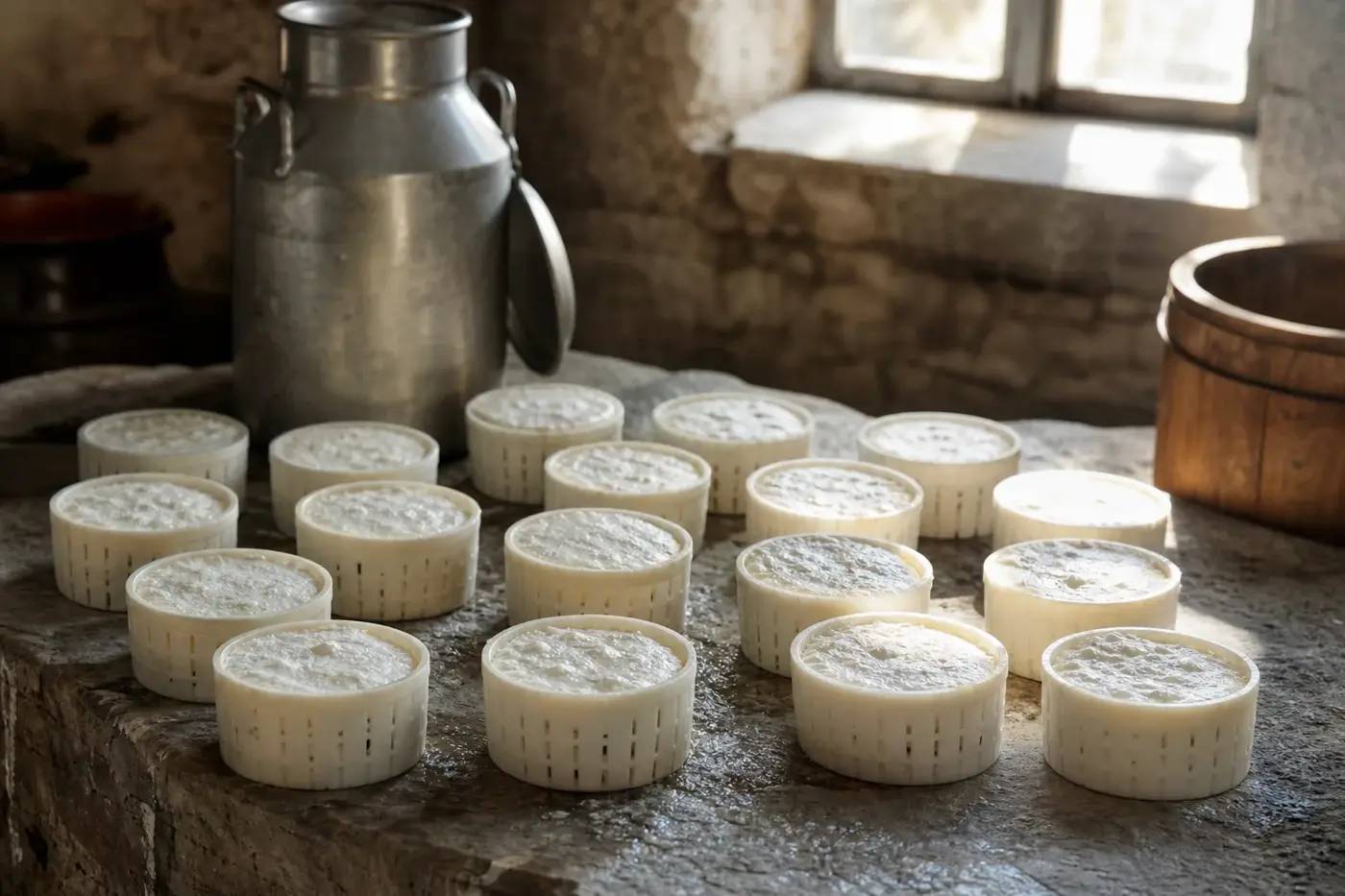
Picture seventeen Camemberts, made from 35 litres of milk collected around Laval. That was André Besnier’s first day’s work on 19 October 1933, according to the company’s account. Behind today’s supermarket shelves of Président, Galbani and other Lactalis cheeses sits that small beginning. Quite a journey for a day’s cheesemaking. [1,2,3,4]
You can still follow the trail back to Laval, where the French group remains based. Privately held and owned by the Besnier family, Lactalis links local milk collection and cheesemaking with international brands, acquisitions and distribution. The milk comes from somewhere particular; the business reaches far beyond it. [1,2,3,4]
| Meet the company | What you need to know |
|---|---|
| Exact legal entity | Groupe Lactalis, French company register number 331 142 554. [1] |
| Where it is based | Laval, Mayenne, France. [1,2] |
| Who owns it | A privately held family business controlled by the Besnier family, not a farmer-owned cooperative. [2,4] |
| Where the story began | 19 October 1933, with André Besnier. [2] |
| Some significant cheese names | Président, launched in 1968; Galbani, whose acquisition date remains unresolved because the company history gives both 2006 and 2008; Leerdammer, acquired in 2021. [3,5] |
| Latest published annual revenue available | 31.2 billion euros for 2025, covering the dairy group rather than cheese alone. [5] |
| One UK operating company | Lactalis McLelland Limited, company number SC014583, registered as active. [7] |
| Date of ownership and operating information | November 2026. [1,2,5,6,7] |
From seventeen Camemberts to a much bigger family
Behind those first cheeses were farmers supplying milk and a dairy turning it into something that could travel beyond the farm. It is a relationship you can still recognise today. The company’s unusually precise founding story puts André Besnier in Laval on 19 October 1933, transforming 35 litres of milk into seventeen Camemberts. [2]
The next family generation took charge in 1955, according to the company’s history. Président followed in 1968, giving shoppers a name that would outlast the original corporate identity. In 1999, Entreprise Besnier became the Lactalis Group. [3]
Acquisitions took the business into new places and different parts of the dairy trade. A majority stake in Parmalat followed in 2011, Leerdammer joined in 2021, and Italian hard cheese specialist Ambrosi arrived in 2023. Drinking milk, a recognisable cheese brand and a specialist cheese business each offered a different route to growth. [3]
Family ownership connects those chapters, but the production story has many branches. Today’s group brings together businesses with their own plants, products and commercial relationships. Its scale comes from linking those operations, not simply from enlarging the original Laval dairy. [2,3]
The names already in your fridge
You may know Président and Galbani rather better than you know Lactalis. The group’s current corporate presentation lists both among its major international brands, alongside Parmalat and its US Kraft cheese activities. Different products and markets sit beneath the same corporate roof. [5]
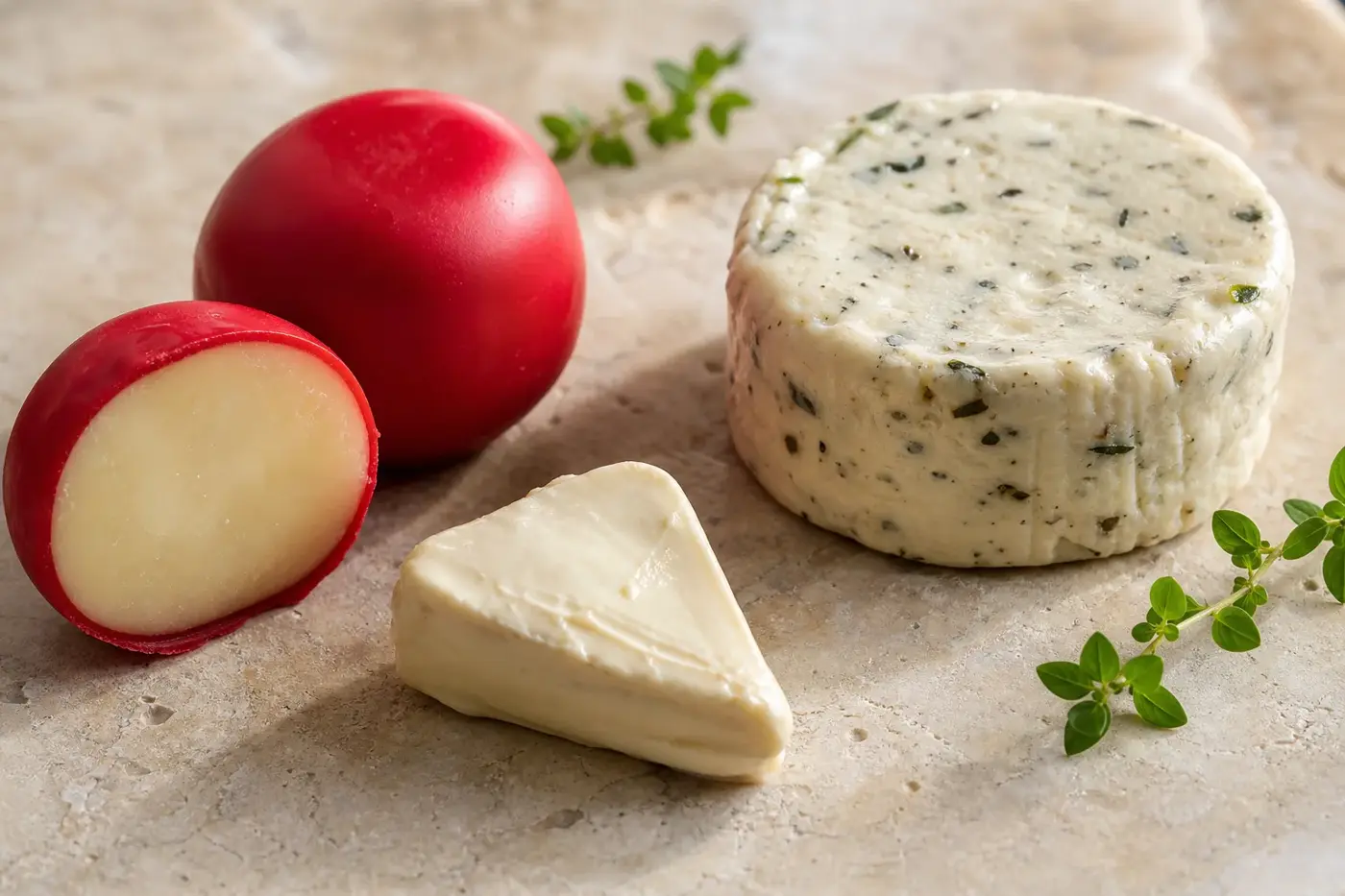
Président grew within the business, and its British range now stretches across cheese, butter and cream. Brie and Camembert are among the cheeses shown. Galbani came through acquisition and retained a prominent identity of its own; Lactalis’s UK website includes Galbani Mozzarella and Dolcelatte in its range. [3,8,9]
When you pick up a packet, keep one distinction in mind: a brand is not a company. The brand is the familiar name; the company is a legal organisation that can manufacture, distribute, license or own businesses and brands. “Lactalis UK & Ireland” describes a group of operations, not every legal company involved in a particular packet. [6,7]
Follow the trail from corporate owner to brand, then to the individual product and its documented maker or manufacturing location. That tells you more than treating the entire portfolio as interchangeable Lactalis cheese. Shared ownership begins the story, but it cannot tell you everything about what is on your plate. [6,7,8,9]
From Stranraer to your shopping basket
In Britain, Lactalis combines domestic production with its wider international portfolio. The company identifies manufacturing sites at Stranraer in Scotland and Lubborn in England, supported by UK supply chain and commercial teams. Its British cheese portfolio includes Seriously, Président, Galbani and Leerdammer. [6]
Seriously gives you a particularly clear route from packet to place. Lactalis says the brand’s cheddar is made at Stranraer using Scottish milk. Its account centres on cheesemaking experience and maturation, rather than leaving the French parent company’s identity to explain where your cheddar comes from. [10]
There is another useful distinction to take shopping. The British organisation separates its cheese, butter and cream businesses from Lactalis Nestlé Chilled Dairy, its Nestlé joint venture. Your yoghurt and cheddar can connect to Lactalis through different operating arrangements, even when they arrive home in the same bag. [6]
One owner, many ways to make cheese
Cheddar, Brie, Camembert, mozzarella and blue cheese products all appear in the British portfolio. You would not expect them to behave alike on your plate. There is no single “Lactalis method” behind them either: these are distinct styles, not one recipe dressed in different packets. [8,9,10]
The differences start with the making. Cheddar curds are drained and pressed, mozzarella curd is stretched, and a soft ripened cheese develops its rind during ripening. These describe the styles, rather than specifications for every Lactalis product; the guide to how cheese is made takes you through the processes.
A familiar logo cannot answer every production question. Président covers several dairy categories, while Galbani’s British presentation includes more than one cheese type. For milk treatment, coagulant or maturation, look into the named product rather than borrowing details from another cheese bearing the same logo. [8,9]
If you would like a clearer map of the families, turn to the guide to cheese styles. The separate guide to how cheese is made follows the production stages. One helps you understand the cheese; the other helps you understand what happens to the milk, quite apart from who owns the business.
Behind the brand, a farmer and a milk supply
Before a factory can make cheese, farmers must supply its milk. Lactalis’s British operating page identifies farmers supplying its factories, while the Seriously account connects Scottish milk directly with the Stranraer creamery. The brand on your packet can obscure that relationship: buying milk and marketing cheese are different parts of the same business. [6,10]
Collecting the milk is only part of the arrangement. Milk supply agreements set out how farmers and processors work together. The Australian competition regulator’s Lactalis proceedings show why publishing those agreements, and defining when they can be terminated, matter alongside the payment provisions. [11]
For a farmer, an agreement needs to explain what the processor requires and how the relationship can end. For a processor, dependable milk supplies help support manufacturing plans. Each needs the other, but their negotiating positions are not necessarily equal: the Australian regulator explicitly identified an imbalance in bargaining power when explaining its enforcement action. [11]
When you ask where the milk comes from, then, there are two useful answers to pursue. Country of origin supplies the geography. The farmer’s contract with the dairy explains the business relationship that brings milk to the factory, making sourcing a matter of governance too. [10,11]
What a bigger group can mean for a local dairy
Joining a larger group can give a dairy access to wider manufacturing, sales and distribution operations. You can see that arrangement in Lactalis’s British structure. Central supply chain, quality and commercial teams support production sites, bringing together functions that might otherwise sit apart. [6]
That coordination can support continuity and wider distribution. For the cheese you buy, though, the decisive changes happen at the dairy, not in an acquisition announcement. Look for investment, retained expertise and production decisions, then consider what reaches the customer: those are useful tests of what an acquisition delivers.
Scale also concentrates decision making. A shelf full of different labels may have fewer independent owners behind it than you expect. For farmers negotiating with a powerful processor, clear and accessible contracts become especially important, as the Australian case demonstrates. [5,11]
Two cases worth understanding: public health and farmer contracts
Craon: what stopped production, and what followed
The public health episode here concerns infant milk powders, not cheese. France’s agriculture ministry records that prefectural action stopped production at the Lactalis-owned CELIA facility in Craon on 9 December 2017. This followed the investigation into Salmonella Agona infections in infants; the ministry’s later account referred to 38 cases. [13]
On 31 May 2018, the ministry announced permission for adult milk powder production to restart gradually under official supervision. Products initially remained held, and infant powder production was still suspended at that date. Corrective work included dismantling equipment and permanently closing the drying tower that the ministry’s account identified as the source of contamination in 2005 and 2017. [13]
The chronology sets out both the incident and an official operational outcome. It draws your attention to the factory, the production activity and the corrective measures. Those details explain more about what happened than the parent company’s name alone can tell you. [13]
Australia: why the wording of milk contracts mattered
On 25 July 2023, the Australian Competition and Consumer Commission reported that the Federal Court had imposed penalties on Lactalis Australia. These concerned Dairy Code breaches relating to the 2020 to 2021 milk season. The court had found the breaches in September 2022. [11]
The agreements allowed unilateral termination in circumstances that did not involve a material breach by farmers, including clauses concerning public criticism. The regulator also reported that the agreements had not been published directly on the company’s website. It said the court found no evidence of actual harm, while recognising the possibility of a chilling effect on farmers. [11]
Contractual conduct and transparency were at the centre of the dispute. The case documents an imbalance in the relationship and shows why the wording and publication of supply agreements deserve your attention. Its findings concern these agreements, not every Lactalis supplier relationship worldwide. [11]
Read the family tree, then look at the cheese
Ownership helps you understand control, accountability and the connections between apparently separate brands. In Lactalis’s portfolio, a Scottish cheddar brand and an international soft cheese brand can share a parent while retaining different products and production locations. That corporate connection matters, but so do the differences beneath it. [6,8,10]
When you choose an individual cheese, start with the food. Read its product name, ingredients, declared origin and any manufacturing information supplied. Then use ownership information to understand the business behind it; the guide to reading a cheese label shows you how to follow that trail.
Be equally specific about quality. Does this cheese offer the texture, maturity and performance you need, and what does its maker document about production? A corporate family tree helps establish who is responsible, but it cannot choose your cheddar for you: the most useful answers about the cheese belong to the particular product.
Questions people ask
Who owns Lactalis?
Lactalis is a privately held family business controlled by the Besnier family. It is based in Laval, Mayenne, France, and is not a farmer owned cooperative.
Which cheese brands does Lactalis own?
Its brands include Président, Galbani and Leerdammer. Président was launched in 1968, while Leerdammer was acquired in 2021.
Where is Seriously cheddar made?
Lactalis says Seriously cheddar is made at Stranraer in Scotland using Scottish milk. Lactalis also identifies a manufacturing site at Lubborn in England.
Is all Lactalis cheese made in the same way?
No. Its British portfolio includes distinct styles such as cheddar, Brie, Camembert, mozzarella and blue cheese products. For details such as milk treatment, coagulant or maturation, investigate the named product.
What happened at the Lactalis facility in Craon?
Production stopped on 9 December 2017 following an investigation into Salmonella Agona infections in infants. France’s agriculture ministry later referred to 38 cases and announced a gradual supervised restart of adult milk powder production in May 2018. Infant powder production remained suspended at that date.
Sources
[1] Groupe Lactalis, Legal, current website edition, accessed November 2026. Registered entity, company number and Laval address. Official source.
[2] Groupe Lactalis, Most frequently asked questions, current website edition, accessed November 2026. Founding account, family continuity and operations directed from Laval. Official source.
[3] Groupe Lactalis, Our history, current website edition, accessed November 2026. Corporate chronology, brand launch and acquisitions. Official source.
[4] Lactalis Culinary, Parent company, undated company account, retrieved November 2026. Describes Groupe Lactalis as privately held and a family business. Company source.
[5] Groupe Lactalis, The Lactalis Group in figures, 2025 figures, accessed November 2026. Group revenue and international brand portfolio. Official source.
[6] Lactalis UK & Ireland, Lactalis UK & Ireland, current website edition, accessed November 2026. UK operating structure, manufacturing locations, central functions and farmer supply. Company source.
[7] Companies House, Lactalis McLelland Limited: company overview, company SC014583, accessed November 2026. Official register.
[8] Lactalis UK & Ireland, Président, current website edition, accessed November 2026. Dairy categories and displayed cheese range. Company source.
[9] Lactalis UK & Ireland, Galbani, current website edition, accessed November 2026. Brand presentation and links identifying Mozzarella and Dolcelatte. Company source.
[10] Lactalis UK & Ireland, Seriously, current website edition, accessed November 2026. Company account of Scottish milk, Stranraer production and maturation. Company source.
[11] Australian Competition and Consumer Commission, Lactalis penalised for Dairy Code breaches, 25 July 2023. Official source.
[12] US Department of Justice, U.S. v. Lactalis and The Kraft Heinz Company, case docket, including final judgment dated 15 March 2022. Official case record.
[13] French Ministry of Agriculture, Entreprise CELIA (Lactalis) en Mayenne : reprise partielle des activités sans commercialisation des produits et sous contrôle des services d’inspection, 31 May 2018. Official source.
This piece was researched from company records, Companies House, competition-enforcement records and French government reporting, with editorial interpretation distinguished from documented findings.
Last checked: November 2026
Last checked November 2026.
The editors suggest you read next
Who Makes the World's Cheese? The Big Dairy Groups
You pick up Galbani at the cheese counter, then pause over Kerrygold.