The wrapper rustles. Your cheese looks right, its aroma is familiar, and you are ready to put it on the plate. But the date matters: in UK food safety guidance, a use by date is a safety deadline, while a best before date guides quality. Cheese past its use by date should be discarded; passing a best before date does not automatically make it unsafe. [1,2]
The practical timings below follow Food Standards Agency (FSA) guidance for England, Wales and Northern Ireland. Food Standards Scotland and NHS advice are identified separately. Your own packet is the starting point: date rules from one country should not be carried over to another. [1,2,3]
Your quick kitchen checklist
- In England, Wales and Northern Ireland, the FSA advises cooking or freezing suitable food on or before its use by date, provided you have stored it correctly. [5]
- Use food within 24 hours of full defrosting, as the FSA advises, or sooner if your packet gives a shorter limit. [3]
- Follow the packet’s storage and opening instructions. Both affect how long your food keeps. [1]
Two small labels with very different jobs
A use by date tells you when to stop. A best before date guides quality. Food Standards Scotland draws a clear line: you can eat food on its use by date if you have followed its storage instructions, but not afterwards. A familiar smell or normal appearance cannot extend that deadline. [2]
That distinction has a legal basis. In Great Britain, Article 24 of the assimilated Food Information to Consumers Regulation provides for a use by date instead of a minimum durability date for foods that are highly perishable from a microbiological point of view and likely, after a short period, to constitute an immediate danger to human health. After that date, the food is deemed unsafe. Calling both labels “expiry dates” loses an essential difference. [4]
Turn the packet over before you unwrap
Before you reach for the cheese knife, read the date and its instructions together. Neither gives you the whole picture on its own. These four checks help you find what matters. [1]
- Find the date wording. Look for “use by”, “best before” or “best before end”, sometimes abbreviated to BBE. Read the words as well as the numbers. [1,5]
- Check the storage conditions. Does your cheese need refrigeration? Has the packet specified a temperature? [1]
- Find the opening instruction. Look for a separate limit on how quickly you should finish your cheese once opened. [1]
- Read before you freeze. Check any restrictions, along with directions for thawing or cooking, before freezing what is left. [3]
If you move your cheese into another container, keep the wrapper or photograph the complete label. The guide to reading a cheese label explains what else is worth keeping.
Past its use by date? Time to let it go
For cheese still chilled in its original state, the FSA says not to eat, cook or freeze it after its use by date. That applies even if you had planned to cook it tomorrow. Cook or freeze it on or before the date, while it has been correctly stored. [5]
Food Standards Scotland also advises against sniffing dairy products past a use by date. Bacteria that cause illness may be present without producing a warning smell. Discard the cheese rather than taking a small taste to decide. [2]
Cooking today? Check the centre too
Under FSA guidance, you can cook properly stored cheese on its use by date, up to midnight. Follow your recipe and the packet instructions for thorough cooking. A melted surface is not enough: the whole dish, including its centre, should be steaming hot. [5,6]
Once cooked, cool the dish and get it into the fridge within two hours. Dividing a large dish into smaller portions helps it cool promptly. The FSA advises eating refrigerated leftovers within 48 hours, or freezing them if you cannot. [3,6]
Write the cooking date on the container so you know where you stand. When reheating, heat until steaming hot throughout and reheat only once, as the FSA advises. Plan your portions rather than repeatedly warming the whole dish. [6]
Freezing cheese starts a different timetable
Suitable food can go into the freezer up to midnight on its use by date, according to the FSA. First, check that your packet permits freezing. Wrap or contain the cheese securely, then label it with its identity and freezing date. The agency recommends a freezer around -18 °C (0 °F). [3]
Defrost your cheese in the fridge, following the packet instructions, and use within 24 hours of full defrosting. If you use a microwave to defrost, the FSA advises doing this immediately before cooking. [3]
Any spare days on the chilled date do not return after thawing. Freezing cheese with several days remaining does not give you several fresh days in the fridge once it has defrosted. Follow the FSA’s 24 hour instruction and any shorter limit on your packet. [1,3]
Best before gives you room for judgement
For correctly stored cheese with a best before date, passing midnight does not automatically make it unsafe. Food Standards Scotland explains that flavour, colour or texture may become less satisfactory afterwards. Your decision is about quality, considered alongside the storage and opening instructions. [2]
For foods with best before dates, the FSA’s food fact checker allows sensory checks. You can look for mould or changes in texture and smell dairy foods for souring. These observations help you spot deterioration; they cannot overrule a use by date. [7]
Make the decision about the cheese you actually have, not a similar packet. Read its wording, consider how you have stored it and when you opened it, and check whether its condition has changed. Another packet’s date cannot extend your own. [1,7]
Your fridge and opening date count too
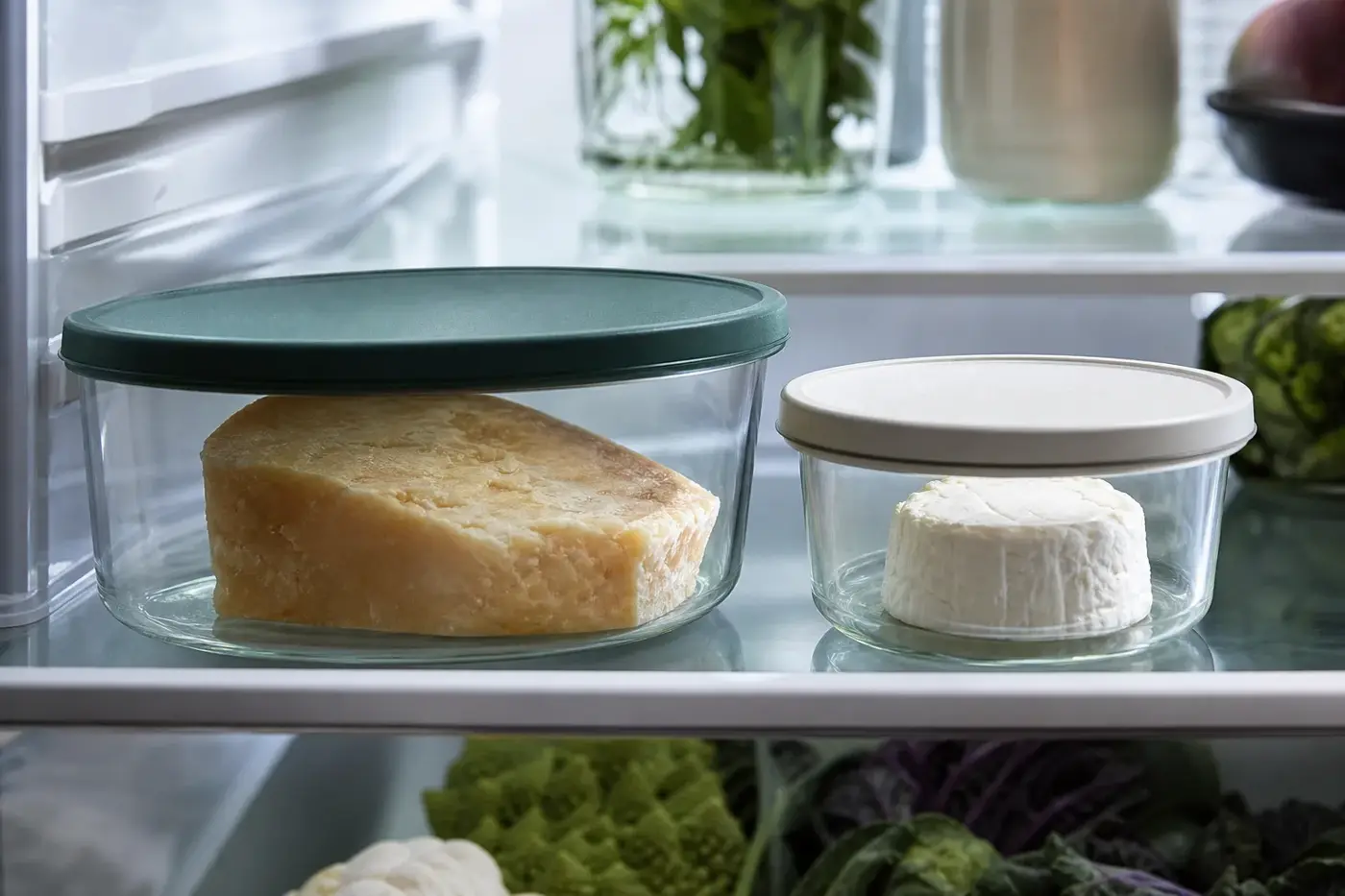
A printed date relies on the right storage conditions. The FSA warns that incorrectly stored food can become unsafe before its use by date. Keep chilled cheese at the temperature on its packet; the agency’s general advice for a home fridge is 5 °C (41 °F) or below. [1]
Opening the packet brings another limit into play. If it says to finish your cheese within a stated period after opening, follow that period and never exceed a use by date. Note the opening date straight away, particularly if you share a fridge. [1,8]
The NHS’s UK listeriosis guidance advises using opened food within two days unless the packaging says otherwise. Read that general instruction alongside your particular product’s directions. For wrapping, fridge organisation and everyday handling, see how to store cheese at home. [9]
Get acquainted with your cheese’s rind and aroma
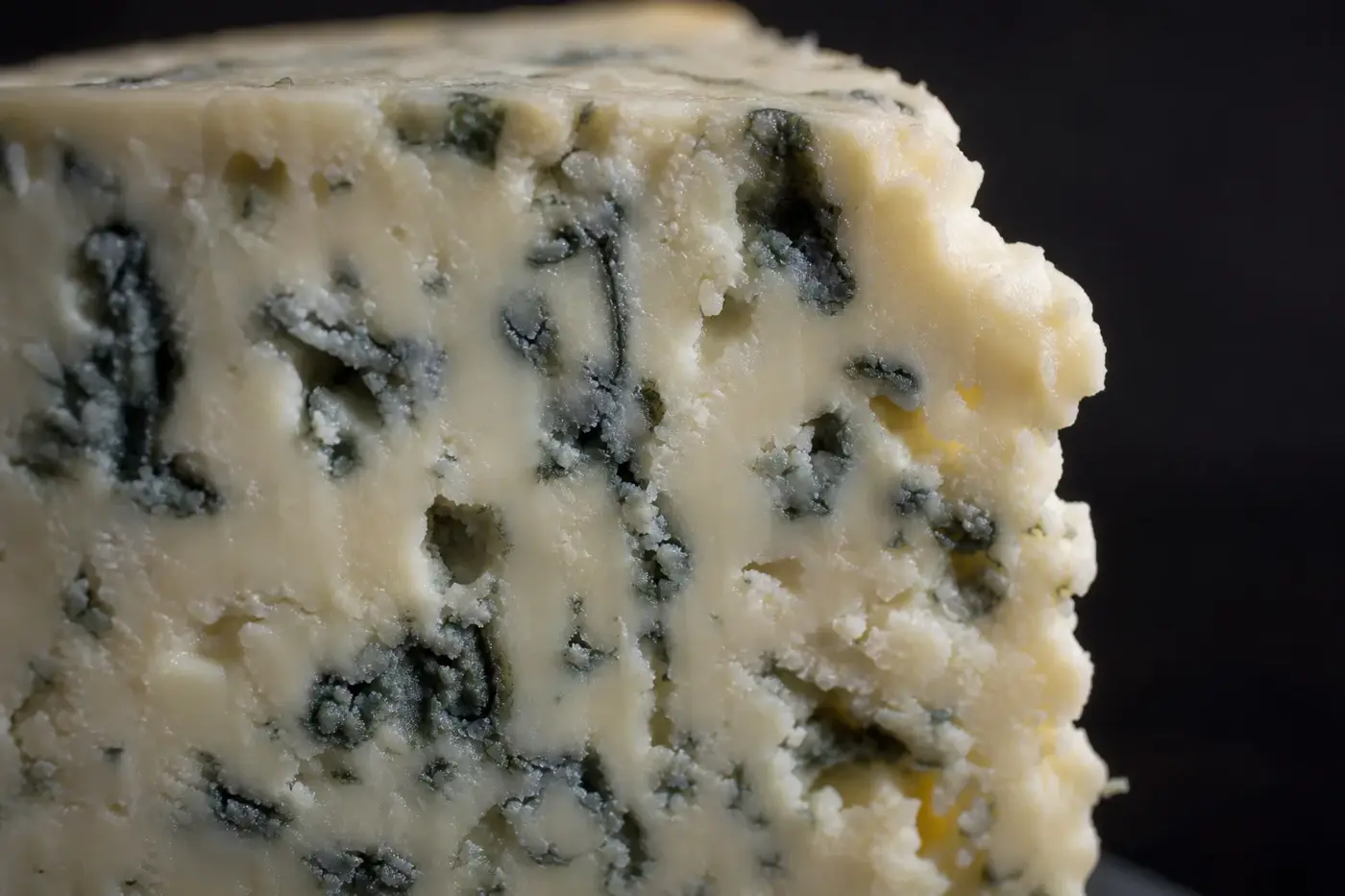
A white mould rind or blue veining may be exactly what your cheese should have. The FSA’s cheese guidance distinguishes mould integral to the product from unexpected contamination. An intended moulded rind calls for a different judgement from a new patch on a cheese that should not have one. [10]
Aroma needs context too. Compare it with the maker’s description, or ask your cheesemonger what you should expect. If your cheese seems newly unpleasant, shows unexpected growth or has changed in a way you cannot explain, stop and seek product guidance. Do not take an experimental taste. [7,10]
Smell and texture are among the FSA’s quality clues for best before foods. With a use by date, however, even a familiar aroma cannot tell you that harmful bacteria are absent. [7]
This page summarises published guidance from the official sources it cites. It is not medical advice. Guidance differs between countries and changes over time, so check the current source for where you live, and ask your doctor, midwife, pharmacist or dietitian about your own circumstances.
Unexpected mould calls for a separate decision
Unexpected mould reaches more deeply into soft cheese, and the whole cheese should be discarded, according to the FSA’s cheese recovery guidance. That guidance distinguishes soft cheese and small hard cheese pieces, including gratings and shavings, from large hard blocks. Its recovery procedures for hard blocks are directed at approved businesses with documented controls. [10]
For decisions in your own kitchen, turn to Mould on Cheese: When to Cut and When to Bin for detailed handling advice. Leave your cheese uneaten until you have identified it and established the right action. Cutting away a patch cannot override a passed use by date or a recall instruction. [2,10,11]
When choosing cheese needs extra care
Pregnant people, newborn babies, people with weakened immunity and older people are more vulnerable to serious listeriosis, the NHS explains. Its UK advice includes keeping chilled foods cold and following storage directions. It also advises eating, cooking or freezing food by its use by date. [9]
During pregnancy, the kind of cheese matters as well as its date. The NHS says mould-ripened soft cheeses with a white coating, whether pasteurised or unpasteurised, and soft blue-veined cheeses must be thoroughly cooked. These cheeses are allowed when cooked until steaming hot. [12]
The same NHS page lists hard cheeses made with pasteurised or unpasteurised milk, and specified pasteurised soft cheeses, among its permitted choices. Check the current list, because the advice is not the same for every soft cheese. Follow any individual advice from your doctor or midwife. The listeria and cheese safety guide gives you the wider context. [12]
At the counter, have a word with your cheesemonger
No date on the wrapping? Ask your cheesemonger how to store that particular cheese and when to finish it. Have the guidance written on the wrapper, or note it before leaving. Ask whether it needs refrigeration, whether you can freeze it, and what its rind and aroma should normally be like.
Find out whether the suggested keeping period assumes unopened wrapping, and how cutting or rewrapping changes things. If you lose the information later, contact the seller again. A similar-looking supermarket pack is not a sound basis for deciding how long to keep yours.
A recall takes priority over the date
A date still in the future does not cancel a recall. If you hear a warning about cheese you have bought, check the official recall notice. Match the product name, pack details, batch and date, then follow the notice’s instructions. [11]
Keep the packaging so you can identify your cheese accurately. If you cannot establish whether it is affected, ask the retailer and leave it uneaten while checking. Follow the instructions for returning or disposing of it rather than trying to make it usable by cooking or freezing. [11]
Keep these guides close to your cheese board
- How to Store Cheese at Home: practical help with wrapping, refrigeration and everyday handling.
- Mould on Cheese: When to Cut and When to Bin: detailed advice for dealing with unexpected mould.
- Cheese Food Safety: The Complete Guide: your reference for the wider food safety picture.
Still have storage questions? The related guides to freezing cheese, cheese lifespan and edible rinds are there for your next cheese-board reading session.
Questions people ask
What is the difference between a use by date and a best before date on cheese?
A use by date is a safety deadline, while a best before date is a guide to quality. Food Standards Scotland says flavour, colour or texture may be less satisfactory after a best before date. A familiar smell cannot extend a use by date.
Can I freeze cheese on its use by date?
The Food Standards Agency says suitable, correctly stored food can be frozen on or before its use by date. Check that the packet permits freezing. Defrost it in the fridge and use it within 24 hours of full defrosting, or sooner if the packet gives a shorter limit.
Can I eat cheese with unexpected mould on it?
The Food Standards Agency says unexpected mould penetrates more deeply into soft cheese and the whole cheese should be discarded. Its guidance distinguishes soft cheese and small hard cheese pieces from large hard blocks. See the page’s guide to mould on cheese for household handling advice.
Which cheeses can I eat during pregnancy?
The NHS says soft cheeses with a white mould rind and soft blue cheeses must be thoroughly cooked until steaming hot. It lists hard cheeses made with pasteurised or unpasteurised milk, and specified pasteurised soft cheeses, among its permitted choices. Check the current NHS pregnancy guidance for the full list and follow individual advice from your doctor or midwife.
How long does cheese last after opening?
Follow the period stated on the packet and never exceed a use by date. The NHS advises using opened food within two days unless the packaging says otherwise. The Food Standards Agency warns that incorrectly stored food can become unsafe before its use by date.
Sources
- Food Standards Agency, Understanding food labelling: Best before and use-by dates. Current GOV.UK web edition, checked November 2026. Covers date meanings, storage, opening instructions and the periods following cooking or defrosting. Official guidance.
- Food Standards Scotland, Use-by and best-before dates. Current web edition, checked November 2026. Covers safety versus quality, dairy products, sensory checks and storage conditions. Official guidance.
- Food Standards Agency, How to chill, freeze and defrost food safely. Published 18 December 2017; current GOV.UK edition, checked November 2026. Applies to England, Northern Ireland and Wales. Official guidance.
- UK legislation, Regulation (EU) No 1169/2011, assimilated Great Britain text, Article 24, “Minimum durability date, ‘use by’ date and date of freezing”. Current displayed text, checked November 2026. Binding provision.
- Food Standards Agency, Best before and use-by dates. Official PDF edition, revision date not displayed; retrieved November 2026. Sections “Use-by dates are about safety” and “Best before dates are about quality”. Official PDF.
- Food Standards Agency, Cooking your food. Published 18 December 2017; current GOV.UK edition, checked November 2026. Sections on checking thorough cooking and using leftovers. Official guidance.
- Food Standards Agency, Home food fact checker. Updated 21 August 2026. Section “Does the sniff test work for milk and dairy food?” Official guidance.
- European Commission, “Best Before” and “Use By” dates on food packaging. Official consumer information sheet, edition date not displayed; retrieved November 2026. Supports the distinction between the printed date and instructions after opening. Official information sheet.
- NHS, Listeriosis. Last reviewed 10 November 2023; current web edition checked November 2026. Sections “Risks of listeriosis” and “How to avoid listeriosis”. Official guidance.
- Food Standards Agency, Cheese recovery guidance. First published 2007; current retrieved official PDF, checked November 2026. Guidance for businesses and local authorities, including distinctions between integral mould, contaminated soft cheese, small pieces and large hard blocks. Official guidance.
- Food Standards Agency, Alerts. Live official alert index, checked November 2026. Individual notices control the products affected and the required action. Official alert index.
- NHS, Foods to avoid in pregnancy. Current web edition, checked November 2026. Section “Cheese, milk and other dairy”. Official guidance.
Researched by comparing official date labelling, storage and food safety guidance, then applying those instructions to cheese handling situations without a site tasting or kitchen trial.
Last checked: November 2026
Last checked November 2026.
The editors suggest you read next
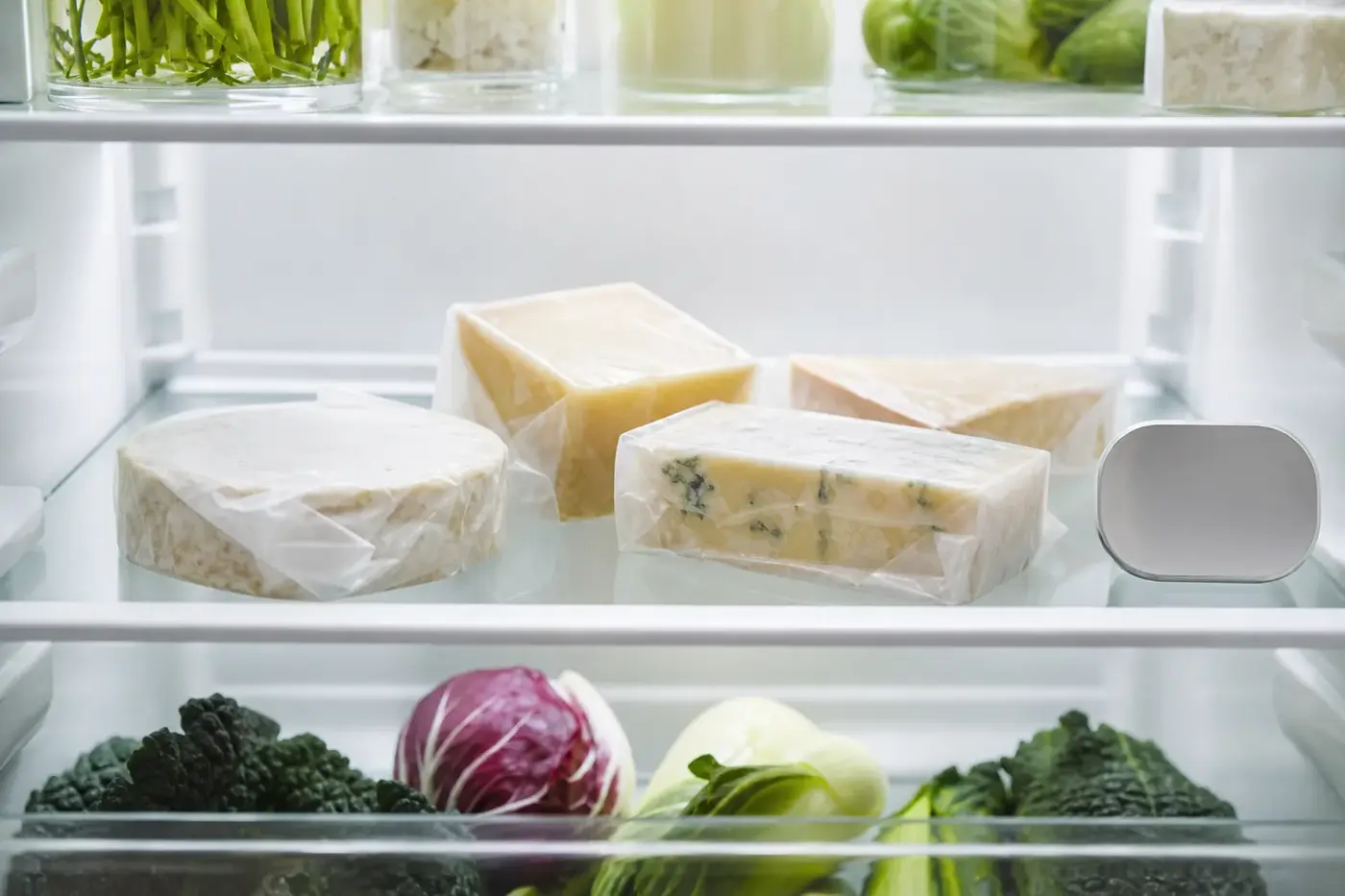
How to Store Cheese at Home
Open the fridge and a strongly aromatic cheese may introduce itself before you have found the milk.