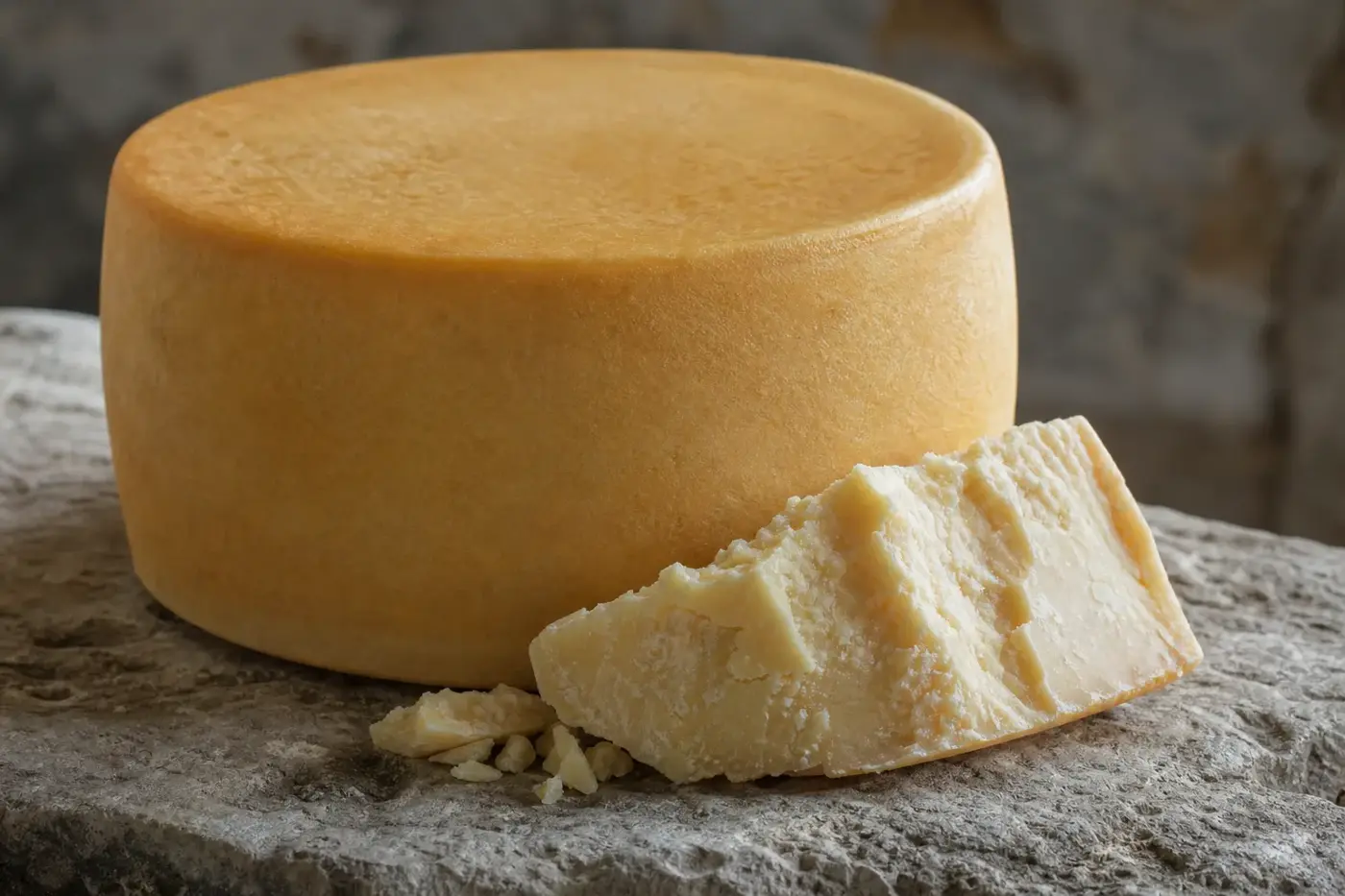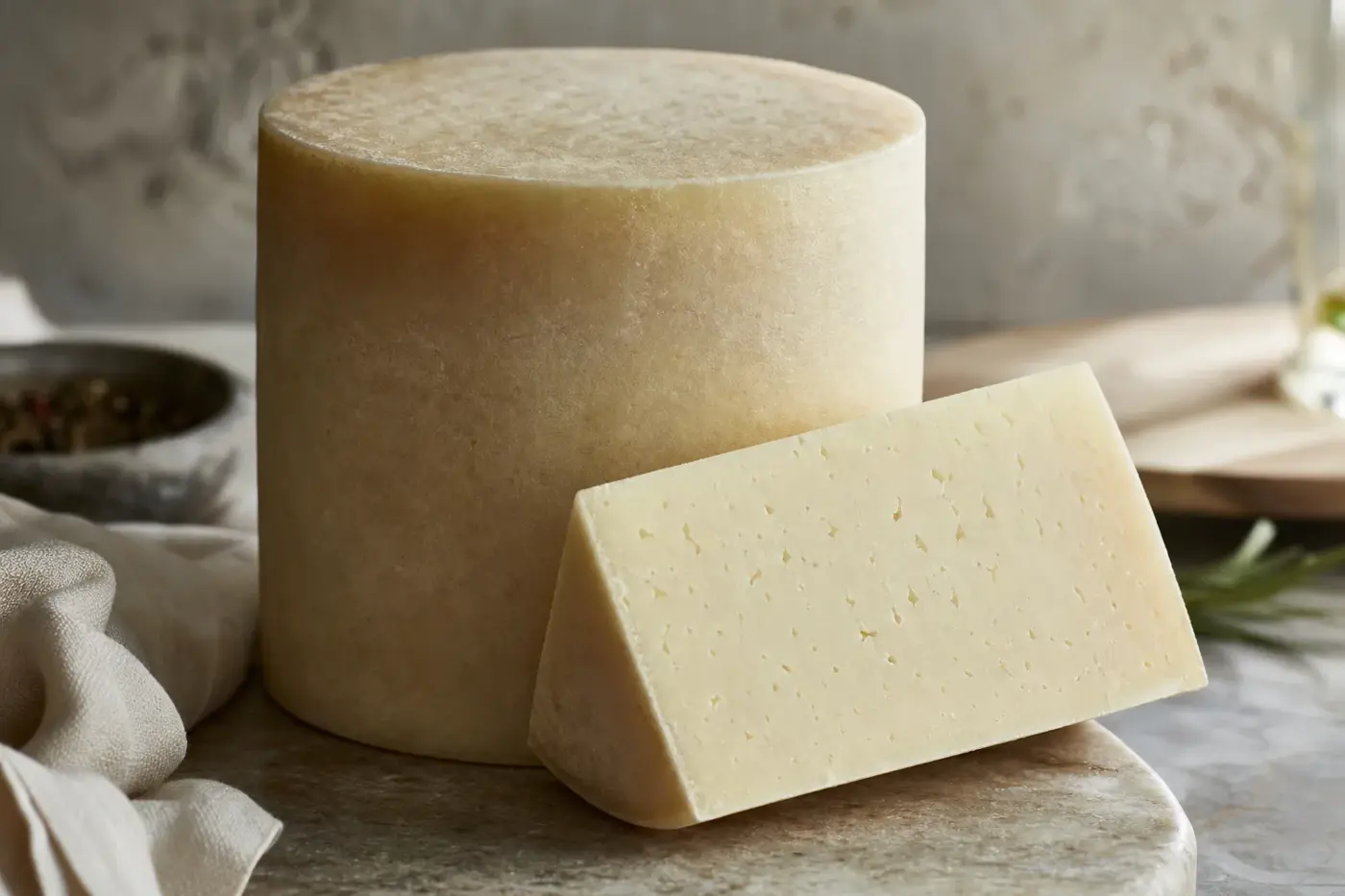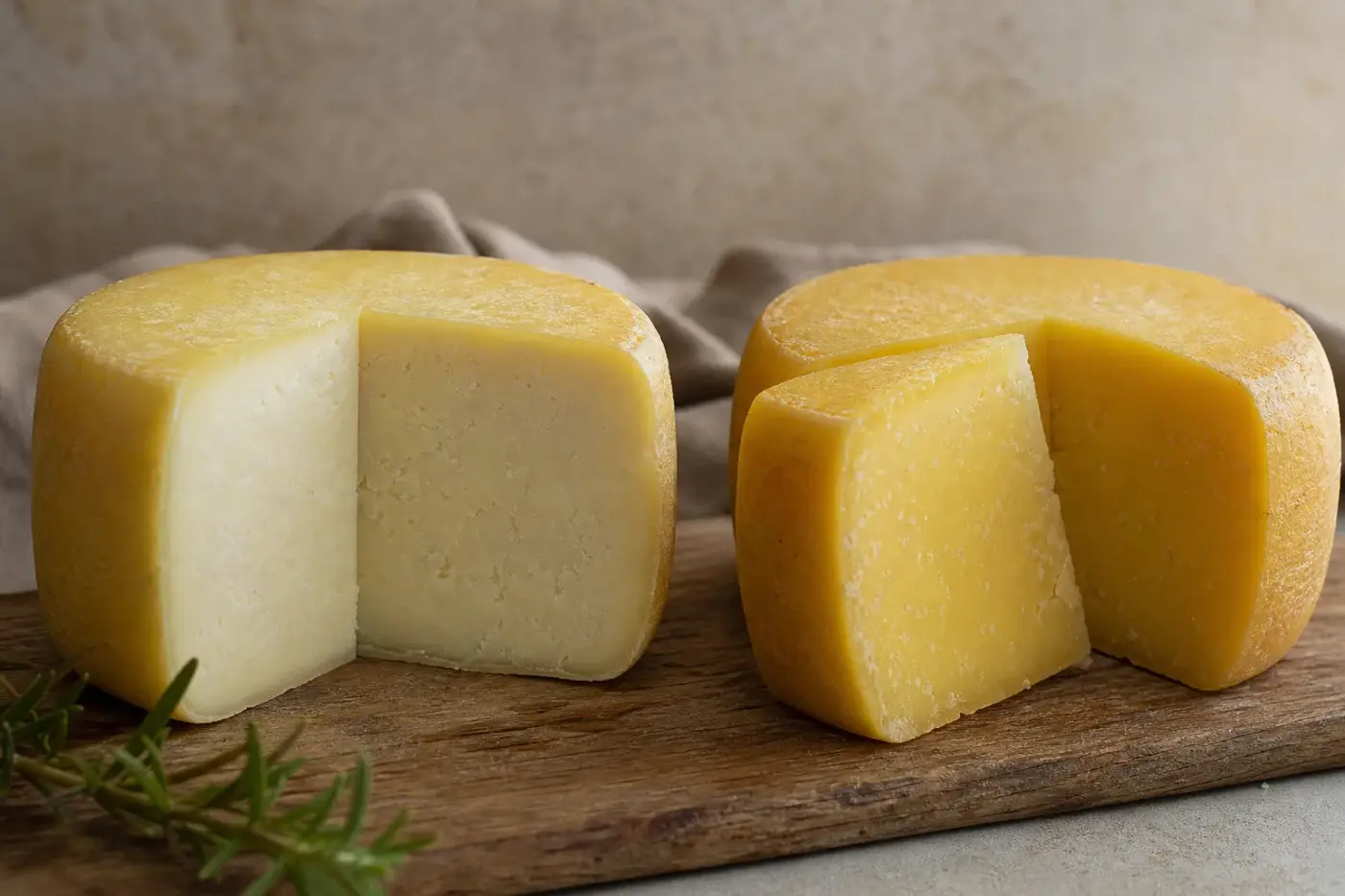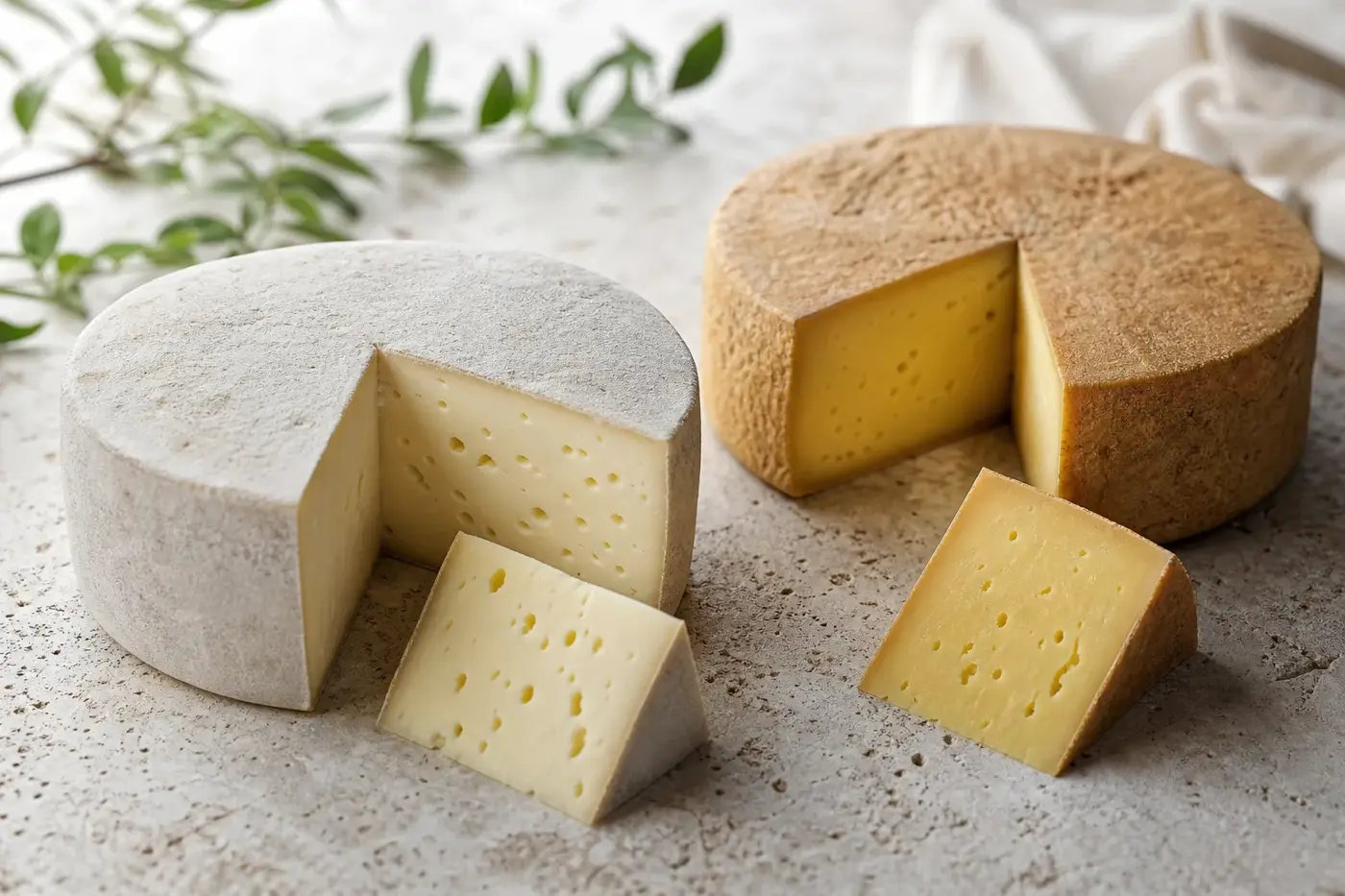
Put a pale, yielding slice of Bra Tenero beside a firmer piece of Duro. Taste gentle dairy flavours and elastic paste, then deeper colour and a more pronounced savoury bite. Choosing a favourite can wait until after your second slice.
Both lead you back to the Cuneo valleys. Here, local cheeses passed into the hands of Bra’s merchants, who matured them and carried them to tables across Piedmont and Liguria.[1][3][4]
| What you might want to know | Bra |
|---|---|
| The registered name to look for | Bra.[1][2] |
| Registration authorities | EU: European Commission; Great Britain: Defra.[2][8] |
| EU register identifier | Not provided here |
| Protection status, November 2026 | EU: listed as a PDO by the Italian agriculture ministry. Great Britain: registered PDO, registration dated 31 December 2020.[2][8] |
| Where the Italian specification says it must be made | The province of Cuneo and the municipality of Villafranca Piemonte, covering milk production, cheesemaking and maturation.[1] |
| Milk in the vat | Cow’s milk, optionally with sheep’s milk, goat’s milk or both, together no more than 20%.[1] |
| Milk treatment | Optional hygienic treatment permitted; ask the maker about your particular cheese.[1] |
| What sets the milk | Animal rennet containing at least 80% chymosin, or a non-animal coagulant.[1] |
| Fat requirement | At least 32% fat in dry matter.[1] |
| When it is made | All year.[1] |
Meet Tenero and Duro, side by side
Would you like a yielding slice or something with a more assertive voice? Tenero gives you the former; Duro brings stronger flavour and can also be grated. These are two specified versions of Bra, with different curd treatments as well as different maturation periods.[1][3]
The Italian specification sets out their differences below. Those maturation figures are legal minima, not the age of every wedge you will meet. Ask how old the cheese on the counter actually is.[1]
| How the Italian Bra PDO specification distinguishes them, November 2026 | Bra Tenero | Bra Duro |
|---|---|---|
| Minimum maturation | 45 days | Six months |
| Colour inside | White to ivory | Light straw to ochre yellow |
| Texture inside | Moderately firm and elastic, with small, scattered holes | Small, scattered holes |
| Rind | Light grey, elastic, smooth and regular | Firm, hard and dark beige; food-grade oil treatment permitted |
| Specified flavour | Fragrant and moderately savoury | Savoury to strongly savoury |
Source: Italian Bra PDO specification, Articles 2 and 5.[1]
For your first encounter, ask for a piece of each. Taste them plain before bringing in bread or fruit. Side by side, their differences are much easier to follow than if you leave several weeks between introductions.
Follow the merchants into Bra’s past
The name on your cheese remembers a trading town. The regional agriculture authority describes Bra historically being made in the mountains, foothills and neighbouring plains of the Maritime and Cottian Alps. From there, it came to Bra for maturing and trading.[3]
That account follows herders taking cattle down to the plains for winter, then returning to mountain pasture in spring. The protection consortium gives the town’s merchants their own part in the story. Its account describes traders from Bra maturing local cheese and taking it to markets in Piedmont and Liguria, where it became an ingredient in pesto.[3][4]
This is the history of a trade, rather than one route followed by every historical cheese. Nor is the town that lent Bra its name the whole territory allowed to make it. Your wheel need not come from a dairy in Bra itself: the PDO name depends on the defined production area and compliance with the production requirements.[1][4]
Keep that distinction in mind when you read a shop label. A merchant’s address tells you who is selling the cheese. If you cannot see the dairy or the version, ask for those separately.
Find the places behind your wedge
Bra’s geographical rules follow the cheese from milk to maturity. Milk production, cheesemaking and maturation must all happen within the whole province of Cuneo and the municipality of Villafranca Piemonte, in the province of Turin. Article 3 of the Italian specification includes Villafranca Piemonte for all three stages, not just maturation.[1]
You may encounter older promotional accounts describing a narrower cheesemaking area. Those include Villafranca Piemonte only for ageing. For production requirements, the ministry-published specification is the controlling source.[1][4]
Once making and maturing are complete, the geographical rules change. Portioning, prepacking and grating may happen outside the production area. A piece packed elsewhere can therefore still come from a wheel made under the Bra rules.[1]
Protection also depends on jurisdiction. Defra’s Great Britain register records Bra as registered, with an original EU registration date of 2 July 1996. For the wider difference between protected origin and an ordinary style description, see protected cheese names.[2]
Ask what went into the vat
Cow’s milk is Bra’s foundation, but it need not work alone. Sheep’s milk, goat’s milk or a mixture of both may join it, up to a combined maximum of 20%. That addition is optional, so the name Bra does not promise all three milks.[1]
The specification allows optional hygienic treatment and lactic cultures or natural starters. Partial skimming is permitted for Bra Duro and for both versions made as d’Alpeggio. Within those boundaries, each dairy has choices to make.[1]
The coagulant that turns milk into curd can be animal rennet or non-animal. If that matters to your choice, ask which was used in the particular cheese you are buying.[1] You can explore the different sources in the separate guide to rennet.
Three questions will serve you well at the counter. How was the milk treated, was sheep’s or goat’s milk added, and how old is the cheese? Those answers tell you more about your wedge than Tenero or Duro alone.
Step inside the dairy
Follow a batch of Bra and you move through milk coagulation, two-stage curd cutting, moulding, pressing, salting and maturation. If you are picturing the vat, the curd is the set milk solids. Whey is the liquid released as those solids are cut and worked.[1]
Coagulation happens at 27 to 38 °C (81 to 100 °F). When animal rennet is used, it must contain at least 80% chymosin, the principal milk-setting enzyme specified here. Non-animal coagulants are permitted too.[1]
Watch the cutting and the two versions begin to part company. Tenero’s first cut leaves pieces roughly the size of walnuts; the second takes them down to roughly maize-grain size. Duro starts smaller and finishes with pieces approximately the size of unhusked rice grains.[1]
After stirring and resting, the curd goes into moulds, with or without cloth, and is pressed. Duro’s curd may get an additional reworking if it is not releasing enough whey. Salting follows, either in brine or through two dry-salting applications.[1]
Maturation can happen in natural cellars or controlled rooms. The specification recognises both in its account of Bra’s regional character. A cellar photograph only tells you so much, so ask the maker how your particular wheel matured.[1]
If you would like to follow the common principles behind these stages, explore how cheese is made. It gives you the wider picture behind the work in the vat.
Take a slice of Tenero
Reach for a knife, not a spoon. Tenero’s white or ivory interior is moderately firm and elastic, with small, scattered holes rather than a densely opened texture. Its light grey rind is smooth and regular.[1]
The specification’s sensory description brings you yoghurt, butter and mild milk notes. It also names a distinctly sweet taste, without astringency or piquancy. The regional authority describes Tenero as fragrant, harmonious and savoury.[1][3]
A particular selection can speak a little louder. Affineur Guffanti describes its own Bra Tenero as fresh and intense, with notes associated with sheep’s and goat’s milk. Those tasting notes belong to Guffanti’s selection, rather than every Tenero you might buy.[5]
Choose it when you want the cheese to lead: in a sandwich, on a simple cheese plate or in a vegetable dish. Start with a plain slice. Then decide how much company it needs.
Let Duro show its deeper side
Duro arrives at the counter after at least six months of maturation. Beneath its firm, dark beige rind, the specification describes a straw-to-ochre interior. Expect a more decisive aroma and a savoury character that can become strongly pronounced.[1]
With prolonged ageing, its paste moves from firm and elastic towards hard, according to the regional authority. The authority’s published food guide also describes a sharper, savoury character in longer-matured examples. You have a cheese with a place both on your plate and at your grater.[3][7]
There is another named distinction beyond one year. Bra Duro aged for more than one year may carry the wording “Bra Duro dop Stravecchio”. That is separate from Duro’s six-month minimum.[1]
Ask the age before you choose your wedge. For the table, request a cut you can comfortably slice or shave. For cooking, tell the seller whether you want fine grated cheese or larger flakes.
Look at the rind, then read the label
Age is useful, but it cannot tell you everything. Milk composition, optional partial skimming, different curd cuts and the maturation environment all leave makers choices within the specification. Two cheeses of the same stated age can reflect different decisions at the dairy.[1]
Look at the surface as well as the label. Tenero’s pale, elastic rind contrasts with Duro’s harder, darker one, and Duro may be treated with food-grade oil. The specification describes Bra’s rind as non-edible, so remove it before serving or grating.[1]
A whole Bra is a substantial cylinder, with flat faces and slightly convex sides. At minimum maturation, the specification sets its diameter at 30 to 40 cm, its height at 6 to 10 cm and its weight at 6 to 9 kg. A wedge is a perfectly respectable level of commitment.[1]
When you buy one, ask to see the original wheel label. It connects your cut piece with the version and identification carried by the whole cheese.
Follow d’Alpeggio to the mountain pastures
Bra’s landscape includes plains and foothills as well as mountains. The regional authority connects its development with seasonal herd movements and locally grown forage. Under the specification, more than 50% of the animals’ ration by weight must come from the production area.[1][3]
The d’Alpeggio designation adds further conditions. It is tied to milk from grazing animals during the mountain-pasture season, from 1 June to 15 October. Supplementary feed is limited to 10% of daily dry matter.[1]
For stationary mountain farms, the qualifying pasture must be above 900 metres. The same seasonal and feeding conditions apply. Both Tenero and Duro can qualify.[1]
If mountain-pasture production matters to you, look for d’Alpeggio on the label. Ordinary Bra is also a regional farming product. The PDO name alone, though, does not establish summer mountain grazing.
Bring home the Bra for your meal
Start with what you want to eat. Tenero gives you slices and a gentler dairy profile; Duro brings a stronger presence, whether served at the table, shaved or grated. When buying loose cheese, ask for its maker, maturity and milk treatment.[1][3]
Follow the product’s storage instructions and date marking. For household storage advice in England, Northern Ireland and Wales, consult the Food Standards Agency’s published guidance, November 2026.[6]
Bring out a modest piece for your meal. Keep the rest refrigerated according to its instructions, rather than repeatedly putting the whole purchase on display. You will find more on wrapping and organisation in storing cheese at home.
For a tasting, serve Tenero before Duro, with separate pieces of plain bread. Notice how the paste resists your bite, then follow the dairy aromas and the balance of sweetness and savouriness. Give each cheese a little attention before you add stronger accompaniments.
Make room for Bra at your table
Begin simply: Tenero with polenta or bread, Duro shaved over vegetables or grated over a finished pasta dish. These suggestions draw on Tenero’s documented table use and Duro’s uses as both a table and grating cheese. Dinner need not become a project.[1][3]
The makers have ideas too. Pezzana suggests warm Bra Tenero in frittatas and flakes of Bra Duro over salads. Guffanti recommends wholemeal bread, grape preserve or green tomato preserve with its Tenero selection.[5][9]
Adults who choose wine could try a small serving of young Dolcetto from Piedmont with Tenero, or Barbera from Piedmont with Duro. Treat those as starting points, not instructions. People who are pregnant, driving, taking medicines that interact with alcohol or recovering from alcohol dependence should not drink. Check current NHS advice for the UK.
Still or sparkling water works with either cheese. For an alcohol-free accompaniment with more flavour, try a little grape juice diluted with sparkling water. Keep drinks and preserves in a supporting role at first: your pleasure is in following Tenero and Duro from one bite to the next.
General information only, not medical advice: follow the official guidance where you live.
Questions people ask
What is the difference between Bra Tenero and Bra Duro?
Tenero is pale and elastic, with a gentle dairy character, and matures for at least 45 days. Duro is firmer and more savoury, with a deeper colour, and matures for at least six months.
Where is Bra cheese made?
Milk production, cheesemaking and maturation must all take place in the province of Cuneo or the municipality of Villafranca Piemonte. Portioning, prepacking and grating may take place outside that area.
What milk is used to make Bra?
Bra is made primarily with cow’s milk. Sheep’s milk, goat’s milk or both may be added, up to a combined maximum of 20%.
Is Bra cheese made with animal rennet?
Bra can be made with animal rennet or a coagulant that does not come from animals. Ask the maker which was used in the particular cheese.
Can you eat the rind of Bra cheese?
The specification describes the rind as non edible. Remove it before serving or grating.
Sources
- Ministero dell’agricoltura, della sovranità alimentare e delle foreste, Disciplinare di produzione della denominazione di origine protetta Bra, ministry-hosted text, edition date not stated, retrieved November 2026. Official specification.
- Department for Environment, Food & Rural Affairs, Bra, protected food name register entry, published 2021, checked November 2026. Great Britain register entry.
- Regione Piemonte, Bra, Piemonte Agri product record, undated, checked November 2026. Regional agriculture record.
- Consorzi per la tutela del Bra e Raschera, La storia e la tradizione, undated, checked November 2026. Its historical account is attributed; superseded technical figures are not used. Consortium account.
- Luigi Guffanti, Bra DOP Tenero, commercial affineur’s product description and pairing suggestions, undated, checked November 2026. Product account.
- Food Standards Agency, How to chill, freeze and defrost food safely, published 18 December 2017, current retrieved page checked November 2026. Applies to England, Northern Ireland and Wales. Official household guidance.
- Regione Piemonte, hosted regional food guide, Bra entry, publication date not verified, checked November 2026. Used only for its attributed account of longer-matured Duro, not its older production requirements. Regional food guide.
- Ministero dell’agricoltura, della sovranità alimentare e delle foreste, Elenco e disciplinari DOP e IGP prodotti agricoli and linked cheese specification index, current retrieved pages, checked November 2026. Official index.
- Caseificio Pezzana, Bra tenero DOP, commercial producer’s serving suggestions, undated, checked November 2026. Producer’s suggestions.
Researched from the ministry-published specification, official registration and regional records, with attributed commercial descriptions and separately identified editorial serving suggestions.
Last checked: November 2026
Last checked November 2026.
The editors suggest you read next
Parmigiano Reggiano
Break into a wheel of Parmigiano Reggiano and flakes fall away, revealing a finely granular cheese, pale straw to straw in colour.