Italian Cheese: The Complete Guide
Cut Mozzarella di Bufala Campana and whitish liquid escapes from its layered, slightly elastic paste.
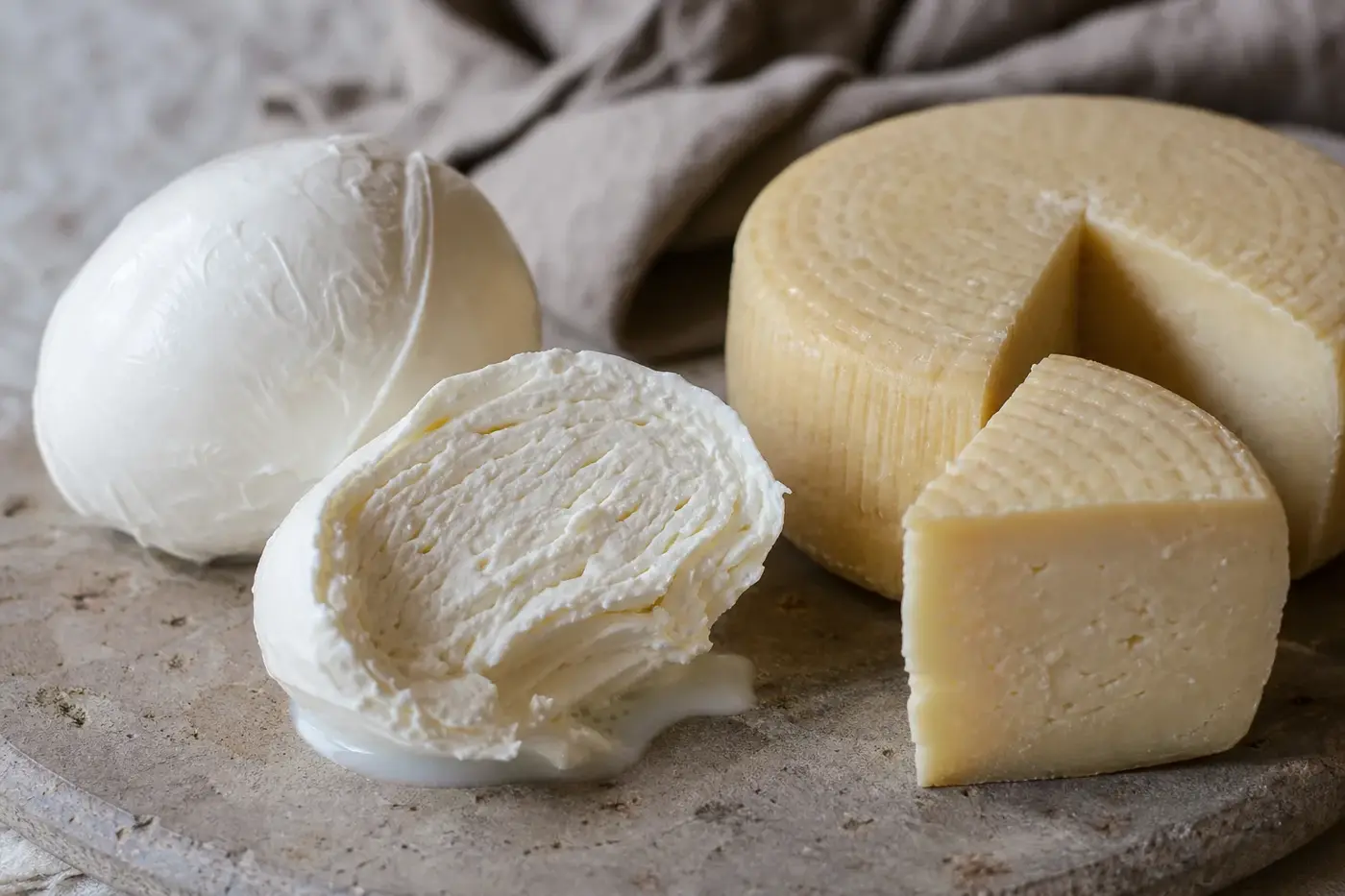
Cut Mozzarella di Bufala Campana and whitish liquid escapes from its layered, slightly elastic paste. Try aged Pecorino Siciliano and your knife meets something quite different: compact, piquant sheep’s milk cheese bearing the marks of its basket. These two southern cheeses give you a taste of Italy’s fascination with turning local milk into something distinctive. Head north to Alpine cattle pastures and the possibilities widen again, into supple mountain wheels, blue veins and hard grating cheeses. [1,2,3,6,8]
Follow the milk into the landscape
Start with the cattle dairies of Valle d’Aosta, home to Fontina, then picture the sheep farms of Sicily, where Pecorino Siciliano belongs. These working landscapes tell you more about Italian cheese than any promise of a single national flavour. Each dairy faces the same practical question: what shall you make with this milk? [1,8]
North against south is only part of the story. Gorgonzola and Parmigiano Reggiano both begin with cows’ milk, yet their specifications describe entirely different textures and processes. Southern stretched-curd cheeses range from fresh Mozzarella di Bufala Campana to matured Caciocavallo Silano. Geography sets the scene; curd treatment and maturation shape what reaches your plate. [2,3,6,7]
Four milks, plenty to discover
- Cow: behind Fontina, Gorgonzola, Parmigiano Reggiano and Caciocavallo Silano. You can travel from blue-veined paste to hard, cooked curd without changing the animal: milk alone cannot tell you how the finished cheese will feel. [1,2,3,7]
- Sheep: required for Pecorino Toscano and Pecorino Siciliano under the ministry’s specifications. Pecorino points you towards sheep’s milk; the full name and maturity tell you which cheese you are taking home. [5,8]
- Goat: raw whole goats’ milk begins the story in the published Roccaverano specification. Slow, acid-led coagulation sets it into curd, producing a soft cheese that can have a slight acidity when young. You are a long way from hard grating cheese here. [9]
- Water buffalo: required for Mozzarella di Bufala Campana. Look for the specification’s layered paste, slight initial elasticity and whitish liquid released when you cut into it. [6]
Other cheeses bring milk from different species together. That blend helps shape the result, alongside the cheesemaker’s other decisions. Ask which milks are used and in what proportions: neither a regional name nor the word robiola promises a fixed blend.
Northern Italy: meet the mountain wheels, blues and grana
Fontina belongs to Valle d’Aosta, not the whole Alpine arc. Made from whole cows’ milk, it gives you an early lesson in how precisely Italian cheese names can pin down a place. When choosing a piece, ask the cheesemonger about that particular wheel’s age and milk treatment. [1]
Gorgonzola’s defined area crosses parts of Piedmont and Lombardy, further east and south. Its specification requires pasteurised whole cows’ milk and separates sweet-flavoured dolce from distinctly sharper piccante. Blue-green or grey-blue veins run through the cheese; the rind is inedible. Ask for dolce or piccante by name, rather than expecting the colour to do your ordering. [2]
Parmigiano Reggiano takes you into hard, cooked curd, made from raw cows’ milk partly skimmed by natural creaming. The ministry’s published text places production in Parma, Reggio Emilia and Modena, plus Bologna left of the Reno and Mantua right of the Po. Follow its individual story in the parmigiano reggiano guide. [3]
Central Italy: give pecorino time to tell its story
Taste Pecorino Toscano young and aged, and you can follow what time does to sheep’s milk. The ministry’s December 2025 specification sets a minimum of 20 days for the soft type and four months for the semi-hard type. Both the table and the grater have a place in its permitted uses. [5]
Its production area stretches beyond Tuscany, taking in the whole region and specified municipalities in Umbria and Lazio. The region you associate with a cheese and its production boundary are not always identical. Buy the two maturities together to explore ageing while keeping the milk species constant. [5]
Pecorino Romano offers you another lesson in reading the whole name. It is made from sheep’s milk in Sardinia, Lazio and the province of Grosseto in Tuscany, not only in Rome. [4]
Southern Italy and the islands: watch the curd stretch
Freshness and maturation take southern stretched-curd cheeses in quite different directions. Mozzarella di Bufala Campana comes from a defined area covering parts of Campania, Lazio, Puglia and Molise. Its specification permits raw milk, which may be thermised or pasteurised; read the actual product’s declaration to establish its milk treatment. [6]
In the dairy, a natural whey starter acidifies the milk and calf rennet sets it. Whey is the liquid separated from curd; rennet is an enzyme preparation that sets milk. The curd matures before being stretched in hot water, shaped, cooled and brined. Follow that sequence and you can see how the fresh cheese gets its distinctive structure. [6]
Caciocavallo Silano takes stretched curd down the maturation route rather than towards fresh mozzarella. This semi-hard cows’ milk cheese comes from specified areas of Calabria, Campania, Molise, Puglia and Basilicata. Its specification describes an initially delicate flavour tending towards sweetness, with piquancy developing as it matures. [7]
Across the water, Pecorino Siciliano starts with raw whole sheep’s milk and carries basket impressions on its surface. Its specification distinguishes Fresco, Semistagionato and Stagionato. The last matures for at least 120 days and is described as compact and piquant. Ask for the maturity as well as the name, so you know which expression you are choosing. [8]
Find your way around Italian cheese styles
Fresh tells you about age; soft about texture; blue about ripening; stretched curd about method. These descriptions overlap, so think of them as useful clues rather than separate shelves. The examples below follow the cited ministry specifications and give you somewhere practical to begin comparing. [1,2,3,5,6,7,8,9]
| Style | Try this cheese | What to notice |
|---|---|---|
| Fresh | Mozzarella di Bufala Campana | Layered paste and retained moisture. [6] |
| Stretched curd | Caciocavallo Silano | Stretching followed by maturation. [7] |
| Soft | Roccaverano | Gentle texture, with slight acidity when young. [9] |
| Blue | Gorgonzola | Veining and dolce or piccante character. [2] |
| Hard | Parmigiano Reggiano | Cooked curd and slow maturation. [3] |
| Aged sheep’s milk | Pecorino Siciliano Stagionato | Compact paste and piquancy. [8] |
Let curd, salt and time explain the texture
How the cheesemaker treats the curd determines how much whey stays behind. Curd is the solid part of set milk; cutting, draining and heating all change its moisture. Fontina’s specification describes breaking, heating and stirring the curd, then pressing the formed cheese; Parmigiano Reggiano’s describes cooked curd and slow maturation. Roccaverano follows a gentler route, with acid-set curd transferred into draining moulds. [1,3,9]
Salt finds its way into cheese by different routes, too. Mozzarella di Bufala Campana goes into brine, while Roccaverano’s published method calls for dry salt on the faces. As you taste, consider salt alongside moisture and texture. Their relationship helps you judge how much cheese a dish needs. [6,9]
Time changes flavour and the way your knife passes through a cheese. Pecorino Toscano’s specification contrasts tender paste with a more compact, resistant semi-hard version; Caciocavallo Silano’s describes increasing piquancy. Match maturity to the job: slices for a plate, a firmer piece for shaving or hard cheese for grating. For the fuller story, see how cheese is made. [5,7]
Read the name: what PDO and DOP tell you
PDO means protected designation of origin; DOP is the Italian abbreviation. Under EU Regulation 2024/1143, Article 46, the designation connects a product’s characteristics with its geographical environment, including natural and human factors. It normally requires all production steps to take place within the defined area. A limited exception covers certain historically recognised names with separately defined milk-sourcing areas. [10]
Pay attention to the full name. Mozzarella describes a broader cheese style; Mozzarella di Bufala Campana is a specific designation with its own specification. The European Commission identifies eAmbrosia as the official EU register database. These rules govern EU protection; check the relevant jurisdiction for recognition elsewhere. [6,10,11]
On the label, separate the registered cheese name from the maker and brand. Then read the declared milk treatment and that product’s ingredients. You can explore the wider distinctions in protected names explained. [10,11]
Build your first tasting with five cheeses
Begin with five contrasting cheeses: one fresh, one sheep’s milk, one soft goat’s cheese, one blue and one hard. This is a route through different methods, not a competition for the largest slice of your affection. Buy small pieces you can enjoy while following their storage instructions, giving each a different texture to bring to the plate. [1,2,3,5,6,9,12]
- Mozzarella di Bufala Campana: start with its layered texture, then consider how it changes when you use it in a dish. [6]
- Pecorino Toscano: put younger and aged pieces together to explore maturation while keeping the milk constant. [5]
- Roccaverano: add soft goats’ milk cheese, asking your cheesemonger about its maturity. [9]
- Gorgonzola: begin with dolce, then try piccante for the specification’s sharper expression. [2]
- Parmigiano Reggiano: break off a small piece for your plate before keeping the rest for cooking. [3]
Bring good cheese home and care for it
Tell your cheesemonger what you have in mind: a fresh salad, a cooked dish or a tasting plate. Ask about maturity and the producer’s handling instructions. If you buy a cut piece, keep its label. It is your reference for milk treatment, ingredients, dates and storage once you get home. [12]
For home storage in England, Wales and Northern Ireland, the Food Standards Agency recommends a fridge between 0 and 5 °C (32 to 41 °F), alongside following the pack’s storage instructions. Refrigerate dairy products and observe use-by dates. Read the instructions for storage after opening, including for cheese sold in liquid. You will find practical details in the home cheese storage guide. [12]
When you are ready to serve, take out only the amount you intend to eat and let it lose some of its chill. The FSA advises keeping chilled food out of the fridge for the shortest possible time during preparation, for no more than four hours. [12]
Keep pairings simple and cooking satisfying
Taste your cheese before adding anything. Then try one accompaniment: bread, ripe fruit, vegetables or a little honey. A simple plate helps you discover whether you prefer contrast or continuity. These Italian-inspired suggestions give flavour and texture room to speak, rather than laying down fixed regional rules.
- Serve fresh mozzarella with tomatoes, basil and olive oil. Let its texture lead, rather than surrounding it with several competing cheeses.
- Melt younger Caciocavallo Silano into a vegetable bake, or try Fontina in a cheese sauce. Use a reliable recipe for quantities and cooking when exploring these suggestions.
- Grate a hard cheese over pasta or soup. Add a little, taste, then decide whether you need more seasoning. Keep a piece for serving in small fragments, too.
- Try Gorgonzola with pear, or stir a small amount into a sauce. For an alcohol-free drink, start with water or sparkling water and let the cheese and accompaniment provide the flavour.
This page summarises published guidance from the official sources it cites. It is not medical advice. Guidance differs between countries and changes over time, so check the current source for where you live, and ask your doctor, midwife, pharmacist or dietitian about your own circumstances.
Raw milk and pregnancy: understand the UK guidance
The NHS distinguishes cheese categories in its UK pregnancy guidance rather than treating all raw milk cheese alike. The November 2026 guidance lists pasteurised or unpasteurised hard cheeses, such as parmesan, among foods that can be eaten. It also lists pasteurised mozzarella and other named pasteurised soft cheeses. [14]
Soft blue cheeses, including Gorgonzola, and mould-ripened soft cheeses with a white coating must be thoroughly cooked, according to the same NHS guidance. It lists cheese cooked until steaming hot among foods that can be eaten and advises avoiding unpasteurised milk. For an individual purchase, establish both the cheese category and its declared milk treatment. [14]
Follow the linked NHS guidance for the UK and the relevant official advice where you live. For more on milk treatment, continue to raw, thermised and pasteurised cheese.
If you would like to follow the geography further, explore the cheeses of northern Italy, central Italy, and southern Italy and the islands.
Choose your next cheese adventure
- How to Tell Cheese Styles Apart: Milk, Rind, Texture and Method: find the words for the differences you taste.
- Mozzarella: explore the wider stretched-curd style and the names within it.
Questions people ask
What does DOP mean on Italian cheese?
DOP is the Italian abbreviation for protected designation of origin, or PDO. The designation connects a product’s characteristics with its geographical environment and normally requires all production steps to take place within the defined area.
Is Mozzarella di Bufala Campana always made with pasteurised milk?
No. Its specification permits raw milk, which may be thermised or pasteurised. Check the product’s declaration to establish its milk treatment.
What is the difference between Gorgonzola dolce and piccante?
Gorgonzola dolce is sweet in flavour, while piccante is distinctly sharper. Both have blue green or grey blue veins, and the rind is inedible.
How should Italian cheese be stored?
For homes in England, Wales and Northern Ireland, the Food Standards Agency recommends a fridge between 0 and 5 °C and following the pack’s storage instructions. It also advises refrigerating dairy products and observing their use by dates.
Can I eat Italian cheese during pregnancy?
The NHS lists pasteurised or unpasteurised hard cheeses, such as parmesan, and pasteurised mozzarella among foods that can be eaten. It says soft blue cheeses, including Gorgonzola, must be thoroughly cooked, and advises avoiding unpasteurised milk. Consult the NHS pregnancy guidance for the UK and the relevant official advice where you live.
Sources
- Ministero dell’agricoltura, della sovranità alimentare e delle foreste (MASAF). Disciplinare di produzione «Fontina», April 2026 file supplied through the ministry’s cheese specifications index. Articles 1 to 5.
- MASAF. Disciplinare della denominazione di origine protetta «Gorgonzola», undated edition retrieved November 2026. Articles 1 to 3.
- MASAF. Proposta di modifica del disciplinare di produzione della denominazione di origine protetta “Parmigiano Reggiano”, undated ministry-hosted file retrieved November 2026. Production standard, Articles 1 to 3.
- MASAF. Disciplinare di produzione “Pecorino Romano”, file dated 16 March 2026. Document retrieved; substantive text requires further verification.
- MASAF. Disciplinare della produzione della denominazione di origine protetta “Pecorino Toscano”, December 2025 file. Articles 2 and 3.
- Italian Ministry of Agricultural, Food and Forestry Policies. Disciplinare di produzione della DOP “Mozzarella di Bufala Campana”, published in Gazzetta Ufficiale, Serie generale No. 47, 25 February 2008; supplied through MASAF’s specifications index. Articles 2 and 3, read from the scanned pages.
- MASAF. Disciplinare di produzione della denominazione d’origine protetta “Caciocavallo Silano”, April 2024 file. Articles 2 and 3.
- MASAF. Modifica del disciplinare di produzione della denominazione d’origine protetta “Pecorino Siciliano”, undated edition retrieved November 2026. Articles 2, 3 and 5.
- MASAF. Disciplinare di produzione della denominazione di origine protetta “Robiola di Roccaverano/Roccaverano”, undated edition retrieved November 2026. Articles 2 to 4.
- European Parliament and Council. Regulation (EU) 2024/1143, consolidated text dated 18 March 2026, retrieved through EUR-Lex; Article 46 also read in the original Official Journal text.
- European Commission, Directorate-General for Agriculture and Rural Development. Geographical indications and quality schemes explained, live guidance retrieved November 2026. Sections on PDOs and official databases.
- Food Standards Agency. How to chill, freeze and defrost food safely, published 18 December 2017, live version retrieved November 2026. Applies to England, Northern Ireland and Wales.
- Food Standards Agency. Providing food at community and charity events, live version retrieved November 2026. Sections on chilled food and use-by dates.
- NHS. Foods to avoid in pregnancy, live version retrieved November 2026. Section on cheese, milk and other dairy.
This desk-researched guide brings together ministry-hosted cheese specifications, EU legislation and official UK consumer guidance; tasting choices and accompaniment suggestions are editorial recommendations.
Last checked: November 2026
Last checked November 2026.
The cheeses of Italy
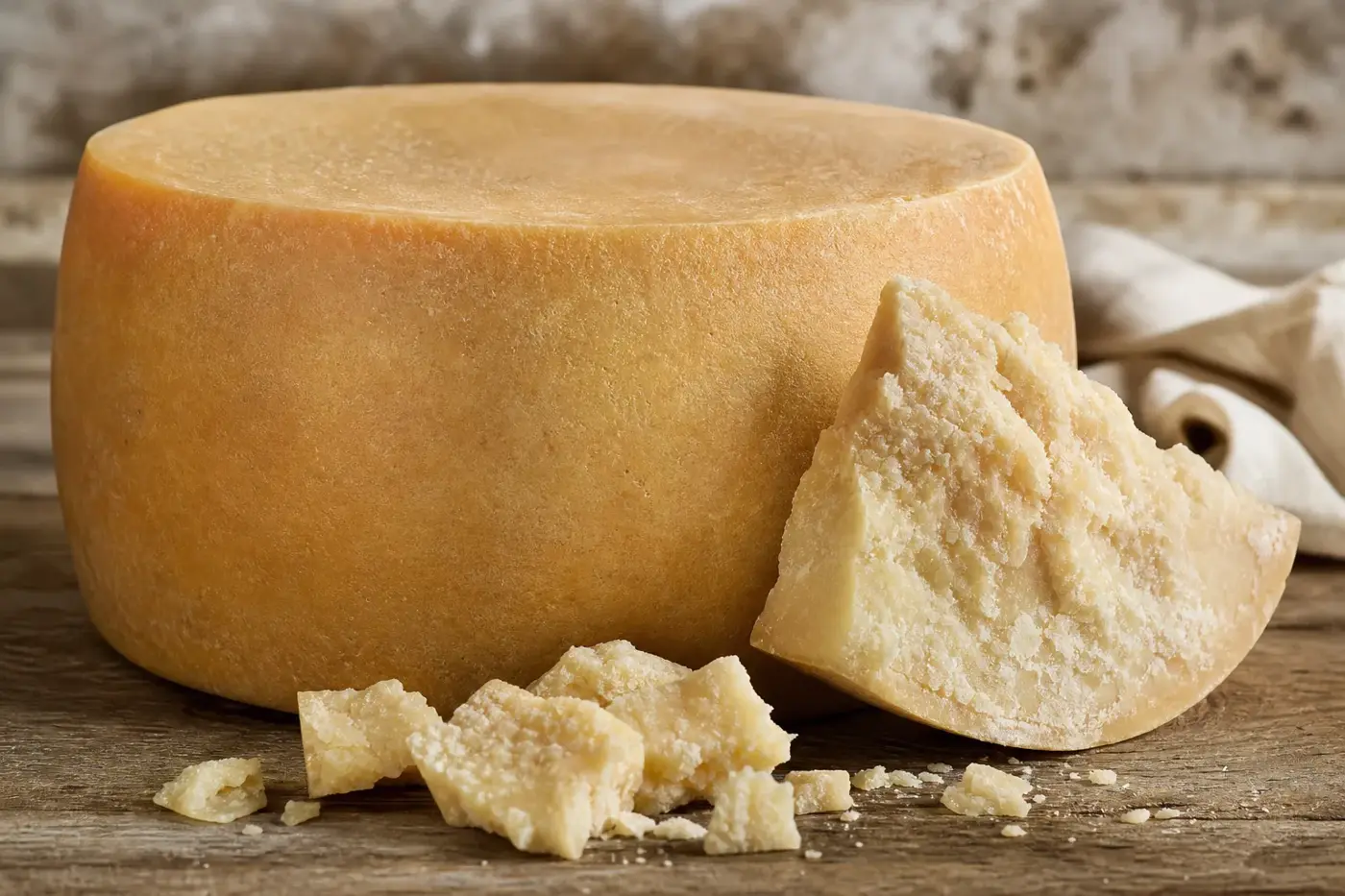
Parmigiano Reggiano
Break into a wheel of Parmigiano Reggiano and flakes fall away, revealing a finely granular cheese, pale straw to straw in colour.
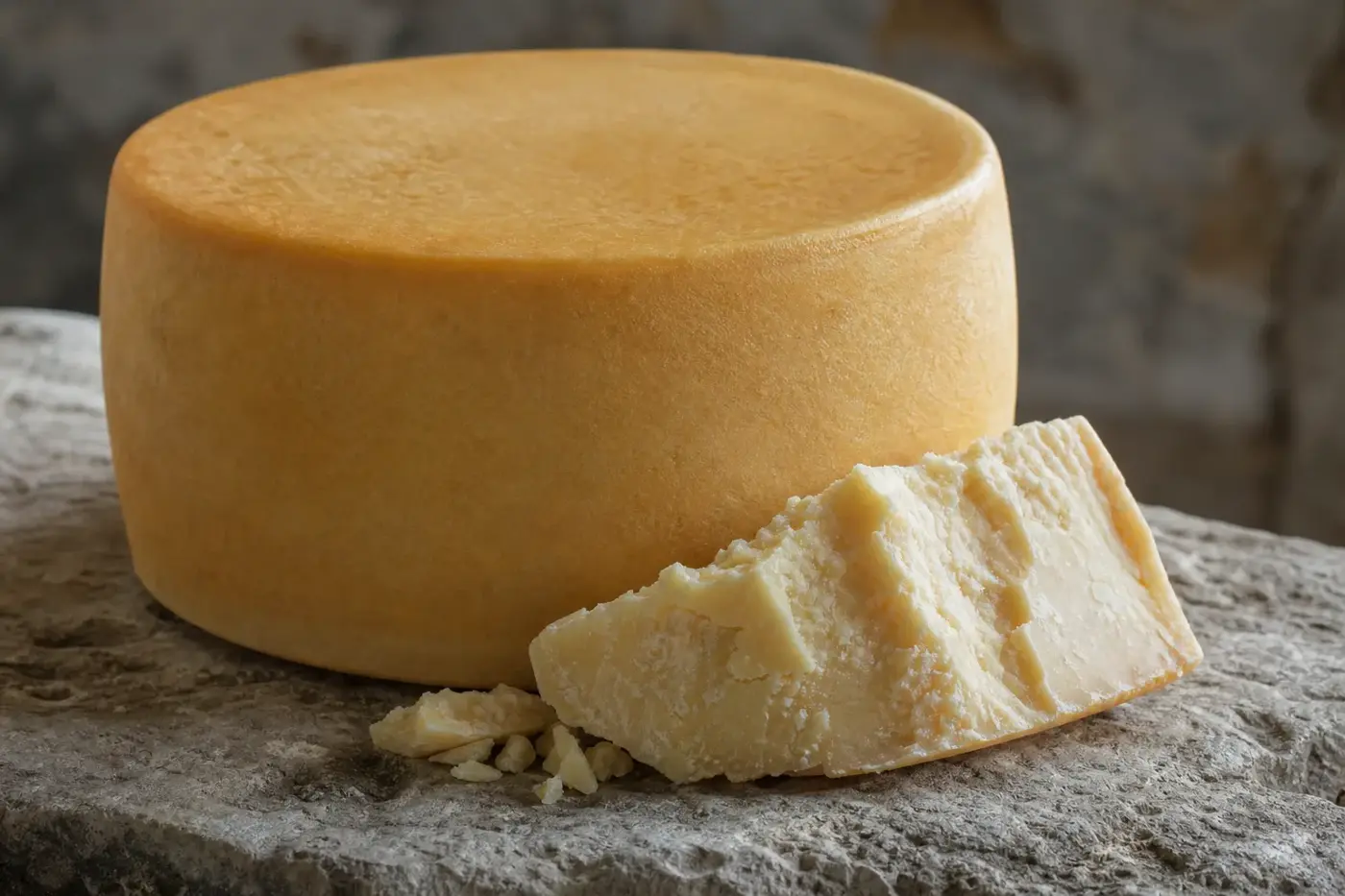
Grana Padano
Break a piece from a wheel of Grana Padano and watch the pale interior fall into fine grains and flakes.
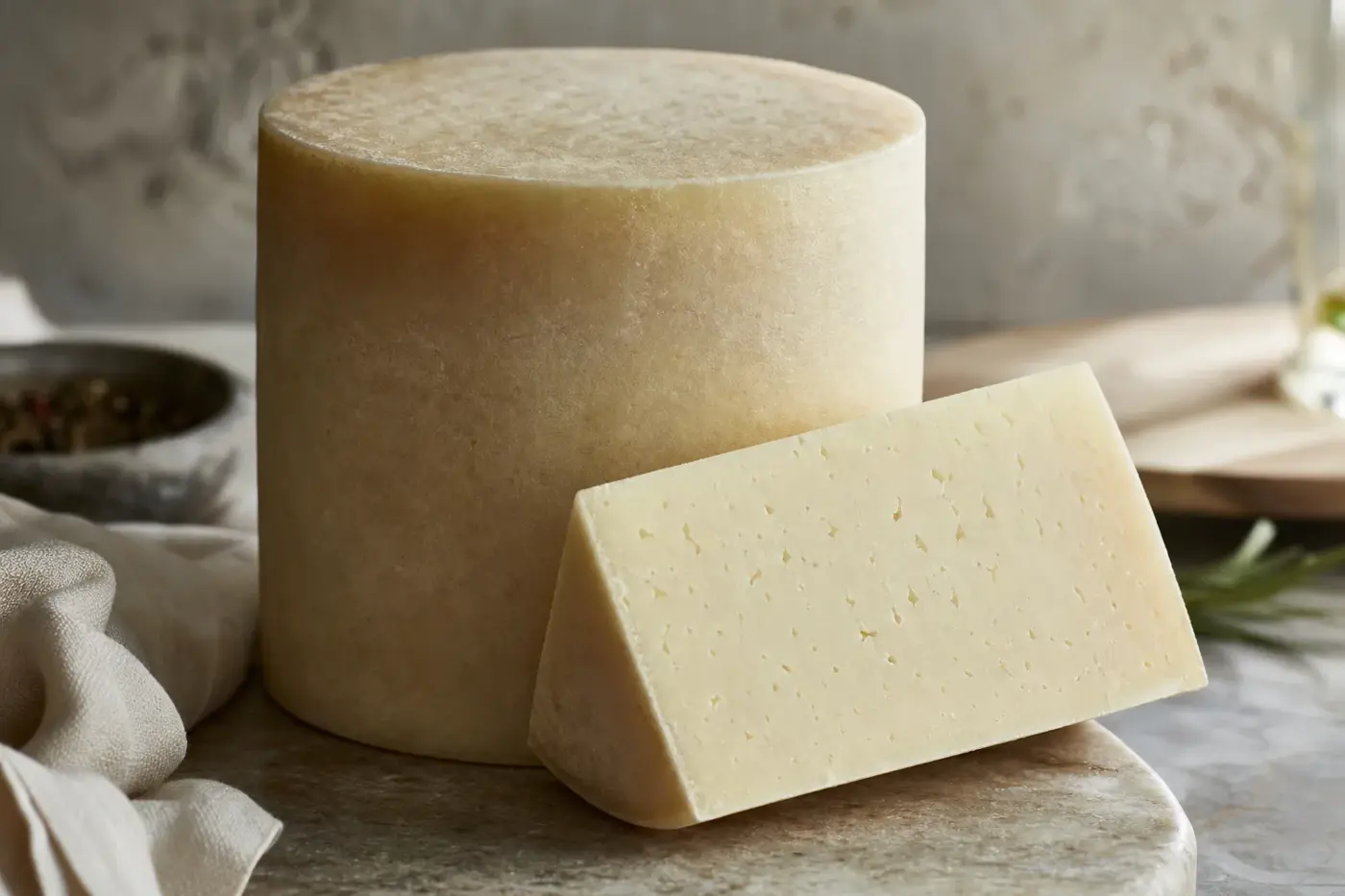
Pecorino Romano
Take a piece of Pecorino Romano and let the salt announce itself.
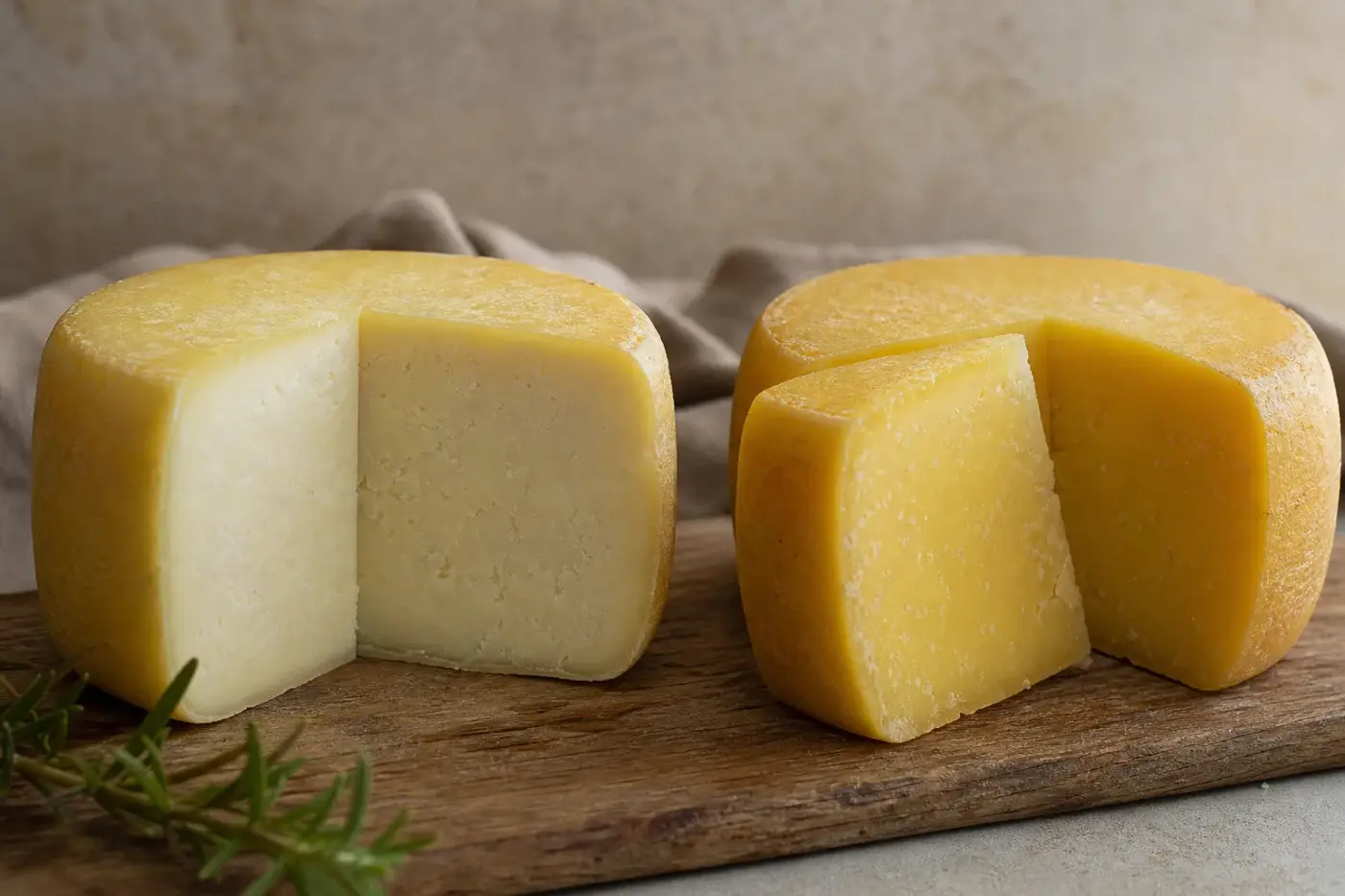
Pecorino Toscano
Your knife glides through a young Pecorino Toscano.
Pecorino Sardo
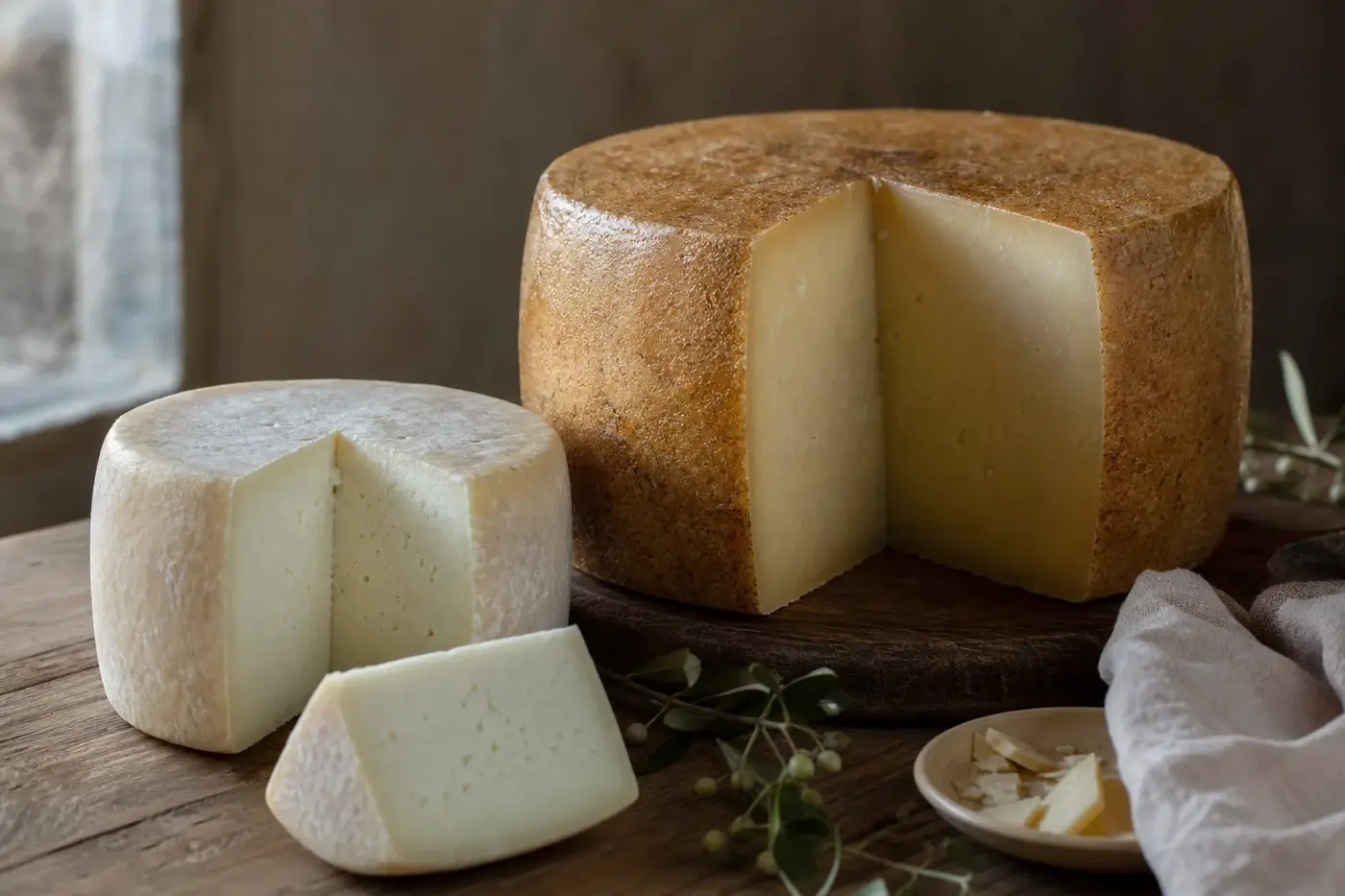
Take a slice of Dolce: white, soft, sweet and aromatic.
Pecorino Siciliano
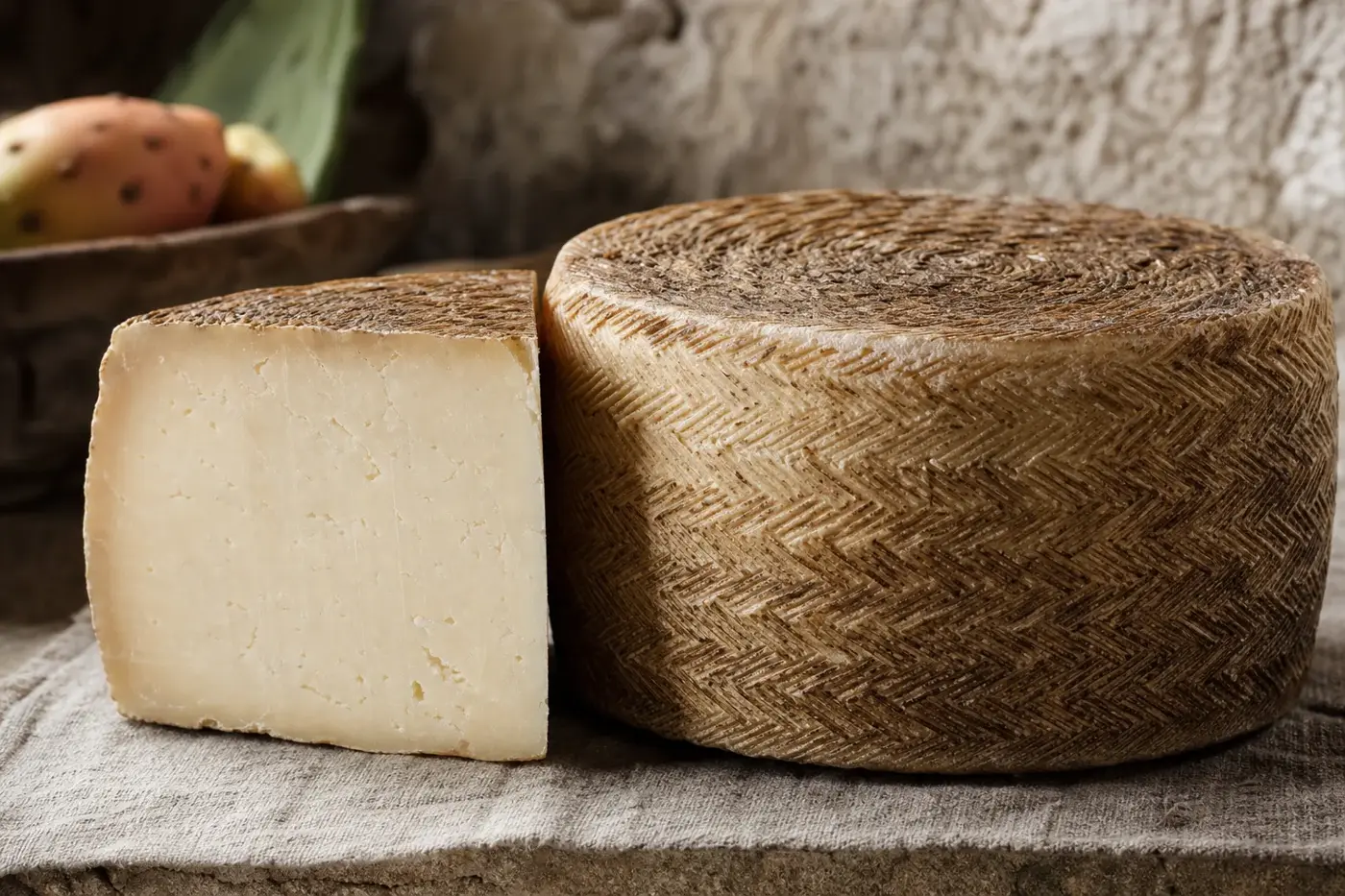
Look closely at a wheel of Pecorino Siciliano and you can trace the weave of a rush basket.
Fiore Sardo
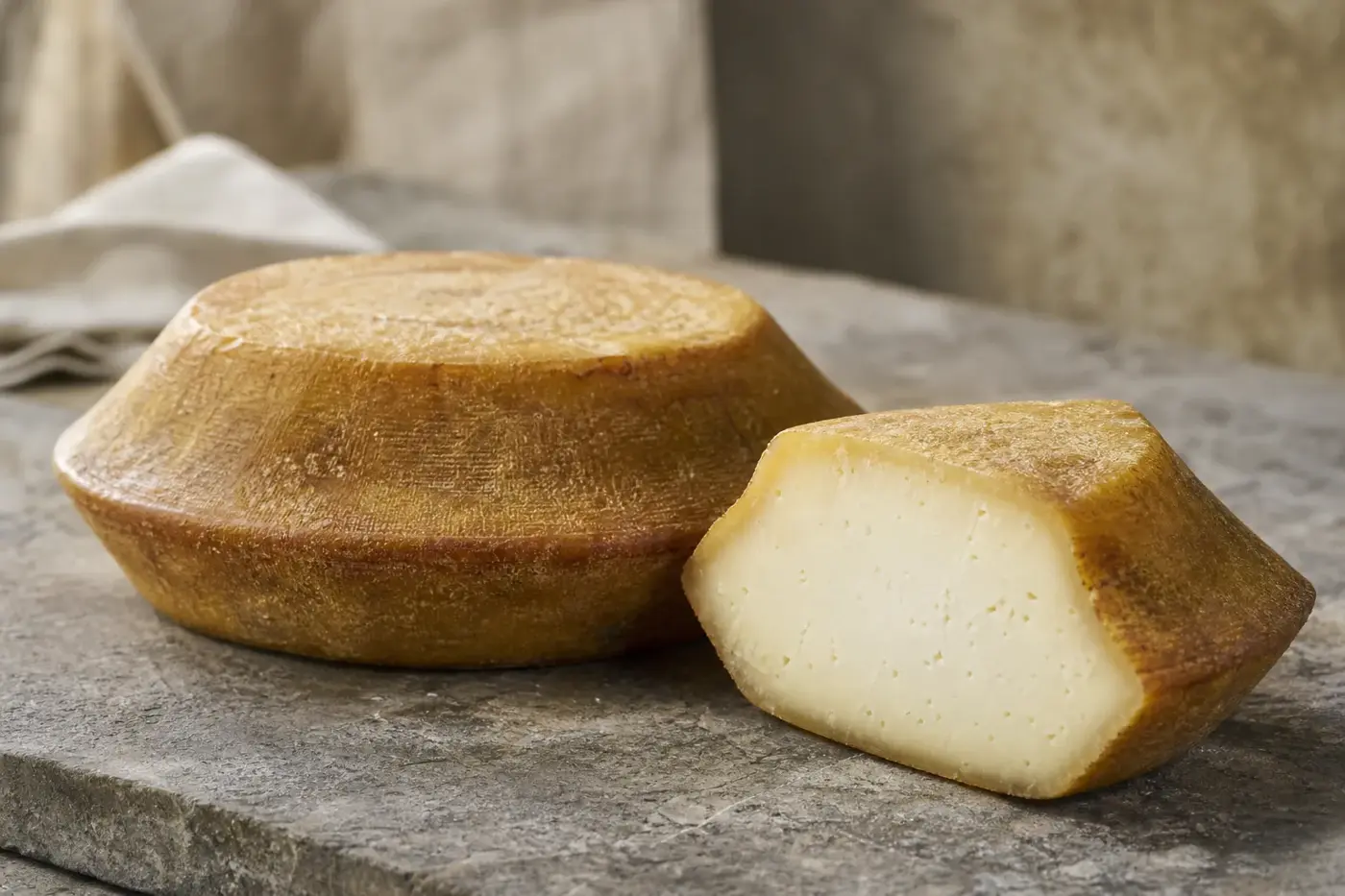
Near the fire, young Fiore Sardo rests on a reed rack, drying and taking on smoke.
Gorgonzola
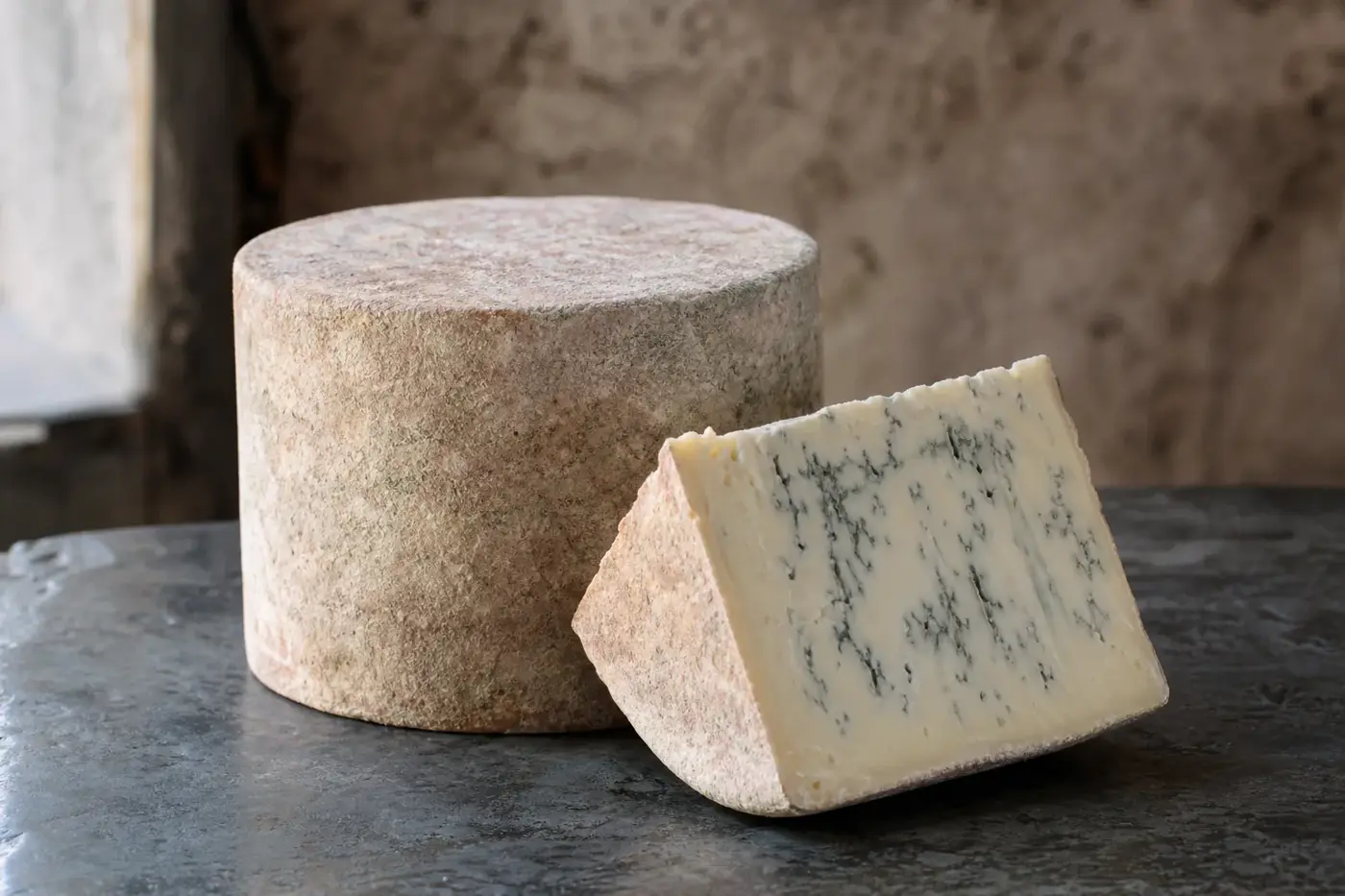
Spread a little Gorgonzola Dolce, then break off a piece of Piccante.
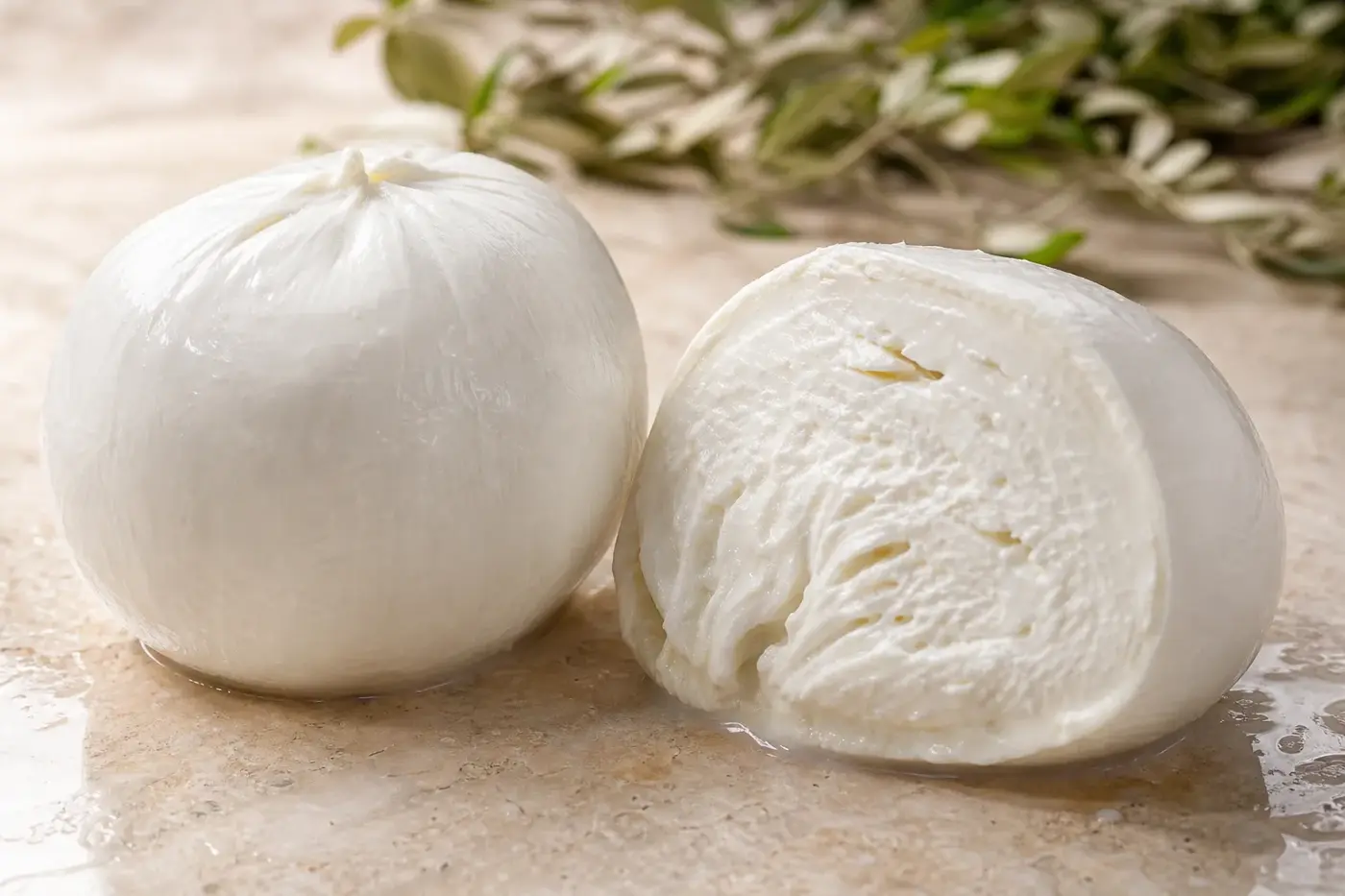
Mozzarella di Bufala Campana
Your knife slips through an exceptionally thin skin.
- Mozzarella
- Fior di Latte
- Mozzarella di Gioia del Colle
- Burrata
- Burrata di Andria
- Ricotta
- Ricotta Salata
- Ricotta Romana
- Mascarpone
- Taleggio
- Fontina
- Asiago
- Provolone
- Provolone Valpadana
- Provolone del Monaco
- Caciocavallo
- Caciocavallo Silano
- Scamorza
- Montasio
- Piave
- Castelmagno
- Robiola
- Toma Piemontese
- Bra
- Quartirolo Lombardo
- Stracchino and Crescenza
- Bitto
- Ragusano
- Casu Marzu
- Robiola di Roccaverano
- Strachitunt
- Casatella Trevigiana
- Monte Veronese
- Squacquerone di Romagna
- Puzzone di Moena
- Raschera
- Valle d'Aosta Fromadzo
- Valtellina Casera
- Casciotta d'Urbino
- Formaggio di Fossa di Sogliano
- Canestrato Pugliese
- Caciotta
- Vastedda della valle del Belìce
- Piacentinu Ennese
- Salva Cremasco
- Stelvio
- Murazzano
- Pecorino Crotonese
- Silter
- Spressa delle Giudicarie
- Formaggella del Luinese
- Provola dei Nebrodi
- Pecorino di Picinisco
- Pecorino di Filiano
- Nostrano Valtrompia
- Formai de Mut dell'Alta Valle Brembana
The editors suggest you read next
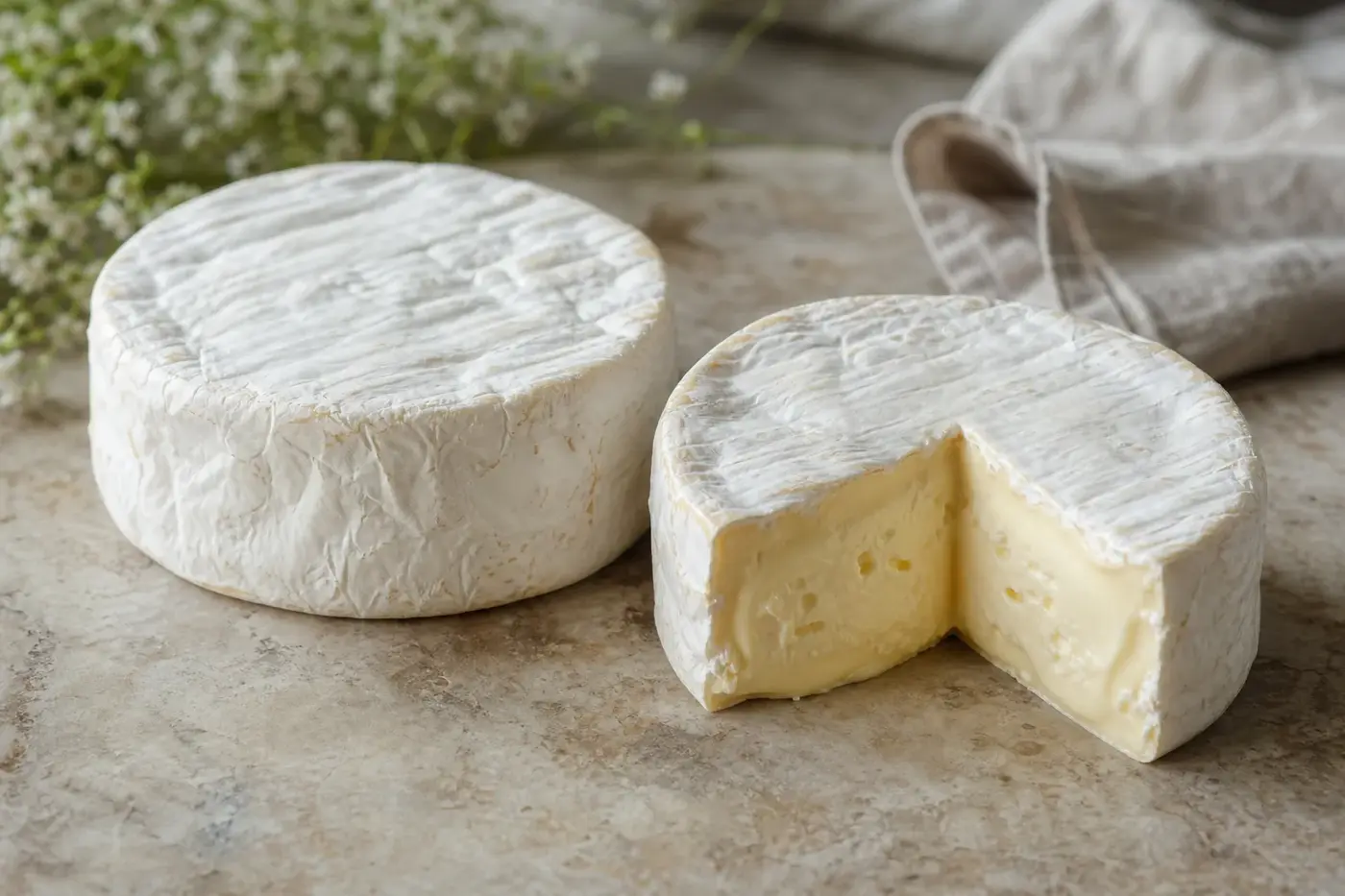
French Cheese: The Complete Guide
Picture Normandy’s pastures, then follow the milk towards the Loire’s goat dairies, the Jura’s shared cheesemaking traditions and the sheep country of the Pyrenees.