Cheese and Beer Pairing
A bite of fresh goat cheese, then a sip of bright wheat beer.
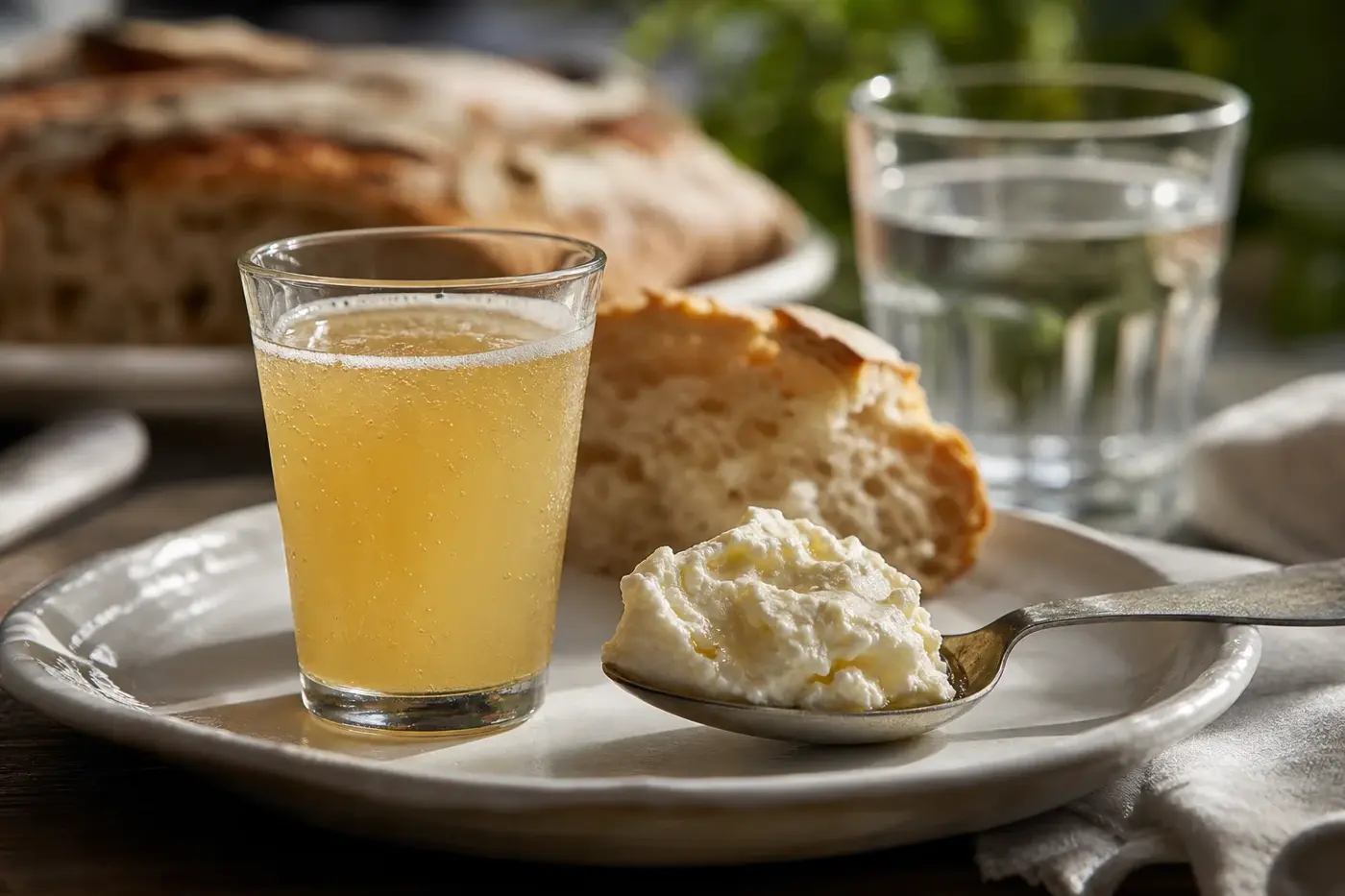
A bite of fresh goat cheese, then a sip of bright wheat beer. The cheese is moist, light and delicately lemony, as Neal’s Yard Creamery describes it. [4] Now pay attention: does its tang sharpen, does the beer seem less bitter, or does one flavour quietly disappear?
That small encounter tells you more than a list of supposedly perfect matches. Start with flavour intensity. Then follow shared flavours, contrasting sweetness and the refreshment of a sparkling sip. [1, 17] Your palate gets the deciding vote.
Start with a bite, a sip and a little curiosity
Put plain bread and water beside your tasting glasses. Leave chutneys, pickles and flavoured crackers to one side until you have tasted the cheese and beer together. Otherwise, everyone starts talking at once.
- Taste the cheese alone. Notice its texture, tang and saltiness, and how long its flavour stays with you.
- Taste the beer alone. Look for sweetness, bitterness, acidity and roast. Notice how strongly it sparkles.
- Take another small bite, then a small sip. What becomes stronger, softer or more persistent?
- Choose what you enjoy. A good pairing might keep both flavours clear, soften an edge or give you an interesting contrast.
This approach adapts the Brewers Association’s advice: compare intensities, explore similarities and contrasts, and move from gentler combinations to stronger ones. Alcoholic pairings are for adults of legal drinking age. Keep your tasting pours small; nobody needs to finish a sample. [1]
What is your beer bringing to the table?
Before you give up on a cheese, look at the beer beside it. Changing just one quality in the drink can transform the pairing. Here is what to notice as you sip.
Carbonation gives a lively wheat beer its sparkle, compared with a relatively softly carbonated bitter. Does your mouth feel refreshed after a sip? That sensory effect sits behind the Brewers Association’s practical advice on palate cleansing, rather than a precise description of fat removal. [1, 17]
Bitterness can offer contrast, but the result depends on the combination. Taste for yourself rather than assuming the cheese will soften it. Notice what happens to the finish as well as the first mouthful.
Sweetness can make a contrasting partner for salty cheese. Keep it separate from malt aroma: a beer can smell of toast or caramel and still finish fairly dry. The BJCP description of Belgian dubbel illustrates that distinction. [8]
Acidity deserves its own assessment, separate from citrus aroma. BJCP describes citrus and spice in witbier without requiring sourness; saison may have some sourness, but it is optional. A lemony smell does not promise a sour beer. [2, 3]
Alcohol can bring warmth and weight, while roasted grain or malt can suggest coffee, cocoa or bitter chocolate. BJCP’s descriptions of English barleywine and Irish stout make the distinction clear. Dark beer need not have the warmth or sweetness of a strong ale. [9, 10]
Find your balance, then follow the flavour
Think of intensity as how forcefully a flavour arrives and how long it stays. Taste first. Colour, firmness and alcohol percentage cannot tell you, on their own, how a pairing will behave.
The Brewers Association recommends delicate beers with younger, gentler cheeses, and more forceful beers with stronger cheeses. Begin there, then try a deliberate contrast. Put a lively beer beside a soft texture, or malt sweetness against salt. [1]
Need a hand recognising what is on your board? See how to tell cheese styles apart. Work with the actual cheese and beer in front of you, rather than an imagined average of either style.
A few delicious directions to explore
These starting points bring together the cited style descriptions and pairing principles. Treat the alcohol-free column as a parallel tasting experiment. It has its own result for you to discover. [1, 17]
| Your cheese | A beer to try | What to look for | An alcohol-free option |
|---|---|---|---|
| Fresh, lemony goat cheese | Witbier or restrained pale saison | Citrus and spice alongside tang [2, 3, 4] | Sparkling water, with lemon zest to smell separately |
| Mature Cheddar | Bitter with biscuit or toast character | Malt alongside sharpness, then the bitter finish [5, 6] | Alcohol-free amber beer |
| Mild, soft cheese | Crisp, gently bitter lager | Can you still distinguish both flavours? [7] | Alcohol-free lager |
| Washed-rind cheese | Malty Belgian-style dubbel | Malt and dried fruit alongside persistent cheese [8, 17] | Alcohol-free malt-led beer |
| Salty blue cheese | Stout, then sweeter strong ale | Compare roast contrast with sweetness contrast [9, 10, 17] | Alcohol-free dark beer, or black tea |
Read the actual alcohol declaration and ingredients on alcohol-free beers. Give their flavours just as much attention as you would those of an alcoholic beer.
Meet fresh goat cheese with citrus and sparkle
Return to that delicate, lemony fresh goat cheese. Neal’s Yard Creamery describes its version with those flavours and a moist, light texture. The maker’s description gives you a useful profile to look for in your own bite. [4]
Try witbier first. BJCP describes this Belgian wheat-beer style through bready grain, orange-like fruitiness, restrained spice and low bitterness. Does the citrus character sit happily beside the cheese’s tang, and can you still recognise the cheese after your sip? [2]
Then take a different turn with pale saison. BJCP describes a very dry finish, high carbonation and fruity, peppery character, with considerable variation between examples. Start with a less forceful one, compare its drier, more bitter finish with the witbier, and notice what happens to the same cheese. [3]
Give mature Cheddar a malty companion
Look for bread, biscuit and light toast in a bitter to try with mature Cheddar. BJCP includes those characteristics in Best Bitter, alongside its underlying bitter balance. Choose evident malt character, but remember: “malt-led” does not mean bitterness has taken the afternoon off. [6]
Barber’s describes its vintage Cheddar as having sweet notes balanced by tangy sharpness. Take that balance to your glass. Does the beer’s malt connect comfortably with the cheese, or does the finish become sharper than you enjoy? [5]
Get to know that starting point before trying a more assertively bitter beer. Keep the cheese constant and follow the longer bitter finish: perhaps it adds welcome contrast, perhaps it takes over. Changing only the beer makes your preference easier to identify. [1, 11]
Keep soft cheese gentle, and bring malt to washed rind
For mild soft cheese, start with restrained bitterness. Munich Helles offers a useful reference: BJCP describes a smooth, malt-accented beer with a soft, dry finish and restrained bitterness. Pale lagers differ, so choose your example rather than trusting its colour. [7]
Pay just as much attention to the cheese’s ripeness. Seek a young, mild example, not a strongly ripened one. Neal’s Yard Creamery describes its soft cow’s milk cheese as lactic when young, developing walnut and mushroom notes as it matures: the same product can give you quite different flavours over time. [4]
For washed rind, turn towards a malty Belgian-style ale. The Brewers Association suggests this broad partnership, while Belgian dubbel gives you a specific direction to explore. BJCP describes malt and dried-fruit character, a fairly dry finish, and no roasted or burnt flavours. [8, 17]
Taste the cheese’s centre first. Where the maker confirms the rind is edible, follow with a bite containing rind. Does the beer still have enough presence beside that second bite? Let your answer guide you towards a maltier or gentler example.
Take blue cheese towards roast or sweetness
Keep your blue cheese the same and change the drink. That way, you will find the difference between roast and sweetness much easier to follow.
With stout, concentrate on roast. BJCP describes Irish stout through coffee-like roasted flavour, sometimes with cocoa or unsweetened chocolate, and a finish ranging from dry to more balanced. Does that roast offer an interesting counterpoint to the cheese, or leave a finish that tastes too bitter to you? [9]
With a sweeter strong ale, look for a different balance. BJCP describes English barleywine through substantial malt, possible bread, caramel and dried-fruit notes, with considerable variation in bitterness and finishing sweetness. Choose an example the brewery describes as malt-led and relatively sweet. [10]
The useful comparison is roast against sweetness, not black beer against amber beer. If the stout takes over, try a less bitter example. If the strong ale dominates, choose a less intense beer or a more persistent cheese, following that same intensity-matching principle. [1]
Give your cheese and beer a good entrance
Follow the brewery’s serving recommendation where one is available. The Brewers Association gives approximately 7 to 10 °C (45 to 50 °F) as common for many more flavourful beers, while encouraging experimentation rather than one temperature for everything. Choose room-temperature or slightly chilled glasses, not frosted ones. [12]
Small, clean glasses with room to smell the beer suit a tasting. A separate glass for each drink makes comparison easier; otherwise, rinse between samples. Pour a little at a time and keep unopened drinks ready for later.
Let your cheese lose some refrigerator chill before tasting. The Brewers Association suggests approximately 13 to 16 °C (55 to 60 °F) for cheese service. [1] For chilled food handling advice in England, Wales and Northern Ireland, consult the Food Standards Agency guidance and follow the pack’s storage instructions. [13]
Put out only what your tasting needs, then replenish from the fridge. Cut small bites rather than large wedges, keeping enough to revisit a promising combination. For everyday refrigeration and wrapping, see how to store cheese at home.
Build a small board and let the flavours grow
Three cheeses make a compact tasting: a mild soft cheese, mature Cheddar and a blue. Add fresh goat cheese or washed rind when you fancy another comparison. Even a cheese board is allowed a guest list.
Begin with mild soft cheese and lager, then fresh goat cheese and wheat beer. Move to Cheddar and bitter, followed by washed rind and dubbel. Finish with blue cheese, comparing stout and sweeter strong ale if your guests want to explore both. This follows the Brewers Association’s approach of tasting from least intense to most intense. [1, 17]
Offer water throughout, with alcohol-free choices alongside the other drinks. Black tea, sparkling water and alcohol-free beers each give you a different experiment. People who are driving, taking medicines that interact with alcohol, or recovering from alcohol dependence should not drink; check the current official guidance for where you live.
Check allergens across your whole board, accompaniments included. FSA consumer guidance for England, Wales and Northern Ireland identifies milk and cereals containing gluten, including wheat and barley, among the allergens requiring attention. Read cheese, beer and accompaniment labels, and ask the supplier where necessary. Alcohol-free beer can still contain barley, as a representative brewer’s ingredient declaration confirms. [14, 16]
For personal dietary questions, turn to cheese allergy versus lactose intolerance and the official sources it cites. UK NHS guidance (November 2026) recommends not drinking alcohol during pregnancy or when planning pregnancy. Ask your midwife or doctor about your circumstances. [15]
Finish with a short note: your favourite combination, and one adjustment for next time. “Less bitter beer”, “younger cheese” or “keep these together” will tell you more than declaring a permanent winner.
General information only, not medical advice: follow the official guidance where you live.
Questions people ask
What beer goes with fresh goat cheese?
Try witbier with a delicate, lemony fresh goat cheese. BJCP describes witbier as having orange-like fruitiness, restrained spice and low bitterness.
What beer pairs with mature Cheddar?
Try a bitter with bread, biscuit or light toast character. Taste whether the malt sits comfortably with the cheese and whether you enjoy the bitter finish.
Should I serve stout or a sweeter ale with blue cheese?
Try both with the same blue cheese to compare their effects. Stout offers roasted flavours, while a relatively sweet strong ale offers a contrast to the cheese’s saltiness.
What temperature should beer be served at for a cheese tasting?
Follow the brewery’s serving recommendation where available. The Brewers Association gives approximately 7 to 10 °C as common for many more flavourful beers and encourages experimentation.
Can I drink beer during pregnancy?
UK NHS guidance recommends not drinking alcohol during pregnancy or when planning pregnancy. Consult the NHS guidance and ask your midwife or doctor about your circumstances.
Sources
- Brewers Association, CraftBeer.com. Craft Beer & Cheese Interactions Guidelines. Published 1 June 2016. Source.
- Beer Judge Certification Program. 2021 Beer Style Guidelines, section 24A, Witbier. Current online edition checked November 2026. Source.
- Beer Judge Certification Program. 2021 Beer Style Guidelines, section 25B, Saison. Current online edition checked November 2026. Source.
- Neal’s Yard Creamery. Cheeses & Yoghurts. Undated maker descriptions, checked November 2026. Source.
- Barber’s. Collections. Undated maker description of vintage Cheddar, checked November 2026. Source.
- Beer Judge Certification Program. 2021 Beer Style Guidelines, section 11B, Best Bitter. Current online edition checked November 2026. Source.
- Beer Judge Certification Program. 2021 Beer Style Guidelines, section 4A, Munich Helles. Current online edition checked November 2026. Source.
- Beer Judge Certification Program. 2021 Beer Style Guidelines, section 26B, Belgian Dubbel. Current online edition checked November 2026. Source.
- Beer Judge Certification Program. 2021 Beer Style Guidelines, section 15B, Irish Stout. Current online edition checked November 2026. Source.
- Beer Judge Certification Program. 2021 Beer Style Guidelines, section 17D, English Barleywine. Current online edition checked November 2026. Source.
- Food Research International. An investigation of matches of bottom fermented red beers with cheeses. Volume 67, 2015, pages 376 to 389. Publisher’s indexed abstract retrieved; full article not accessible. Source.
- Brewers Association, CraftBeer.com. Craft Beer Retailer Temperature Cheat Sheet. March 2015. Source.
- Food Standards Agency. How to chill, freeze and defrost food safely. Published 18 December 2017, current text checked November 2026. Applies to England, Northern Ireland and Wales. Source.
- Food Standards Agency. Food allergy and intolerance advice for consumers. Current text checked November 2026. Applies to England, Northern Ireland and Wales. Source.
- NHS. Drinking alcohol while pregnant. Current text checked November 2026. Source.
- Heineken. Heineken 0.0, Great Britain product page, ingredient FAQ. Undated, checked November 2026. Used only as a representative barley-containing product declaration. Source.
- Brewers Association, CraftBeer.com. Beer & Food Course, section 4, cheese interactions and suggested pairings. Undated PDF, checked November 2026. Source.
Researched through published beer style guidelines, industry pairing guidance, maker descriptions, an original sensory study’s abstract and official UK consumer guidance; the pairing suggestions are desk-research synthesis.
Last checked: November 2026
Last checked November 2026.
The editors suggest you read next
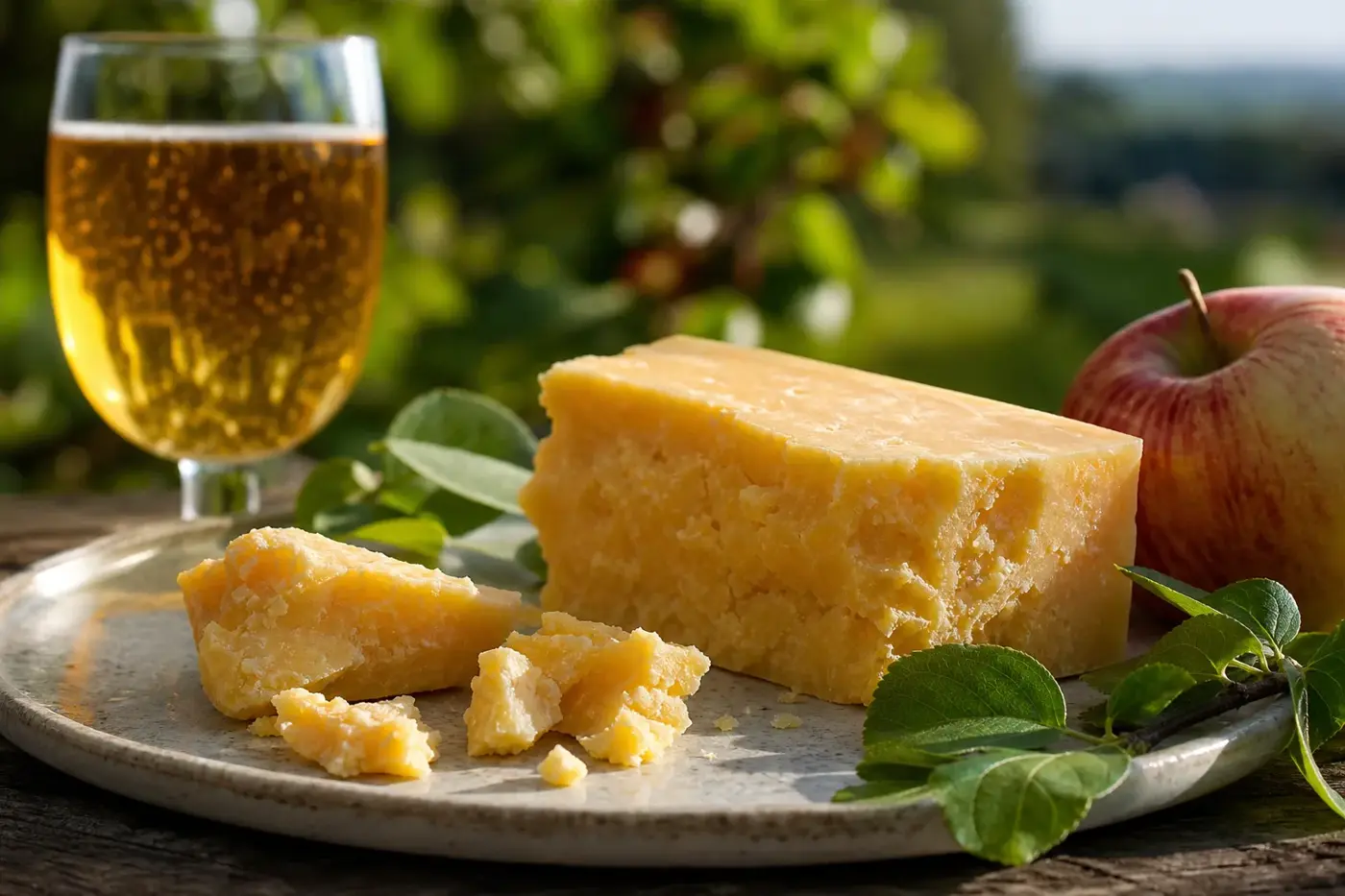
Cheese and Cider
Picture the orchard at Somerset Rural Life Museum in Glastonbury, where old local apple varieties still grow.