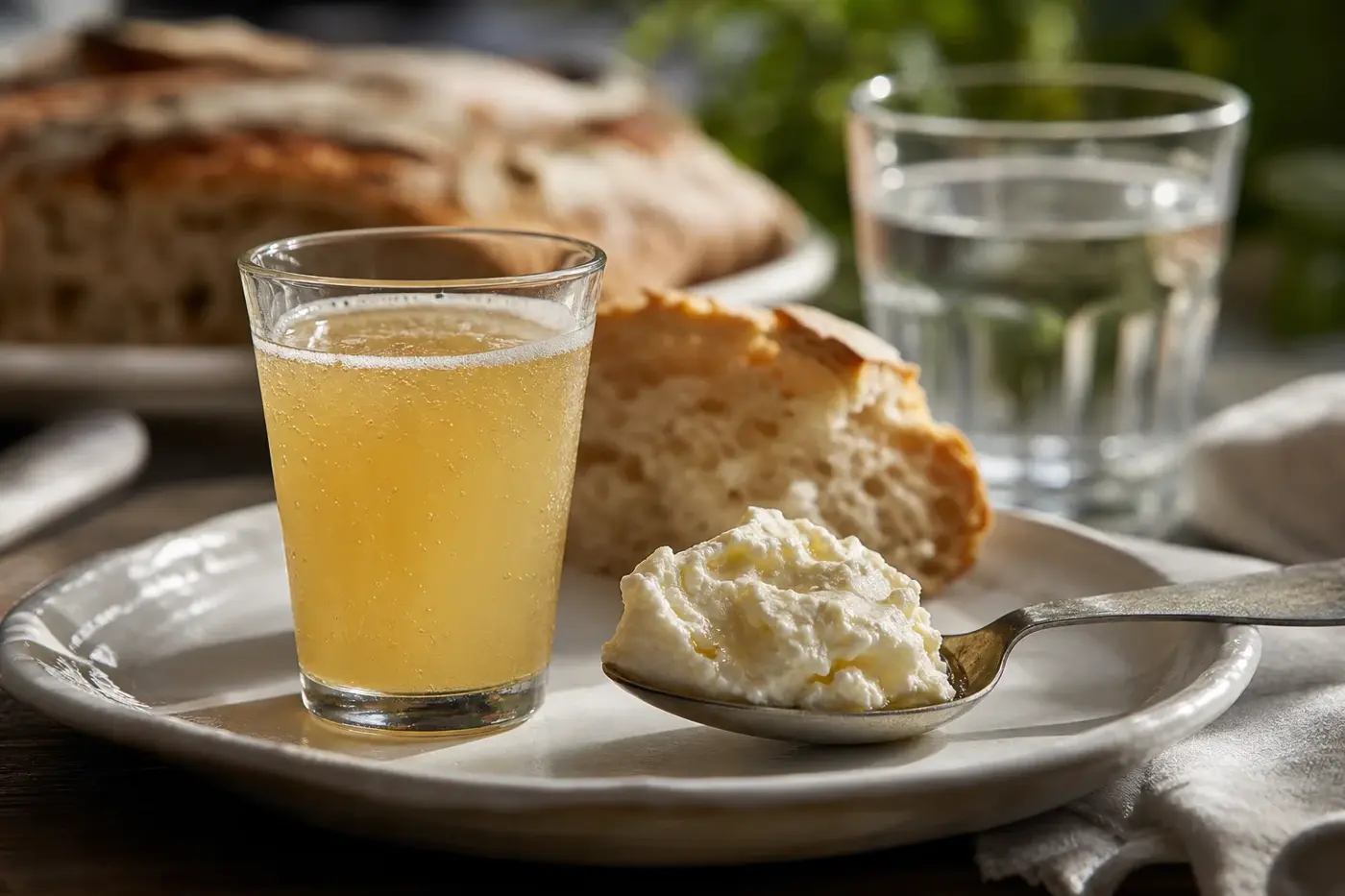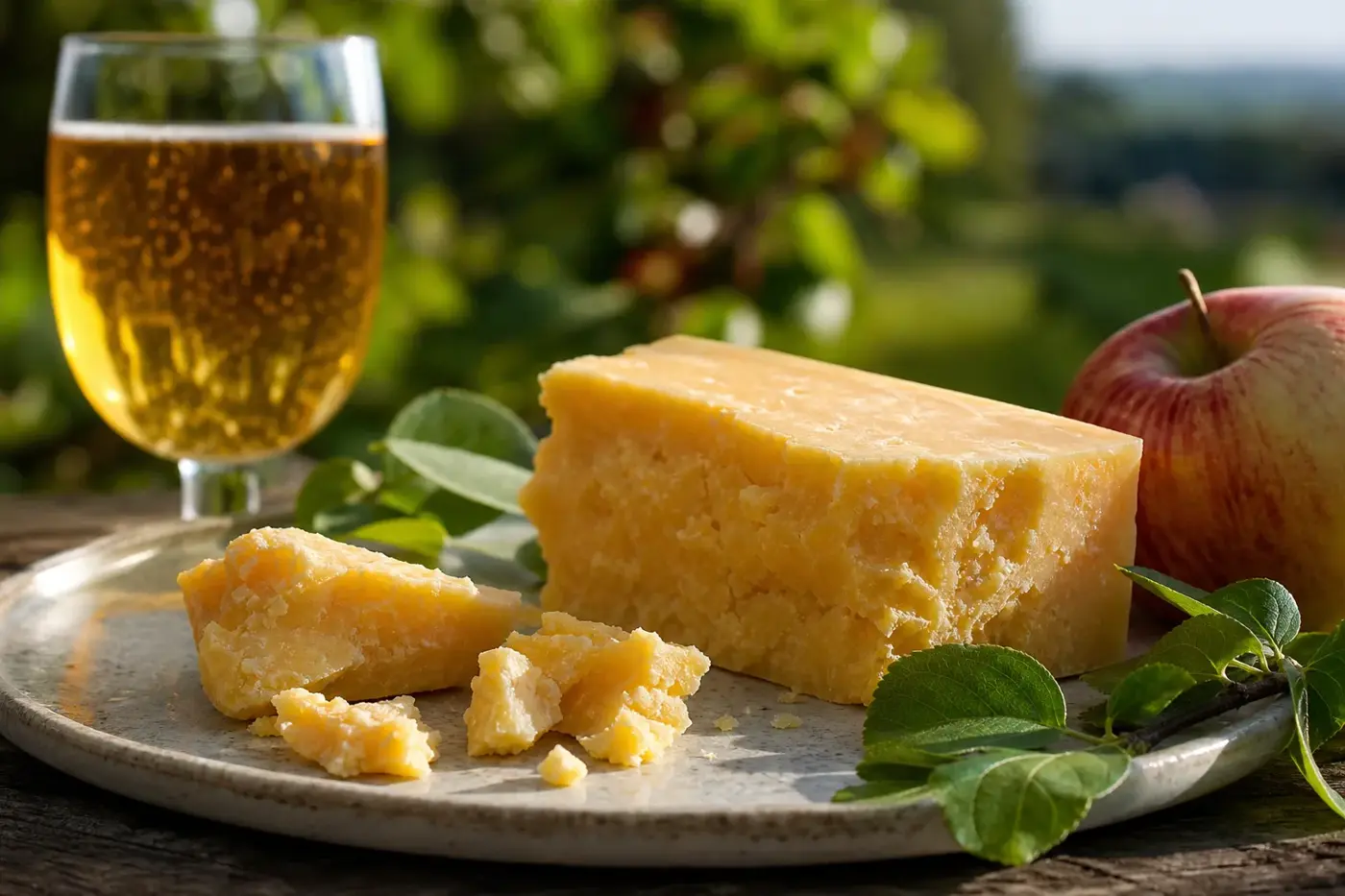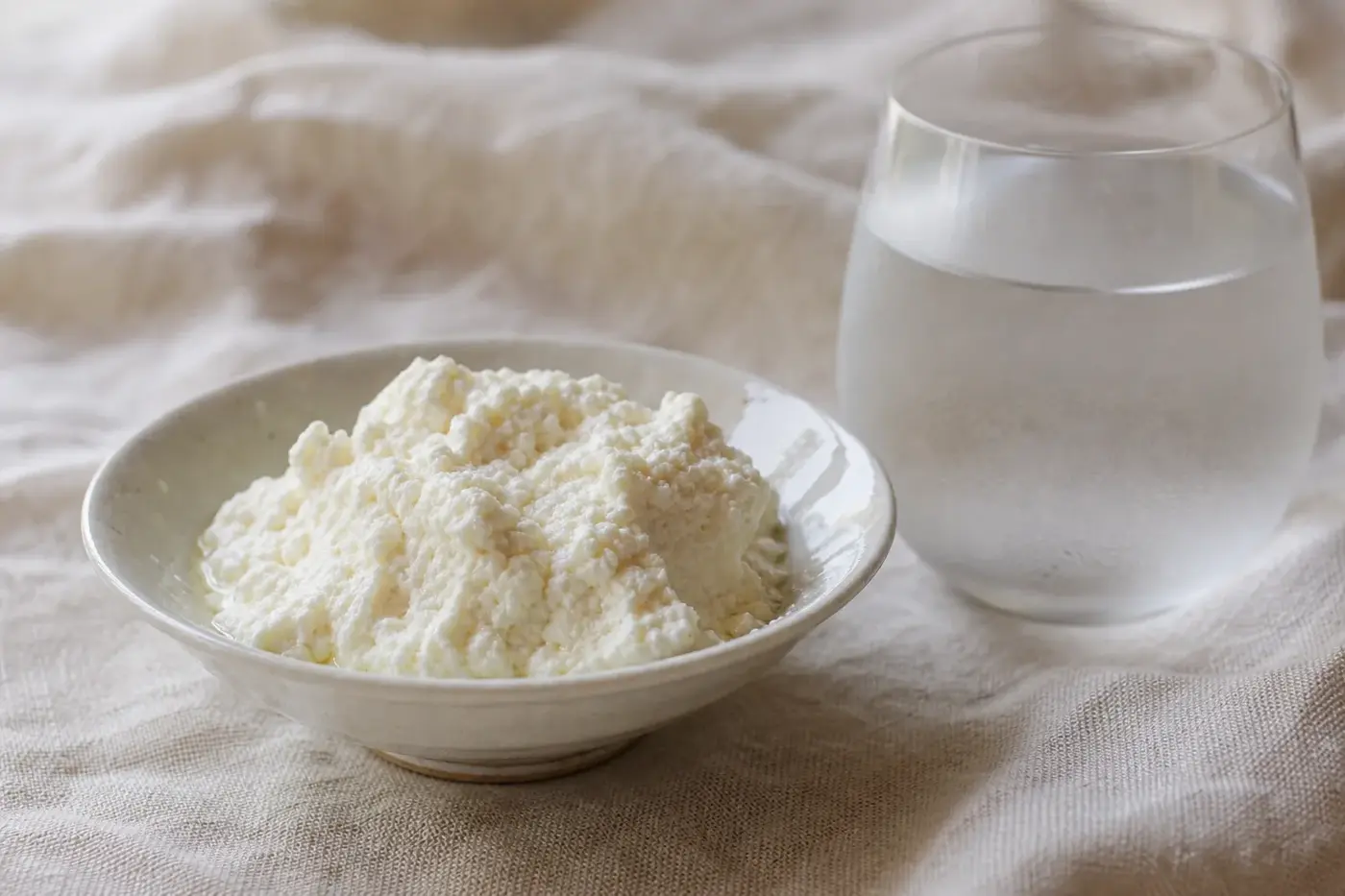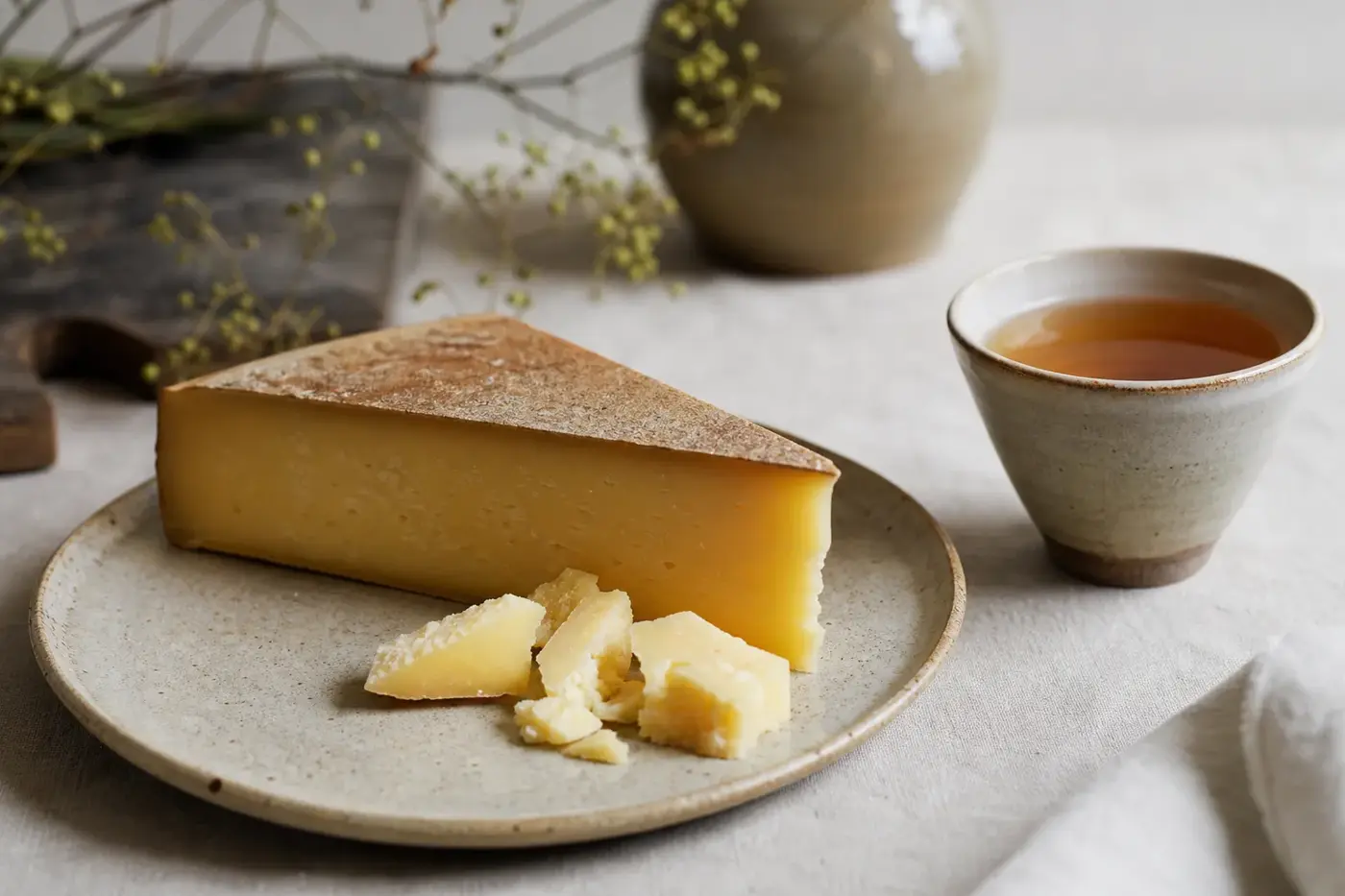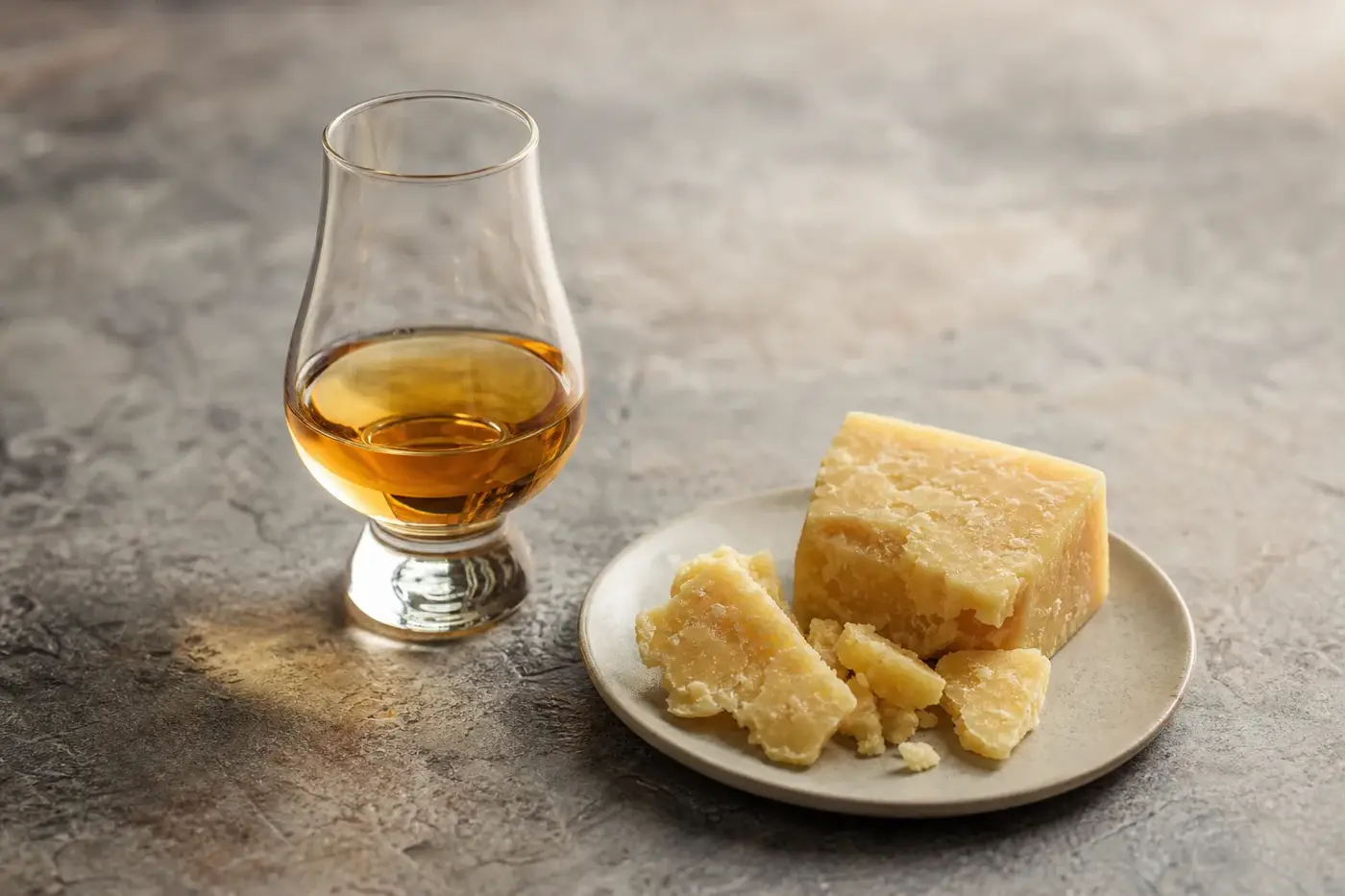
Lift the glass. Honey, red fruit, treacle. Then try another: citrus, smoky fruit and smoke that lingers. Those are the invitations in the distillers’ descriptions of Cotswolds’ Signature Single Malt and Ardbeg’s Ten Years Old, two very different places to begin your cheese board. [3][4]
Match intensity first, then look for contrast. Try fruit against a soft rind, sweet-tasting richness against blue cheese, or smoke beside a savoury hard cheese. Start with one cheese and one modest pour, tasting each separately before bringing them together. Can you still recognise and enjoy both? [1][2]
Find your way through fruit, smoke and spice
Sweetness, fruit, smoke, spice and alcoholic strength give you five useful starting points. Read the distiller’s notes for your particular bottle rather than guessing. Cotswolds’ honey and treacle suggest a different cheese companion from Ardbeg’s citrus and smoke. [3][4]
Think of sweetness as a flavour impression, not a promise of sweet wine. Honeyed or dried-fruit notes can offer a pleasing counterpoint to salt. Apple or pear notes suggest mild cheese, while fuller red-fruit or dried-fruit notes invite something more savoury.
Texture deserves your attention, too. Does a soft cheese stay enjoyably supple after a sip? Does a firm cheese’s flavour linger? Notice when alcohol heat takes over, because cheese fat cannot be assumed to soften every spirit.
These suggestions draw on published industry pairing guidance and distillers’ descriptions. Drinks Ireland, an industry body, recommends lighter whiskeys with goat cheeses, bourbon-matured whiskeys with mature Cheddars, and sherry-finished or peated styles with blue cheese. Take those as invitations to compare, not an examination with a correct cheese at the end. [1]
Get to know the bottle, not just its birthplace
“Fruity, lightly smoky, gently spiced” gives you more to work with than a regional name alone. Look at the description of the particular bottling. The official Scotch Whisky technical file identifies distillery processes and maturation as influences on character, and describes a broad range of aromas and flavours. [5]
Read the maker’s tasting notes, its account of maturation, and the alcohol by volume, or ABV. Choose your direction: fresh fruit, darker fruit, smoke or spice. Cask information helps explain the maker’s description, but the finished whisky’s tasting notes are your best guide to finding its cheese companion. [2][5]
Scotch also has a specific UK legal definition. Among its requirements, it must be distilled in Scotland and matured there for at least three years in oak casks holding no more than 700 litres. It must have a minimum alcoholic strength of 40% ABV. These requirements define Scotch, not whisky everywhere. [6]
Begin gently with fruit and a bloomy rind
A yielding centre beside a mellow, fruit-led whisky makes an approachable first pairing. Choose a soft, bloomy-rind cheese and a whisky whose published notes favour fruit over smoke. The bloomy rind is the surface mould characteristic of styles such as Brie. [1]
Ask your cheesemonger for a mild rind and a yielding centre. Drinks Ireland recommends Brie-style cheeses with pot still whiskey or single malt. You have a useful starting point, with plenty of room for your own preferences. [1]
Taste a small piece from the centre, then another with the rind. That gives the rind a deliberate part in your comparison. Can you still pick out the whisky’s fruit beside both, or does the rind become more prominent than you enjoy?
Begin with an unpeated, fruit-led whisky without an emphatically drying finish. If the combination feels forceful, add a little water and try again. This follows the distillery tasting practice described below: adjust the drink and leave the cheese unchanged. [2]
Give mature Cheddar a companion with character
Mature Cheddar brings savoury depth, so look for a whisky with enough fruit and body to hold its own. Start with a cheese you enjoy without anything beside it. Drinks Ireland recommends both single grain and bourbon-matured whiskeys with mature Cheddars. [1]
Cotswolds’ Signature Single Malt offers a specific flavour reference. Its maker describes honey, red-fruit and treacle notes developed through maturation in ex-red-wine and ex-bourbon casks. Try that fruit-led richness against your cheese’s savoury character and notice what comes forward. [3]
Choose by flavour, rather than asking for the oldest cheese or whisky; this is not a long-service award. Let a small flake of Cheddar develop its flavour before you sip. Does the fruit offer contrast, does the cheese disappear, or does a drying finish take charge? Change one element at a time to understand the difference.
Set blue cheese beside rich, sweet-tasting whisky
Dried fruit, chocolate and rounded spice are promising words when you have blue cheese in mind. Drinks Ireland recommends sherry-finished styles with blue cheese. Cotswolds’ published notes for its Single Sherry (Oloroso Spanish Oak) Cask include dried fruit, chocolate and spice. [1][7]
Here, the pleasure lies in contrast: sweet-associated flavours beside salt and intensity. Choose a blue you already enjoy, rather than the strongest available, and take a small mouthful. Give its texture as much attention as its blue character; both need room in the pairing.
If peppery heat takes over, dilute the whisky before changing the cheese. Still too forceful? Serve your blue with pear and water instead. The alcohol-free alternatives below are editorial suggestions built around these same flavour questions.
Find a sturdy cheese for peat smoke
Try peated whisky beside a robust hard cheese, such as mature Cheddar. Drinks Ireland recommends peated whiskeys with hard Cheddars and smoked cheeses. For your first comparison, choose an unsmoked cheese so the whisky’s contribution is easier to recognise. [1]
Ardbeg explains that its malt is dried over burning peat. The smoke introduces compounds responsible for the whisky’s smoky character. For its Ten Years Old, the distillery describes smoky fruit, lemon and lime, followed by a long smoky finish. Those notes give you a specific example to guide your choice. [4][8]
After sipping, look for the cheese flavours you noticed when you tasted it alone. If every mouthful becomes smoke, try another whisky rather than increasing either portion. Leave this comparison until after the gentler pairings, once you have a clearer sense of the cheeses themselves.
Keep things light with fresh goat cheese
Plain fresh goat cheese gives a lighter whisky a clear point of comparison. Look for a bottle described as gently fruity or sweet. Drinks Ireland includes lighter, sweeter single grains and blends among its options for goat cheese. [1]
Ask your cheesemonger for a fresh cheese with a clean lactic tang, without herbs, ash or other additions. Taste that tang against the whisky’s fruit. Do they feel balanced together, or does alcohol heat pull your attention away from the cheese?
For a gentler experiment, add water to the whisky or try the alcohol-free option in the table. Leave the cheese unchanged as you compare drinks, so you can identify the alteration you prefer. Adding water is an accepted serving option in Cotswolds’ published tasting guidance. [2]
Make a small board worth lingering over
Three cheese styles are enough for your first sitting. Fresh goat cheese, mature Cheddar and blue cheese offer three distinct comparisons; swap in a bloomy rind if you prefer. The whisky matches below draw on the cited guidance, while the alcohol-free matches are editorial suggestions. [1][2]
| Your cheese | Whisky to try | What to notice | An alcohol-free option |
|---|---|---|---|
| Soft bloomy rind | Mellow, fruity malt | Fruit beside the soft centre | Pear juice diluted with still water |
| Mature Cheddar | Fruit-led whisky with body | Fruit against savoury depth | Apple juice diluted with sparkling water |
| Blue | Rich, sherry-influenced whisky | Sweet-associated notes against salt | Pear juice and still water |
| Robust hard cheese | Peated whisky | Smoke with the cheese still recognisable | Lightly brewed smoky tea, cooled |
| Fresh goat cheese | Lighter, gently fruity whisky | Fruit beside lactic tang | Still water with sliced pear |
Put out plain crackers or bread, with apple or pear on a separate plate. Set strongly flavoured chutneys aside for the first comparisons. Taste your cheese and whisky without them, then add an accompaniment and notice the change. You can give the two things you came to taste your full attention first.
Keep pours modest and water close
Start with whisky at room temperature, as Cotswolds recommends for nosing and tasting. Put drinking water beside every place and offer modest measured pours, rather than generously filled glasses. You do not need to finish a sample. [2][9]
Bring out only the cheese you intend to serve. The FSA advises keeping refrigerated food between 0 and 5 °C and out of refrigeration for the shortest possible time in England, Wales and Northern Ireland. Keep this guidance in mind throughout your tasting. [10]
Add water to your whisky a little at a time, then smell and taste again. Cotswolds recommends trying water to reduce alcoholic intensity and explore aromas. Keep drinking water separate from dilution water, with both available throughout. [2]
These alcoholic pairings are for adults of legal drinking age. The UK Chief Medical Officers advise limiting alcohol on a single occasion, eating and alternating with water. Their 2016 guidance recommends no more than 14 units a week on a regular basis, spread over at least three days if drinking that amount. [9]
People who are pregnant, driving, taking medicines that interact with alcohol or recovering from alcohol dependence should not drink. Check current official guidance for where you live. Seek individual advice where needed.
Taste separately, then see what happens together
Move from lighter combinations towards richer ones. This simple method draws on distillery tasting guidance and Drinks Ireland’s recommendation for that progression. Keep your comparisons small enough to notice what each mouthful changes, and give yourself time to pay attention. [1][2]
- Begin with the gentler cheeses. Try fresh goat cheese or a mild bloomy rind before Cheddar. Leave blue cheese and the smoky comparison until later.
- Give the cheese a moment alone. Notice its texture, salt, tang and finish.
- Approach the whisky gently. Smell it without inhaling deeply over the glass.
- Take a separate sip. Keep it small and notice fruit, smoke, spice and heat.
- Try the two together. Eat another small piece, then sip. What has changed?
- Pause for water. Jot down a few words, then continue only if you want to.
Buy a little and care for what is left
Tell your cheesemonger which whisky flavours you want to explore. Ask for small pieces with contrasting textures, and keep the labels or note each cheese’s name. That way, you can recognise a successful pairing afterwards. The cheese label guide explains what to look for.
Return unserved cheese promptly to refrigeration. Follow its storage instructions, use-by date and any after-opening limit. The FSA advises keeping dairy products refrigerated and following packaging instructions, including after your tasting. [10]
Wrap and identify each remaining piece separately, keeping its label. For more handling advice, follow how to store cheese at home. Next time, change just one cheese or one whisky. A single change makes it easier to understand why a combination works for you.
General information only, not medical advice: follow the official guidance where you live.
Questions people ask
What whisky goes with blue cheese?
Drinks Ireland recommends sherry finished whisky with blue cheese. Look for descriptions such as dried fruit, chocolate and rounded spice to contrast with the cheese’s salt and intensity.
What whisky pairs with mature Cheddar?
Drinks Ireland recommends single grain and bourbon matured whiskeys with mature Cheddar. A whisky with fruit and body can stand beside the cheese’s savoury depth.
What whisky goes with fresh goat cheese?
Drinks Ireland suggests lighter, sweeter single grains and blends. Try a gently fruity whisky against the cheese’s lactic tang.
How should I taste cheese and whisky together?
Taste the cheese and whisky separately first, then eat another small piece of cheese and sip the whisky. Start with lighter combinations and leave blue cheese and smoky pairings until later.
Can I add water to whisky for a cheese tasting?
Yes. Cotswolds recommends trying water to reduce alcoholic intensity and explore aromas. Add it a little at a time, then smell and taste again.
Sources
- Drinks Ireland, Irish whiskey and food pairings, undated web guidance, accessed November 2026. Industry guidance, particularly “Irish Farmhouse cheeses”. Source.
- Cotswolds Distillery, How to Enjoy Single Malt Whisky: Dos and Don’ts from a Whisky Tasting Expert, undated web guidance, accessed November 2026. Commercial producer’s advice. Source.
- Cotswolds Distillery, Cotswolds Signature Single Malt Whisky, undated product description, accessed November 2026. Maker’s production information and tasting notes. Source.
- Ardbeg, Ardbeg Ten Years Old, undated product description, accessed November 2026. Maker’s tasting notes. Source.
- Department for Environment, Food & Rural Affairs, Scotch Whisky technical file, June 2019, linked from the official protected-name record, accessed November 2026. “Aroma and flavour”, page 3. Source.
- UK legislation, The Scotch Whisky Regulations 2009, SI 2009/2890, regulation 3, revised text accessed November 2026. Source.
- Cotswolds Distillery, Cotswolds Single Sherry (Oloroso Spanish Oak) Cask, undated product description, accessed November 2026. Maker’s tasting description. Source.
- Ardbeg, Our process, undated production account, accessed November 2026. “Malting”. Source.
- Department of Health, UK Chief Medical Officers’ Low Risk Drinking Guidelines, 2016, accessed November 2026. Regular drinking, single-occasion drinking and pregnancy guidance. Source.
- Food Standards Agency, How to chill, freeze and defrost food safely, 2017, current web text accessed November 2026. Applies to England, Northern Ireland and Wales. Source.
- NHS, Alcohol-use disorder, current web guidance, accessed November 2026. Treatment aims and individual support. Source.
- Food Standards Agency, Alerts, live alert listing, accessed November 2026. Editorial recall screening source. Source.
Researched from official UK legislation and guidance, an industry pairing guide, and distillers’ published accounts, with proposed combinations identified as editorial suggestions.
Last checked: November 2026
Last checked November 2026.
The editors suggest you read next