Cheese and Cider
Picture the orchard at Somerset Rural Life Museum in Glastonbury, where old local apple varieties still grow.
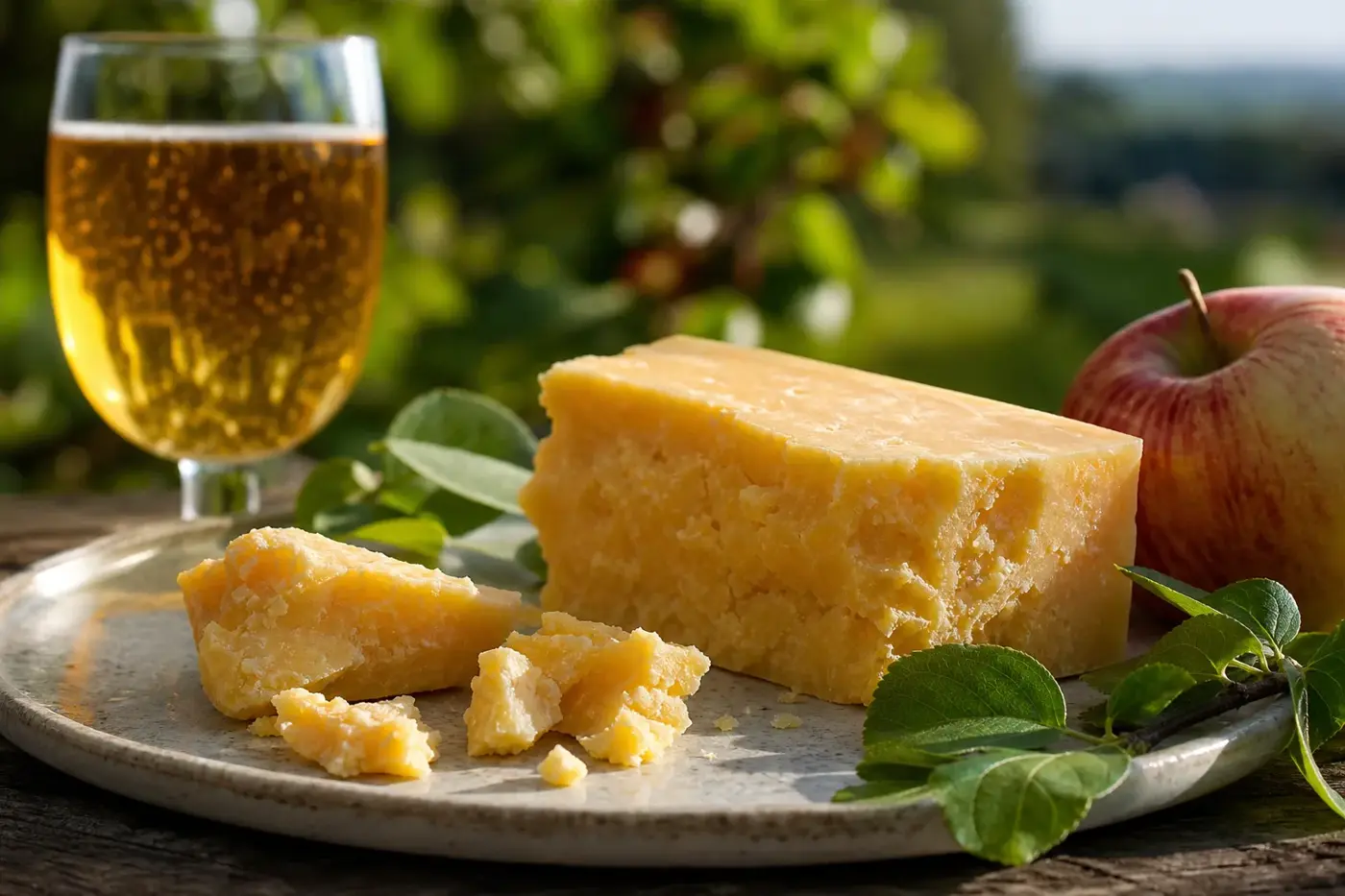
Picture the orchard at Somerset Rural Life Museum in Glastonbury, where old local apple varieties still grow. Here at Abbey Farm, a dairy and cheese store stood beside the farmhouse, with cider making part of the same working landscape. The orchard and the dairy have history together. [1]
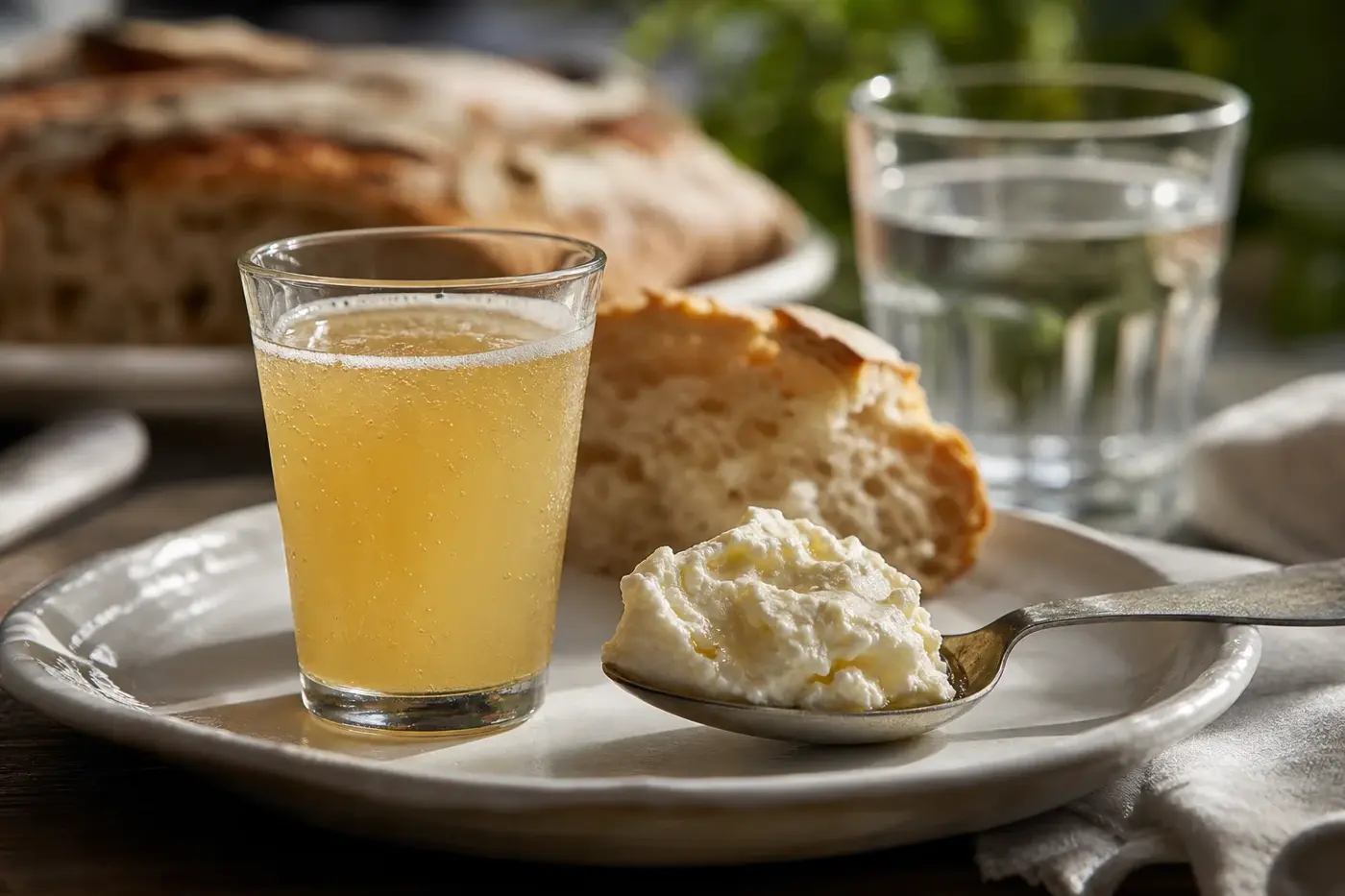
You can pick up their conversation at the table. Let acidity, tannin and sweetness lead you: dry and tannic cider with mature Cheddar, crisp cider with fresh goat's cheese, medium sweet with blue. A little matchmaking, without the awkward introductions. [2,6,7]
Follow the apples back to the farmhouse
At Somerset Rural Life Museum, you can trace that connection through the farm's story. Its account of Abbey Farm records the dairy and cheese store, while the farming gallery brings dairy farming and cider making into Somerset's working history. Outside, those old local apple varieties keep the story growing. [1]
Start with Somerset cider and farmhouse Cheddar if you'd like a tasting rooted in one place. Then let your palate wander: the balance in the glass matters more than the address on the bottle. A cider from another country can be just as thoughtful a partner.
The American Cider Association, an industry body, recommends looking at intensity, complementary flavours and contrast alongside origin. A regional match is an invitation, not a seating plan. [6]
Discover what your cider brings to the table
Don't let a fruity aroma do all the talking. Acidity, tannin, sweetness and sparkle tell you more: acidity gives you the tart edge, while tannin brings bitterness and that drying grip familiar from strong tea. Sweetness is separate from fruitiness, and sparkle changes how the drink feels. [2,4,5]
University of Wisconsin Extension explains the traditional apple groups through acid and tannin. Sharps bring acidity with relatively little tannin; bittersweets bring tannin with less acidity; bittersharps supply both; sweets are lower in both. Blending lets a maker find a balance that one variety might not deliver alone. [2]
Ask which apples went into your cider. Varieties differ in acidity and tannin, so the answer can help you choose a drink for the cheese in front of you. [2]
Fermentation adds another twist: a sweet apple need not become a sweet drink. Yeast converts sugar into alcohol and carbon dioxide. The American Cider Association's training guide explains how makers may retain sweetness or add it afterwards; carbonation can also come from fermentation or be introduced separately. [4]
Maturation shifts the balance again. The Beer Judge Certification Program describes malolactic conversion, where bacteria turn sharper malic acid into softer lactic acid, alongside the tannin and flavour oak can contribute. Ask about the finished cider, because barrel ageing alone won't tell you how heavy it feels. [5]
Look for freshness and a little grip
After rich cheese, acidity can make your next mouthful feel fresher. Tannin gives cider enough grip to hold its own beside a firm, savoury bite. These effects draw on two American Cider Association pairing principles, contrast and matching intensity, but your palate gets the deciding vote. [6,7]
Match strength first, then look for flavours that echo each other. If the cheese overwhelms the cider, try a drink with more flavour or sweetness. If the finish turns harsh and drying, ease back on tannin. Keep the cheese the same while changing the drink, so you can taste what shifts. [7]
Find a pairing worth pouring again
These editorial suggestions draw on the Association's principles. Choose cheeses whose maker's description fits the character below, then adjust the cider to suit the particular cheese. Give yourself room to find your own favourite. [6,7]
| Cheese style | Cider to try | What you're looking for | Another apple drink |
|---|---|---|---|
| Mature Cheddar | Dry, moderately tannic | Grip alongside savoury intensity, with fruit for contrast. [6,7] | Tart sparkling apple juice |
| Fresh goat's cheese | Crisp, light, low tannin | Acidity that follows the tang without heavy grip. [7] | Apple juice with sparkling water |
| Bloomy rind, such as Brie | Softer, fruitier, gently sparkling | A gentle partner for mild, supple cheese. [6,7] | Lightly diluted sparkling apple juice |
| Blue cheese | Medium sweet, with freshness | Sweetness to contrast with salt and sharpness. [6,7] | Fuller, sweeter apple juice |
| Pungent washed rind | Full flavoured, medium dry | Enough intensity to meet the rind's strong aroma. [6] | Robust apple juice, served undiluted |
Give mature Cheddar a worthy companion
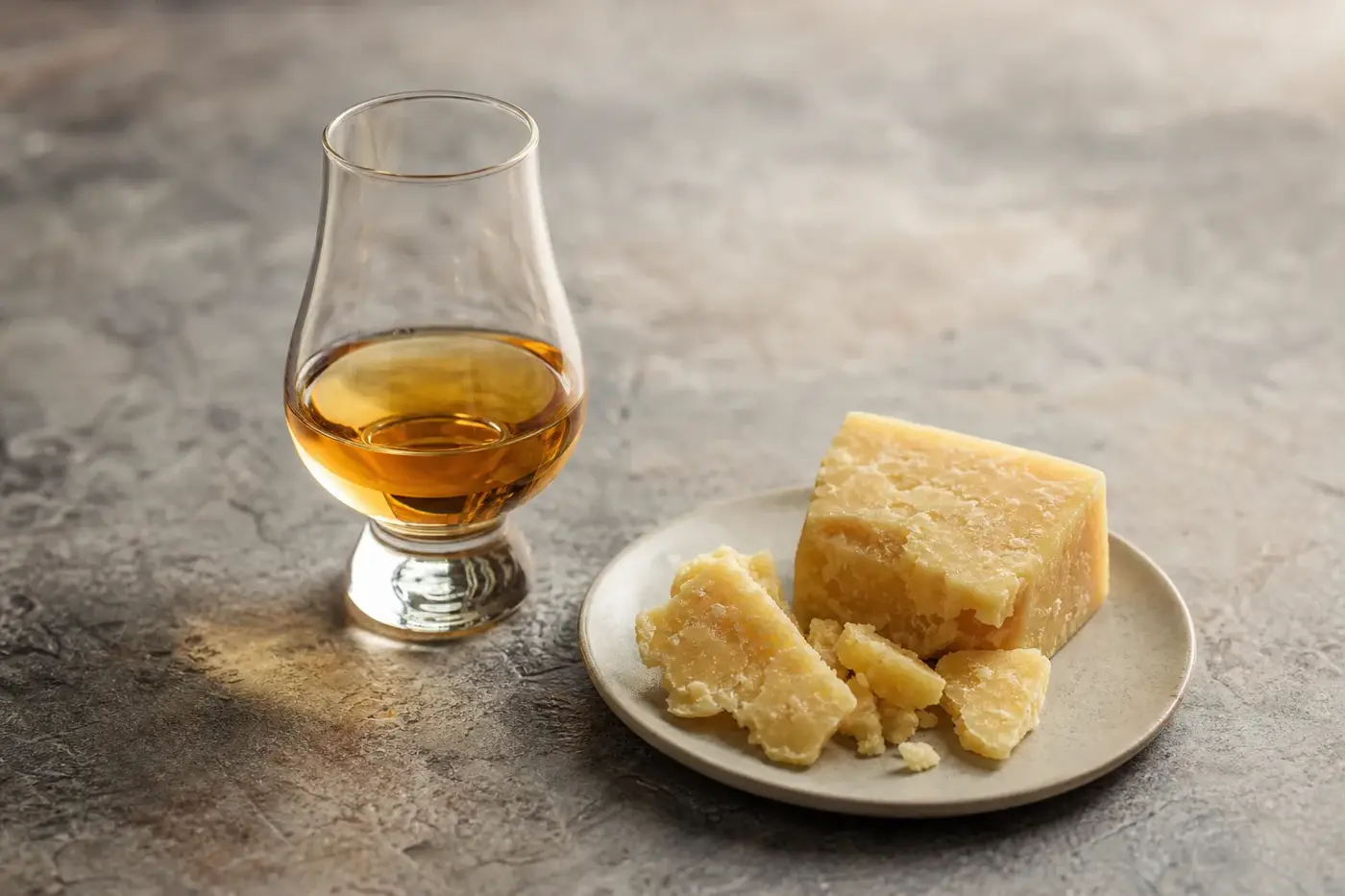
Take a bite of mature Cheddar, then a sip of dry cider with enough tannin to register beside it. Look for apple fruit that stays distinct without crowding the cheese's savoury finish. That contrast matters more than tracking down the driest bottle you can find. [6,7]
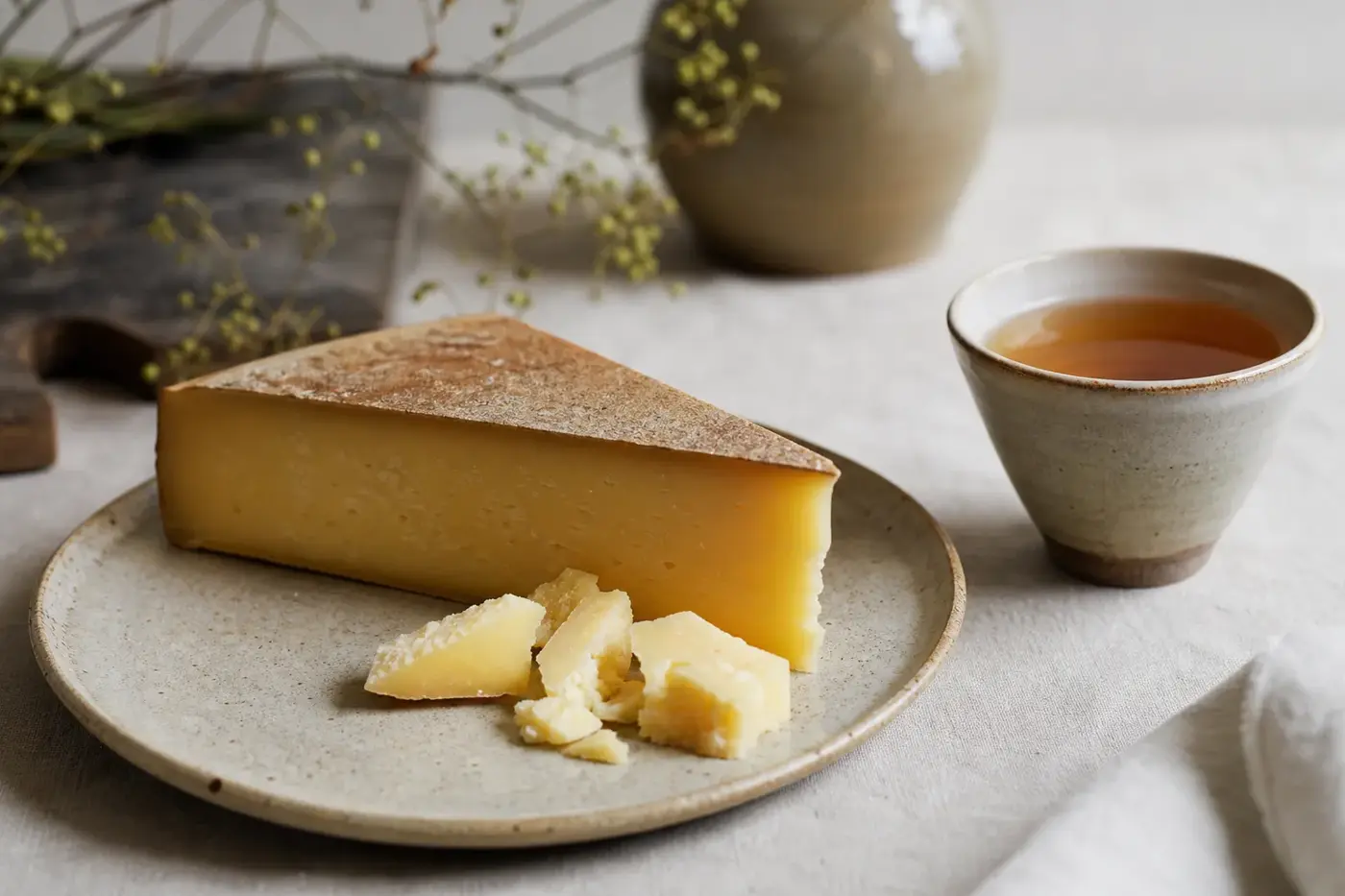
West Country Farmhouse Cheddar Cheese gives you a regional starting point. Registered as a protected designation of origin in Great Britain, its specification covers farm production in Dorset, Somerset, Devon and Cornwall. It allows raw or pasteurised cows' milk, requires hand cheddaring and sets at least nine months' maturation. The described flavour is rounded, with nuttiness and a hint of sharpness. [8]
Keep things gentle with goat's cheese and Brie
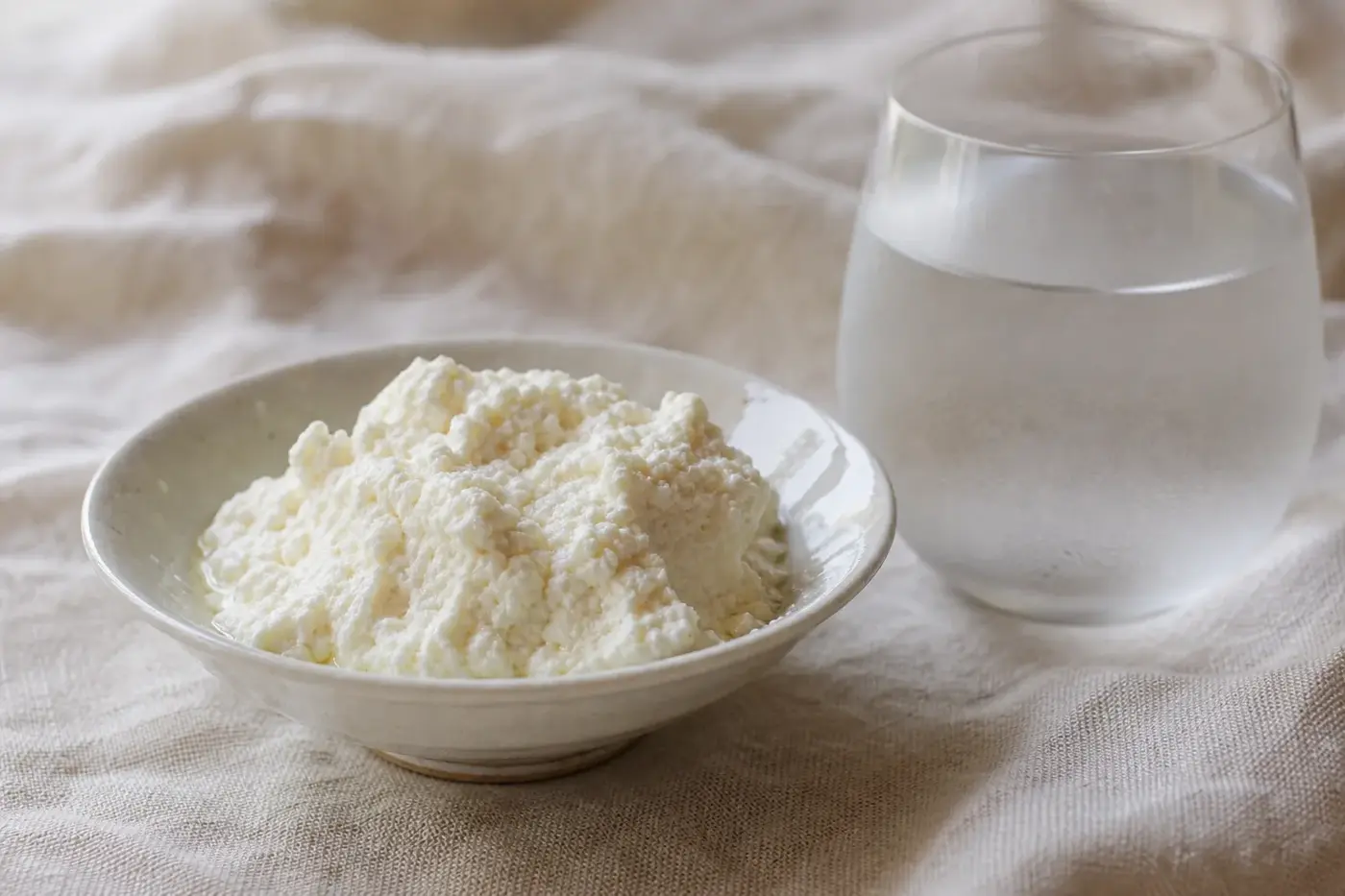
For clean, tangy fresh goat's cheese, choose crisp cider with restrained tannin. You want both to taste lively after a mouthful together. If the finish feels too sharp, try a little more sweetness rather than a more forceful cider. [6,7]
With mild, supple Brie, start with pronounced apple fruit, modest tannin and gentle sparkle. Taste the cheese plain first, alongside the cider. Honey, chutney and sweet toppings change the balance, so bring them in afterwards. [6,7]
Meet blue and washed rind with confidence
Medium sweet cider is a useful first partner for salty, sharp blue cheese. Sweetness supplies contrast, while acidity keeps the mouthful lively. The Association's classic example pairs intensely sweet ice cider with blue cheese; for a gentler blue, the table gives you a less sweet starting point. [6,7]
If the maker describes a washed rind cheese as pungent, choose a confident, full flavoured cider rather than a delicate one. Start medium dry, with fruit and grip. If the maker identifies the rind as edible, taste paste and rind together: that's the whole mouthful your cider needs to accompany. [6]
Build your tasting from gentle to bold
Arrange the cheeses by how strong they actually taste, rather than simply by style. This sequence gives you a useful place to start:
- Fresh goat's cheese with the lightest, crisp cider.
- A mild bloomy rind with the softer, fruitier cider.
- Mature Cheddar with the drier, more tannic cider.
- A pungent washed rind with the fuller cider.
- Blue cheese with the medium sweet cider.
Let the Association's intensity principle guide any reshuffling. An unusually assertive bloomy rind, for instance, may need a later place. [6]
Taste each cider alone first, then take a small bite of cheese and another sip. Does the fruit become clearer, the finish harsher or the cheese more prominent? Keep water and plain bread to hand while you compare.
Pour cool and give each bite your attention
The American Cider Association suggests approximately 7 to 10 °C (45 to 50 °F) for light bodied cider and 10 to 16 °C (50 to 60 °F) for medium to full bodied examples. Follow the producer's recommendation when provided. Choose a clean wine glass that narrows towards the rim to gather the aroma, and begin with a tasting pour of about 60 ml. [4]
Cut a few small bites of each cheese rather than putting out whole pieces for everyone. Replenish the plate as needed, keeping the remaining cheese refrigerated. Fewer pairings can make comparison easier: you're looking for changes between mouthfuls, not enough cheese to require a seating plan of its own.
For England, Wales and Northern Ireland, the Food Standards Agency advises a fridge temperature between 0 and 5 °C (32 to 41 °F). Keep chilled cheese refrigerated until you need it, and follow its storage instructions. [9]
Keep preparation and table time brief, follow the pack's storage instructions and use by date, and return cheese to refrigeration promptly. You'll find the wider routine in how to store cheese at home. [9]
Let the accompaniments play a supporting role
Begin with bread or plain crackers, offering sliced apple, pear or a few walnuts separately. Add one accompaniment at a time: a spoonful of sweet chutney can take over an otherwise restrained match. Save sharper pickles for a second round, once you've got to know the cheese and cider together.
Fruit and nuts follow the Association's suggestion of using accompaniments to complete or contrast a pairing. [6] To make a meal of it, put cheese at the centre with bread and a plainly dressed salad. Offer guests an apple drink just as readily as you offer cider.
Take cider and Cheddar to the toast
Cider rarebit brings the pairing into a cooked dish: toasted bread topped with a cooked mixture of Cheddar, cider and mustard. Think of it as an editorial meal suggestion, rather than a recipe to follow here. Choose cider whose apple character you enjoy, then match the whole finished dish, mustard included, rather than the cheese alone.
Cooking reduces alcohol, but doesn't reliably remove it. The USDA's retention tables record alcohol remaining after several cooking methods, although those figures cannot predict the amount in your particular rarebit. [11] If avoiding alcohol is essential, choose a dish made without alcoholic cider from the outset.
If you're saving some for later, follow the FSA's guidance for England, Wales and Northern Ireland. Refrigerate leftovers within two hours, eat within 48 hours or freeze, and reheat only once until steaming hot throughout. Follow that guidance for a cooked cheese dish. [9,10]
Keep the apple flavour, leave out the alcohol
Sparkling apple juice brings brightness, while sparkling water can lighten juice when sweetness dominates. The table's alternatives are editorial starting points: try undiluted juice with salty blue and a lighter drink with mild goat's cheese. Compare each drink against the same bite so you can follow the changing balance.
Juice retains its apple sugars, while fermented cider's sweetness depends on fermentation and any later adjustment. [2,4] Expect juice to feel sweeter and fuller, then consider sweetness, acidity and texture afresh. Apple aroma alone tells you little about how dry a drink will taste. [4,5]
Check the stated alcohol content as well as the drink's description, and read the maker's flavour description before choosing. Offer alcoholic pairings only to adults of legal drinking age, with water and an apple drink alongside.
People who are pregnant, driving, taking medicines that interact with alcohol, or recovering from alcohol dependence should not drink. See the NHS alcohol advice and ask a doctor or pharmacist about your personal circumstances.
Where will your next tasting take you?
- How to Tell Cheese Styles Apart: Milk, Rind, Texture and Method: choose contrasting styles for your next tasting.
- Cheese and Wine Pairing: The Complete Guide: explore the same pairing principles with another drink.
General information only, not medical advice: follow the official guidance where you live.
Questions people ask
Which ciders go with different cheeses?
Try dry, moderately tannic cider with mature Cheddar, or crisp, light cider with fresh goat's cheese. Medium sweet cider is a starting point for blue cheese, while a pungent washed rind calls for a full flavoured, medium dry cider.
Can sweet apples make dry cider?
Yes. Yeast converts sugar into alcohol and carbon dioxide during fermentation, so a sweet apple can produce a dry drink. Makers may retain sweetness or add it after fermentation.
What temperature should cider be served at?
The American Cider Association suggests approximately 7 to 10 °C for light bodied cider and 10 to 16 °C for medium to full bodied cider. Follow the producer's recommendation when one is provided.
Does cooking cider remove all its alcohol?
Cooking reduces alcohol but does not reliably remove it. The USDA's alcohol retention tables record alcohol remaining after several cooking methods, although they cannot predict the amount in a particular rarebit. If avoiding alcohol is essential, the page suggests choosing a dish prepared without alcoholic cider from the outset.
What can I serve with cheese instead of cider?
Sparkling apple juice is an alternative, and sparkling water can lighten juice when sweetness dominates. The page suggests undiluted juice for a salty blue cheese and a lighter drink for mild goat's cheese.
Sources
-
South West Heritage Trust, Somerset Rural Life Museum. The Galleries, Around Abbey Farm and The Mapstone Family. Undated collection and interpretation pages, retrieved November 2026. The relevant passages describe Somerset dairy farming and cider making, the museum orchard, and Abbey Farm's dairy and cheese store. Galleries, Abbey Farm, farmhouse history.
-
University of Wisconsin Extension. Cider Apples. Undated extension article, retrieved November 2026. Apple classification, malic acidity, tannin and the contribution of fermentable sugar. Source.
-
Washington State University. Studies on fruit and hard cider chemistry from Eastern WA grown English fruit. Showcase research abstract, 17 April 2020. Four-variety comparison, juice and cider chemistry, and tannin analysis using the Porter assay. Source.
-
American Cider Association. Certified Cider Professional Study Guide, Introductory Level 1. Version 3.1, file published in 2021. Sections on production, evaluation, keeping and serving. Industry educational guidance. Source.
-
Beer Judge Certification Program. 6. Balance in Cider. Cider judge training material, undated, retrieved November 2026. Acidity, sweetness, tannin, malolactic conversion and oak. Source.
-
American Cider Association. Cider And Cheese Pairings For Any Occasion. Industry pairing guidance, retrieved November 2026. Matching intensity, regional connections, complementary flavours, acidity, blue cheese and accompaniments. Source.
-
American Cider Association. Cider and Food Basics. Undated educational pairing document, retrieved November 2026. Matching intensity, complement, contrast and perceived refreshment. Source.
-
Department for Environment, Food & Rural Affairs. West Country Farmhouse Cheddar Cheese, GB protected food name register entry, published 4 January 2021; accompanying Protected food name: West Country Farmhouse Cheddar product specification, hosted version retrieved November 2026. Register, specification.
-
Food Standards Agency. How to chill, freeze and defrost food safely. Published 18 December 2017, live version retrieved November 2026. Applies to England, Northern Ireland and Wales. Source.
-
Food Standards Agency. Cooking your food. Live version retrieved November 2026, particularly section 7, using leftovers. Source.
-
US Department of Agriculture, Agricultural Research Service. USDA Table of Nutrient Retention Factors. Release 6, December 2007. Methods and alcohol retention entries. Source.
-
HM Revenue & Customs. Alcoholic products technical guide, Section 2: alcoholic products. Live version retrieved November 2026, section 2.2, cider. Official interpretation of UK excise classification. Source.
-
Department of Health and Social Care. Low Alcohol Descriptors Guidance. Published 13 December 2018, retrieved November 2026. England guidance, particularly paragraphs 1.7 and 1.13. Source.
This piece combines museum interpretation, university research, official food guidance and attributed cider education with editorial pairing suggestions developed through desk research.
Last checked: November 2026
Last checked November 2026.
The editors suggest you read next