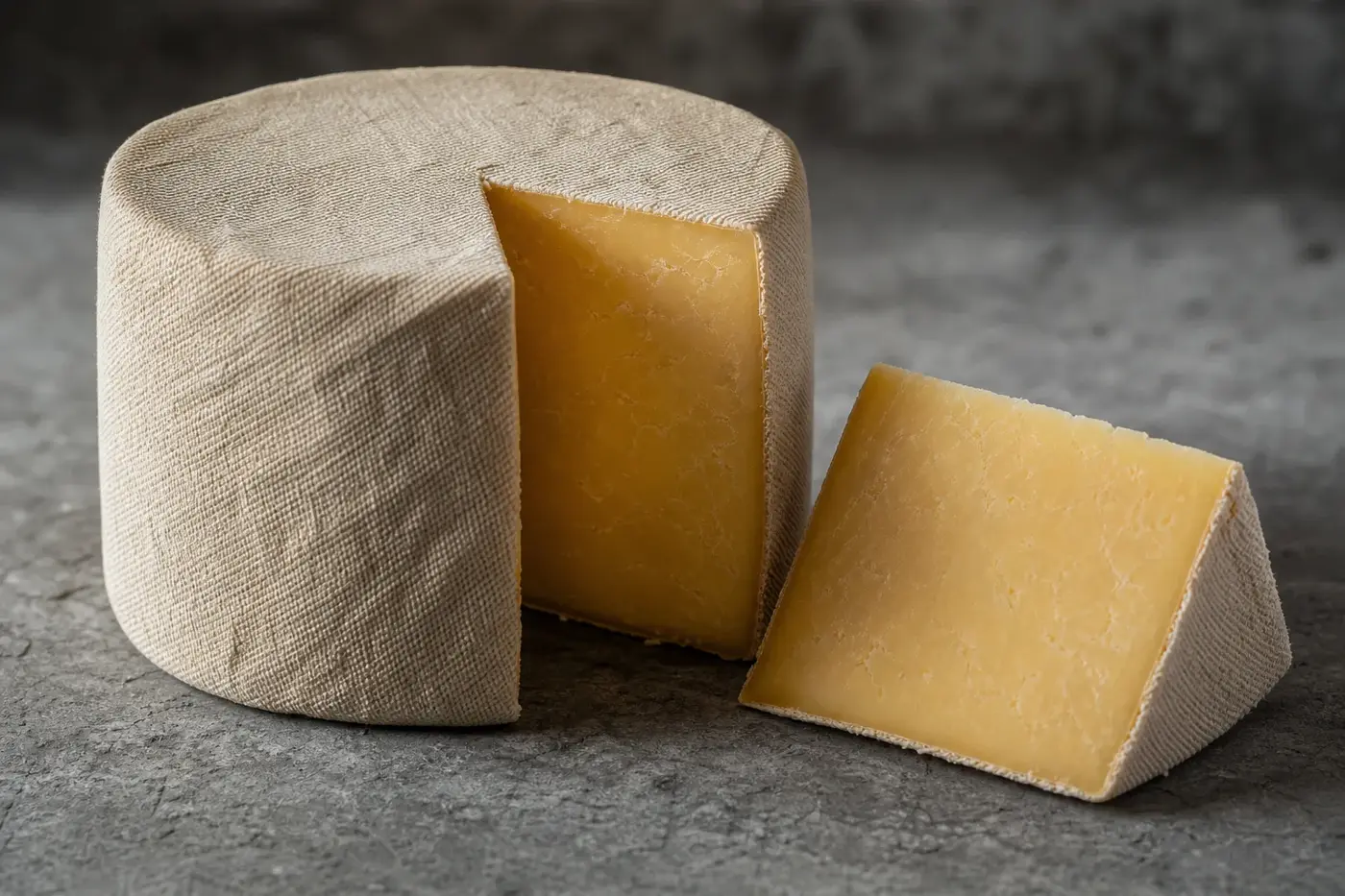
Crowdie / Skinny Crowdie
An oatcake, a spoonful of Crowdie, and soft, crumbly curds against that simple base.
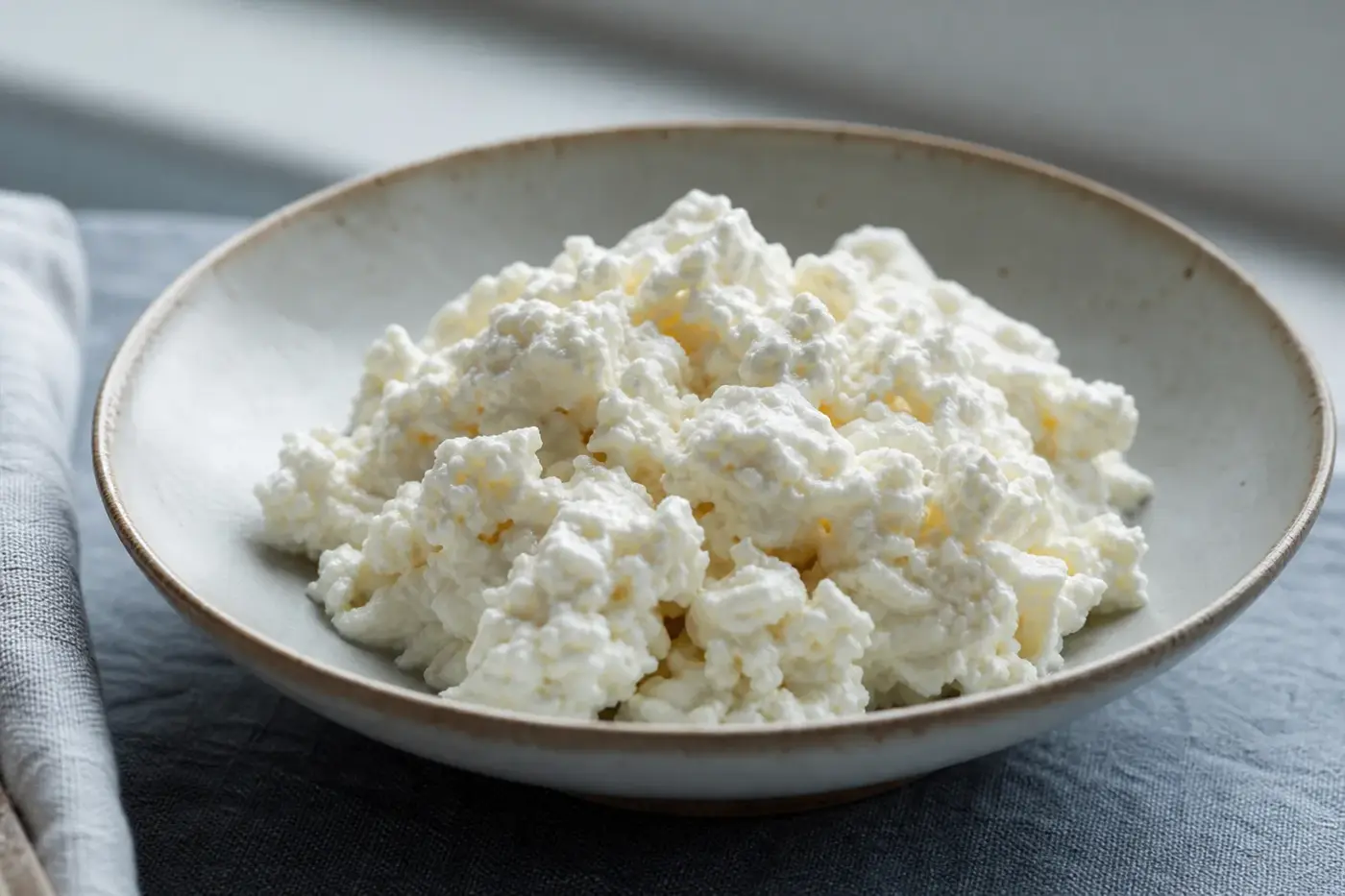
An oatcake, a spoonful of Crowdie, and soft, crumbly curds against that simple base. Your first mouthful belongs to a Scottish tradition whose name appeared as “crowdy” in Scots writing in 1820. Today, Highland Fine Cheeses puts its Skinny Crowdie into pots in Tain: fresh pasteurised cow’s milk cheese, ready for herbs, honey or another quiet spoonful. [1,2,3]
Your first spoonful of useful knowledge
- Looking for plain? Choose Highland Fine Cheeses’ Skinny Crowdie. Black Crowdie comes coated in pepper and oatmeal. [1,5]
- For your fridge in Scotland, Food Standards Scotland recommends 0 °C to 5 °C. Guidance as at November 2026. [10]
- Food Standards Scotland says not to eat food after its use by date, even if it smells normal. Guidance as at November 2026. [11]
| Your question | The useful detail |
|---|---|
| Which names are covered? | Crowdie is the wider Scottish cheese tradition. Skinny Crowdie is Highland Fine Cheeses’ named product. [1,2] |
| Who makes it, and where? | Highland Fine Cheeses, Blarliath Farm dairy, Tain, Scotland. [1,4] |
| Which milk goes into it? | Pasteurised cow’s milk. [3] |
| What sort of cheese is it? | Fresh, soft, crumbly lactic curd. [1] |
| How does it set? | Cultures acidify the milk. The maker’s statements leave rennet use unclear. [1] |
| Does it mature? | No maturation, according to the maker. Any separate resting period remains unclear. [1] |
| How much fat does it contain? | 4.5 g per 100 g of cheese, not fat in dry matter. [1] |
| Which allergen is declared? | Milk. The complete current ingredient list remains unspecified here. [1] |
| What does it smell like? | No established description specific to this product. |
| What about register status and identifier? | Both remain unspecified here. |
An oatcake is a good place to begin
Crowdie belongs to Scotland’s tradition of soft curd cheeses, with a name particularly associated with the Highlands. The Scottish National Dictionary calls it a kind of soft cheese. Follow its quotations and you find several preparations, rather than one household method passed down unchanged. [2]
Skinny Crowdie is Highland Fine Cheeses’ version of that tradition. It sits alongside Black Crowdie, which has quite a different finish. For the plain potted cheese, ask for Skinny Crowdie; when a recipe or cheesemonger says Crowdie, ask which one they mean. [1,5]
Keep your first encounter simple: plain cheese and an oatcake. Let the curd have the first word before you reach for honey, herbs or pepper. Once you know its texture, you can take the same pot towards sweet or savoury without assembling an elaborate plate.
Curious about where it sits among other cheeses? Explore the differences between fresh curds, mould-ripened cheeses and harder cheeses in how to tell cheese styles apart.
Step into Crowdie’s Highland kitchen
Sour milk, sweet milk, cream and rennet all have a place in Crowdie’s written history. The dictionary’s evidence begins with that 1820 literary reference to “crowdy”. A quotation published in 1921 describes sour-milk curds cooked, strained and mixed with salt and cream. [2]
Turn to 1930 and another approach appears. A quotation records sweet milk set with rennet, broken up and drained. You are looking at several ways of making Crowdie, not a single recipe with the final say. [2]
That distinction matters when you hear Crowdie described as always rennet-free, or always made from one particular milk preparation. Its history has more room in it than either claim allows. Highland Fine Cheeses’ modern product has its own documented method within that larger tradition. [1,2]
The maker’s account of Highland household dairying brings you close to the daily work. Cream came off the milk for butter, while the remaining milk soured near the range. The curd was broken up and hung in cloth to drain, making use of both cream and milk within the same domestic routine. [4]
These accounts give the cheese a past, not instructions for your kitchen. If you want to make cheese at home, follow a separately reviewed method. An old description of souring milk is history, not your recipe.
Find Tain’s old dairy among newer neighbours
Blarliath Farm dairy still has its old walls, though the landscape around them has changed. The former smallholding now stands amid an industrial estate. Highland Fine Cheeses names this dairy on Shore Road, Tain, as its production base: a setting with more character than a generic Highland farm picture. [4]
Tain sits within the geographical area recorded as Ross and Cromarty by Highland Council’s historic environment service. Scotland’s People explains that Ross and Cromarty became one county in 1891. Counties stopped serving as Scottish local government areas in 1975, so the name gives you the regional backdrop here. [6,7]
Crowdie also takes you back to the dairy’s first cheesemaking days. The maker’s published history recalls an early batch made in the family bathtub, an unusually ambitious use of the bathroom. Its brochure dates the family’s traditional cheesemaking activity to the 1950s. [4,8]
Today, the collection stretches to blue, bloomy-rind and washed-rind cheeses. Skinny Crowdie remains in the range. That little pot keeps a connection with the cheese that began the story. [9]
Let the numbers explain “Skinny”
The figure to look for is 4.5 g fat per 100 g of cheese, given in Skinny Crowdie’s published nutrition panel. It describes the finished cheese, not the milk going into the vat. The milk’s exact fat percentage, and whether it is formally called skimmed or partly skimmed, remain unclear. [1]
The maker’s FAQ says all its cheeses use pasteurised cow’s milk. Milk now comes from outside farms rather than the former smallholding. The About Us page identifies the Black Isle as an important source. [3,4]
When you compare products, give the numerical panel your attention. “Skinny” is not a complete nutritional description. Keep milk treatment separate from milk composition, too: pasteurisation tells you about treatment, while a fat figure tells you about composition.
Neither piece of information supplies the other. If you would like a closer look at the treatment terms, see raw, thermised and pasteurised milk.
Follow the curd from cloth to pot
Cloth draining sits at the heart of Skinny Crowdie’s texture. In the maker’s account specific to this product, cultures begin acidification and a fragile lactic curd forms. The curd is cut and broken up, then placed in mousseline cloth to drain further. [1]
Curd is the coagulated part of the milk; whey is the liquid that separates as it drains. Once the curd reaches the maker’s chosen moisture level, it goes into pots. That stopping point helps shape the texture you find when you open one. [1]
Rennet is the less straightforward part of the story. The maker mentions it in a general passage but excludes it in the passage specific to Crowdie. Skinny Crowdie receives no maturation, according to the maker, while any separate resting period remains unclear. [1]
Here, “fresh” describes the production style. Historical cloth draining lets you see the family resemblance between older Crowdie preparations and the modern cheese. The current product account supplies the steps for Skinny Crowdie itself. [1,2,4]
For a wider view of coagulation and whey separation, turn to how cheese is made.
Make time for those soft, faintly lemony curds
Light, softly curded and faintly lemony: that is the picture in the maker’s brochure. The product listing adds “soft” and “crumbly”. These are Highland Fine Cheeses’ descriptions, rather than tasting notes from fromage.co.uk. [1,8]
Think spoon, crumble or spread, depending on the consistency in front of you. A neatly cut wedge is not this cheese’s ambition. Notice how tenderness and structure meet as the curds stay distinct or come together under your knife.
Try a little plain cheese before adding anything. Then taste another mouthful with an accompaniment. Do you prefer its gentle acidity alone, softened by sweetness or alongside herbs?
Your answer can guide the next bite. Give versions within the Crowdie family their own attention: the dictionary records preparations with added cream, while Black Crowdie brings oatmeal and pepper. Those differences matter to both texture and flavour. [2,5]
Black Crowdie brings pepper to the table
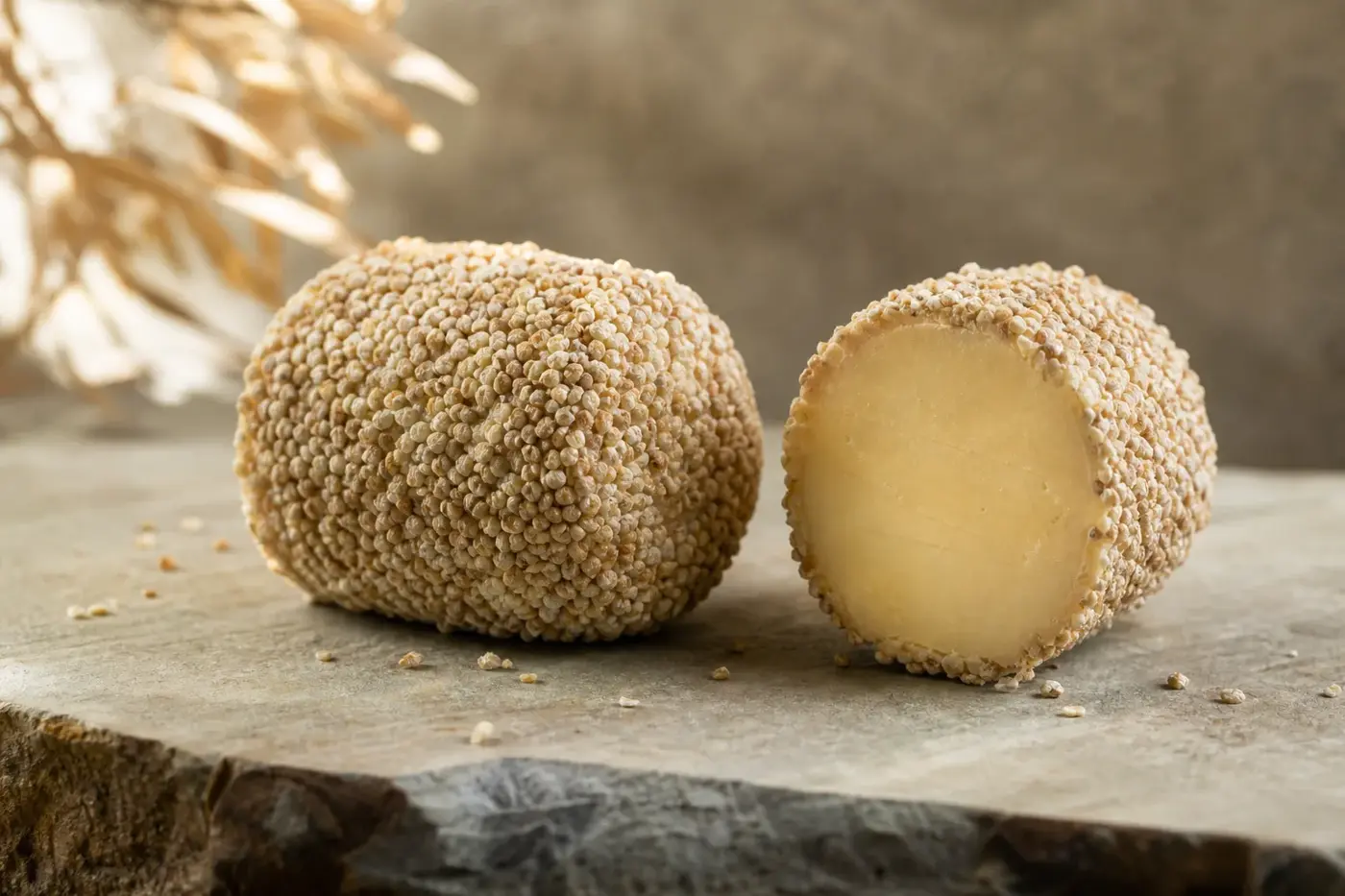
Black Crowdie makes its difference visible before you taste it. Highland Fine Cheeses describes a dense, dry-curd cheese formed into logs and rolled in cracked black pepper and pinhead oatmeal. Its tasting notes emphasise sourness, crumbliness and the force of that pepper. [5]
The coating adds texture as well as seasoning. Choose plain, potted Skinny Crowdie when you want control over the additions. Pick Black Crowdie when pepper and oatmeal are part of what you fancy; the maker suggests oatcakes, toast and eggs, or steak alongside it. [5]
The fat figures differ, too. The maker’s November 2026 figures give 13 g per 100 g for Black Crowdie and 4.5 g per 100 g for Skinny Crowdie. Both describe the finished products. [1,5]
Take your next spoonful sweet or savoury
Oatcakes, pancakes, scones and jam, fruit and honey all appear among the maker’s suggestions for Skinny Crowdie. For something savoury, it proposes herbs and smoked mackerel. With the plain cheese, you can choose the balance at the table. [1]
Start with one simple combination rather than inviting every accompaniment onto the same oatcake. You want to taste the cheese, too:
- Oatcakes: taste the cheese plain first, then add a little honey to your second mouthful.
- Fruit: serve sliced fruit beside the cheese, keeping them separate until you find your preferred balance.
- Herbs: try chopped chives or parsley rather than a strongly seasoned accompaniment.
- Scones: put out the cheese and jam separately, so everyone can choose their own sweetness.
These are serving suggestions, not tested recipes. If you are sharing, begin with a small bowl of cheese and oatcakes alongside. Leave the additions separate and you can explore sweet and savoury without committing the whole pot to either.
Choose your pot and keep it chilled
Read the name on the actual pack, especially when choosing between plain and coated Crowdie. Look at the ingredients and allergens, including those in anything you plan to serve alongside it. The maker declares milk for Skinny Crowdie and separately flags possible gluten traces associated with Black Crowdie’s oatmeal. [1,5]
For your fridge in Scotland, Food Standards Scotland recommends 0 °C to 5 °C. Use a thermometer and return chilled food promptly. Its November 2026 guidance allows party food no more than four hours out of refrigeration. [10]
Follow the pack’s storage instructions and its directions for after opening. Food Standards Scotland’s November 2026 guidance says not to eat food after its use by date, even if it looks and smells normal. Appearance and smell do not override that guidance. [11]
Put out what you expect to eat and leave the rest refrigerated. For help with the broader arrangements, see storing cheese at home.
General information only, not medical advice: follow the official guidance where you live.
Questions people ask
What is Skinny Crowdie?
Skinny Crowdie is Highland Fine Cheeses’ plain, potted version of a traditional Scottish fresh cheese. It is made in Tain from pasteurised cow’s milk and has soft, crumbly curds.
What is the difference between Skinny Crowdie and Black Crowdie?
Skinny Crowdie is plain, while Black Crowdie is shaped into logs and rolled in cracked black pepper and pinhead oatmeal. The maker lists 4.5 g of fat per 100 g for Skinny Crowdie and 13 g per 100 g for Black Crowdie.
Does Skinny Crowdie contain rennet?
The maker’s statements need clarification: its page mentions rennet in a general passage but excludes it in the passage specific to Crowdie. Historical Crowdie preparations included a version made with rennet.
What can you eat with Skinny Crowdie?
The maker suggests oatcakes, pancakes, scones and jam, fruit and honey. For savoury accompaniments, it suggests herbs and smoked mackerel.
How should Crowdie be stored?
Food Standards Scotland recommends keeping a domestic fridge between 0 °C and 5 °C and says not to eat food after its use by date, even if it looks and smells normal. See Food Standards Scotland’s guidance and follow the pack’s storage and after opening instructions.
Sources
- Highland Fine Cheeses. SKINNY CROWDIE. Undated product page, production account and nutrition declaration, retrieved November 2026. Read at hf-cheeses.com
- Dictionaries of the Scots Language. Scottish National Dictionary: Crowdie, n.2. First published 1952, including material from the 2005 supplement; online edition retrieved November 2026. Read at dsl.ac.uk
- Highland Fine Cheeses. FAQ’s. Undated online edition, retrieved November 2026. Read at hf-cheeses.com
- Highland Fine Cheeses. About Us. Undated online edition, retrieved November 2026. Read at hf-cheeses.com
- Highland Fine Cheeses. BLACK CROWDIE. Undated product page, production account and nutrition declaration, retrieved November 2026. Read at hf-cheeses.com
- Highland Council, Highland Historic Environment Record. Listed Building: Shore Road, Ross’s Store (LB41903). Online record, retrieved November 2026. Location fields identify Tain and Ross and Cromarty. Read at hbsmrweb-highland.esdm.co.uk
- Scotland’s People, National Records of Scotland. Ross and Cromarty county. Undated online reference, retrieved November 2026. Read at scotlandspeople.gov.uk
- Highland Fine Cheeses. Highland Fine Cheese Brochure. Undated PDF hosted in the Fine Cheesemakers of Scotland August 2023 upload directory, pages 2 and 11; retrieved November 2026. Read at finecheesemakersofscotland.co.uk
- Highland Fine Cheeses. Our cheeses. Online product collection, retrieved November 2026. Read at hf-cheeses.com
- Food Standards Scotland. Chilling food. Current online consumer guidance, retrieved November 2026. Read at foodstandards.gov.scot
- Food Standards Scotland. Use-by and best-before dates. Current online consumer guidance, retrieved November 2026. Read at foodstandards.gov.scot
- Food Standards Agency. Alerts. Live official alert index, retrieved November 2026 for the editorial recall check. Read at alerts.food.gov.uk
This desk-researched article compares the maker’s product descriptions and production accounts with historical dictionary evidence, official geographical records and Scottish consumer food-safety guidance.
Last checked: November 2026
Last checked November 2026.
The editors suggest you read next
Shropshire Blue
Cut into Shropshire Blue and you get quite a colour scheme: orange crossed by blue-green veins.