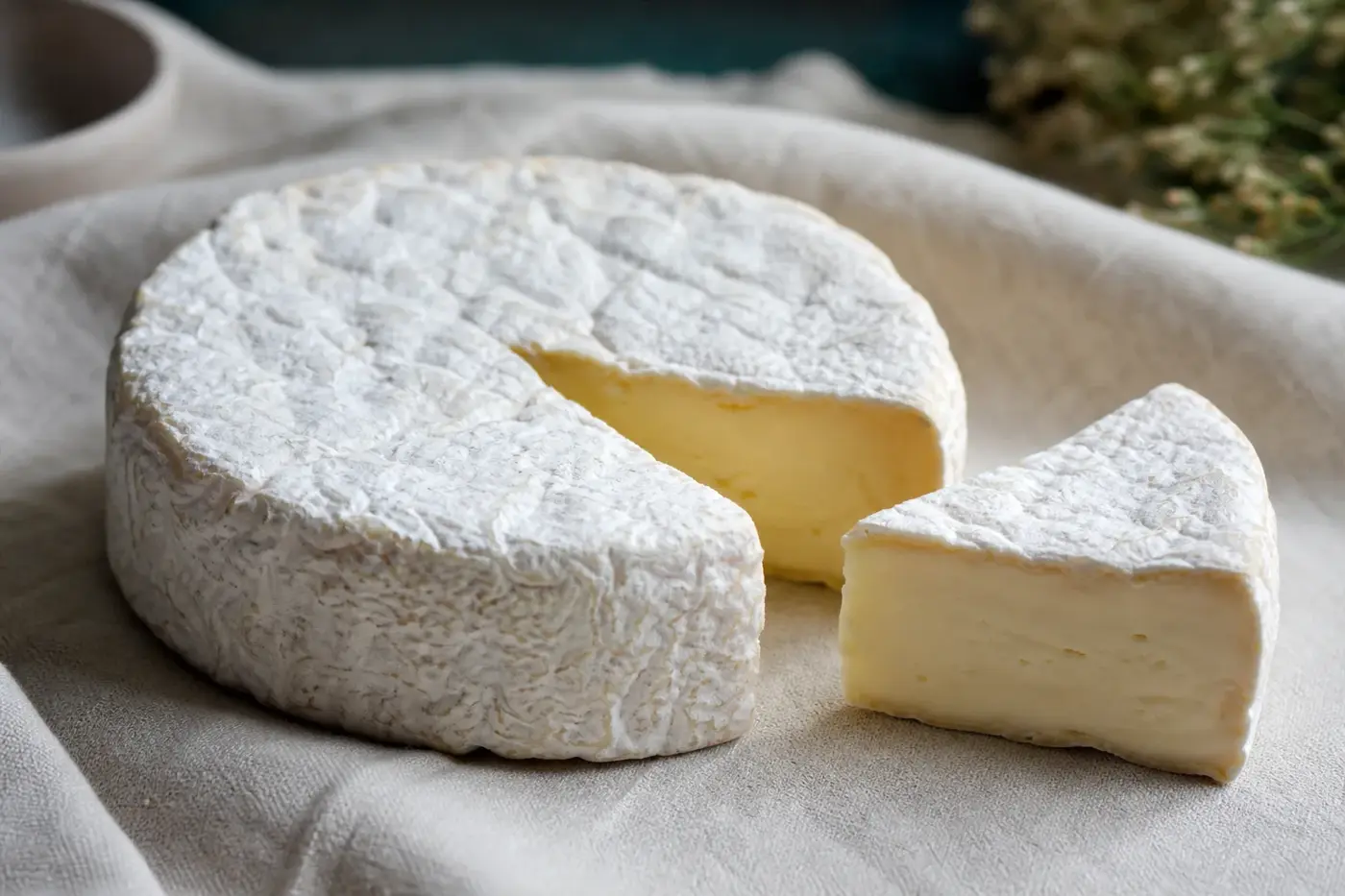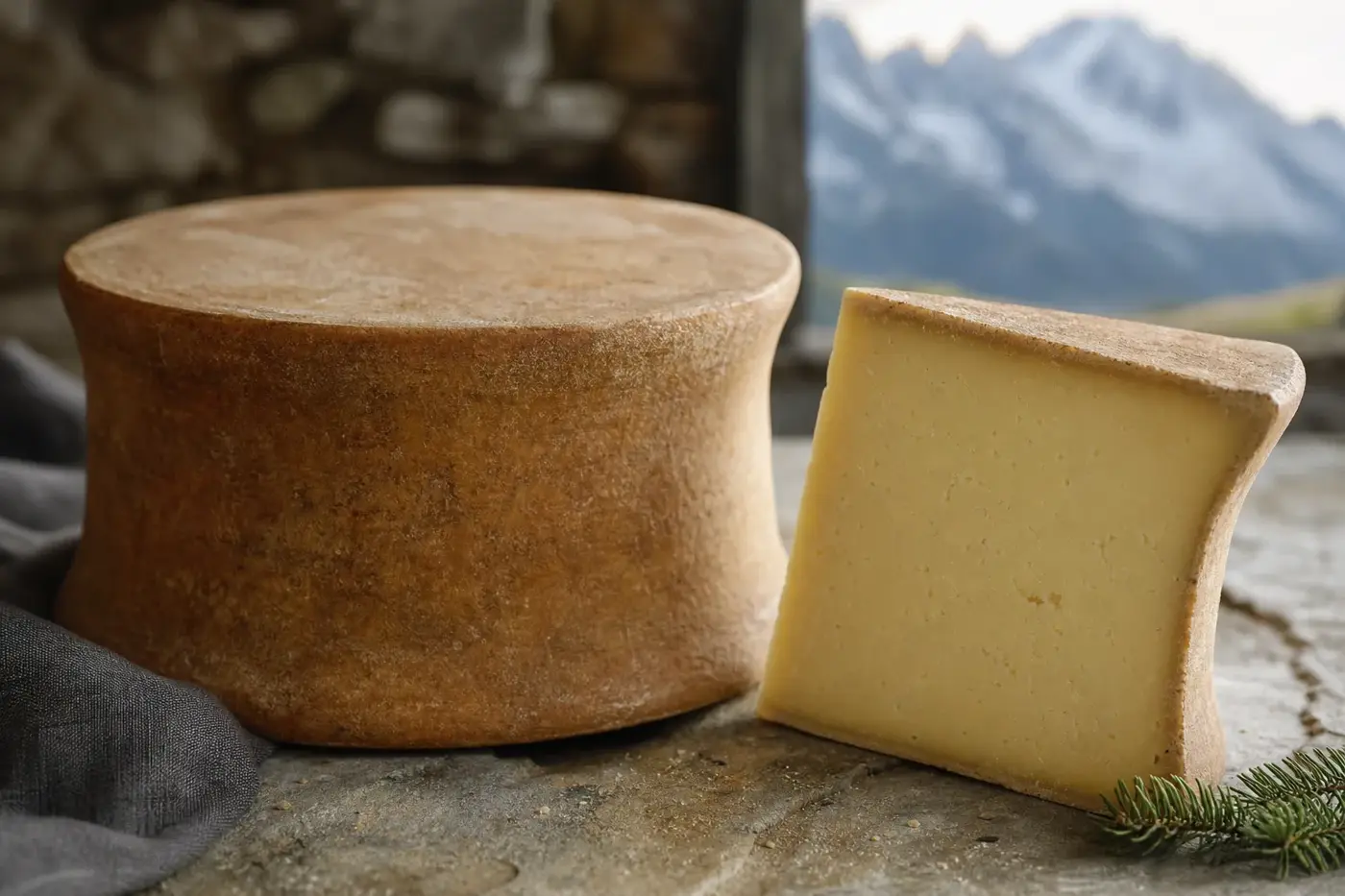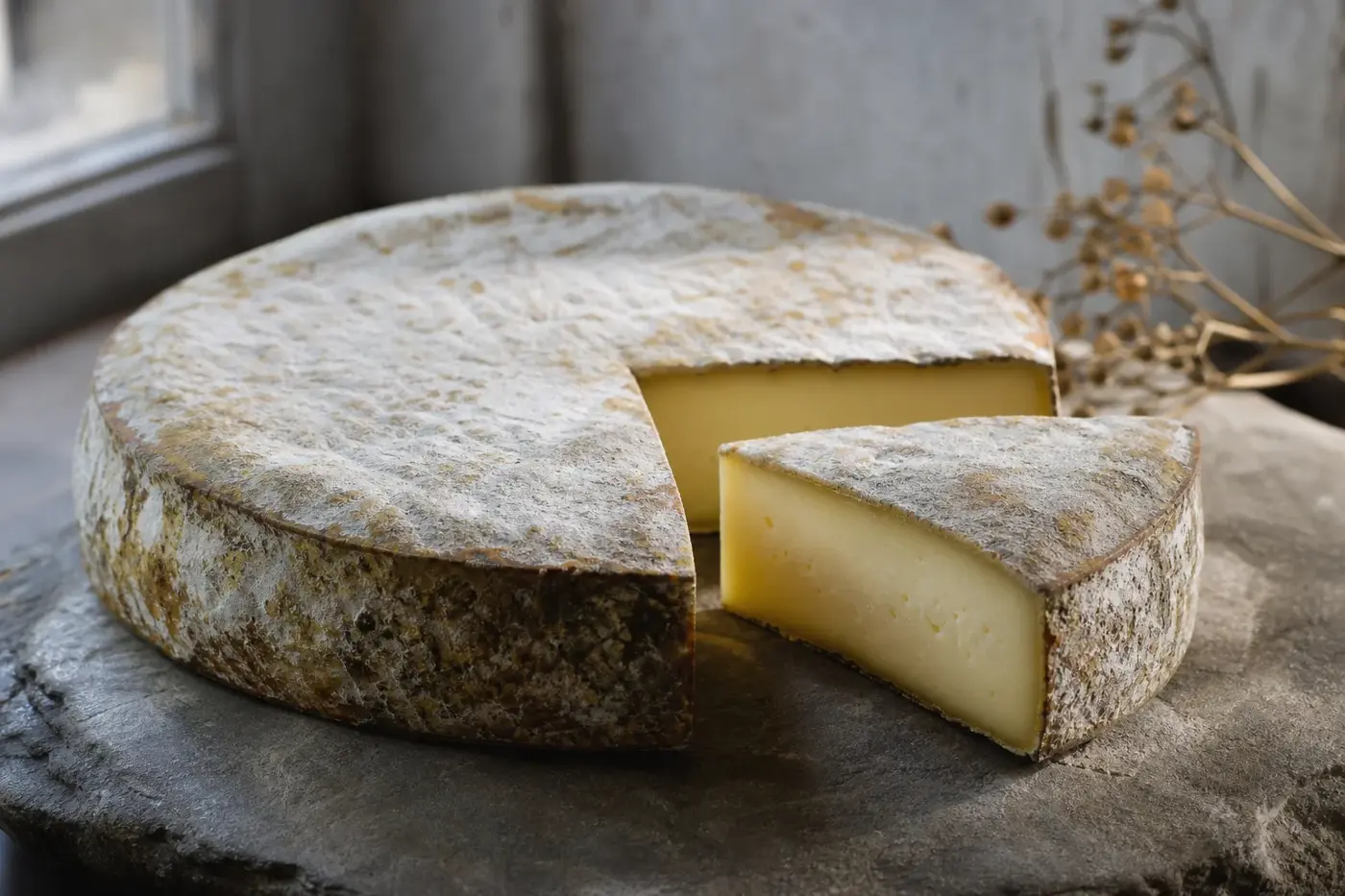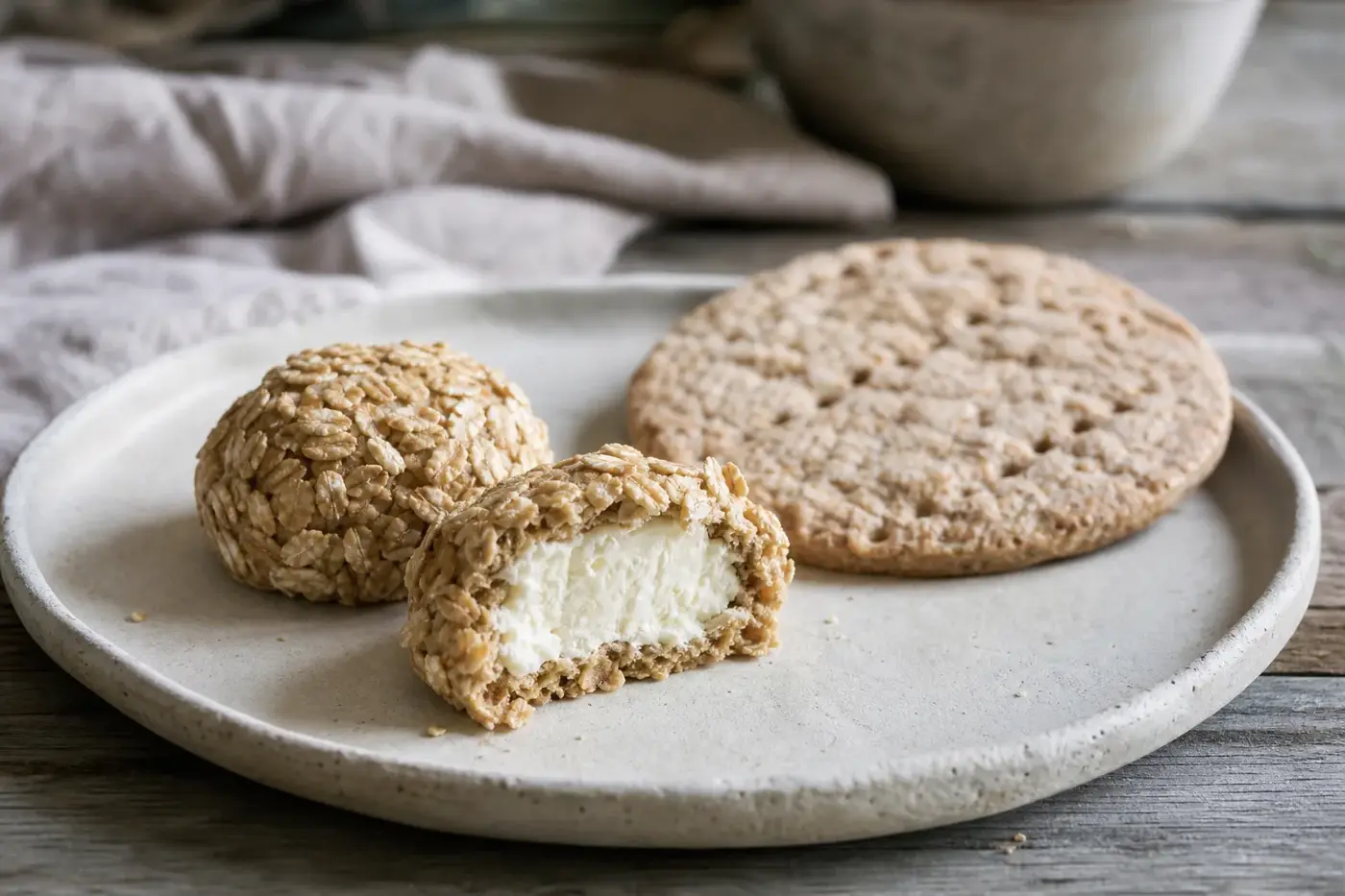
Spread Caboc on an oatcake. First comes soft cream, then a slight tang, then the grain of oatmeal. Fresh crowdie follows, lighter and faintly lemony, before the blue veins of sheep’s milk cheese from the Upper Clyde Valley take their turn. You can follow Scotland’s cheeses from Ayrshire’s dairy country to Mull’s island farms, through pressed farmhouse rounds, fresh curds and blues: quite a journey for an oatcake. [1,2,5,9,10]
| Your quick guide to Scottish cheese | What’s waiting for you |
|---|---|
| Where it comes from | Scotland, including mainland and island production. [5,8,9,15] |
| The milk behind it | Cow, sheep and goat, depending on the cheese. [7,8,10,12] |
| Traditional favourites | Fresh crowdie, cream-based Caboc and pressed Dunlop. [1,2,4,5] |
| More to explore | Farmhouse cheddar, sheep’s milk blues, ash-coated goat’s cheese and soft-ripened cheeses. [8,9,10,12] |
| Protected names to know | Traditional Ayrshire Dunlop, Orkney Scottish Island Cheddar, Bonchester Cheese and Teviotdale Cheese; Great Britain register status in November 2026. [6,14,17,18] |
Follow the milk back to the farm
To get to know Scottish cheese, start at a working dairy. Around Dunlop, the protected specification ties the cheese to Ayrshire cows and a defined production area. In Fife, St Andrews Farmhouse Cheese Company brings cheesemaking, a homebred dairy herd and arable farming together. On Mull, Sgriob-ruadh makes cheese from its own cows’ milk: three different ways for farming to shape what reaches your plate. [5,8,9]
A creamery has a regional milk story to tell, too. Highland Fine Cheeses buys from local dairies, naming Rootfield Farm on the Black Isle as its principal supplier. Orkney’s cheddar specification describes milk gathered from farms across its defined island area. Whether it comes from one herd or a whole network of farms, the milk helps you understand the cheese. [1,15]
Look back and you find makers putting the dairy’s different ingredients to work. Skimmed milk remained after cream went for butter; whole milk became pressed cheese; cream itself became Caboc. Today’s makers draw on that inheritance, without trying to squeeze everything into one national recipe. [1,2,5]
Crowdie and Caboc: have your oatcakes ready
Crowdie’s story begins with souring milk, not a pressed wheel. Highland Fine Cheeses traces its traditional origins to milk left to sour after the cream had been removed for butter. The curd, the solids separated from liquid whey, was then drained. Today, the maker describes its Skinny Crowdie as soft-curded, light and faintly lemony. [1,2]
That gentle acidity gives you plenty to play with at the table. The producer suggests oatcakes, pancakes and hot scones, or fruit and honey. Black Crowdie takes a bolder turn: denser, crumbly curd rolled in oatmeal and cracked black pepper. You get a coarse coating and a pronounced peppery finish. [2,3]
Caboc begins somewhere richer: cream, rather than the reduced-fat milk associated with crowdie. Highland Fine Cheeses makes it as a small, oatmeal-coated cheese with a soft texture and slight tang. Spread it on your oatcake and the yielding centre meets the grain of the coating. Or follow the producer’s suggestion and melt it over potatoes or roasted vegetables. [1,4]
Choose crowdie for fresh curd and acidity, Black Crowdie for pepper and texture, and Caboc for a cream-led spread. They share some customary companions at the table, but their starting materials set them apart. Comparing them is a pleasure, even if your oatcake supply begins to look optimistic. [1,2,3,4]
Dunlop and cheddar: good things take time
Whole milk sits at the heart of Dunlop’s history in southwest Scotland. The Traditional Ayrshire Dunlop specification records that tradition, while Dunlop Dairy connects it with a recipe brought from Ireland. Traditional Ayrshire Dunlop is registered as a PGI on the Great Britain register. Keep the full name in mind: it carries the protection, not Dunlop alone. [5,6,7]
The specification calls for whole milk from Ayrshire cows, raw or pasteurised, and at least six months’ maturation. Picture a pale yellow cheese with a close, moist cut surface, becoming drier as it ages. Dunlop Dairy’s current product information specifies pasteurised milk and vegetarian rennet for its cheeses. That is the producer’s choice within the specification’s wider permissions. [5,7]
Scottish cheddar gives you several paths to follow. At Falside Farm in Fife, St Andrews Farmhouse Cheddar typically ages for at least nine months; its maker describes golden curd, a crumbly texture, balanced acidity and a lingering finish. Isle of Mull’s farmhouse cheese uses raw milk from the farm’s own cows. Orkney Scottish Island Cheddar follows its own specification, based on locally sourced pasteurised milk. [8,9,15]
Those differences tell you more than a sweeping flavour description for “Scottish cheddar” ever could. Follow the maker and the milk first. For the broader process, explore how cheddar is made.
Lanark Blue and Strathdon Blue: make room for both
Lanark Blue puts a farm’s sheep’s milk centre stage. Errington Cheese makes it in the Upper Clyde Valley, using milk exclusively from its own Lacaune flock. The producer describes a semi-soft cheese with earthy, tangy blue veins, slight sweetness and a sharper blue flavour. Its current account specifies vegetarian rennet. [10]
Head to Tain and you find Highland Fine Cheeses making Strathdon Blue. The maker describes high moisture, a yielding, fudgy texture and a finish of saltiness and a steely blue note. Beside Lanark Blue’s sheep’s milk character, it gives you another texture and flavour to explore. [1,11]
Try a small piece of each at home, without accompaniments to begin with. Notice the textures, how the flavour intensifies around the blue veins, and how long each finish lasts. Give yourself time to find your own words for what you taste.
Three regions worth lingering over
One farm can give you a remarkably varied cheese board. In the southwest, Dunlop Dairy makes cow’s milk Dunlop alongside Bonnet, a hard-pressed cheese using milk from its Saanen and Toggenburg goats. Its range crosses two milk species and several styles, including fresh crowdie and soft-ripened cheeses. There is plenty to explore before you even leave the dairy. [7]
In the east, St Andrews Farmhouse Cheese Company offers you another comparison from one dairy. Anster typically matures for two to four months; its maker describes a pale, crumbly cheese with a citrus finish and mushroom-like notes near the natural rind. Taste it beside the longer-aged farmhouse cheddar. You have different textures and flavours from the same farm’s milk supply. [8]
The Highlands have much more than traditional fresh cheese to offer you. At Tain, Highland Fine Cheeses makes Morangie Brie, washed-rind cheeses and blues alongside crowdie and Caboc. The company describes its present home as the old dairy buildings at Blarliath Farm. Traditional cheeses remain part of the story, with a broader contemporary range growing around them. [1]
Mull and Orkney: two island stories
On Mull, you can follow the milk through a single farm’s story. Sgriob-ruadh identifies its own herd as the source of its raw-milk farmhouse cheese. The producer also places island cheesemaking within the practical tradition of conserving summer milk as hard cheese. It is a useful reminder of the work a cheese once had to do. [9]
Orkney’s cheddar brings a wider farming community into the picture. Orkney Cheese Company says its milk comes entirely from local Orkney farms. The protected specification describes tanker collection, creamery production and maturation, with cheddar typically aged for six to eighteen months. Its published sensory description moves from smooth and slightly savoury when young to sharper, and sometimes brittle, with age. [15,16]
For both cheeses, island origin means documented island production and milk sourcing. The revealing difference is how that milk comes together: one farm’s herd on Mull, a network of farms on Orkney. Those details give the place name on your cheese a more precise meaning. [9,15,16]
Follow the curd, the rind and the ageing
Cow’s milk runs through much of this range, from Dunlop and Anster to island cheddar. Sheep’s milk gives you Lanark Blue and Errington’s Corra Linn, a raw-milk, clothbound cheddar-style cheese. Goat’s milk takes different paths in Dunlop Dairy’s pressed Bonnet and Errington’s soft Elrick Log. The animal is your starting point, not the whole story. [5,7,8,9,10,13]
What happens next matters just as much. Errington describes Elrick Log as a lactic-style cheese: cultures develop acidity before a small addition of rennet helps set the milk. The curd is ladled into forms to drain, and the finished cheese gets a coating of vegetable ash. Corra Linn takes another route, becoming a firm, clothbound cheese matured over several months. [12,13]
When you choose, ask about milk treatment, curd handling, rind and age together. A soft goat’s cheese has a different role at the table from a pressed one. Explore the underlying stages in how cheese is made; milk treatments explains raw, thermised and pasteurised milk.
Protected names: get to know the place behind the label
Four names discussed here were listed as registered on the Great Britain official register in November 2026. PGI means Protected Geographical Indication; PDO means Protected Designation of Origin. Each name comes with its own production specification. The exact wording deserves your attention. [6,14,17,18]
| The name to look for | Great Britain status, November 2026 | What goes into the specification |
|---|---|---|
| Traditional Ayrshire Dunlop | Registered PGI. [6] | Whole Ayrshire cow’s milk, raw or pasteurised; defined area around Dunlop; minimum six months’ maturation. [5] |
| Orkney Scottish Island Cheddar | Registered PGI. [14] | Pasteurised cow’s milk produced within the defined Orkney area. [15] |
| Bonchester Cheese | Registered PDO. [17] | Unpasteurised whole Jersey cow’s milk; white-coated soft cheese; defined cross-border production area. [17] |
| Teviotdale Cheese | Registered PGI. [18] | Unpasteurised whole Jersey cow’s milk; pressed hard cheese; defined cross-border production area. [18] |
Bonchester and Teviotdale give you a border story rather than a neatly national one. Their specifications define an area within a ninety-kilometre radius of Peel Fell, taking in borderlands of England and Scotland. These protected areas follow that border landscape, not the limits of one country. [17,18]
If you want to untangle the schemes and jurisdictions, read protected names explained. It is a useful next stop when you are getting to know these labels.
Give your cheese board a sense of place
Start with the maker and the milk source. Dunlop Dairy, St Andrews and Sgriob-ruadh document cheesemaking connected to their own animals. Highland Fine Cheeses records bought-in local milk, while Orkney’s specification describes collection from multiple farms. An attractive landscape on a wrapper can only tell you so much; these details tell you more. [1,7,8,9,15]
Then give yourself some contrast. Choose crowdie for fresh acidity, Anster for a crumbly natural-rind cheese, Dunlop or cheddar for a pressed style, and a blue for a stronger finish. Ask who made each cheese and how long that particular cheese has matured. Published ageing ranges guide you, but the piece in front of you also reflects its batch and condition. [2,5,8,10,11]
Keep it well, then keep serving simple
Keep your fridge below 5 °C and food covered: that is Food Standards Scotland’s advice for home storage in Scotland. Follow each cheese’s storage instructions, including directions after opening. The guidance also advises making sure wrapping film is suitable for contact with high-fat foods such as cheese. [19]
Simple accompaniments give your cheese room to speak. Producers repeatedly recommend oatcakes for crowdie, Caboc and Isle of Mull cheese, with fruit and honey suggested for fresh crowdie. Put stronger chutneys alongside rather than over every piece. That way, you can still taste the cheeses separately. [2,4,9]
For alcohol free pairings, use still water when you’re comparing cheeses. Try apple juice with a blue, or tea with oatcakes and a pressed cheese.
A few good places to take your curiosity next
- How to Store Cheese at Home: practical help with wrapping and refrigeration.
- How to Read a Cheese Label: get to know the maker, milk and origin information.
- Cheese and Wine Pairing: The Complete Guide: explore a fuller approach to matching drinks and cheese.
General information only, not medical advice: follow the official guidance where you live.
Questions people ask
What is the difference between crowdie and Caboc?
Crowdie traditionally began with milk left to sour after the cream had been removed for butter. Caboc starts with cream and is a small, soft cheese coated in oatmeal.
Is Dunlop cheese a protected name?
The full name Traditional Ayrshire Dunlop is registered as a Protected Geographical Indication on the Great Britain register. Its specification requires whole milk from Ayrshire cows and at least six months of maturation.
How do Mull and Orkney cheeses differ in their milk supply?
Sgriob-ruadh on Mull makes its farmhouse cheese with raw milk from its own cows. Orkney Scottish Island Cheddar uses locally sourced pasteurised milk collected from farms across a defined island area.
Which Scottish cheeses are made with raw milk?
Isle of Mull farmhouse cheese and Errington’s Corra Linn are made with raw milk. Traditional Ayrshire Dunlop can be made with either raw or pasteurised milk under its specification.
Which Scottish cheeses use vegetarian rennet?
Dunlop Dairy specifies vegetarian rennet for its cheeses. Errington Cheese also specifies vegetarian rennet for Lanark Blue.
Sources
Producer sources below document their own products, methods and tasting descriptions. Their sensory descriptions are attributed in the article.
- Highland Fine Cheeses, About us and Our cheeses, undated web editions, retrieved November 2026. Dairy location, milk sourcing, traditional crowdie account and cream-based Caboc account.
- Highland Fine Cheeses, Skinny Crowdie, undated product page, retrieved November 2026. Curd, sensory description and serving suggestions.
- Highland Fine Cheeses, Black Crowdie, undated product page, retrieved November 2026. Oatmeal and pepper coating, texture and drink suggestions.
- Highland Fine Cheeses, Caboc, undated product page, retrieved November 2026. Texture, oatmeal coating and serving suggestions.
- Department for Environment, Food & Rural Affairs, Traditional Ayrshire Dunlop: product specification, official register-linked PDF, undated document, retrieved November 2026. Sections 4.2, 4.3, 4.5 and 4.6.
- Department for Environment, Food & Rural Affairs, Traditional Ayrshire Dunlop, Great Britain register entry, published 2021, retrieved November 2026. Registered name, PGI status and registration dates.
- Dunlop Dairy, Home and Our cheese, undated web editions, retrieved November 2026. Current range, own animals, milk treatment, rennet and Bonnet.
- St Andrews Farmhouse Cheese Company, Our farm, Anster and St Andrews Farmhouse Cheddar, undated web editions, retrieved November 2026. Farm milk source, product descriptions and typical ageing.
- Sgriob-ruadh, Isle of Mull Cheese, Cheese making and official home page, undated web editions, retrieved November 2026. Own-herd raw milk, island production and serving suggestions.
- Errington Cheese, official home page and Lanark Blue, undated web editions, retrieved November 2026. Upper Clyde Valley location, own Lacaune flock, product description and declared vegetarian rennet.
- Highland Fine Cheeses, Strathdon Blue, undated product page, retrieved November 2026. Texture, flavour description and suggested drinks.
- Errington Cheese, Elrick Log, undated product page and corresponding home-page product account, retrieved November 2026. Goat’s milk, acidification, rennet, ladling and ash coating.
- Errington Cheese, Corra Linn, undated product page, retrieved November 2026. Raw sheep’s milk, clothbound format, texture and maturation.
- Department for Environment, Food & Rural Affairs, Orkney Scottish Island Cheddar, Great Britain register entry, published 2021, retrieved November 2026. Registered name and PGI status.
- Department for Environment, Food & Rural Affairs, Orkney Scottish Island Cheddar: product specification, official register-linked PDF, retrieved November 2026. Sections 4.2 to 4.5: milk sourcing, pasteurisation, collection, production and typical maturation.
- Orkney Cheese Company, official home page, 2026 web edition, retrieved November 2026. Current maker statement and Orkney milk sourcing.
- Department for Environment, Food & Rural Affairs, Bonchester Cheese, Great Britain register entry, published 2021, and linked Product specification, retrieved November 2026. PDO status, milk, cheese type and geographical area.
- Department for Environment, Food & Rural Affairs, Teviotdale Cheese, Great Britain register entry, published 2021, and linked Product specification, retrieved November 2026. PGI status, milk, pressed format and geographical area.
- Food Standards Scotland, Safe food storage and Storing food safely: fridge only, current web editions retrieved November 2026. Label instructions, covered storage, fridge temperature and food-contact film guidance.
- Food Standards Scotland, Alerts, live index retrieved November 2026. Recall-screening source for editorial follow-up.
This article was researched from official register entries and their specifications, Food Standards Scotland guidance and makers’ published accounts, with sensory descriptions attributed to their sources.
Last checked: November 2026
Last checked November 2026.
The cheeses of Scotland
Shropshire Blue
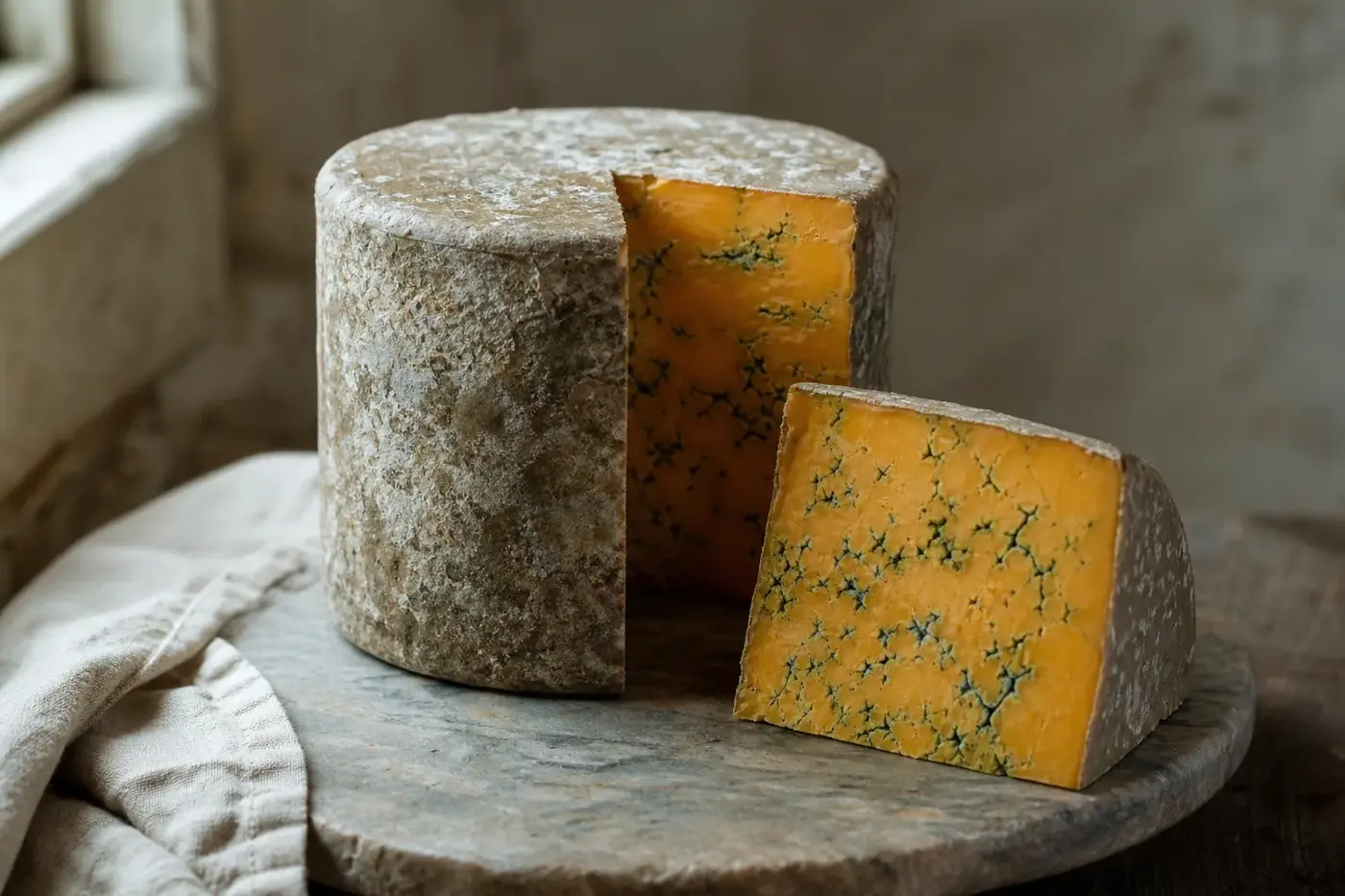
Cut into Shropshire Blue and you get quite a colour scheme: orange crossed by blue-green veins.
Isle of Mull Cheddar
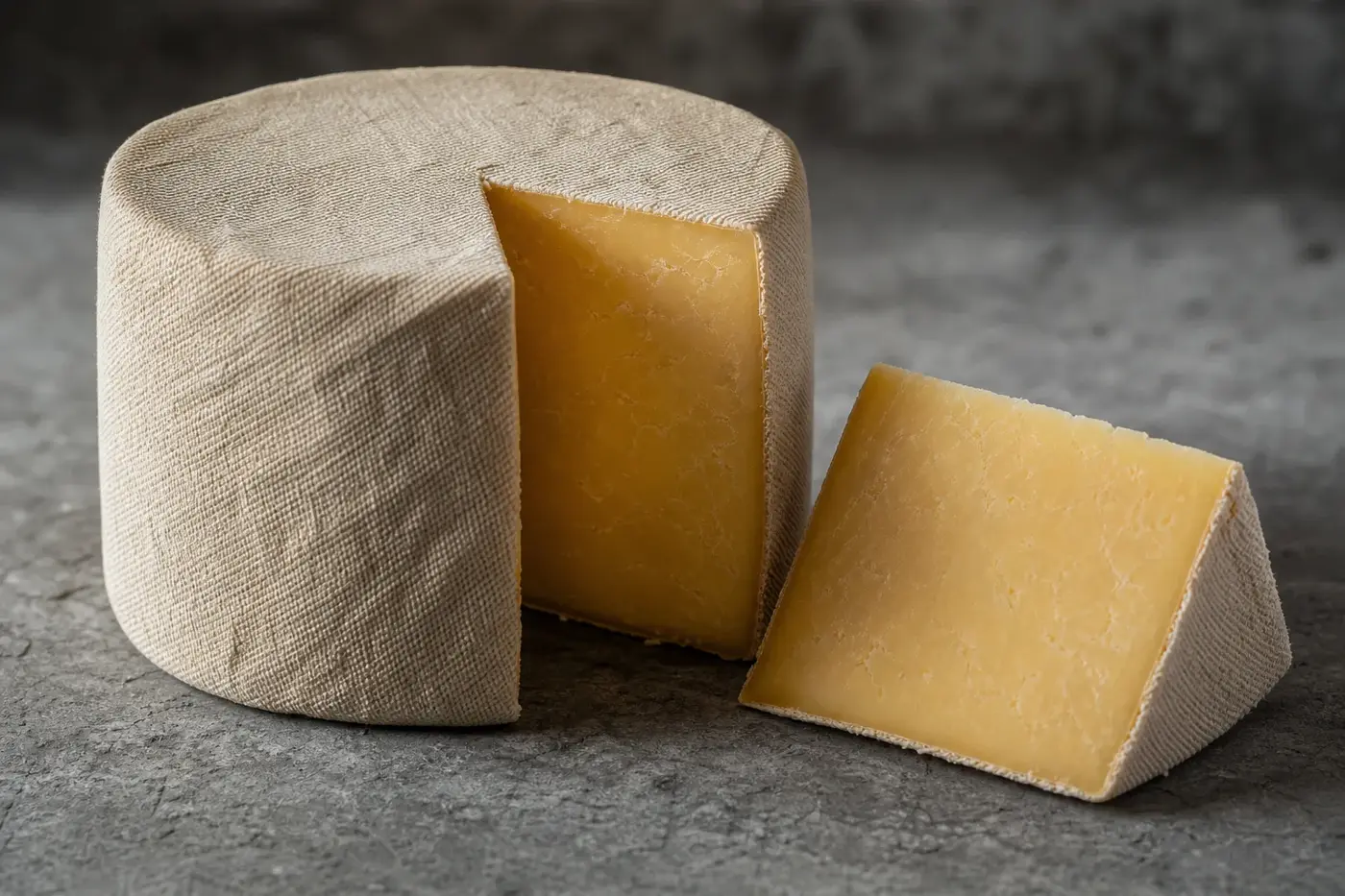
At the winter feeding trough at Sgriob-ruadh Farm, Tobermory Distillery has a part to play.
Lanark Blue
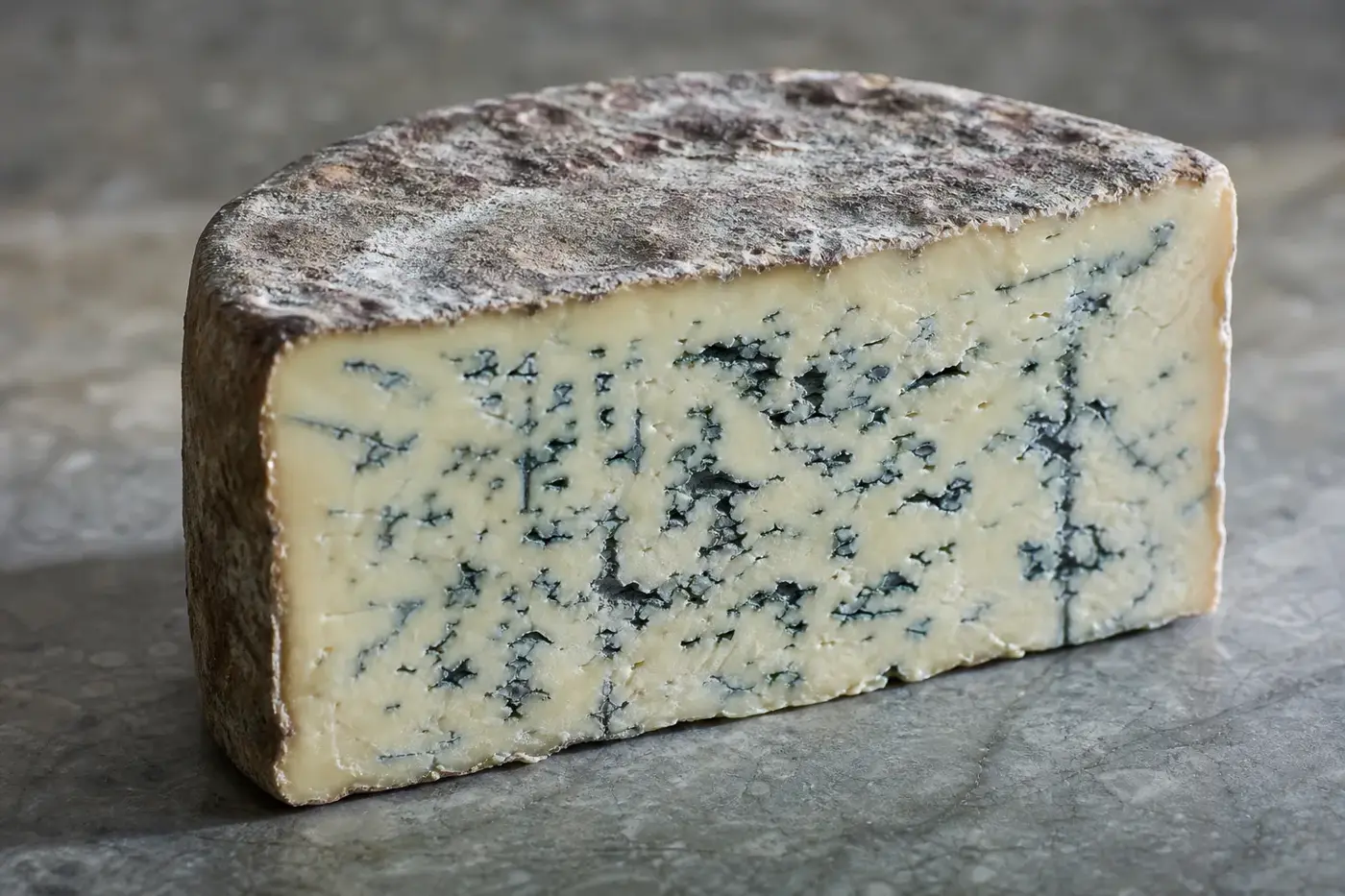
Take a bite and the tang arrives first.
Caboc
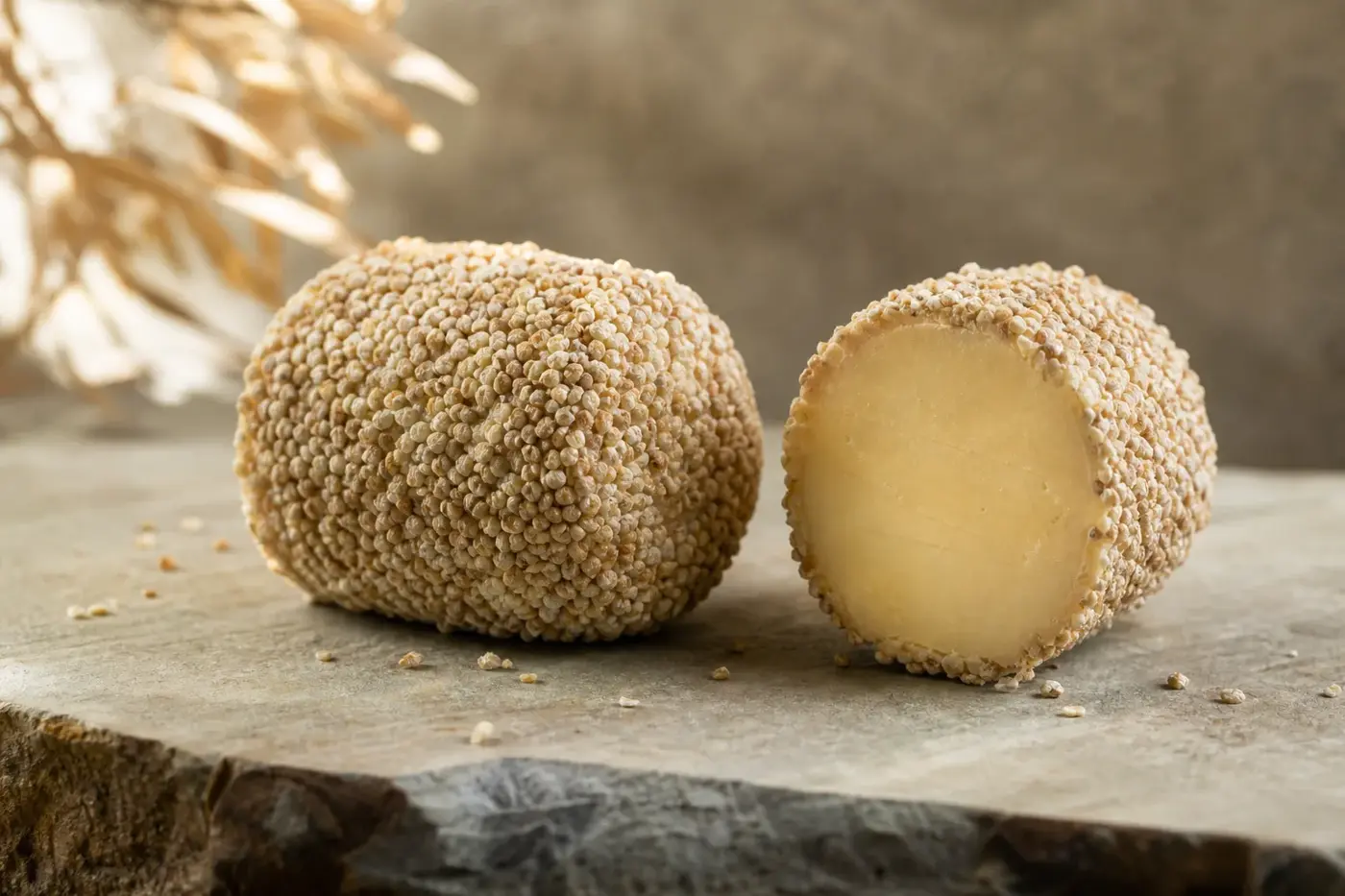
Your knife meets coarse oatmeal, then slips into pale yellow cream cheese.
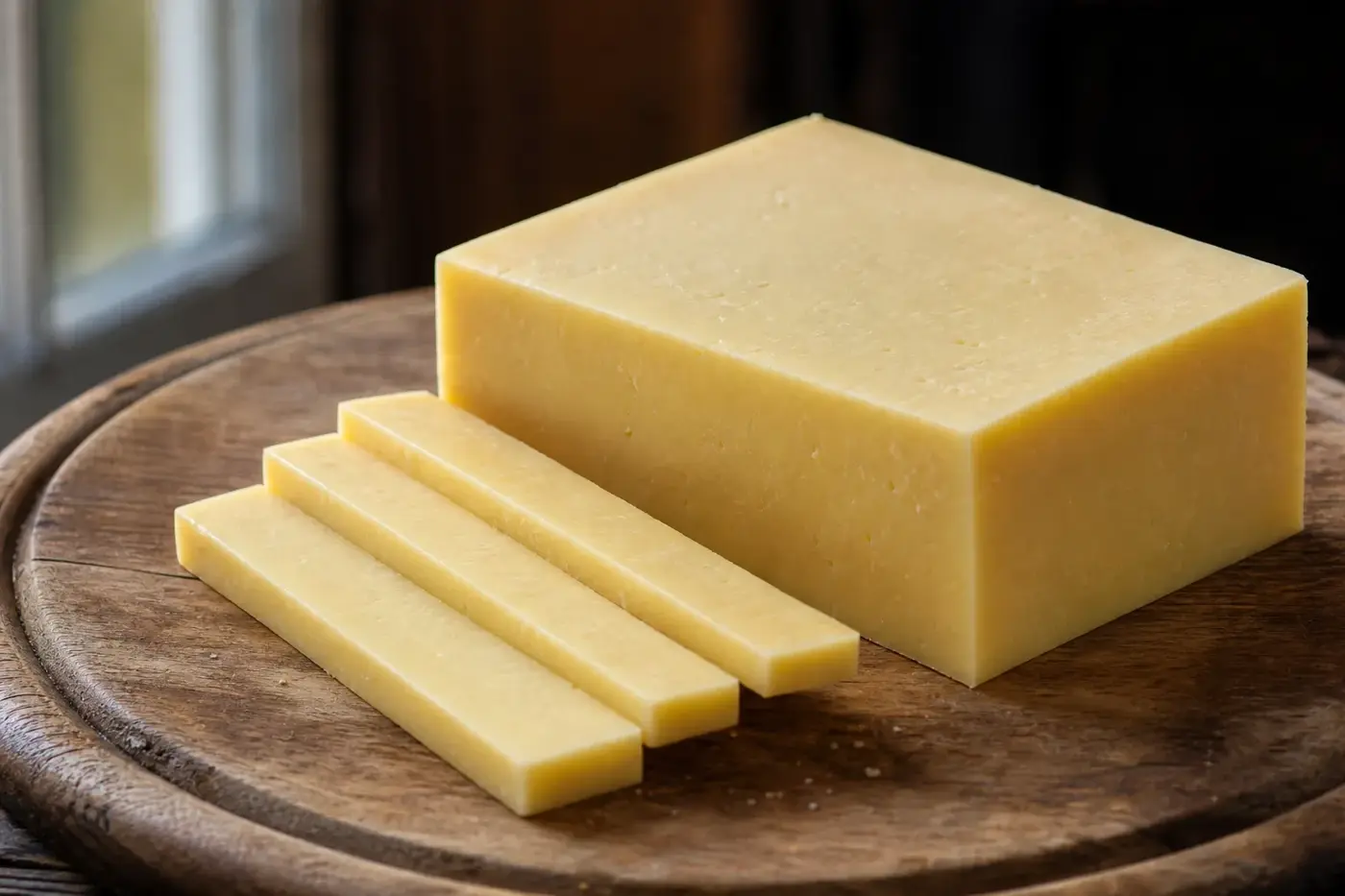
Orkney Scottish Island Cheddar
Inside the dairy, the curd keeps moving.
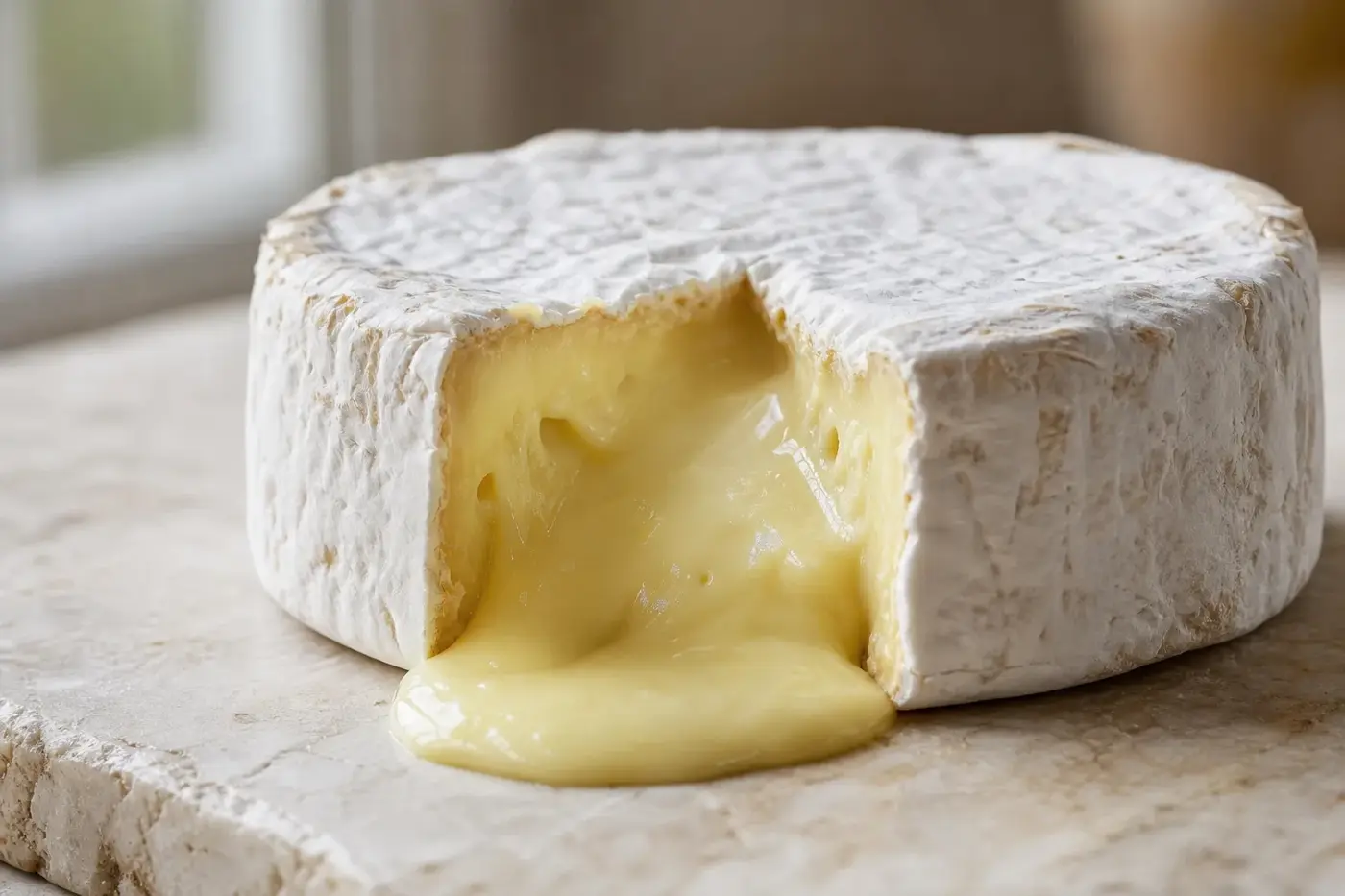
Bonchester Cheese
Cut into a ripe Bonchester and the yellow paste can flow beneath its white bloomy rind.
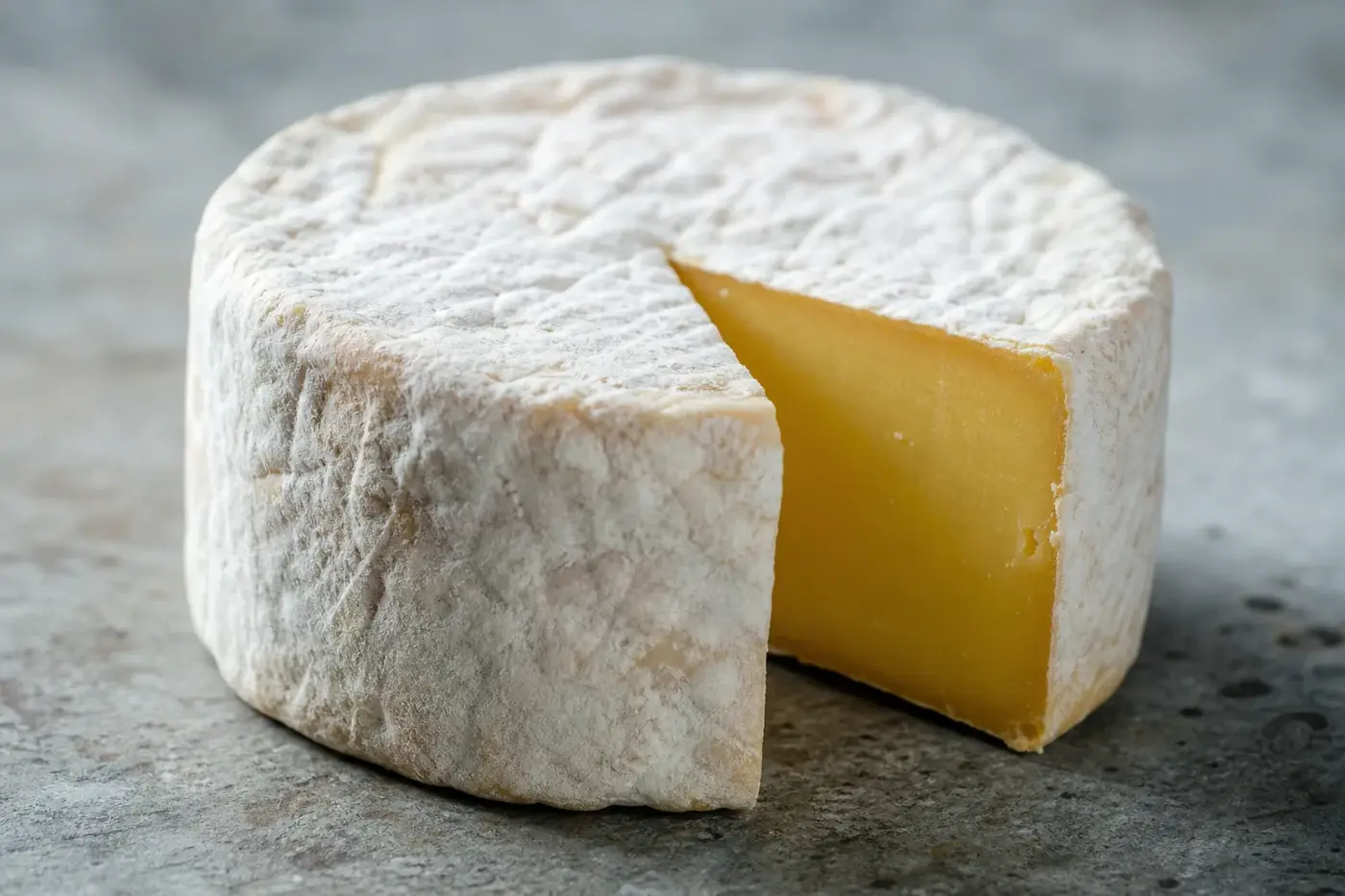
Teviotdale Cheese
Picture your knife passing through a natural white crust into a yellow centre.
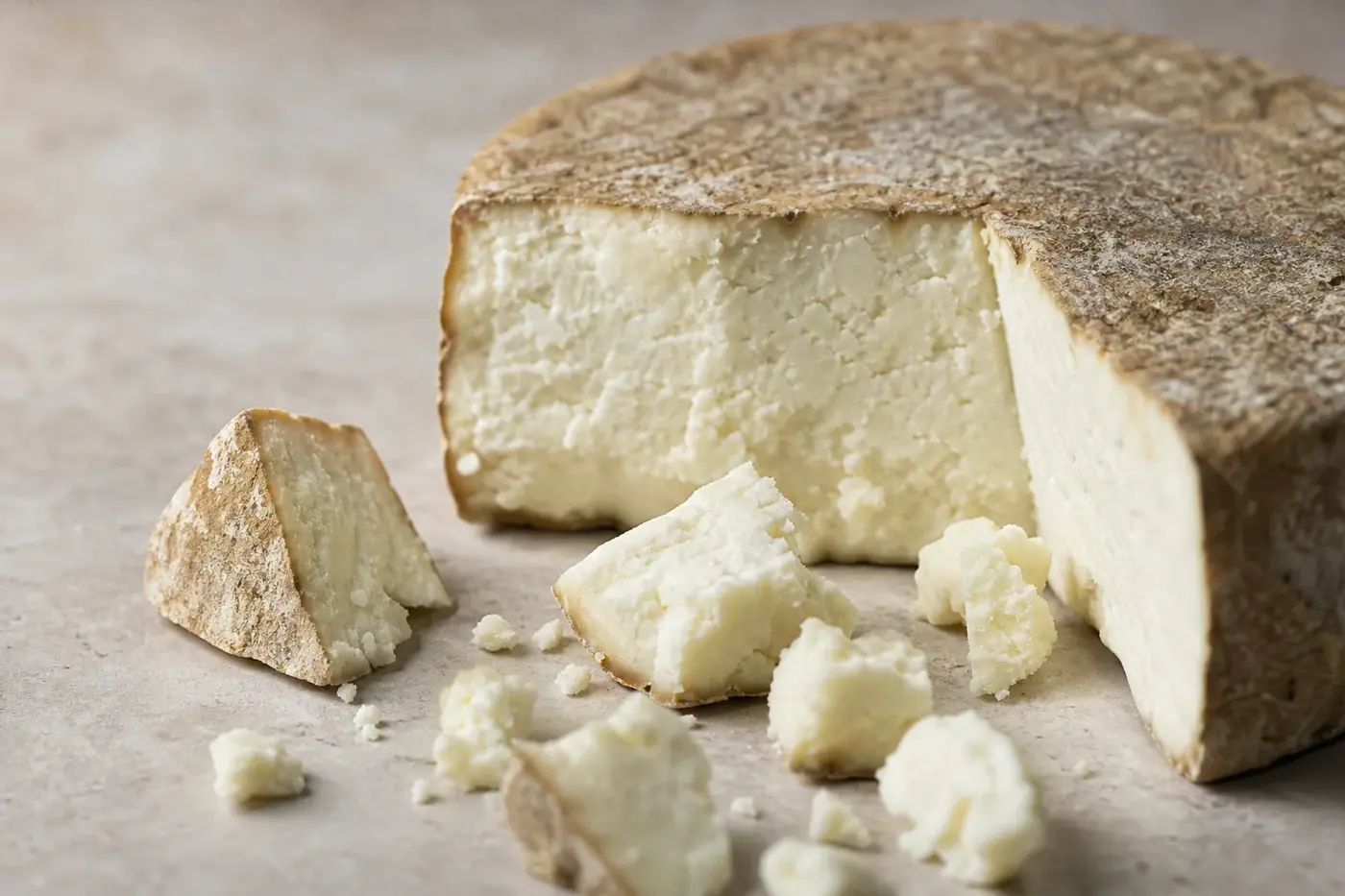
Anster
A piece from the centre crumbles under your knife.
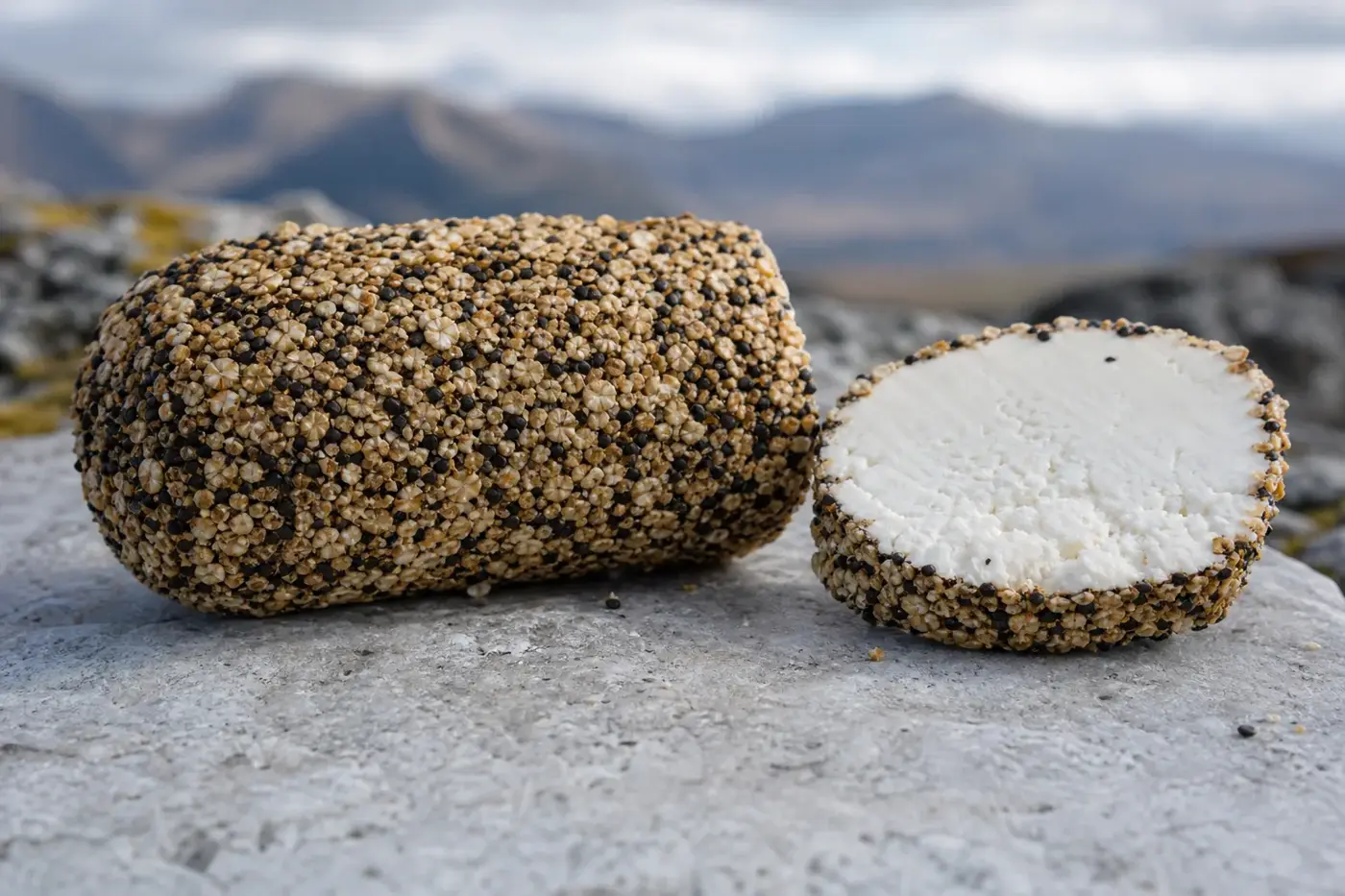
Black Crowdie / Gruth Dhu
First, the coarse oatmeal.
The editors suggest you read next
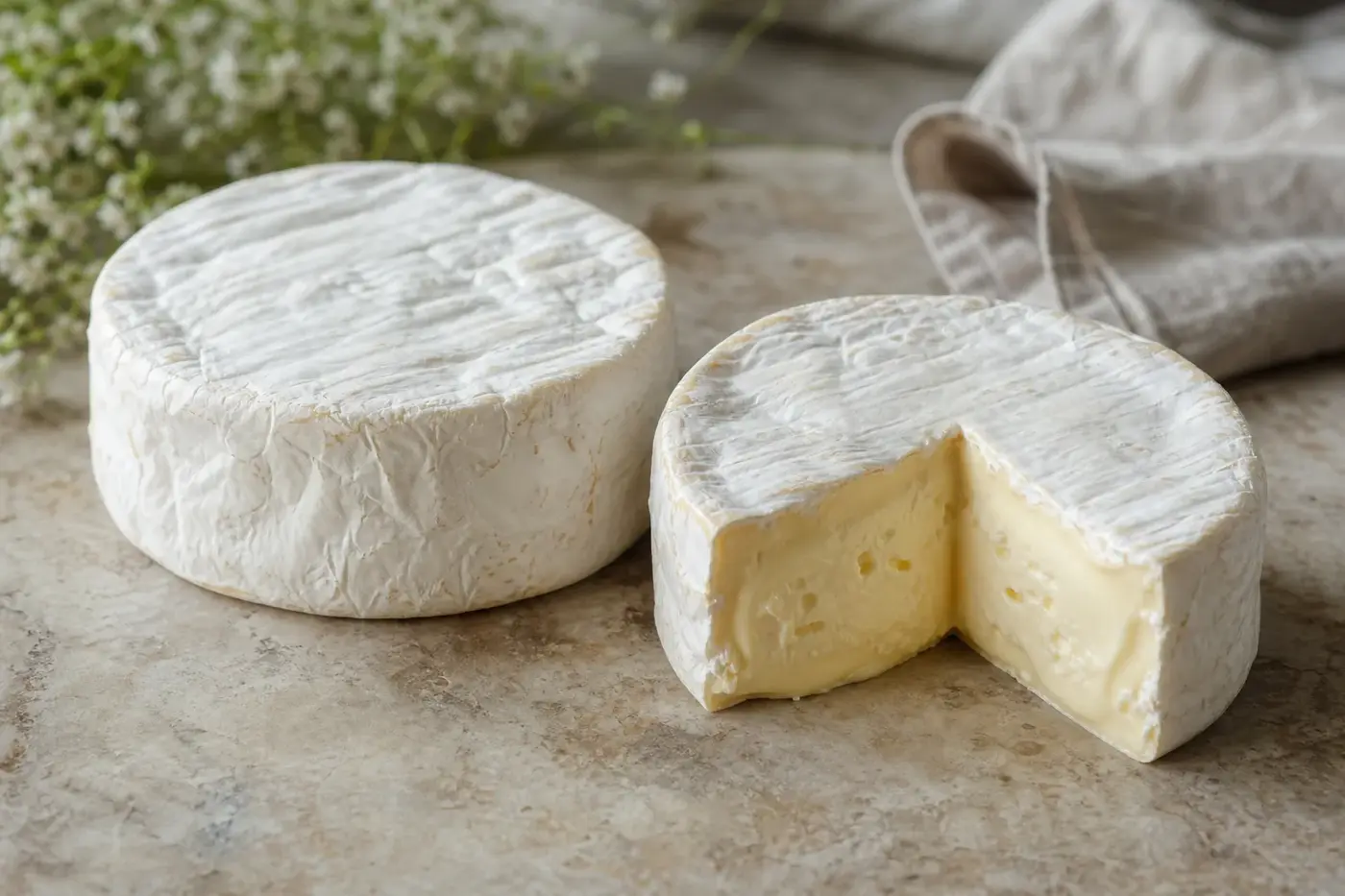
French Cheese: The Complete Guide
Picture Normandy’s pastures, then follow the milk towards the Loire’s goat dairies, the Jura’s shared cheesemaking traditions and the sheep country of the Pyrenees.