Fresh Cheeses Explained
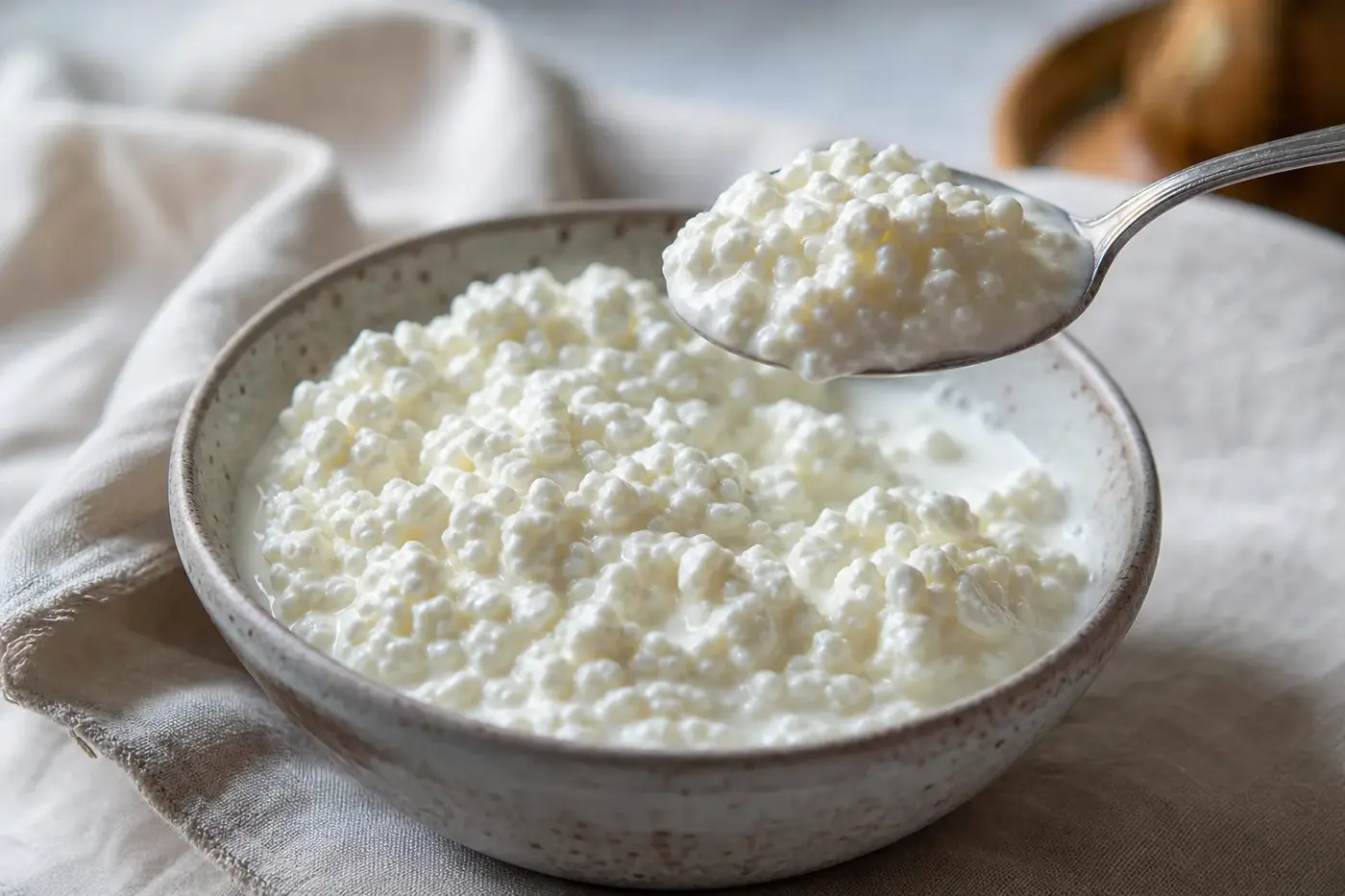
Push your spoon through cottage cheese and the curds part; try a smooth spread or a yielding fresh goat cheese and it is quite another mouthful.
Push your spoon through cottage cheese and the curds part; try a smooth spread or a yielding fresh goat cheese and it is quite another mouthful. Each starts with milk proteins gathering into a moist curd, then losing some liquid. Milk, acidity and draining shape the differences. What unites them is what happens next: no maturation, just readiness for your plate. [1, 3, 4]
Fresh cheese at a glance
| What you want to know | The short answer |
|---|---|
| What makes it fresh? | You eat it without maturation. [1] |
| Can it belong to another family too? | Yes, some cheeses also belong to a family defined by how they are made. [2, 6] |
| What about milk and fat? | It is made from milk or milk products; fat content varies. [1, 4] |
| What is the reference standard? | Codex CXS 221-2001, an international food standard. [1] |
Fresh means unripened, not simply soft
Buy a matured cheese today and you have a new purchase, not a fresh cheese. Your shopping bag cannot turn back the clock. Codex describes unripened cheeses, including fresh cheeses, as ready to eat shortly after manufacture. Its standard is an international reference; national laws set the rules where a product is made or sold. [1]
Matured cheeses have a deliberate ripening stage to develop body and flavour. Fresh cheeses get their character from milk selection, acidification, curd handling and draining instead. So “fresh” describes production, not how long you can keep the cheese at home. For that, follow the date and storage instructions on the pack. [2, 10, 11]
At the vat, milk takes shape
First, milk sets into a gel, a transformation called coagulation. That gel becomes curd, the protein-rich part kept for cheese; the liquid separated from it is whey. Makers have more than one route to this moment. The balance of acid and enzymes helps explain the different textures you feel on your tongue. [3]
Starter cultures are selected microorganisms added to milk. Lactic acid bacteria turn milk sugar into lactic acid, raising acidity until the milk proteins form a gel. Makers can add acid directly, too. In cultured fresh cheeses, fermentation supplies the set and part of the flavour, without prolonged ageing. [3, 8]
Rennet offers another route: it is a preparation containing milk-clotting enzymes. Small amounts can also support the texture of cheeses set mainly by acid, so acid and rennet often share the vat. You can follow the wider process in how cheese is made. [3, 4]
Next comes draining, which sets the balance of water and solids. Cutting, stirring and heating encourage curd to release whey; straining or mechanical separation removes liquid. Gentle handling can preserve softness, while removing more whey makes a firmer cheese. Cottage cheese has another step: washing the curds reduces their acidity. [2, 4]
Follow your spoon to the texture you like
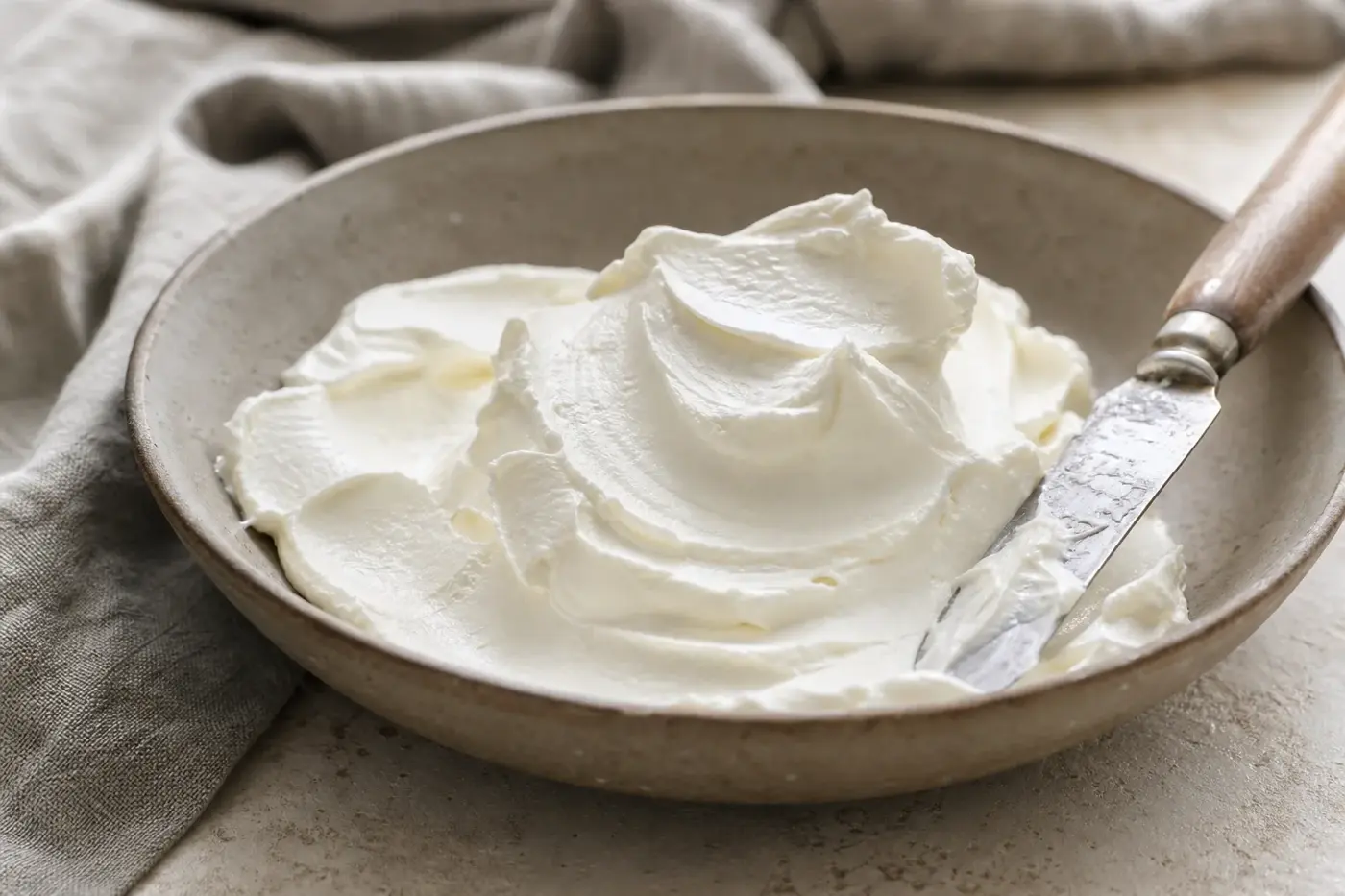
Perhaps you want a spoonful, a spread, separate grains or a soft cheese that yields but holds its shape. In the University of Guelph's classification, many fresh cheeses keep substantial moisture, despite differing setting methods. Tetra Pak's dairy handbook describes cream cheese as readily spreadable, with a mild cultured flavour and aroma that can include acidity. [2, 3]
Milk choice matters, as does adding cream or removing fat. Salt is a separate decision, so two moist white cheeses can have quite different nutrition labels. Compare fat and salt per 100 g on the packs. “Fresh” is not a nutritional grade, and “goat cheese” does not promise one particular texture. [1, 4, 5]
Four familiar faces for your plate
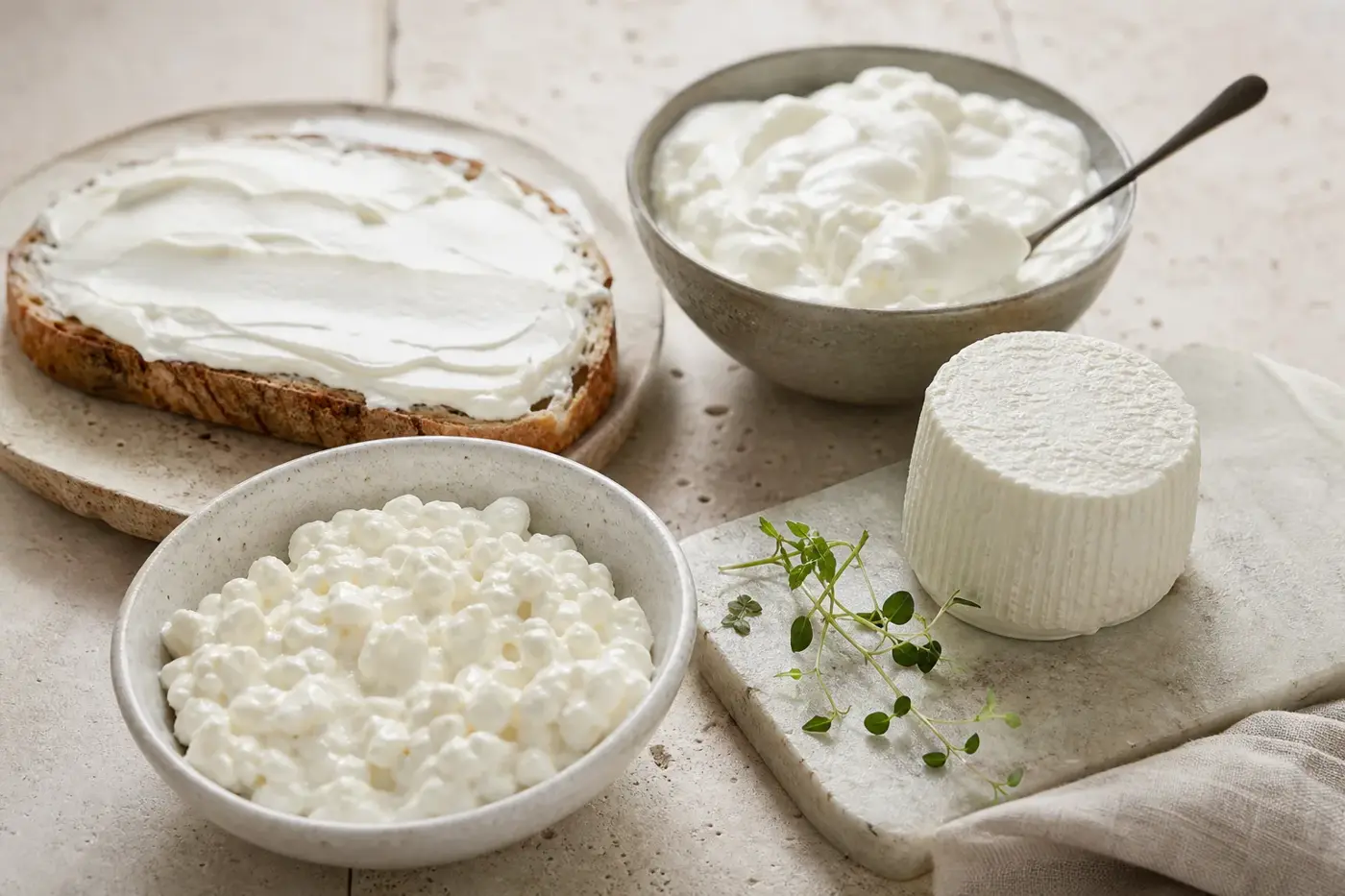
These cheeses share a readiness to eat without maturation, not a single recipe. The distinctions below draw on Guelph's accounts of cultured fresh cheeses and NHS information about dairy foods. Let texture guide your serving plans, and check the consistency of the particular cheese you have. [4, 5]
| Cheese | What gives it character | How you might serve it |
|---|---|---|
| Cottage cheese | Separate curds, sometimes dressed with cream; washing softens the acidity. [4] | Spoon onto toast or into a salad. |
| Cream cheese | Milk enriched with cream, worked into a smooth spread. [3, 4] | Spread on bread or use in cheesecake. |
| Fromage frais | Soft and spoonable, rather than separate curds. | Spoon over fruit or use in a cold dressing. |
| Fresh goat cheese | Goat milk made into a fresh lactic cheese; acidity is central to its setting. [4] | Spread a soft version on toast or crumble a firmer one. |
Fresh mozzarella has two family homes
Fresh mozzarella belongs in the fresh family because it is unripened. Its making method also places it in the stretched-curd family. Codex describes pasta filata processing as heating curd at a suitable acidity, then kneading and stretching until smooth. The standard also permits other techniques that achieve equivalent physical, chemical and sensory characteristics. [6]
The standard describes high-moisture mozzarella as soft, with layers that may hold milky liquid. Lower-moisture mozzarella is firmer and suitable for shredding, a useful distinction when you are choosing cheese for salad or pizza. Each family describes a different feature. One cheese can have two family memberships without needing a larger diary. [6]
Ricotta puts whey back to work
After another cheese is made, its leftover whey still contains proteins. Heat that whey, sometimes with added acid, and those proteins gather into curds: this is the whey-cheese tradition behind ricotta, which is often eaten fresh. Milk or cream may also join the mixture. Read the ingredients rather than assuming every ricotta starts with whey alone. [3, 8]
This differs from setting milk into a predominantly casein curd, as with cottage cheese. Guelph also describes ricotta made from whey and milk blends using heat and acid. These heat-acid cheeses have limited melting. That helps when you want a filling with body rather than stretchy strands. [2, 8]
Brine does not tell the whole story
A pool of salt water cannot tell you whether a cheese is fresh. Codex's mozzarella standard includes brining, while its separate group standard for cheeses in brine describes cheeses ripened and preserved in that liquid. Ask whether the cheese underwent maturation, rather than judging by the brine you can see in the pack. [6, 9]
Give your cheese a job in the kitchen
Start with what you need: spreading, spooning, crumbling or melting. For a cold dip, choose a cheese already close to your desired consistency. For a salad, decide whether you want distinct pieces or a dressing that coats the leaves. Those choices tell you more than the fact that two cheeses happen to be white.
Try cream cheese with chopped chives on bread, or cottage cheese with cucumber and black pepper. Spoon plain fromage frais over berries, crumble firmer fresh goat cheese over roasted beetroot, or serve fresh mozzarella with tomatoes. Keep the accompaniments simple enough to let the cheese's own acidity and texture come through.
At the cooker, behaviour matters as much as flavour: ricotta gives a filling body, while mozzarella supplies an elastic structure. A spoonable cheese brings more loose moisture than a drained, firm curd. If you are substituting, begin with a recipe written for that cheese's style. Adjust seasoning after reading the salt information on the pack. [2, 6]
Keep your cheese cool and its dates in view
Refrigerate fresh cheeses according to their labels. The UK Food Standards Agency recommends a fridge temperature between 0 and 5 °C, measured with a thermometer. This advice comes from its consumer guidance for England, Wales and Northern Ireland, as of November 2026. [10]
A use-by date is about safety, even if your cheese looks and smells normal. A sniff cannot reliably reveal harmful bacteria. Follow both the use-by date and the instructions after opening: eat the cheese within the stated interval and before its use-by date. Write the opening date on the pack to help you remember. [11]
For preparation, the FSA advises washing hands and keeping boards and utensils for ready-to-eat cheese separate from those used for raw meat, fish or poultry. Store raw meat in covered containers below ready-to-eat foods. Serve a small portion, then promptly return the rest of the cheese to the fridge. During preparation, the FSA limits chilled food's time out of refrigeration to a maximum of four hours. [10, 12]
Want a fuller routine for your fridge? See how to store cheese at home.
This page summarises published guidance from the official sources it cites. It is not medical advice. Guidance differs between countries and changes over time, so check the current source for where you live, and ask your doctor, midwife, pharmacist or dietitian about your own circumstances.
Pregnancy: choose by the particular cheese
The NHS lists pasteurised cottage cheese, cream cheese, mozzarella and ricotta among cheeses you can eat in pregnancy. Its UK guidance, as of November 2026, also includes pasteurised goat cheese without a white rind. Look for the milk treatment on the packaging and consult the current NHS guidance. [13]
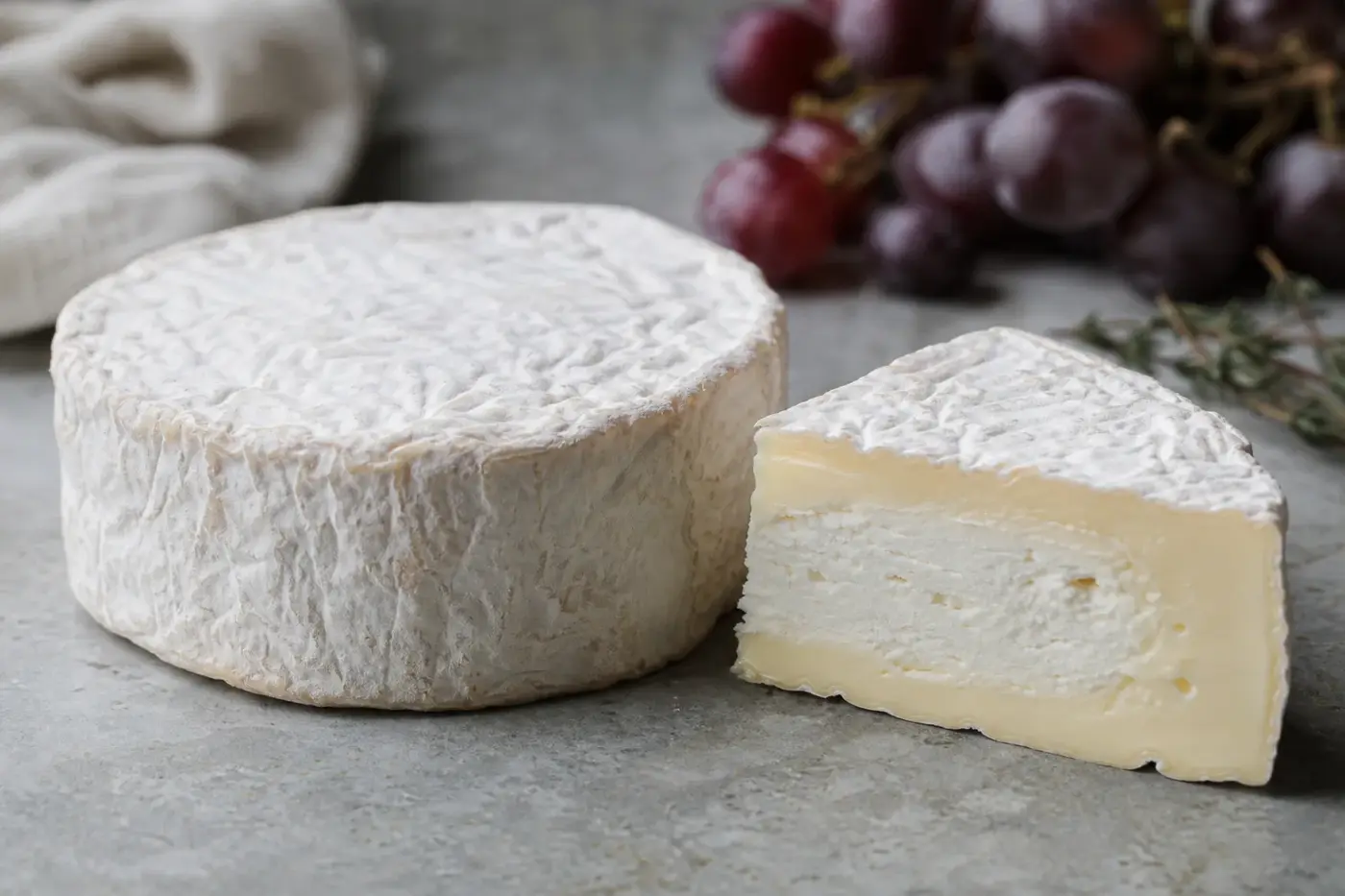
Goat cheese shows why the particular cheese matters. The NHS advises against uncooked mould ripened soft cheese with a white coating, such as chèvre, during pregnancy, but says you can eat it cooked until steaming hot. Its UK pregnancy guidance gives different advice for hard cheeses, including some made from unpasteurised milk. Consult the current guidance for the cheese you have in mind. [13]
The NHS also discusses fromage frais in its pregnancy diet guidance and directs you to its cheese-specific precautions. Follow those linked official pages and ask your midwife or another appropriate clinician about your circumstances. If you live outside the UK, use your country's official advice. [14]
Find your next cheese read
- How to Tell Cheese Styles Apart: Milk, Rind, Texture and Method: explore how the different ways of grouping cheeses overlap.
- Cheese Food Safety: The Complete Guide: find wider safety guidance and country-specific sources.
Questions people ask
What makes a cheese fresh?
Fresh cheese is intended to be eaten without maturation. Codex describes unripened cheeses, including fresh cheeses, as ready to eat shortly after manufacture.
Is ricotta always made from whey?
No. Milk or cream may also be added, and some ricotta is made from blends of whey and milk using heat and acid. Check the ingredients rather than assuming it is made from whey alone.
Does brine mean a cheese is matured?
No. Codex's mozzarella standard includes brining, while its separate standard for cheeses in brine describes cheeses ripened and preserved in that liquid. Whether a cheese is fresh depends on whether it underwent maturation.
How should fresh cheese be stored?
The UK Food Standards Agency recommends a fridge temperature between 0 and 5 °C, checked with a thermometer. It advises following both the use-by date and the pack's instructions after opening. See the FSA's current consumer guidance.
Can I eat fresh cheese during pregnancy?
The NHS lists pasteurised cottage cheese, cream cheese, mozzarella and ricotta among cheeses that can be eaten in pregnancy. It also includes pasteurised goat cheese without a white rind, but advises against uncooked mould ripened soft cheese with a white coating, such as chèvre. Check the current NHS pregnancy guidance for the cheese in question.
Sources
- FAO and WHO, Group Standard for Unripened Cheese Including Fresh Cheese, CXS 221-2001, retrieved online edition, November 2026. Section 2 supplies the unripened-cheese description; section 3 identifies raw materials and permitted ingredients.
- University of Guelph, Cheese Making Technology e-Book, “Cheese families”, 2021 online edition. Classification by coagulation, moisture control and curing, including heat-acid cheeses.
- Tetra Pak, Dairy Processing Handbook, chapter 16, “Cheese”, online edition, publication date not stated, retrieved November 2026. Basic cheese facts and category descriptions. Tetra Pak supplies dairy-processing equipment; this is its technical account.
- University of Guelph, Cheese Making Technology e-Book, “Fresh cheese (acid-coagulated cheese)”, 2021 online edition. Predominantly acid-set cheeses, cottage cheese, quark and cream cheese.
- NHS, Dairy and alternatives in your diet, online guidance retrieved November 2026. Dairy fat variation and the suggested use of plain fromage frais instead of cream.
- FAO and WHO, Standard for Mozzarella, CXS 262-2006, amendments through 2023 in the retrieved edition. Section 2 describes classification, structure and processing; the appendix addresses high-moisture mozzarella manufacture.
- FAO and WHO, Standard for Whey Cheeses, CXS 284-1971, revised 1999 and 2006, amended through 2022. Supplementary standard retrieved for editorial verification; see evidence log.
- University of Guelph, Dairy Science and Technology eBook, “Cultured dairy products and cheese”, undated online edition retrieved November 2026. Cheesemaking overview and ricotta made by heat-acid precipitation from milk and whey blends.
- FAO and WHO, Group Standard for Cheeses in Brine, CXS 208-1999, amended 2022. Section 2 describes ripening and preservation in brine.
- Food Standards Agency, How to chill, freeze and defrost food safely, published 18 December 2017, online guidance retrieved November 2026. Applies to England, Northern Ireland and Wales.
- GOV.UK, Understanding food labelling: Best before and use-by dates, online guidance retrieved November 2026. Date meanings and storage instructions, including opened packaging.
- Food Standards Agency, Why avoiding cross-contamination is important, published 18 December 2017, online guidance retrieved November 2026. Applies to England, Northern Ireland and Wales.
- NHS, Foods to avoid in pregnancy, online guidance retrieved November 2026. “Cheese, milk and other dairy” gives the specific cheese categories and cooking exceptions.
- NHS, Have a healthy diet in pregnancy, online guidance retrieved November 2026. “Dairy in pregnancy” includes fromage frais and directs readers to the cheese precautions.
- Food Standards Agency, Alerts, live index consulted November 2026 for the editorial recall check.
This piece was researched from international food standards, university dairy-science texts, a processing handbook and current UK official consumer guidance; kitchen combinations are editorial suggestions.
Last checked: November 2026
Last checked November 2026.
The editors suggest you read next
How to Tell Cheese Styles Apart: Milk, Rind, Texture and Method
Watch mozzarella curd being worked and stretched in hot water.