Queijos da Beira Baixa
Cut into Castelo Branco and you meet a cheese whose curd begins with cardoon.
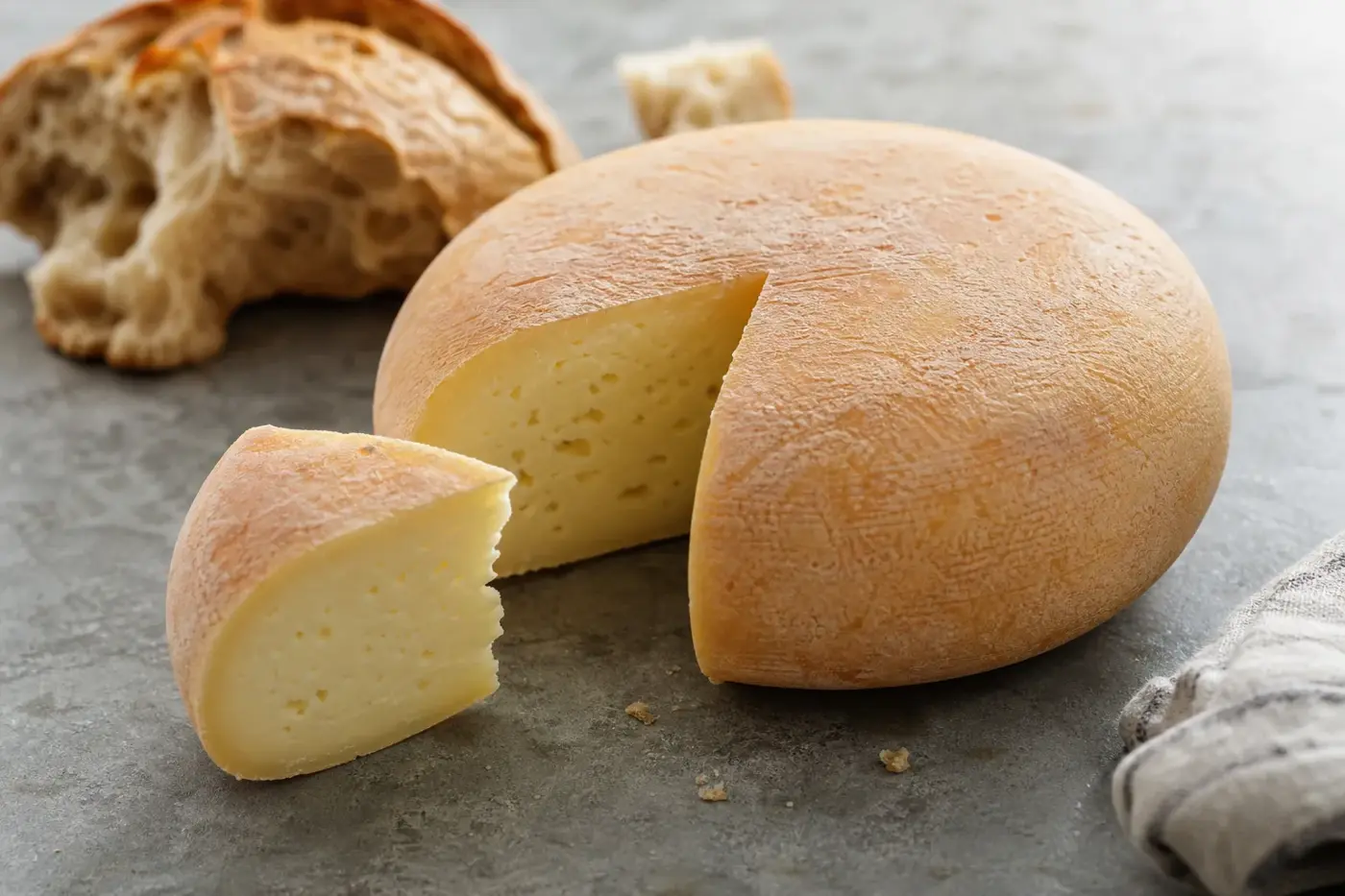
Cut into Castelo Branco and you meet a cheese whose curd begins with cardoon. Beside it, yellowish Amarelo offers a clean acidic edge, while rindless Picante makes its presence felt with pronounced piquancy. These are three very different tastes of central Portugal’s inland pastures, small mountain ranges and river basins, where sheep and goats sustain the cheesemaking story. [1][2]
| Your quick guide | What to know |
|---|---|
| The familiar collective name | Queijos da Beira Baixa. [2] |
| The name in the published specification | Queijo da Beira Baixa, with the type identified as Castelo Branco, Amarelo or Picante. [1] |
| Current registered name and EU status | Information unavailable |
| Registration authority and register identifier | Information unavailable |
| Where they come from | A legally delimited area of inland central Portugal. [1] |
| The milk | Raw milk for all three types. [1] |
| Older versions to look for | Castelo Branco and Amarelo may carry the qualifier Velho. [1] |
| Typical commercial ageing beyond the specified minimum | Information unavailable |
Follow the flocks into Beira Baixa
To understand these cheeses, look beyond a single town. The specification describes smaller mountain ranges, plains and river basins, with farming shaped by differences in soil, water and grazing. Its historical account connects cheesemaking with transhumance, the seasonal movement of flocks between mountain and lowland pasture. [1]
Portugal’s agricultural authority, DGADR, highlights outdoor flock management and access to varied pastures as distinguishing features of production here. Those come before the cheesemaker’s decisions about coagulation, drainage, salting and maturation. Your cheese begins with livestock and land, long before it reaches a counter. [2]
So which is the local cheese? All three belong here. The more useful question is what you fancy: a softer or firmer paste, a clean acidic edge, or the emphatic piquancy that gives Picante its name.
Let the label introduce your cheese
Look for the designation and the type together. The familiar plural, Queijos da Beira Baixa, gathers the three cheeses under one name, while DGADR’s published specification uses the singular Queijo da Beira Baixa, followed by Amarelo, Castelo Branco or Picante. A Portuguese official notice published in August 2025 also uses that singular designation to identify the DOP within the official control system. [1][3]
One regional designation, then, holds several distinct types. The place name alone cannot tell you which cheese you are taking home. For the difference between a protected geographical name and a cheese style, see protected names explained.
The delimited area includes Belmonte, Castelo Branco, Fundão, Idanha-a-Nova, Mação, Oleiros, Penamacor, Proença-a-Nova, Sertã, Vila de Rei and Vila Velha de Ródão, plus specified parishes of Covilhã. Milk production, cheesemaking and maturation all take place within that area. The specification names the individual Covilhã parishes, drawing a more precise boundary than the everyday regional name. [1]
Meet Castelo Branco and its cardoon curd
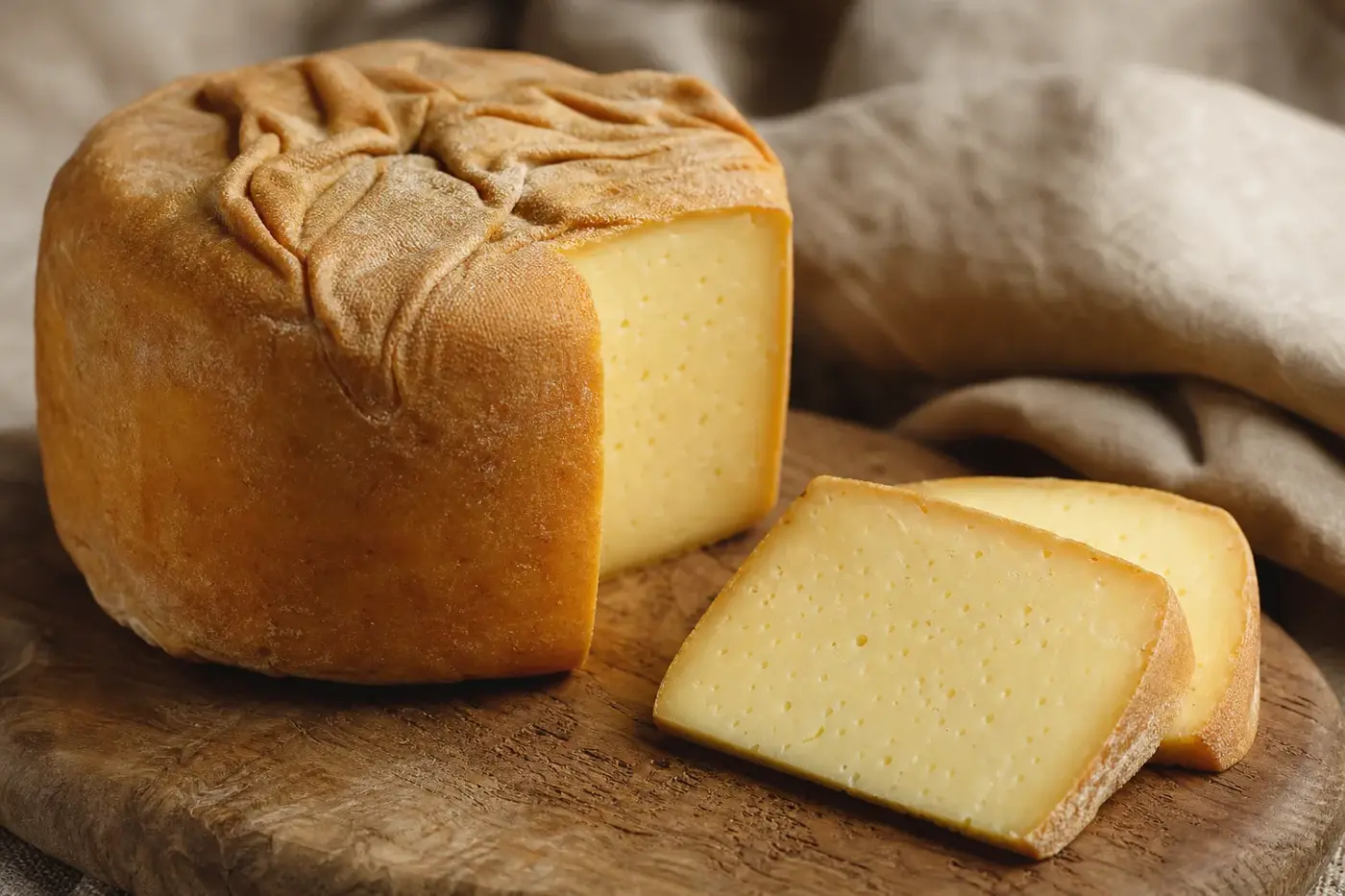
Cardoon is Castelo Branco’s calling card. This sheep’s milk cheese uses a plant coagulant, identified by DGADR as Cynara cardunculus. DGADR describes a yellowish cheese with a semi-soft or semi-hard paste, intense aroma and flavour, and a slightly piquant character in the older version. [2]
The cardoon supplies the clotting preparation that turns milk into curd. That curd is the mass subsequently drained to make cheese, and the plant coagulant is the decisive production distinction here. If you would like to follow that first transformation, start with how cheese is made.
At the counter, ask to see the cut face and look for Velho on the label. Do you fancy a yielding wedge to spread across bread, or an older, firmer piece to cut into small bites? Ask about the cheese in front of you, because the name alone cannot settle its eating texture.
Castelo Branco makes a useful first stop in a comparative tasting. Try it alone, then with plain bread. Give it a moment before fruit and wine arrive with opinions of their own.
Give Amarelo’s acidic edge a moment
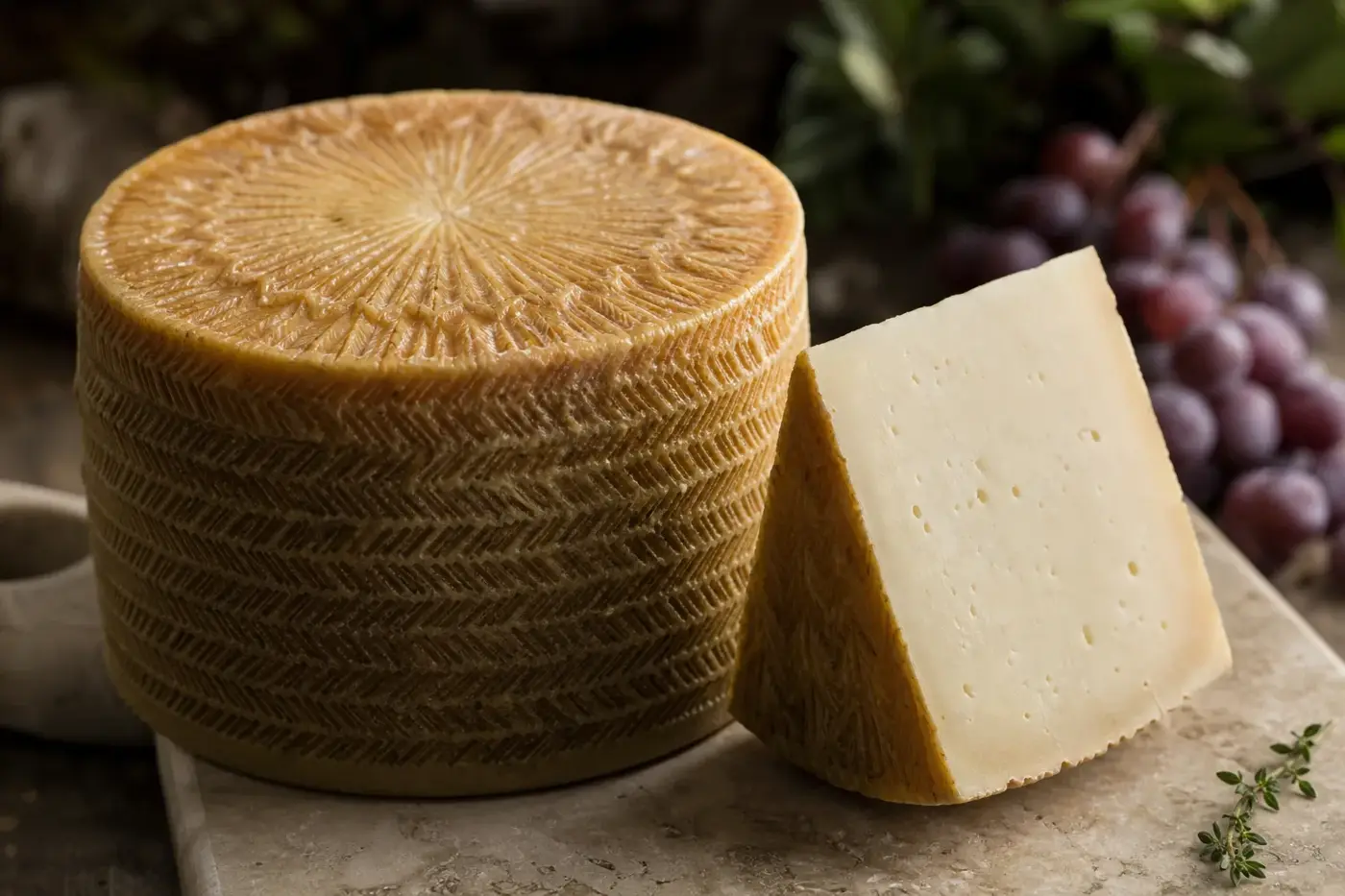
Amarelo means yellow, and the colour is part of its documented identity. DGADR describes a yellowish, semi-soft or semi-hard cheese with an intense aroma and a clean, slightly acidic flavour. Unlike Castelo Branco, it uses animal rennet rather than cardoon. [2]
Read the milk declaration closely. Under the published specification, sheep’s milk accounts for 50 to 100% of the milk, while goat’s milk contributes 0 to 50%. Your Amarelo may therefore be entirely sheep’s milk or a blend; the name does not reveal that detail. [1]
Ask which milk is in the actual cheese, then ask about maturity. For your first exploration, put an ordinary Amarelo beside Castelo Branco. Save the older versions for a second tasting, when their differences can have your full attention.
Start with a small piece on its own before reaching for anything sweet. Then try a slice of pear or apple. As a tasting suggestion, fresh fruit offers a comparison without burying that acidic edge beneath a heavily flavoured preserve.
Leave a little room for Picante
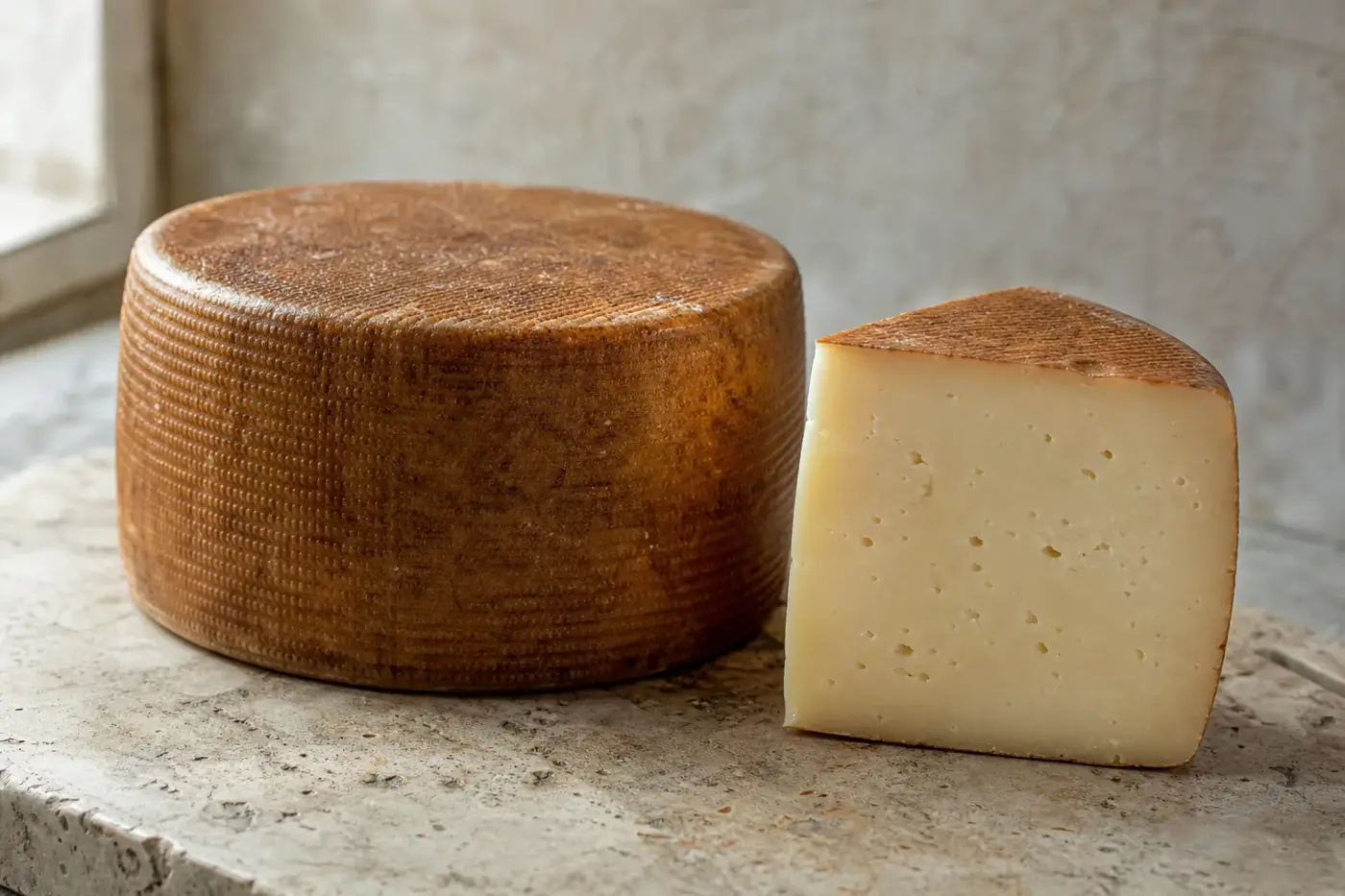
Picante is the most forceful of the three in the official sensory descriptions. DGADR describes a strong, distinctive aroma, pronounced piquancy and a semi-hard to hard paste with a greyish-white colour. This is your cue to begin with small bites. [2]
The published specification describes a low cylindrical cheese with defined edges and no rind. For its permitted milk, coagulant and minimum maturation, consult the operative specification before publication. [1]
That piquancy belongs to the cheese’s developed character. Research on Picante has explored how milk composition, salting, coagulant and maturation affect protein breakdown and the release of free amino acids. There is more happening here than the word “strong” can usefully tell you. [5]
Begin with a shaving or a thin piece. If you are tasting all three, leave Picante until last and keep a separate piece of plain bread beside it. A small start makes comparison easier, with room to return for another bite.
Get the three together on your plate
Here is your starting point for comparing them, using the specification’s descriptions. “Paste” means the cheese’s interior; “eyes” are openings within it. With those terms in hand, you can picture what the descriptions are telling you. [1]
| Cheese | What you will see | The texture | Aroma and flavour |
|---|---|---|---|
| Castelo Branco | Straw-yellow to darker yellow rind; whitish-yellow paste | Semi-soft to semi-hard | Pronounced; may become slightly piquant with longer maturation |
| Amarelo | Yellow to toasted-yellow rind; slightly yellow paste | Semi-soft to semi-hard | Intense aroma; clean, slightly acidic flavour |
| Picante | No rind; off-white to greyish paste | Semi-hard to hard | Strong, characteristic aroma; pronounced piquancy |
Source: DGADR specification, product characteristics. [1]
Use the table to start a conversation with your cheesemonger. Which cheese is most yielding today, which is firmer, and how long has each matured? Those questions tell you more than asking for the “strongest”, a word that tends to arrive at the counter without explaining itself.
Say whether you mean aroma, saltiness or piquancy, and keep your attention on the cheeses actually available. Names give you a starting point. The piece on the counter deserves its own questions.
Follow the milk towards three different cheeses
Milk preparation, coagulation, curd cutting, draining, moulding, salting and maturation form the main production sequence. The specification distinguishes Castelo Branco’s cardoon coagulation from the animal rennet used for Amarelo and Picante. It then describes different handling and curing arrangements. [1]
For the operative production requirements and minimum maturation periods of all three types, consult the current specification. Keep those requirements separate from any particular cheese’s actual age.
Each shared stage has a job. Coagulation establishes the curd, drainage removes whey, and maturation develops the finished cheese. For the fuller journey, follow how cheese is made; here, notice how those stages lead towards three distinct regional identities.
In your tasting notes, keep milk and coagulant separate. Castelo Branco differs through its plant coagulant, while Amarelo and Picante also allow different milk compositions. You are comparing several production choices at once, rather than running a neat experiment with one cause behind every difference in flavour or texture.
Discover what keeps Picante changing
While Picante matures, its chemistry keeps moving. In a controlled study of experimental Picante cheeses, researchers varied the milk mixture, coagulant and salting procedure, then measured free amino acids during ripening. Total free amino acids increased with time under every manufacturing protocol studied, and the manufacturing choices also affected the results. [5]
Another laboratory study tested four bacterial species and three yeast species isolated from Picante. Using curdled milk as its model, it found that microbial strain, salt and time affected protein or fat breakdown. The yeast Yarrowia lipolytica showed particularly marked activity in that experimental system. [6]
Age, then, gives you only part of the story. Ask about maturity alongside texture, milk mixture and the maker’s description of the batch. If you are tasting at home, write those details down before you begin.
Give firmness, acidity, saltiness, aroma and finish their own notes. You will come away with a more precise impression than one grand verdict on “strength”. It also gives you something useful to look back on when choosing your next piece.
Bring it home and give it good care
Start with the label: identify the type, look for Velho, and follow the pack’s storage and date instructions. Ask the seller for the actual maturation period where available. For more help with the pack, turn to how to read a cheese label.
For household refrigeration, the UK Food Standards Agency recommends a fridge temperature between 0 and 5 °C and following the product’s storage instructions. This is UK consumer guidance, dated November 2026. Keep the label with your cheese so you still have the instructions after opening. [7]
Follow those pack instructions. Consult the current food safety advice for where you live, too.
At the table, a suggested order is Castelo Branco, Amarelo, then Picante. If you have a Velho and its younger counterpart, taste them beside each other rather than separating them. Hold back the accompaniments until everyone has tried the cheese alone.
Bring bread, fruit and Portuguese wine to the table
Plain bread and fruit leave each cheese room to speak. Try a plain wheat loaf with Castelo Branco, a firmer slice with Amarelo, and thin pieces of rye bread with Picante. Offer fresh pear or apple first, then dried figs or a little quince paste for anyone who wants a sweeter contrast.
Portuguese wine body ViniPortugal recommends taking white and sweet wines just as seriously as reds with cheese. Its broader pairing principles favour matching intensity and considering sweetness alongside savoury, salty food. You need not reach automatically for a red. [8]
Those principles suggest three combinations for you to try:
- Castelo Branco: a dry Beira Interior white, with bread and pear.
- Amarelo: a fresh Portuguese white or a lightly structured red, with apple.
- Picante: a small serving of tawny Port, with dried fig or quince paste.
Treat these bread, fruit and individual wine matches as editorial serving suggestions for your own table. Offer water and fruit alongside every option, including for anyone choosing an alcohol free pairing.
Alcoholic pairings are for adults of legal drinking age; small tasting servings are sufficient. People who are pregnant, driving, taking medicines that interact with alcohol, or recovering from alcohol dependence should not drink. Check the current NHS advice. [9]
For more on the method, see cheese and wine pairing. If Portugal has caught your appetite, look next for Queijo Serra da Estrela and Queijo de Nisa. Put their milk, coagulant and maturation descriptions beside Castelo Branco’s, then compare the cheeses themselves.
Reputation gives you somewhere to begin. The more rewarding comparison is waiting on your plate.
General information only, not medical advice: follow the official guidance where you live.
Questions people ask
What are the three Queijos da Beira Baixa?
They are Castelo Branco, Amarelo da Beira Baixa and Picante da Beira Baixa. Castelo Branco has an intense aroma and flavour, Amarelo has a clean, slightly acidic flavour, and Picante has pronounced piquancy.
What milk is used to make these cheeses?
All three types use raw milk. Castelo Branco uses sheep’s milk, while Amarelo can be entirely sheep’s milk or a blend containing up to 50% goat’s milk. Picante’s permitted milk still requires checking against the operative specification.
Where are Queijos da Beira Baixa made?
They come from a legally delimited area of inland central Portugal. Milk production, cheesemaking and maturation all take place within that area.
What does Velho mean on a cheese label?
Castelo Branco and Amarelo may carry the qualifier Velho for older versions. The name alone does not fix a cheese’s eating texture, so ask the seller about the particular cheese and its maturity.
How should I store and serve these cheeses?
The UK Food Standards Agency recommends a fridge temperature between 0 and 5 °C and following the product’s storage instructions. Consult the agency’s current guidance and check the advice for where you live. A suggested tasting order is Castelo Branco, Amarelo, then Picante.
Sources
- DGADR. Queijo da Beira Baixa DOP, Caderno de Especificações. Undated specification currently linked from the official product page. Sections 2 to 4 and 9 to 13. Official specification.
- DGADR. Queijo da Beira Baixa PDO. Undated official product overview, retrieved November 2026. Its sensory and regional descriptions were used separately from its conflicting maturation summary. Official product overview.
- Diário da República, DGADR. Aviso (extrato) n.º 21116/2025/2, de 25 de agosto. Published 25 August 2025. Official notice.
- European Commission. eAmbrosia, record EUGI00000013224, linked by DGADR. Record content did not render in the research interface. Register record.
- Universidade Católica Portuguesa, research repository. How milk type, coagulant, salting procedure and ripening time affect the profile of free amino acids in picante da beira baixa cheese. Journal of the Science of Food and Agriculture, volume 79, 1999, pages 611 to 618. Abstract and publication record consulted. Research record.
- Universidade Católica Portuguesa research team. Role of dominant microflora of Picante cheese on proteolysis and lipolysis. 1999. Full paper consulted through an academic document repository. Research paper.
- Food Standards Agency. How to chill, freeze and defrost food safely. Online guidance, retrieved November 2026. Official guidance.
- ViniPortugal, Wines of Portugal. Gastronomy. Undated industry-body pairing guidance, retrieved November 2026. Pairing guidance.
Researched from Portuguese agricultural documents, an official control notice, original Picante research, UK consumer storage guidance and attributed wine-industry pairing principles.
Last checked: November 2026
Last checked November 2026.
The editors suggest you read next