Queijo Serra da Estrela
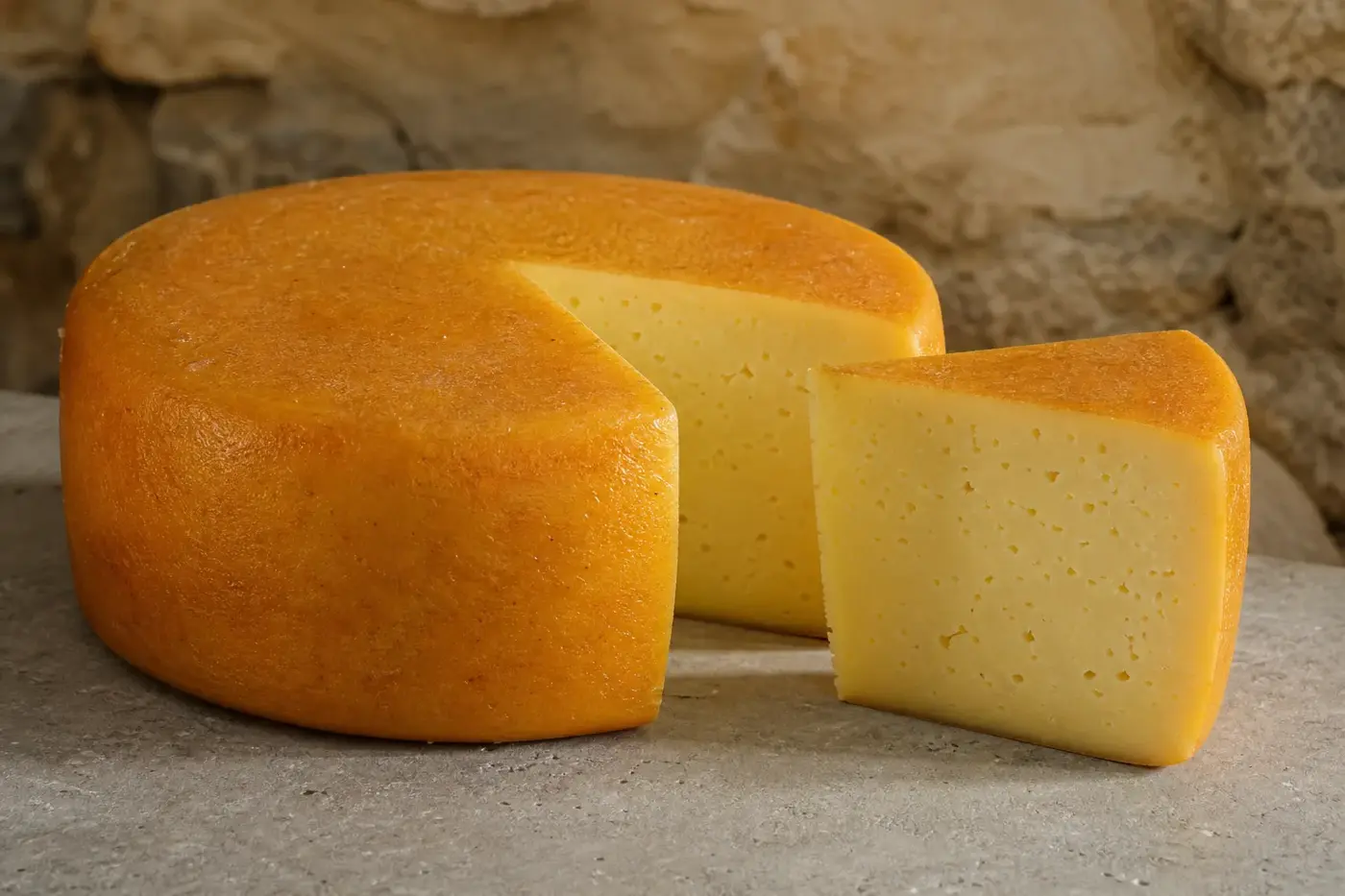
Cut into Queijo Serra da Estrela and watch its pale interior gently abandon its shape.
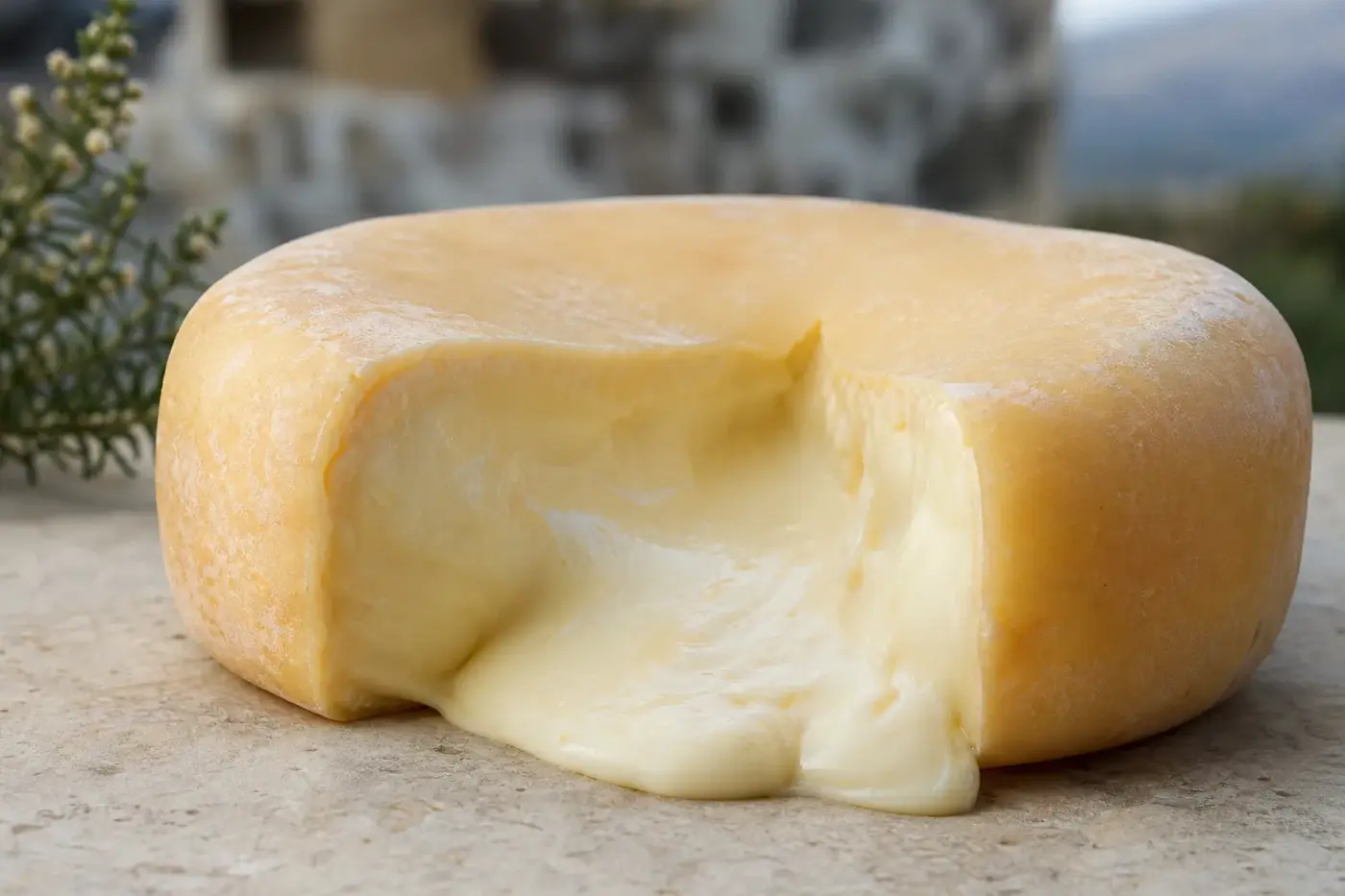
Cut into Queijo Serra da Estrela and watch its pale interior gently abandon its shape. This yielding cheese comes from Portugal’s Serra da Estrela mountain pastures, where raw sheep’s milk meets cardoon flowers before slow draining and ripening. It has little interest in standing to attention. Give it longer to mature, though, and you get something firmer: Velho. [1][3]
| At a glance | Your quick guide |
|---|---|
| Registered name | Queijo Serra da Estrela. [1] |
| EU designation | PDO; European Commission, file PDO-PT-0213-AM01. [1] |
| Great Britain | Registered PDO; UK scheme entry dated 31 December 2020. [2] |
| Milk | Raw sheep’s milk from Bordaleira Serra da Estrela or Churra Mondegueira breeds. [1] |
| Coagulant | Cardoon flower, Cynara cardunculus L. [1] |
| Minimum ripening | Standard: 30 days; Velho: 120 days. [1] |
| Allergen | Milk. [1] |
| Registration status date | November 2026, EU and Great Britain. [1][2] |
Follow the flocks into Serra da Estrela
Look beyond the highest slopes and you find a working pastoral region stretching across central Portugal. Portugal’s agricultural authority describes flocks with access to spontaneous pasture. The EU specification records their seasonal movement between grazing grounds within the defined area: transhumance, following the available feed. [1][4]
That daily relationship between sheep keeping, grazing and cheesemaking knowledge brings the landscape into your cheese. In the older Portuguese specification, hands work the curds in cloth and hoops before pressing, then carefully tend the ripening cheeses. From the first shaping to the watch over maturation, the cheesemaker’s judgement stays close. [3]
A mountain name with rules behind it
Queijo Serra da Estrela holds an EU protected designation of origin, or PDO, alongside a separate registered entry in Great Britain. You may also meet its Portuguese abbreviation, DOP: Denominação de Origem Protegida. [1][2]
The EU production area includes municipalities such as Seia, Gouveia and Manteigas, plus specified parishes elsewhere. To carry the name, a cheese must meet defined origin and production rules, including those for sheep breeds and coagulant. A mountain address alone will not do. You can explore the wider distinction in protected names explained. [1]
Meet the sheep behind your slice
Bordaleira Serra da Estrela and Churra Mondegueira are the two permitted breeds. Their milk goes into the cheese raw, not pasteurised. The rules allow extensive and semi-extensive rearing, with regional grazing and supplementary fodder. Additional straight or compound feeds need authorisation under adverse conditions such as snow or drought. [1]
Behind each wheel sits a managed farming system, shaped by seasonal decisions about feed and milk. At the counter, ask who made the cheese and when. Those answers tell you more about the piece in front of you than expecting every cheese with this name to have precisely the same consistency.
The flowers that turn milk into curd
Cardoon flowers supply the enzymes that set the milk. These milk-clotting substances help milk proteins gather into curd, the soft solid separated from liquid whey. For Serra da Estrela, the coagulant comes from Cynara cardunculus L., not an animal source. Research describes using an aqueous extract of its flowers. [1][5][6]
The flowers have more to contribute as the cheese matures. A 2020 cheesemaking study explains their role in proteolysis, the breakdown of proteins during ripening. Cardoon helps shape the developing texture, rather than simply setting the process in motion. [5]
In that study, researchers compared three cardoon preparations across three stages of flock lactation, measuring composition, texture and colour. Lactation stage had the larger influence on the characteristics measured, although cardoon selection mattered too. When you ask about a cheese, leave room for season in the conversation alongside the coagulant. [5]
Cloth, careful hands and time to ripen
Cloth supports the fresh curd inside a hoop while the cheesemaker works and presses it. Whey escapes, and the cheese begins to take shape. The published Portuguese production account follows this forming, draining and consolidating. It also describes an optional external rubbing with salt after removal from the hoop. [3]
Then the work moves to the ripening rooms. The same account describes cloth around the cheese’s sides, an initial draining room, subsequent ripening and washing during maturation. Drainage, handling and time gradually build the finished structure. Setting the milk is only the beginning. [3]
You can follow the broader stages in how cheese is made. When buying, ask how that particular cheese has ripened. It is a more useful question than expecting every producer to follow an identical daily routine.
Soft at heart, with a little bitter bite
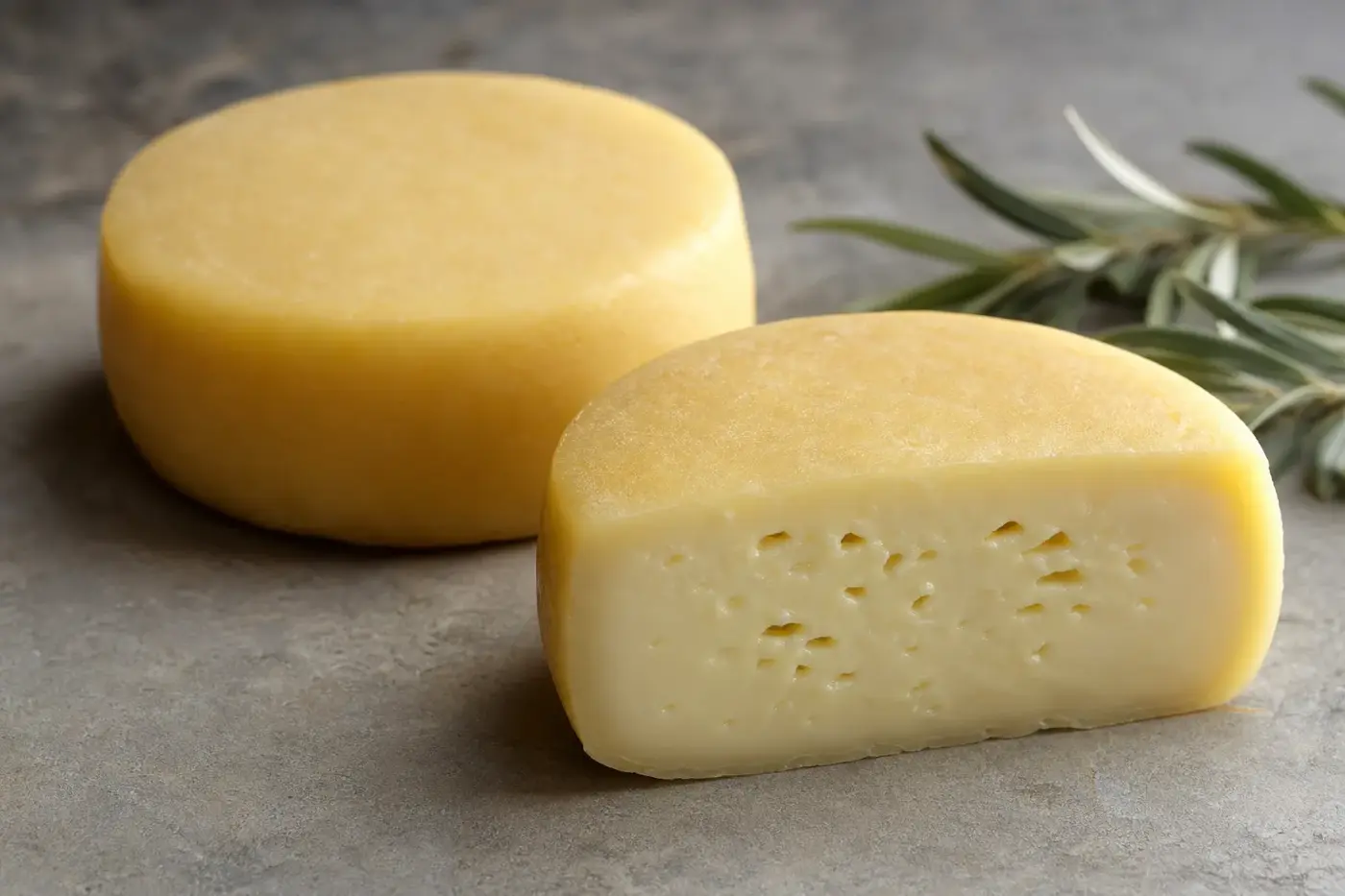
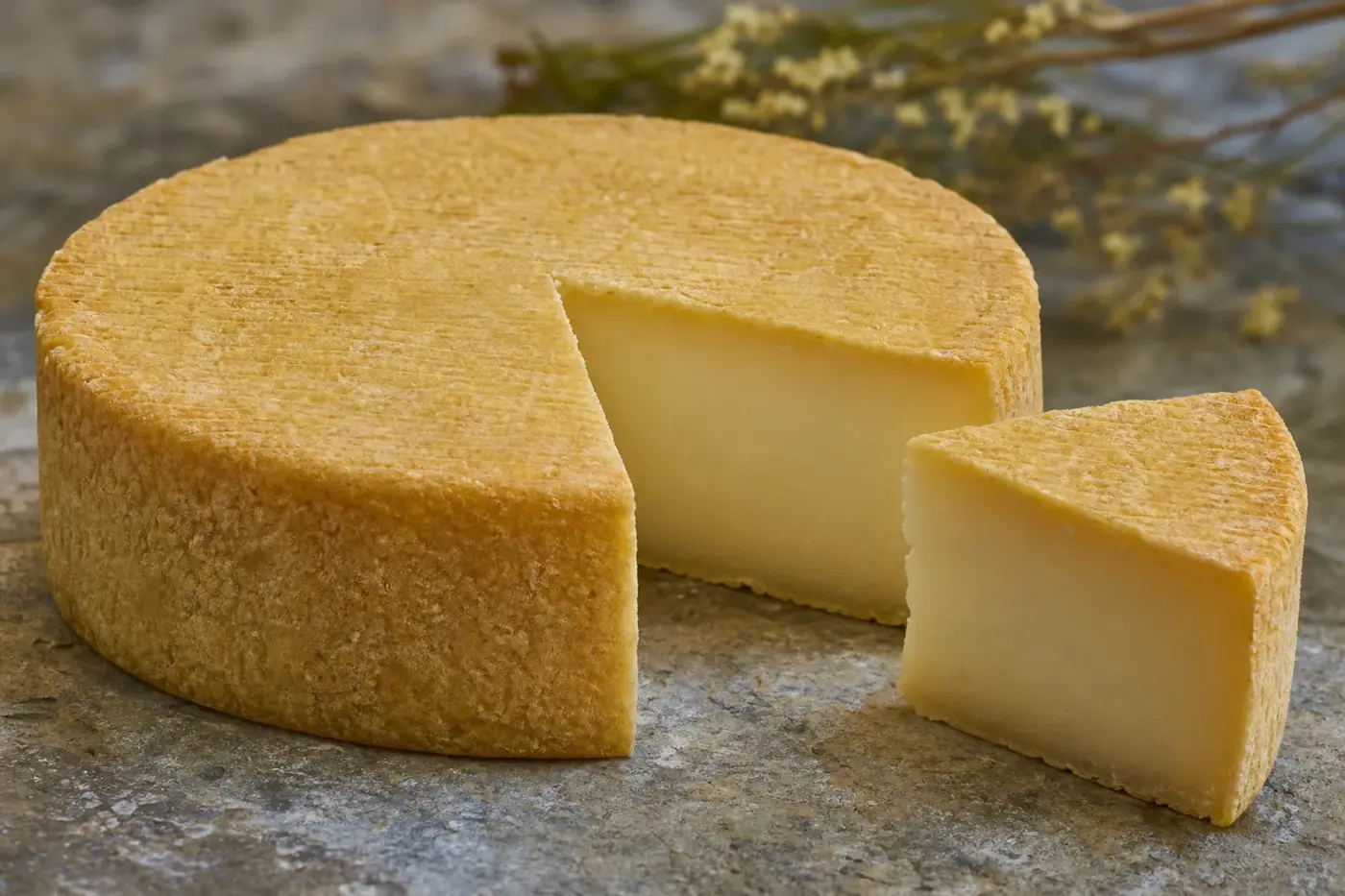
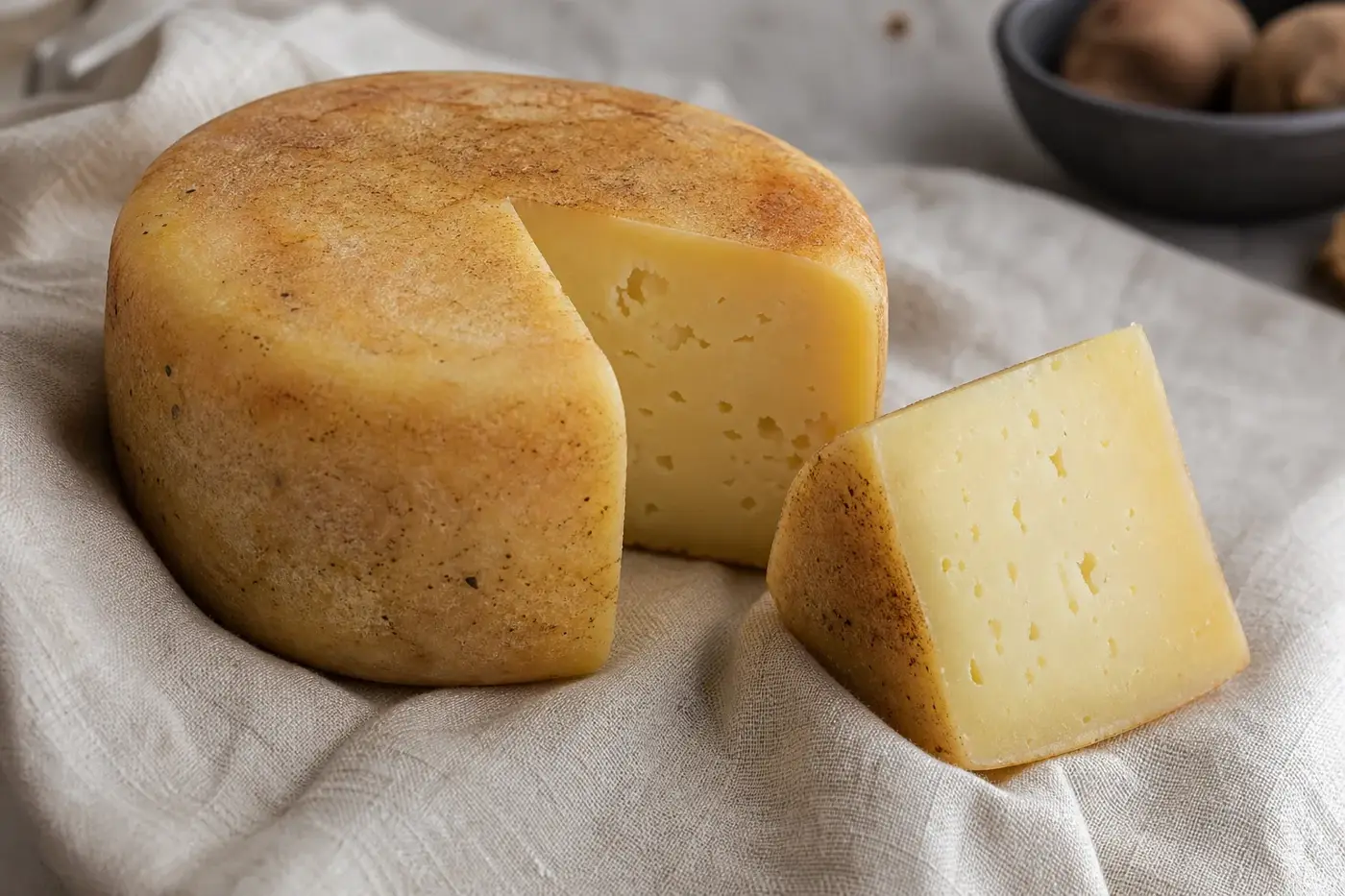
The EU description gives you a low cylinder with bulging sides and a smooth, semi-soft rind. Inside, the cheese is white to slightly yellow and close textured, with few or no eyes. Once you cut it, that soft paste can lose its shape. [1]
The official sensory description emphasises a clean, gently acidic character. The 2020 research paper describes a strongly aromatic, slightly bitter, semi-soft cheese. As you taste, notice how the aroma, acidity and small bitter edge work together. Softness need not mean shyness. [1][5]
Ask your cheesemonger about the wheel on sale. Is it yielding enough to spoon, or better suited to a knife? If you make tasting notes, record the producer and age alongside your impressions. Your future self deserves something more useful than “lovely, buy more”.
Meet Velho, the firmer pleasure of patience
Velho matures for at least 120 days, compared with 30 days for the standard cheese. If you are choosing between them, here is how the two styles differ under the EU product description. November 2026 is the reference date. [1]
| What to look for | Standard cheese | Velho |
|---|---|---|
| Minimum ripening | 30 days | 120 days |
| Whole cheese weight | 0.4 to 1.7 kg | 0.3 to 1.2 kg |
| Diameter | 8 to 20 cm | 6 to 20 cm |
| Height | 4 to 6 cm | 2 to 6 cm |
| Interior | Pale and yielding | Drier and slightly crumbly |
| Rind | Semi-soft | Hard to extra hard |
The Velho description adds yellowish to orange-brown colouring and a lingering, more pungent and salty character. Think about the experience you fancy at the table. You can choose a soft cheese to spread or spoon, or a firmer one to cut into portions. [1]
This page summarises published guidance from the official sources it cites. It is not medical advice. Guidance differs between countries and changes over time, so check the current source for where you live, and ask your doctor, midwife, pharmacist or dietitian about your own circumstances.
Choose your piece and keep it safely
Start with the full name, the producer and the style: standard or Velho. If you are buying a cut portion, ask to see the original label and keep its storage instructions. Choose a size to suit the people eating, rather than a large wheel bought simply for presentation.
Follow the producer’s storage instructions and the guidance where you live. The UK NHS advises keeping chilled ready-to-eat food at 5 °C (41 °F) or below, observing use-by dates and using opened food within two days unless the packaging says otherwise. Keep it separate from raw foods. [7]
Keep the packaging, including the producer and batch details, until you have finished the cheese. For the wider practical choices, turn to the home cheese storage guide.
Set the table for a spoon or a knife
Serve a manageable portion rather than repeatedly warming your whole purchase. Give that portion a brief interval out of the fridge while you prepare bread and plates, then assess its texture. UK NHS guidance says chilled ready-to-eat foods should be eaten within four hours of removal from refrigeration. Preparation and serving both count towards that total. [7]
With a very yielding whole cheese, you can carefully open the top and offer a clean spoon, keeping the sides supported. Ask the seller whether that particular wheel suits this approach. If it holds together, cut portions with a knife and let each guest spread their own.
Remove any cloth or wrapping before eating. Put the serving utensil beside the cheese so guests can take a portion onto their plate, rather than dipping bread into the whole wheel.
Start with bread, then follow your curiosity
Plain, crusty bread gives the yielding paste something substantial to sit on without adding another strong flavour. Taste the cheese alone before bringing in fruit or preserves. Then decide whether you enjoy a sweeter contrast. These serving suggestions take their cue from the published descriptions of acidity and slight bitterness. [1][5]
For a drink, start with sparkling water. An alcohol free sparkling apple drink is another option.
Queijo de Azeitão gives you a useful Portuguese comparison. The agricultural authority describes a cheese from Palmela, Sesimbra and Setúbal, made with raw sheep’s milk and cardoon coagulation, with a semi-soft paste. Its recorded character brings together acidity, salt and pungency. Compare those descriptions with Serra da Estrela’s to explore how cheeses sharing milk and coagulant can differ. [8]
Want to extend your tasting to Torta del Casar? Ask the cheesemonger to explain its milk, coagulant and maturity alongside the Serra da Estrela on offer. Compare how each takes a spoon, spreads on bread and finishes on your palate.
Raw milk: find the safety guidance you need
Queijo Serra da Estrela contains raw sheep’s milk. In the UK, consult the NHS pregnancy guidance on cheese and dairy, with November 2026 as the reference date. It distinguishes between cheese types and includes advice on cooking cheese until steaming hot. [9]
The NHS also identifies older people and people with weakened immunity as groups at greater risk of serious listeriosis. Its listeriosis advice, also referenced here for November 2026, explains those risks and handling precautions. For your own circumstances, ask a doctor, midwife, pharmacist or dietitian, and follow your country’s official guidance. [7]
If you want to understand the processing distinction, start with raw and pasteurised milk. Keep that distinction in mind alongside the official guidance for your circumstances.
Questions people ask
Where is Queijo Serra da Estrela made?
It comes from a defined area in central Portugal that includes municipalities such as Seia, Gouveia and Manteigas. To bear the protected name, it must also meet rules governing production, including the sheep breeds and coagulant used.
What milk and coagulant are used to make it?
The cheese is made from raw sheep’s milk from Bordaleira Serra da Estrela or Churra Mondegueira breeds. Cardoon flowers supply the enzymes that set the milk.
What is the difference between standard Serra da Estrela and Velho?
The standard cheese ripens for at least 30 days, while Velho ripens for at least 120 days. Velho is drier and slightly crumbly, with a harder rind and a more pungent, salty character.
Can you eat Serra da Estrela with a spoon?
Some whole cheeses are yielding enough to open at the top and serve with a clean spoon, keeping the sides supported. Ask the seller whether the particular wheel suits this approach.
Can you eat Serra da Estrela during pregnancy?
Serra da Estrela contains raw sheep’s milk. Consult the NHS pregnancy guidance on cheese and dairy, which distinguishes between cheese types and includes advice on cooking cheese until steaming hot. For your own circumstances, ask a doctor, midwife, pharmacist or dietitian and follow your country’s official guidance.
Sources
-
European Commission, Queijo Serra da Estrela: communication of approval of a standard amendment and single document, Official Journal C/2025/2033, published 14 April 2025, amendment file PDO-PT-0213-AM01. Sections 3.2 to 4 cover the product, feed, production area and presentation. Official document.
-
Department for Environment, Food & Rural Affairs, Queijo Serra da Estrela, protected food and drink names register, published 4 January 2021, entry checked November 2026. Records registered PDO status and entry into the UK scheme on 31 December 2020 at 23:00. Register entry.
-
Direção-Geral de Agricultura e Desenvolvimento Rural, Queijo Serra da Estrela, Denominação de Origem Protegida: Caderno de Especificações, revision described as amended in 2009 and submitted to the European Commission in January 2011. Used for its documented production account, not its superseded dimensions or labelling provisions. Specification PDF.
-
Direção-Geral de Agricultura e Desenvolvimento Rural, Queijo Serra da Estrela DOP, Produtos Tradicionais Portugueses, undated, indexed text retrieved November 2026. Used for the account of sheep grazing spontaneous pasture.
-
Foods, Influence of Cardoon Flower (Cynara cardunculus L.) and Flock Lactation Stage in PDO Serra da Estrela Cheese, volume 9, issue 4, article 386, 2020. Experimental comparison of three cardoon preparations across milk collected in November 2018, February 2019 and April 2019. Research paper.
-
Instituto Politécnico de Viseu repository, Serra da Estrela Cheese: evaluation of the thistle ecotype on the physical, chemical and sensorial properties, research record, 2013. Used for its description of aqueous cardoon extract. Repository record.
-
NHS, Listeriosis, reviewed 10 November 2023, retrieved November 2026. Sections on higher-risk groups and avoiding listeriosis provide the attributed handling advice. Official guidance.
-
Direção-Geral de Agricultura e Desenvolvimento Rural, Queijo de Azeitão DOP, Produtos Tradicionais Portugueses, undated, indexed text retrieved November 2026. Description, production method, particular characteristics and production area.
-
NHS, Foods to avoid in pregnancy, reviewed 15 June 2026, retrieved November 2026. Cheese and dairy sections distinguish unpasteurised foods, hard cheeses and thoroughly cooked cheese; the drinks section advises avoiding alcohol. Official guidance.
This desk-researched draft brings together official product documents, register information, published cheesemaking research and attributed UK guidance; publication checks outstanding are recorded below.
Last checked: November 2026
Last checked November 2026.
The editors suggest you read next