Queso Los Beyos
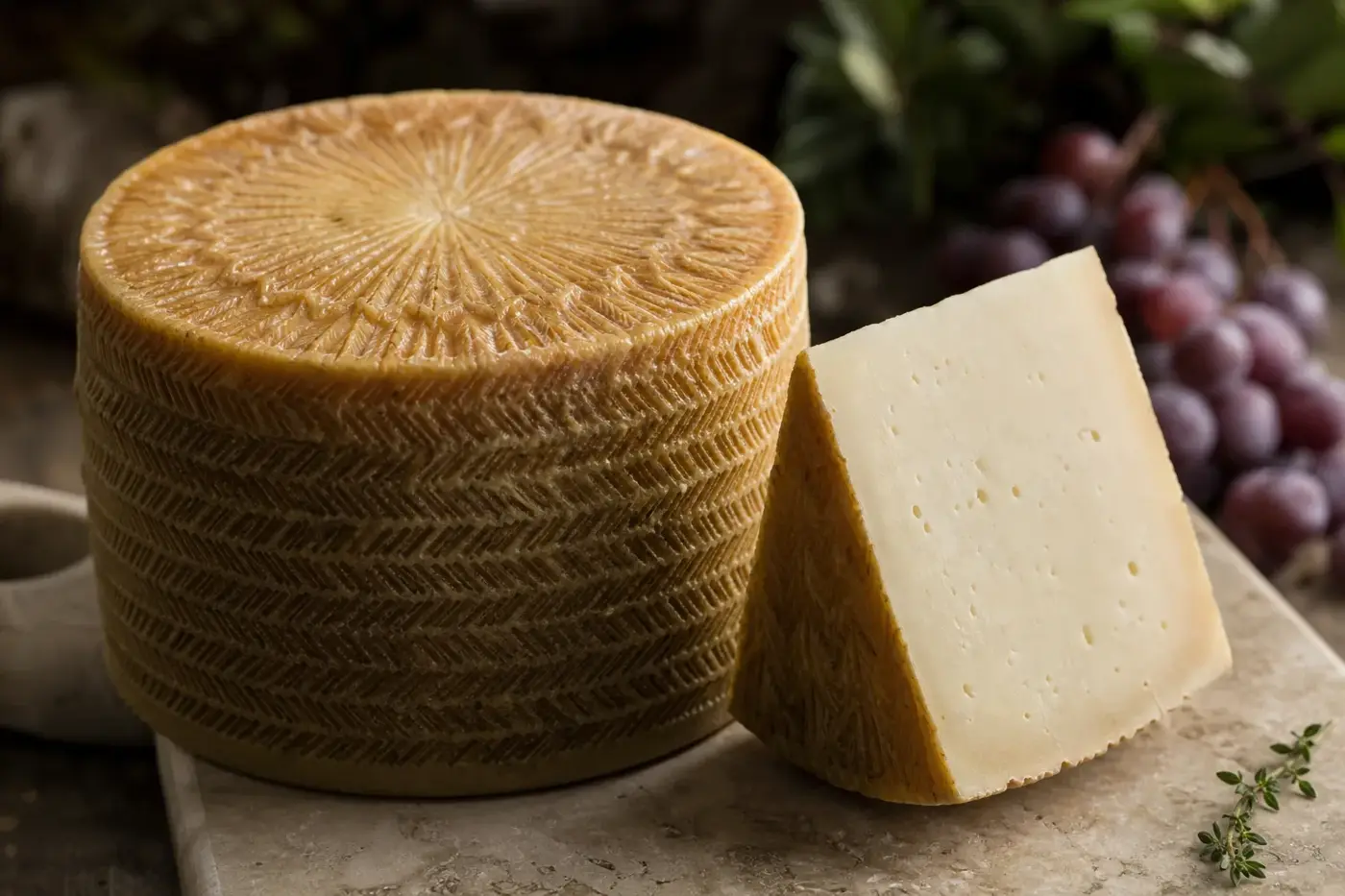
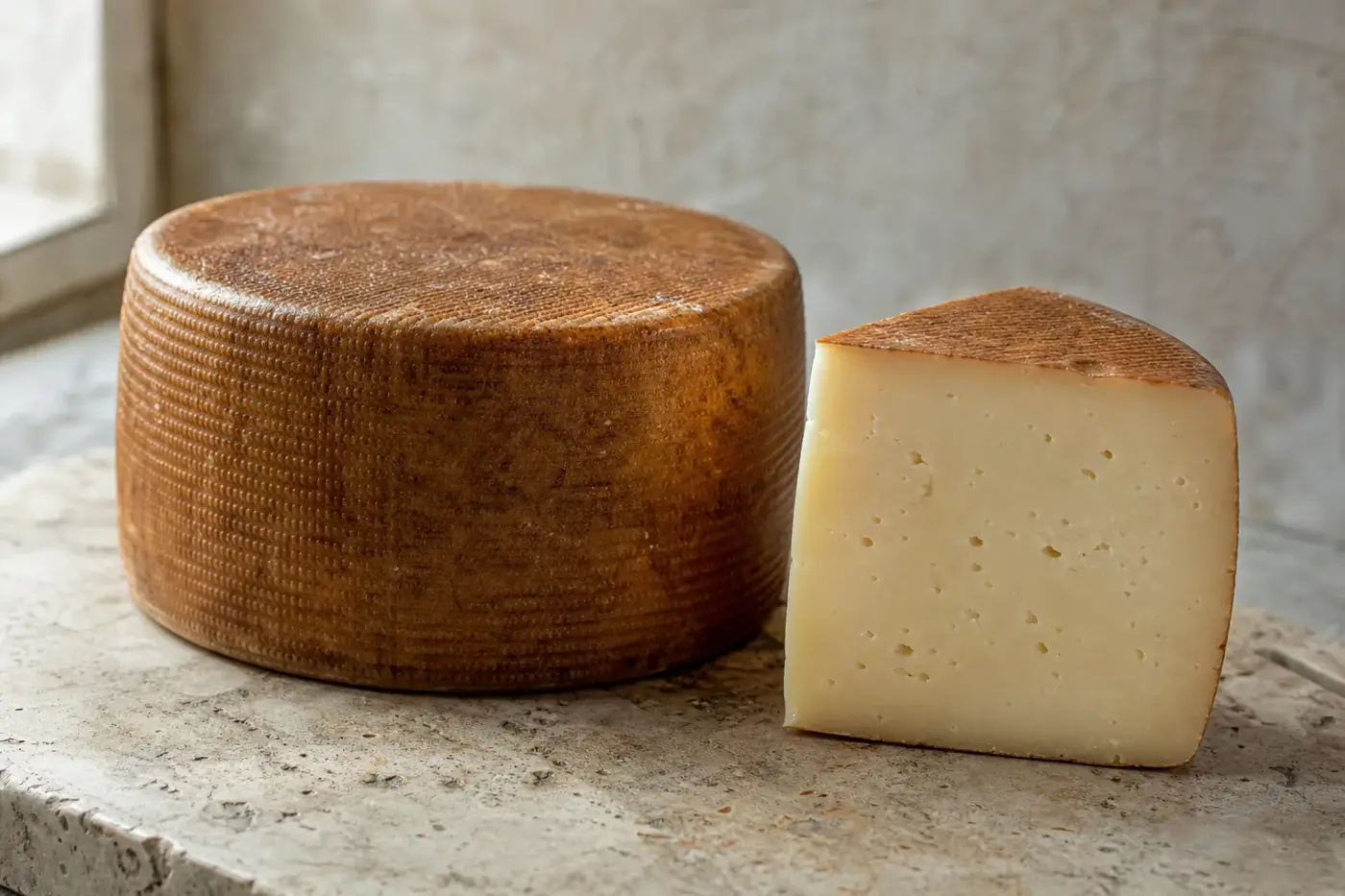
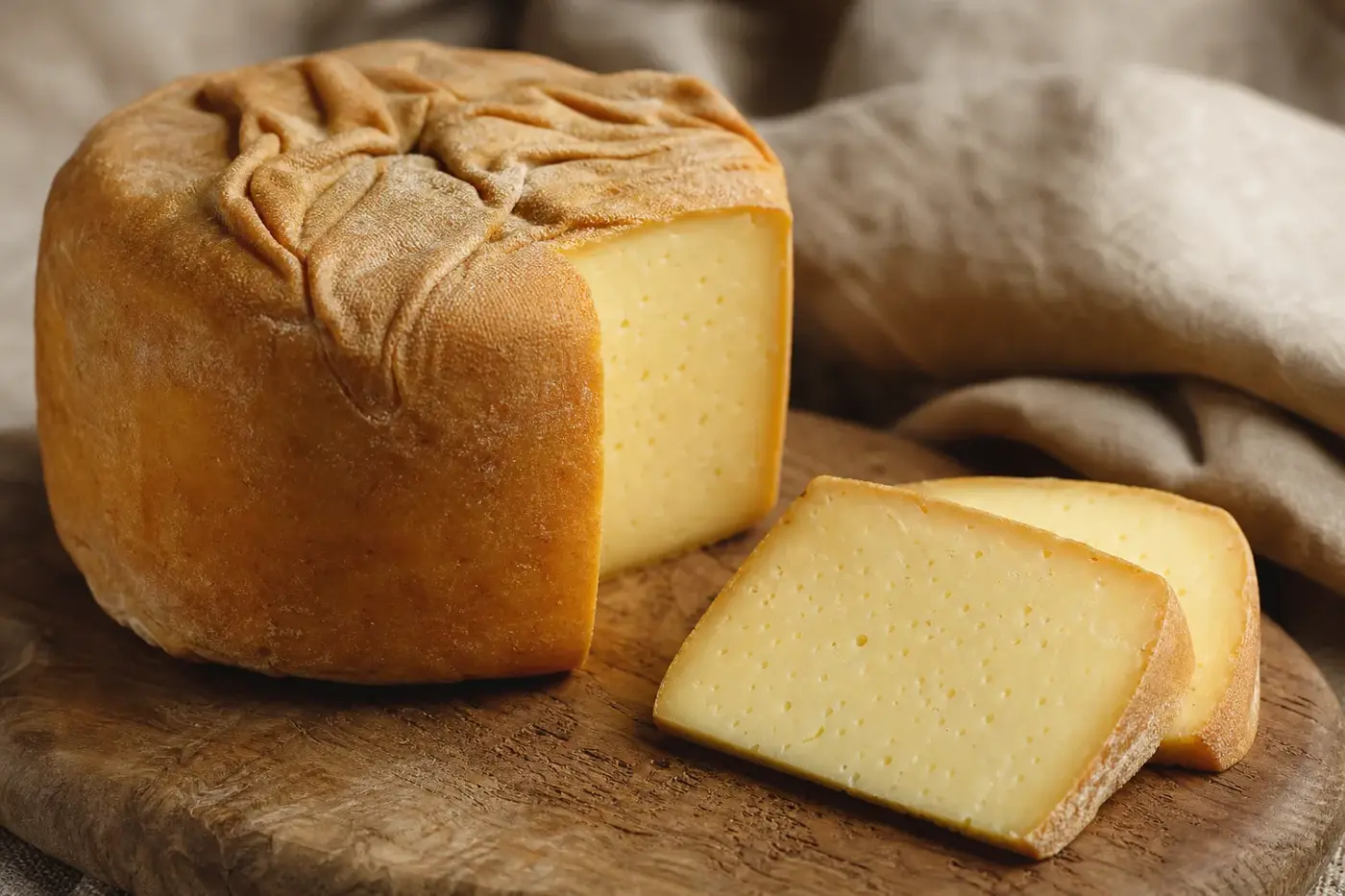
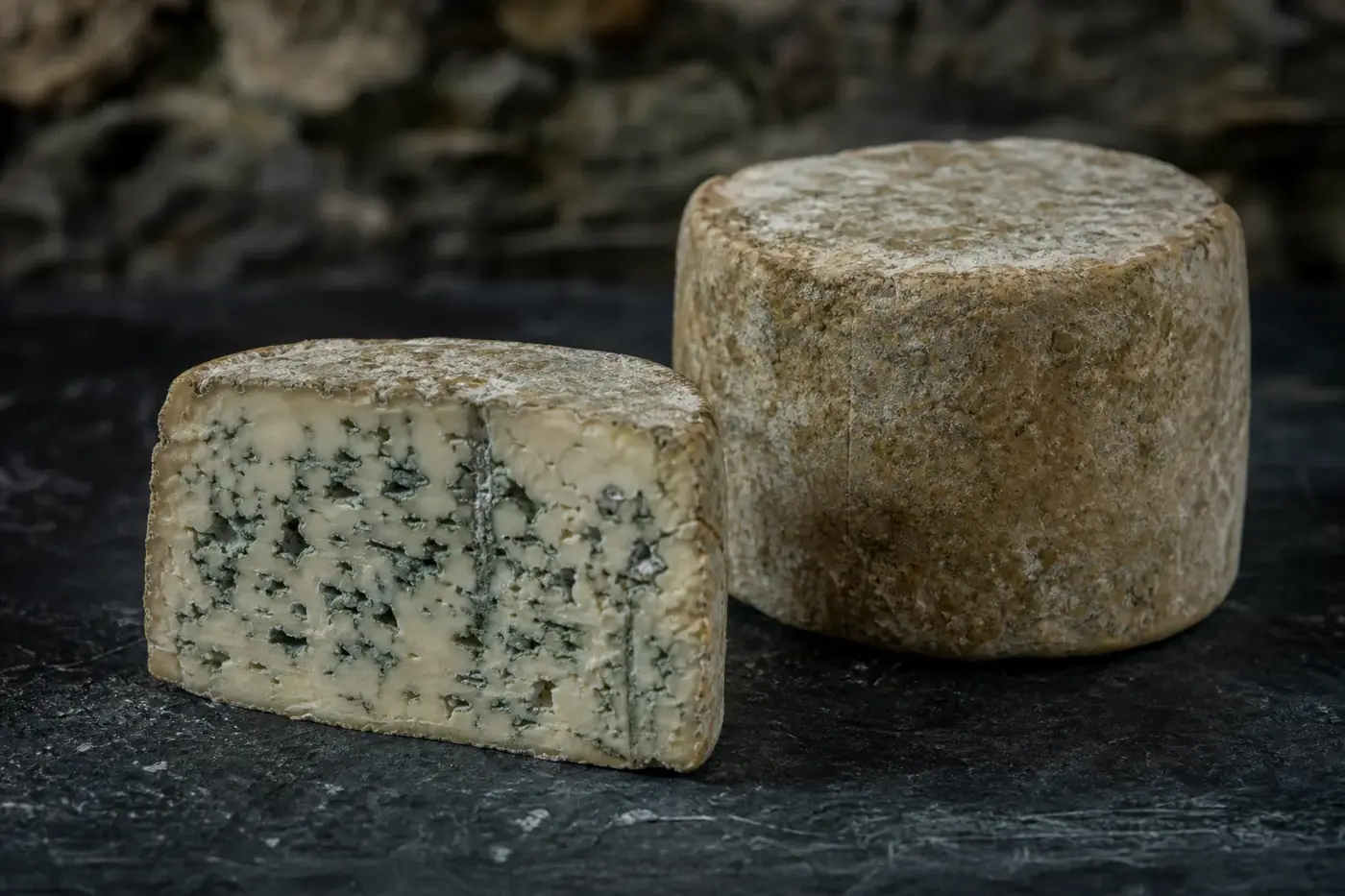
Press your knife through the thin, rough rind of Queso Los Beyos and the compact interior begins to crumble.
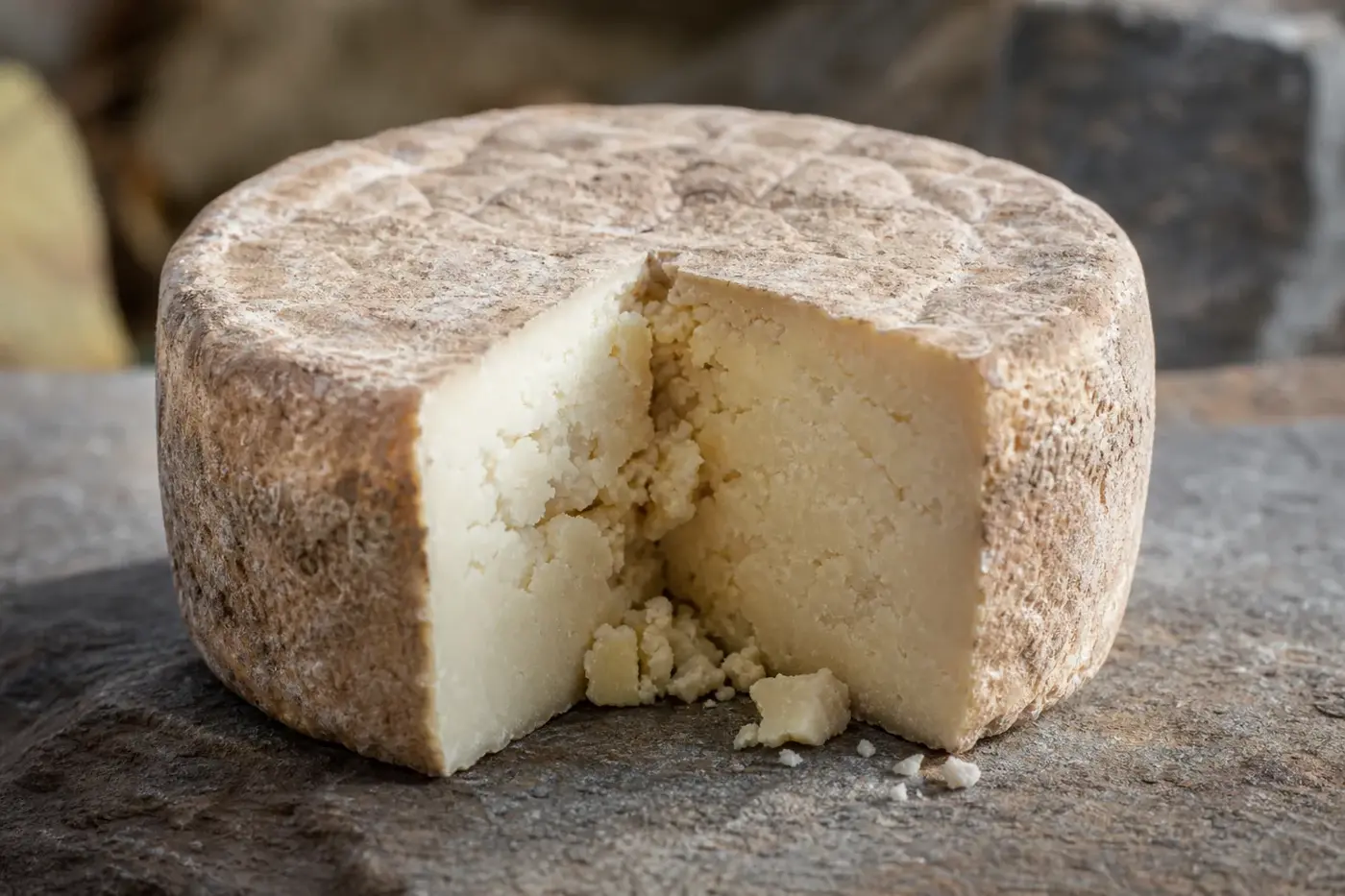
Press your knife through the thin, rough rind of Queso Los Beyos and the compact interior begins to crumble. Behind that small cheese lies a steep mountain landscape: the gorge of Los Beyos in the Sella valley. Asturias and León share its cheesemaking tradition, with separate cow’s, sheep’s and goat’s milk versions for you to explore.[1][2]
| What you want to know | The details |
|---|---|
| The name to look for | Queso Los Beyos.[3][4] |
| EU designation and identifier | Protected geographical indication, PGI-ES-0806, in Spain’s agriculture ministry list.[3] |
| EU registration instrument | Commission Implementing Regulation (EU) No 1110/2013, adopted 5 November 2013; published 8 November 2013.[4] |
| Great Britain status | Registered PGI; scheme entry dated 31 December 2020 at 23:00. Status as of November 2026.[5] |
| Where it is made and matured | Amieva and Ponga in Asturias; Oseja de Sajambre in León.[1][2] |
| Which milk? | Cow’s, sheep’s or goat’s milk, used separately; raw or pasteurised.[2] |
| Minimum time to mature | Pasteurised milk: 20 days. Raw milk: 60 days. Applies to all permitted species.[1][2] |
| Shape and size | Cylindrical; 9 to 10 cm diameter, 6 to 9 cm height; 250 to 500 g.[1] |
| Typical commercial ageing beyond the minimum | Not established here |
| Coagulant permitted by the current specification | Not established here |
| Cultures, rind treatments and additives | Not established here |
Follow the Sella into Los Beyos country
Follow the Sella through the gorge that gives Los Beyos its name and the cheese’s geography starts to make sense. Its home takes in two Asturian municipalities and Oseja de Sajambre on the León side. You need both sides of the provincial boundary to see the whole picture.[1]
The geographical account accompanying Spain’s registration application describes difficult communications with surrounding districts. Inside the area, however, paths linked villages and led to shared mountain grazing grounds. Along those routes, common customs endured across administrative boundaries.[6]
Keep Amieva, Ponga and Oseja de Sajambre together when you think of Los Beyos. Call it simply Asturian and you leave out León. Call it simply Leonese and the communities downstream disappear from view.
At the counter, you need not decide which province deserves the last word. Ask where this particular wheel was made, which milk it contains and how long it has matured. Those answers bring a large landscape into focus on your plate.
Get to know that small, crumbly cylinder
Start with the shape: a small cylinder you can take in at a glance. Asturias’s official food portal describes a thin, rough rind enclosing a firm, compact paste, the cheesemaking term for the interior. Its texture ranges from semi-hard to hard and crumbles beneath the knife.[1]
Think pieces rather than supple, folding slices. Cut your first wedge through the centre to see rind and interior together, then break off a smaller piece. This is not a cheese auditioning for the role of sandwich slice.
Buying from a cut wheel? Ask to see the original label. With a whole cheese, read it before the wrapping disappears: the producer’s name and milk declaration will tell you more than appearance alone.
Keep those details alongside your tasting impressions. A short note such as “goat’s milk, this maker, this purchase date” gives your next comparison something solid. You will have a useful starting point when you want to find that cheese again.
Choose your milk: three possibilities, never a blend
Cow’s, sheep’s and goat’s milk all have a place in Los Beyos, but without mixing them. Castilla y León’s agricultural institute makes that distinction explicit. Its account permits both raw and pasteurised milk.[2]
Make the milk declaration your first stop when choosing. If someone offers you “three-milk Los Beyos”, ask exactly what the label says. Three possible milks and three milks in one wheel are quite different propositions.
The regional description gives cow’s milk Los Beyos a gentler character, with a fresh dairy aftertaste. Sheep’s and goat’s milk versions have greater aromatic and flavour intensity.[1] That gives you something more useful to choose by than the look of the rind.
If you enjoy restrained flavours, begin with cow’s milk. For the stronger end of the documented range, turn to sheep’s or goat’s milk. The milk declaration helps you choose the sort of experience you want.
Give colour, aroma and flavour a moment each; pale cheeses need not taste alike. Look in daylight, smell a freshly broken surface, then taste. Note the milk treatment as well as the species: the milk treatment guide explains the separate distinction between raw and pasteurised milk.
From milk to that distinctive crumble
Behind the finished cheese lies lactic coagulation, a defining feature of Los Beyos production. The agricultural institute uses the term for a process in which acidification plays a central role in setting milk into curd, the solids that become cheese.[2] It is worth keeping in mind as you explore that compact, friable texture.
The broad sequence begins with selecting and preparing one permitted milk. Coagulation follows, then separation of curd from whey, forming the small cylinders, salting and maturation. For help with the vocabulary, how cheese is made explains the stages and how they fit together.
Milk treatment determines the minimum maturation period. Published regional guidance specifies 20 days for pasteurised-milk cheese and 60 days for raw-milk cheese.[1][2] Neither figure tells you the actual age of every wheel you encounter.
Ask how long yours has matured. “Meets the minimum” answers one question; “matured for this many days” answers another. When comparing purchases, put the actual maturation period beside the maker and milk in your notes.
Give the first piece your full attention
Begin with a freshly broken piece and nothing beside it. Los Beyos’s documented compactness and tendency to crumble make texture as revealing as flavour for a first impression.[1] There is plenty to discover before the bread or chutney enters the picture.
Does your piece break cleanly, or fall into smaller crumbs? Then consider its dairy aroma, acidity and salt. These are invitations to pay attention, not a tasting examination with a pass mark.
If you compare makers or batches, keep the serving conditions similar. Cut comparable pieces, use the same plain bread and taste in the same order. Write down the maker, milk and stated age before your impressions, so the right description stays with the right cheese.
Start with cow’s milk, then move towards the more intense sheep’s and goat’s milk versions described by the regional source.[1] Pause between them. Returning straight from the strongest to the gentlest makes the latter harder to judge on its own terms.
Let the label tell you where you are
Queso Los Beyos entered the EU register as a protected geographical indication under Regulation No 1110/2013.[4] Spain’s ministry records its EU file as PGI-ES-0806.[3] These are the formal details behind the name you meet at the cheese counter.
The geographical requirement covers both making and maturing within the three named municipalities.[2] Asturias’s official recognition guidance describes a producer’s label accompanied by a numbered certification label bearing the Queso Los Beyos identification.[1]
Look for the complete registered name and certification identification together. A mountain illustration, regional address or informal “Beyos” tells you less than those specific details. However handsome the scenery on the wrapper, the wording matters more.
Great Britain has its own register entry, recording the name as a registered PGI.[5] To understand how the geographical schemes differ, turn to protected names explained. Then bring your attention back to the particular label in your hand.
Remember the people behind the wheel
Village paths and shared grazing grounds run through the registration account. It describes neighbouring communities maintaining related practices in difficult mountain territory. Those routes connected people whose lives did not stop at administrative boundaries.[6]
This working landscape gives you the cheese’s human context. How did households use milk? How did villages communicate, and how did a recognisable cheese come to be associated with this valley?
Such practical questions bring the tradition into sharper focus than an origin legend. They also help you keep the individual maker in view when buying today. Save the producer’s label and ask who actually made your cheese.
Distinguish the dairy from the shop selling it. If a seller mentions a particular farm, ask which producer the story concerns. Knowing whose story you are hearing makes it easier to follow.
Specific questions make the tradition clearer and the cheese easier to find again. After a memorable purchase, a producer’s name gives you somewhere to return. A regional name alone leaves you with rather more searching to do.
Bring it home and give it good care
Begin with three questions: which milk, which maker and what age? Establish whether the milk is raw or pasteurised, too. Before putting the cheese away, read its storage instructions.
The UK Food Standards Agency advises keeping a domestic fridge between 0 and 5 °C and following packaging instructions and date labels. This is UK consumer guidance as of November 2026.[7] In the UK, follow the agency’s current guidance alongside the storage instructions on your packaging.[7]
When you are ready to serve, use a clean knife and a plain plate or board. Taste the cheese before adding chutney or strongly flavoured bread. You can choose accompaniments once you know what this particular piece tastes like.
Put the remaining portion away according to the pack’s instructions. Do not assign every wheel the same shelf life: those instructions apply to the particular cheese you bought. For broader practical advice, see the home storage guide.
Find accompaniments that know when to step back
Begin quietly, with plain bread, apple or pear. You can try something sweeter afterwards if this particular cheese seems to call for it. Give yourself a little room first to notice what is already there.
For a regional drink, consider Asturian cider or a wine from Cangas. Both feature among Asturias’s recognised food and drink designations.[8] Follow the individual drink’s character rather than assuming geographical neighbours will automatically be excellent dinner companions.
Try a cider with brisk acidity, or ask for a wine that leaves the cheese’s dairy character perceptible. Alcoholic pairings are for adults of legal drinking age; use small servings. For an alcohol-free option, choose apple juice diluted with sparkling water, or plain sparkling water.
You need not make elaborate plans for a remaining piece. Crumble a modest amount over cooked potatoes or vegetables at serving time, then taste before adding extra salt. This is a serving suggestion, not a tested recipe.
If you prepare a cooked dish for later, UK FSA guidance advises cooling it and refrigerating it within one to two hours. Eat refrigerated leftovers within 48 hours or freeze them.[7] Keep those timings in mind when putting the dish away.
Make room for Los Beyos beside Cabrales and Gamonéu
Cabrales, Gamonéu and Los Beyos each have their own protected identity. Asturias’s official listings identify Cabrales and Gamonéu as protected designations of origin. Los Beyos is a protected geographical indication.[8]
Keep the particular clues to Los Beyos in view: its small cylindrical form, compact crumbly paste and milks used separately.[1][2] Ask your cheesemonger how the other cheeses beside it are made and matured. Mountain origins alone do not make them interchangeable.
On a tasting board, give each cheese its own labelled position. Record maker, milk and age separately, and taste Los Beyos on its own before drawing comparisons. The pleasure lies in getting to know this particular valley cheese, then discovering how it differs from its neighbours.
General information only, not medical advice: follow the official guidance where you live.
Questions people ask
Where is Queso Los Beyos made?
It is made and matured in Amieva and Ponga in Asturias and Oseja de Sajambre in León. It takes its name from the Los Beyos gorge in the Sella valley.
What does Queso Los Beyos taste like?
The cow’s milk version has a gentler character and a fresh dairy aftertaste. Sheep’s and goat’s milk versions have greater aromatic and flavour intensity.
How long is Queso Los Beyos matured?
The minimum is 20 days for cheese made with pasteurised milk and 60 days for cheese made with raw milk. The actual age of a particular wheel may differ, so ask how long it has matured.
How can I recognise genuine Queso Los Beyos?
Look for the complete registered name and certification identification. Asturias’s official guidance describes a producer’s label accompanied by a numbered certification label bearing the Queso Los Beyos identification.
How should I store Queso Los Beyos?
The UK Food Standards Agency advises keeping a domestic fridge between 0 and 5 °C and following packaging instructions and date labels. Consult the agency’s current guidance alongside the instructions on your cheese.
Sources
- Principality of Asturias, Alimentos del Paraíso Natural, IGP Queso Los Beyos, undated official product and recognition guidance, accessed November 2026.
- Instituto Tecnológico Agrario de Castilla y León, «Queso Los Beyos» (IGP), undated official product summary, retrieved November 2026.
- Ministerio de Agricultura, Pesca y Alimentación, Listado de denominaciones de origen, official regional listing, 2025 edition, supra-autonomous section, EU file PGI-ES-0806.
- European Commission, Commission Implementing Regulation (EU) No 1110/2013 of 5 November 2013 entering a name in the register of protected designations of origin and protected geographical indications [Queso Los Beyos (PGI)], Official Journal L 298, 8 November 2013, pages 23 to 24.
- Department for Environment, Food & Rural Affairs, Queso Los Beyos, Great Britain protected food name register entry, published 4 January 2021, accessed November 2026.
- Spanish Directorate-General for Food Industry and Markets, Resolución de 16 de julio de 2009, BOE-B-2009-26073, registration application, geographical link section. This is a historical application document.
- Food Standards Agency, How to chill, freeze and defrost food safely, current consumer guidance retrieved November 2026, sections on chilling and leftovers.
- Principality of Asturias, Denominaciones de Origen e Indicaciones Geográficas Protegidas and Alimentos del Paraíso Natural certification listings, retrieved November 2026.
Researched through official registration material, national and regional product summaries, and UK consumer storage guidance; serving suggestions are editorial recommendations.
Last checked: November 2026
Last checked November 2026.
The editors suggest you read next