Spanish Cheese: The Complete Guide
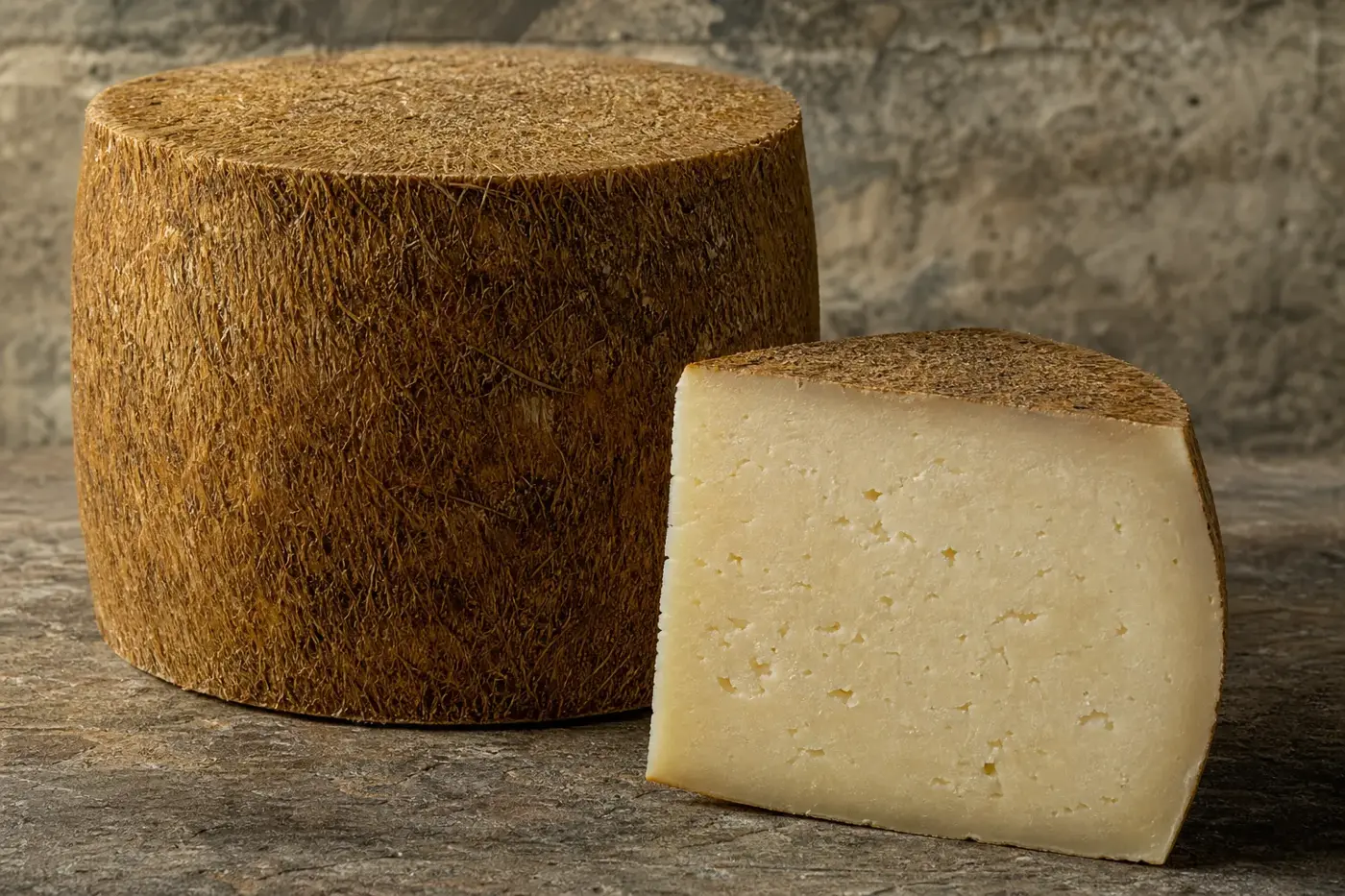
Look closely at Manchego’s patterned rind.
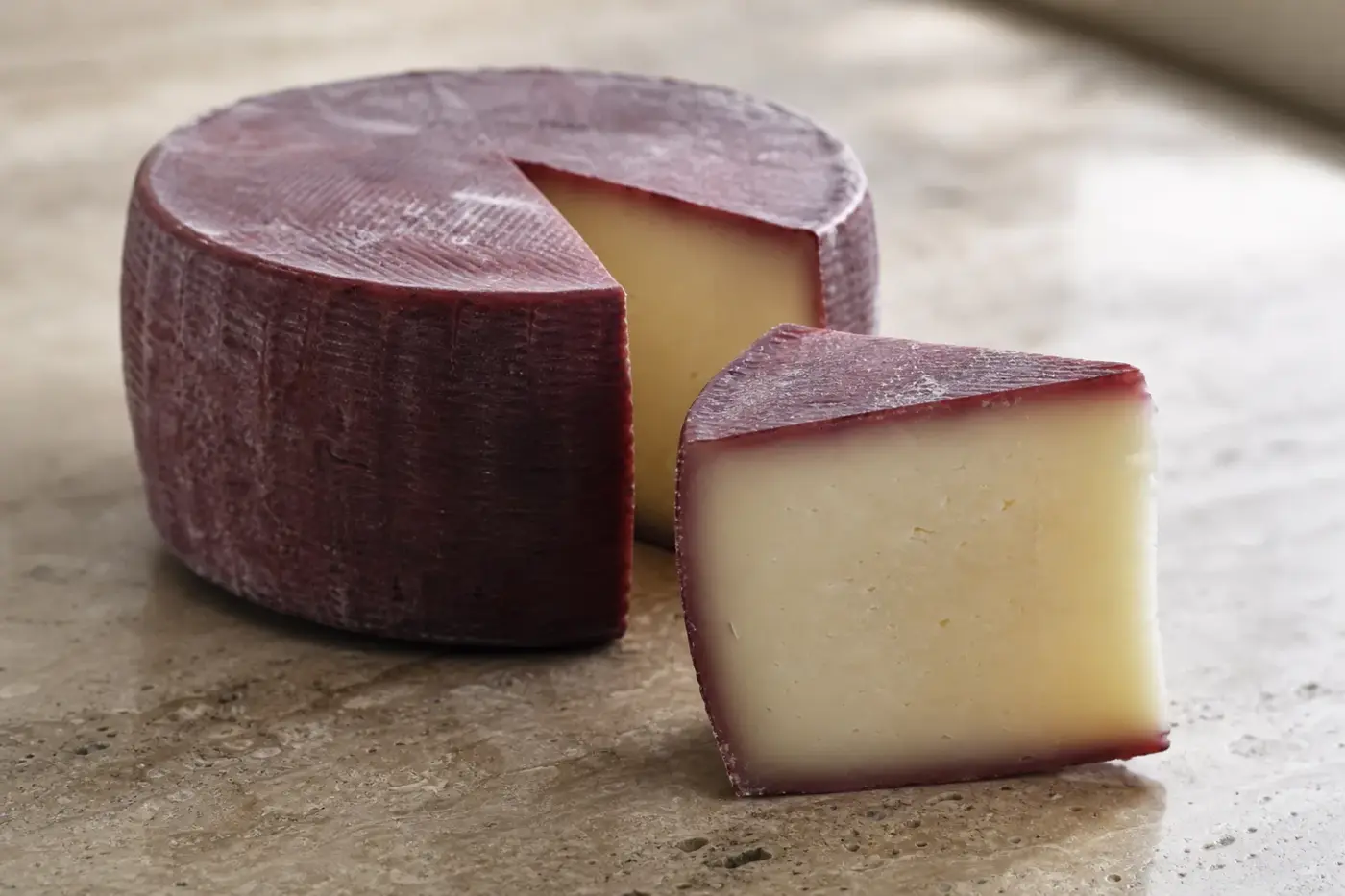
Look closely at Manchego’s patterned rind. Picture the cheese inside its cylindrical wheel becoming increasingly granular as it matures. There is more to this wheel than a handsome coat: those details appear in its 2025 specification and draw you into La Mancha, one part of Spain’s regional cheese traditions, shaped by different milks and methods. [1][2]
Meet Manchego’s sheep and their patch of Spain
Manchego begins with Manchega sheep’s milk, either raw or pasteurised under the 2025 specification. Follow its production area and you pass through municipalities in Albacete, Ciudad Real, Cuenca and Toledo. [1]
Here, the wheel’s weight determines its minimum maturation time. Cheeses weighing no more than 1.5 kg must mature for at least 30 days; larger formats need at least 60 days. Maximum maturation is two years, with very mature cheese becoming increasingly granular beneath that patterned rind. [1]
Follow your appetite around Spain’s cheese map
Fancy exploring beyond La Mancha? Spain’s agriculture ministry publishes a cheese map and a linked list of protected-name specifications, offering you a route into those regional traditions. Your cheeseboard may be about to acquire a travel habit. [2]
Once an individual cheese catches your eye, go a little deeper. Read its specification and check its current register entry rather than relying on the list alone. [2]
Discover the place behind the PDO
PDO ties a cheese to its place, not just its name. It gives you a connection to look for when exploring a cheese’s origins.
In the EU, Article 46 of Regulation (EU) 2024/1143 defines an agricultural designation of origin through geographical origin, the connection between a product’s characteristics and that environment, and production steps within the defined area. Article 49 sets out what the product specification must contain. [3]
Make room for the right fridge conditions
Keep storage simple: follow the instructions on the packaging. For England, Northern Ireland and Wales, the Food Standards Agency’s consumer guidance recommends keeping your fridge between 0 °C (32 °F) and 5 °C (41 °F). [4]
General information only, not medical advice: follow the official guidance where you live.
Questions people ask
What milk is Manchego made from?
Manchego is made from Manchega sheep’s milk. Its 2025 specification permits either raw or pasteurised milk.
How long is Manchego matured?
Cheeses weighing no more than 1.5 kg must mature for at least 30 days, while larger cheeses need at least 60 days. The maximum maturation is two years.
Where does Manchego come from?
Manchego is a cheese of La Mancha. Its production area covers specified municipalities in Albacete, Ciudad Real, Cuenca and Toledo.
What does PDO mean for Spanish cheese?
PDO ties a cheese to its place. In the EU, a designation of origin links a product’s characteristics to its geographical environment and requires production steps to take place within the defined area.
How should I store Spanish cheese?
The Food Standards Agency advises keeping the fridge between 0 °C and 5 °C in England, Northern Ireland and Wales. Follow the storage instructions on the packaging and consult the agency’s consumer guidance.
Sources
- Junta de Comunidades de Castilla-La Mancha, Resolución de 07/02/2025, including the consolidated single document and specification for Queso Manchego, published in the Diario Oficial de Castilla-La Mancha, 25 February 2025. Retrieved copy hosted by the designation’s council.
- Ministerio de Agricultura, Pesca y Alimentación, Pliegos de condiciones en vigor, updated 25 November 2025; and Mapa de Quesos y Mantequillas con Denominación de Origen Protegida e Indicación Geográfica Protegida, February 2014.
- European Parliament and Council, Regulation (EU) 2024/1143, 11 April 2024, Articles 46 and 49, Official Journal text published 23 April 2024.
- Food Standards Agency, How to chill, freeze and defrost food safely, retrieved consumer guidance, originally published 18 December 2017.
Research retrieved the Manchego specification, the EU geographical indications regulation, ministry reference material and FSA chilling guidance; the remaining required specifications and current register checks were insufficiently accessible to complete the article.
Last checked: November 2026
Last checked November 2026.
The cheeses of Spain
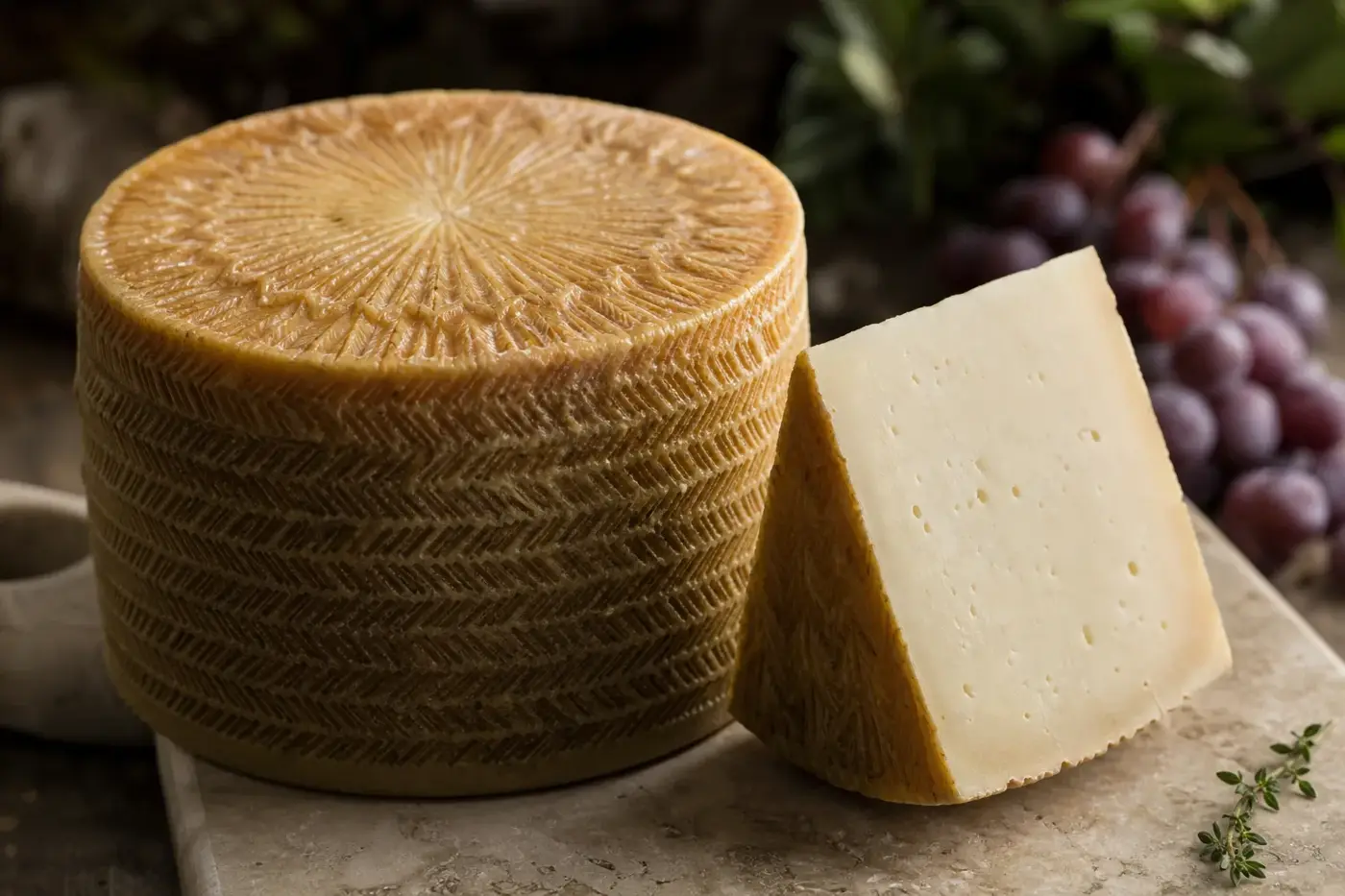
Queso Manchego
Before you reach for the knife, turn the wheel.
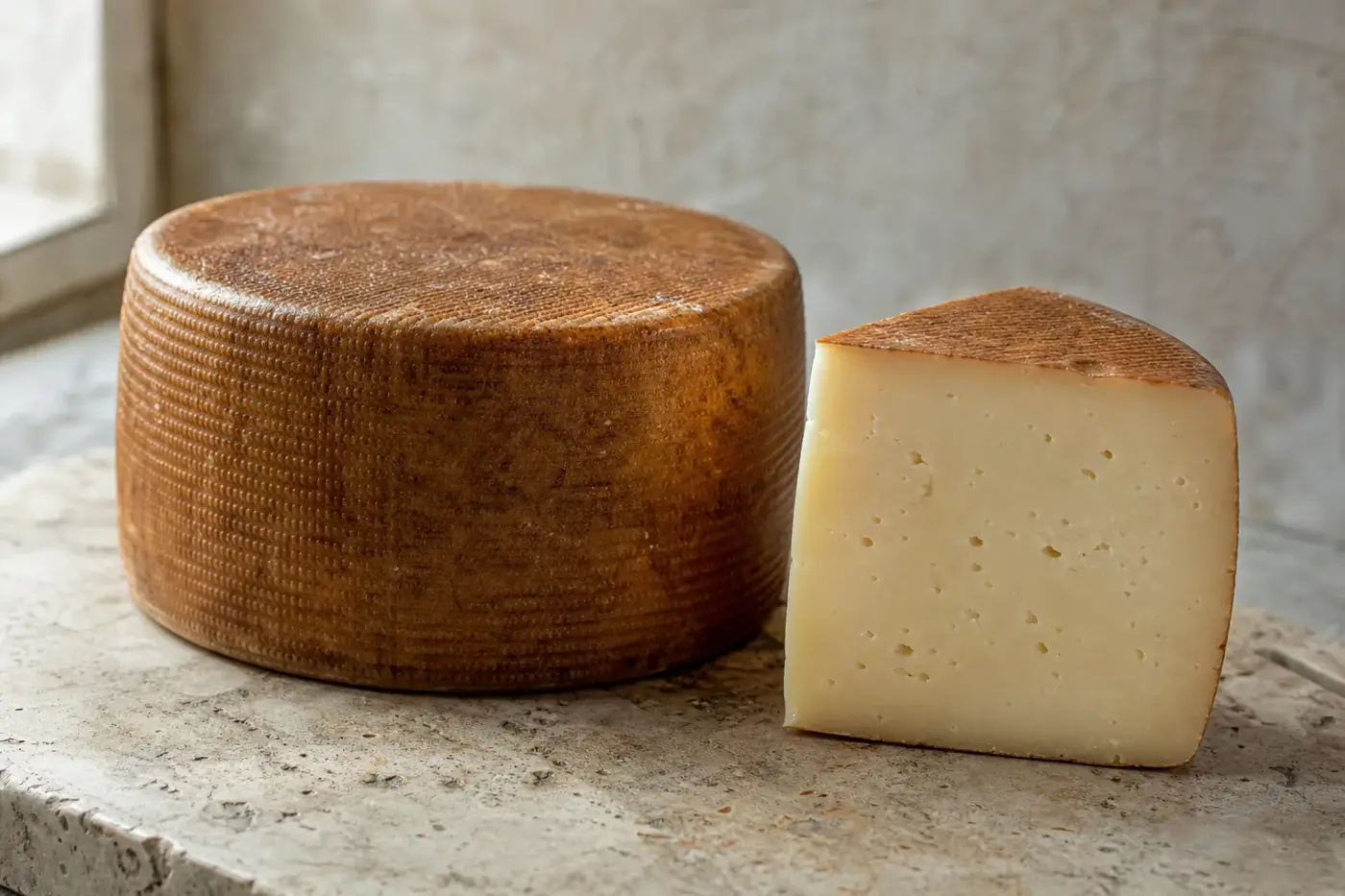
Idiazabal
Cut into an Idiazabal and look past the rind.
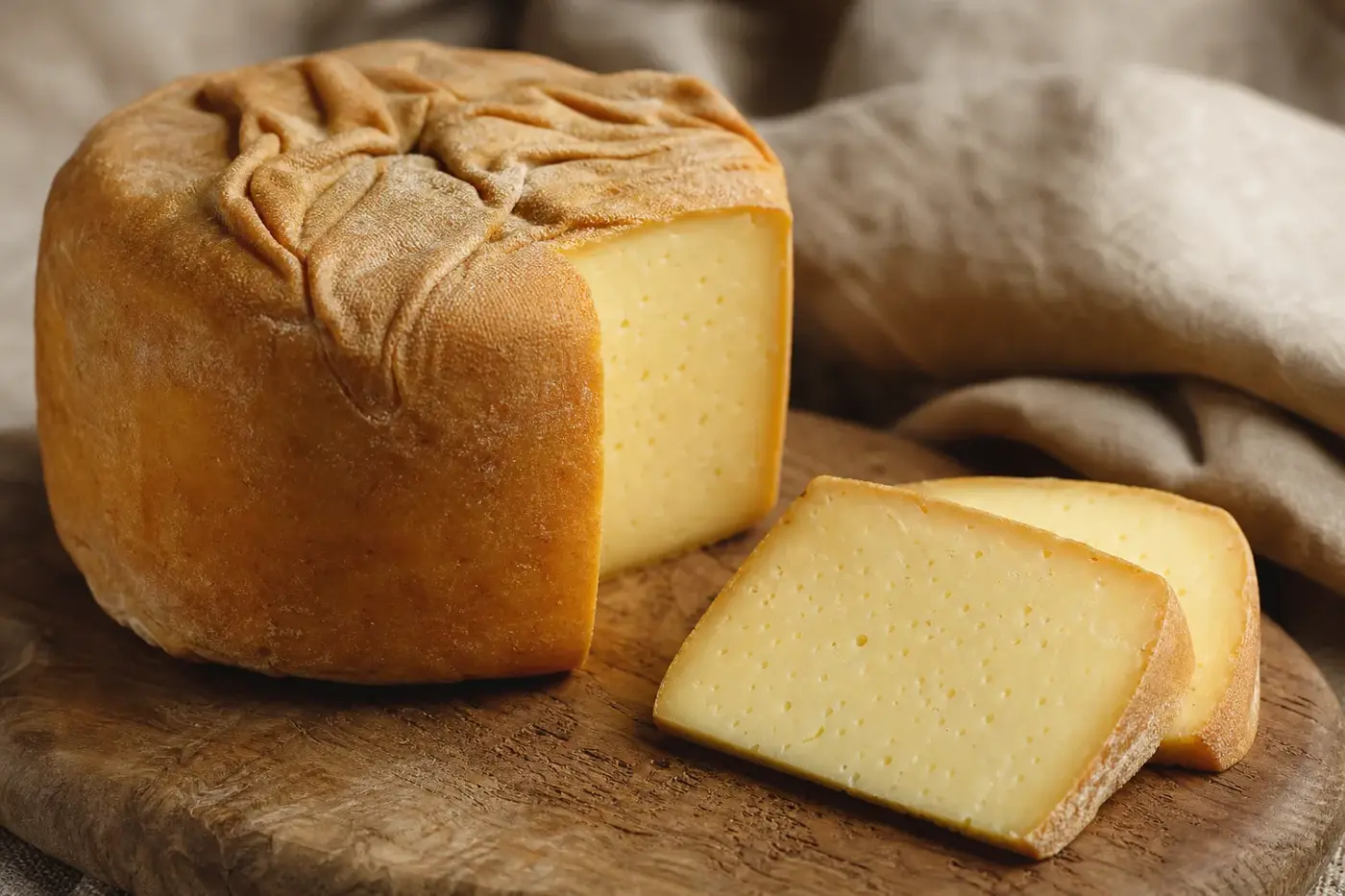
Mahón-Menorca
Run your eye over the folds pressed into an artisan Mahón-Menorca.
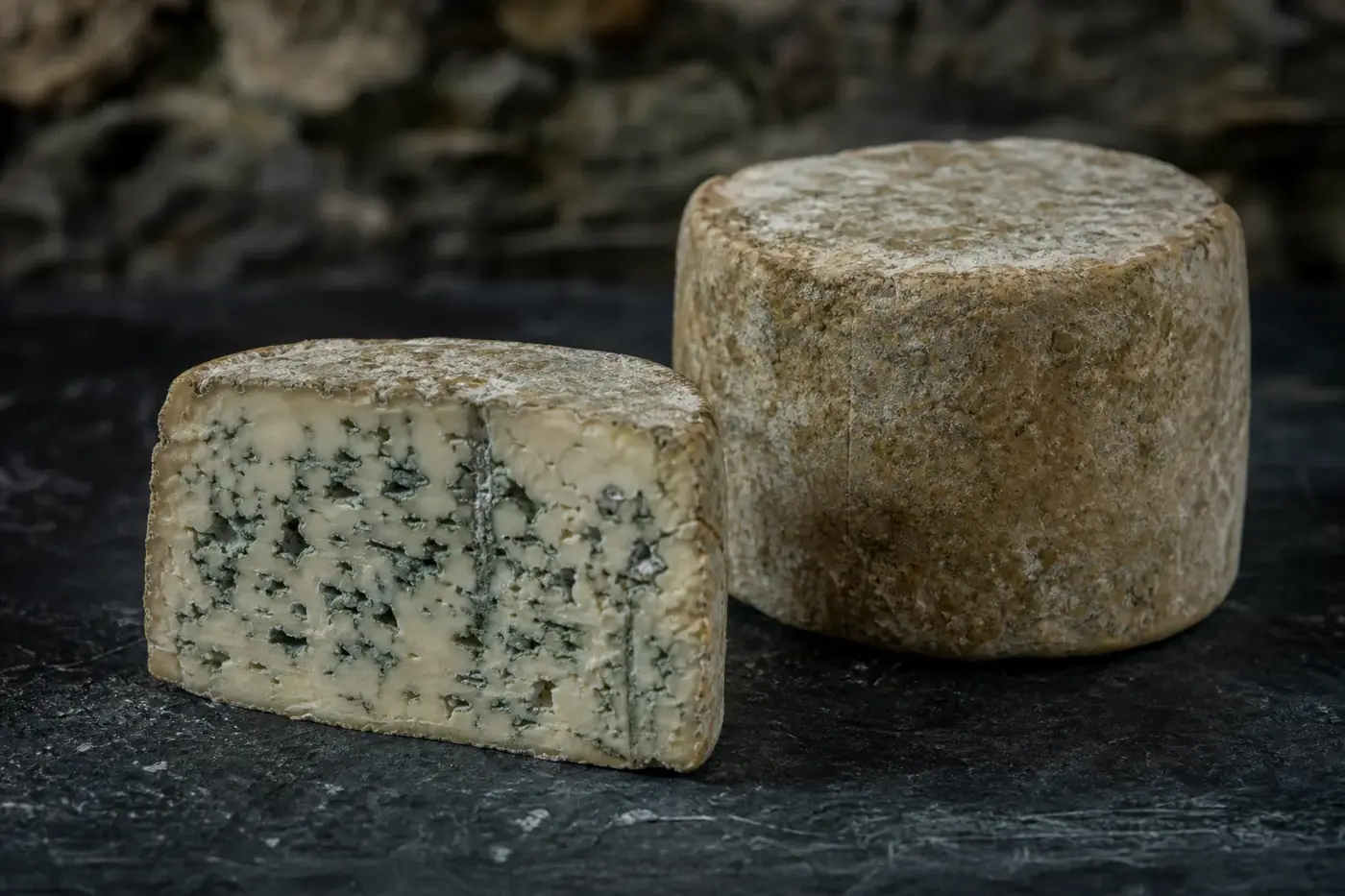
Cabrales
Step into a limestone cave in the Picos de Europa and Cabrales makes its presence known.
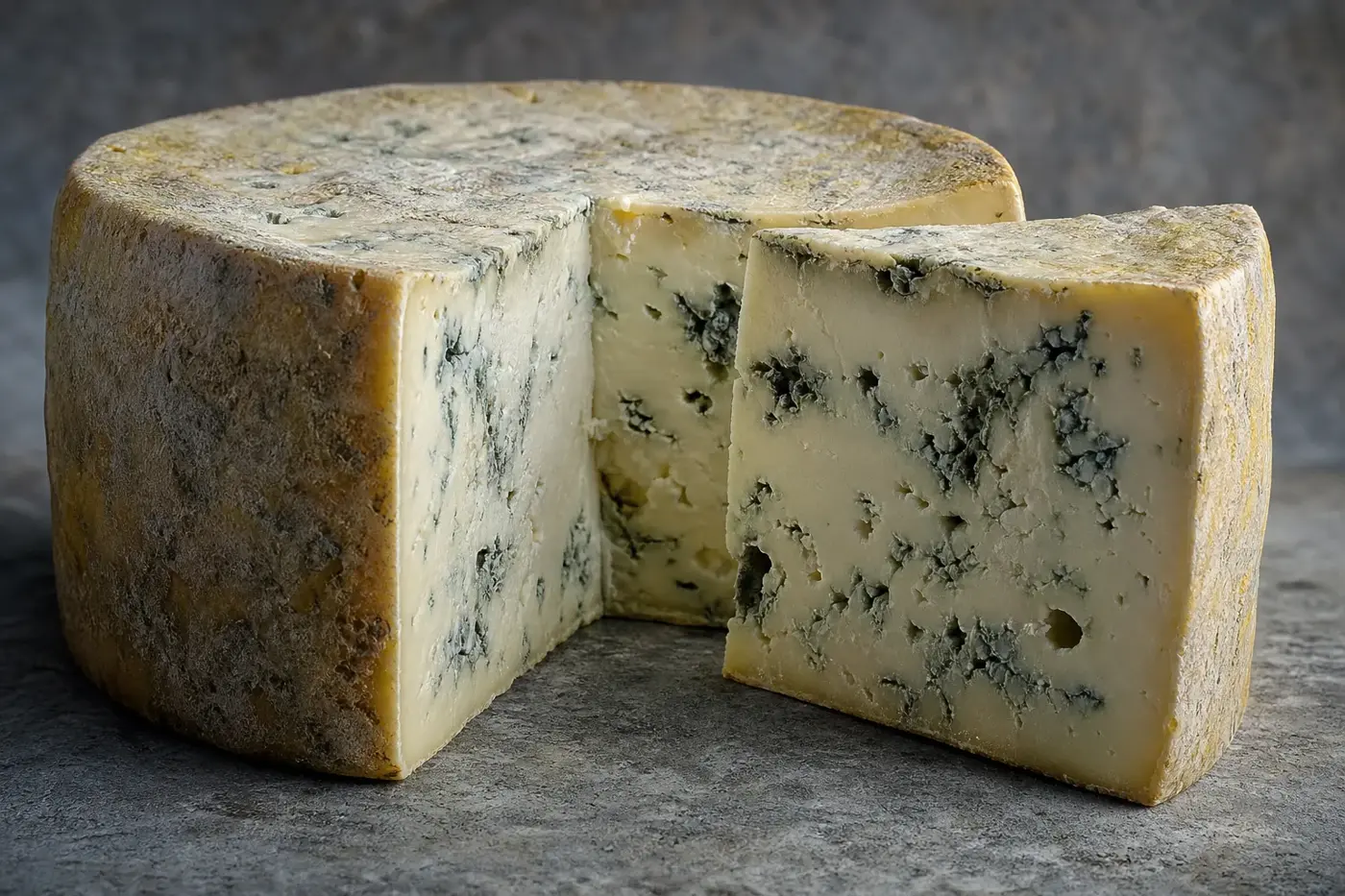
Queso de Valdeón
The salt arrives first.
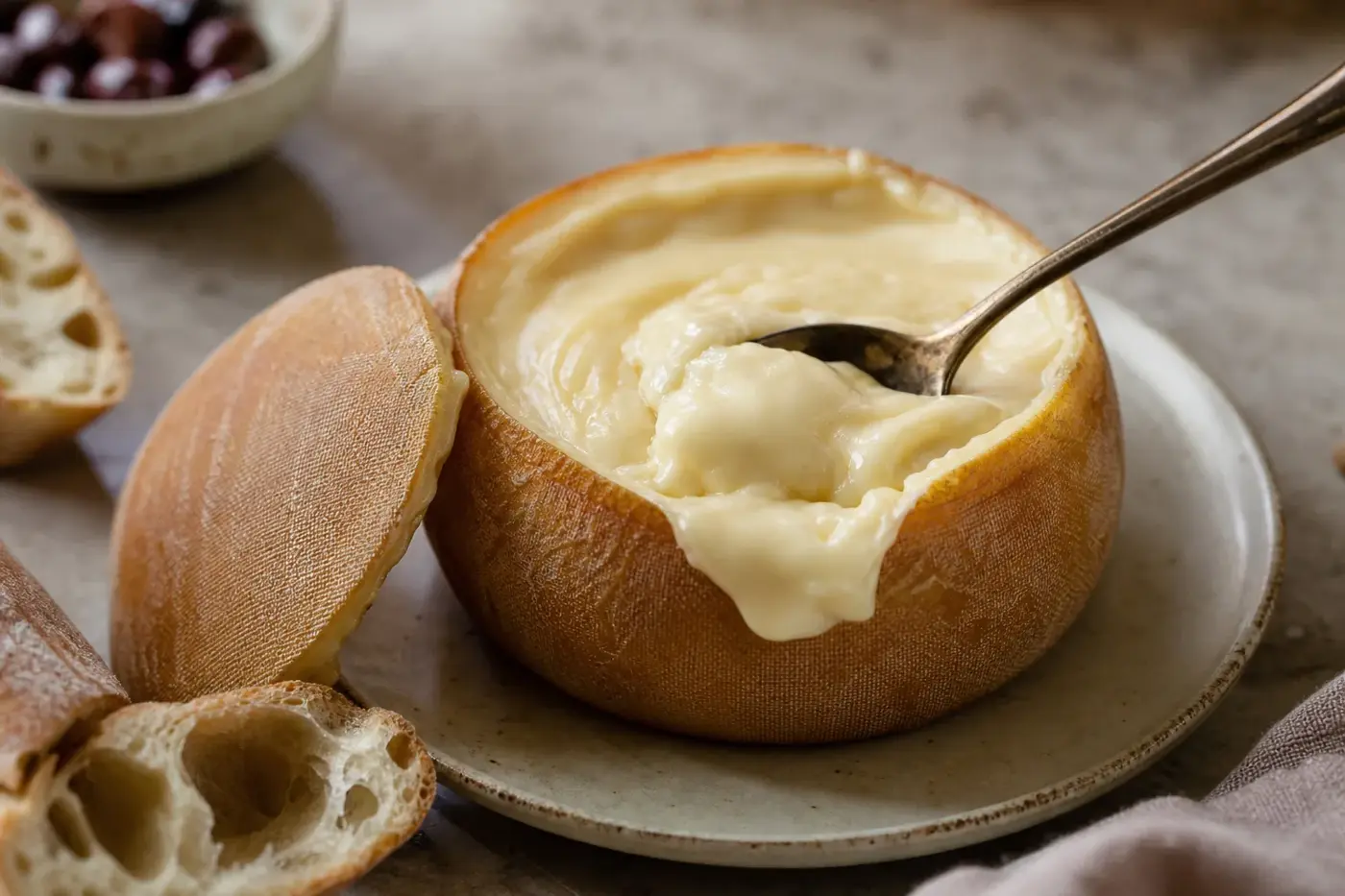
Torta del Casar
Lift the thin rind and there it is: a pale centre soft enough to spoon onto bread.
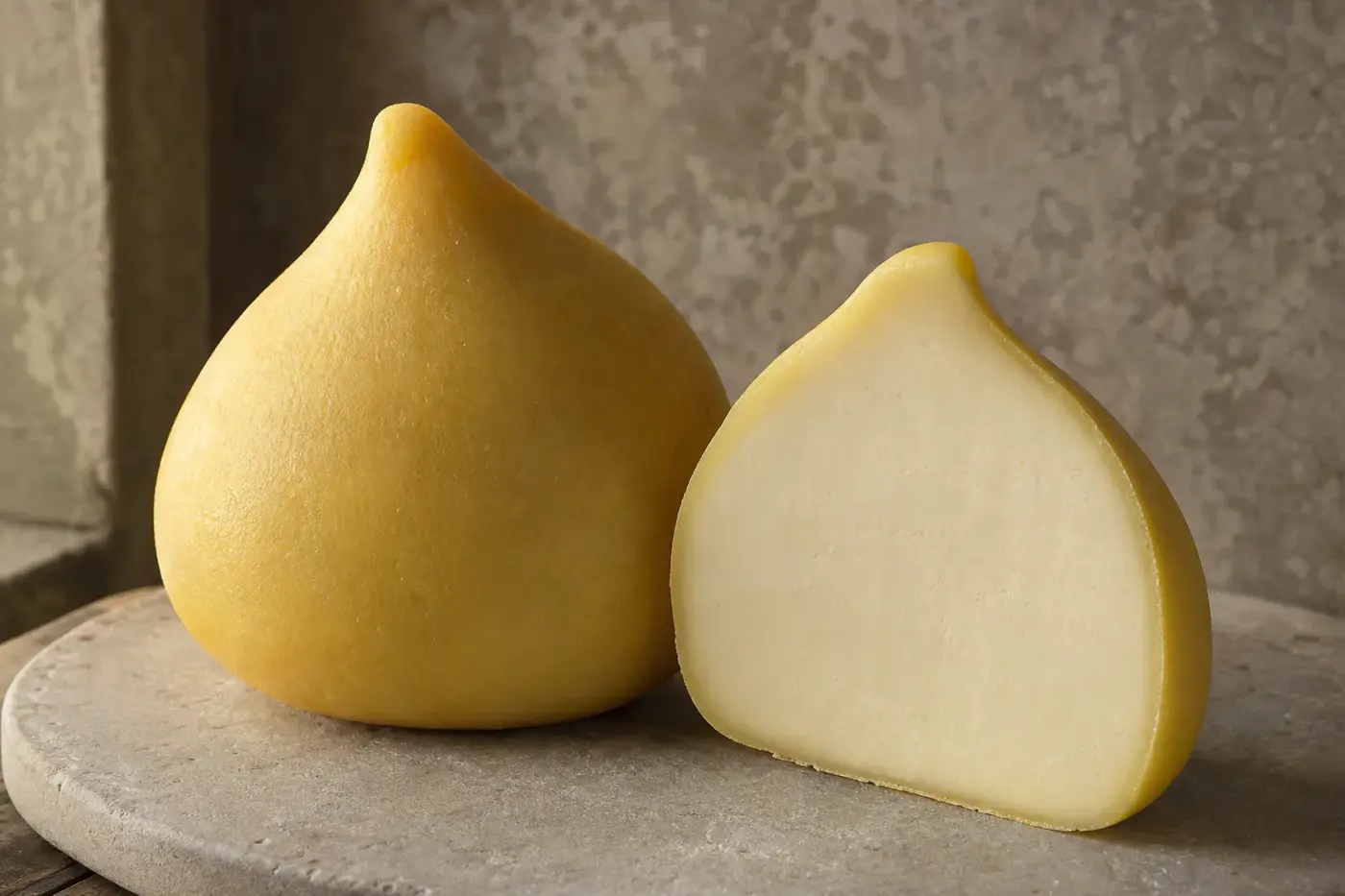
Queso Tetilla
Your knife slips through a yellow rind into a soft, uniform centre.
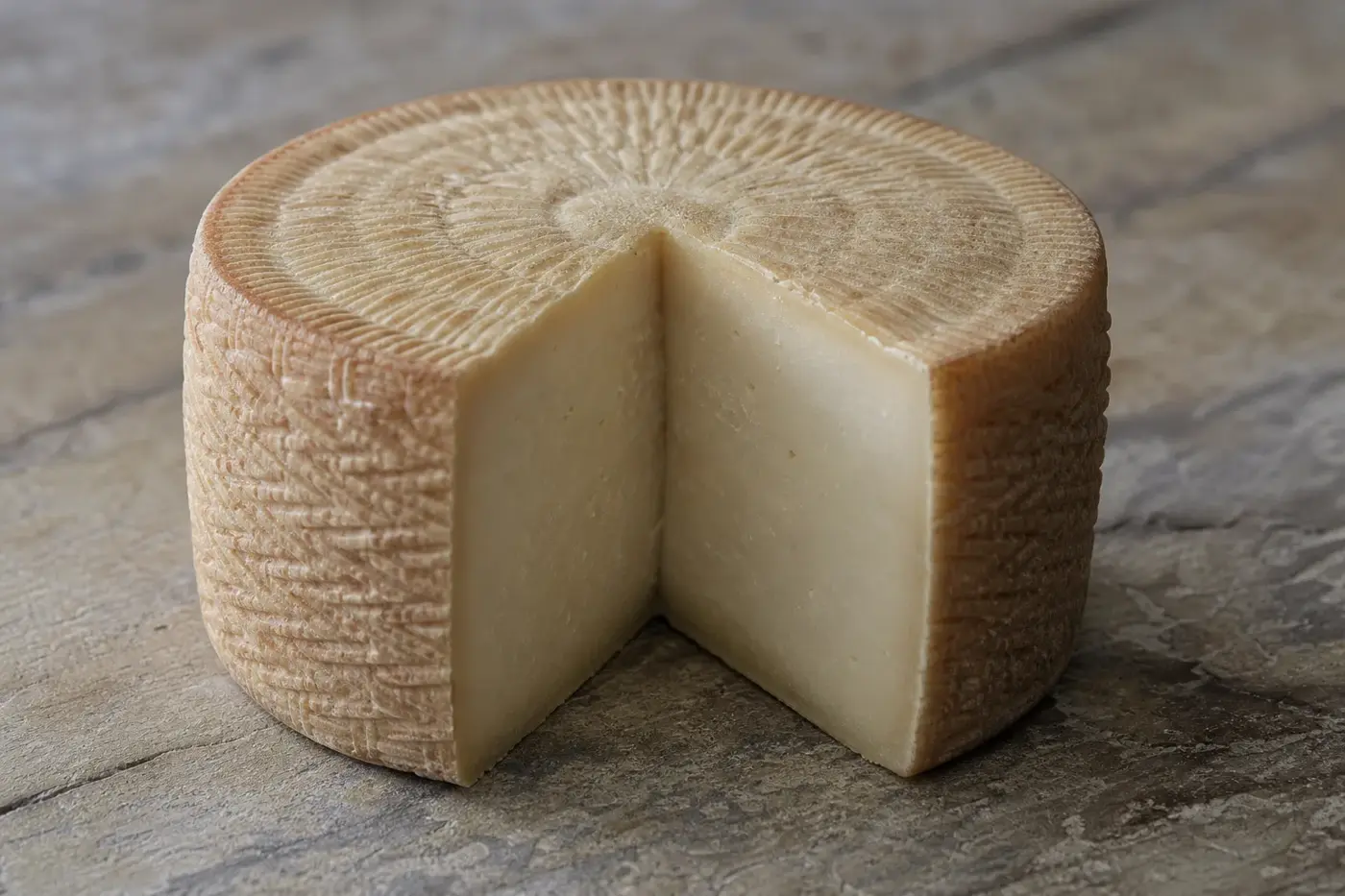
Queso Zamorano
Take a plain slice.
Roncal
Your knife meets a thick, rough rind, then the pale cheese beneath it breaks short.
- Queso de Murcia al Vino
- San Simón da Costa
- Afuega'l Pitu
- Queso Majorero
- Queso de La Serena
- Gamonéu (Gamonedo)
- Queso Ibores
- Arzúa-Ulloa
- Garrotxa
- Queso Palmero
- Queso de Flor de Guía
- Picón Bejes-Tresviso
- Queso de Burgos
- Queso de Murcia
- Quesucos de Liébana
- Queso Nata de Cantabria
- Queso Camerano
- Queso Casín
- Queso de l'Alt Urgell y la Cerdanya
- Cebreiro
- Queso de Acehúche
- Queso Castellano
- Queso Los Beyos
- Requesón
The editors suggest you read next
French Cheese: The Complete Guide
Picture Normandy’s pastures, then follow the milk towards the Loire’s goat dairies, the Jura’s shared cheesemaking traditions and the sheep country of the Pyrenees.