Cheese and Health
Cheese and health raises questions about everyday eating, nutritional composition and individual dietary needs. Explore the evidence, get to know the nutrients, or go straight to the questions about lactose, allergy and feeding children.
Start here: Lactose in Cheese: Which Cheeses Are Lowest? and Cheese Allergy vs Lactose Intolerance, both available now, offer two routes into questions about how cheese fits your own dietary needs.
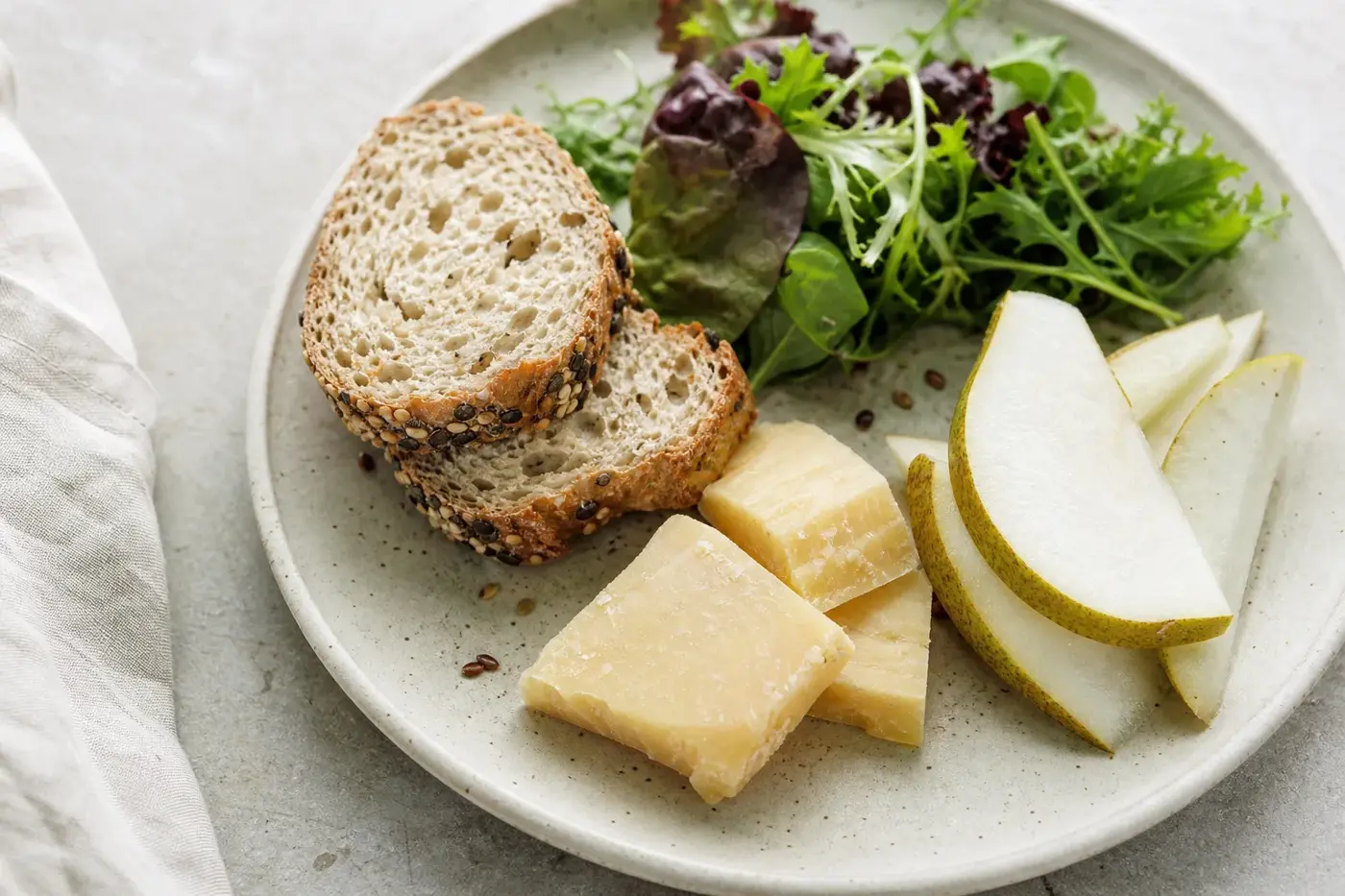
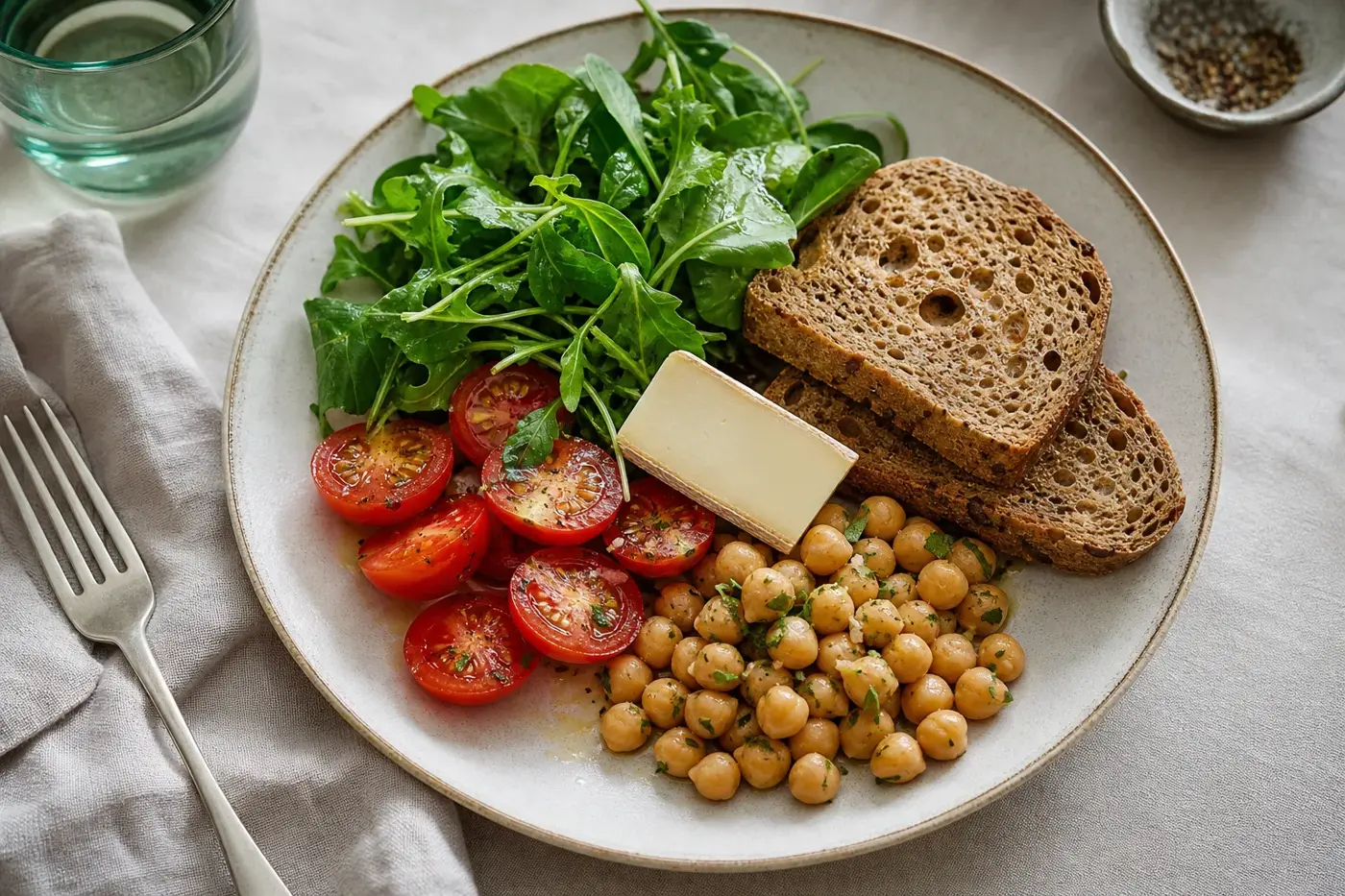
Cheese and Health: What the Evidence Says
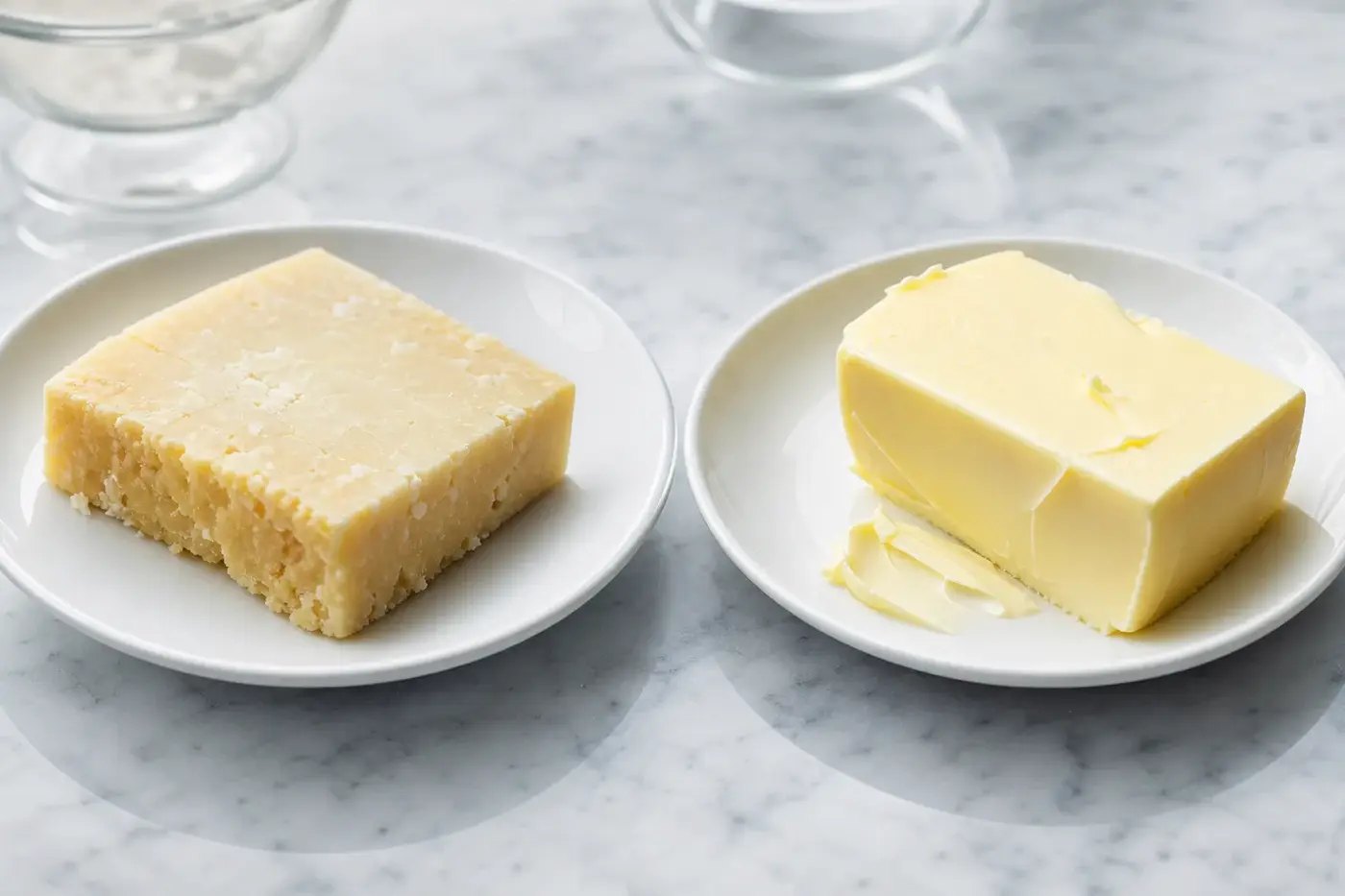
Put cheese and butter side by side on your plate.
Cheese Nutrition: Protein, Calcium and Fat
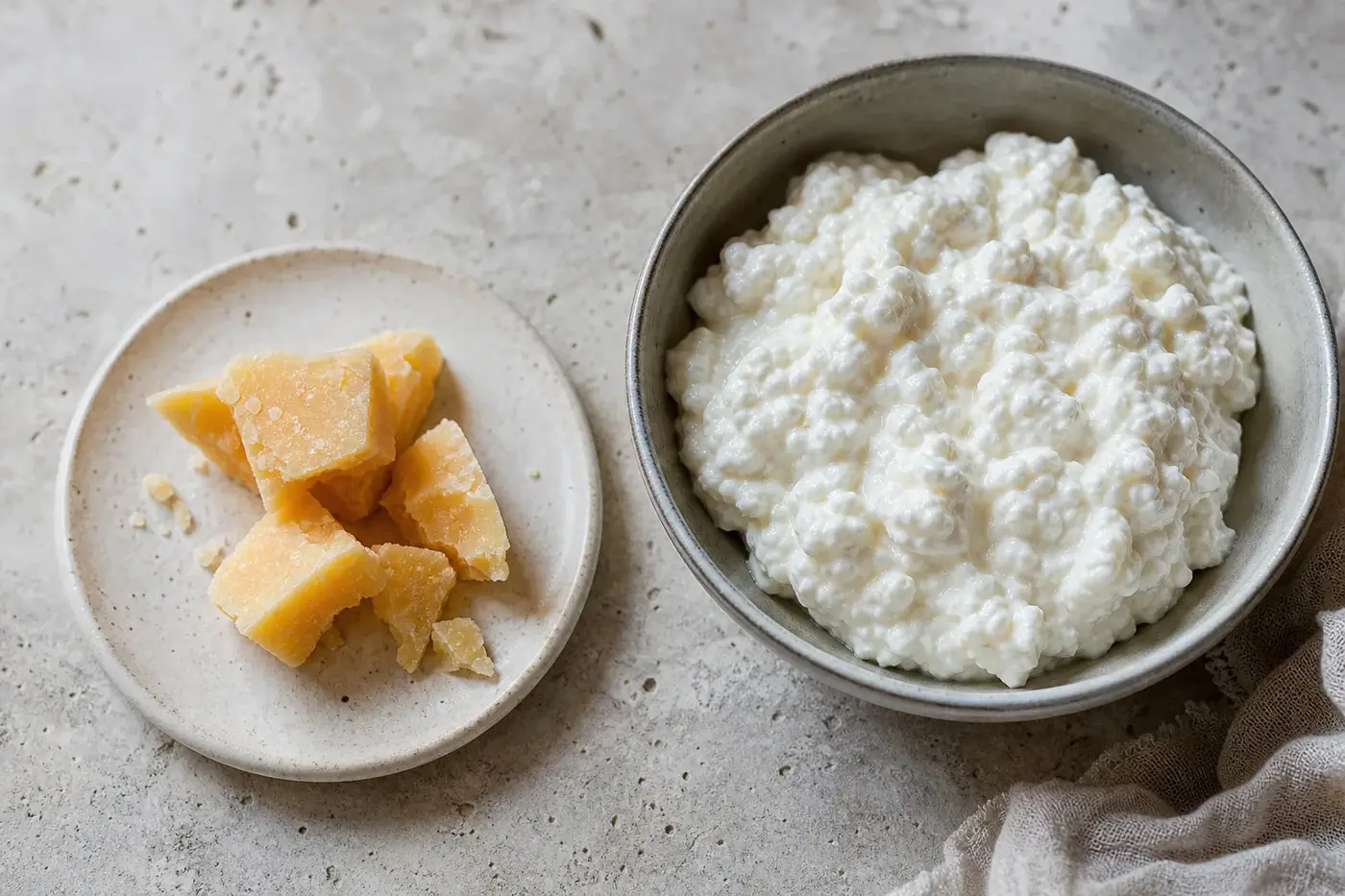
On your plate sits a 30 g piece of Cheddar beside a full 100 g helping of plain cottage cheese.

Salt in Cheese
Grate, slice or crumble your Cheddar.
Cheese, Saturated Fat and the Dairy Matrix: What the Evidence Says
On one side of a controlled trial sits 120 g of full-fat Cheddar.
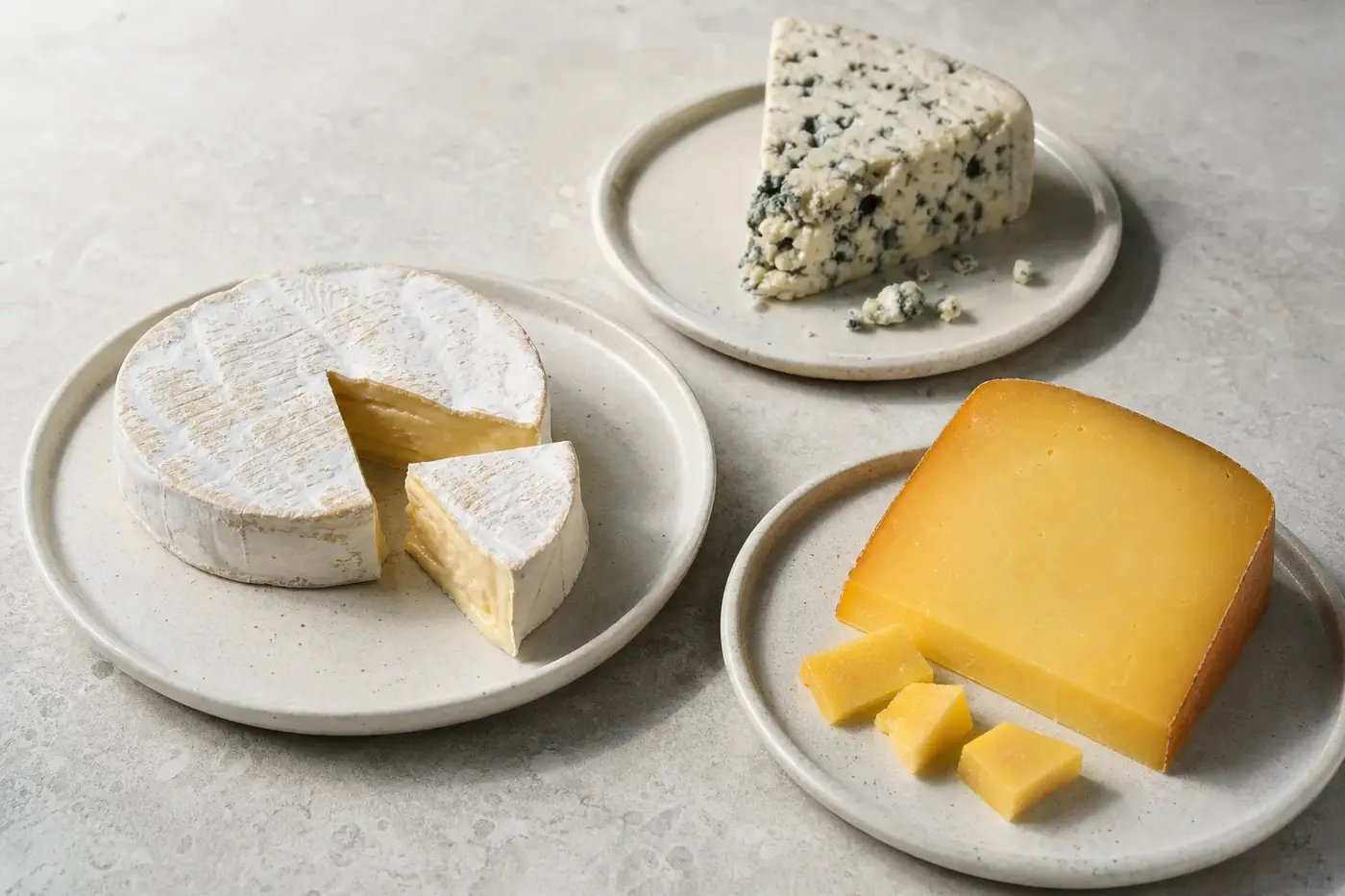
Lactose in Cheese: Which Cheeses Are Lowest?
Set rindless Brie beside blue-veined Roquefort and Gouda.

Cheese for Babies and Children
A little mild Cheddar falls from the grater onto your baby's plate.
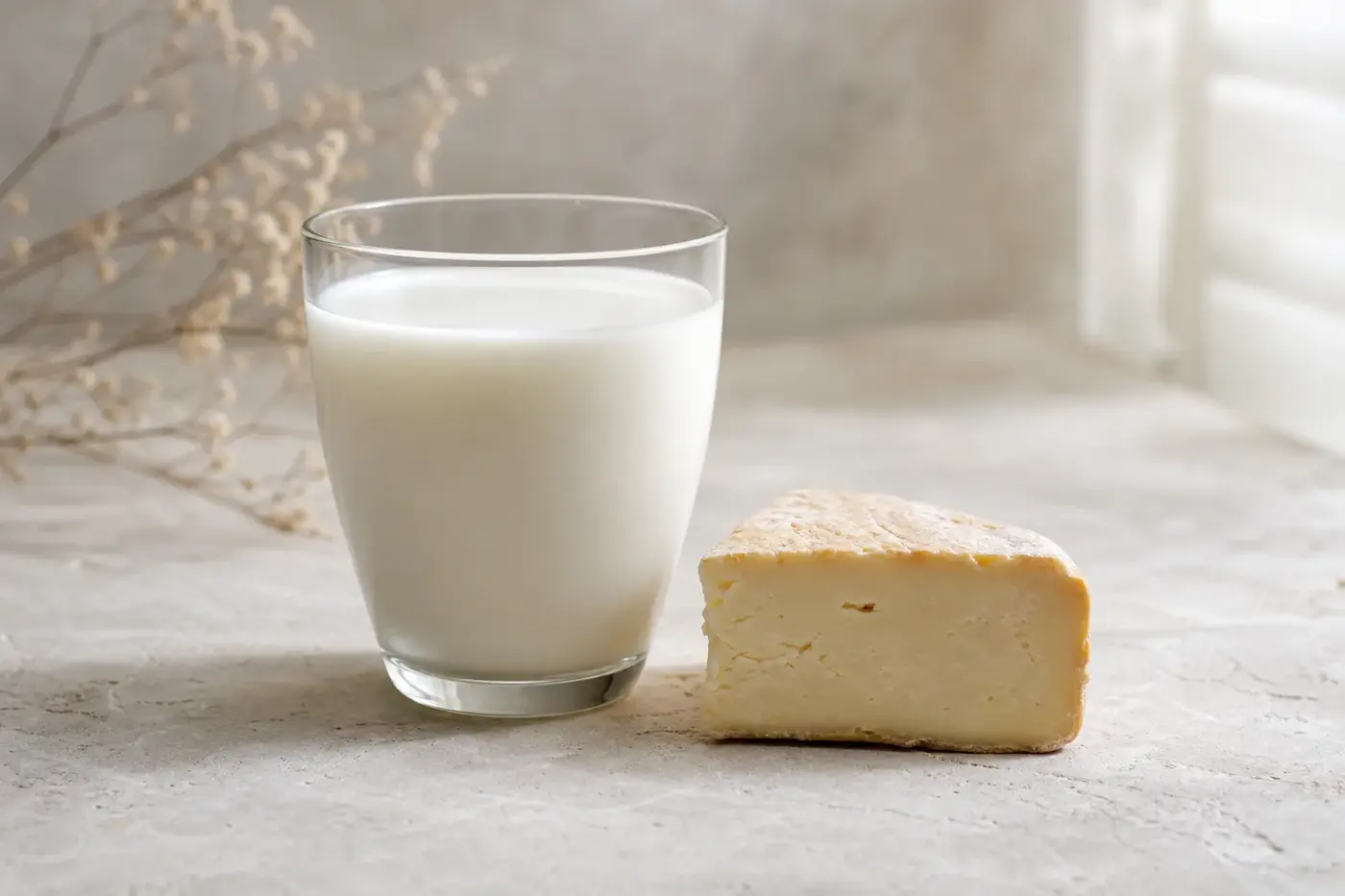
Cheese Allergy vs Lactose Intolerance
You turn a cheese packet over in your hand.
Everything in this section
- Blue Cheese and Penicillin AllergyAt the cheese counter, a wedge catches your eye, its blue veins running through the pale cheese.