When Should Cheese Come Out of the Fridge? Serving and Safety
Your knife meets a fridge-cold wedge and pauses.
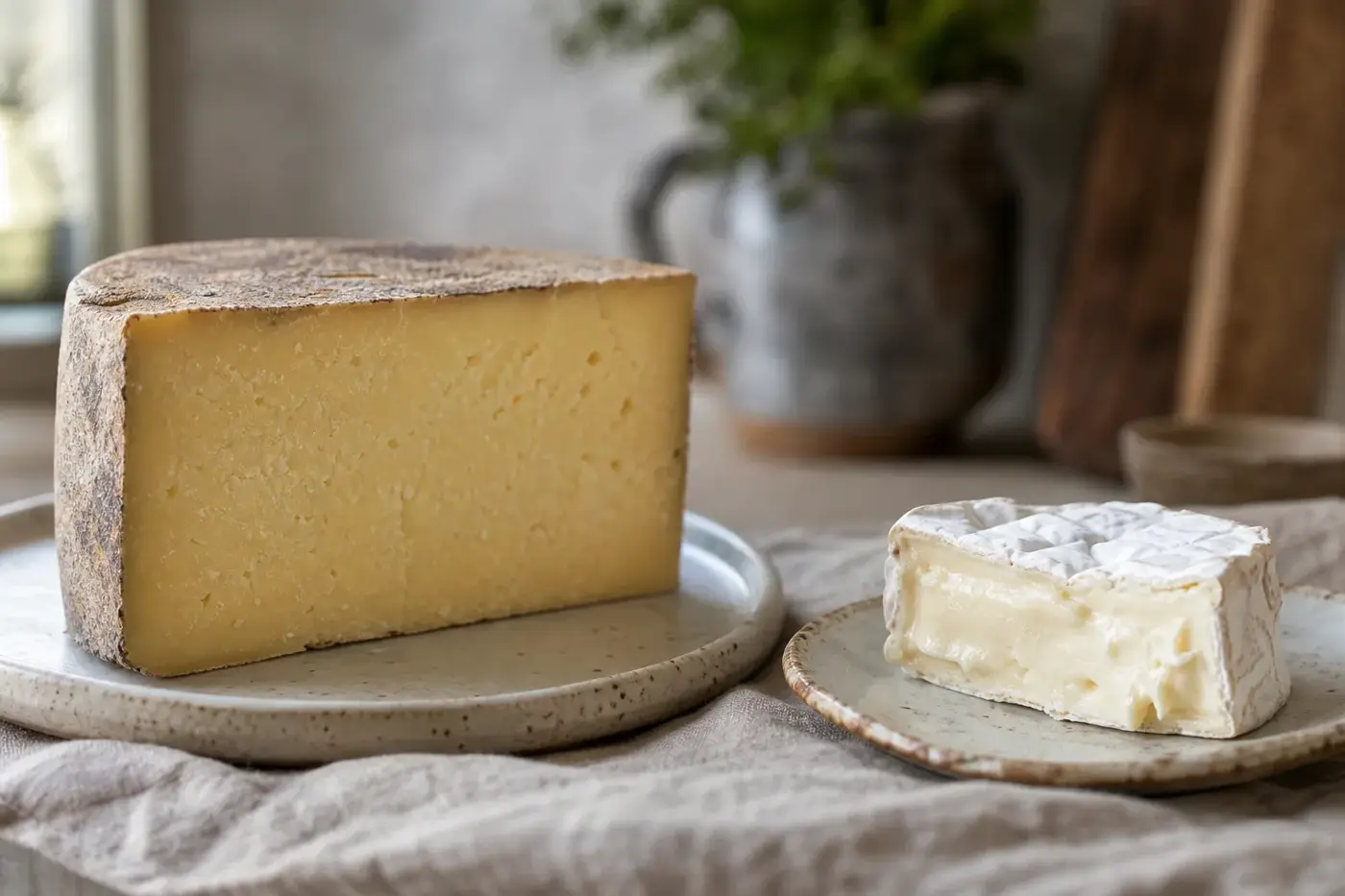
Your knife meets a fridge-cold wedge and pauses. The cheese is firm, its aroma barely a whisper. You suspect it could offer more. Usually, the serving advice is to take cheese out about 30 to 60 minutes before eating, starting with larger pieces and bringing fresh cheeses out last. [1,2]
That window comes from cheesemakers, not a safety stopwatch. For refrigerated food, the safety clock starts as soon as it comes out, including preparation time. Follow the official guidance where you live. [1,2]
Start with the first bite, not the doorbell
Work backwards from when you will actually eat, rather than when your guests arrive. For a mixed board, bring the cheeses out in this order:
- About 60 minutes before eating: cut off the portion of firm or hard cheese you want to serve. Put the rest straight back in the fridge.
- About 30 minutes before eating: bring out smaller portions of ripened soft cheese and blue cheese. Keep them wrapped or covered until you arrange the board.
- At serving time: bring out fresh cheeses, such as cottage cheese, in a small chilled bowl. Keep reserve portions refrigerated.
These are planning choices within the maker's 30 to 60 minute quality window, alongside BC Dairy's advice to serve fresh, unripened cheeses chilled. That window is not a safety guarantee. In a warm room, shorten preparation and follow the applicable official safety guidance below. [1,4]
For foods requiring refrigeration, the US FDA limit is two hours in total. Above 32 °C (90 °F), it drops to one hour. [3]
This page summarises published guidance from the official sources it cites. It is not medical advice. Guidance differs between countries and changes over time, so check the current source for where you live, and ask your doctor, midwife, pharmacist or dietitian about your own circumstances.
Give flavour and safety their own clocks
Serving temperature is about enjoyment: how your cheese smells and feels. Refrigeration limits address bacterial growth. Keep those decisions separate, and follow your country's guidance rather than borrowing the longest allowance from each source. [2,3,5]
| Where you are | Official advice | What you should do |
|---|---|---|
| England, Wales and Northern Ireland, household chilling | FSA guidance specifies a fridge between 0 and 5 °C and the shortest possible preparation time, with a maximum of four hours. [2] | Put food back promptly rather than planning around that maximum. |
| United States, household storage | FDA advice limits foods needing refrigeration to two hours out, or one hour above 32 °C (90 °F). Keep the fridge at 4 °C (40 °F) or below. [3] | Count preparation time as well as time on the table. |
Business display guidance serves a different purpose. For catering in England, Wales and Northern Ireland, the FSA's pack describes a single period of up to four hours outside chilled storage for display, with time tracking and disposal after the limit. Those conditions matter: this is not a rule for every business or product. At home, follow household advice and the label. [6]
Give cold cheese a chance to speak
Aroma is part of flavour, not merely a pleasant extra. The California Milk Advisory Board's tasting guidance explains that smell and taste work together, so a quieter aroma changes your whole impression of a mouthful. Antonelli's cheesemonger specifically notes that refrigeration can mask flavour and recommends letting cheese warm before serving. [5,7]
Then there is the bite. A chilled piece can feel firmer and less yielding; as it warms, its texture becomes more apparent. Marin French Cheese Co. recommends its serving window for both flavour and texture. These producer and cheesemonger recommendations sit alongside the official time limits above. [1,5]
Notice the aroma and how much resistance your knife meets. You are not waiting for every cheese to become soft: a hard cheese remains a hard cheese, however encouragingly you look at it. The guide to cheese styles explains the differences behind your board.
A thin slice gets there before a thick wedge
Picture two pieces of the same cheese. A thin slice has little distance between surface and centre; a thick wedge has much more, so the slice loses its fridge chill sooner. Judge a whole cheese by its thickness, not simply by its being whole.
That gives you a useful shortcut. Cut a manageable serving portion from a large cheese and refrigerate the rest, rather than leaving the entire piece out while its centre slowly warms. Keep cut surfaces covered during preparation to limit drying, as BC Dairy recommends. [4]
Let each cheese set the pace
Your whole board does not need the same hour on the worktop. Use texture and the maker's instructions together. These choices combine published serving guidance with the small batch approach recommended in FSA display guidance. [1,4,6]
- Hard and firm cheeses: bring out a serving wedge first. Resist cutting the whole piece into tiny cubes long before eating, because exposed surfaces dry.
- Ripened soft cheeses: choose smaller portions and assess them earlier. Keep them supported on their serving plate, so you carry the plate rather than repeatedly handling the cheese.
- Blue cheeses: follow that particular cheese's handling instructions and give it a separate knife. Blue colour alone tells you neither its firmness nor its storage requirements.
- Fresh, unripened cheeses: serve them chilled, following BC Dairy's advice. Spoon out a small amount of cottage cheese or another fresh cheese, and keep the container refrigerated. [4,5]
A warmer room calls for a different plan
“Room temperature” is not one dependable temperature. Antonelli's describes a temperate room of about 18 °C (65 °F), explicitly distinguishing it from summer heat. In a warm kitchen, shorten the warming stage. Outdoors, keeping reserve cheese cold matters more than arranging the entire selection early. [5,8]
For an outdoor table, follow US FDA advice: transport chilled food in an insulated cooler with ice or frozen gel packs. Keep it in the shade and open it as little as possible. Put out small dishes and replenish them from the cooler. Above 32 °C (90 °F), its one hour limit applies to foods requiring refrigeration. [8]
Keep your serving board out of direct sunlight, too. Shade helps with heat exposure, but it does not stop the clock. Give each replacement portion a fresh plate rather than adding new cheese to remnants whose timing is harder to track. [6,8]
Keep the next portion waiting in the fridge
Small portions make timing easier and help reduce waste. The FSA's display guidance recommends bringing out small amounts and using them up before adding more. At your table, apply that principle with a separate, wrapped reserve in the fridge. Replace an empty plate instead of continually topping it up. [6]
Keep the label with that reserve, including its storage instructions and opening limit. Your guests get a freshly presented next portion. You still know how long each plate has been on the table. [2,6]
Clear the board while you know the timing
When people finish, clear the board. Cheese brought out for serving can go back into refrigeration promptly if its handling, label and applicable official guidance allow it. If you serve it again, count its earlier time out. Keep the original packaging or note the opening date so useful storage information does not disappear. [2,3,9]
For England, Wales and Northern Ireland, FSA guidance says cooked leftovers should be cooled and refrigerated within one to two hours, then eaten within 48 hours or frozen. That cooling step concerns cooked food: you can rewrap an uncooked serving wedge and return it promptly. Follow the cheese's own instructions after opening. [2,10]
If cheese needs refrigeration and has exceeded the applicable limit, discard it. A reassuring sniff cannot establish safety: the FDA warns that food can cause illness even when it looks, smells and tastes normal. UK guidance also says to discard food after its use-by date. [3,9]
Need help with the wrapping and fridge shelves? See how to store cheese at home.
Choose with extra care for guests who need it
Before you choose the cheeses, think about who will be eating them. UK NHS guidance identifies pregnant people, newborn babies, older people and people with weakened immunity as being at greater risk of serious listeriosis. For a guest in one of these groups, agree suitable choices before preparing the board and direct them to the relevant official guidance. [11]
UK pregnancy guidance: the NHS advises against eating uncooked mould-ripened soft cheeses with a white rind, soft blue cheeses and soft cheeses made with unpasteurised milk. It says these cheeses should be thoroughly cooked until steaming hot. Its suitable options include hard cheeses, including those made from unpasteurised milk, and specified pasteurised soft cheeses. [12]
UK babies and young children: the NHS advises against mould-ripened soft cheeses, ripened goats' milk cheese and soft blue-veined cheeses, and says it is better to avoid unpasteurised cheeses. It says these cheeses can be used in cooked recipes if thoroughly cooked until steaming hot. Consult its guidance when planning a child's portion. [13]
US higher risk guidance: the CDC identifies pregnant people, adults aged 65 or older and people with weakened immunity as groups at greater risk of listeriosis. Consult its guidance for its specific advice on cheeses and heating. [14]
For this November 2026 guidance, consult these country-specific sources and ask a doctor, midwife or dietitian about individual circumstances. You can explore the wider context in listeria and cheese safety.
Your mixed cheeseboard, from 18:00 to the last plate
Suppose you will eat at 19:00, indoors in a temperate room. This editorial example pairs the US FDA's two hour household limit for foods needing refrigeration with the serving guidance above. It assumes your cheese has otherwise been kept correctly chilled and its label permits this handling. [1,3,4]
- 18:00: take out the serving portion of hard cheese, cover it and note the time. Leave reserve pieces chilled.
- 18:30: bring out small portions of ripened soft and blue cheeses. Set out separate knives and prepare the accompaniments.
- 19:00: bring out the fresh cheese and eat. Replenish with small amounts only as needed, noting each new portion's time.
- 19:30: clear the board and refrigerate eligible leftovers promptly. Your first cheese has been out for 90 minutes, including its warming time.
If dinner runs late, leave the cheese refrigerated until the revised serving window. If the room is above 32 °C (90 °F), switch to chilled, small batch service within the FDA's one hour limit. [3,8]
Questions people ask
When should I take cheese out of the fridge?
The page suggests taking firm or hard cheese out about 60 minutes before eating, followed by smaller portions of ripened soft and blue cheese about 30 minutes before. Bring fresh cheese out at serving time in a chilled bowl.
How long can cheese stay out of the fridge?
In England, Wales and Northern Ireland, FSA household guidance specifies the shortest possible preparation time, with a maximum of four hours. In the United States, the FDA limits foods needing refrigeration to two hours in total, including preparation and table time, or one hour above 32 °C. Follow the guidance for where you live and the cheese label.
How should I serve cheese outdoors?
The FDA advises transporting chilled food in an insulated cooler with ice or frozen gel packs, keeping it in the shade and opening it as little as possible. Put out small dishes and replenish them from the cooler. Keep the board out of direct sunlight, but remember that time in the shade still counts.
Can I put leftover cheese back in the fridge?
Cheese brought out for serving can be refrigerated promptly if its handling, label and applicable official guidance allow it. If serving it again, account for its earlier time out of refrigeration as well. The FDA warns that food can cause illness even when it looks, smells and tastes normal.
Which cheeses can I eat during pregnancy?
The NHS lists hard cheeses, including those made from unpasteurised milk, and specified pasteurised soft cheeses among its suitable options. It advises against uncooked mould ripened soft cheeses with a white rind, soft blue cheeses and soft cheeses made with unpasteurised milk, saying these should be thoroughly cooked until steaming hot. Check the NHS pregnancy guidance for its full advice.
Sources
- Marin French Cheese Co. Storing and Serving, undated, live edition retrieved November 2026. Producer guidance, with a commercial interest in its own cheeses; used for its attributed serving recommendation.
- Food Standards Agency, hosted on GOV.UK. How to chill, freeze and defrost food safely, published 18 December 2017, live edition retrieved November 2026. Applies to England, Northern Ireland and Wales.
- US Food and Drug Administration. Are You Storing Food Safely?, live edition retrieved November 2026. Household refrigeration, time limits and the limits of sensory checks.
- BC Dairy. Entertaining with Cheese, 4 February 2010, live edition retrieved November 2026. Dairy industry guidance, used for attributed serving and drying advice.
- Antonelli's Cheese. What is the best way to serve cheese?, revised 21 March 2021. Cheesemonger's guidance, with a commercial interest in cheese sales.
- Food Standards Agency. Safer Food Better Business for Caterers: Chilled storage and displaying chilled food, retrieved edition, revision date not stated in the document. Used for catering guidance, not as household legislation.
- California Milk Advisory Board. Professional's Guide to Real California Cheese, supplied extract: Cheese tasting and appreciation, undated retrieved edition. Industry sensory education, used for the relationship between aroma, taste and flavour.
- US Food and Drug Administration. Handling Food Safely While Eating Outdoors, live edition retrieved November 2026.
- GOV.UK. Understanding food labelling: Best before and use-by dates, live edition retrieved November 2026.
- Food Standards Agency, hosted on GOV.UK. Cooking your food, published 18 December 2017, live edition retrieved November 2026, section “Using your leftovers”.
- NHS. Listeriosis, live edition retrieved November 2026, sections “Risks of listeriosis” and “How to avoid listeriosis”.
- NHS. Foods to avoid in pregnancy, live edition retrieved November 2026, section “Cheese, milk and other dairy”.
- NHS. Foods to avoid giving babies and young children, live edition retrieved November 2026, cheese guidance.
- US Centers for Disease Control and Prevention. Preventing Listeria Infection, 31 January 2025, live edition retrieved November 2026.
This piece was researched through official household and catering guidance, with attributed producer and industry serving advice combined into an editorial planning timeline.
Last checked: November 2026
Last checked November 2026.
The editors suggest you read next