Berner Alpkäse and Hobelkäse
A row of wheels stands on edge, their surface smear stripped away.
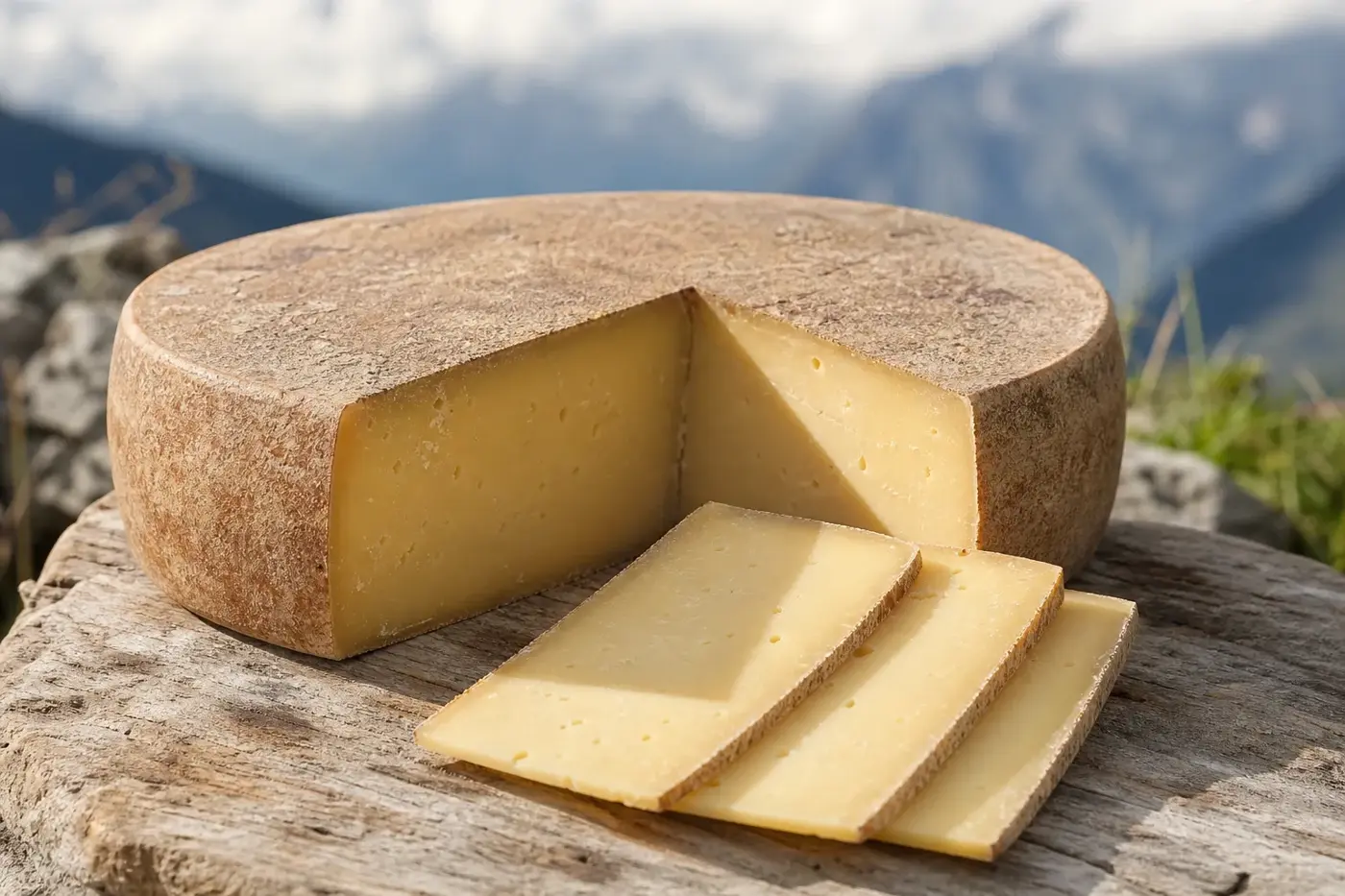
A row of wheels stands on edge, their surface smear stripped away. You are looking at selected Berner Alpkäse drying into Berner Hobelkäse, destined for the plane rather than the thick wedge. Both begin with raw Alpine milk during the Bernese Oberland’s summer grazing season. Time takes them apart: one stays a sliceable hard cheese; the other becomes extra-hard, ready for thin curls. [2]
| What to know | The details |
|---|---|
| Names you will meet | Berner Alpkäse and Berner Hobelkäse [2] |
| Registered names | Berner Alpkäse; Berner Hobelkäse, each Appellation d’origine protégée (AOP) [2] |
| Swiss authority | Federal Office for Agriculture (FOAG); register identifier: Not verified [1] |
| Protection | Switzerland: registered AOP; November 2026 [1]. EU: Not verified. Great Britain: Not verified. Northern Ireland: Not verified. United States: Not verified. |
| Rules behind the cheeses | FOAG specification, amended 19 June 2018, Articles 1 to 25 [2] |
| Milk | Raw cows’ milk [2] |
| Starter culture | Thermophilic whey starter, propagated by the cheesemaker [2] |
| Minimum maturation | Alpkäse: 4½ months in the defined area; Hobelkäse: 18 months total in the defined area [2] |
| Typical maturation | Agroscope reports Alpkäse at 6 to 12 months and selected wheels aged 2 to 3 years [3] |
| Fat | Minimum 45% fat in dry matter, both cheeses [2] |
| Moisture | Maximum moisture on a fat free basis: Alpkäse 54%; Hobelkäse 50% [2] |
| Shape and size | Alpkäse: round, 28 to 48 cm diameter, 5 to 16 kg [2] |
| Making season | Local summer grazing season, within 10 May to 10 October [2] |
Follow the cows into the summer pastures
The summer pasture does more than provide a handsome backdrop. At least 90% of the cows’ average daily ration, measured as dry matter, must come from the Alp’s own forage. Supplementary feed is limited to 10% under specified circumstances, including weather or nutritional balancing. [2]
You find the heart of production in Alpine summering holdings in Oberhasli, Interlaken, Thun, Frutigen, Saanen, Obersimmental and Niedersimmental. The specification also names individual holdings beyond the Oberland, including sites in Bern, Lucerne, Vaud and Fribourg. Maturation has its own defined zone, which includes Konolfingen. [2]
The cheesemaker follows the local grazing season within the permitted dates. Milk must be processed daily, with the oldest milking no more than 15 hours old when work begins. Each batch is tied to its pasture and its working day. [2]
Two protected names, and a wheel with prospects
Not every Berner Alpkäse becomes Berner Hobelkäse. Only batches graded Surchoix in the prescribed assessment qualify for longer maturation, and eligible starting wheels must measure 8.0 to 9.9 cm high. Age alone will not get a wheel through the door. [2]
The Swiss register records both names together under a registration decision dated 26 March 2004, published on 2 April 2004. AOP means Appellation d’origine protégée, or protected designation of origin. It identifies cheeses meeting the Swiss specification for their area, manufacture and maturation. [1, 2]
If you have ever wondered where a regional designation ends and a cheese style begins, start with protected names explained.
Beside the vat, with copper and wood fire
A wood fire heats the copper vat, directly or indirectly. Before cheesemaking, the milk may be cooled, but no other heat treatment is allowed. Bactofugation, ultrafiltration and microfiltration are prohibited; pooling milk is permitted only under local supply conditions, including neighbouring pastures within 10 km and 30 minutes’ travelling time. [2]
The cheesemaker adds a thermophilic whey starter: heat-loving lactic acid bacteria propagated on the Alp. Alongside it goes rennet, the enzyme preparation that sets the milk. Both must enter at no more than 33 °C. [2]
After 30 to 35 minutes of coagulation, a ladle and cheese harp cut the set milk. You now have curd, the solids that become cheese, surrounded by whey. This initial working stage lasts 20 to 60 minutes, followed by heating to at least 50 °C over 25 to 60 minutes. [2]
For a closer look at the work, turn to Wydihof’s Sefinen operation. The producer describes cutting the curd into wheat-sized grains, then lifting it in a cloth into a prepress. Those small grains make the wider specification feel rather more tangible. [4]
The curd goes into the prescribed forms, called Järbe or Vätteren, then spends at least 15 hours under the press, with repeated turning. Press loading is 6 to 10 kg per kilogram of cheese. Next comes one day in saturated brine at no more than 18 °C. [2]
The patient drying that makes Hobelkäse
The change begins no earlier than six months, when selected wheels leave the Alpkäse stage. Their surface smear is removed, and they stand on edge to continue drying. Only at a minimum of 18 months old do they become Berner Hobelkäse. [2, 4]
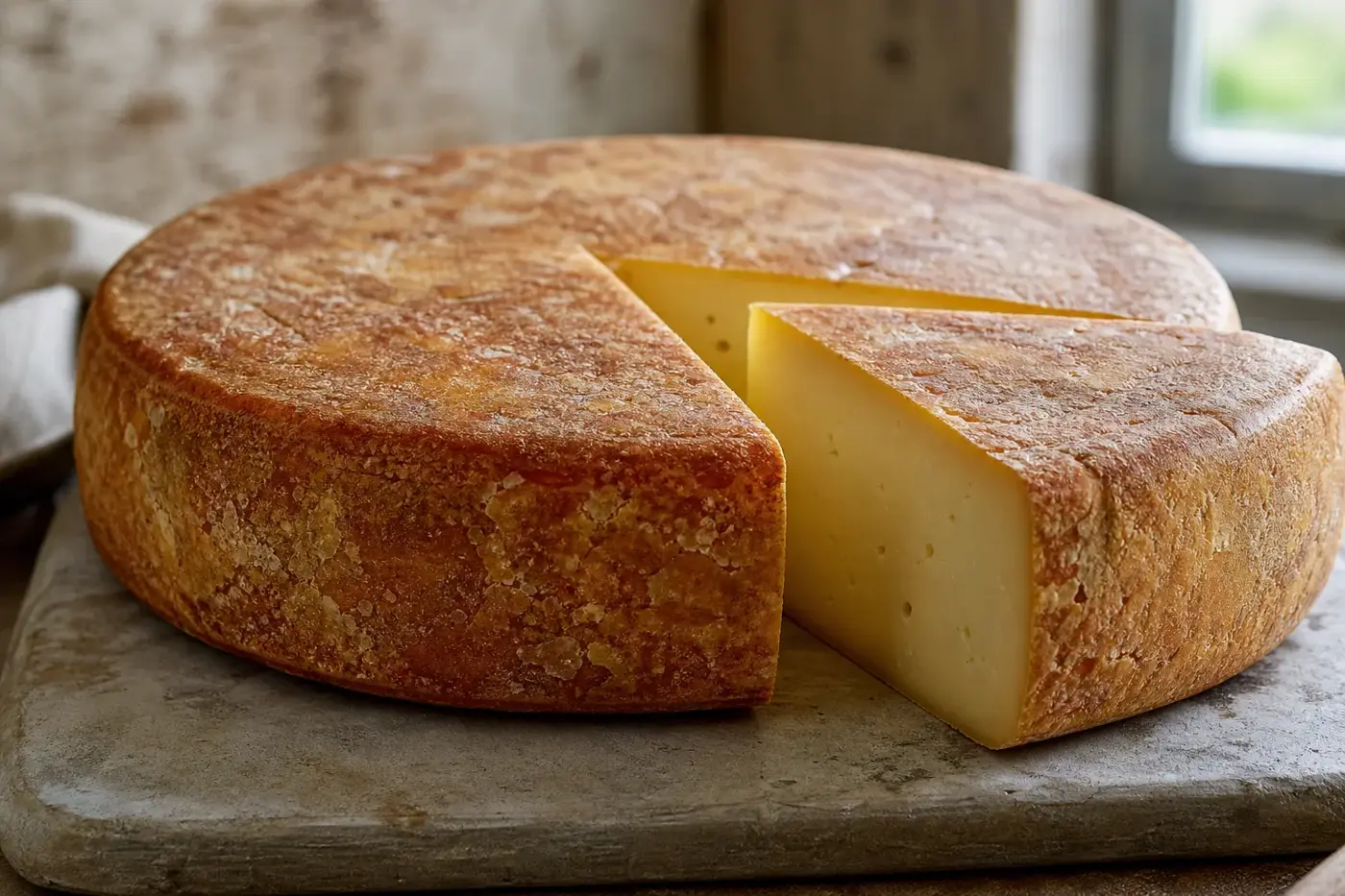
Before that change, Alpkäse receives regular rubbing with rind-care liquid to develop its smear. Wine, fruit wine, vinegar, herbs and spices are among the permitted additions. Maturation takes place at 12 to 15 °C or under natural climatic conditions, with natural humidity or 85% to 95% relative humidity. [2]
Hobelkäse needs a drier finish: natural humidity or 60% to 75% relative humidity. Temperatures may reach 15 °C in controlled rooms or 20 °C under natural conditions. [2, 4]
Some wheels stay far longer than the legal minimum. Agroscope describes suitable wheels ageing for two to three years, linking their firmer texture to water loss and their fuller savoury character to protein breakdown. That extra time changes what you taste, as well as what you cut. [3]
Taste your way from firm to crystalline
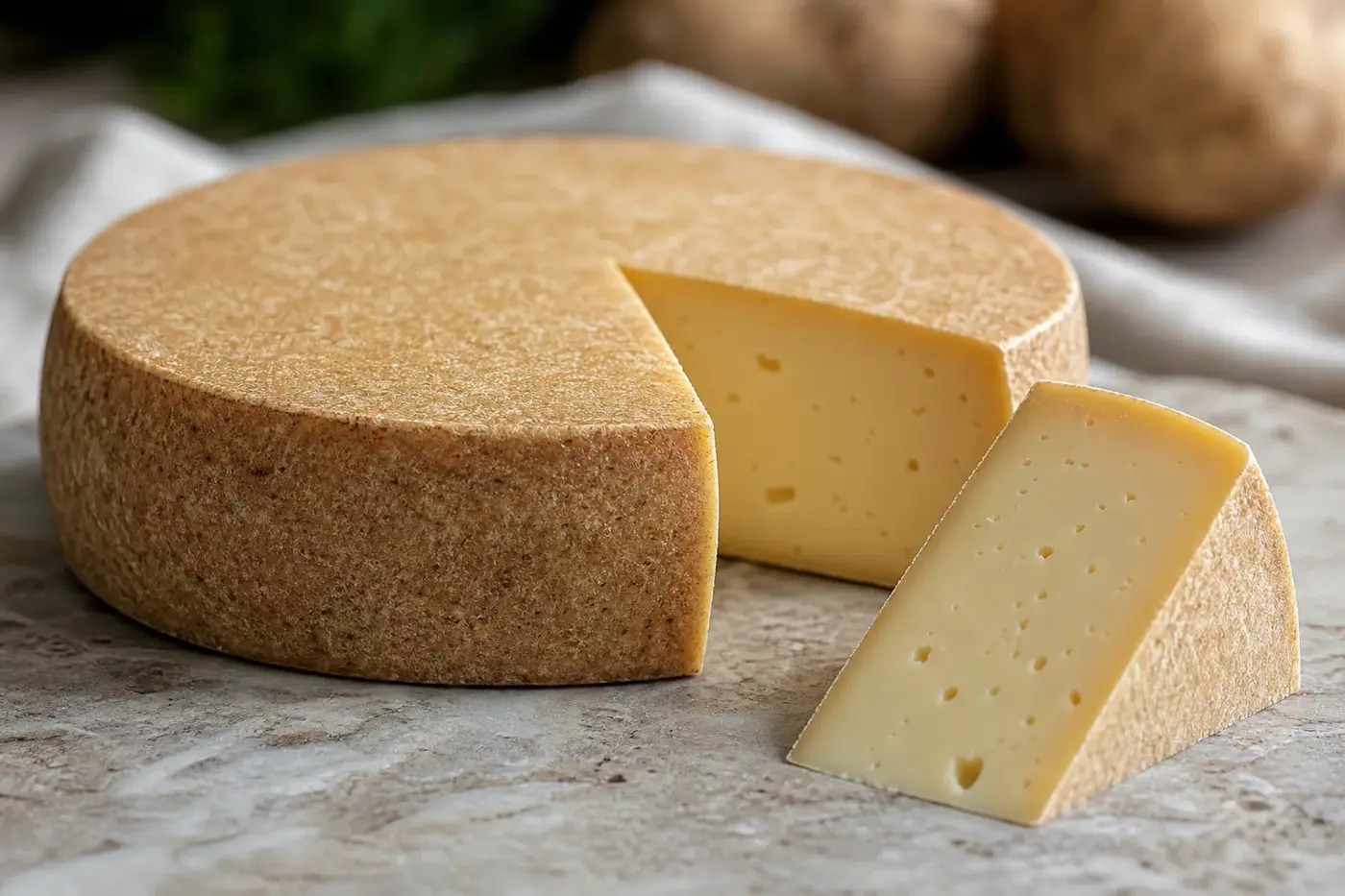
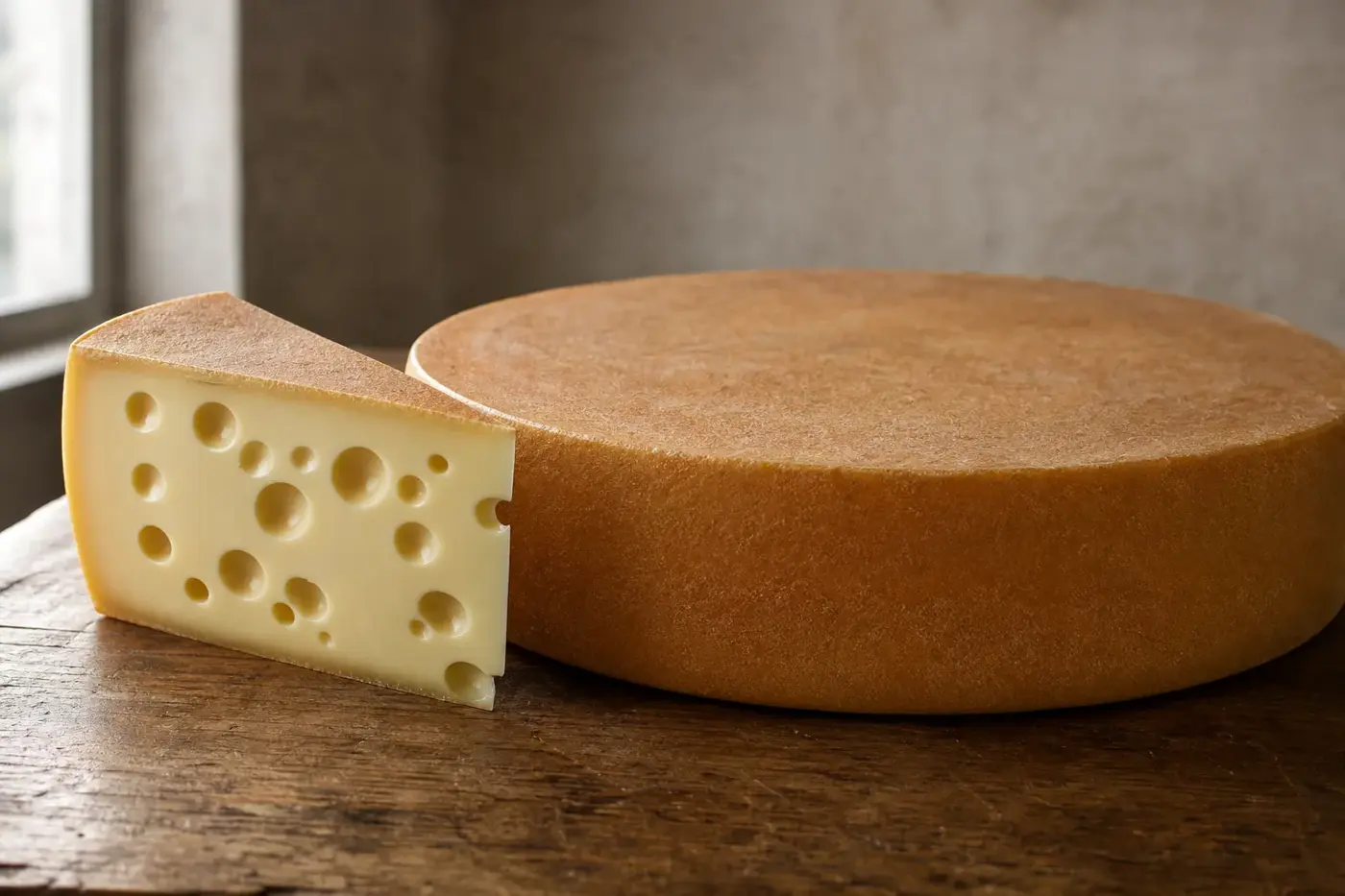
With Alpkäse, you get a firm, carefully tended smear rind and an interior, or paste, with few holes or none. The official description puts its texture between medium-hard and hard, with slight brittleness. Look for milk, mild acidity, salt, animal and spicy notes, light roasting and sometimes smoke. [2]
Hobelkäse takes that brittleness further. It is slightly dry, crystalline and readily dissolving, with a natural fatty film covering its firm rind instead of the surface smear. The specification describes moderate saltiness, slight acidity, animal and spicy notes, and a possible roasted character. [2]
There is still room here for individual wheels to have their say. Ask about the named pasture, the maker’s handling, permitted rind treatments and age when you choose between batches. Smoke, in particular, is an optional part of the Alpkäse description, not a promise in every wheel. [2, 3]
Give Hobelkäse room to curl
Hobeln means to plane or shave, and the specification expressly requires Hobelkäse to be suitable for shaving. Its brittle texture makes a thin curl much more manageable than a thick slice. This is one cheese for which asking for a sliver need not suggest restraint. [2]
Use a stable cheese plane intended for hard cheese, following the manufacturer’s instructions. Secure the piece, keep fingers clear of the blade and take light passes across a flat cut face. Aim for thin ribbons that curl naturally; if heavy fragments break away, reduce the cut rather than pressing harder.
For a revealing comparison, put sliced Alpkäse beside shaved Hobelkäse. Taste the Alpkäse first, then follow the older cheese through its fracture, crystals, acidity and finish. You have the progression there on your plate. [2]
Bring bread, fruit and something to sip
Keep the company simple. Try bread with a substantial crust alongside Alpkäse, or a small pile of Hobelkäse curls beside thin apple or pear slices. Walnuts or a few dried apricots give you another texture without burying the cheese in sweetness.
For either cheese, suggested drinks include sparkling water, unsweetened apple juice diluted with water, or lightly brewed black tea. Taste the cheese alone first. Then add your accompaniment and notice what changes.
This page summarises published guidance from the official sources it cites. It is not medical advice. Guidance differs between countries and changes over time, so check the current source for where you live, and ask your doctor, midwife, pharmacist or dietitian about your own circumstances.
Ask good questions, then store with care
Ask for the full name, the producing Alp and the wheel’s age. The specification requires traceability to the summering holding through production records and wheel identification. Knowing whether you have Alpkäse or selected, further-matured Hobelkäse tells you more than “mountain cheese”; a seller should be able to explain the difference. [2]
Follow the pack’s storage and after opening instructions. For official UK advice on storage and food kept out of refrigeration, consult the Food Standards Agency’s consumer guidance (November 2026). You can also turn to how to store cheese at home for further guidance. [6]
Make space for them on your Swiss cheese board
Hardness tells you only part of the story. Seasonal Alpine milk, local forage, a wood-heated copper vat and a defined maturation area distinguish Berner Alpkäse. Berner Hobelkäse adds selection, changed rind care and extended drying: selected Alpkäse becomes Hobelkäse through further maturation and drying, rather than simply acquiring another name. [2]
Gruyère, L’Etivaz and Sbrinz follow separate paths. Each is a separate name in the Swiss register with its own specification, not a stage in this Bernese production route. For another Swiss reference point, explore Le Gruyère. [1, 2]
Questions people ask
What is the difference between Berner Alpkäse and Hobelkäse?
Hobelkäse begins as selected Berner Alpkäse and matures for longer. Alpkäse can be sliced, while the extra hard Hobelkäse is suited to thin curls.
How long are the cheeses matured?
Alpkäse must mature for at least 4½ months in the defined area. Hobelkäse must mature for at least 18 months in total there, although Agroscope describes suitable wheels ageing for two to three years.
Where is Berner Alpkäse made?
The core production area covers Alpine summering holdings in Oberhasli, Interlaken, Thun, Frutigen, Saanen, Obersimmental and Niedersimmental. The specification also names individual holdings beyond the Oberland, including sites in Bern, Lucerne, Vaud and Fribourg.
Is Berner Alpkäse made with raw milk?
Yes, both cheeses begin with raw cows’ milk. The milk may be cooled before cheesemaking but must receive no other heat treatment.
How do you serve Berner Hobelkäse?
Hobelkäse is suited to shaving into thin curls with a cheese plane. The page suggests serving the curls beside thin apple or pear slices.
Sources
- Federal Office for Agriculture. AOP / IGP Ursprungsbezeichnungen und geografische Angaben, live Swiss register, entry “Berner Alpkäse / Berner Hobelkäse (GUB)”, checked November 2026. Records the registration decision, publication and subsequent amendment decisions. Official register.
- Federal Office for Agriculture. Pflichtenheft: Berner Alpkäse und Berner Hobelkäse, registration decision of 26 March 2004, amended through 19 June 2018, official register download posted 27 June 2018. Articles 1 to 25. Official product specification.
- Agroscope. Berner Alpkäse AOP und Berner Hobelkäse AOP, 23 January 2026. Used for typical commercial ages and its explanation of drying and protein breakdown, rather than legal specification values. Agroscope account.
- Wydihof. Herstellung von Alp- und Hobelkäse, undated producer account, retrieved November 2026. Describes the producer’s Sefinen cheesemaking, pressing, rind care and further maturation. Producer’s production account.
- Geisshaldenalp. Produkte, undated producer account, retrieved November 2026. Its white-wine serving preference is attributed to the producer. Producer’s product information.
- Food Standards Agency. Food safety in a heatwave: advice for consumers, live GOV.UK guidance, checked November 2026. Sections on fridge temperature, keeping food chilled and outdoor eating. Official consumer guidance.
- Federal Food Safety and Veterinary Office. Öffentliche Warnungen und Rückrufe von Lebensmitteln, live Swiss official warnings and recalls page, checked November 2026. Used for the editorial recall screening recorded below. Official warnings and recalls.
This piece was researched from the Swiss official register and specification, Agroscope’s technical account, attributed producer descriptions and official consumer handling guidance.
Last checked: November 2026
Last checked November 2026.
The editors suggest you read next