Bread and Crackers for Cheese
A crisp snap, then soft cheese yielding beneath it.
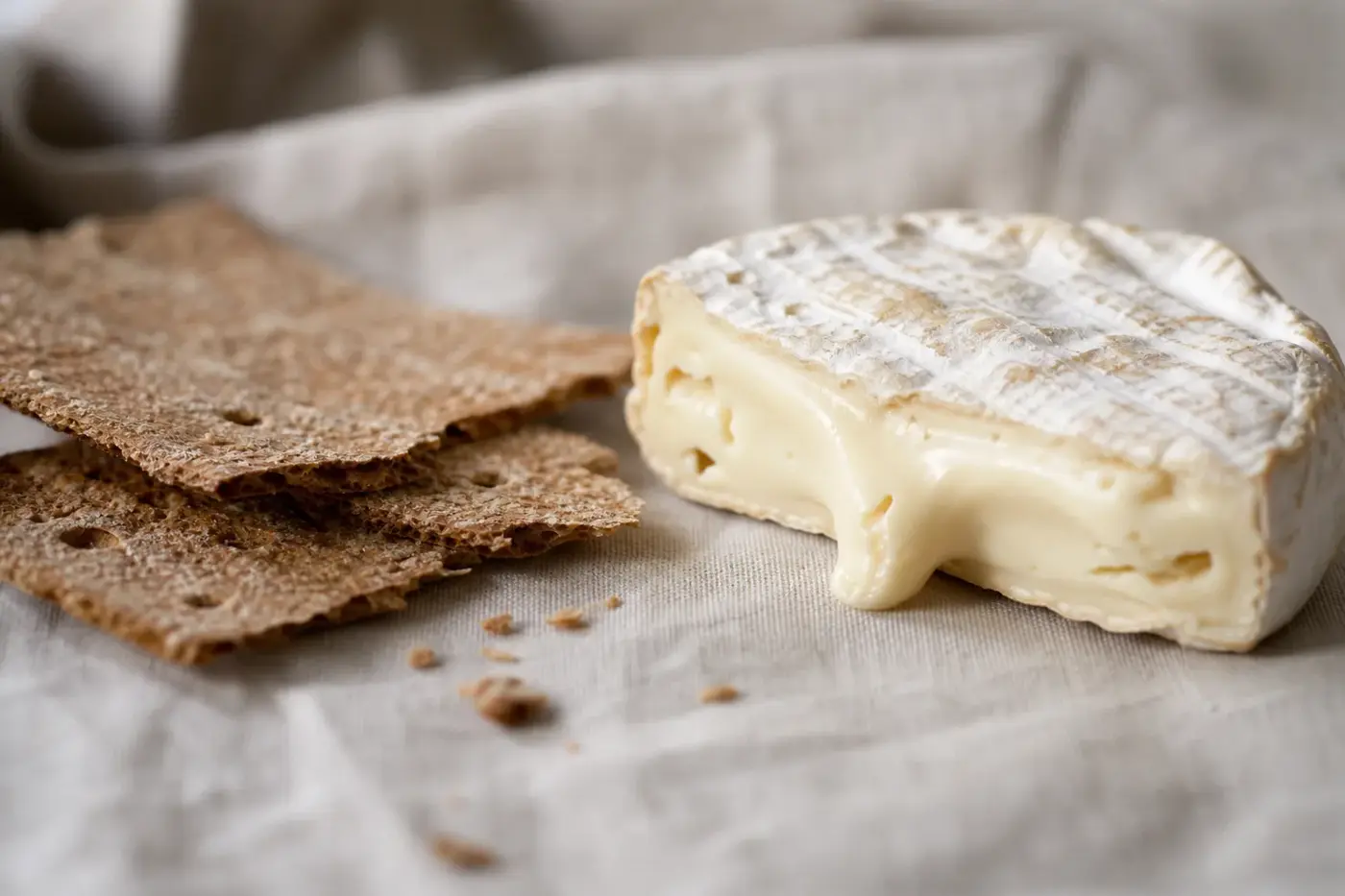
A crisp snap, then soft cheese yielding beneath it. That little contrast sits at the heart of Peter's Yard's pairing guidance, which brings seeds to mature cheese and sweet fig to blue. You can start simply: crusty bread for soft cheese, oatcakes for mature Cheddar and a plain cracker across the board. For blue, try bolder rye or walnut bread, with sweet fruit bread as an optional extra.[2,3,11]
Build a better bite, one base at a time
Bread and biscuits do more than get cheese from board to mouth. They bring texture and change the proportions of each bite. Use enough to support the cheese without accidentally making a sandwich.
Taste the cheese alone first, then try the same amount on your chosen base. Keeping the portion steady makes the difference easier to spot. You want to taste the partnership, not simply a bigger mouthful.
In its Academy of Cheese collaboration, cracker maker Peter's Yard pairs crispbread with soft cheeses for the snap against yielding paste. With mature cheeses, it looks for flavour connections. These are the maker's promotional pairing suggestions, not fixed rules, but they give you a starting point for exploring contrast.[1,2]
Not sure where your cheese belongs? Start with how to tell cheese styles apart.
Find your first match: bread, toast or biscuit
Choose something plain when you want to compare cheeses closely. Reach for seeds, fruit or seasoning when you want those flavours in the mouthful too. Here is somewhere to start with each texture.[2,3,11]
| Type | What to look for | Try it with | What it brings |
|---|---|---|---|
| Fresh bread | A soft centre and manageable crust | Soft cheese or firm slices | Gentle support without a hard snap. |
| Toast | Thin, dry and lightly browned | Soft cheese | Crispness without seeds or herbs. |
| Crispbread | A thin sheet with a clean snap | Soft cheese or blue cheese | A contrast in texture, following the maker's suggestions.[11] |
| Oatcakes | A plain, crumbly oat biscuit | Mature Cheddar | A restrained alternative to sweet biscuits. |
| Water biscuits | Plain, thin and crisp | Mild cheese or a mixed selection | A quiet base that lets you taste the cheese. |
| Seeded crackers | Modest seed coverage and restrained seasoning | Mature Cheddar or other firm cheese | Toasty seed flavours, following the maker's suggestions.[2] |
Give mild cheese room to speak
Set a mild, soft cheese on an unflavoured water biscuit or a small slice of plain white bread. Let the cheese lead, and save garlic toast, onion crackers and densely fruited loaves for another pairing. If the seasoning comes through more clearly than the cheese, change the base before adding more cheese.
Plain need not mean textureless. A crisp biscuit gives a soft mouthful a distinct beginning, while fresh bread makes the bite gentler. Choose the texture you fancy rather than opening the same packet for every soft cheese. You can change the experience without adding another flavour to your board.[11]
Brie and Camembert welcome a little crunch
For Brie or Camembert styles, reach for a crusty white loaf. Cut comfortable little slices, with a reasonably close crumb that gives spreading cheese somewhere to sit. A very open slice offers it an escape route.
Keep some crust for contrast, but leave the thick heel out of the serving basket. If you choose sourdough, look for a gentle tang rather than the sharpest loaf available.
For a more distinct contrast, try a cracker. The Peter's Yard collaboration specifically recommends crispbread with soft cheeses for that reason. It is a useful alternative when bread already has a place elsewhere on your board.[1]
Bring oats, crust and seeds to mature Cheddar
Start mature Cheddar with a plain oatcake. Add a modest piece of cheese and notice how the crumbly biscuit changes the bite. Crusty bread is useful when your board is lunch; a seeded cracker gives you a more emphatic crunch. Keep the seasoning restrained, without a heavy coating of salt and spice.
The maker's Academy collaboration pairs pumpkin and sunflower seed crackers with mature Cheddar and aged Gouda. It describes roasted, toasty seed flavours alongside those stronger cheeses. Set a plain biscuit beside the combination so your guests can compare. Seeds are an option for firm cheese, not a requirement.[2]
Explore blue cheese with rye, walnuts and sweet fig
A plain biscuit keeps blue cheese at the centre of your mouthful. For a more assertive pairing, try a thin slice of rye bread; walnut bread brings a different emphasis. Begin with small portions, particularly if the loaf contains dried fruit. Taste before reaching for the chutney.
Sweetness offers another direction. Peter's Yard recommends fig crackers with blue cheese, describing dried fruit as a sweet contrast to salt and spice. Offer fruit bread separately, so your guests can choose that sweeter bite without committing every piece of blue cheese to it.[3]
Give flavoured crackers a proper tasting
A rosemary cracker already brings herbs, just as a raisin loaf supplies fruit. Treat those flavours as part of your pairing, not as neutral carriers. Change one element at a time: taste cheese with bread or cracker first, then decide whether anything else improves the mouthful.
With a delicate cheese, offer the plain alternative first. Save strongly seasoned crackers for a deliberate experiment with something more assertive. Put the options in separate dishes rather than one indistinguishable heap. That makes flavours easier to choose and ingredients easier to keep apart.[4]
Build a mixed board without the packet mountain
One plain bread, one plain crisp biscuit and one oatcake or restrained seeded cracker give you a useful range. Add a small dish of rye or walnut bread only when there is a cheese you particularly want to try with it. Your guests then have a soft base, a crisp base and a more substantial biscuit, without a separate packet for every cheese.
Begin with a small basket of bread and a shallow layer of crackers. Keep more back for replenishing, and cut bread into tasting-sized pieces rather than filling the table with large slices. Let the meal guide you: a little after dinner, with more bread available when cheese is lunch.
Slice small, toast gently and keep the snap
Slice only part of the loaf at first, then replenish as needed. Offer dense rye and walnut breads in thin slices, dividing large ones so the cheese stays easy to handle. Give bread its own basket or board. Keep crackers in dry dishes, away from wet fruit and chutney.
For toast, aim for light browning rather than a dark, hard slice. Make a small batch and let it cool before stacking. Keep reserve crackers sealed according to the pack instructions, and cover bread until you need it. Set the bases apart from the cheeses so your guests can assemble their own combinations.
Follow the cheese's storage instructions while you prepare the bread. The FSA guidance for England, Wales and Northern Ireland recommends a fridge between 0 and 5 °C; keep chilled food out for the shortest possible time. For fuller handling guidance, see how to store cheese at home.[9]
Plan carefully for guests who need gluten-free food
If you are serving someone with coeliac disease, the NHS in England advises avoiding wheat, barley and rye. It also advises avoiding oats or oat products unless labelled gluten-free. This applies to bread, crackers and oatcakes, including sourdough products.[7]
The NHS recommends discussing oats with a healthcare professional. A small number of people also react to avenin, the oat protein. An oatcake is not automatically a suitable choice.[7]
The UK gluten-free labelling limit is no more than 20 mg/kg of gluten in the food as sold. The FSA explains this requirement under Regulation (EU) No 828/2014; the relevant versions apply in Great Britain and Northern Ireland. Look for the gluten-free statement rather than relying on a bread's name or an oat-based recipe.[5,6]
This page summarises published guidance from the official sources it cites. It is not medical advice. Guidance differs between countries and changes over time, so check the current source for where you live, and ask your doctor, midwife, pharmacist or dietitian about your own circumstances.
Make a clear plan for allergens, utensils and crumbs
Check every pack for your guest's specific allergens, including cereals, sesame, nuts, milk, egg and soya. The FSA's November 2026 UK consumer guidance explains that prepacked foods emphasise regulated allergens in the ingredients list. Do not serve a product if a precautionary warning names your guest's allergen. Ask the bakery about loose bread, and keep packaging available during the meal.[8]
The FSA's home allergy guidance for England, Wales and Northern Ireland advises asking guests what they can eat. Clean surfaces and equipment thoroughly, wash your hands and keep allergens separate. Prepare the agreed suitable bread and cheese portion first, using clean utensils. Keep it covered, away from ordinary bread and crumbs.[4]
Provide separate serving utensils too. Removing an allergenic food from a plate does not remove the risk, the FSA warns. For the cheese itself, read cheese allergy vs lactose intolerance alongside your guest's own advice.[4]
Give good leftovers another outing
Keep unused bread and crackers separate from anything already topped with cheese. Plain bread can become toast, breadcrumbs or croutons. Broken plain crackers can make crumbs for a savoury topping, but taste for salt and flavour before adding more seasoning.
Keep strongly flavoured remnants separate. Otherwise, a rosemary cracker gets to decide the flavour of the whole batch.
If your bread is heading for the freezer, follow its label instructions and wrap it well. The FSA recommends airtight containers or freezer wrapping to prevent drying, with a freezer around -18 °C.[9] For fruit, chutneys and other additions to your board, browse Accompaniments within Serving, Pairing & Recipes.
Questions people ask
What bread or crackers go with Brie and Camembert?
Try a crusty white loaf cut into small slices, with some crust for contrast. Crispbread is an alternative that gives a more distinct snap against soft cheese.
What crackers go with mature Cheddar?
Plain oatcakes are a straightforward starting point. Seeded crackers offer a more emphatic crunch, while crusty bread is useful when the board is part of lunch.
What bread or crackers go with blue cheese?
A plain biscuit keeps the cheese at the centre of the mouthful. For a more assertive pairing, try thinly sliced rye or walnut bread. Peter's Yard also recommends fig crackers for a sweet contrast.
How many types of bread and crackers do I need for a mixed cheese board?
The page suggests one plain bread, one plain crisp biscuit and one oatcake or restrained seeded cracker. Add a small dish of rye or walnut bread if there is a cheese you particularly want to try with it.
Can someone with coeliac disease eat oatcakes with cheese?
The NHS in England advises people with coeliac disease to avoid oats and oat products unless they are labelled as free from gluten. It also recommends discussing oats with a healthcare professional because a small number of people react to avenin, the oat protein. Check the NHS guidance for details.
Sources
-
Peter's Yard, Academy of Cheese: Pairing our Original sourdough crispbread, undated web edition, retrieved November 2026. Commercial maker's pairing account, published through its Academy collaboration. Source.
-
Peter's Yard, Academy of Cheese: Pairing our Pumpkin & Sunflower Seed Sourdough Crackers, undated web edition, retrieved November 2026. Commercial maker's descriptions and recommendations. Source.
-
Peter's Yard, Pairing our Fig & Spelt Sourdough Crackers, undated web edition, retrieved November 2026. Commercial maker's account of sweet crackers with blue cheese. Source.
-
Food Standards Agency, Eating in and preparing an allergy-safe meal, undated official PDF edition, retrieved November 2026. Source.
-
Food Standards Agency, Food allergen labelling and information requirements technical guidance, live edition retrieved November 2026, particularly paragraphs 30 and 31 and the relevant legislation section. Source.
-
European Commission, Commission Implementing Regulation (EU) No 828/2014 of 30 July 2014 on the requirements for the provision of information to consumers on the absence or reduced presence of gluten in food, 2014, Annex, sections A and B. Official text excerpt retrieved November 2026; see legal verification flag below. Source.
-
NHS, Coeliac disease: Treatment, live web edition retrieved November 2026, sections “A gluten-free diet” and “Oats”. Source.
-
Food Standards Agency, Food allergy and intolerance advice for consumers, published 2020, live edition retrieved November 2026. Source.
-
Food Standards Agency, How to chill, freeze and defrost food safely, published 2017, live edition retrieved November 2026, sections 1 and 2. Applies to England, Northern Ireland and Wales. Source.
-
Food Standards Agency, Alerts, live official recall and allergy-alert index, retrieved November 2026. Used for the editorial recall check. Source.
-
Peter's Yard, Cheese Pairing Wheel, undated live web edition, retrieved November 2026. Commercial maker's recommendations, particularly the soft, blue and firm cheese categories. Source.
This piece combines desk research from official UK guidance and attributed commercial pairing accounts with clearly identified editorial serving recommendations.
Last checked: November 2026
Last checked November 2026.
The editors suggest you read next
What Goes with Cheese? Fruit, Honey and Other Accompaniments
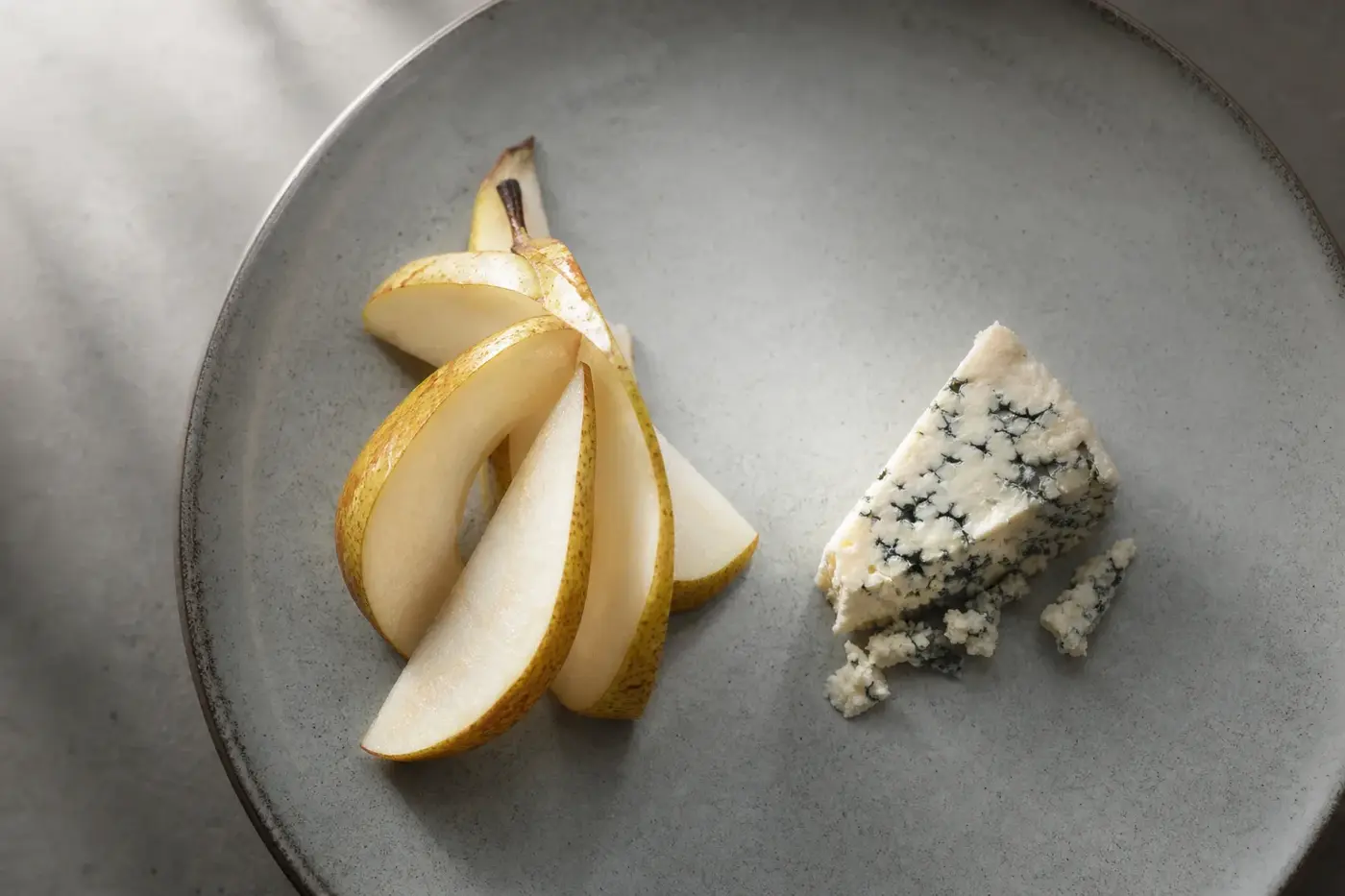
First, the salt of blue cheese.