Cheese Defects: Bitterness, Cracks, Gas and Off Flavours
Tiny pinholes appear as a cheese is pressed.
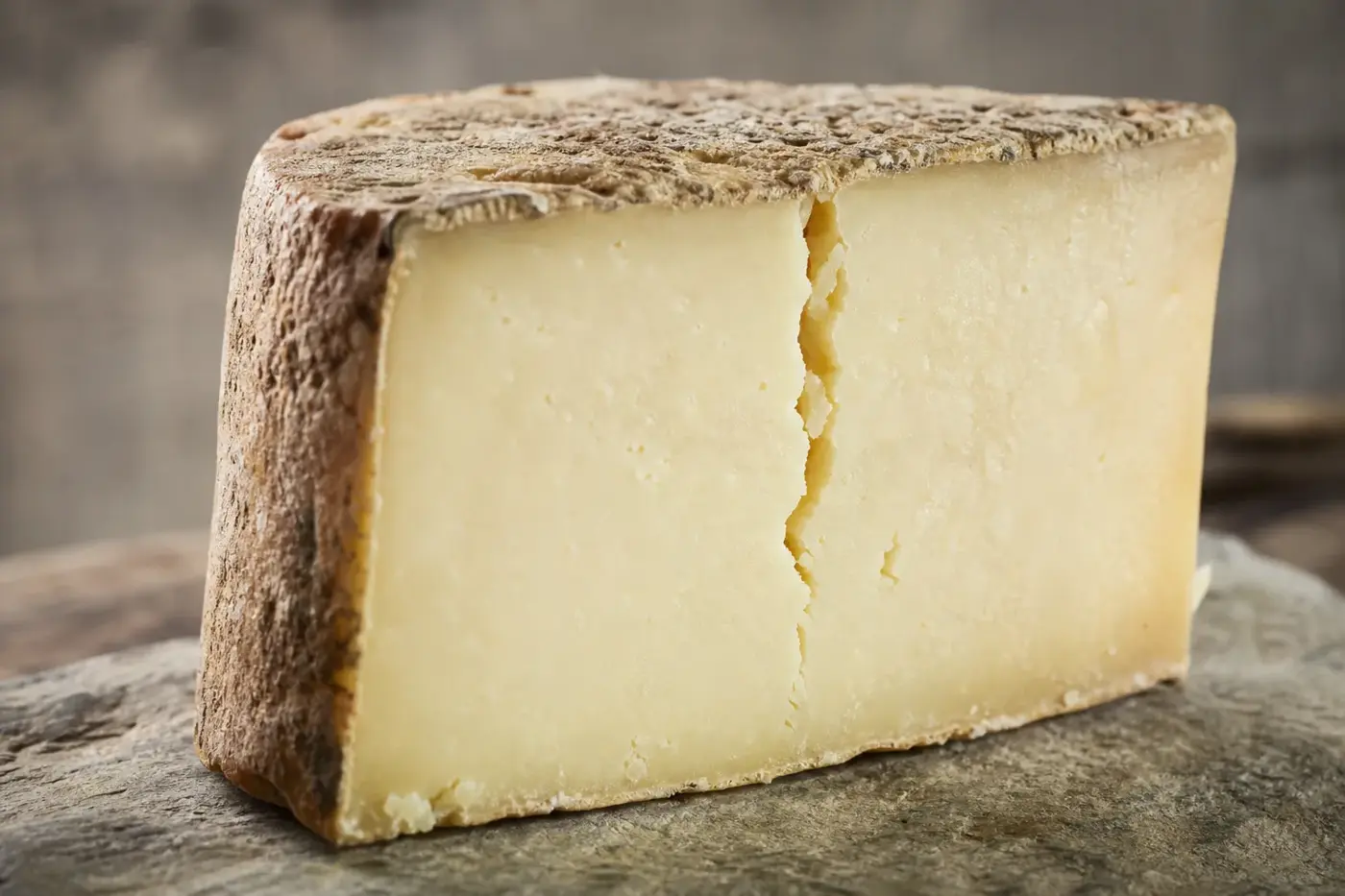
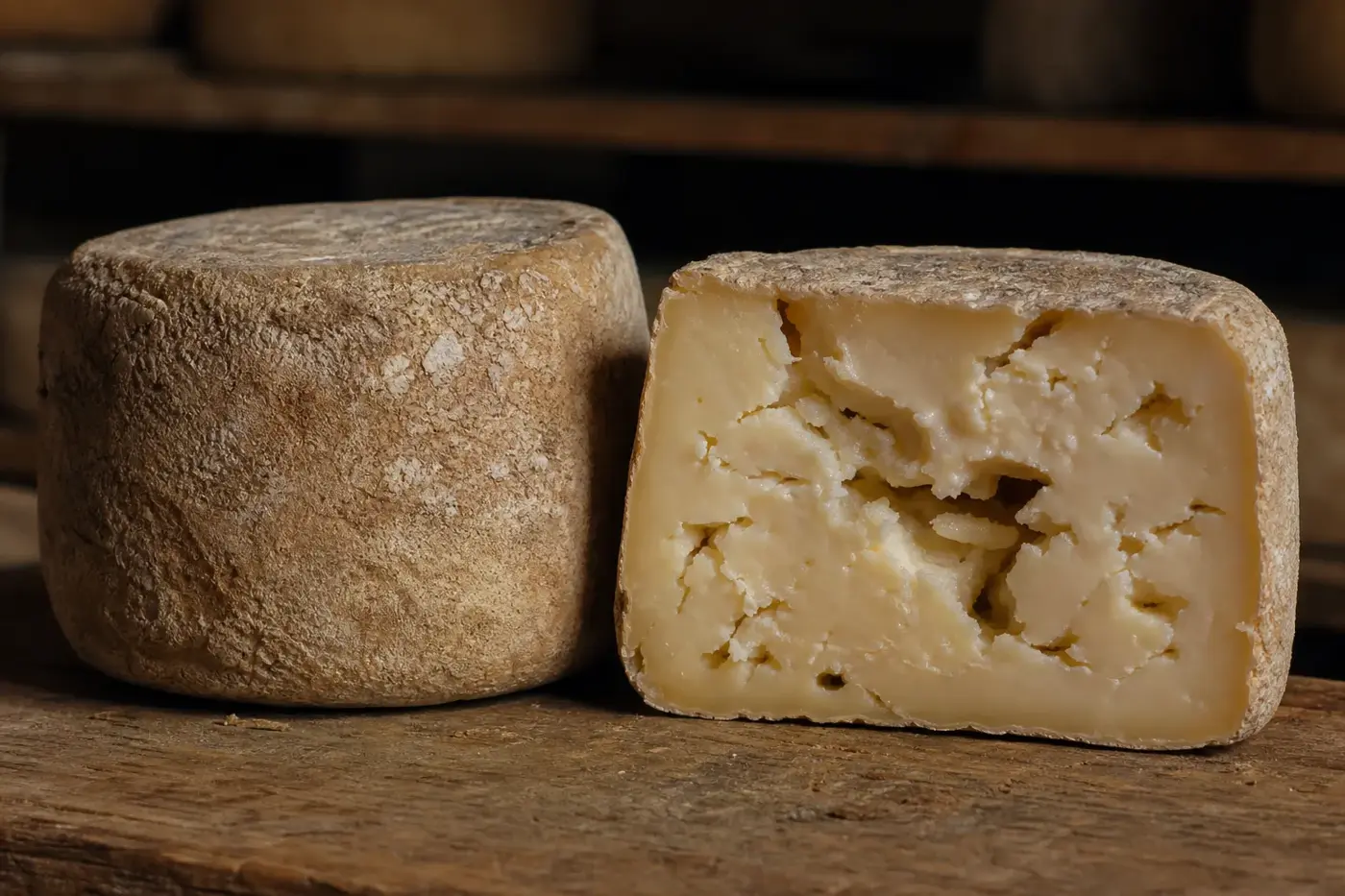
Tiny pinholes appear as a cheese is pressed. Months later, another cheese splits open. You are looking at two very different stories: the first may point to early gas production; the second invites you to trace the cheese’s structure and ripening history. [1,2,3]
Timing, shape and distribution offer clues when a cheese strays from its intended character. They help you investigate, but neither appearance nor flavour can establish safety. Keep that distinction clear before you follow your nose any further. [1,2,3]
First, get to know the cheese you expected
A powerful aroma might be precisely what you hoped for. In another cheese, it could mean something has gone astray. The American Cheese Society’s sensory lexicon distinguishes an attribute from a defect according to style, intensity and age. Stronger aromas and more open textures need context, not an automatic raised eyebrow. [1]
Start with the cheese you were meant to have, then ask what changed. Does the rind match the maker’s description, and is a normally closed interior developing holes? Is the change on one cut face or throughout the batch? Those questions take you back through how cheese is made, rather than leaving you with a collection of alarming smells. [1,2]
Bitter cheese: ripening has unfinished business
During maturation, enzymes break proteins into smaller fragments called peptides. Some taste bitter. If those fragments accumulate faster than the cheese can break them down further, bitterness can develop. You need to consider both the enzymes making them and the microbial enzymes finishing the job. [4,5]
Controlled experimental cheeses have helped untangle the roles of coagulant and starter bacteria. The coagulant, the enzyme preparation that sets milk, mainly produced larger peptides; the starter mainly produced smaller peptides and free amino acids. More recent research on aged cheese used filtration, mass spectrometry and sensory analysis to identify bitter peptides. Together, these findings put starter selection and enzyme activity firmly in the spotlight. [4,5]
Salt, acidity, moisture and ripening temperature shape the working conditions for cultures and enzymes. Their effects depend on the cheese and its process. In a controlled study of film-ripened cheese, reducing sodium did not increase the particular bitter peptides measured. Mineral salt replacement, however, brought a separate bitterness associated with potassium. [6]
Before you reach for more salt or change the rennet, look at the starter strain, coagulant dose and activity, salt distribution and maturation record together. Otherwise, you may miss the imbalance altogether. Rennet explained takes you through the different coagulant types. [4,5,6]
Look for the thread connecting affected cheeses. Does bitterness follow one culture lot, one vat, one salting run or one maturation room? That comparison helps you distinguish a formulation question from local handling trouble. A recurring batch pattern tells you far more than one mature cheese without its production history or a suitable comparison. [2,4,6]
Cracks and splits: let the shape guide you
A crack records a structural failure, but it does not tell you the cause. That may be mechanical, chemical or microbial. Ask when it appeared: at moulding, during handling, as the surface dried or well into maturation. Then follow its route: along curd boundaries, inwards from the rind or outwards from an internal opening. [1,7,10]
Let that pattern guide your next checks. A brittle or poorly joined body calls for a look at acid development and curd knitting; a surface split points towards moisture loss and handling. A widening internal fissure calls for investigation of gas production. These routes can overlap: a body that cannot stretch readily may split under gas pressure instead of forming a rounded eye. [7,8,10]
Strength and elasticity are not the same thing. Experimental work on semi-hard cheese measured fracture behaviour alongside protein breakdown and calcium changes, and found that strength and brittleness responded differently. Retaining protein structure could preserve strength without preventing a shorter, more fracture-prone texture. Stronger, in other words, does not automatically mean harder to split. [7]
Photograph the opening with a scale, and identify the rind, centre and cutting direction. Note whether you could see it before cutting or whether it appeared only during handling. That small detail helps separate a ripening defect from damage introduced while you examined the sample. [2,7]
Eyes or unwanted gas? Start with the style
A hole is not automatically bad news. Eyes belong in the intended structure of some cheeses, and selected propionic acid bacteria contribute gas during Swiss-style ripening. Successful eye formation depends on the cheese body as well as the gas. The opening alone cannot tell you whether everything went to plan. [7,8]
Unwanted early gas can appear during pressing or within the first few days. Coliform bacteria, including members of Enterobacter and Escherichia, can ferment lactose and produce carbon dioxide or hydrogen. Certain yeasts and imbalances in gas-producing starter organisms can also play a part. Timing narrows your search, but it does not identify the organism. [2,8]
Unexpected pinholes, swelling or a spongy body should send you back to milk quality, cleaning, starter performance and the acidification record. Compare affected cheeses with normal cheeses made by the same process and examined at the same age. Judge the openings against the product specification or established manufacturing target. A blanket rule that holes are always welcome or always faulty will not help you here. [1,2,8,10]
Late blowing: follow the trail back to the farm
Late blowing arrives during maturation, rather than immediately after manufacture. Clostridial species, particularly Clostridium tyrobutyricum, are associated with this defect in hard and semi-hard cheeses. Their fermentation can produce gas, disrupt texture and create unwanted flavour. Other microbes can cause later gas problems too, so a swollen mature cheese needs laboratory investigation. [8,12]
Prevention begins long before milk reaches the vat. Technical guidance identifies silage as an important source of clostridial spores, with faecal contamination of teats giving them a route into milk. You can explore that farm work further in the dedicated page on clostridial spores and silage management. [12]
Beyond “strong”: find the words for that flavour
“Strong” does not give you much to work with. Cheese lovers can ask a great deal of that one adjective. Cardboard, soap, sulphur and ammonia suggest very different lines of enquiry, so write down a precise descriptor before proposing a cause. The terms below describe sensory departures when they exceed what is intended for the cheese’s style and age. [1,8,9,10]
Rancid flavours are associated with fat breakdown. The University of Guelph’s technical guidance describes a disagreeable butyric character derived from decomposed milk fat. Look at milk handling and lipase activity, the work of fat-splitting enzymes. A sharp note does not necessarily come from acidity. [10]
Oxidised flavours can bring cardboard or paper to mind. The American Cheese Society links them to prolonged exposure to oxygen or light. Review milk exposure, packaging and display conditions. Check whether the exposed surface has the strongest defect. [1]
Sulphurous aromas can belong to ripening, but excessive sulphur compounds can take over. Examine culture activity and maturation conditions. Did the character appear early or grow during storage? Compare it with the flavour intended at that age. [1,8]
Unclean is a broad grading term for a dirty or lingering flavour. The Society lists possible contributors including milk quality, whey fermentation and interactions among acidity, moisture and enzyme activity. Give your impression a fuller description before changing the process. That one word covers several different pathways. [1]
Excessively ammoniated means ammonia overwhelms the intended profile. Ammonia can increase as mould-ripened cheese matures; an experimental study recorded rising ammonia alongside changes in acidity and softening. Check age, culture development and temperature history together. Smell alone cannot tell you whether the cheese is safe. [1,3,9]
Prevention means following the whole cheese journey
One final pH reading cannot tell you the whole acidification story. Milk quality and hygienic handling affect what enters the vat, while cleaning and protection from contamination matter throughout manufacture. Starter activity shapes acid development. Record that development alongside cutting, stirring, draining and pressing, so you can follow the sequence rather than just its ending. [2,8,10]
Keep salting and moisture records together. Include the salting method, brine condition where relevant, and measured cheese composition. Salt in the whole cheese and salt relative to its moisture describe different things. If you are linking a process change to a new defect, compare measurements on the same basis. [6]
During maturation, log temperature, humidity, turning, rind care and packaging changes. Check instruments and actual conditions, including differences between shelves, rather than trusting the room setting alone. Your aim is repeatable control of the intended cheese, allowing for normal seasonal and batch variation. Identical flavour at every age is not the goal. [1,6,7]
Gather your clues before choosing a remedy
Start with a timeline, not a fix. Keep photographs, batch identities and the age at first observation, then compare affected and unaffected production. The table brings together investigation priorities from the technical sources. Use it alongside the maker’s established quality and food safety systems, not to diagnose a cheese by appearance. [2,4,6,7,8]
Measure pH at comparable stages and locations with a calibrated meter. Compare whole-cheese moisture, salt on the same stated basis and the sampling position: rind and core samples answer different questions. Ask a dairy laboratory to help select microbial tests for the suspected pathway. An undirected screen is no substitute for a focused question. [2,6,7]
| What you notice | Records to turn to first | What to explore next |
|---|---|---|
| Early swelling | Milk source, hygiene, starter, acidification | Coliform and yeast tests where indicated. [8] |
| Late internal splits | Ripening, body texture, batch distribution | Targeted microbial and fermentation metabolite tests. [2,7] |
| Developing bitterness | Culture, coagulant, salt, moisture, temperature | Specialist peptide or enzyme investigation. [4,5,6] |
| Surface cracking | Drying, handling, packaging | Moisture loss and damage following an operation. [7,10] |
Agroscope’s investigation of an irregularly eyed cheese shows why your first impression needs more evidence. Researchers combined fermentation products, microbial analysis and comparisons with normal cheeses. Microbial DNA methods can help locate suspects. Establishing a cause, though, means reading those findings alongside the chemistry and manufacturing history. [2]
In controlled follow-up production, change one justified variable at a time and keep a comparison where practical. Otherwise, even a better result may leave you wondering what actually helped. Before changes to acidification, salting or storage become routine, assess them through the maker’s food safety controls. [2,6,7]
At home: keep cheese chilled and take surprises seriously
For household storage in England, Wales and Northern Ireland, the Food Standards Agency advises keeping your fridge between 0 and 5 °C (32 to 41 °F). Check it with a thermometer and follow packaging instructions. Keep chilled cheese out for the shortest practical time, and follow the label’s instructions after opening. How to store cheese at home covers wrapping and everyday handling. [11]
The sniff test cannot establish safety for food carrying a use by date. The Food Standards Agency’s advice for England, Wales and Northern Ireland explains why: you cannot smell the microbes that cause food poisoning, so harmful contamination may offer no obvious sensory warning. Do not taste cheese you suspect is unsafe. Follow the agency’s advice not to eat food after its use by date. [3]
If a newly opened cheese has unexpected swelling, leakage or a character markedly different from its description, keep the packaging details and contact the seller or maker. An explanation of normal ripening should be specific to that product. For unwanted mould, turn to the separate mould on cheese guidance, rather than treating trimming as a remedy for everything. [1,3]
This page summarises published guidance from the official sources it cites. It is not medical advice. Guidance differs between countries and changes over time, so check the current source for where you live, and ask your doctor, midwife, pharmacist or dietitian about your own circumstances.
Take your next look at flavour, quality and safety
- Cheese Food Safety: The Complete Guide: follow the separate safety assessment when a quality concern raises a handling question.
- Raw Milk, Thermised and Pasteurised Cheese: get to know the differences between milk treatments before investigating a production problem.
Questions people ask
Why does cheese become bitter?
During maturation, proteins break down into smaller fragments called peptides, some of which taste bitter. Bitterness can develop when these peptides accumulate faster than they are broken down.
Are holes in cheese always a defect?
No. Eyes are intended in some cheeses, and selected propionic acid bacteria contribute gas during Swiss style cheese ripening. Unexpected pinholes or swelling can instead point to unwanted early gas production.
What causes cheese to crack during maturation?
A crack can have a mechanical, chemical or microbial origin. Surface drying, a brittle body and internal gas production are among the possibilities, so its shape and timing help guide an investigation.
Can I tell if cheese is safe by smelling it?
The Food Standards Agency says microbes that cause food poisoning cannot be smelt, so the sniff test cannot establish safety for foods with a use by date. See its advice for England, Wales and Northern Ireland, and follow its advice not to eat food after its use by date.
How should cheese be stored at home?
For England, Wales and Northern Ireland, the Food Standards Agency advises keeping the fridge between 0 and 5 °C and checking it with a thermometer. It also advises following packaging instructions, keeping chilled cheese out for the shortest practical time and following the label after opening.
Sources
-
American Cheese Society, ACS Cheese and Dairy Product Lexicon and Glossary, May 2025 update. Definitions of attributes and defects, and entries for oxidised, unclean, sulphide and ripeness. Published lexicon.
-
Agroscope, Using State-of-the-Art Analysis to Explain Atypical Cheese Defects, Agroscope Transfer No. 358, English edition 2025; original German version published in 2020. Case investigation combining fermentation chemistry, microbiological methods and molecular analysis. Technical publication.
-
Food Standards Agency, Home food fact checker, updated 21 August 2026. Applies to England, Northern Ireland and Wales; section on the sniff test for milk and dairy foods. Official guidance.
-
Oregon State University research team, Identification of bitter peptides in aged Cheddar cheese by crossflow filtration-based Fractionation, Peptidomics, statistical screening and sensory analysis, Food Chemistry, volume 439, article 138111, 2024; first published online 30 November 2023. Research abstract and bibliographic record.
-
University College Cork research team, Proteolysis in Cheddar cheese: role of coagulant and starter bacteria, Journal of Dairy Research, volume 45, issue 3, pages 465 to 477, 1978. Published research summary.
-
Max Rubner-Institut research team, Salt reduction in film-ripened, semihard Edam cheese, International Journal of Dairy Technology, volume 73, issue 1, pages 270 to 282, 2020. Includes manufacturing comparisons, microbiological analysis, peptide measurements and sensory assessment. Research paper.
-
University College Cork and Teagasc, Influence of milk pre-treatment, and changes in cheese structure and carbon dioxide solubility on the development of split defects in cheese, doctoral thesis, 2019. Particularly the experimental work on cheese microstructure and fracture properties. Research thesis.
-
Teagasc research repository, doctoral research document, section 1.2, Defects Associated with Cheese and the Bacteria Responsible, particularly sections 1.2.1 and 1.2.2. Full bibliographic title and year require confirmation. Retrieved research document.
-
CiNii Research, record for カマンベールチーズの熟成中における軟化と塩類の動態. Experimental observations of softening, acidity, ammonia and mineral changes during ripening. Bibliographic year requires confirmation. Research record.
-
University of Guelph, Cheese Making Technology e-Book, chapter Defects and Grading, online edition, publication year not verified. The retrieved extract includes early gas, whey taint and rancid flavour descriptions. Technical chapter.
-
Food Standards Agency, How to chill, freeze and defrost food safely, published 18 December 2017, current retrieved guidance checked November 2026. Applies to England, Northern Ireland and Wales. Official guidance.
-
American Society for Microbiology, Microbiological Quality and Safety Issues in Cheesemaking, Microbiology Spectrum, publication identifier CM-0011-2012; bibliographic year requires confirmation. Technical account of clostridial late blowing and the silage, faecal contamination and milk pathway. Technical publication.
This desk-researched draft combines experimental dairy research, technical defect investigations and official household food safety guidance.
Last checked: November 2026
Last checked November 2026.
The editors suggest you read next