Cheese of Bosnia and Herzegovina
Open a prepared animal skin in Herzegovina’s countryside and you find a cheese cellar with no shelves.
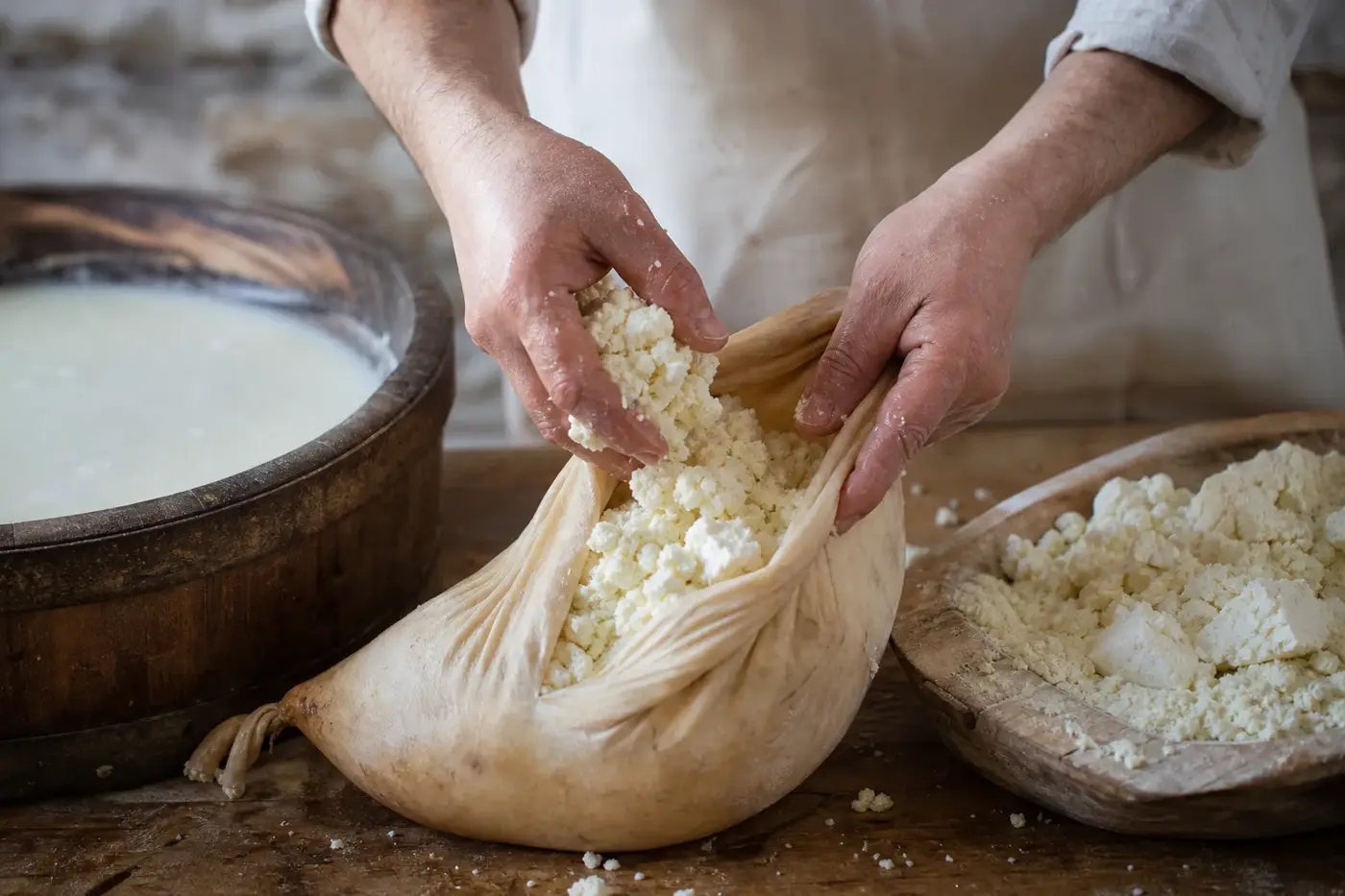
Open a prepared animal skin in Herzegovina’s countryside and you find a cheese cellar with no shelves. Inside is sir iz mijeha, matured in a vessel that helps shape the cheese, not merely hold it. Set it beside a firm wheel of Livanjski sir and a white, brined slab of Travnički sir, and you have three very different invitations into Bosnia and Herzegovina’s cheesemaking traditions. [1, 2, 4, 6]
Your country reference, at a glance
| What to know | The useful details |
|---|---|
| National register | Food Safety Agency of Bosnia and Herzegovina. [8] |
| Names to get to know | Livanjski sir; Travnički sir; sir iz mijeha. [1, 8] |
| National protection | Livanjski sir and Travnički sir: registered geographical indications. [8] |
| National register references | Livanjski sir: UP-1-02-2-8/19; Travnički sir: UP-1-02-2-8/24. [8] |
| Reference date | November 2026. [8] |
| EU register details | Livanjski sir current status and register ID: Unconfirmed. Travnički sir status: Unconfirmed. |
Inside the skin, something worth waiting for
For sir iz mijeha, the skin has a job to do. Slow Food describes curd being drained, broken, salted and packed into a prepared sheepskin, then closed inside to mature. Curd is the coagulated milk solids separated from liquid whey. You eat the finished cheese out of the skin, so there is no conventional wheel’s rind to serve alongside it. [1]
The skin allows moisture to escape while keeping oxygen low inside. A 2025 study of Herzegovinian goat-milk sir iz mijeha describes these conditions, together with the breakdown of protein and fat that helps develop aroma and texture. The researchers used raw goat’s milk and matured their cheese in lambskin for 60 days. [2]
Not every skin holds the same sort of cheese, either. Research presented at the 2024 Agrosym symposium distinguishes full-fat and partly skimmed versions from leaner cheeses made after removing kajmak, the collected cream layer. Ask about the milk and how it was treated. The sack makes an entrance, but it cannot tell you everything. [3]
Follow your appetite into the mountains
Around Livno, cheese belongs to limestone mountains, broad karst fields and grazing land. Karst is terrain shaped by soluble rock dissolving, especially limestone. The Livanjski sir specification names Livanjsko, Glamočko, Duvanjsko and Kupreško polje, the great fields opening up between the mountains, and describes cold winters and warmer summers. [5]
Head into Central Bosnia and Vlašić is the mountain to remember for Travnički sir. The national food agency records both Travnički and Vlašićki as historical names for cheese made there. Further south, Slow Food documents Herzegovina’s skin-matured cheese in districts including Nevesinje, Konjic, Ljubuški and Prozor-Rama. [1, 7]
Milk refuses to stay in quite such tidy geographical boxes. Livanjski sir permits cow’s milk, sheep’s milk or mixtures of both; Travnički sir also permits goat’s milk. Travnički sir may use raw or pasteurised milk, while Livanjski sir additionally allows thermised milk, heat-treated less intensively than pasteurised milk. The name alone cannot tell you the milk treatment. [4, 6]
You can explore those distinctions in raw milk, thermised and pasteurised cheese. At the counter, keep three questions ready: which animals supplied the milk, was it heat-treated, and who made the cheese? Those answers introduce you to this producer’s particular cheese, rather than everything its specification permits.
Three delicious places to begin
Livanjski sir: cut through the golden rind
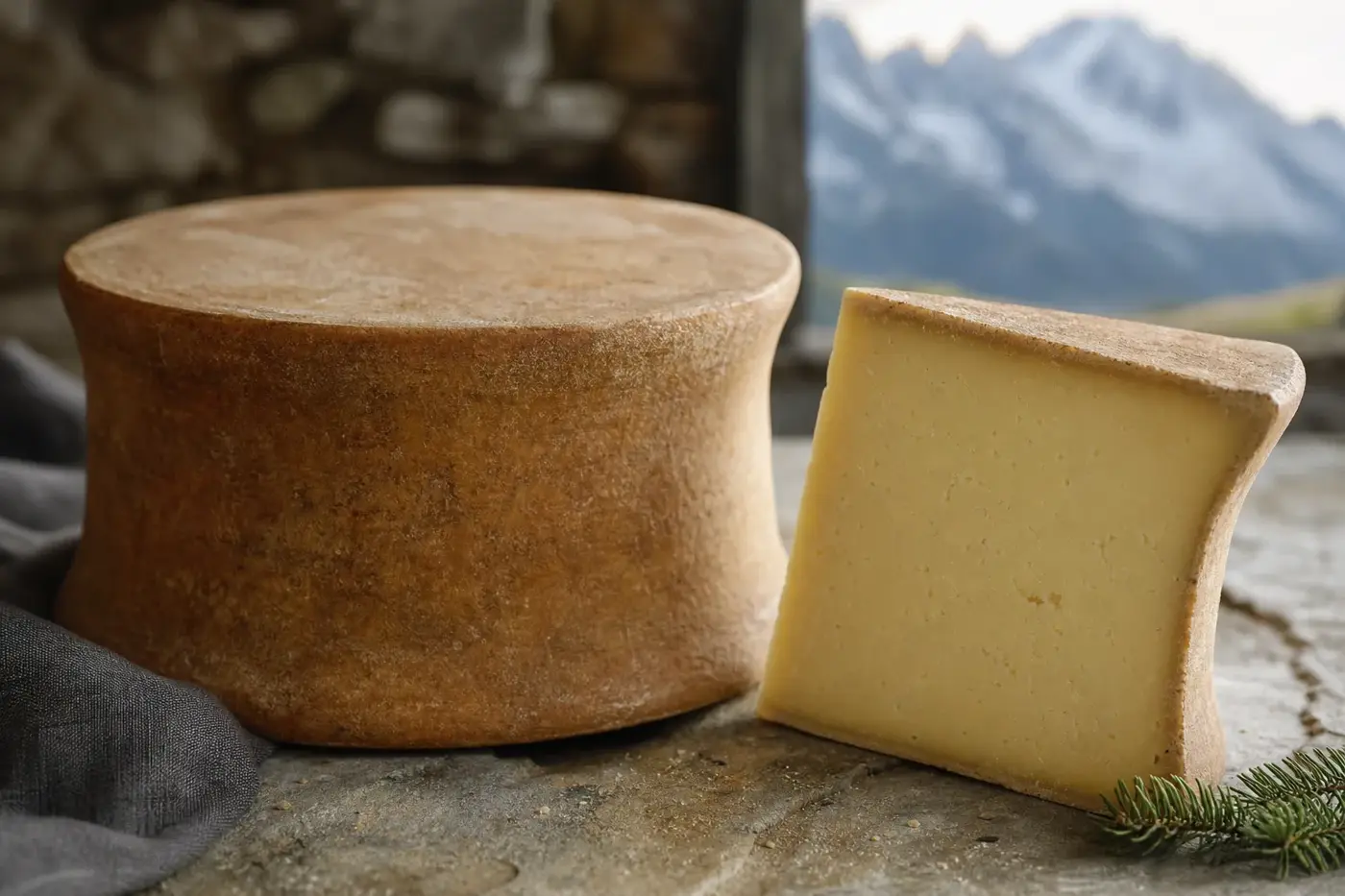
Cut through Livanjski sir’s smooth, hard, golden yellow rind and you reach a compact, dense paste. This hard, full-fat cheese belongs to Livno and its defined surrounding production territory. Its specification describes easy slicing, limited elasticity and few small openings. As it ages, the interior darkens and loses more elasticity. [4]
The European Commission describes a slightly sweet taste recalling walnut kernels, becoming more piquant with age. Try younger and longer-matured examples from the same dairy side by side. You can taste maturation at work without changing every other variable at once. [9]
Travnički sir: look closely at those white slabs
Travnički sir matures in whey or brine and has no rind. Its specification permits sheep’s, cow’s or goat’s milk, alone or mixed, and allows sale as slabs or in other specified packed formats. If your seller uses the familiar Vlašić name, still ask which milk went into it. [6]
Before you taste, take a moment to look. The specification describes sheep’s and goat’s milk versions as white, while cow’s milk can lend yellowish tones. Draining may leave cloth impressions and mechanical openings. These small traces of milk and method help explain why two legitimate examples can look different before you compare their flavours. [6]
Leave room for the regional names
The national register reaches beyond its two better known cheeses. It includes Repovački sir and Majevički dimljeni sir Zarac as designations of origin in Bosnia and Herzegovina. Elsewhere, a Livno dairy recruitment notice from January 2026 mentions fresh and young cheese production, while a dairy website lists smoked cheese. [8, 10, 13]
Keep those descriptions in their proper places as you browse. A village name, a description such as fresh cheese and a registered geographical name each tell you something different. All are useful clues, but they are not interchangeable.
Give the small print a moment
Livanjski sir entered Bosnia and Herzegovina’s national register as a geographical indication on 4 June 2020. Travnički sir followed in the same category on 18 November 2024. Its decision appeared on 26 November 2024 in Official Gazette 81/24: publication and registration were separate events. [7, 8]
On 12 December 2024, the European Commission announced Livanjski sir’s addition to the EU register. [9] Current EU register status and legal dates: unconfirmed.
Age gives you another distinction worth asking about. Livanjski sir requires at least 60 days of maturation; Travnički sir requires at least one month. Those are production minimums, not necessarily the age of the piece before you. Ask your seller, particularly if the dairy keeps some cheese for longer maturation. [4, 6]
Then there is the longer name Livanjski izvorni sir. Give it a careful read: this cheese has its own Bosnian designation of origin and separate specification. Its defined production territory includes Livanjsko polje and the Cincar and Krug mountains. A cheese bearing that name needs to be understood through its own rules. [8, 12]
Pull up a chair for potatoes, pastry and cheese
In Herzegovina, sir iz mijeha can open the meal. Slow Food records it served as a first course with boiled potatoes, ham or uštipci, fried pieces of dough. For your first taste, let bread or potato accompany the cheese before you bring in more strongly flavoured food. [1]
Sirnica takes you in another direction, with cheese tucked inside thin pastry. It is the cheese-filled member of Bosnia and Herzegovina’s family of savoury pies; the related name zeljanica means a spinach-and-cheese version. Order sirnica and you meet cheese within a finished pastry, rather than as a separate piece on a tasting plate. [14]
At home, try one firm cheese, one brined cheese and one skin-matured cheese. Taste small pieces separately, noting firmness, salt, acidity and how long the aroma stays with you. Keep the producer, milk and stated age beside each note. “The lovely one” is a perfectly natural verdict, but a less useful shopping list.
Wooden containers, mountain milk and changing times
An agricultural study published in 1892 offers you a detailed early glimpse of Travnički cheese. Cited by the national food agency, it describes cheese made on Vlašić from sheep’s milk or mixed sheep’s and goat’s milk, sold in wooden containers. This is mountain cheese as part of a documented nineteenth-century trade, as well as a pastoral tradition. [7]
Around Livno, changes in the milk supply helped change the cheese itself. The specification records a move from sheep’s milk to mixed milk and then cow’s milk, partly because of seasonal availability. It dates the development of semi-industrial and industrial cow’s milk production to the 1970s. Today’s range carries that history of changing milk supplies and production scale alongside inherited cheesemaking methods. [4]
Find your cheese and get to know its maker
Around Livno, start with Mljekara Livno. Its website lists a shop beside the factory at Sirarska 3 and describes hard, smoked and goat’s milk cheeses. Before travelling, contact the dairy about retail access, accessibility and whether a tasting or production visit might be possible. [10]
In Travnik, a market visit gives you a chance to compare sellers’ accounts of milk, maker and source village. In restaurants, ask whether the cheese comes from a named Vlašić producer and whether you can have it served separately. If the menu says only local cheese, you have a useful question to ask before ordering.
For Herzegovina, Slow Food’s producer directory offers contacts across several cheesemaking districts. Arrange an appointment rather than arriving at a farm unannounced. Ask whether sheep’s milk, cow’s milk or mixed-milk cheese will be available, and whether the cheese on offer was made during the grazing season. [1]
Season and age need separate questions. Slow Food records winter cow’s milk and summer sheep’s milk production within its skin cheese project. An older cheese offered in winter may therefore have been made from summer milk. When it was made and how long it matured tell you two different parts of its story. [1]
Before travelling with cheese, check current official rules for your departure, transit and destination countries. Include the rules covering your intended use.
Bring home the storage instructions, too
Before buying, ask the seller for written refrigeration and after opening instructions, and keep them with your cheese. In England, Wales and Northern Ireland, the UK Food Standards Agency advises keeping your home fridge at 5 °C or below. For fuller advice on packaging and storage at home, follow how to store cheese. [11]
Let your next cheese lead you further
- How to Read a Cheese Label: find the milk, maker and product description before you compare cheeses.
- How to Tell Cheese Styles Apart: Milk, Rind, Texture and Method: discover where these regional cheeses sit within the wider range of styles.
General information only, not medical advice: follow the official guidance where you live.
Questions people ask
How is sir iz mijeha made?
Curd is drained, broken, salted and packed into a prepared sheepskin to mature. The cheese is taken out of the skin when it is ready to eat.
What is the difference between Livanjski sir and Travnički sir?
Livanjski sir is a hard, full fat cheese with a golden yellow rind and a dense interior. Travnički sir has no rind and matures in whey or brine.
What milk is used to make these cheeses?
Livanjski sir permits cow’s milk, sheep’s milk or a mixture of the two. Travnički sir also permits goat’s milk, and either cheese may use raw or pasteurised milk.
How long do Livanjski sir and Travnički sir mature?
Livanjski sir must mature for at least 60 days. Travnički sir requires at least one month.
How is sir iz mijeha traditionally served?
Slow Food records it served as a first course with boiled potatoes, ham or uštipci. Uštipci are fried pieces of dough.
Sources
-
Slow Food Foundation for Biodiversity, Cheese in a Sack, undated project description and producer directory, retrieved November 2026. A project organisation’s account of its participating tradition and producers. Source.
-
Veterinary Journal of Republic of Srpska, Quality of traditional Herzegovinian goat cheese with ripening in animal skin (sir iz mijeha), volume 25, issues 1 to 2, pages 118 to 134, 2025. Research paper.
-
Agrosym, Characteristics of Herzegovinian cheese in sack, in Proceedings of the XV International Scientific Agricultural Symposium “Agrosym 2024”, 2024. Abstract and introduction retrieved in search results. Proceedings.
-
Food Safety Agency of Bosnia and Herzegovina, Livanjski sir: manja izmjena specifikacije proizvoda, minor-amendment specification hosted in May 2023. Specification.
-
Food Safety Agency of Bosnia and Herzegovina, Specifikacija za Livanjski sir, specification hosted in February 2020, geographical background section. Specification.
-
Food Safety Agency of Bosnia and Herzegovina, Product specification “Travnički sir”, English version hosted in November 2025. Specification.
-
Food Safety Agency of Bosnia and Herzegovina, Registrovana oznaka geografskog porijekla „Travničkog sira“, announcement concerning Official Gazette 81/24, 2024. Agency account.
-
Food Safety Agency of Bosnia and Herzegovina, Oznake podrijetla, zemljopisnog podrijetla i zajamčeno tradicionalnog specijaliteta, national register and specification index, retrieved November 2026. Register.
-
European Commission, Commission approves new geographical indication ‘Livanjski sir’ from Bosnia and Herzegovina, 12 December 2024. Commission announcement.
-
Mljekara Livno, Dom Livanjskog sira, undated producer website, retrieved November 2026. A commercial producer’s account of its own products and factory shop. Producer website.
-
UK Food Standards Agency, How to chill, freeze and defrost food safely, published 18 December 2017, retrieved November 2026. The publication identifies its scope as England, Northern Ireland and Wales. Official guidance.
-
Food Safety Agency of Bosnia and Herzegovina, Specifikacija proizvoda: „Livanjski izvorni sir“, specification hosted in February 2020. Specification.
-
Županijski Zavod za Upošljavanje Livno, Mljekara Livno: oglas za više radnih mjesta, employer recruitment announcement, 30 January 2026. Institutional publication.
-
Wikipedia contributors, Bosnia and Herzegovina cuisine, undated revision, search excerpt retrieved November 2026. Secondary source used provisionally for sirnica and zeljanica terminology. Encyclopaedia entry.
This desk-researched draft combines national register records, published specifications, research literature and attributed producer accounts; outstanding publication checks are recorded below.
Last checked: November 2026
Last checked November 2026.
The editors suggest you read next
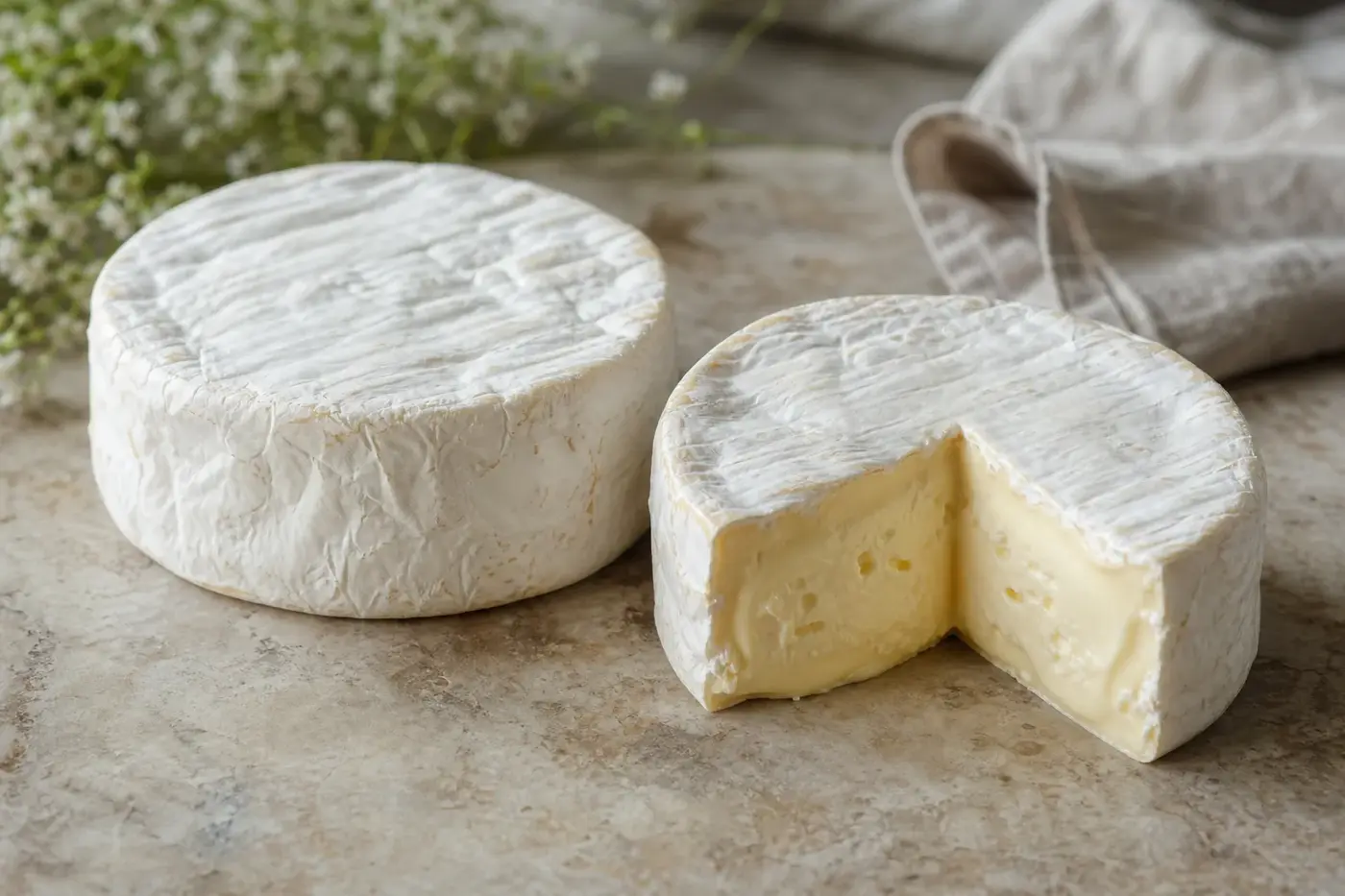
French Cheese: The Complete Guide
Picture Normandy’s pastures, then follow the milk towards the Loire’s goat dairies, the Jura’s shared cheesemaking traditions and the sheep country of the Pyrenees.