Czech Cheese
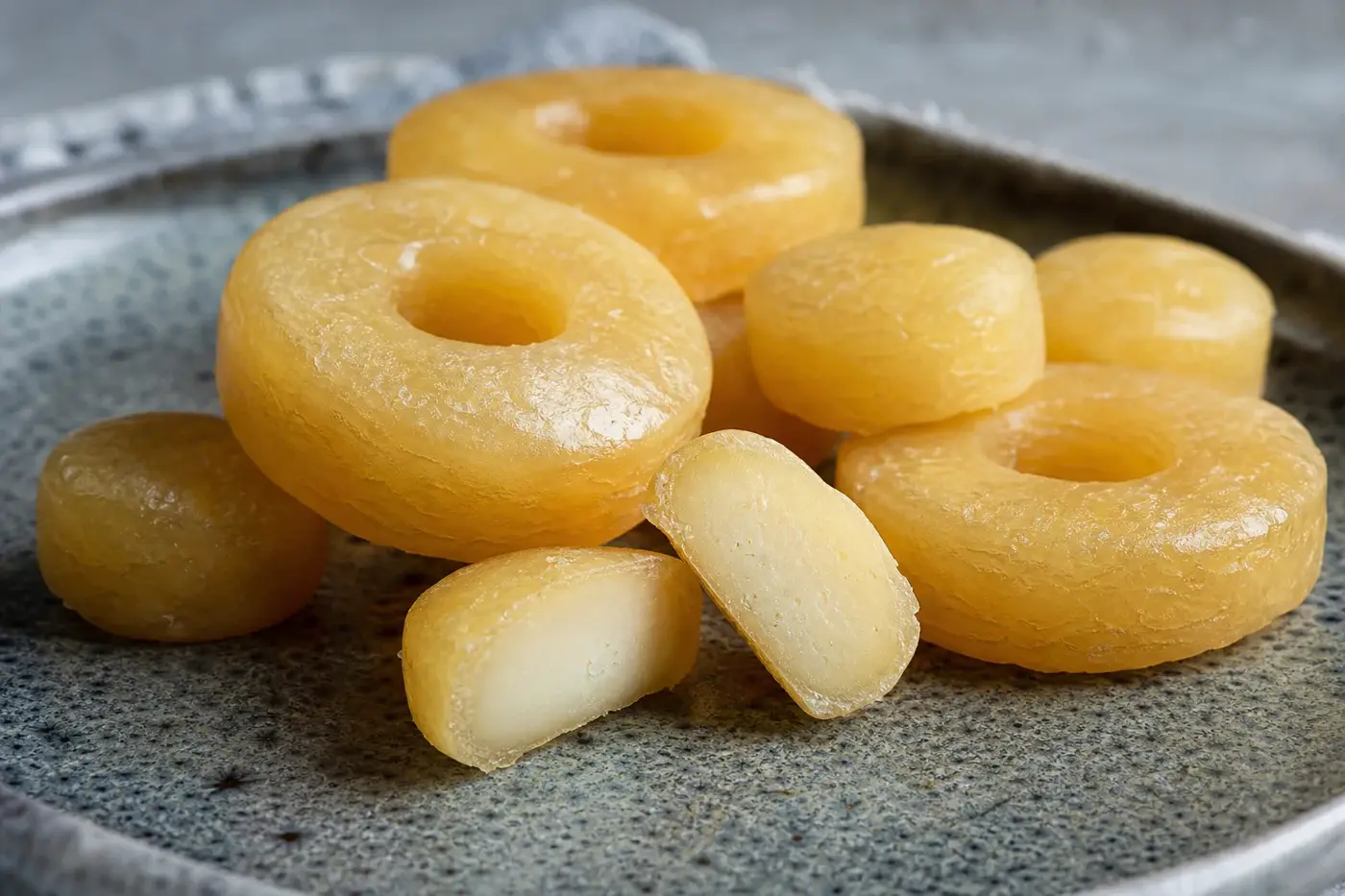
Cut beneath the golden surface of Olomoucké tvarůžky and you find a noticeably paler centre.
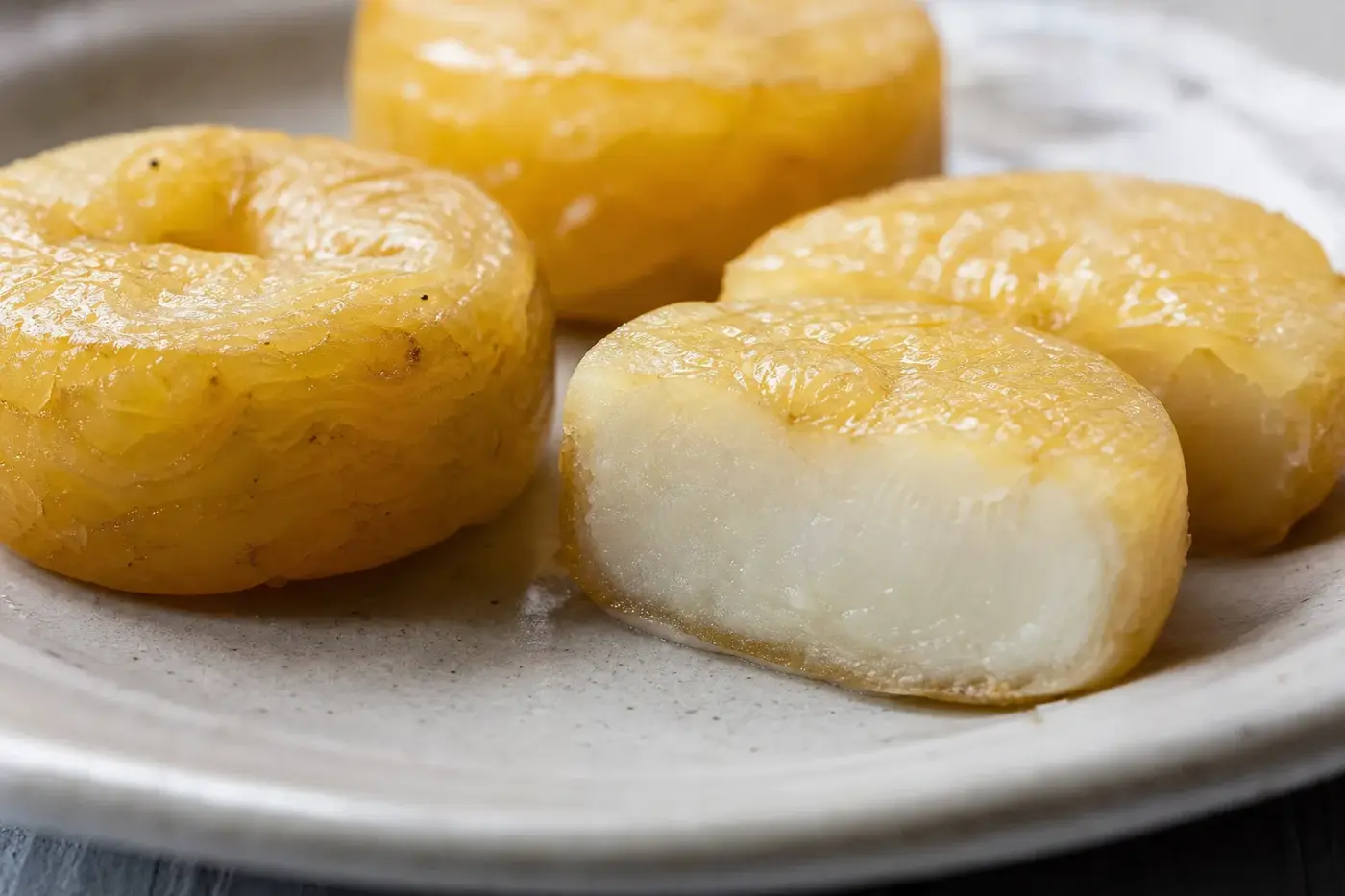
Cut beneath the golden surface of Olomoucké tvarůžky and you find a noticeably paler centre. Its aroma has probably introduced itself already. Made in Loštice from skimmed curd, it has a cohesive body ranging from soft to semi soft, quite unlike the South Bohemian blues or white mould Hermelín waiting elsewhere on your Czech cheese journey. [1, 9]
Find your feet in Czech cheese country
| What to know | Your starting point |
|---|---|
| Country | Czechia |
| Main milk | Cow’s milk, overwhelmingly dominant in the official milk-production figures discussed here. [5] |
| Places to begin | Haná for tvarůžky; South Bohemia for regional blues; the Bohemian Moravian Highlands for dairy farming. [1, 3, 7] |
| Names in EU registration or amendment documents | Jihočeská Niva; Jihočeská Zlatá Niva; Olomoucké tvarůžky. Current individual register status is outside this summary. [1, 3, 4] |
| EU file references | Olomoucké tvarůžky: PGI-CZ-0399; Jihočeská Zlatá Niva: PGI-CZ-0406; Jihočeská Niva: reference not supplied here. [1, 3] |
| Current individual eAmbrosia records | Consult the individual records for current details. |
Begin with three very different characters
In Loštice, cheese is part of the town’s identity. You can follow its story through a museum, a specialist shop and its continuing local presence. The museum traces the move from hand production to machinery, showing how a household food found its place in an organised dairy industry. [10, 11]
Olomoucké tvarůžky starts with sour, fat-free curd rather than a rich milk mixture. Shaping and ripening transform it, while surface microorganisms develop its golden-yellow smear, distinctive aroma and piquant flavour. The smear is the moist surface layer associated with this kind of ripening. [1, 2]
Set it beside a South Bohemian blue and a Hermelín, and you have three different ripening stories on your plate. Blue cheeses develop mould inside; Hermelín ripens beneath a white-mould surface. Rather than hunting for one “Czech flavour”, notice where the ripening happens and what it does to the texture.
Want a little vocabulary before your first taste? Start with how to tell cheese styles apart.
Follow the milk into the landscape
Cow’s milk is the foundation of Czech cheesemaking. The European Commission’s published figures for 2022 show production vastly exceeding the recorded volumes of sheep’s and goat’s milk. It is a dated snapshot, but the difference in scale is unmistakable. [5]
For sheep’s and goat’s cheeses, look towards farms and regional outlets. The Czech Ministry of Agriculture’s 2025 sheep and goat report describes cheese production concentrated on farms that also process the milk. Explore those farms’ own ranges rather than expecting a smaller version of the national cow’s milk industry. [6]
In South Bohemia, dairy farming meets a recognisable regional cheese tradition. Meadows and pastures around Šumava, Blanský les and the Novohradské Hory help explain the geographical link in the Jihočeská Zlatá Niva specification. That document attributes the cheese’s character to regional milk and accumulated cheesemaking experience. [3]
The Bohemian Moravian Highlands offer another important dairy landscape, substantially represented by the Vysočina administrative region. Czech Statistical Office figures record 657.5 million litres of milk produced in Vysočina in 2024, approximately 19% of national production. South Bohemia also maintained a substantial cattle population and milk industry that year. [7, 8]
Those regional figures cannot tell you how every herd is fed. When a particular cheese catches your attention, ask where its milk came from and what the producer says about grazing and feed.
Give these cheeses a little of your time
Olomoucké tvarůžky: lean, piquant and full of character
Olomoucké tvarůžky packs pronounced ripening character into a lean composition. Its specification allows a maximum of 1% fat in the whole cheese and requires at least 33% dry matter. You will find small rolls, rings, sticks and irregular pieces, commonly around 20 to 30 g each. [1, 2]
Maturity deserves your attention here. The registered description recognises flavour and aroma ranging from relatively slight to pungent, linking the sharp, piquant character to proteolysis, the breakdown of proteins during ripening. Taste a younger example beside a more developed one to follow that progression for yourself. [1]
The maker says its product uses curd made from pasteurised cow’s milk, without added rennet. That detail describes the maker’s cheese. For the broader requirements, turn to the protected-name documents. [9]
Niva: get to know the full name
Read beyond the word Niva on the pack. You are likely to encounter this blue-cheese name, but the EU regulation registering Jihočeská Niva records evidence that “Niva” had been used generically for a cheese type in the Czech and Slovak republics. The full geographical name identifies the registered product. [4]
Here, blue mould develops within the paste, rather than on Hermelín’s white exterior or in the golden surface smear of tvarůžky. If you want a protected South Bohemian example, look for the complete name. Niva alone does not do that job. [3, 4]
Give composition declarations the same attention. Madeta’s current catalogue lists several Niva products with different declared fat-in-dry-matter figures. Read any prominent figure alongside its stated basis, rather than taking it on its own. [12]
Hermelín: discover what lies beneath the pale rind
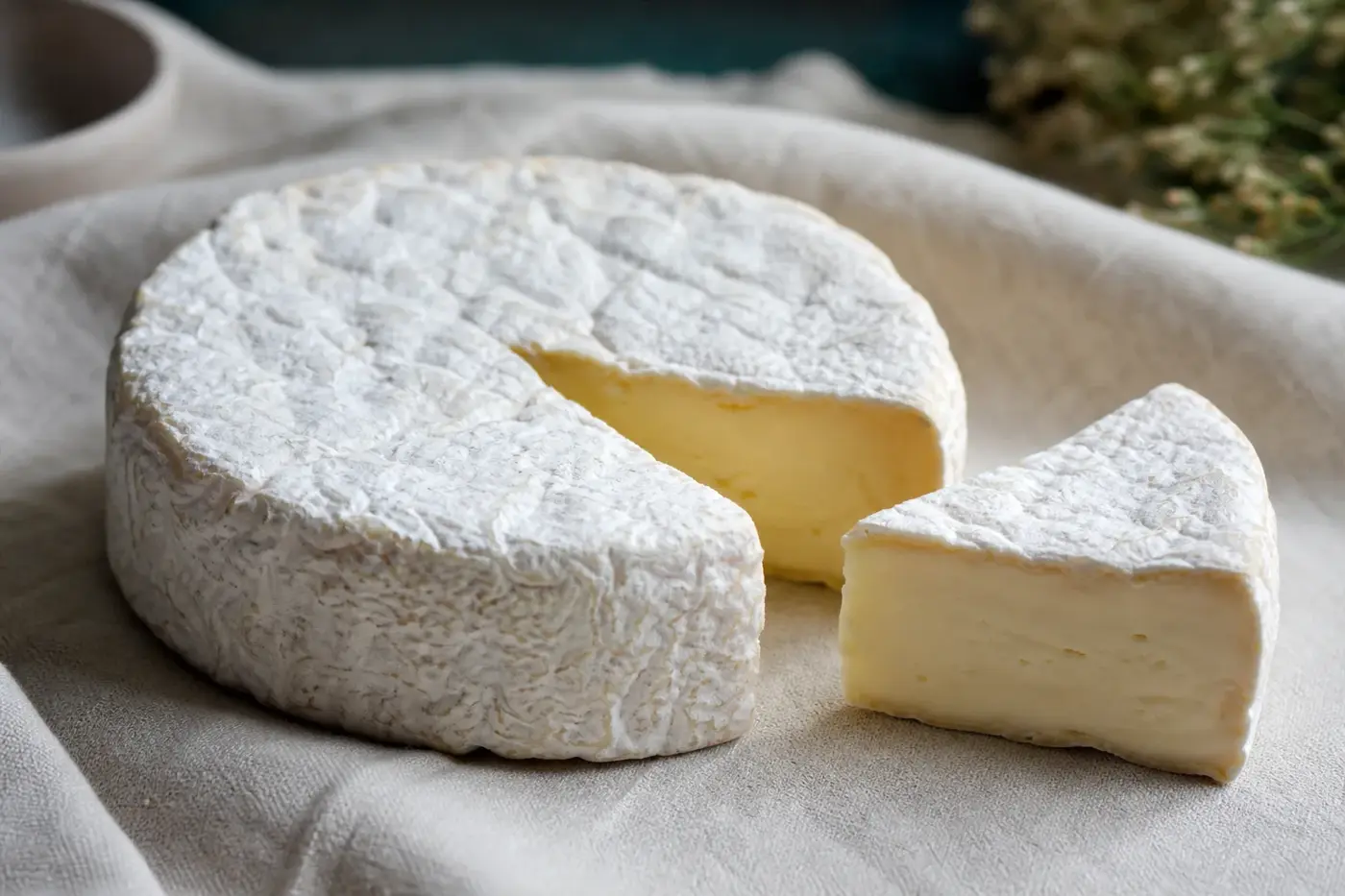
Hermelín introduces you to the white-mould surface-ripened side of Czech cheese. Beneath that pale rind, firmness and softening vary with the product and its maturity.
Try it plain before ordering a prepared pub dish. That gives its own texture and flavour a moment before oil, onion, garlic or other additions join in. Look beyond mildness or strength: is the centre still firm, or has the body softened towards the rind?
Find the places behind the protected names
Olomoucké tvarůžky, Jihočeská Niva and Jihočeská Zlatá Niva appear in EU registration or approved-amendment documents as protected geographical indications, or PGIs. Their ties to place are not identical. Haná and its cheesemaking reputation underpin tvarůžky; regional milk, production and ripening underpin the South Bohemian blue-cheese documents. [1, 3, 4]
| Exact name to look for | EU document to know | Its connection to place | Requirements to bear in mind |
|---|---|---|---|
| Olomoucké tvarůžky | Approved standard amendment published 3 April 2025 | Haná, with Olomouc as its historical, geographical and economic centre | Sour skimmed curd; surface-smear ripening; maximum 1% fat in the whole cheese. [1, 2] |
| Jihočeská Niva | Commission Regulation (EU) No 24/2010, shown by EUR-Lex as in force | South Bohemian name | Consult the detailed current specification for its requirements. [4] |
| Jihočeská Zlatá Niva | Amended single document published 5 March 2021 | Southern Bohemia, defined through the territorial legislation cited in its document | Regional cow’s milk; production and ripening within the area; at least six weeks’ ripening. [3] |
Take a closer look at the South Bohemian blues
Look through Jihočeská Zlatá Niva’s off-white to cream paste and you will see green to bluish-green marbling of Penicillium roqueforti. Its published description calls for a sticky, evenly ripened consistency. Expect salty, pungent flavour with a sharp finish. [3]
The same document sets fat content at 60% to less than 65% fat in dry matter. That means fat as a proportion of the cheese once water is excluded, not grams of fat per 100 g of cheese. It also distinguishes the consistency from Jihočeská Niva and requires at least six weeks of cellar ripening. [3]
Tvarůžky belongs to its region in a different way. Its protected-name documents require the described cheesemaking stages to happen in Haná, without further specific geographical-origin requirements for raw materials. Jihočeská Zlatá Niva, by contrast, requires regional milk. [1]
For the vocabulary, turn to protected names explained. At the counter, how to read a cheese label helps you separate the registered name, maker’s details and composition declaration.
Pull up a chair at the Czech pub table
You do not need a formal cheese course to meet Czech cheese. Two pub dishes bring it firmly into the meal, without requiring you to save room until the end.
Smažený sýr is fried cheese, generally enclosed in breadcrumbs. The pleasure lies in the contrast: crisp coating, softened cheese. Potatoes or chips and tartare sauce are familiar companions, while the cheese itself depends on the kitchen.
Nakládaný hermelín brings Hermelín together with an oil-based mixture and seasonings, commonly onion, garlic and spices. With bread, it makes a substantial pub snack. Ask what goes into the preparation, because those additions can contribute as much character as the cheese.
Plain bread is useful company for tvarůžky, too. Try a small piece alone, then another with bread. The maker’s shop describes helping customers choose between gently ripened and more thoroughly matured cheeses, so ask about maturity rather than simply requesting the strongest. This need not be a competitive sport. [11]
Czech beer often accompanies cheese in pubs; water or an alcohol free drink is another option. Adults of legal drinking age who choose beer can order a small serving. People who are pregnant, driving, taking medicines that interact with alcohol or recovering from alcohol dependence should not drink; consult the current NHS advice for the UK. [16]
Follow the story from household curd to rural change
The protected-name account traces documented tvarůžky production in Haná to the late fifteenth to early sixteenth centuries. Its starting material, sour curd, connects the cheese to the wider household practice of turning milk into food that could be shaped and developed further. The story begins well before the organised dairy. [1]
The maker’s historical account records an earlier name equivalent to farmers’ tvarůžky. It links the Olomouc name to sales through the city’s markets. The maker’s own production history in Loštice begins in 1876. [15]
South Bohemia’s blue cheeses take you into a later chapter. The Jihočeská Zlatá Niva document records production at the Český Krumlov plant from 1951. Controlled ripening cellars arrived in 2005, alongside the earlier limestone-cellar tradition. [3]
Beyond the dairies, farming underwent profound change under communism. The National Museum of Agriculture describes collectivisation from 1949 as a coercive transformation. Private farming gave way to agricultural cooperatives and state farms, reshaping land ownership and rural working life. [13]
After November 1989, cooperatives began transforming in connection with legislation opening the way to land restitution, according to the Institute for the Study of Totalitarian Regimes. Today’s substantial dairy production sits within that longer history. So does farm-level processing of sheep’s and goat’s cheese. [6, 14]
Take your curiosity to the source
Start your visit in Loštice
The Museum of Olomoucké tvarůžky brings place, production and finished cheese together. Its published visitor information describes an exhibition, guided visits and group tastings. The separate A.W. shop at náměstí Míru 11 gives you another practical starting point. [10, 11]
Contact the museum and shop before travelling. Ask about opening arrangements, booking requirements, tasting conditions and language options. Discuss any accessibility requirements relevant to your visit, too.
Seek out the blues in South Bohemia
Český Krumlov and the wider South Bohemian dairy area give you a geographical framework for seeking the two named regional blues. Their production connection is explained in the specification. At the counter, the complete name on the pack identifies the cheese you are choosing. [3]
Before planning a factory stop, look at the producer’s information for shops, organised visits or other public arrangements. A factory address alone does not mean public access is available. When asking for cheese, confirm the exact protected name.
Let markets and pubs lead you to your next taste
At a market, ask four questions: who made the cheese, which milk was used, where it was produced and how long it has matured. Those questions are especially useful when you explore farm-made sheep’s and goat’s cheeses.
In a pub, compare a plain cheese with a prepared dish if the menu allows. Ask which cheese goes into the smažený sýr. Find out what accompanies the nakládaný hermelín, too.
Make your first Czech cheese tasting count
Build your tasting around ripening, not strength alone. Start with plain Hermelín, move to a blue cheese, then try tvarůžky. Keep bread and water between samples.
Begin tvarůžky with a small piece and give its aroma a moment before tasting. Notice the golden surface and paler centre, then ask whether a less or more developed example is available. Its specification explicitly recognises differences in intensity as the cheese matures. [1, 9]
With the blue cheese, study the marbling first. Jihočeská Zlatá Niva’s published description gives you clear reference points: sticky consistency, saltiness, pungency and a sharp finish. Compare those qualities rather than treating blue colour alone as a measure of strength. [3]
Finally, note the complete name, maker and maturity information. Those few details give your next tasting something meaningful to build on. “That lovely Czech blue” is an affectionate memory, but not much of a shopping list.
General information only, not medical advice: follow the official guidance where you live.
Questions people ask
What is Olomoucké tvarůžky made from?
It starts with sour, fat free curd and develops a golden surface smear as it ripens. The maker states that its cheese uses curd from pasteurised cow’s milk without added rennet.
What is the difference between Niva and Jihočeská Niva?
Niva has been used generically for a type of cheese in the Czech and Slovak republics. Jihočeská Niva is the full geographical name recorded in the EU regulation registering the cheese.
How long is Jihočeská Zlatá Niva ripened?
Its published specification requires at least six weeks of cellar ripening. The cheese has green to bluish green marbling and a salty, pungent flavour with a sharp finish.
What are smažený sýr and nakládaný hermelín?
Smažený sýr is fried cheese, generally enclosed in breadcrumbs and served with potatoes or chips and tartare sauce. Nakládaný hermelín combines Hermelín with an oil based mixture and seasonings, commonly onion, garlic and spices, and is served with bread.
Can you visit a Czech cheese museum?
The Museum of Olomoucké tvarůžky in Loštice describes an exhibition, guided visits and group tastings. Contact the museum before travelling to check arrangements and any requirements relevant to your visit.
Sources
- European Commission. Publication of an approved standard amendment to a product specification: Olomoucké tvarůžky. C/2025/2140, published 3 April 2025.
- Industrial Property Office of the Czech Republic. Olomoucké tvarůžky: product specification. Version linked from the 2025 approved-amendment publication, file
specifikace_202432.pdf. - European Commission. Publication of the amended single document: Jihočeská Zlatá Niva. 2021/C 76/08, published 5 March 2021.
- European Commission. Commission Regulation (EU) No 24/2010 of 13 January 2010 entering a name in the register of protected designations of origin and protected geographical indications [Jihočeská Niva (PGI)]. Published 14 January 2010; EUR-Lex displays the act as in force.
- European Commission. Communication publishing raw milk production quantities pursuant to Article 149(5) of Regulation (EU) No 1308/2013. C/2024/2994, 2024; table reporting 2022 production.
- Ministry of Agriculture of the Czech Republic. Situační a výhledová zpráva: Ovce a kozy 2025. Section on sheep’s and goat’s milk and cheese production.
- Czech Statistical Office. Výsledky chovu hospodářských zvířat v Kraji Vysočina v roce 2024. Updated 12 February 2025.
- Czech Statistical Office. Výsledky chovu skotu v Jihočeském kraji v roce 2024. Regional report, 2025.
- A.W. Olomoucké tvarůžky. O tvarůžkách. Undated manufacturer’s product and production account, retrieved November 2026.
- A.W. Olomoucké tvarůžky. Muzeum. Undated venue information, retrieved November 2026.
- A.W. Olomoucké tvarůžky. Prodejny A.W. Undated shop information, retrieved November 2026.
- Madeta. Plísňové sýry. Undated manufacturer’s product catalogue, retrieved November 2026.
- National Museum of Agriculture. 2A. English exhibition text on collectivisation, undated, retrieved November 2026.
- Institute for the Study of Totalitarian Regimes. Jiří Urban o dopadu zákona o JZD na československý venkov. Published institutional interview, undated in the retrieved passage.
- A.W. Olomoucké tvarůžky. Střípky z historie and company home-page historical account. Undated producer statements, retrieved November 2026.
This desk-researched draft brings together official cheese documents, agricultural statistics, institutional history and producers’ published product and visitor information.
Last checked: November 2026
Last checked November 2026.
The cheeses of Czechia
The editors suggest you read next
French Cheese: The Complete Guide
Picture Normandy’s pastures, then follow the milk towards the Loire’s goat dairies, the Jura’s shared cheesemaking traditions and the sheep country of the Pyrenees.