Dunmanus
A Swiss cheese harp slips through curd in a copper-lined vat at Coomkeen, near Durrus village in West Cork.
A Swiss cheese harp slips through curd in a copper-lined vat at Coomkeen, near Durrus village in West Cork.[2][3] You might expect mountains outside the door. Here at Durrus Cheese, though, a mountain-style tradition has settled by the coast, producing Dunmanus: a hard, aged cow’s milk cheese made only with summer milk.[1][2]
| At a glance | What to know |
|---|---|
| Name | Dunmanus.[1] |
| Maker | Durrus Cheese.[1] |
| Home | Coomkeen, County Cork, Ireland.[2] |
| Milk | Cow’s milk. Published sources disagree about its treatment.[1][4] |
| Making season | Summer milk only.[1] |
| Style | Hard, aged, mountain-style.[1] |
| Wheel size | 3 kg.[1][4] |
| Maker’s minimum maturation | 6 months.[1] |
| Maker’s eating-age range | 6 to 14 months.[1] |
| Rind | Natural.[4] |
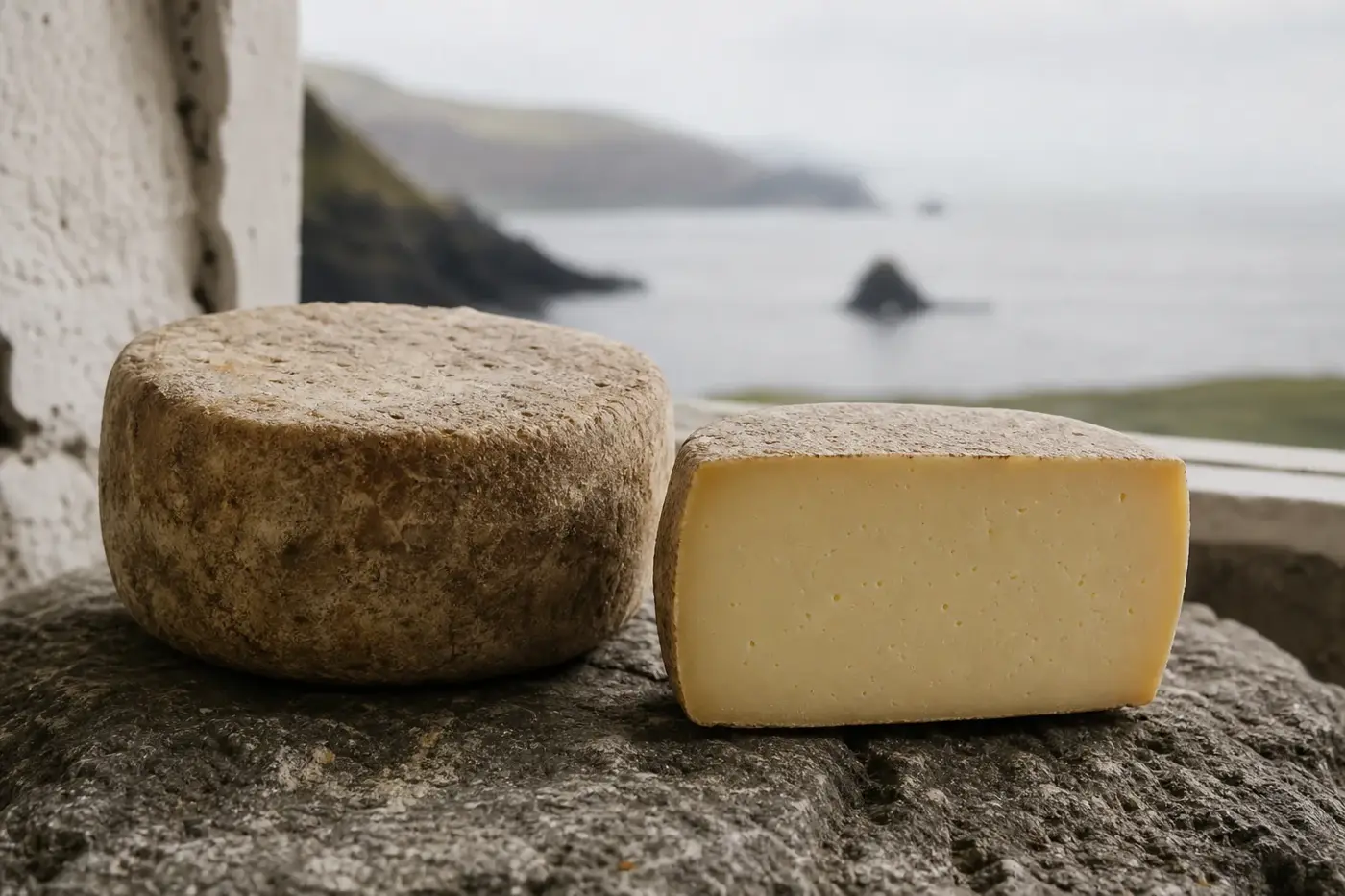
| Inside | Firm, straw-coloured paste.[4] |
| Rennet type | Not specified here. |
| Aroma | Not specified here. |
| Serving temperature | Not specified here. |
Meet the firmer member of the Durrus family
At the cheese counter, it helps to get your introductions straight. Durrus Cheese is both the dairy’s name and the name of its original semi-soft cheese. Dunmanus is the firmer, longer-aged member of the family, so ask for it by name if that is the piece you want to take home.[1][4]
“Mountain-style” gives you a useful first clue: this is a pressed cheese made for extended ageing. After that, let this Irish maker’s interpretation and the age of your piece guide you. There is no need to make every mouthful audition for the role of a continental cheese.[1]
From the family kitchen to the old haybarn
The farm’s cheesemaking story began in 1979, in the kitchen. In the maker’s account, the work gradually spread into converted farm buildings, leaving the family house in 1991. The dairy’s home in this valley grew around the daily business of making cheese and giving it time to mature.[2]
You can trace that growth through the buildings. A dedicated dairy building holds the cheesemaking room and curing rooms, while a former haybarn provides space for curing, packing and dispatch. The old milking parlour became a showroom, another farm building finding a fresh purpose in the dairy’s story.[3]
Dunmanus Bay belongs in that story, too. The maker names two supplying herds, one on the bay’s shores; Bord Bia describes two neighbouring farms. The coastal connection begins with those farms and follows their milk into the vat.[2][4]
A summer cheese with time on its side
Only summer milk goes into Dunmanus. The maker links that choice to cows grazing coastal meadows through the long summer days. Atlantic weather and grass are part of its explanation for choosing one season’s milk rather than making this cheese throughout the year.[1]
Before buying, look at the label for the milk treatment. The maker describes pasteurised milk; Bord Bia describes raw milk, and neither account establishes when any change occurred. For the piece you are buying, use the declaration on its label.[1][4]
Making season and eating season are quite different things. Months of maturation can bring a summer-made wheel to your plate in another season altogether. Ask when yours was made and how old it is now: summer milk does not mean you have to wait for summer to eat it.[1][4]
Follow the curd from copper to wheel
Back at the vat, the Swiss cheese harp is a frame strung with cutting wires. It cuts the curd by hand, dividing the coagulated milk solids that will become cheese. The maker describes hand-turning and brining across its range, and specifically confirms that Dunmanus is pressed.[1][3]
Pressing and extended ageing set Dunmanus apart within the dairy’s family. The maker gives a minimum maturation of six months and an eating-age range of six to fourteen months. Those are its benchmarks for production and readiness to eat, so ask where your wheel sits within them.[1]
A few questions will help you choose. How old is the wheel, and does your cut piece come from the same batch as the sample? Ask the cheesemonger to describe its texture, then keep those answers with your tasting notes so you can connect age and batch with what you enjoy.
Take a look, take a bite, take your time
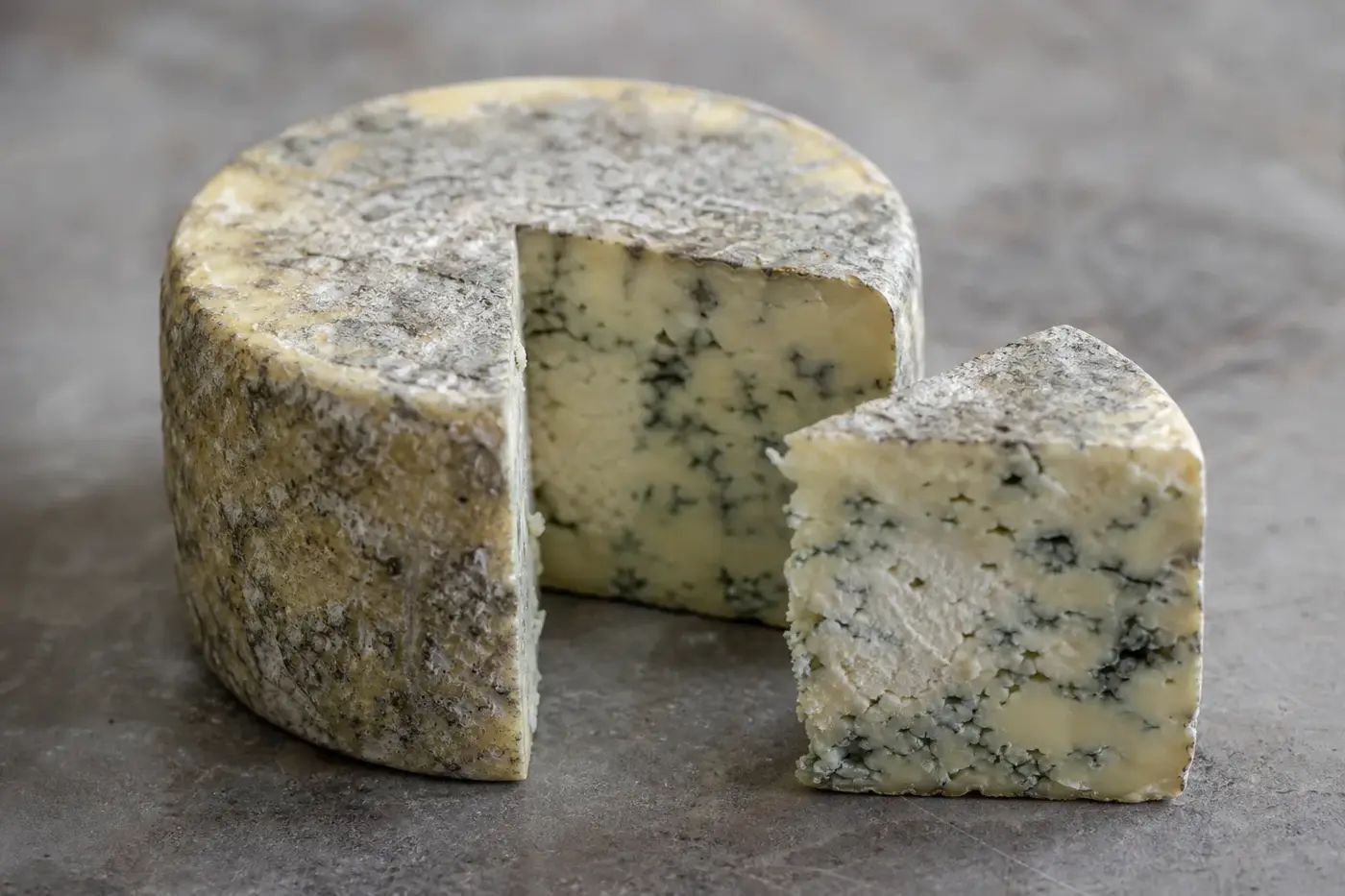
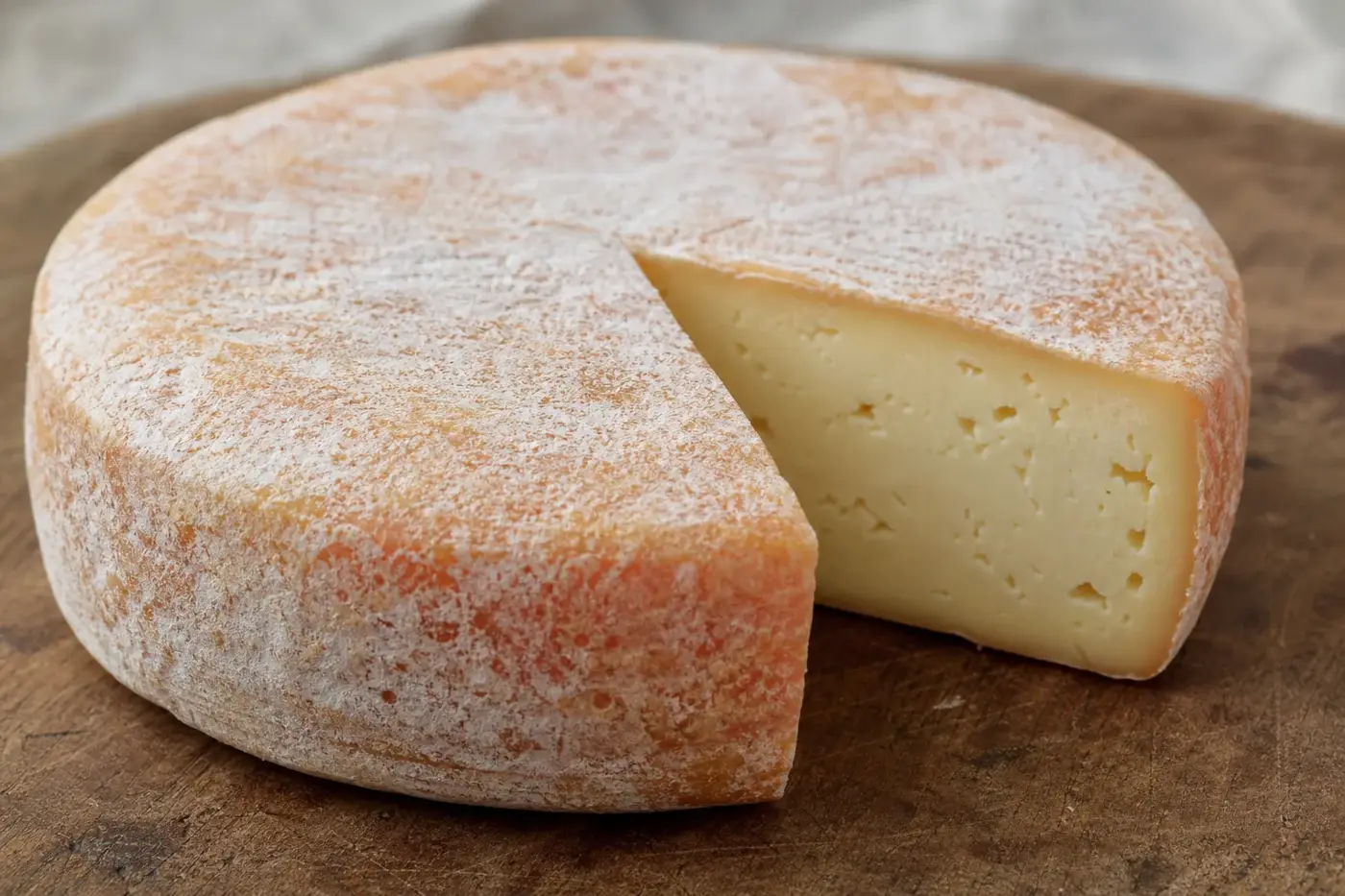
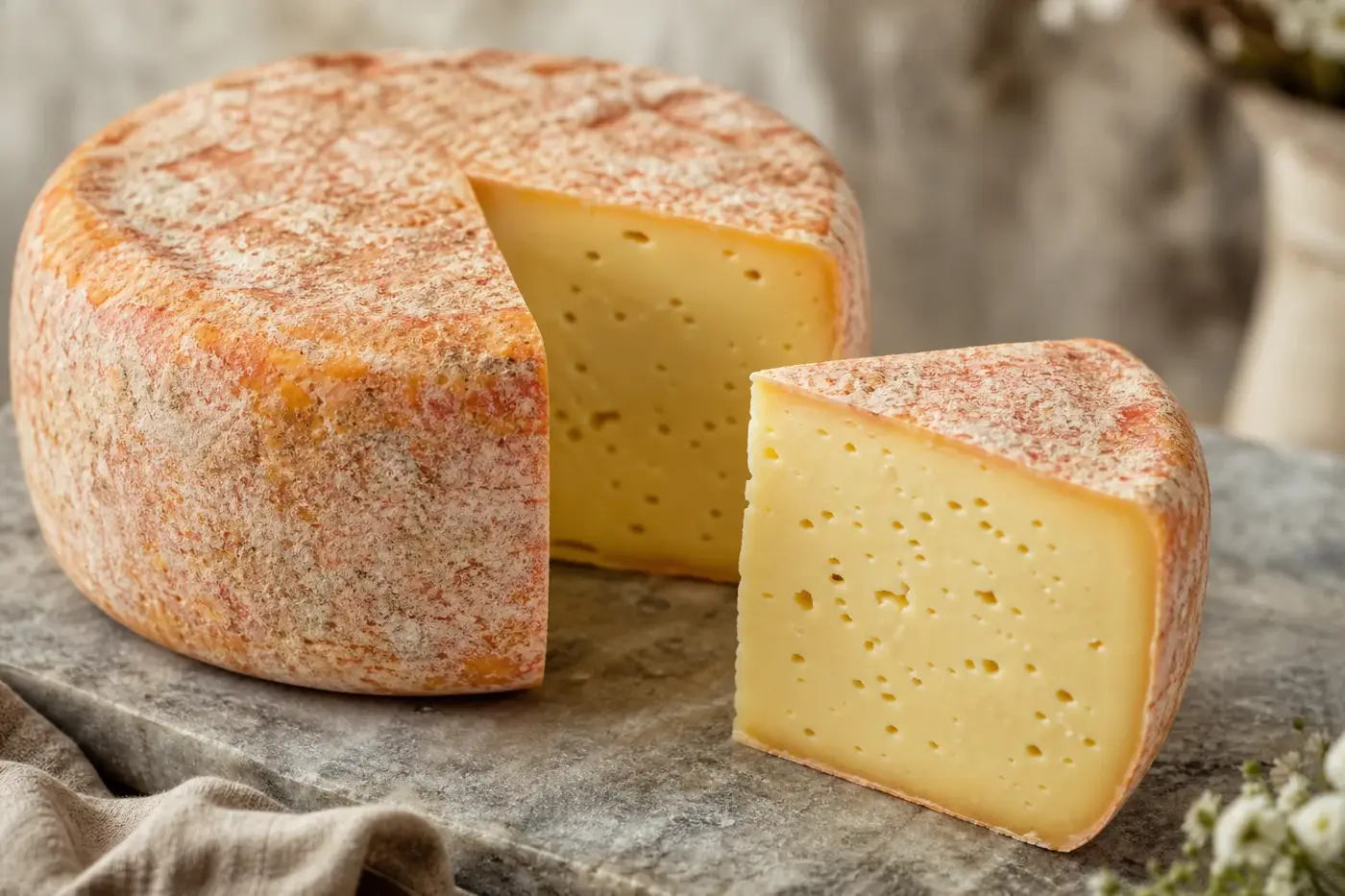
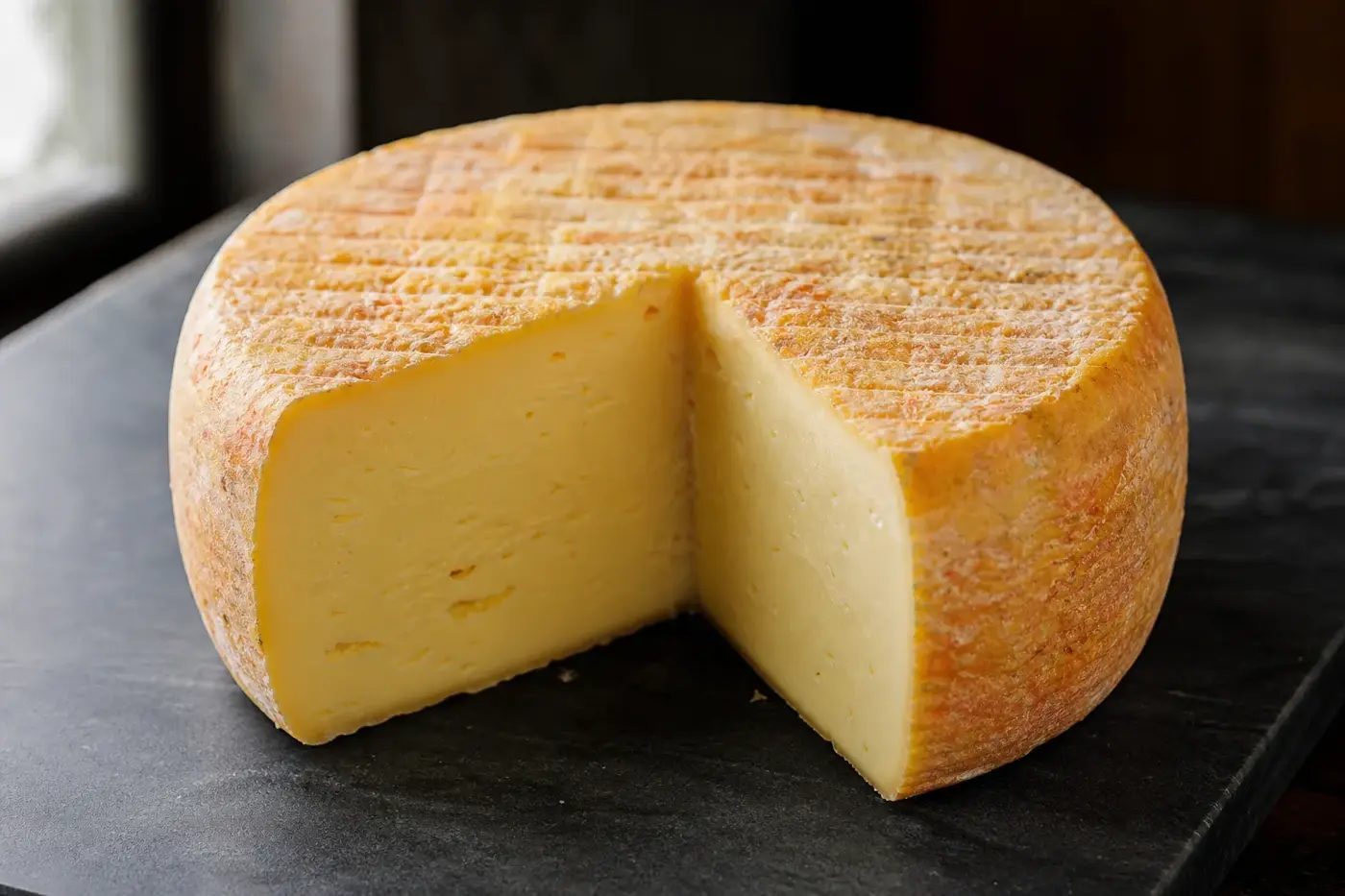
Start with the glassy cut face, before bread or accompaniments join in. Bord Bia describes a firm, straw-coloured interior beneath a natural rind, with nuttiness and a peppery note. Taste a plain piece and see how those descriptions fit the cheese in front of you.[4]
Age gives you another way into the flavour. At six months, the maker describes gentle sweetness and nuttiness; beyond ten months, its notes become more savoury and grassy, with some sharpness. If you have two pieces of known ages, try them side by side and follow that progression for yourself.[1]
Notice three things separately: the smell before you eat, the feel of the paste as you chew, and the flavours that linger afterwards. Ordinary words do the job beautifully. If pepper or grass does not come to mind, write down what does: there is no examiner hiding behind the cheeseboard.
Make a little space for Dunmanus
Begin with a few thin pieces, plain bread and water. Taste the cheese alone before adding one accompaniment at a time. That keeps its flavour at the centre and helps you discover what you enjoy, particularly if younger and older pieces share the board.
Cut a little first, then replenish as needed. Appetite, the number of cheeses and the rest of the meal all count; a tasting calls for a different approach from a cheese-centred lunch. Keep the remaining piece wrapped according to its storage instructions rather than putting the whole supply on display.
For storage in Ireland, the Food Safety Authority of Ireland’s guidance, dated here to November 2026, advises a fridge temperature of 0 °C to 5 °C and following the product’s storage instructions. Use the label alongside that official advice when deciding how to handle your piece.[6]
Find the company you like it to keep
Let the published flavour descriptions suggest combinations, not dictate them. Place accompaniments beside the cheese rather than over it, so everyone can choose. Start gently and save a plain piece for comparison when stronger flavours arrive on the plate.
| Alongside your cheese | How to serve it | What to explore |
|---|---|---|
| Plain bread | Try it beside a plain piece | Give the cheese’s flavour room |
| Apple or pear | Offer a few fresh slices | Set fruit against the reported nuttiness |
| Pickled vegetables | Keep them separate | Try sharpness without dressing the whole plate |
| Water | Keep a glass nearby | Reset between combinations |
| Alcohol-free apple drink | Pour a small glass | Compare fruit with savoury notes |
For a simple tasting, begin with water or the apple drink. Bring in accompaniments one by one, returning to the cheese itself as your point of comparison.
Save a piece for the kitchen
The dairy suggests Dunmanus for cheese on toast, gratins, grating over pasta and straightforward lunches.[1] For your first attempt, choose one simple use rather than a dish where several cheeses compete for attention. Keep a small uncooked piece aside so you can compare its flavour with the cooked result.
Bring home the piece that suits your plans
Tell the cheesemonger what you have in mind: a tasting, sandwiches or cooking. Say whether you prefer a gentler or sharper impression, and try a sample if one is offered. Let the meal you want guide your choice, rather than leaving age to make the whole decision.
Keep the label until you have finished the cheese. It carries your storage directions and gives you a reference if you need to ask the seller about that batch. The guide to reading a cheese label helps you untangle the different kinds of information you may find there.
For a shared board, put the cheese’s name and age on a simple note beside it. Invite everyone to taste a plain piece before reaching for accompaniments, then compare impressions afterwards. Leave people room to notice something for themselves, without handing them a description to agree with before their first bite.
When a piece really wins you over, jot down its age, texture and accompaniments, plus whether you ate it plain or cooked. Take that note back to the seller next time. It gives you a useful starting point for finding a similar pleasure, while leaving another wheel room to surprise you.
Let your next cheese begin here
- How to Tell Cheese Styles Apart: Milk, Rind, Texture and Method: find your way around the descriptions at the cheese counter.
- How to Store Cheese at Home: make a practical plan for everyday storage.
General information only, not medical advice: follow the official guidance where you live.
Questions people ask
What kind of cheese is Dunmanus?
Dunmanus is a hard, aged cow’s milk cheese made by Durrus Cheese in County Cork, Ireland. It is made only with summer milk and comes in 3 kg wheels.
Is Dunmanus made with pasteurised milk?
The maker describes the milk as pasteurised, while Bord Bia describes it as raw, so its treatment remains unverified. Check the declaration on the label of the particular cheese you are buying.
What does Dunmanus taste like?
The maker describes gentle sweetness and nuttiness at six months. Beyond ten months, its notes become more savoury and grassy, with some sharpness.
How should Dunmanus be stored?
For storage in Ireland, the Food Safety Authority of Ireland advises a fridge temperature of 0 °C to 5 °C and following the product’s storage instructions. See the authority’s current guidance and check the cheese label.
Can you cook with Dunmanus?
The dairy recommends Dunmanus for cheese on toast, gratins and grating over pasta. It also suggests using it for straightforward lunches.
Sources
- Durrus Cheese, “Our Cheese”, undated online edition, retrieved November 2026. Dunmanus product description and the dairy’s general account of production. Source.
- Durrus Cheese, “Our Story”, undated online edition, retrieved November 2026. Farm history, production location and supplying herds. Source.
- Durrus Cheese, “Our Dairy”, undated online edition, retrieved November 2026. Dairy buildings, copper vat and adaptation of farm premises. Source.
- Bord Bia, “Durrus Farmhouse Cheese”, undated online profile, retrieved November 2026. Milk sourcing, Dunmanus appearance, flavour, format and pairing; its milk-treatment statement differs from the maker’s. Source.
- Cáis, “Medal Winners 2019”, Irish Cheese Awards results, 2019, second page. Dunmanus entry and category. Source.
- Food Safety Authority of Ireland, “Storing food safely”, undated consumer guidance, retrieved November 2026. Sections on refrigerator temperature and following storage instructions. Source.
- Bord Bia, “Durrus Cheese”, Origin Green members directory, online edition retrieved November 2026. Corroboration of the dairy’s location and inclusion of Dunmanus in its range. Source.
- Food Safety Authority of Ireland, “Food Alerts”, online notice index, retrieved November 2026. Consulted for the editorial recall check, subject to the verification limitation recorded below. Source.
Researched from the maker’s published accounts, Bord Bia profiles, original competition results and Irish official storage guidance; serving combinations are identified editorial suggestions.
Last checked: November 2026
Last checked November 2026.
The editors suggest you read next