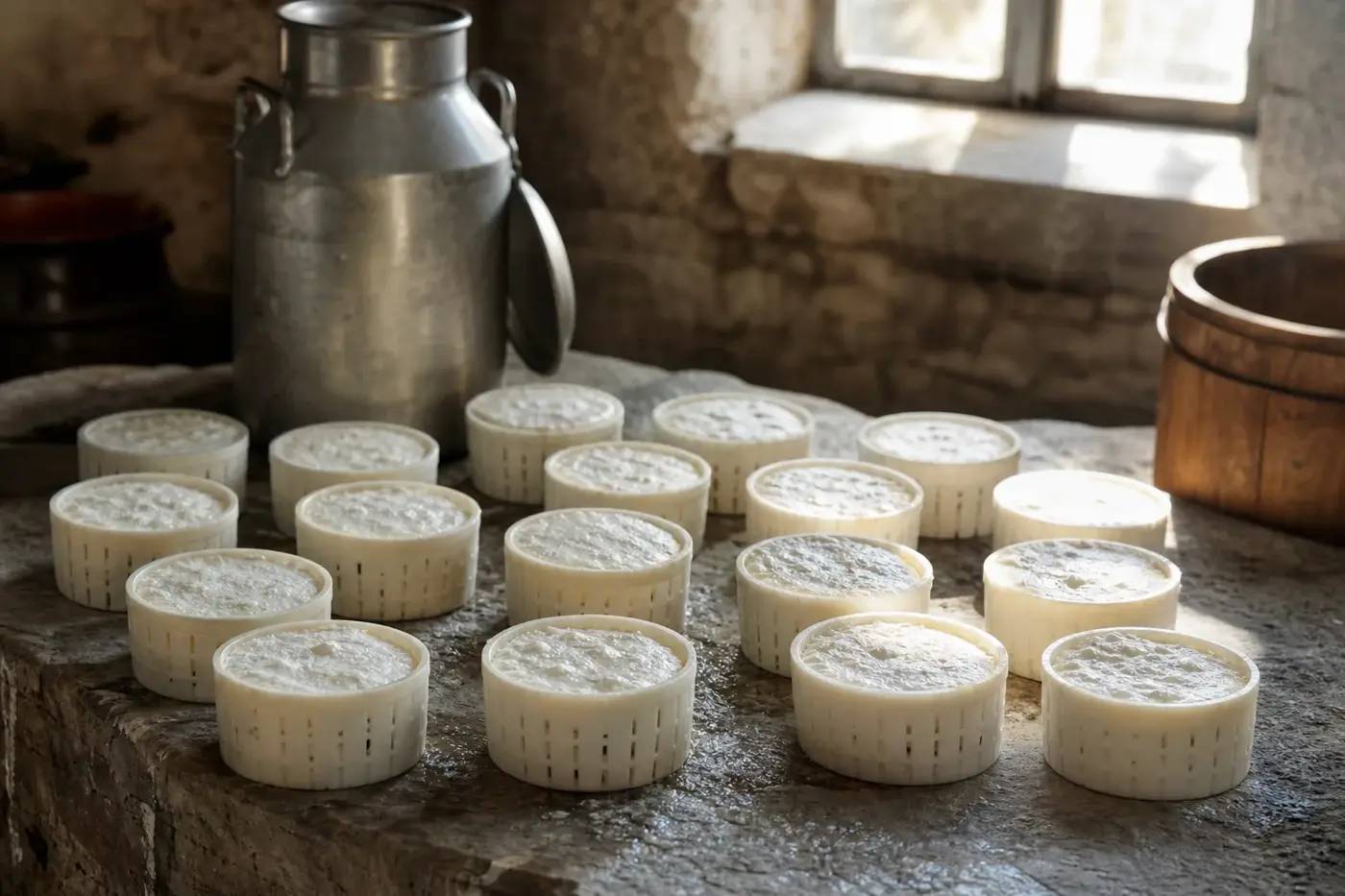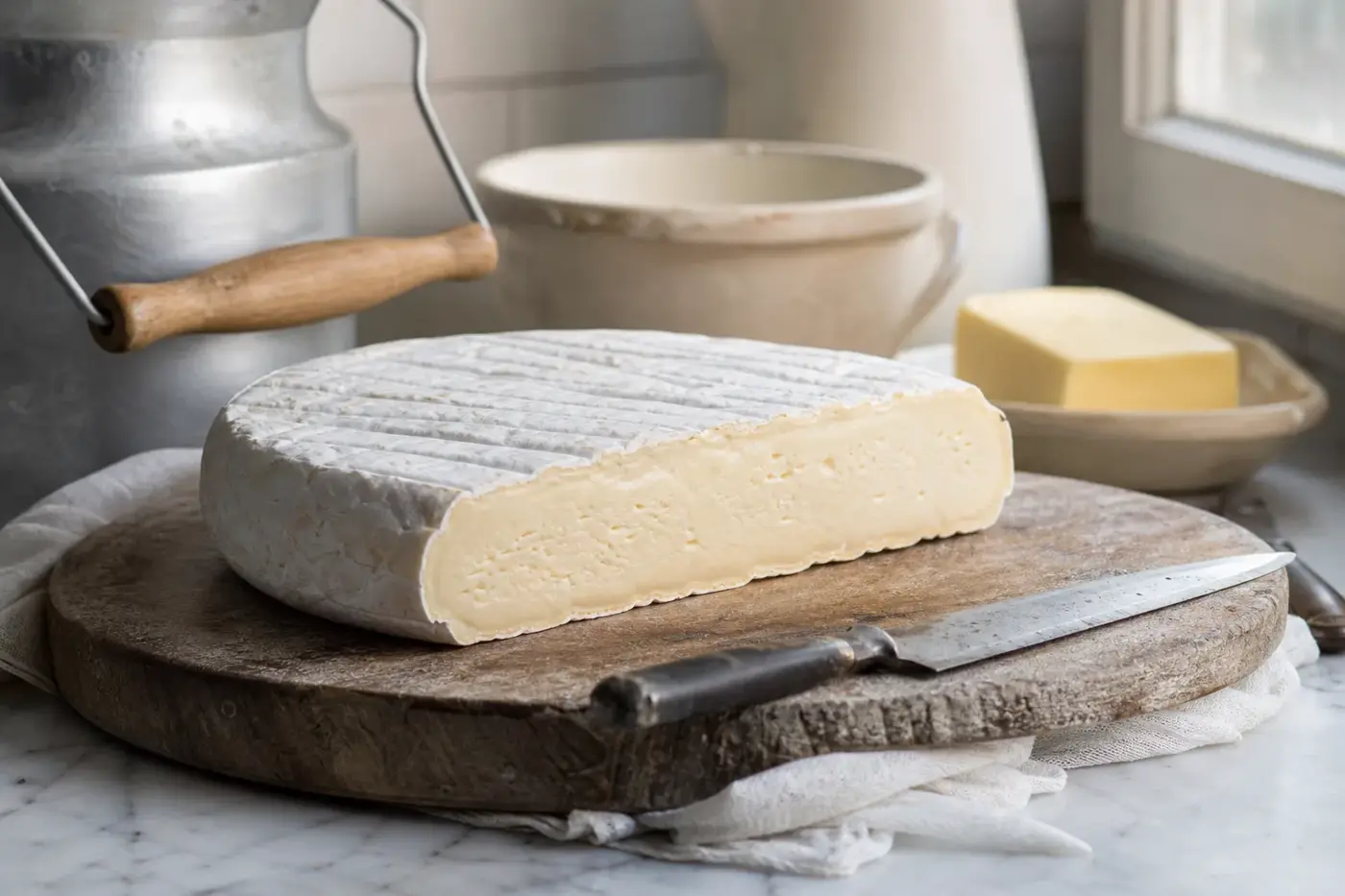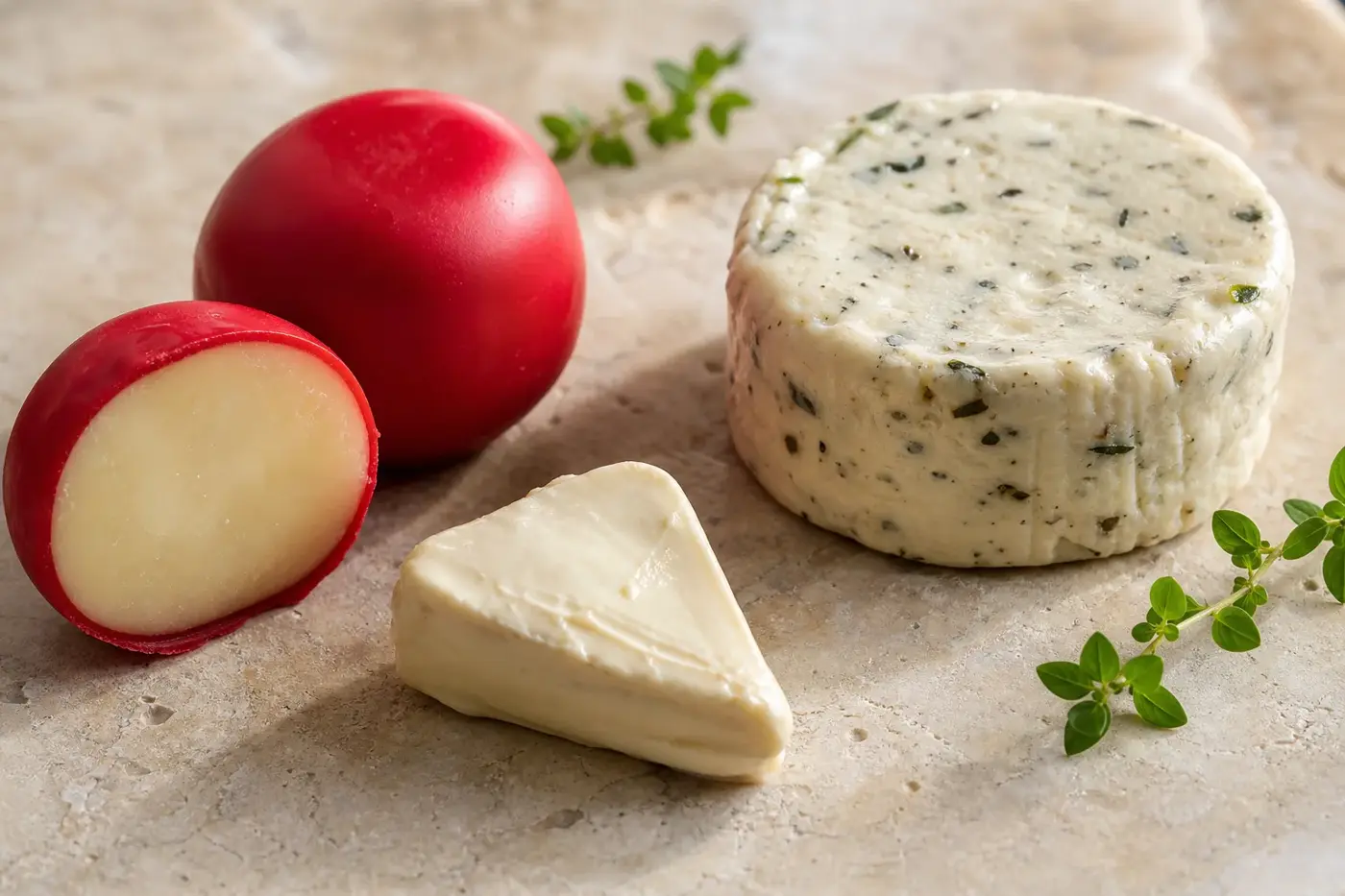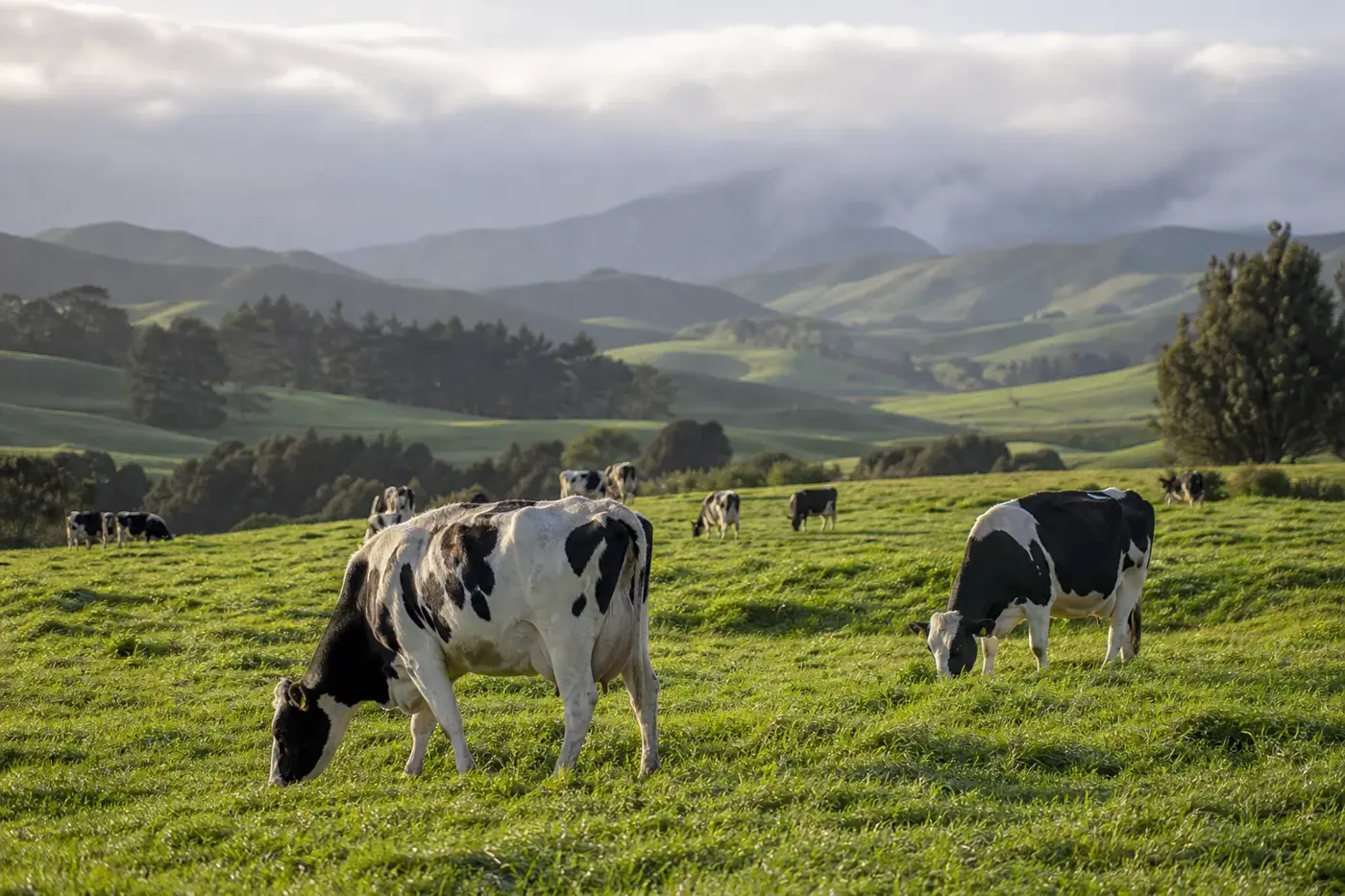
Milk arrives from New Zealand farms. Overseas customers wait at the other end of its journey. Between those two scenes sits Fonterra, brought into business on 16 October 2001 by merger resolutions and documents filed that afternoon.[3][4]
New Zealand Dairy Group, Kiwi Co-operative Dairies and assets of the New Zealand Dairy Board came together that day. They created a cooperative built around farmers’ milk and overseas markets. If you are looking for a single cheese with Fonterra stamped on its rind, you will need a different shopping list.[3][4]
Today, Fonterra turns that milk into cheese and other dairy ingredients for food manufacturers and professional kitchens worldwide. It remains farmer-owned, rather than a single cheese brand. On 31 March 2026, it completed the sale of Mainland Group to Lactalis, sharpening its focus on business-to-business operations.[1][2]
| Fonterra at a glance | What you need to know |
|---|---|
| Exact legal entity | Fonterra Co-operative Group Limited.[1] |
| Headquarters | Auckland, New Zealand.[1] |
| Ownership | Farmer-owned cooperative.[5] |
| Listed securities | Cooperative shares, FCG, and separate Fonterra Shareholders’ Fund units, FSF, traded on NZX.[1][6] Consult current trading restrictions and voting rights. |
| Main businesses | Ingredients and Foodservice.[2] |
| Principal business brands | NZMP and Anchor Food Professionals.[2] |
| Ownership snapshot | November 2026.[1][2][5] |
How farms found a route to the world
Picture the journey from a member farm to an export customer. Fonterra’s formation brought processing and international marketing into one organisation, connecting those ends more directly. The businesses that combined on 16 October 2001 already worked for dairy farmers.[3][4]
Collective processing gave those farmers access to manufacturing capacity. Bringing that capacity together with international marketing created a business spanning milk collection and overseas customers. Fonterra’s own history identifies the Dairy Industry Restructuring Act 2001 as the legislation that enabled its creation.[4]
That connection still shapes the cooperative. Manufacturing decisions begin with milk arriving from member farms and reach towards demand in distant markets. To understand Fonterra, you need to keep both ends of that journey in view, rather than focus on one cheese bearing its name.[1][5]
Meet the farmers who supply and own it
Fonterra’s farmer members have two roles: they supply the milk and own shares in the cooperative. They invest as well as deliver. Payment for their milk and distributions on their shares are separate parts of that relationship.[5]
Running the business brings another division of responsibilities. The board directs the company, management runs its operations, and the elected Fonterra Co-operative Council represents farmer shareholders’ views. The council speaks for those shareholders; it is not the executive team deciding how factories and customer businesses operate.[5]
Shares and fund units: know the difference
Buying Fonterra Shareholders’ Fund units does not make you a supplying farmer member. Those units and Fonterra cooperative shares are separate securities. Their similar names do not make them interchangeable.[1]
The fund gives investors economic exposure to shares whose economic rights have been transferred to it. A custodian holds legal title to the underlying shares, allowing outside investment to sit alongside farmer ownership. For the voting rights and trading restrictions attached to either security, consult current disclosures.[1][5]
Follow the milk through the seasons
Pasture growth sets the pace of Fonterra’s New Zealand milk supply. The company describes a farming system that follows those natural patterns. Its collection and processing network must therefore handle a seasonal flow, rather than an identical quantity of milk throughout the year.[7]
“Grass-fed” rewards a closer look, too. Fonterra’s published standard sets minimum requirements for feed and time on pasture. Its definition of “grass” includes grass silage, hay and forage crops, including legumes and brassicas, so conserved feed counts alongside grazing.[8]
Fonterra says AsureQuality certifies its New Zealand milk annually against its Grass and Pasture-Fed Standard. That certification has a defined milk supply and scope. You should not take it to cover every product carrying a familiar dairy brand.[8]
Collection is where farms and factories meet. The cooperative gathers its farmers’ milk and directs it through the processing network. Then comes the commercial challenge: finding suitable uses for its different components while customer demand keeps changing.[1][5]
Where the cheese comes into the story
Cheddar and mozzarella tell you the cheese style. NZMP and Anchor Food Professionals tell you about the businesses through which Fonterra serves customers. For a particular cheese, look at the current product, its intended job and where it is manufactured.[1][9]
The cheese vat connects to the wider ingredients business, too. Fonterra reports that making more cheese increases the availability of protein co-products. One manufacturing stream feeds into others across its network.[1]
Want to follow the methods behind the styles? Read cheddar, mozzarella and how cheese is made. Fonterra’s company story is about coordinating production, product development and customers across that larger system.
From ingredient orders to busy kitchens
NZMP supplies dairy ingredients to manufacturers. Anchor Food Professionals serves professional food preparation, where chefs and operators need products suited to their kitchens and menus. Each follows a different route to the person who eventually eats the food.[2][9]
Consumer brands have another job: they are the names you recognise on finished packs. Fonterra historically held all these activities within one group. Since the Mainland transaction, its continuing strategy has centred on Ingredients and Foodservice, while it also supplies products to businesses it previously owned.[2]
| Business or brand | Where you will find it after the Mainland sale, November 2026 |
|---|---|
| NZMP | Fonterra’s dairy ingredients brand.[2] |
| Anchor Food Professionals | Fonterra’s professional foodservice brand; territorial transfers are detailed below.[2] |
| Mainland and other divested consumer brands | Part of the consumer business acquired by Lactalis, subject to existing geographical rights.[2][10] |
| Anchor consumer business in Greater China | Retained by Fonterra.[2] |
| Anchor in the United Kingdom | Listed by Arla as one of its brands.[11] |
A familiar name on two products can therefore lead you into different business relationships. The brand tells one part of the story. The manufacturer, milk supplier and distributor tell others.[2][11][12]
The Mainland sale: what left and what stayed
Fonterra completed the sale of Mainland Group to Lactalis on 31 March 2026. If you encounter material describing an expected transaction or outstanding approvals, you are reading about an earlier stage. That is not the position in November 2026.[2]
The completion announcement lists the global Consumer business and consumer brands, excluding Greater China, among the transferred operations. It also lists the integrated Foodservice and Ingredients business in Oceania, the integrated Foodservice business in Sri Lanka, and the Middle East and Africa Foodservice business. Fonterra retained the Anchor brand in Greater China.[2]
An earlier transaction explanation named brands including Mainland, Anchor, Kāpiti, Anlene, Anmum, Fernleaf, Western Star and Perfect Italiano. For the exact brand owning entities and rights, you need the details for the individual market. A global brand list cannot tell you all of that.[10][11]
Ownership changed, but the supply chain did not simply stop. Fonterra agreed to supply Lactalis with raw milk for a minimum of ten years. It also agreed to supply ingredients and other products, including bulk cheese, for a minimum of six years; both arrangements include automatic renewal provisions.[2]
That distinction matters when you pick up a product. It can still contain Fonterra-supplied dairy after the consumer business behind it has passed to another owner.[2]
Finding Fonterra on your table
Much of Fonterra’s international reach sits behind somebody else’s finished food. Ingredients customers manufacture products, while foodservice customers prepare food for diners. Its influence therefore stretches beyond products carrying its own name.[2][9]
Fonterra has a European business website. To identify the supplier behind a particular British supermarket cheese or restaurant dish, though, you need information about that specific product.[13]
Anchor shows you why geography matters. Arla lists Anchor among its brands, while the UK Anchor website says its butter is made in Westbury, Wiltshire, using British cream. Here, a familiar name with New Zealand associations belongs to a British-made product in a different ownership setting.[11][12]
For a restaurant dish or prepared food, ask the operator or manufacturer which cheese and supplier it uses. The dish’s name alone cannot tell you which dairy produced its ingredients.
Understanding the 2013 whey incident
The 2013 precautionary recall involved whey protein concentrate, known as WPC80, supplied as an ingredient, including for infant formula. The New Zealand government inquiry traced the episode to material reprocessed at Fonterra’s Hautapu site. It involved a non-standard arrangement of transfer pipe and flexible hoses.[14]
Testing subsequently found elevated levels of indicator organisms. On 2 August 2013, Fonterra told the Ministry for Primary Industries that Clostridium botulinum had been confirmed. At that point, the preliminary laboratory findings still allowed for other closely related organisms, and precautionary recalls followed.[14]
The inquiry recorded no linked cases of illness. Its regulatory-system report explained that subsequent testing established the suspected botulism hazard was absent.[14][15]
The episode brings manufacturing practice and decisions under uncertainty into focus. The inquiry’s chronology distinguishes a preliminary result, a confirmed identification and a decision to recall. MPI’s tracing and verification report documents the work needed to follow an ingredient through multiple customers and finished products; for the current oversight framework, consult New Zealand official sources.[14][16]
Climate and water: reading beyond the targets
On-farm emissions and manufacturing energy sit at the centre of Fonterra’s stated climate approach. The company combines support for changes on supplying farms with work to decarbonise manufacturing, within an ambition to reach net zero by 2050. For current emissions targets and reported progress, turn to its latest report.[17][18]
Water brings a different set of questions. Farm runoff and factory wastewater affect receiving environments, while manufacturing needs reliable water supplies. Fonterra says its Farm Environment Plans identify waterways and risks, with possible actions including fencing stock out of waterways and planting buffer areas beside them.[1][19]
Its latest reporting records a 13.4% reduction in manufacturing water withdrawal against a 2018 baseline. In September 2026, Fonterra replaced its previous absolute water target. The new target is to improve water intensity by 1% annually.[1]
Those measures tell you different things. An absolute figure tracks total water use; an intensity figure relates use to activity. Read the outcome alongside its measurement basis, especially when production volumes or the product mix change.[1]
Farm plans, targets and completed projects are different pieces of the picture, too. Fonterra’s nature statements set out its intended approach. The annual report provides dated measures against which you can assess parts of that approach.[1][19]
Follow your cheese back to its source
Start with the product and the market, then work backwards. Fonterra’s retained Greater China Anchor business and Arla’s British Anchor products show why geography matters. A familiar logo is a useful introduction, but it is not the cheese’s entire family tree.[2][11][12]
- Read the food’s name and origin wording. Record exactly what the pack says about where it was made.
- Separate the named businesses. Look at whether each address identifies a manufacturer, packer, importer or distributor.
- Use the market-specific brand website. Choose the site for the country where the product is sold.
- Read dated ownership announcements. Look for confirmation that an acquisition completed.
- Ask about your particular product. A supplier declaration can tell you more than a corporate brand list.
The cheese label guide helps you organise these steps. When making an enquiry, keep the pack details, batch identification and country of purchase together.
The revealing question is what role Fonterra plays in that product’s journey. Is it the milk supplier, cheese manufacturer, ingredient supplier or brand owner? Follow those relationships and the cooperative’s global significance becomes much clearer than it does from a collection of familiar logos.[2][5][9]
Questions people ask
When was Fonterra formed?
Fonterra came into business on 16 October 2001. New Zealand Dairy Group, Kiwi Co-operative Dairies and assets of the New Zealand Dairy Board came together in the cooperative.
Who owns Fonterra, and can investors buy into it?
Fonterra is owned by farmer members who supply milk and hold shares. Investors can buy separate Fonterra Shareholders’ Fund units, but these do not make them supplying farmer members.
Did Fonterra sell Mainland?
Fonterra completed the sale of Mainland Group to Lactalis on 31 March 2026. Fonterra retained the Anchor brand in Greater China and continues to supply products to Lactalis.
What cheese does Fonterra make?
Fonterra makes cheese including cheddar and mozzarella. NZMP and Anchor Food Professionals are businesses through which it serves ingredients and foodservice customers.
What happened in Fonterra’s 2013 whey incident?
A precautionary recall involved whey protein concentrate supplied as an ingredient, including for infant formula. A New Zealand government inquiry recorded no linked cases of illness, and subsequent testing established that the suspected botulism hazard was absent.
Sources
- Fonterra Co-operative Group Limited, Annual Report 2026, financial year ended 31 July 2026, published September 2026. Report.
- Fonterra, Fonterra completes sale of Mainland Group to Lactalis, 31 March 2026. Completion announcement.
- Fonterra Co-operative Group Limited, Fonterra Now In Business, contemporary company press release, 16 October 2001, hosted by Scoop. Announcement.
- Fonterra, Milk Price Methodology and Industry Regulation, undated web edition, checked November 2026. Industry history and regulation.
- Fonterra, Governance and Management, undated web edition, checked November 2026. Governance account.
- Fonterra, Investors, current web edition, checked November 2026. Investor information.
- Fonterra, Our Co-op story, undated web edition, checked November 2026. Farming and cooperative account.
- NZMP, Grass-fed FAQs, undated web edition, checked November 2026. Standard, definitions and certification explanation.
- Fonterra, Our Brands, current web edition, checked November 2026. Business brands.
- Fonterra, Sale of consumer and associated businesses, transaction FAQ, pre-completion edition, checked November 2026. Used for its named brand portfolio, not current completion status. Transaction FAQ.
- Arla Foods, Anchor, undated brand page, checked November 2026. UK brand account.
- Anchor UK, Anchor Butter, current homepage, checked November 2026. British manufacturing and cream statement.
- Fonterra Europe, Home, current regional website, checked November 2026. European business website.
- New Zealand Government Inquiry, Report on the WPC80 Incident: Causes and Responses, November 2014, particularly the introduction and incident chronology. Inquiry report.
- New Zealand Government Inquiry, Report on New Zealand’s Dairy Food Safety Regulatory System: Executive Summary, 2013. Executive summary.
- Ministry for Primary Industries, Whey Protein Concentrate Incident Tracing and Verification Report, 25 August 2013. Tracing report.
- Fonterra, Climate, current web edition, checked November 2026. Climate approach.
- Fonterra, Our climate ambitions, current web edition, checked November 2026. Climate ambitions.
- Fonterra, Nature, undated web edition, checked November 2026. Waterways and farm environment approach.
This desk-researched article compares company disclosures with government inquiry records, separating current ownership from historical brand associations and supply relationships.
Last checked: November 2026
Last checked November 2026.
The editors suggest you read next
Who Makes the World's Cheese? The Big Dairy Groups
You pick up Galbani at the cheese counter, then pause over Kerrygold.