Kaasaffineurs Van Tricht
A young cheese gets a turn.
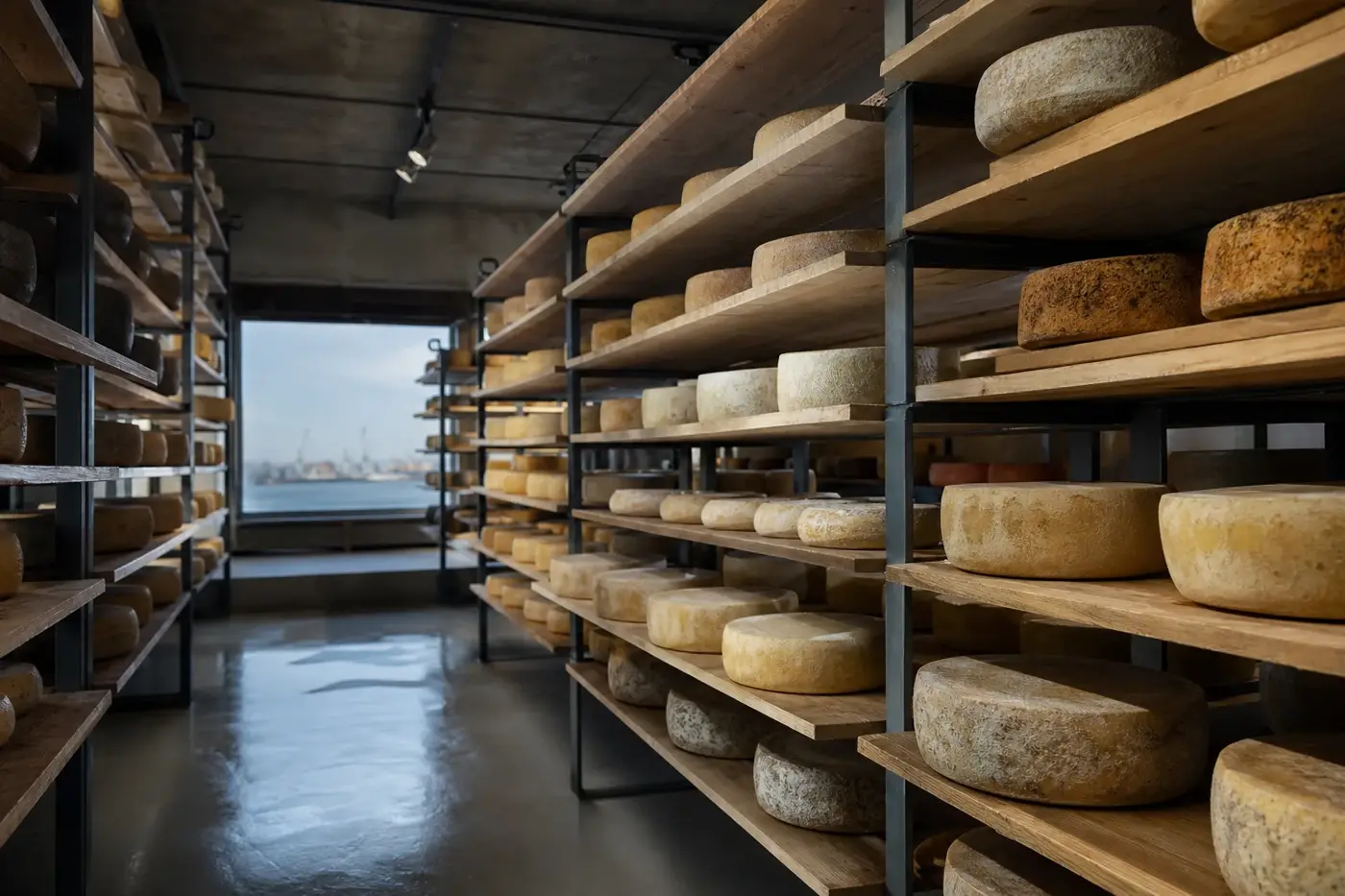
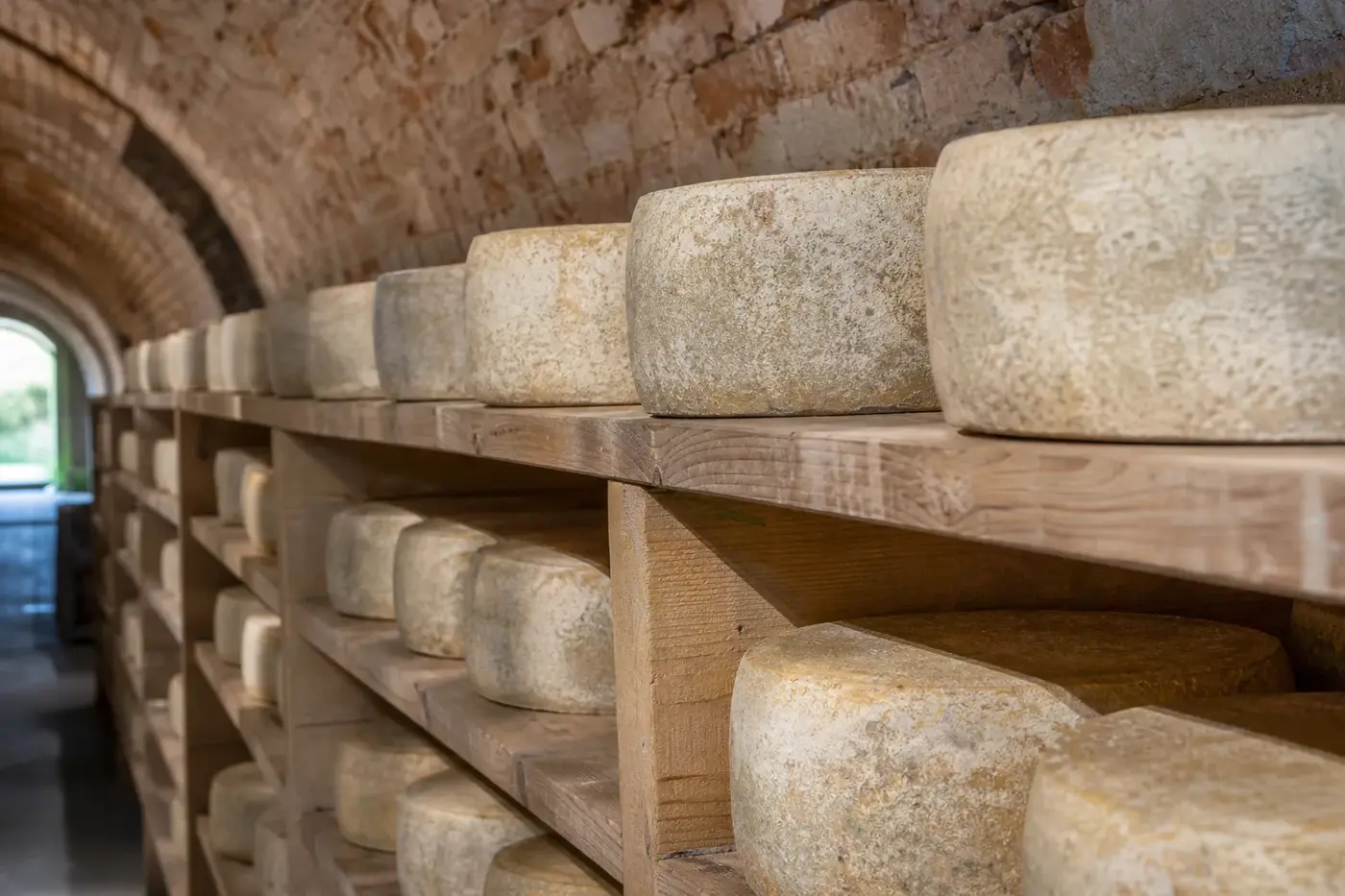
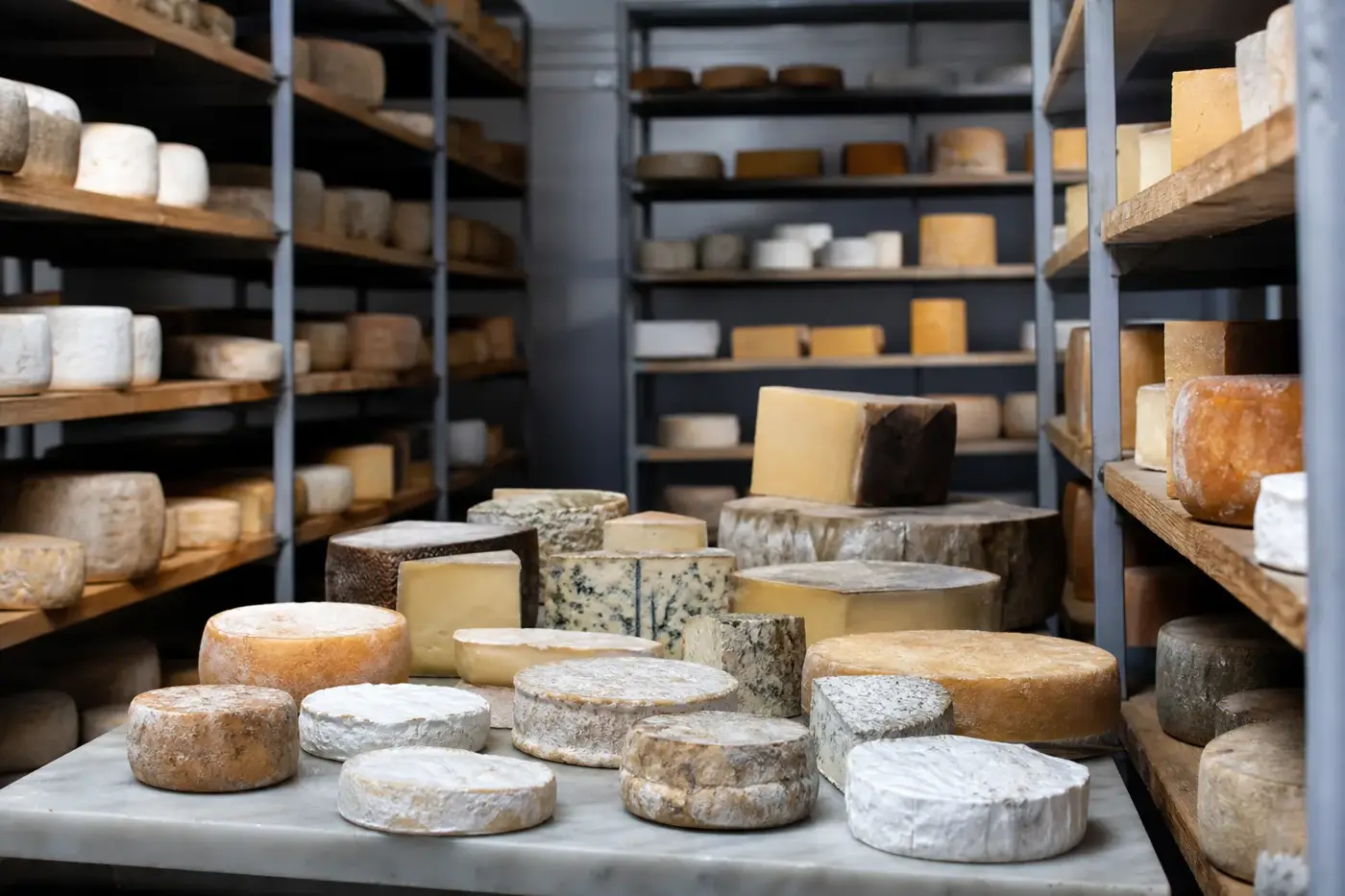
A young cheese gets a turn. Another gets a wash. Inside ten maturation rooms in Antwerp's Wilrijk district, Kaasaffineurs Van Tricht tends selected cheeses and adjusts their surroundings until they are ready to leave. Cheese can be quite particular about its accommodation. [1, 2]
Others arrive ready for the counter, with no further maturation needed. Knowing which needs attention and which is ready to go is the heart of the work. That judgement matters whether your cheese is bound for the Only Cheese shop, a restaurant or another cheesemonger. [1, 2]
| At a glance | What to know |
|---|---|
| Established | 1970, according to the business's history. [3] |
| Base | Antwerp, Belgium. Maturation and wholesale: Terbekehofdreef 47, 2610 Wilrijk. [1] |
| Main activities | Selecting and maturing cheese, wholesale distribution, export and retail. [1, 3, 10] |
| Cheeses to look for | Drunk Monk, Funky Monk and Camembert Calvados. [6, 15] |
| Advertised operations | Wholesale, export and retail, as of November 2026. [1, 9, 10] |
| Retail shop | Only Cheese, Boomgaardstraat 1-3, 2018 Antwerp, at Brouwerij De Koninck. [9] |
| Service status, November 2026 | Wholesale, export and retail services advertised. [1, 9, 10] |
After the cheesemaker, the careful tending begins
Between making a cheese and selling it, there can be plenty left to do. Van Tricht groups cheeses with similar maturation needs, then adjusts each room to suit them. These are working rooms, not simply places to stack stock: the conditions are part of the care. [1]
That attention follows the cheese beyond Antwerp. Connecting Belgian producers with customers abroad involves refrigerated transport, packaging and dispatch timing, as well as affinage, the controlled care of cheese during maturation. Selection, maturation and distribution have the same aim: getting cheese to its destination at the appropriate stage of development. [10]
When you spot the Van Tricht name, it can mean three different things. The business might have selected the cheese, matured it or helped develop it through a collaboration. Its documented range includes all three, and knowing the difference helps you understand what you are buying. [2, 4, 7]
The family shop that outgrew its cabinet
A small maturation cabinet helped set this family business on a different course. Its history dates the first shop to 1970. In a June 2026 interview on Antwerp's municipal website, the third generation recalls grandparents establishing it on Fruithoflaan in Berchem, parents taking over in 1978, and the cabinet arriving later. [2, 3]
The cabinet brought a new responsibility: deciding how cheeses should develop, rather than relying entirely on stock supplied ready to sell. An interview with retail partner CRU recalls the earlier dependence on French affineurs and buying trips to the Rungis market near Paris. More direct purchasing from farmers followed. [4]
As the work grew, the business needed different premises. The moves tell the story:
- 2012: wholesale and maturation moved to the former bottling premises at Brouwerij De Koninck in Antwerp. [1, 2]
- 2022: maturation and wholesale moved again, to Wilrijk, with ten maturation rooms. [1]
- 2026: the municipal interview records the continuing separation between the Wilrijk working premises and the public shop at the brewery. [2]
Across those generations, a neighbourhood counter grew into buying, maturation, restaurant supply and export. You can still visit the shop. It is now one part of a broader distribution operation, rather than the whole enterprise. [2]
What an affineur brings to your cheese
An affineur takes responsibility for a cheese's development after manufacture. Van Tricht makes a clear distinction between that work and cheesemaking. Producers supply the cheeses; the business decides which need more attention and which can go straight to customers. [2]
At Wilrijk, that attention can mean turning young cheeses, resting them on racks or washing selected cheeses. The treatment depends on their condition when they arrive and the result sought. One supplier's cheese may be ready for you; another needs more care before reaching the counter. [2, 4]
The Van Tricht name therefore tells you who selected or handled a cheese, not necessarily who made it. Drunk Monk is a useful example. CRU identifies it as a cheese from kaasmakerij 't Groendal associated with Van Tricht's Rex beer. [8]
Curious about what happens before the affineur takes over? Follow the journey from milk through curd formation and draining in how cheese is made.
First comes the search for the right cheese
Good maturation starts before a cheese enters the room. In its CRU interview, Van Tricht explains that expertise needs a suitable cheese to work with in the first place. Finding one involves producer visits, trade fairs, conversations with colleagues and introductions from other cheesemakers. [4]
The June 2026 municipal interview describes continuing discussions with producers and buyers. Cheeses arrive from Belgium and abroad. Some move through promptly, while others stay for further maturation, so the selection stretches beyond cheeses needing Van Tricht's own rind care. [2]
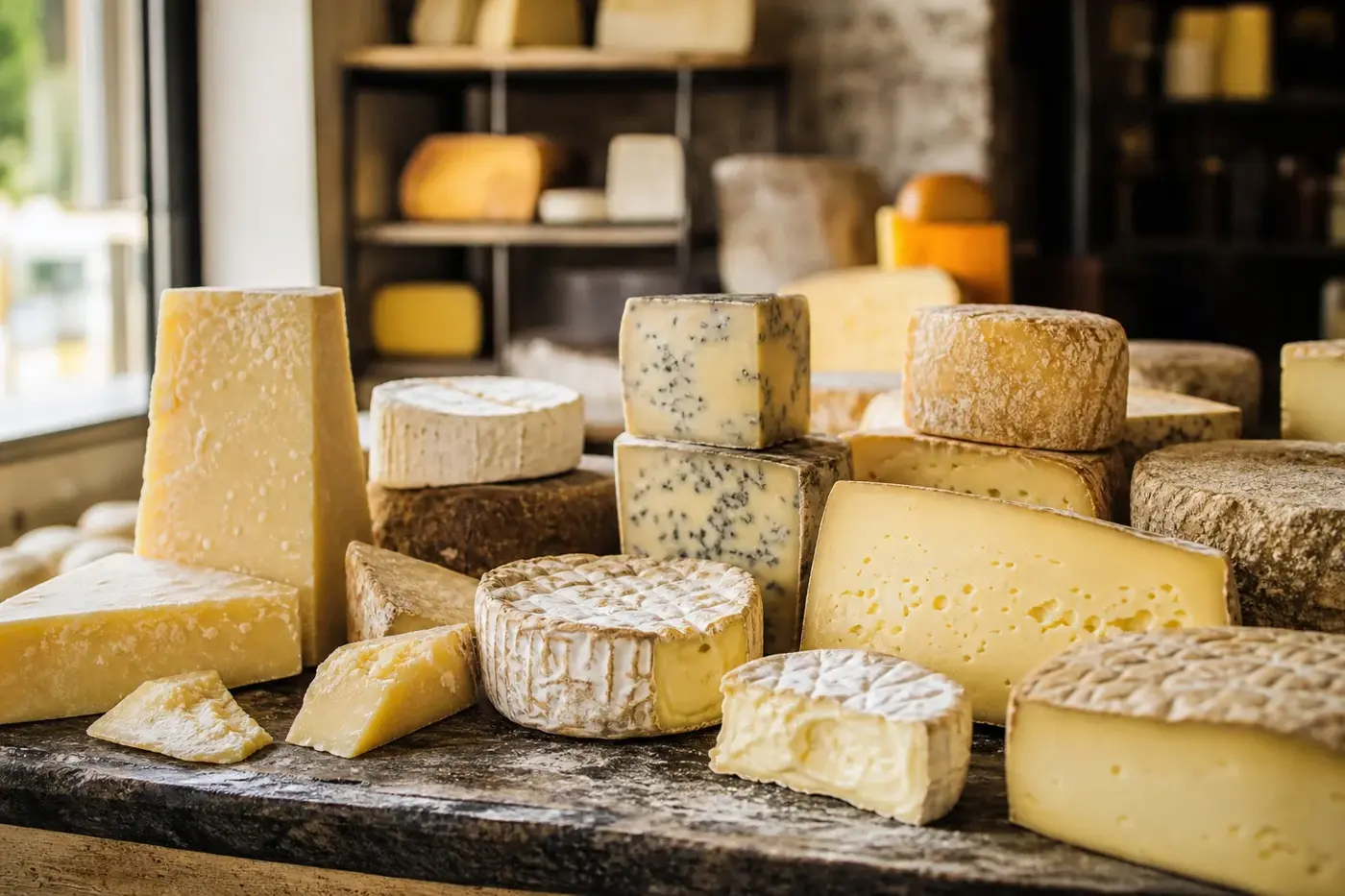
You will find Belgian producers among an international assortment. The catalogue places Belgian Farmdal, Funky Monk and Drunk Monk alongside French, Italian, British and other cheeses. Rather than a single house style, the counter brings together different milks, methods and stages of maturity. [6]
Karditsel offers a closer look at the relationship between producer and affineur. In the CRU interview, Van Tricht describes regularly turning that producer's young goat's cheeses as their rinds develop. Karditsel makes them; the affineur continues the care. [4]
Ten rooms, and the judgement to let cheese go
Ten rooms let cheeses with different needs stay apart. Van Tricht's current professional page describes grouping cheeses that share maturation conditions, then adjusting each Wilrijk room for its occupants. [1]
Temperature, humidity and air circulation can all be controlled, according to a brewery account published in November 2020. Its example is a shorter-ripened, less runny Brie, showing how timing shapes the eventual texture. This describes professional maturation, not storage instructions for your kitchen. [5]
The handling is just as particular. The CRU interview describes turning, washing, brushing and rubbing according to each cheese's type and condition on arrival. Turning young goat's cheeses encourages more even development; without it, the top can dry while moisture gathers underneath. [4]
Three decisions hold the work together: what to buy, what care it needs and when to release it. Van Tricht's accounts cover all three. More time is worthwhile when it produces the intended cheese, but a ready cheese needs prompt dispatch, not another stay. [2, 5]
Once your purchase is home, the advice changes. Turn to how to store cheese at home for that part of the journey.
Three cheeses to get to know
Drunk Monk: where cheese meets Rex beer
Drunk Monk makes the division of labour easy to follow. CRU identifies it as a semi-hard cheese from 't Groendal, matured with blond Rex beer associated with Van Tricht. You will also find it in Van Tricht's Belgian assortment. [6, 8]
Columbia Cheese's dated product sheet describes the beer-wash collaboration involving Van Tricht and Brouwerij Anders. It attributes the washing of the wheels to the cheesemaker at 't Groendal. A cheese developed with an affineur can, in other words, receive that treatment at the dairy that makes it. [7]
What can you expect from a mouthful? Columbia Cheese describes a fudgy consistency, yeasty bread notes and slight bitterness towards the rind, balanced by sweet-cream flavours. Those supplier tasting notes give you a feel for both the texture and the flavour of the washed surface. [7]
Funky Monk: a relative to taste alongside it
Funky Monk also appears in Van Tricht's Belgian catalogue. Columbia Cheese describes Drunk Monk as its beer-washed relative, with a similarly fudgy consistency but a different flavour direction from the wash. [6, 7]
That gives you something useful to look for when tasting. Texture is one thing; treatment at the surface is another. Comparing the two is a perfectly respectable reason to buy both. [6, 7]
Camembert Calvados: a familiar cheese, finished differently
Camembert Calvados appears in Van Tricht's white-rind catalogue. In the CRU interview, the business describes starting with a Camembert, washing it with Calvados, coating it with a nut mixture and leaving it to mature further. [4, 15]
Here, the contribution is finishing an existing cheese with extra ingredients and care. To explore the style beneath that treatment, see Camembert.
For your cheese shopping, head to the brewery
Only Cheese is the public shop; Wilrijk is the working maturation and wholesale site. You will find the latter at Terbekehofdreef 47. Van Tricht's current website records the 2022 move there and the installation of ten rooms. [1]
The shop sits at the De Koninck brewery site, Boomgaardstraat 1-3. Its retail page describes a seasonally changing counter and advice on choosing cheese for an occasion. It also names fresh products from other suppliers, including mozzarella and burratina from Casa Madaio: another reminder that choosing a product for sale is different from making it. [9]
If you want to buy cheese, make for Only Cheese. The June 2026 municipal interview explicitly describes Wilrijk as a working wholesale location without a shop for private customers. The two addresses have different jobs. [2]
Before travelling, consult Van Tricht's official retail page for current arrangements. Ask the business directly about accessibility, tasting opportunities or any proposed visit to the working premises. Do not assume the brewery shop and maturation site offer the same access. [1, 9]
Beer in the cheese, and something in your glass
Beer runs through Van Tricht's story both as an accompaniment and, for particular cheeses, a maturation treatment. The association with De Koninck provided a setting for that interest. Drunk Monk's Rex beer connection gives you a documented example within the cheese itself. [5, 7]
To accompany Drunk Monk, Columbia Cheese recommends a Belgian blonde ale or IPA alongside its bread-like notes and rind bitterness. Alcoholic pairings are for adults of legal drinking age, in small servings. [7]
For an alcohol-free tasting, start with water and plain bread, then add accompaniments to taste. A simple first mouthful makes the cheeses easier to compare.
Before choosing what goes beside a cheese, ask what is already in it. Camembert Calvados, for example, has a nut coating. Ask the counter about added ingredients before selecting further accompaniments. [4]
This page summarises published guidance from the official sources it cites. It is not medical advice. Guidance differs between countries and changes over time, so check the current source for where you live, and ask your doctor, midwife, pharmacist or dietitian about your own circumstances.
Food safety: follow the cheese's journey
Behind the counter, traceability connects a cheese to its producer and follows its subsequent handling. Belgium's Federal Public Service Health places it alongside self-checking and hygiene controls as a foundation of food-business operation. Self-checking means the operator's own monitored system for meeting the requirements that apply to its activities. [11]
EU Regulation (EC) No 852/2004 establishes food-business hygiene responsibilities and HACCP-based procedures. HACCP means systematically identifying and controlling food hazards. Traceability duties sit within Regulation (EC) No 178/2002, while Belgium's official guidance describes identifying incoming products, keeping links through handling and recording onward destinations. [11, 12, 13]
For an affineur, those records connect the cheese received from a producer with the cheese later matured, cut, packed or distributed. If a problem affects particular products, the records also allow targeted withdrawals. [11]
Belgium's FASFC publishes product recalls and warnings. Consult its current notices for an affected product or batch, and keep the label or counter information that comes with your purchase. If you need help understanding those details, see how to read a cheese label. [14]
Questions people ask
What does Kaasaffineurs Van Tricht do?
Van Tricht selects cheeses and decides which need further maturation and which are ready for customers. Its work can include turning, washing, brushing and rubbing cheeses.
Where can I buy Van Tricht cheeses?
The public shop is Only Cheese at the De Koninck brewery site on Boomgaardstraat in Antwerp. The Wilrijk premises are a working wholesale and maturation site without a shop for private customers.
When was Van Tricht established?
The business dates its first shop to 1970, when the grandparents of the current generation established it on Fruithoflaan in Berchem. Their children took over in 1978.
What is Drunk Monk cheese?
Drunk Monk is a semi hard cheese from ’t Groendal, matured with blond Rex beer associated with Van Tricht. Columbia Cheese describes it as fudgy, with yeasty bread notes, slight bitterness towards the rind and sweet cream flavours.
Why does Van Tricht turn young goat’s cheeses?
Turning encourages more even development as the rinds develop. Otherwise, the upper surface can dry while moisture gathers below.
Sources
- Kaasaffineurs Van Tricht, Professionals, undated current website, retrieved November 2026. Wholesale history, Wilrijk address and ten maturation rooms.
- District Wilrijk, City of Antwerp, Wilrijkse ondernemers: kaasaffineurs Van Tricht, 29 June 2026. Interview covering family succession, premises, activities and customer access.
- Kaasaffineurs Van Tricht, Over ons, homepage, undated current website, retrieved November 2026. Business's stated establishment year.
- CRU, Kaasmeesters Van Tricht: de kunst van het affineren, undated interview, retrieved November 2026. CRU is a retail partner, and the account is commercially connected.
- Stadsbrouwerij De Koninck, Hoe kaasaffineurs Van Tricht kazen verfijnt, November 2020. Commercial partner's account of selection and maturation.
- Kaasaffineurs Van Tricht, Halfhard en hard, undated current catalogue, retrieved November 2026.
- Columbia Cheese, Spec sheet: Drunk Monk, dated 17 May 2021. Commercial supplier's product description, collaboration account and tasting notes.
- CRU, Drunk Monk, undated current product record, retrieved November 2026. Named dairy and beer association.
- Kaasaffineurs Van Tricht, Winkel, undated current retail page, retrieved November 2026. Only Cheese address, assortment and advice.
- Kaasaffineurs Van Tricht, Export, undated current website, retrieved November 2026. Export service, refrigerated transport and packaging.
- Belgian Federal Public Service Health, Autocontrol, HACCP and Traceability, undated current guidance, retrieved November 2026.
- European Parliament and Council, Regulation (EC) No 852/2004 on the hygiene of foodstuffs, consolidated text dated 24 March 2021, particularly Articles 3 to 5.
- European Parliament and Council, Regulation (EC) No 178/2002 laying down the general principles and requirements of food law, consolidated text dated 1 July 2024, particularly Articles 18 and 19.
- Belgian Federal Agency for the Safety of the Food Chain, Terugroepingen en waarschuwingen van producten, current recall and warning portal, retrieved November 2026.
- Kaasaffineurs Van Tricht, Witschimmel, undated current catalogue, retrieved November 2026. Camembert Calvados listing.
Researched through the business's published records, attributed interviews, supplier documentation and Belgian and EU official sources, without a site visit or independent tasting.
Last checked: November 2026
Last checked November 2026.
The editors suggest you read next
Farmhouse, Artisan and Industrial Cheesemakers Explained
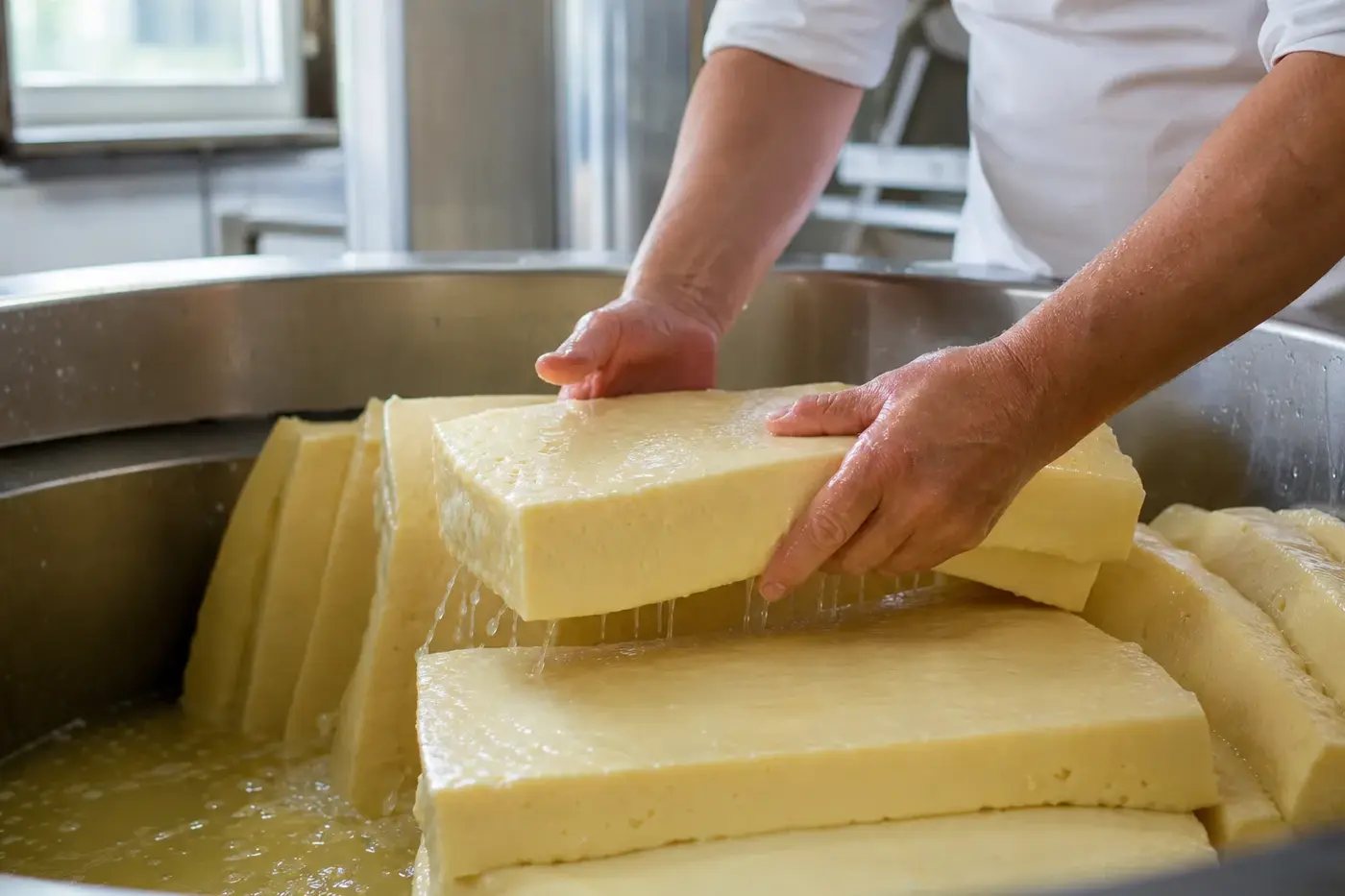
Slabs of curd are turned and stacked by hand.