Lancashire
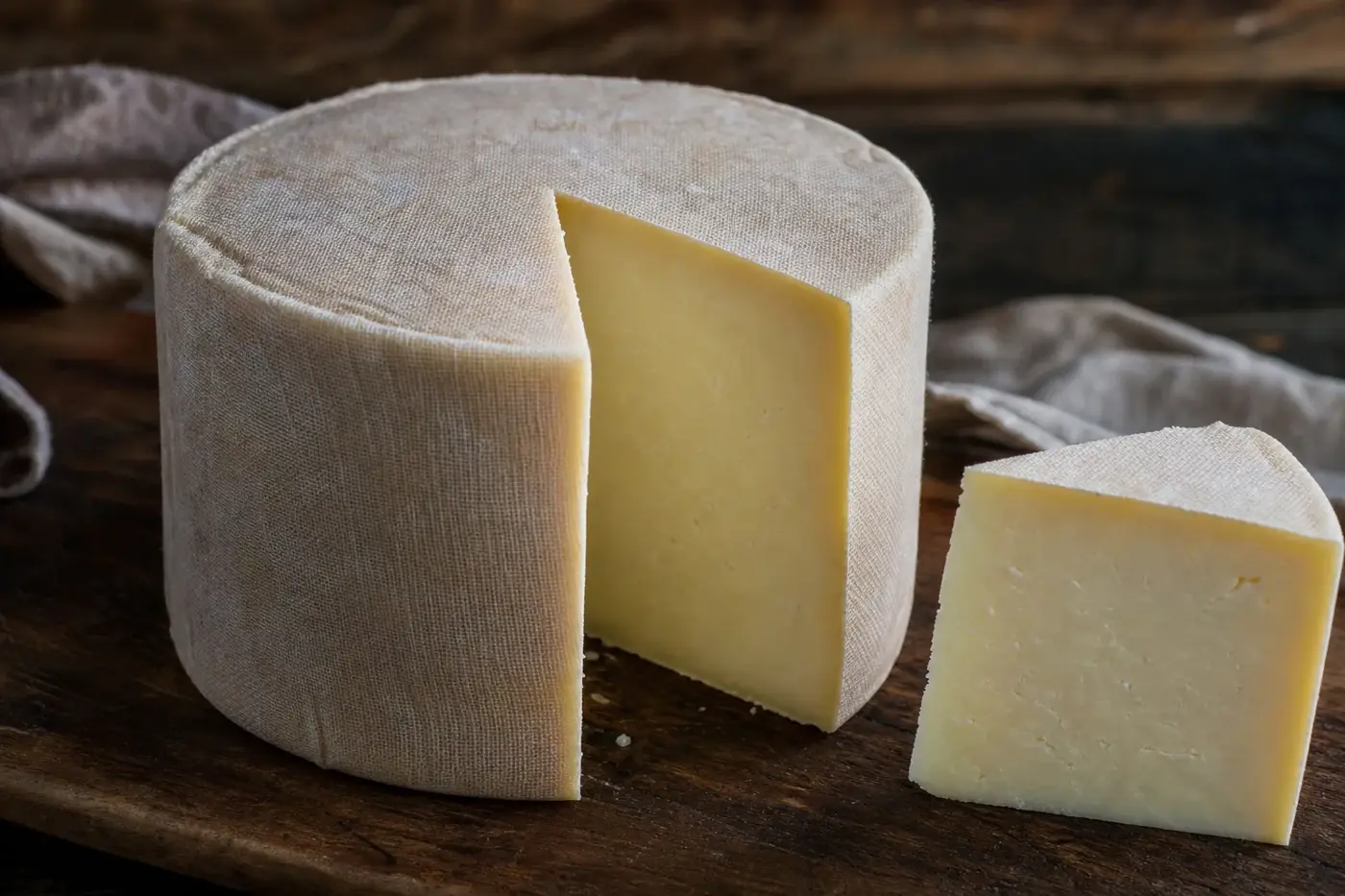
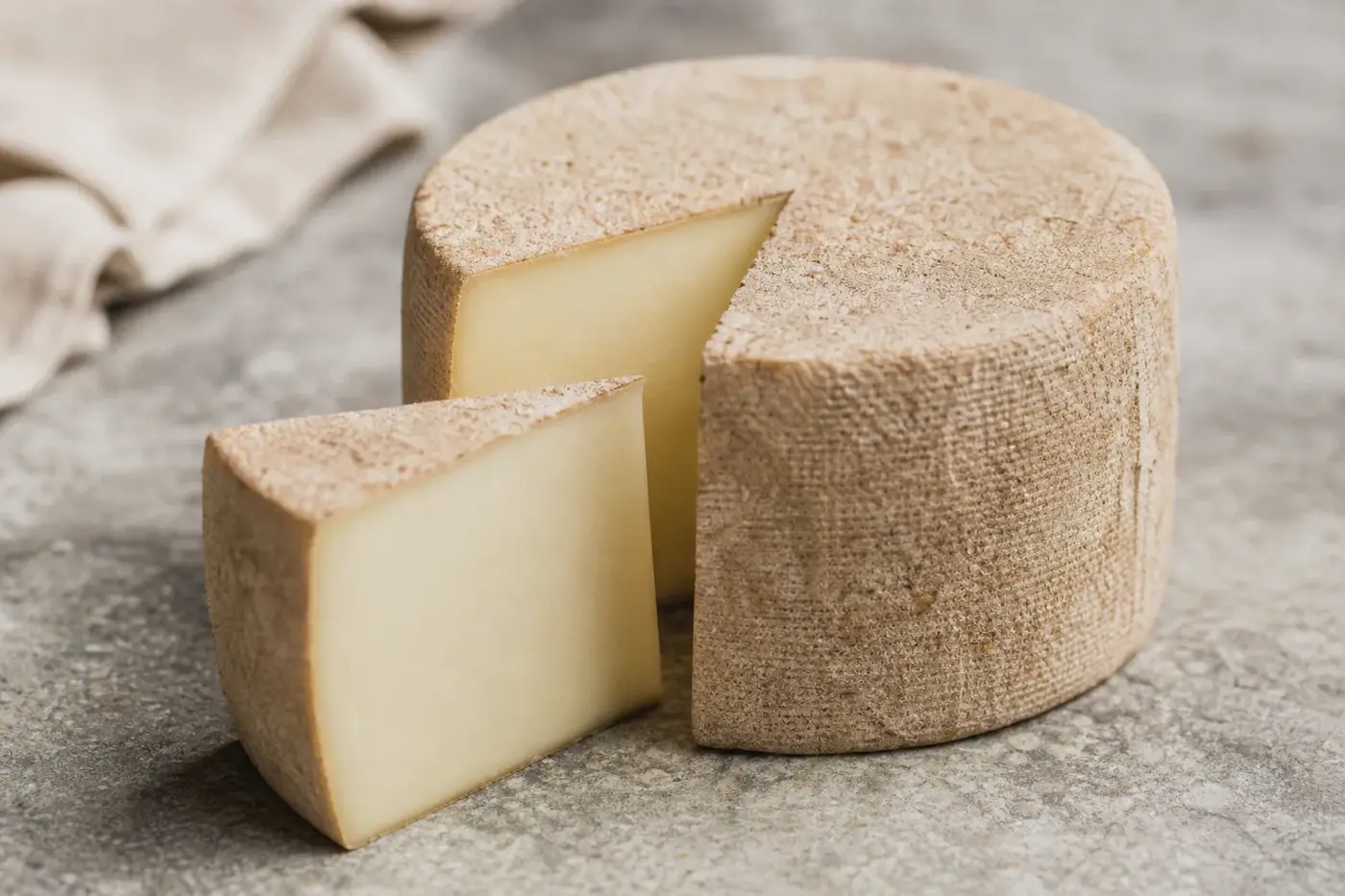
Break into a traditional Lancashire and notice its open texture.
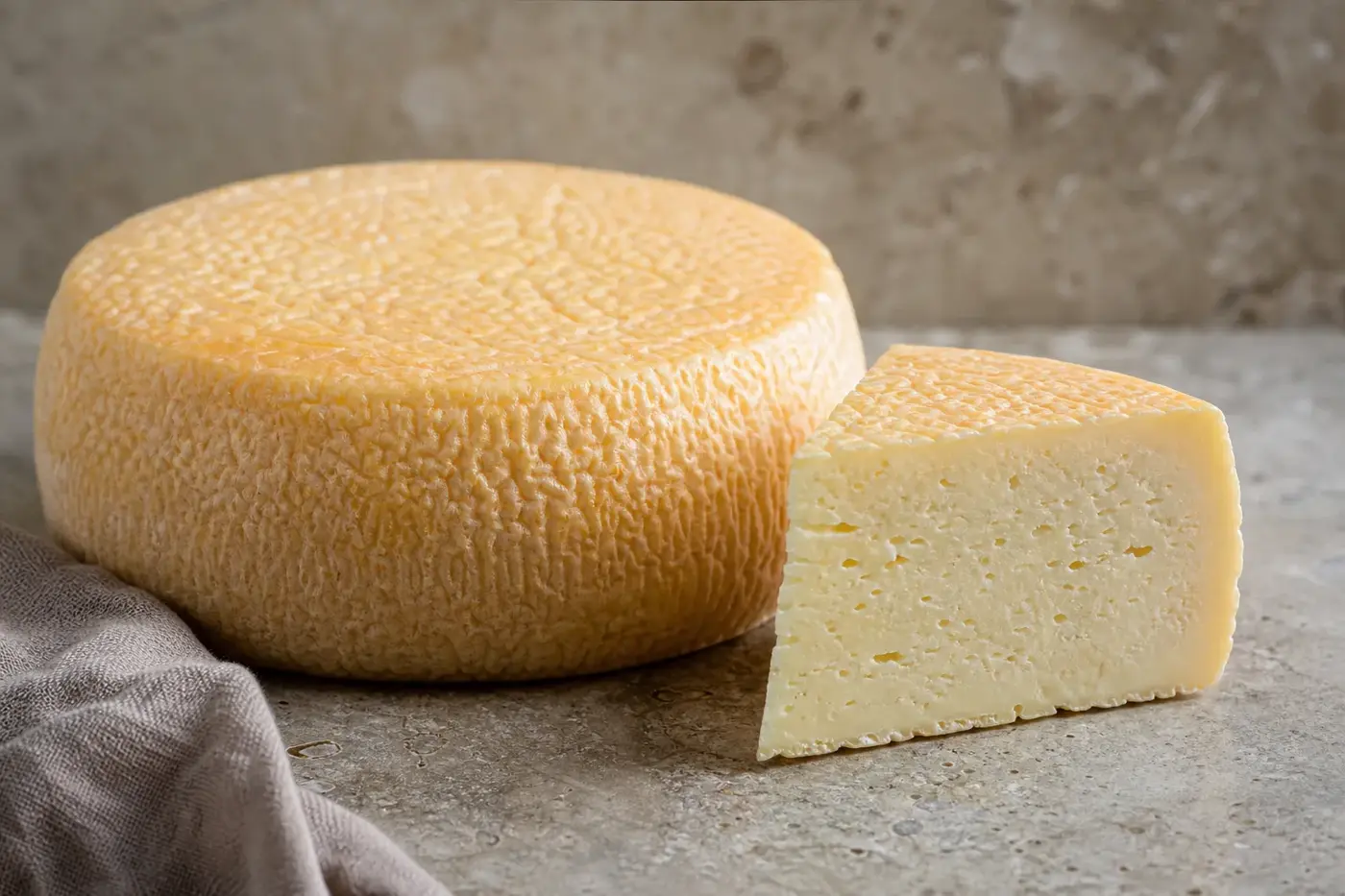
Break into a traditional Lancashire and notice its open texture. Different days’ curds have come together here, bringing rounded flavour and a tradition rooted in Lancashire’s dairy farms. Creamy and tasty share this blended approach; crumbly follows its own path, using curd from a single day. There is more than one way into this family. [2,6,9]
| Your quick guide | What to know |
|---|---|
| Family | Lancashire, including creamy, tasty and crumbly styles. [6,7] |
| Milk | Cows’ milk; treatment depends on the maker. [9] |
| Protected name | Beacon Fell Traditional Lancashire Cheese. [1] |
| Registration authority | Defra (Great Britain); European Commission (EU). [1,3] |
| Great Britain | Registered PDO; UK scheme registration 31 December 2020. [1] |
| EU record | PDO amendment file PDO-GB-0280-AM01, published 2 September 2024. [3] |
| PDO milk and cheesemaking area | Ceremonial Lancashire, including Blackpool and Blackburn with Darwen. [2,3] |
| PDO minimum maturation | The specification says 3 to 4 weeks. [2] |
| PDO composition | At least 48% fat in dry matter; maximum 48% moisture in the whole cheese. [2,3] |
Follow the cheese back to the Fylde
Head north of the River Ribble and you reach the Fylde, the historic heart of traditional Lancashire cheesemaking. Preston and Garstang have prominent places in the story too. The protected specification describes farm cheesemaking and skills handed between generations, against a backdrop of grazing land and Lancashire’s moderate, wet climate. [3]
What connects those generations is not a particular shape or wrapper. It is the curd blend. Dewlay describes its creamy and tasty cheeses as following a century-old recipe, mixing curd from different days. Think of Lancashire as a family of distinct characters, rather than the same cheese changing its coat. [6]
Where different days come together
Before traditional Lancashire takes its final shape, the cheesemaker brings younger and older curds together. Curd is the solid material formed when milk coagulates; whey is the liquid drained away. Making and assembling curd across more than one day gathers curds at different stages of acid development. [2,9]
For Beacon Fell, some curd must be held for 24 to 48 hours, then blended with new curd during milling and salting. Milling breaks it into smaller pieces. This blending is central to the cheese: the specification explicitly calls it crucial to the finished flavour and texture. [2]
Dewlay credits the mixed-curd recipe with its traditional cheeses’ marbled appearance and smooth, buttery character. Age matters, but so do the proportions and condition of those curds. To follow the wider journey through setting, draining and pressing, explore how cheese is made. [6]
Meet creamy Lancashire, mellow and milky
If you would like a gentle introduction, start with creamy Lancashire. It is the younger expression of the traditional style. Dewlay describes its version as mellow and milky, with a mouth-coating texture and an age of 6 to 12 weeks. The maker recommends it for melting, so bread or cooking makes a useful starting point. [5]
Look inside and you should find pale cheese, not orange. The Academy of Cheese describes creamy Lancashire as open and fluffy, with buttery flavour and a gentle tang. Colour is only one clue, though. Read it alongside texture and age. [9]
The maker’s description of the paste, meaning the cheese beneath the rind, helps you picture what you are buying. Butlers, for example, calls its creamy Lancashire mild, with enough acidity to give the flavour depth. You can have gentleness without losing interest. [7]
Give tasty Lancashire time to speak
Tasty Lancashire takes the traditional make further through maturation. Compared with creamy Lancashire, the Academy of Cheese describes a drier texture, stronger savoury notes and a lingering nutty finish. Choose it when you fancy something firmer and more assertive. Let the maker’s description guide you on texture, rather than judging by age alone. [9]
Producers’ maturation labels overlap, so the name is your starting point, not the whole conversation. Butlers lists its creamy Lancashire at 3 to 5 months and its Trotter Hill Lancashire at no less than 12 months. Read the description as closely as the big word on the front. If two cheeses both say tasty, ask how long each has matured. [8]
Take the fresh route with crumbly Lancashire
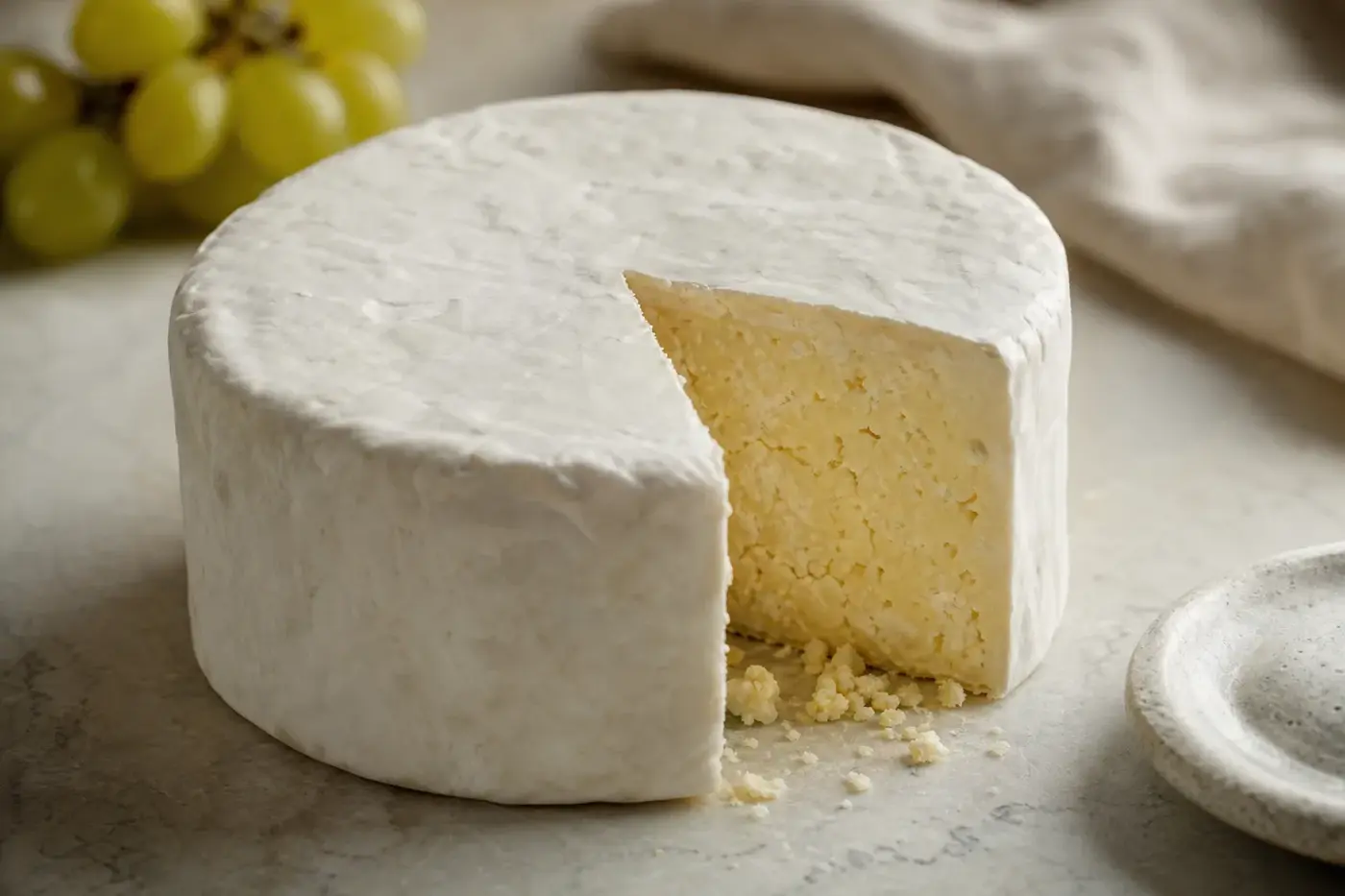
Crumbly Lancashire starts with curd from a single day. It is not simply tasty Lancashire caught young. The Academy’s classification separates single-day and mixed-day methods, while Butlers describes its crumbly cheese as pale, mild and zesty. [7,9]
Try little pieces through a salad, tucked into a sandwich filling or scattered over vegetables. You get a delicate-looking pale paste with a lively, fresh-tasting edge. Ask about the make as well as the texture: traditional Lancashire can crumble too. Breaking off a piece will not identify the single-day style on its own. [3,7]
Beacon Fell: the name worth knowing in full
Beacon Fell Traditional Lancashire Cheese is the full name registered on the Great Britain PDO register. Those letters mean protected designation of origin. The UK scheme records registration from 31 December 2020, with 21 June 1996 as the original EU registration date. This is the register information for November 2026. [1]
Its geography has changed. The amended Great Britain definition covers ceremonial Lancashire, including Blackpool and Blackburn with Darwen; both milk and cheesemaking must come from that area. Descriptions limiting it to the Fylde reflect the earlier boundary. The Great Britain amendment took effect on 23 November 2023; the EU published an approved amendment record on 2 September 2024. [2,3,4]
The recipe begins with full-fat cows’ milk, starter culture and rennet, the coagulant that sets the milk. Mixed curds, light pressing and maturation in a temperature-controlled store are required. The specification expresses minimum maturation as 3 to 4 weeks, with sales from about one month and full maturity at about six months. [2]
You might find it as a cylinder, portion or block. The amended documents allow finishes including bandaging, waxing, buttering and vacuum packing. Inside, the protected description calls for uniformly cream-coloured paste and a loose, open texture. As it ages, the flavour moves from clean and mellow towards sharp and tangy. [3]
At the counter, keep the cheese family and the protected name distinct. Lancashire covers a broader range of styles; Beacon Fell Traditional Lancashire Cheese identifies the registered Great Britain PDO. “Lancashire” alone establishes neither that designation nor the method used. For more, see protected names explained. [1,9]
Ask what went into your Lancashire
According to the Academy, Lancashire can use raw or pasteurised milk, and animal or vegetarian rennet, depending on the cheesemaker. Butlers specifically says it pasteurises its milk and makes vegetarian cheeses. If either distinction matters to you, check the individual product. The family name cannot answer for every maker. [9,10]
Milk treatment joins recipe and ageing in shaping what you eat. A blended-curd creamy Lancashire and a long-matured tasty Lancashire can share a recipe yet give you different eating textures. Their packaging varies too, from cloth to vacuum packs. [5,6,8,9]
For a useful tasting comparison, note the maker, style and age alongside milk treatment. You can then compare like with like, rather than asking the name Lancashire to tell you everything. It gives you a clearer picture of why one piece differs from another. [5,6,8,9]
Choose your piece and keep it well
Start with what you want to eat. Creamy suits a mellow sandwich or melting; tasty brings more pronounced savoury flavour, so ask its age. Choose crumbly for a fresh-tasting scatter over vegetables. Tell the cheesemonger what you have in mind, and they can match texture to dish. [5,7,8]
Three questions get you a long way: are the curds from different days, how long has the cheese matured, and how is it finished? On a wrapped piece, look for the maker’s name, milk treatment where stated, storage instructions and date. If you want the PDO, ask for Beacon Fell Traditional Lancashire Cheese by its complete name. [1,5,6,10]
The Food Standards Agency’s storage guidance for England, Wales and Northern Ireland, as of November 2026, says to refrigerate dairy products and set your fridge between 0 and 5 °C. Follow the pack’s storage instructions and date marking. Buy a piece that fits your planned meals, and keep its label so those instructions remain close to hand. [11]
Once you have cut it, keep the remaining cheese covered and refrigerated according to those instructions. How to store cheese at home has more on wrapping and fridge organisation. For your particular piece, use the pack or the cheesemonger’s product-specific directions as your reference. [11]
Make a little room for tasting
Butlers provides a serving recommendation for its Lancashire selection. [7] For chilling food before serving in England, Wales and Northern Ireland, consult the Food Standards Agency’s current guidance. [11]
Taste the cheese on its own before adding anything. Then try plain bread with creamy Lancashire, a crisp apple with tasty, or tomato or cucumber with crumbly. These suggested starting points follow the documented flavour and texture differences, offering a mild backdrop, fresh acidity or contrasting crunch. Taste each in turn and notice which qualities you enjoy most. [5,7,8]
For a documented regional pairing, try Lancashire with Eccles cake, as recommended by the Academy of Cheese. The dried fruit brings sweetness alongside the cheese’s savoury character. Still water is an uncomplicated alcohol-free option when you are comparing styles. Unsweetened tea is another suggestion if you fancy something warm. [9]
Give Lancashire a place on toast and in pies
Creamy Lancashire is a natural starting point for cheese on toast. Dewlay specifically identifies its version as a melting cheese. Choose bread you enjoy and make Lancashire the principal topping, with mustard, onion or a little pickle to taste. Keep additions restrained at first: even toast can have too many supporting acts. [5]
For stronger cheese flavour in a cheese and onion pie, savoury tart or potato topping, tasty Lancashire is a suggested choice. Crumbly makes a finishing scatter for roasted vegetables or salad. Decide what job you want the cheese to do before choosing. Melting gives a different result from loose pieces added for fresh-tasting contrast. [5,7,8]
If your chosen style is unavailable, substitute by purpose. Another creamy Lancashire is the closest starting point for mellow melting; another tasty Lancashire keeps you within the family. Suggested alternatives are mild Cheddar for a melted topping, or plain Cheshire or Wensleydale for a crumbly finish. Each changes the flavour and texture, so taste before adjusting the added salt. [5,7]
Follow your curiosity to the next piece
- How to Tell Cheese Styles Apart: Milk, Rind, Texture and Method: explore how Lancashire’s make and texture compare with other cheese families.
- How to Read a Cheese Label: find the production details that distinguish one Lancashire from another before choosing your next piece.
General information only, not medical advice: follow the official guidance where you live.
Questions people ask
What is the difference between creamy, tasty and crumbly Lancashire?
Creamy and tasty Lancashire follow the traditional method of blending curds from different days, while crumbly is made with curd from a single day. Creamy is generally mellow and milky, tasty is more savoury with a nutty finish, and crumbly is described as mild and zesty.
What is Beacon Fell Traditional Lancashire Cheese?
It is the full name registered as a protected designation of origin in Great Britain. Both the milk and the cheesemaking must come from ceremonial Lancashire, including Blackpool and Blackburn with Darwen.
Is Lancashire cheese vegetarian?
Lancashire may be made with animal or vegetarian rennet, depending on the cheesemaker. Butlers states that the cheeses it makes are vegetarian, but you should check the individual product.
Is Lancashire cheese made with pasteurised milk?
Lancashire can be made with raw or pasteurised cows’ milk, depending on the cheesemaker. Butlers states that it pasteurises its milk, but the family name alone does not tell you how an individual cheese was made.
Which Lancashire cheese is best for melting?
Creamy Lancashire is a starting point for melting. Dewlay specifically recommends its creamy Lancashire for this purpose and describes it as mellow and milky.
Sources
-
Department for Environment, Food & Rural Affairs. Beacon Fell Traditional Lancashire Cheese, official Great Britain register entry, updated 24 November 2023. Registered name, status and registration dates.
-
Department for Environment, Food & Rural Affairs. Product specification for Beacon Fell Traditional Lancashire Cheese, revised specification published November 2023. Sections 2 to 4 cover composition, area and production.
-
European Commission. Publication of an approved standard amendment to a product specification of a protected designation of origin or protected geographical indications in the sector of the agricultural products and foodstuffs, Official Journal C/2024/5378, 2 September 2024. Amendment file PDO-GB-0280-AM01 and accompanying single document.
-
Department for Environment, Food & Rural Affairs. Approval of a non-minor amendment application: Beacon Fell Traditional Lancashire Cheese, November 2023. Approval notice giving the effective date.
-
Dewlay Cheesemakers. Creamy Lancashire, undated product description. Maker’s account of its method, character, maturation and melting suitability.
-
Dewlay Cheesemakers. Lancashire triumphs in Yorkshire!, undated maker’s article. Mixed-day curd recipe and attributed texture description. Competition results are not used here.
-
Butlers Farmhouse Cheeses. Taste of Lancashire Gift Box, undated product description. Maker’s descriptions of the three styles and room-temperature serving suggestion.
-
Butlers Farmhouse Cheeses. Our cheeses, undated range description. Published maturation periods for its creamy Lancashire and Trotter Hill products.
-
Academy of Cheese. Level Two cheese brochure, February 2022 edition, “Traditional Lancashire”, page 10. Educational classification, attributed sensory descriptions and Eccles cake pairing. Its older geographical description is superseded by sources 2 and 3.
-
Butlers Farmhouse Cheeses. Frequently asked questions, undated. Maker’s declarations concerning pasteurisation and vegetarian suitability.
-
Food Standards Agency. How to chill, freeze and defrost food safely, published 18 December 2017, current retrieved guidance. Applies to England, Northern Ireland and Wales.
-
Food Standards Agency. Alerts, live official index, retrieved November 2026 for the editorial recall check.
Researched through official protection documents, published maker descriptions, cheese education material and national food handling guidance, with sensory accounts attributed and practical suggestions identified as editorial choices.
Last checked: November 2026
Last checked November 2026.
The editors suggest you read next
Cheddar
Cheddar is a ripened hard cheese with roots around the village of Cheddar in Somerset, England, and a name now used for cheese made in many countries.