Wensleydale
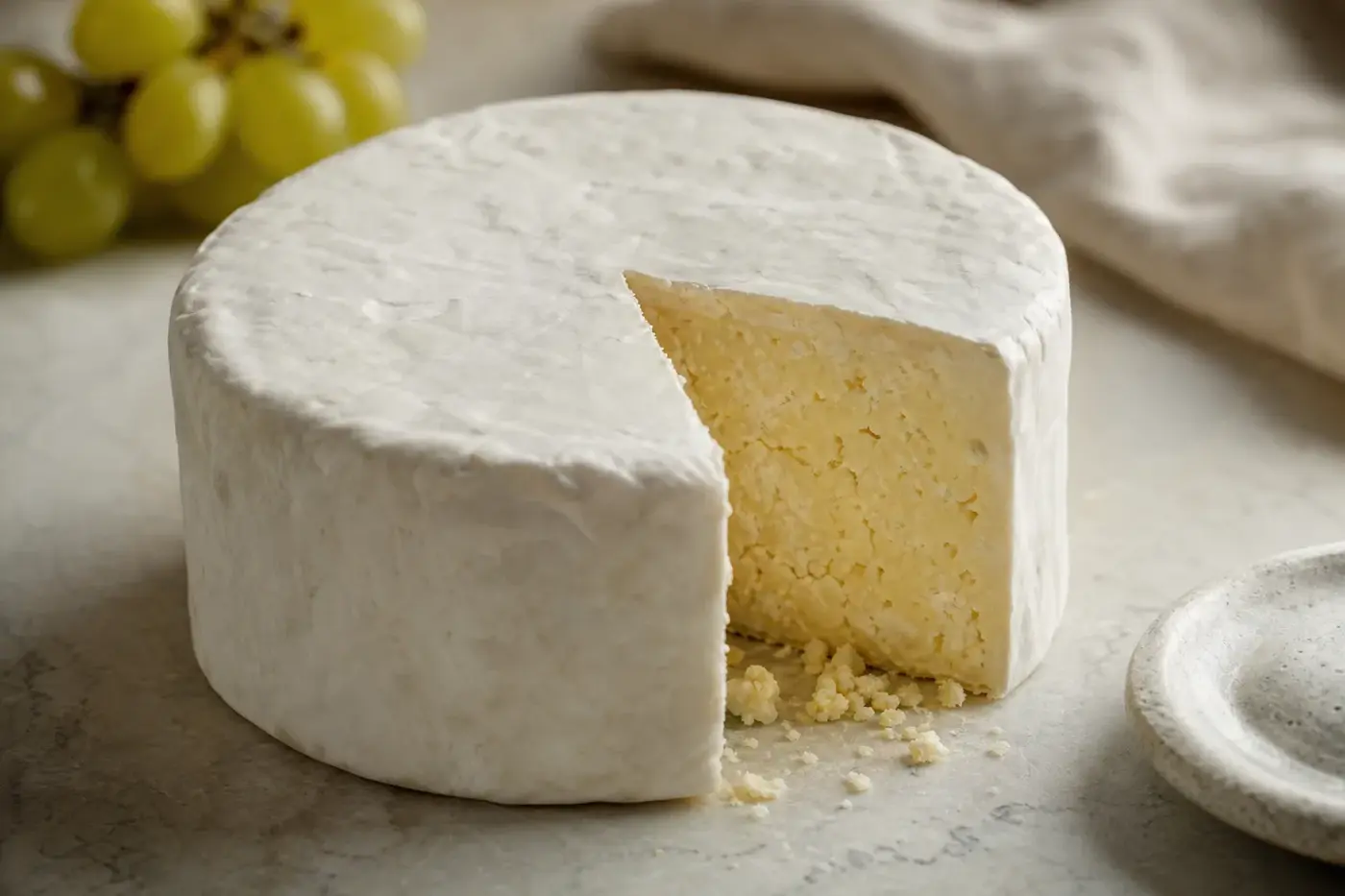
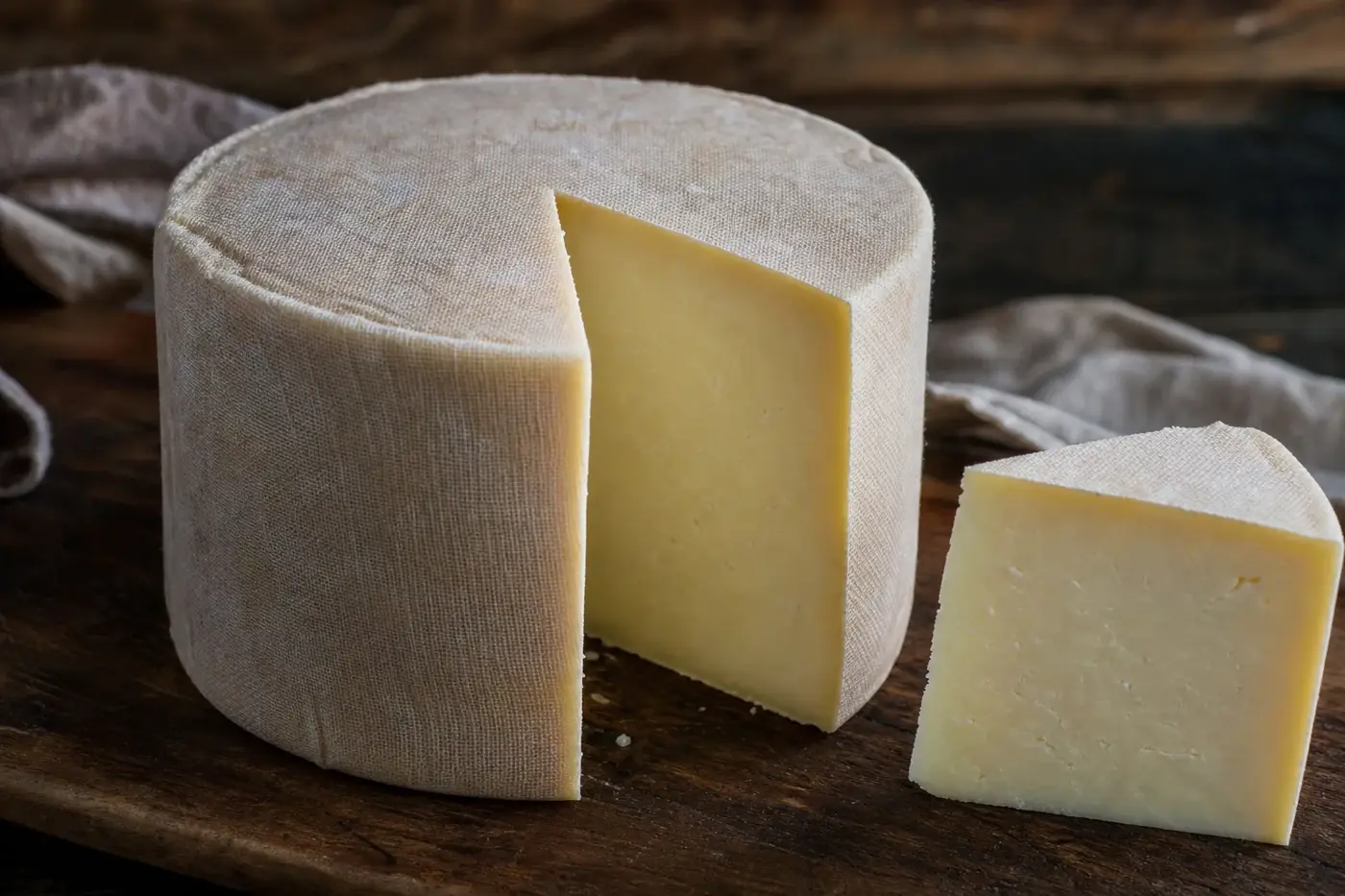
Break a piece of pale ivory Wensleydale and watch the moist flakes part beneath your fingers.
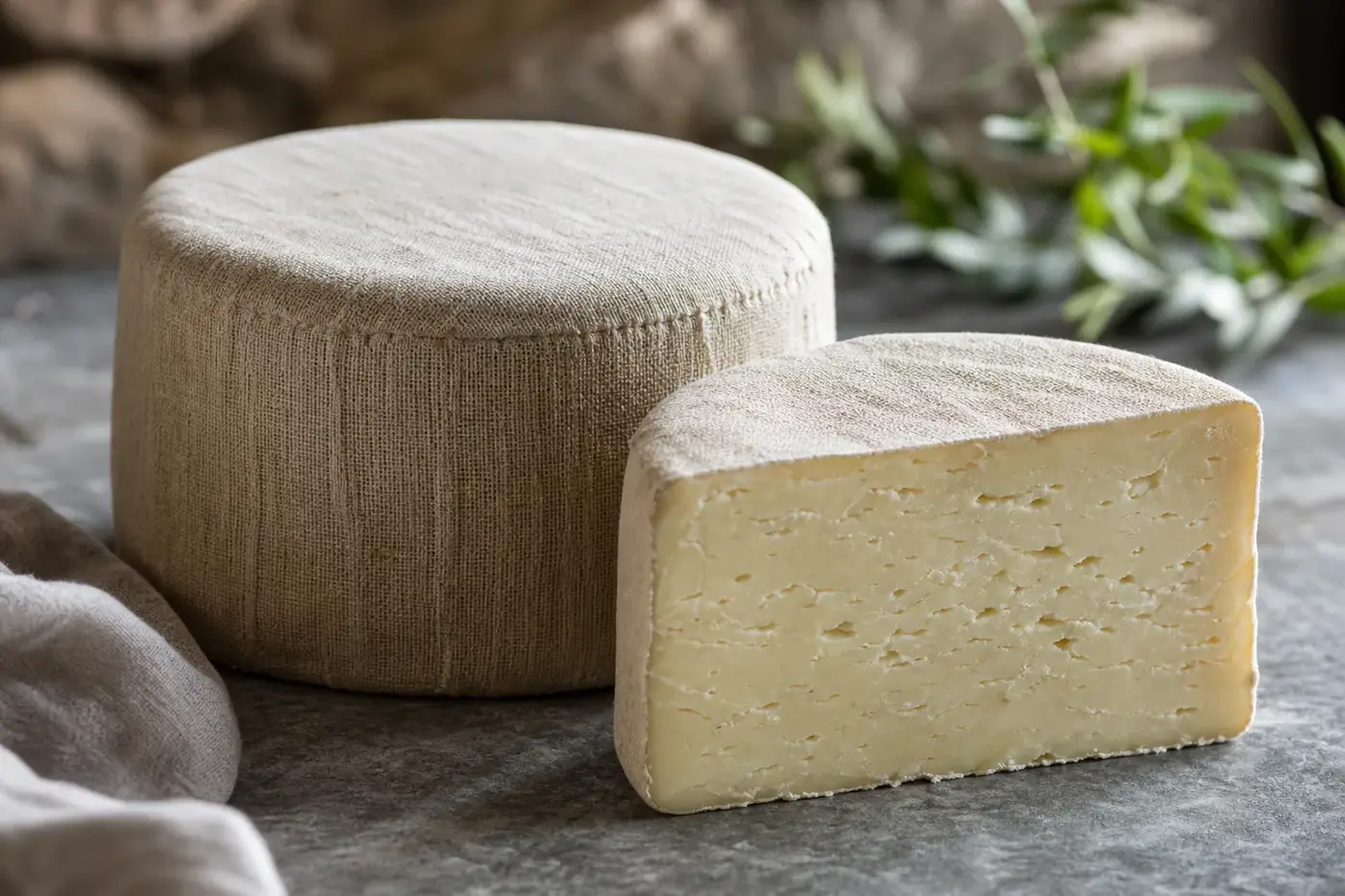
Break a piece of pale ivory Wensleydale and watch the moist flakes part beneath your fingers. Taste it, and fresh acidity gives way to sweetness and honeyed notes. This small mouthful has quite a range, just as the protected specification for Yorkshire Wensleydale describes.[2][3]
Its story begins in the grazing country of the Yorkshire Dales, though the names need a little untangling. Wensleydale is also a style made beyond the dale. Yorkshire Wensleydale identifies cheese meeting a particular geographical and production specification, with PGI protection in Great Britain and an EU registration established in 2013.[1][2][3][4]
| What you want to know | The details |
|---|---|
| Familiar name | Wensleydale, a style also made outside its original area.[3][7] |
| Exact registered name | Yorkshire Wensleydale.[1] |
| Registration authority and identifier | Great Britain: Defra, GOV.UK register entry “Yorkshire Wensleydale”; register identifier not included here. EU application reference recorded separately in source [3].[1][3] |
| Great Britain protection | Registered PGI; UK scheme entry dated 31 December 2020 at 23:00. Information dated November 2026.[1] |
| EU registration instrument | Commission Implementing Regulation (EU) No 1401/2013, Articles 1 and 2 and Annex. EUR-Lex marks the instrument in force.[4] |
| EU and Northern Ireland current protection | Current status unspecified here. |
| Switzerland current protection | Current status unspecified here. |
| United States rights | Current rights unspecified here. |
| Defined production area | The specification’s delineated area around Wensleydale, centred on Hawes, rather than Yorkshire as a whole.[2] |
| Milk permitted for Yorkshire Wensleydale | Cow’s milk, raw or pasteurised.[2] |
| Coagulant | Rennet; the production method does not specify its source.[2] |
| Legal minimum ageing | No minimum specified here. |
| Typical ageing | No typical age specified here. |
| Rind and coatings | No details specified here. |
| Official pregnancy guidance | No guidance specified here. |
| Presentation | Cloth-bound, waxed and packaged formats described in the specification.[2] |
Get to know white Wensleydale, flake by flake
Fresh acidity and sweetness are the two sides of white Wensleydale’s appeal. The protected product’s published description gives you a pale, milky white to ivory cheese with a moist, slightly open, flaky interior. Expect a lactic, gently acidic aroma and a mildly acidic, sweet flavour, finishing with honeyed notes.[2][3]
Time shifts that balance. As the cheese matures, its flavour strengthens and its aroma lasts longer.[2][3] Ask about the age of your piece: it tells you something useful about the mouthful ahead.
Look closely at the cut face. “Crumbly” means firm but yielding here, rather than uniformly dense. Those little separations and flakes reveal more of its character than a tidy manufactured slice, however well behaved that slice looks.[3]
For your first taste, choose plain white Wensleydale before reaching for a fruit-added version. Try a small piece alone, then another with bread. Give yourself a moment to notice the acidity, sweetness and salt before adding another flavour.
Follow the River Ure to Wensleydale’s pastures
Wensleydale is the valley of the River Ure in the Yorkshire Dales. The National Park Authority describes a broad sweep of grazing pastures, with Hawes upstream and lower Wensleydale extending towards Leyburn and Jervaulx Abbey. Its older name, Yoredale, also refers to the river.[5]
These pastures, dairy farms and connected valley settlements give the cheese its setting. But keep the landscape and the registered production area separate in your mind. The valley name evokes a place; the protected food name sets a boundary around the farms and dairies that qualify.
The National Park Authority reproduces an account of the early community at Fors, listing livestock and provision for cheese and butter. It reports no historical record establishing that the monks taught local people their cheesemaking recipes.[6] The earliest documented evidence for cheesemaking in Wensleydale remains uncertain.
The 2013 PGI application describes an early sheep’s milk tradition, followed by increasing use of cow’s milk. The account reproduced by the National Park records both cows and sheep, without identifying which milk went into the cheese. That leaves the milk used for the earliest local cheeses an open question.[3][6]
Later farmhouse cheesemaking comes into sharper focus through surviving recollections and technical literature. Stonebeck, a contemporary producer researching older Dales methods, draws on recorded interviews, agricultural bulletins and early cheesemaking books. Its account places cheese among the everyday jobs of a farming household: turning seasonal milk into food that could be kept.[8]
Read the promise behind “Yorkshire” on the label
Wensleydale and Yorkshire Wensleydale are different names when you are choosing cheese. The EU application distinguishes the wider Wensleydale style from the geographically defined product. The Great Britain register lists the full name Yorkshire Wensleydale as a protected geographical indication, or PGI.[1][3]
A PGI links a registered product’s characteristics or reputation to its geographical origin. As Defra explains, a geographical indication belongs to the qualifying producer community, rather than to a business as a trade mark does. Producers must follow the specification and undergo verification to use the name.[10]
The production area extends beyond Hawes, but does not cover all of Yorkshire. Its detailed boundary reaches towards Sedbergh in the west and the A1 corridor in the east, following named roads, watercourses and upland features. That written boundary determines geographical eligibility, rather than a broad “made in Yorkshire” claim.[2][3]
Place is only part of what the name promises you. The specification also governs milk, starter cultures, curd handling, pressing, maturation and presentation.[2] A Yorkshire address on a packet cannot tell you all those things.
Where you buy matters, too. Defra states that UK schemes apply in Great Britain, while EU schemes apply in the EU and Northern Ireland. You can explore the distinction in protected names explained.[10]
Step inside the make, from milk to pressed curds
The transformation starts with starter culture and rennet. Under the Yorkshire Wensleydale specification, the culture goes into the milk first, followed by rennet to set it. Cutting the set milk separates curds, the solids destined to become cheese, from the whey released around them.[2]
Next, the cheesemaker warms and stirs the curds, drains them, then cuts and turns them. Salting comes before milling into smaller pieces, moulding and pressing.[2] Each step is part of the specified make, not an optional flourish.
Starter cultures are bacteria that develop acidity and flavour. The protected product’s application pays particular attention to selecting and propagating them. It also describes how the cheesemaker adjusts the process as the milk and the cultures’ performance change.[3]
Outside the protected product, the wider Wensleydale tradition allows other methods. Stonebeck describes a slow make using raw milk from its own herd, small additions of starter, cloth drainage, milling and light pressing.[8]
The cheese is then bound in calico and develops a natural rind during maturation. Stonebeck’s published method helps you see why cheeses carrying the wider style name can look and feel different.[8] For the basic sequence behind these operations, read how cheese is made.
Ask three useful questions: milk, rennet and time
Yorkshire Wensleydale can be made with raw or pasteurised cow’s milk under its protected specification. To find out which went into the piece in front of you, read the label or ask the maker.[2] Appearance alone cannot answer that question.
Stonebeck describes its Wensleydale as a raw milk cheese made in step with the grazing season. Its account also explains how maturation develops deeper flavour. Milk treatment, season and maturity give you useful points of comparison that the style name cannot supply.[8]
Vegetarian suitability is a separate question. Rennet can come from animal or non-animal sources, so ask about the particular cheese; the guide to rennet explains the distinction. Wensleydale Creamery states that its cheeses are suitable for vegetarians, a declaration covering its own range.[7]
With an unfamiliar cheese, request the current product declaration. The name, milk treatment and rennet information each tell you something different. For help reading those details, turn to milk treatments and rennet.
Give white, blue and fruit-added Wensleydale their moment
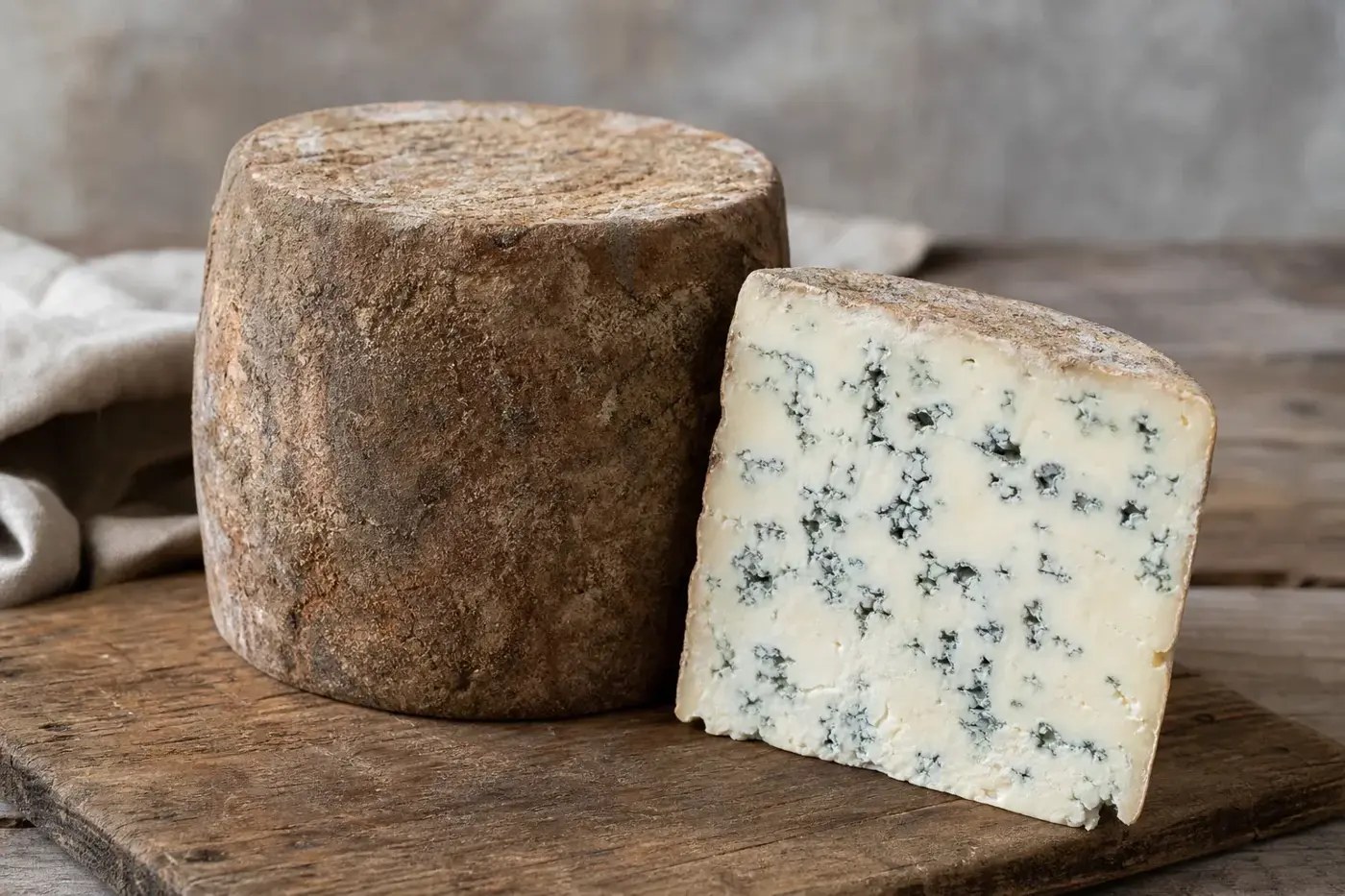
Plain white Wensleydale gives you the clearest introduction to the style. Blue takes your tasting in another direction. Wensleydale Creamery describes its Wensleydale Blue as close-textured, with a delicate, mellow blue flavour.[9]
That blue thread also appears in accounts of the older tradition. Stonebeck reproduces a description it identifies as coming from a 1938 Ministry of Agriculture and Fisheries bulletin, referring to delicate blue veining. The producer describes its own maturation trials to encourage natural blueing, bringing historical research into present-day production work.[8]
Fruit-added cheeses have an established place in the contemporary range, too. Wensleydale Creamery includes Yorkshire Wensleydale & Cranberries among its cheeses.[7] Read the complete name, and consider the fruit as a flavour in its own right when comparing it with plain cheese.
Try plain white first, blue separately, then a fruit-added version. That order helps you notice the differences. Think of them as distinct characters, not contestants waiting for you to award a sash.
Find your next piece at the cheese counter
Start with the exact name, then ask what makes this particular cheese distinctive. A few useful questions will tell you far more than a broad strength label.
- Read the whole cheese name. If geographical origin matters most to you, look for Yorkshire Wensleydale and its relevant PGI identification.[1][10]
- Find the maker. Ask who made it. The shop, distributor or packer may have the most prominent name on the label.
- Look for milk treatment. Read the product declaration. A traditional appearance or geographical name cannot answer that question.
- Read ingredients and suitability details. For a vegetarian choice, seek the maker’s declaration. With fruit-added cheese, read beyond the base cheese name.[7]
- Ask about maturity and presentation. Request an age or the maker’s description of the batch. Find out whether the outside is rind, cloth or coating.
- Keep the handling instructions. Hold on to the label after opening, with its storage directions and date.[11]
At the counter, try asking: “Which plain Wensleydale best matches a fresh, flaky style, and which is more developed?” A useful answer will tell you about the maker and maturity. You then have something more concrete to choose by than strength alone.
Make room for bread, fruitcake and apples
Begin with plain cheese and bread, then introduce something sweeter. Fruitcake gives you a concentrated contrast; a crisp apple offers a lighter one. Keep each alongside the cheese so you can adjust the balance with every bite.
The Creamery’s cheeseboard guidance follows a similar path, recommending fresh apple or pear, dried fruit and crusty bread. It also suggests apple-and-sultana chutney with Yorkshire Wensleydale. Its blue cheese page recommends bread, oatcakes and fruit.[9][12]
For an alcohol-free pairing, try unsweetened tea, apple juice diluted with sparkling water, or plain sparkling water. Tea can contrast with sweet fruitcake; diluted juice can echo fresh apple. Choose water when you want to keep your attention on the cheese.
Keep your first serving simple. Sweet preserves and heavily flavoured crackers can hide the differences you are trying to taste. Once you know which cheese you prefer, bring in accompaniments one at a time. There is no obligation to empty the entire chutney cupboard.
Give your Wensleydale the right fridge routine
For household handling in England, Wales and Northern Ireland, the Food Standards Agency recommends a fridge between 0 and 5 °C (32 to 41 °F). Follow the storage instructions and dates on your package.[11] Keep the label with the cheese so those details remain available.
Wensleydale Creamery recommends keeping its cheese wrapped in an airtight container, away from strong-smelling foods.[12] Before leaving chilled cheese out for serving, consult the current FSA guidance.[11]
Put out the portion you intend to eat and leave the rest refrigerated. After opening, follow the pack’s instructions rather than applying the same keeping time to every Wensleydale format. Retain the label for reference; storing cheese at home covers the wider household routine.
Taste the differences beside Cheshire and Lancashire
Set out plain white Wensleydale, plain Cheshire and a Lancashire specifically labelled crumbly. Save fruit-added and blue versions for another tasting. This lets you concentrate on the cheeses without added ingredients or blue ripening dominating your impressions.
Break each piece rather than relying on a sliced surface. Look at the size of the flakes, how readily the cheese falls apart and the moisture on its broken face. Then taste for acidity, salt and sweetness, noticing what fades quickly and what stays in the finish.
For Yorkshire Wensleydale, your published reference points are a flaky structure, lactic character and a mellow, honeyed finish.[2][3] Let those guide your first impressions rather than dictate them. This tasting includes no typical texture and flavour profiles for Cheshire and Lancashire, or links to their hub pages.
General information only, not medical advice: follow the official guidance where you live.
Questions people ask
What is the difference between Wensleydale and Yorkshire Wensleydale?
Wensleydale is a style made beyond the dale. Yorkshire Wensleydale is a registered name for cheese that meets a geographical and production specification.
What does Yorkshire Wensleydale taste like?
It is mildly acidic and sweet, with a honeyed finish. Its interior is moist, slightly open and flaky, and its flavour strengthens as it matures.
Is Wensleydale suitable for vegetarians?
Suitability depends on the particular cheese because rennet can come from animal or other sources. Wensleydale Creamery says its own cheeses are suitable for vegetarians, but for other cheeses ask the maker.
Is there a blue Wensleydale cheese?
Yes. Wensleydale Creamery describes its Wensleydale Blue as close textured, with a delicate, mellow blue flavour.
How should I store Wensleydale?
The Food Standards Agency recommends a fridge between 0 and 5 °C for households in England, Wales and Northern Ireland. Follow the storage instructions and dates on the pack.
Sources
[1] Department for Environment, Food & Rural Affairs. Yorkshire Wensleydale. Great Britain protected food name register entry, published 2021, retrieved November 2026.
[2] Department for Environment, Food and Rural Affairs. Product specification: Yorkshire Wensleydale. Specification linked from the current Great Britain register; document carries no clear revision date.
[3] European Commission. Yorkshire Wensleydale: publication of an application and single document. Official Journal C 231, 9 August 2013, document 2013/C 231/12.
[4] European Commission. Commission Implementing Regulation (EU) No 1401/2013. Adopted 18 December 2013; published 21 December 2013; Articles 1 and 2 and Annex.
[5] Yorkshire Dales National Park Authority. Wensleydale. Undated geographical account, retrieved November 2026.
[6] Yorkshire Dales National Park Authority. Women in the dairy. Historical research account, 2018, reproducing and discussing the early Fors evidence.
[7] Wensleydale Creamery. Helpdesk. Undated producer declarations on its range, vegetarian suitability and storage information, retrieved November 2026.
[8] Stonebeck. How our cheese is made. Undated producer account of ingredients, seasonal production, manufacture, maturation and historical research, retrieved November 2026.
[9] Wensleydale Creamery. Wensleydale Blue. Undated producer description and serving suggestions, retrieved November 2026.
[10] Department for Environment, Food & Rural Affairs. Protected geographical food and drink names: UK GI schemes. Updated 8 March 2024.
[11] Food Standards Agency. How to chill, freeze and defrost food safely. Published 18 December 2017; current retrieved guidance applies to England, Northern Ireland and Wales.
[12] Wensleydale Creamery. Creating the Perfect Cheeseboard. Published 9 December 2015.
This desk-researched article combines official registration and specification documents, National Park historical research, attributed producer accounts and official household food-handling guidance.
Last checked: November 2026
Last checked November 2026.
The editors suggest you read next
West Country Farmhouse Cheddar Cheese
Large pieces of curd turn and stack under the cheesemaker’s hands.