Oaxaca
Pull a ball of Oaxaca apart and the ribbons give way to elastic strands.
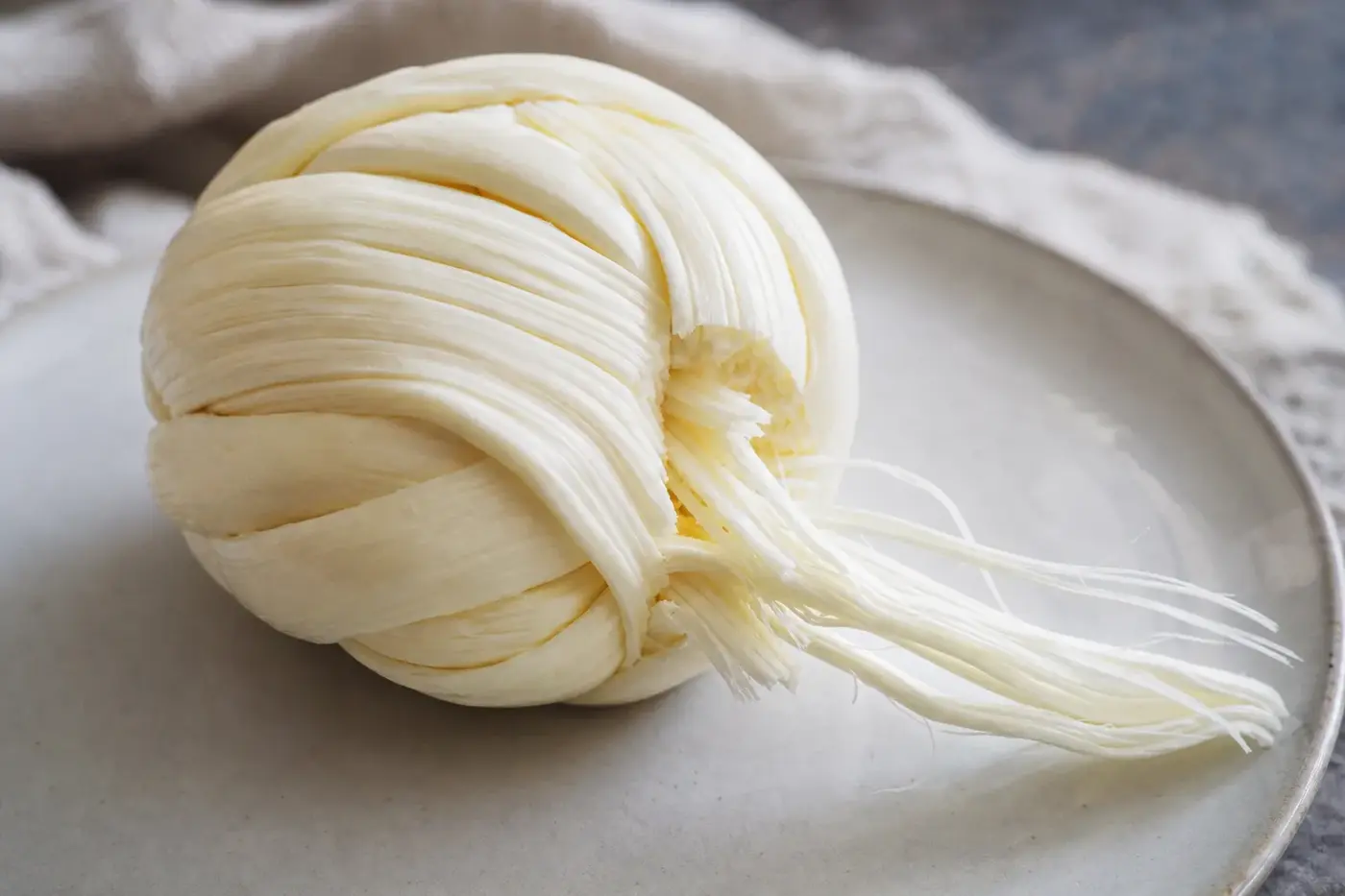
Pull a ball of Oaxaca apart and the ribbons give way to elastic strands. Slip them into a quesadilla, add heat, and watch them soften into a stretchy filling. This fresh Mexican cheese is usually made from cow's milk; in Oaxaca, you'll commonly hear it called quesillo. Resisting another ribbon is entirely your business. [1][2]
| Get to know it | What you'll find |
|---|---|
| Names to look for | Oaxaca cheese; queso Oaxaca; locally, quesillo. [1][2] |
| Its cheese family | Fresh stretched-curd cheese, also called pasta filata. [3] |
| Where it belongs | Oaxaca, Mexico; the wider style is made across Mexico. [1][4] |
| The milk inside | Generally cow's milk; both raw and pasteurised versions are documented. [3][5] |
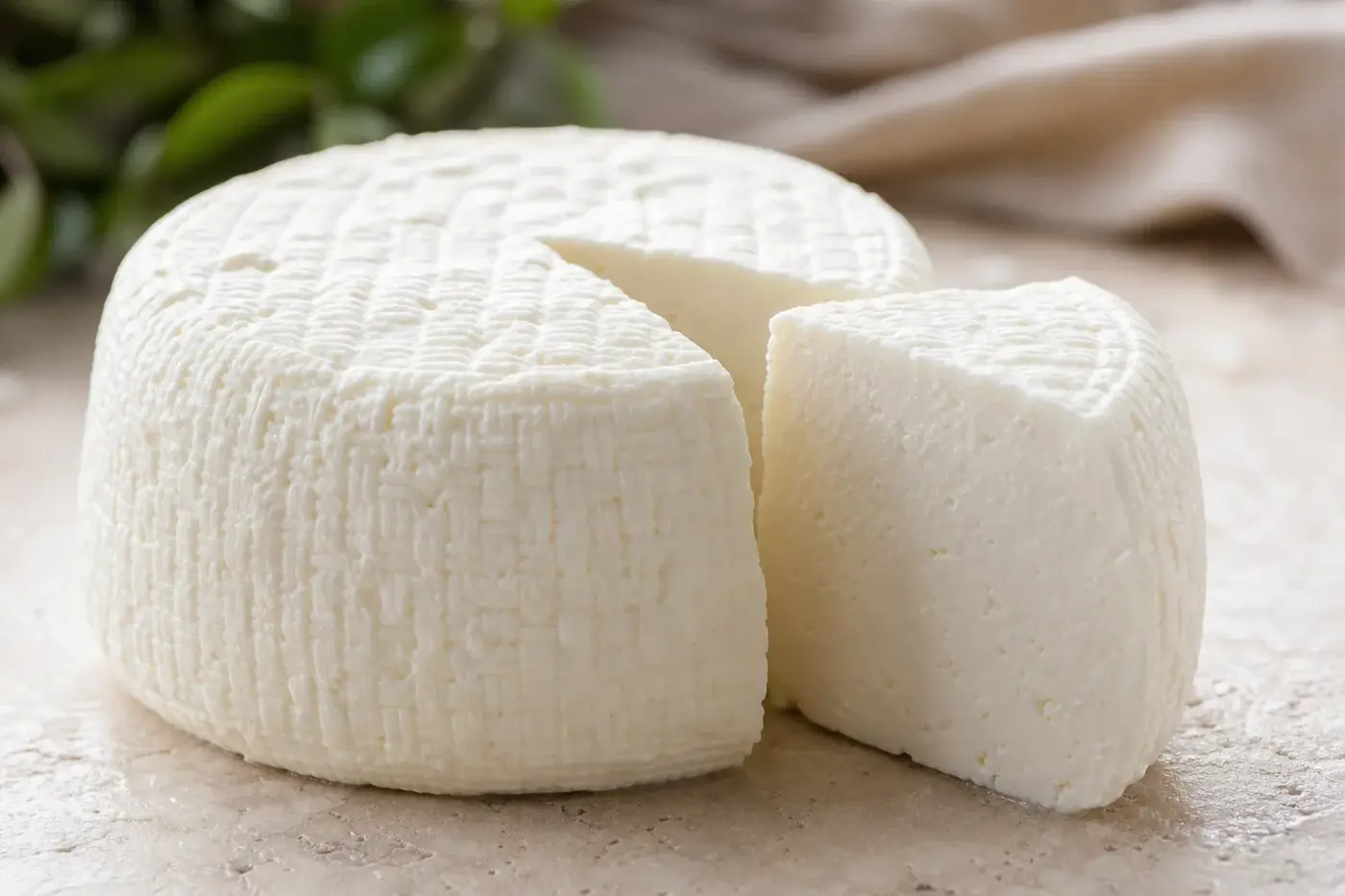
| That familiar shape | Long ribbons wound into a ball. [2][3] |
| Time to eat it | Normally eaten fresh, without deliberate ageing. [3] |
| A name to distinguish | Quesillo de Reyes Etla is a separate name; do not assume a particular current legal status. [2] |
Follow the ribbons to Oaxaca's cheesemakers
In Oaxaca, quesillo is part of a living regional food tradition. Reyes Etla, in Oaxaca's Central Valleys, has a particularly close association with making it. A 2024 state government account describes local cheesemakers using whole, partly skimmed and skimmed milk. Even here, you'll find more than one approach. [1]
Follow the broader name Oaxaca cheese and the picture widens. Research records both industrial and artisanal production throughout Mexico. Mexico's consumer protection agency, Profeco, puts it firmly in everyday cooking, from quesadillas to tlacoyos. [4][6]
Keep Quesillo de Reyes Etla distinct from that wider Oaxaca style. Its current legal status, and any production requirements attached to the name, are separate questions. You should not assume they match those of the broader cheese. [2]
From curd to ribbons, with heat and patient hands
Before you can tease a ribbon from the ball, acidity and heat have their work to do. Oaxaca belongs to the stretched-curd family: acidified curd is heated and worked until it becomes pliable enough to pull. The Italian term pasta filata describes this stretched paste. [3][7]
Acidification prepares the curd, then heat lets the cheesemaker reshape it before winding the ball. Rennet, a milk-coagulating enzyme preparation, helps turn milk into curd. That curd is the solid gel separated from liquid whey; you'll find the background in how cheese is made. [3][7]
There is more than one way to reach the necessary acidity. Documented Oaxaca production includes bacterial cultures and the direct addition of food acids. Recipes, equipment and working conditions vary, but the broad sequence gives you a useful picture: [2][4][8]
- Form the curd and build acidity. Coagulation forms the curd; fermentation or added acid develops the acidity needed for stretching. Which comes first depends on the method.
- Cut and drain. Removing whey prepares the curd for working.
- Heat and knead. Hot water softens the prepared curd into one cohesive, elastic mass.
- Pull into ribbons. Stretching creates those characteristic long strips.
- Salt and wind. The cheesemaker salts the strips and gathers them into a ball. [2][3][8]
Those choices follow the cheese all the way to your plate. A 2022 experimental study compared conventionally acidified Oaxaca with versions made using three different organic acids. It found differences in structure, texture and melting. The familiar wound shape tells you only part of the story. [8]
Pull a ribbon and let the texture speak
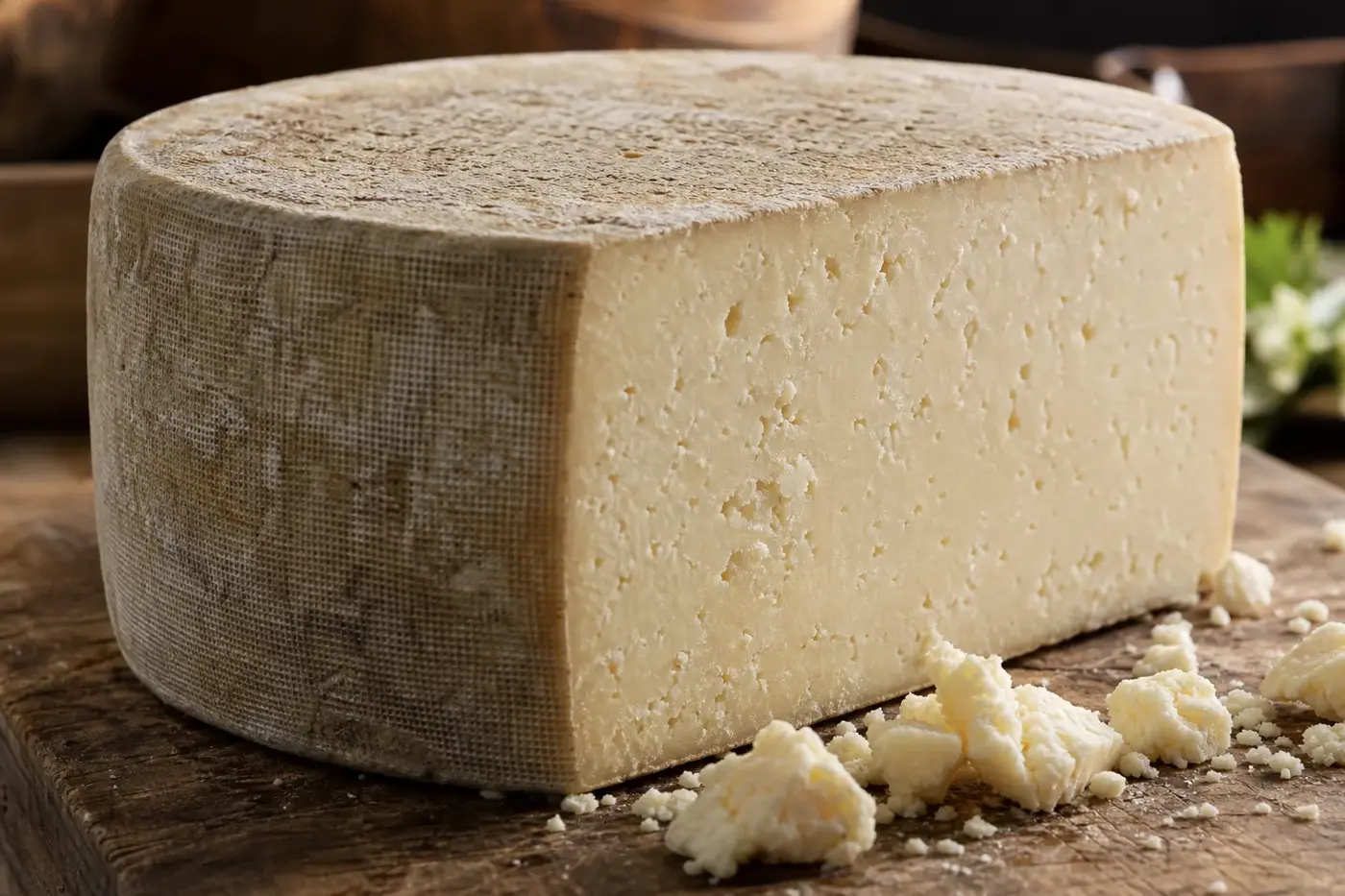
Look closely at the surface and you'll see overlapping ribbons, not a developed ripened rind. Ease one away and it separates into finer strands. Research describes this visible fibrous structure alongside Oaxaca's characteristically mild flavour. [2][3]
The colour ranges from white to pale ivory. Instrumental measurements in a 2022 study of five commercial cheeses recorded a white to light-yellow tendency. It is a quiet palette, but not an entirely uniform one. [8]
Expect a mild, milky flavour, then turn your attention to the texture. Published sensory research treats springiness, chewiness and cohesiveness as meaningful characteristics of Oaxaca. Milk treatment and acidification help explain why two cheeses with the same name can feel different in your mouth. [4][5]
Try pulling a ribbon apart lengthways instead of cutting it across into cubes. The fine strands let you see what stretching has done to the curd. It's a small serving choice that brings the cheesemaker's work into focus. [3]
Give those strands a warm tortilla
Stretching aligns the curd into bands that can separate into threads. For you, that means two distinct pleasures: pulling Oaxaca apart cold, or stretching it between the halves of a hot tortilla. The same structure makes both possible. [9]
Once it reaches the pan, acidity, moisture, salt and manufacturing conditions all influence its behaviour. Refrigerated storage can also change the functionality of stretched-curd cheeses. The name points you towards a style; the composition helps determine the melt. [3][8]
Aim to soften your cheese without drying it out. Moisture affects how readily the protein structure moves, and continued heating changes that balance as water escapes. Two cheeses with different compositions may soften, spread or stretch differently under identical cooking conditions. [3][8]
Watch the filling rather than chasing a particular cheese pull. Softened strands joining together are a more useful guide than length alone. Your lunch needn't audition for a close-up.
Start with a ribbon, then bring on the quesadillas
Try a ribbon just as it is before you reach for the pan. Eating Oaxaca this way preserves its distinctive fibrous character, a pleasure Profeco describes in its consumer study. You can give that texture your full attention without switching on the hob. [6]
When you do add heat, its melting ability gives you plenty of places to begin. These everyday preparations put the cheese to good use:
- Quesadillas: let the strands melt into a filling inside the tortilla.
- Tlayudas: quesillo is an established topping for Oaxaca's large maize tortillas.
- Tacos, gorditas and tlacoyos: Profeco records Oaxaca among the cheeses used in these everyday preparations. [6]
Mexico's agriculture ministry describes a prepared tlayuda with black beans, quesillo, avocado and meat toppings. Here, the cheese belongs to a bigger composition. Its melting layer sits alongside the beans and other ingredients rather than taking over the dish. [10]
For a filling, separate your cheese before distributing it. You'll find the quantity and placement easier to judge than with a thick section of the wound ball. A simple tortilla filling is a useful starting point: you can see how that particular cheese melts without other ingredients obscuring the result.
Meet Oaxaca's neighbours: mozzarella and asadero
Oaxaca and mozzarella share the stretched-curd method, but mozzarella comes in different forms. Fresh mozzarella is commonly eaten as a table cheese. Lower-moisture versions are widely used in cooking, with quite different moisture levels and uses across the family. [7]
Queso asadero is another Mexican stretched-curd cheese. Published Oaxaca research identifies similarities in composition and processing with both asadero and lower-moisture mozzarella. These comparisons help you find your bearings, but each name still describes a distinct cheese. [3]
| Cheese to compare | What they share | What to bear in mind |
|---|---|---|
| Fresh mozzarella | Fresh stretched-curd cheese. [7] | Commonly sold in liquid, rather than wound into ribbons. [2][7] |
| Lower-moisture mozzarella | Related processing and useful melting behaviour. [3][7] | Moisture and formulation affect how it performs in your dish. [7] |
| Queso asadero | Mexican cheese with documented processing similarities. [3] | Do not assume identical form, texture or manufacture. |
For a closer look at those differences, explore mozzarella. It will help you distinguish the fresh table cheese from its cooking relatives.
Look beyond the lovely ball to the label
Before you admire the ribbons, spend a moment with the label. Look at the milk, its treatment, the ingredients, storage instructions and date marking. Oaxaca can be made with raw or pasteurised milk, so the name alone cannot tell you which treatment your cheese has received. [3][5]
Give the product description some attention, too. Profeco's investigation distinguished dairy Oaxaca cheeses from imitation products, a good reason to read the front-of-pack name rather than rely on appearances. Those historical results describe the samples tested at the time, not the products on sale today. [6]
If you're buying in the UK, check allergen information for milk and any additional ingredients. Official UK guidance identifies milk as one of the allergens food businesses must communicate. [11] For a fuller checklist, turn to how to read a cheese label.
This page summarises published guidance from the official sources it cites. It is not medical advice. Guidance differs between countries and changes over time, so check the current source for where you live, and ask your doctor, midwife, pharmacist or dietitian about your own circumstances.
Keep it fresh and find the right pregnancy guidance
Follow your pack's refrigeration and after-opening instructions. The UK's Food Standards Agency advises refrigerating dairy products and keeping a domestic fridge between 0 and 5 °C. That cited guidance applies to England, Northern Ireland and Wales. [12]
A use-by date is about safety; a best-before date is about quality. UK government guidance warns that incorrect storage can make food unsafe even before its use-by date. Do not eat refrigerated cheese after that date unless it was appropriately cooked or frozen on or before the date, following the official instructions. [13]
If you're pregnant, the NHS lists pasteurised mozzarella among the cheeses that can be eaten. Its advice is to cook mould ripened soft cheeses and soft blue cheeses until steaming hot, including versions made with pasteurised milk. Oaxaca is not individually listed, so consult the current NHS advice and ask your midwife or doctor about your circumstances. [14]
For everyday household practice, turn to how to store cheese at home. Keep your pack's own storage instructions to hand, too.
No Oaxaca in the UK? Let the dish guide you
Think first about what you want your cheese to do. Something fresh to pull into strands is a different proposition from a filling destined to melt inside a tortilla. Start with that distinction rather than expecting one substitute to cover everything.
The suggestions below are editorial recommendations drawn from documented relationships within the stretched-curd family. Use them as starting points, with the needs of your dish in mind. [3][7]
| What you're making | A substitute to try | How to adjust |
|---|---|---|
| A fresh plate | Plain cow's-milk mozzarella | Expect a softer, wetter presentation, not wound ribbons; drain the packing liquid. [7] |
| Quesadillas and other melting fillings | Plain lower-moisture mozzarella | Start here when controlled moisture and melting matter most. [3][7] |
| A dish needing a Mexican melting cheese | Queso asadero, where obtainable | Check ingredients and moisture; expect some difference in the result. [3] |
For your first substitution, match function before flavour. Fresh mozzarella suits a fresh plate; a firmer cooking mozzarella is the more practical starting point for a tortilla filling. When you describe the finished dish, keep the replacement cheese's own name.
Questions people ask
What is Oaxaca cheese?
Oaxaca is a fresh Mexican stretched curd cheese, usually made from cow’s milk. Its long ribbons are wound into a ball, and it is commonly called quesillo in Oaxaca.
How is Oaxaca cheese eaten?
It can be eaten fresh, pulled apart ribbon by ribbon. It also melts in quesadillas and is used in tlayudas, tacos, gorditas and tlacoyos.
What can I use instead of Oaxaca cheese?
For eating fresh, the page suggests plain cow’s milk mozzarella, though it is softer and wetter. For quesadillas and other melting fillings, it suggests plain lower moisture mozzarella or queso asadero.
Can I eat Oaxaca cheese during pregnancy?
The NHS does not individually list Oaxaca, although it lists pasteurised mozzarella among cheeses that can be eaten. Check the current NHS advice and ask your midwife or doctor about your circumstances.
How should Oaxaca cheese be stored?
Follow the pack’s refrigeration and after opening instructions. The UK Food Standards Agency advises keeping a domestic fridge between 0 and 5 °C; its cited guidance applies to England, Northern Ireland and Wales.
Sources
- Government of Oaxaca, Tercera generación creadora del quesillo expone en la Feria del Mezcal, 25 July 2024. Local production account; its origin story is reported tradition.
- Instituto Mexicano de la Propiedad Industrial, Declaración de Protección de la Indicación Geográfica Quesillo de Reyes Etla, signed 10 April 2025, published in the Diario Oficial de la Federación on 29 April 2025, record 5756085.
- Journal of Dairy Science, Changes in quality of nonaged pasta filata Mexican cheese during refrigerated vacuum storage, 2015. Retrieved indexed text describing Oaxaca manufacture and research context.
- Journal of Dairy Science, Sensory profile development of Oaxaca cheese and relationship with physicochemical parameters, 2016. Retrieved indexed abstract and introductory text.
- Food Science and Technology International, Oaxaca cheese: flavour, texture and their interaction in a Mexican traditional pasta filata type cheese, published online in 2011. Retrieved indexed research description.
- Procuraduría Federal del Consumidor, Estudio de calidad: queso Oaxaca, Revista del Consumidor, June 2012.
- National Research Council of Italy repository, Invited review: Fresh pasta filata cheeses: Composition, role, and evolution of the microbiota in their quality and safety, Journal of Dairy Science 105, 2022, pages 9347 to 9366.
- Annals of Food Processing and Preservation, Evaluation of the Physicochemical and Structural Characteristics of Oaxaca Cheese Made with Three Organic Acids (Acetic, Citric and Malic), 6(1), 1033, 2022.
- Foods, Properties of Oaxaca Cheese Elaborated with Ultrasound-Treated Raw Milk: Physicochemical and Microbiological Parameters, 11(12), 1735, 2022. Retrieved indexed introduction.
- Secretaría de Agricultura y Desarrollo Rural, Los sabores de México presentes en una Tlayuda, 2020, retrieved indexed institutional description.
- UK Government, Understanding food labelling: Allergen labelling, live guidance, checked November 2026.
- Food Standards Agency, How to chill, freeze and defrost food safely, published 18 December 2017, live guidance checked November 2026. A verified source link is required before publication.
- UK Government, Understanding food labelling: Best before and use-by dates, live guidance, checked November 2026.
- NHS, Foods to avoid in pregnancy, live guidance, checked November 2026. A verified source link is required before publication.
Researched through Mexican official publications, primary production studies, a dairy-science review and UK official consumer guidance, without a site tasting or cooking trial.
Last checked: November 2026
Last checked November 2026.
The editors suggest you read next