Mexican Cheese
Pull a strand from a ball of queso Oaxaca.
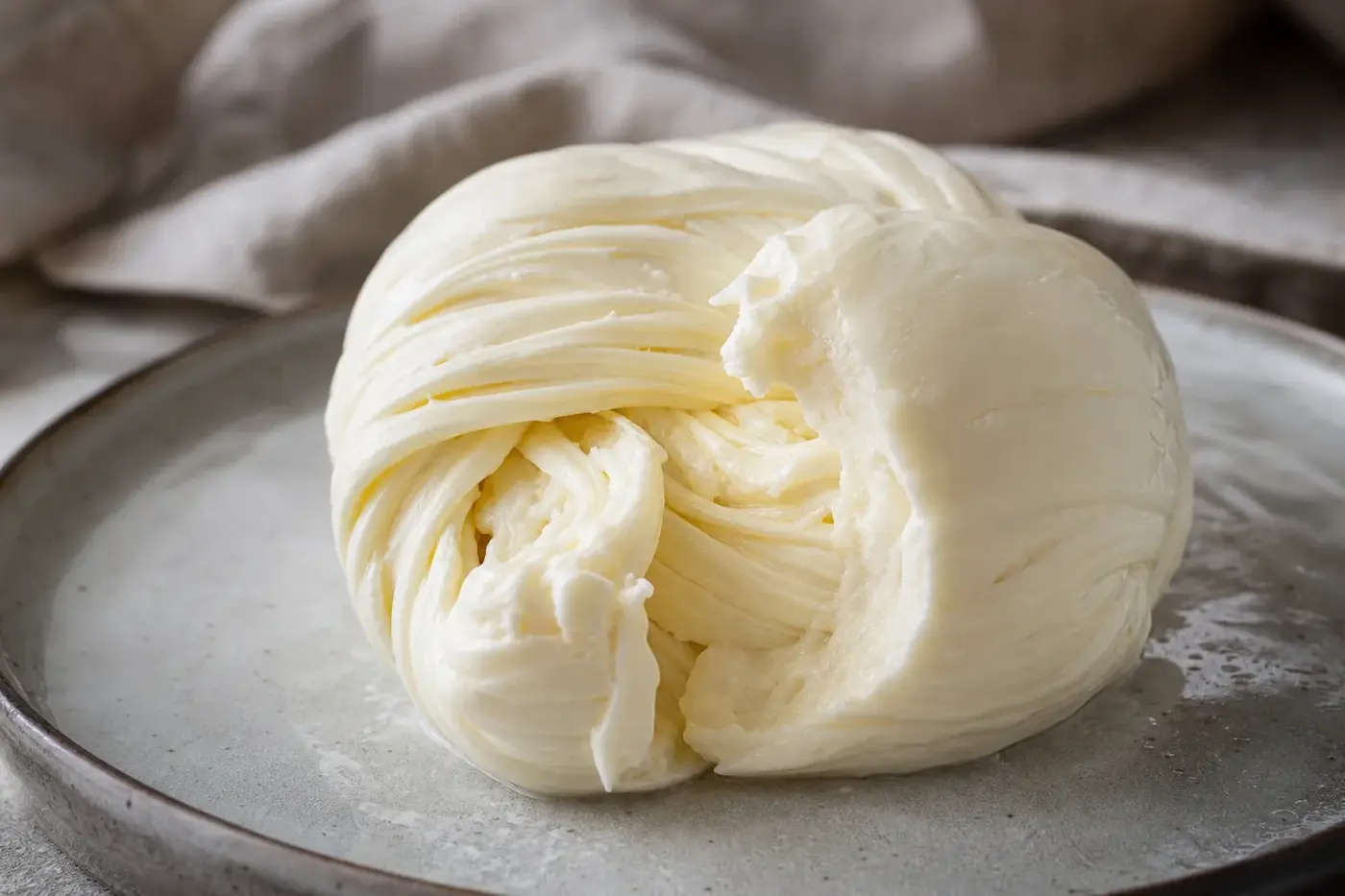
Pull a strand from a ball of queso Oaxaca. Another ribbon follows, giving you a glimpse of the work behind it: softened curd stretched, gathered and wound into that familiar shape. Slip it into a hot quesadilla and the strands deliver their elastic pull. You may find yourself moving the plate closer. [1]
Elsewhere in Mexico, fresh, milky curds scatter over beans and savoury aged wheels crumble over enchiladas. How do you choose between queso fresco, panela, Oaxaca, asadero, Chihuahua and Cotija? Start with moisture, texture and what happens when your cheese meets heat. [3][4][5]
How Mexico made dairying its own
Maize, beans and chillies already shaped Mexico's food cultures when Spain's conquest brought dairy animals and cheesemaking. Mexico's agriculture ministry records goats and sheep arriving in New Spain, followed by cattle. It also identifies adding chilli to cheese as a significant step in Mexican traditions. [6]
Then came the work of making those ingredients belong. Fresh cheese, curd worked into strands and wheels put aside to mature answered different needs, even with similar raw materials. Rather than hunting for European equivalents, look at what Mexican cheesemakers did with those possibilities. There is a richer story waiting there. [6]
Find the cheese family for your next meal
Much of what happens on your plate begins with the curd. That is the solid part formed when milk coagulates; whey is the liquid separated from it. Draining, pressing, stretching and ageing give you different textures, each with its own job in your kitchen. [2]
- Fresh and moist: queso fresco and panela introduce you to cheeses eaten without extended ripening. [3][7]
- Pressed into shape: Chihuahua has a more consolidated body than loose fresh curds. [5][7]
- Stretched for elasticity: Oaxaca and many asaderos are worked into an elastic paste, rather than simply drained into a mould. [1]
- Firm with age: Cotija belongs to a tradition where maturation and a firm body shape the cheese's character. [7]
Think of these as useful kitchen families, not sealed compartments. Methods and stages of maturity can overlap. For a broader view, explore how cheese styles differ.
Queso fresco and panela: let your hands guide you
Queso fresco means fresh cheese, but that name leaves room for a range of textures. The US Food and Drug Administration describes queso fresco-type cheeses as soft and fresh, with high moisture and low acidity. Picture a fresh topping or a filling that stays distinct, rather than melting into stretchy threads. [3]
Panela gives you a more coherent shape to work with. A UNAM study classifies it as a fresh, soft cheese that consolidates under its own weight, unlike pressed Chihuahua. Try slicing it or cutting it into pieces, rather than expecting Oaxaca's long strands. [7]
Let the cheese in front of you guide your hands. Does it crumble readily, slice cleanly or feel quite moist? Scatter crumbly cheese over beans, tuck pieces into a tortilla or add them to a salad. The name gives you the broad style; the maker's description and the cheese itself fill in the detail your dish needs. [3][7]
Oaxaca: follow the ribbons to the quesadilla
Queso Oaxaca, also called quesillo, starts with softened curd worked into an elastic paste. That curd is stretched into ribbons, then gathered and wound into a ball. Chapingo's regional survey records quesillo from Los Reyes Etla in Oaxaca, alongside Oaxaca-style production elsewhere in Mexico. [1]
Those ribbons tell you how to begin cooking. Pull off strands for a quesadilla, or spread small pieces through a filling to distribute the cheese evenly. Heat brings out the elastic pull, so reach for Oaxaca when you want that stretch. [1] Looking for a substitute? This mozzarella guide offers a useful comparison.
Asadero and Chihuahua: meet the makers behind the melt
In chile con asadero, cheese sits alongside the chilli, rather than merely landing on top of the finished dish. Chihuahua's government names it among the state's traditional dishes and lists asadero and queso menonita among its regional foods. Asadero has strong northern associations, though production extends across several regions. [10]
To see how the methods differ, take two cheeses from Campo Holandés. The producer describes its asadero as melting into defined strands. Its Chihuahua follows another route: coagulation, cutting, whey drainage, fermentation, salting and pressing. Both use pasteurised cows' milk, according to the maker. [5]
These descriptions belong specifically to Campo Holandés's cheeses. But they give you useful questions to put to other producers: how is yours made, and what will it do in a hot filling? A familiar name gets the conversation started; it does not finish it. [5]
Mennonite communities sit at the heart of Chihuahua's cheese story. The state government dates their arrival from Canada to March 1922 and connects their dairy production with queso Chihuahua. Behind that association are communities and working dairies. If you see a cheese described as menonita, ask who made it. [11]
For cooking, ask about a Chihuahua cheese's maturation as well as its melting qualities. Pressed and stretched cheeses can both suit hot fillings, but arrive at their textures by different routes. Choose asadero when its maker promises defined strands, or a particular Chihuahua for the body and flavour its producer describes. Let that choice guide the other ingredients. [5][7]
Cotija: make room for the mountain cheese
Cotija brings firmness and time to your plate. Mexico's consumer protection agency, Profeco, places traditional artisanal Cotija in the Sierra de Jalmich, the mountain country shared by Michoacán and Jalisco. Its account describes a hard cheese made from raw cows' milk, generally during the rainy season, and marketed from its third month. [4]
Before choosing your piece, ask about its age. A relatively young cheese may suit larger crumbs; a drier piece lends itself to fine crumbling. Profeco documents Cotija as a finishing cheese for sopes and enchiladas, among other dishes. Add a little, taste the whole dish, then decide whether you need more cheese or salt. [4]
The regional name has a legal story, too. In February 2024, Michoacán's agriculture department reported that Cotija had a collective mark and that work towards a denomination of origin was continuing. These are distinct forms of recognition. For the wider relationship between regional names and legal schemes, read protected names explained. [12]
Ocosingo: look inside the cheese
Queso de bola de Ocosingo keeps a surprise at its centre. A rounded double-cream centre sits inside two layers of another cheese made from skimmed milk. Research in the Revista Mexicana de Ciencias Pecuarias describes the acidic centre, made from raw cows' milk, and its contrasting covering. This Chiapas cheese gives you two distinct parts to discover. [13]
The official Mexican declaration explains how the covering is stretched and applied twice around the matured centre. So you are looking at a centre enclosed in a casing, not one uniform paste shaped into a ball. If you find one, ask the producer how to open and serve that particular cheese. [8]
An IMPI declaration published on 18 December 2025 granted Queso de Bola de Ocosingo a geographical indication in Mexico. It took effect the following working day. The declaration defines the area as the municipality of Ocosingo, Chiapas. [8]
Before the vat: follow the milk back to the farm
Regional character begins before the milk reaches the cheese vat. Chapingo's field-based manual connects cheeses with specialised dairy herds, dual-purpose livestock systems and small household production. In a dual-purpose system, cattle supply both milk and meat. Try to fit all of that into one national picture of milk supply and you lose much of Mexico's cheesemaking story. [1]
The farming year has a part to play, too. Cotija's connection with rainy-season milk ties production to the season, while maturation adds another stage between making and eating. [4] In Ocosingo, researchers argue that relative isolation helped preserve local cheesemaking knowledge. That is their interpretation of how the region developed. [14]
At the stove: choose the texture you want
Picture your finished quesadilla before choosing the cheese. For strands that pull, start with Oaxaca or an asadero whose maker describes it as a melting cheese. If you want pieces to stay more distinct inside the filling, consider a fresh cheese. Let the texture you want lead the choice. [1][5][7]
Enchiladas make that contrast easy to see. Fresh cheese leaves separate pale pieces against the sauce; firmer aged cheese can be finely crumbled over the finished plate. Cotija's documented use on enchiladas makes it a good starting point for that final layer. Judge the amount against the sauce and filling, rather than tasting it alone. [4]
With beans, build your dish in layers: beans first, then any chilli or sauce, then cheese. Begin with a modest scattering and taste the combined saltiness before reaching for another handful. Take the same approach with a fresh topping on any finished dish. Choose for texture, rather than adding several cheeses simply because they happen to be handy.
At the counter: start a better cheese conversation
Three questions will take you a long way: how salty is it, how moist is it, and does it melt into strands, soften or hold its shape? Then look for the maker, place of manufacture, milk treatment and storage instructions. Those details turn a broad cheese name into something you can confidently choose for dinner. They also give you a perfectly reasonable excuse to linger at the cheese counter.
When substituting, match the cooking function first. The options below follow the textures described above; adjust the seasoning once your ingredients are together. A substitute still keeps its own name.
| What you fancy | What to try | What to look for |
|---|---|---|
| Oaxaca-style pull | Melting mozzarella | Moisture and salt vary; choose for melting, rather than a very wet fresh topping. [1] |
| Asadero or Chihuahua filling | Labelled melting cheese | Check the maker's description of melt and flavour; shred or slice for your filling. [5] |
| Fresh crumbled topping | Fresh, crumbly white cheese | Compare salt and firmness; a wetter cheese changes the finished texture. [3][7] |
| Cotija-style finishing | Dry grating cheese | Start with a little, then adjust the dish's salt after adding it. [4] |
For the packet details that matter, turn to how to read a cheese label.
This page summarises published guidance from the official sources it cites. It is not medical advice. Guidance differs between countries and changes over time, so check the current source for where you live, and ask your doctor, midwife, pharmacist or dietitian about your own circumstances.
Bringing cheese home: storage and safety
Keep your home fridge between 0 and 5 °C, advises the UK's Food Standards Agency. Follow the cheese's storage instructions and use-by date, and keep its time out of the fridge as short as possible. The agency's general guidance allows a maximum of four hours out during preparation. Following NHS guidance, keep ready-to-eat cheese separate from raw foods. [15][16]
During pregnancy, pay particular attention to milk treatment and cheese type. In UK guidance as of November 2026, the NHS lists some pasteurised soft cheeses that can be eaten without cooking. It advises thoroughly cooking mould ripened soft cheeses with a white rind and soft blue cheeses, even when pasteurised, as well as soft cheeses made from unpasteurised milk. Consult its guidance for the cheese concerned. [17]
US guidance as of November 2026 gives specific advice on queso fresco-type cheeses. The FDA advises people who are pregnant, aged 65 or older, or have weakened immune systems to avoid these cheeses, whether made from pasteurised or raw milk. It explains that contamination can occur after pasteurisation. Its handling guidance specifies refrigeration at 4 °C (40 °F) or below and avoiding leftovers after opening. [3]
For everyday household practice, continue with how to store cheese at home. If you are managing a higher-risk situation, follow the linked official guidance for your country and seek individual advice from your healthcare professional.
Questions people ask
What can I use instead of queso Oaxaca?
Melting mozzarella can be used for Oaxaca style pull. Choose it for its melting qualities rather than as a very wet fresh topping.
What is the difference between queso fresco and panela?
Queso fresco covers a range of textures and is generally thought of as a fresh topping or a filling that stays distinct rather than stretching. Panela holds a more coherent shape and can be sliced or cut into pieces.
How are asadero and Chihuahua different?
Campo Holandés describes its asadero as melting into defined strands. Its Chihuahua is made through a different process that includes fermentation and pressing.
How is Cotija used?
Profeco documents Cotija as a finishing cheese for dishes including sopes and enchiladas. A relatively young cheese may suit larger crumbs, while a drier piece is better for fine crumbling.
Can I eat Mexican cheese during pregnancy?
UK NHS guidance lists some pasteurised soft cheeses that can be eaten without cooking, but advises thoroughly cooking soft cheeses made from unpasteurised milk, mould ripened soft cheeses with a white rind and soft blue cheeses. The US Food and Drug Administration advises pregnant people to avoid queso fresco type cheeses whether made from pasteurised or raw milk. Guidance differs between countries, so check the current NHS or FDA guidance for the cheese concerned.
Sources
[1] Universidad Autónoma Chapingo. Manual de prácticas de procesos de elaboración de Quesos Tradicionales Mexicanos. First edition, September 2024. Chapters 1, 2, 6 and 8. University publication.
[2] Secretaría de Economía and Secretaría de Agricultura. Norma Oficial Mexicana NOM-223-SCFI/SAGARPA-2018, Queso-Denominación, especificaciones, información comercial y métodos de prueba. Official published text, especially sections 3, 6.8, 7 and 9. Official text.
[3] US Food and Drug Administration. Queso Fresco-type Cheeses Consumer Guidance. Online guidance retrieved November 2026. FDA guidance.
[4] Procuraduría Federal del Consumidor. Queso Cotija. Revista del Consumidor, February 2019. Product study and introductory account of traditional Cotija. Profeco publication.
[5] Campo Holandés. Nuestros quesos. Undated producer descriptions of Queso Chihuahua Menonita and Queso Asadero Menonita, retrieved November 2026. Commercial producer source. Producer descriptions.
[6] Secretaría de Agricultura y Desarrollo Rural. Descubriendo los Lácteos en México: Una Tradición Nutritiva. Institutional article, publication date not verified; indexed passage retrieved November 2026. Institutional article.
[7] Universidad Nacional Autónoma de México, Facultad de Estudios Superiores Cuautitlán. Evaluación del rendimiento de queso panela a dos temperaturas de cuajado. Degree thesis, 2005. Classification tables, including “Clasificación de los quesos mexicanos genuinos”. University repository.
[8] Instituto Mexicano de la Propiedad Industrial. Declaración de Protección de la Indicación Geográfica “Queso de Bola de Ocosingo”. Signed 19 November 2025; published in the Diario Oficial de la Federación, 18 December 2025. Production description, geographical delimitation and operative provisions. Official gazette edition.
[10] Gobierno del Estado de Chihuahua. Gastronomía. Undated institutional page, retrieved November 2026. Regional food account.
[11] Gobierno del Estado de Chihuahua. Su gente. Undated institutional page, retrieved November 2026. Mennonite arrival and dairy production passages. Institutional community account.
[12] Secretaría de Agricultura y Desarrollo Rural, Michoacán. Queso Cotija, en proceso para la denominación de origen: Sader. 4 February 2024. Dated departmental statement.
[13] Revista Mexicana de Ciencias Pecuarias. Research article concerning queso bola de Ocosingo, volume 10, issue 1, pages 104 to 119, 2019. Introductory description of its centre and covering. Research article.
[14] Agricultura, Sociedad y Desarrollo. Alimentos emblemáticos y turismo. La vinculación del queso bola de Ocosingo con la oferta turística regional. Volume 13, issue 1, 2016. Research article.
[15] Food Standards Agency. How to chill, freeze and defrost food safely. Online guidance retrieved November 2026. Official guidance.
[16] NHS. Listeriosis. Online guidance retrieved November 2026. Prevention and storage advice. NHS guidance.
[17] NHS. Foods to avoid in pregnancy. Online guidance retrieved November 2026. Cheese, milk and other dairy section. NHS pregnancy guidance.
Researched through institutional publications, Mexican legal texts, university research, attributed producer descriptions and country-specific food safety guidance; the culinary comparisons are desk-research synthesis.
Last checked: November 2026
Last checked November 2026.
The cheeses of Mexico
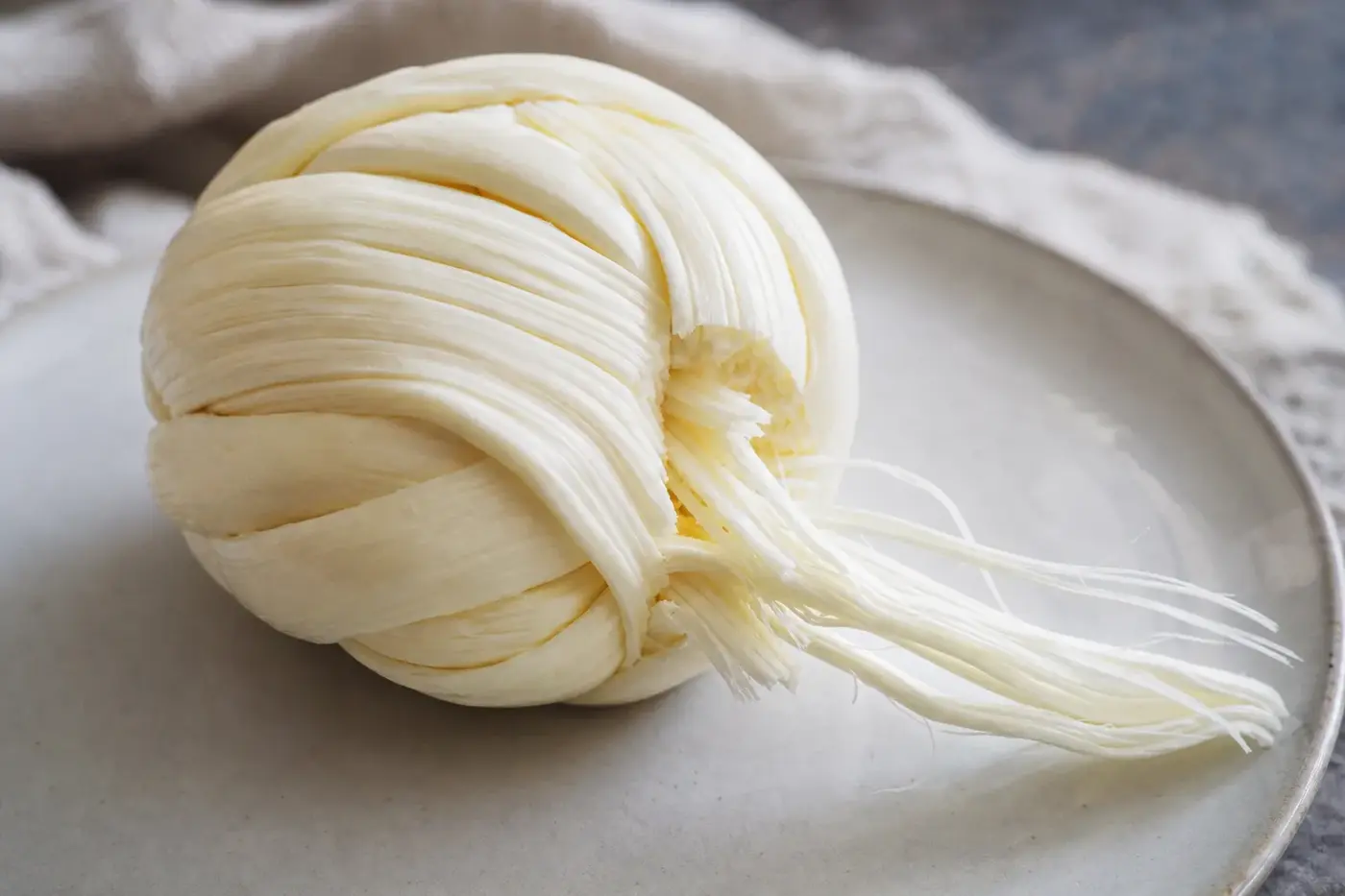
Oaxaca
Pull a ball of Oaxaca apart and the ribbons give way to elastic strands.
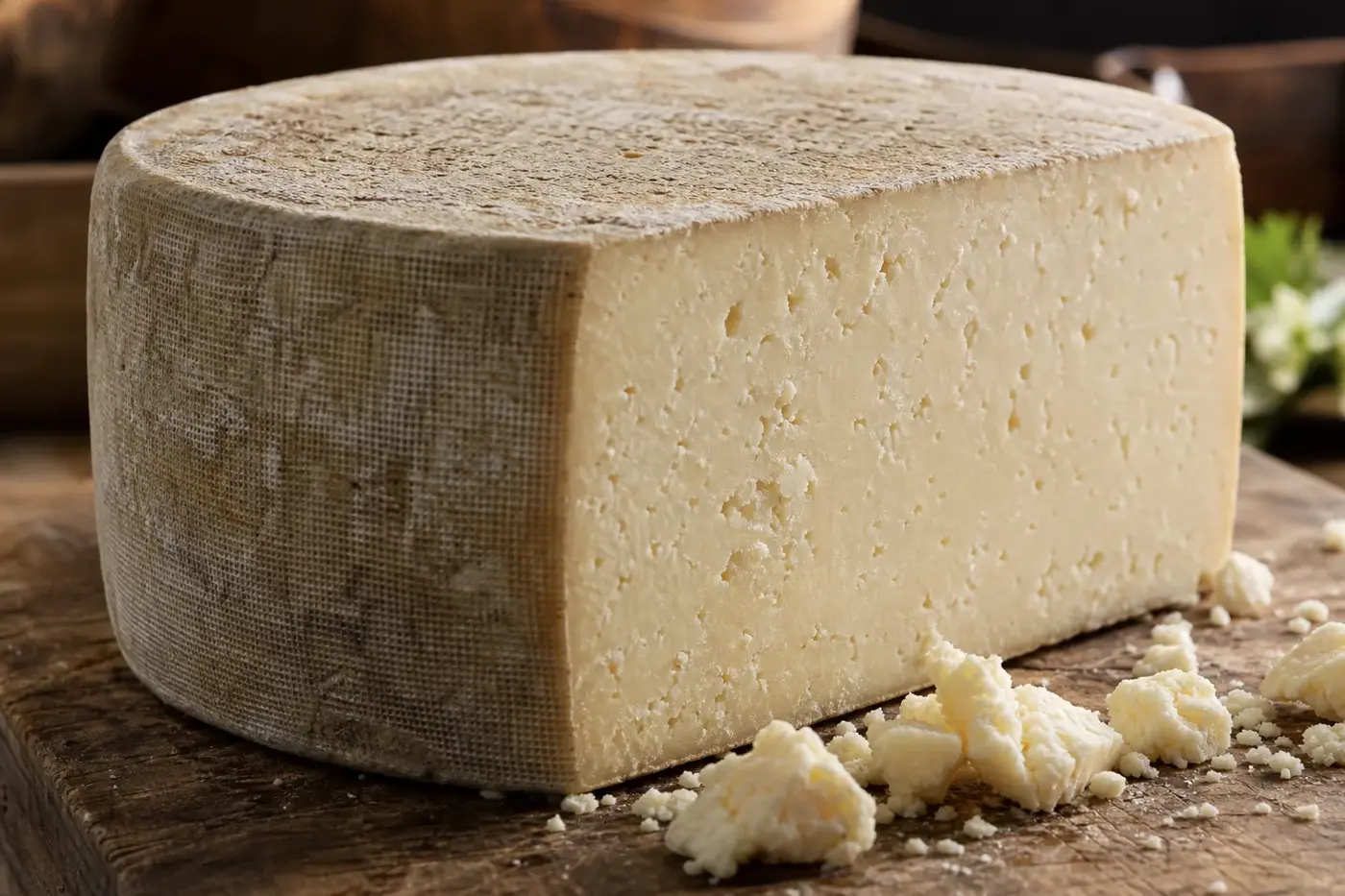
Cotija
Rain greens the mountain pastures between Michoacán and Jalisco.
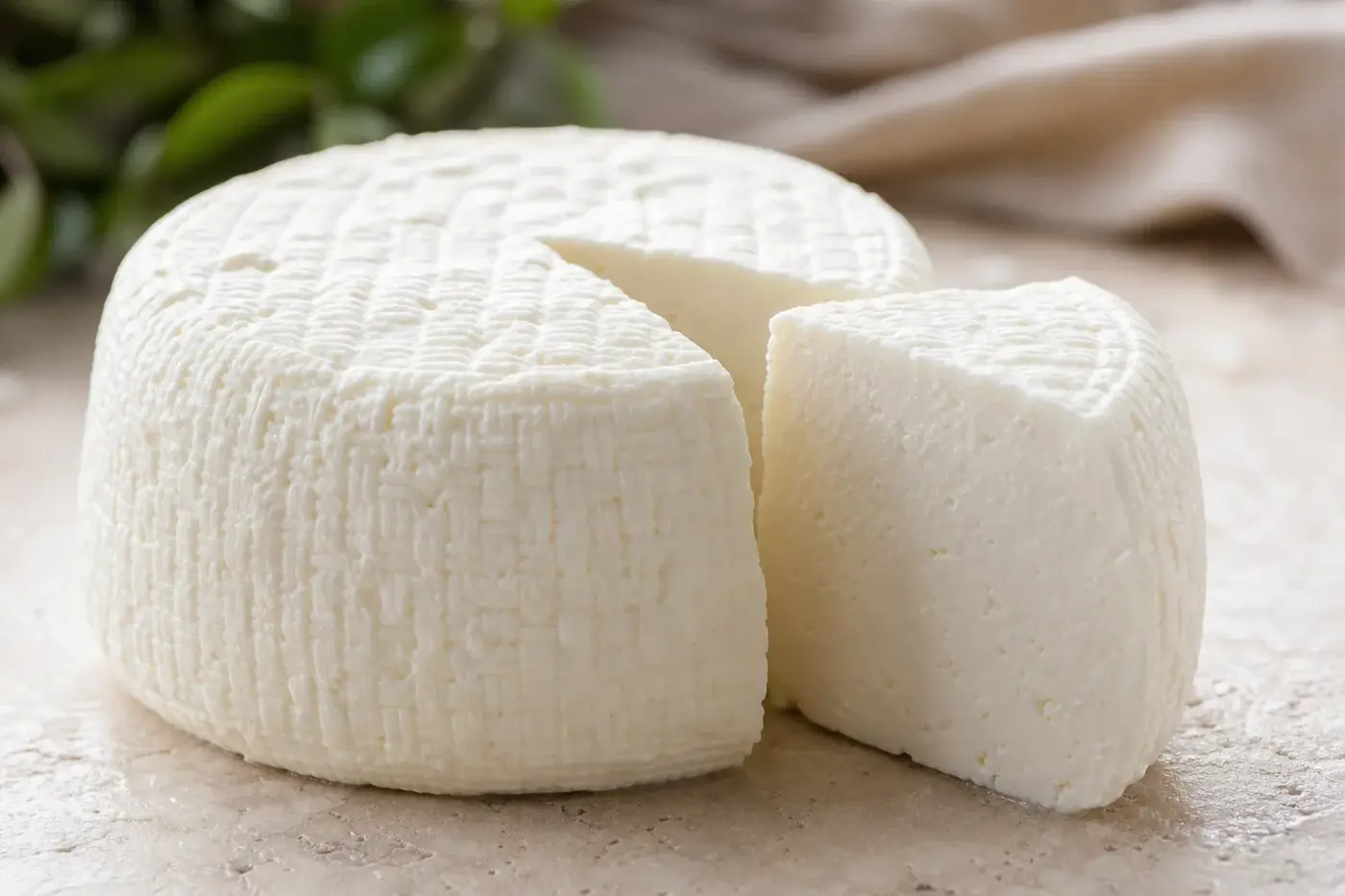
Panela
Run your eye over a piece of panela and the basket is still there, pressed into its white surface.
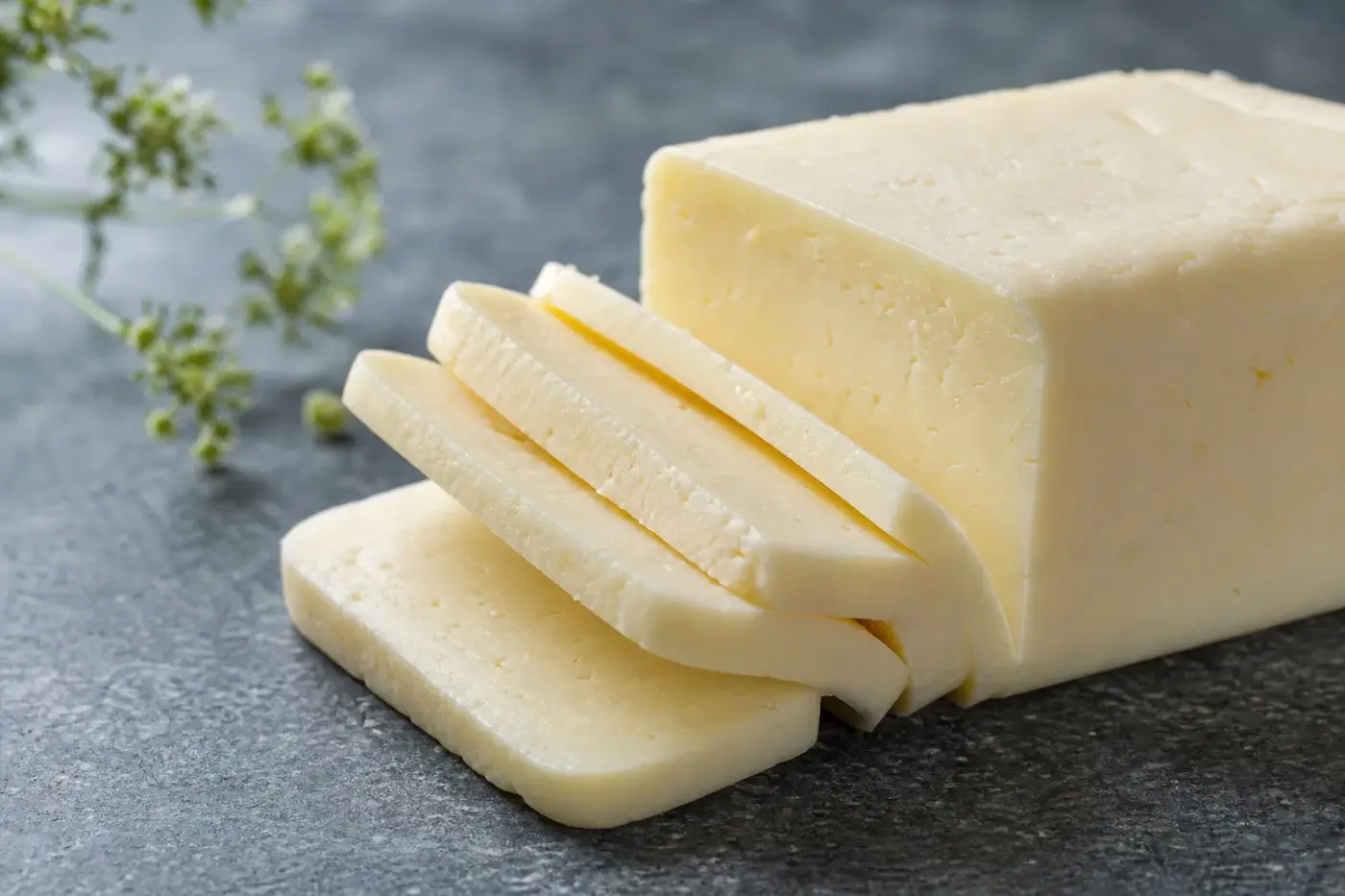
Queso Chihuahua
Fresh milk, cooked milk, melted butter: imagine those aromas rising from a slice on your plate.
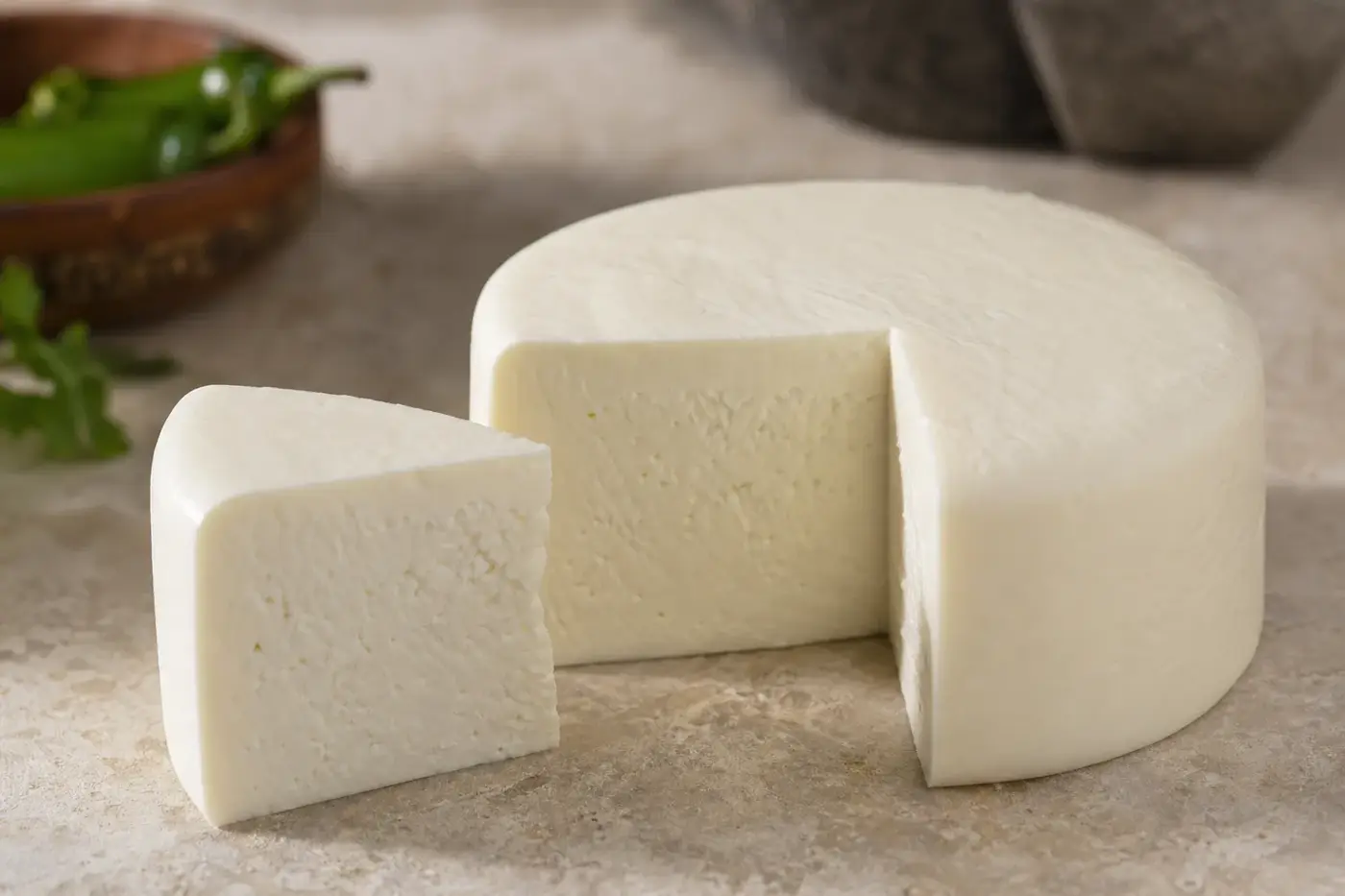
Queso Asadero
Slip asadero into a tortilla and let the heat get to work.
The editors suggest you read next
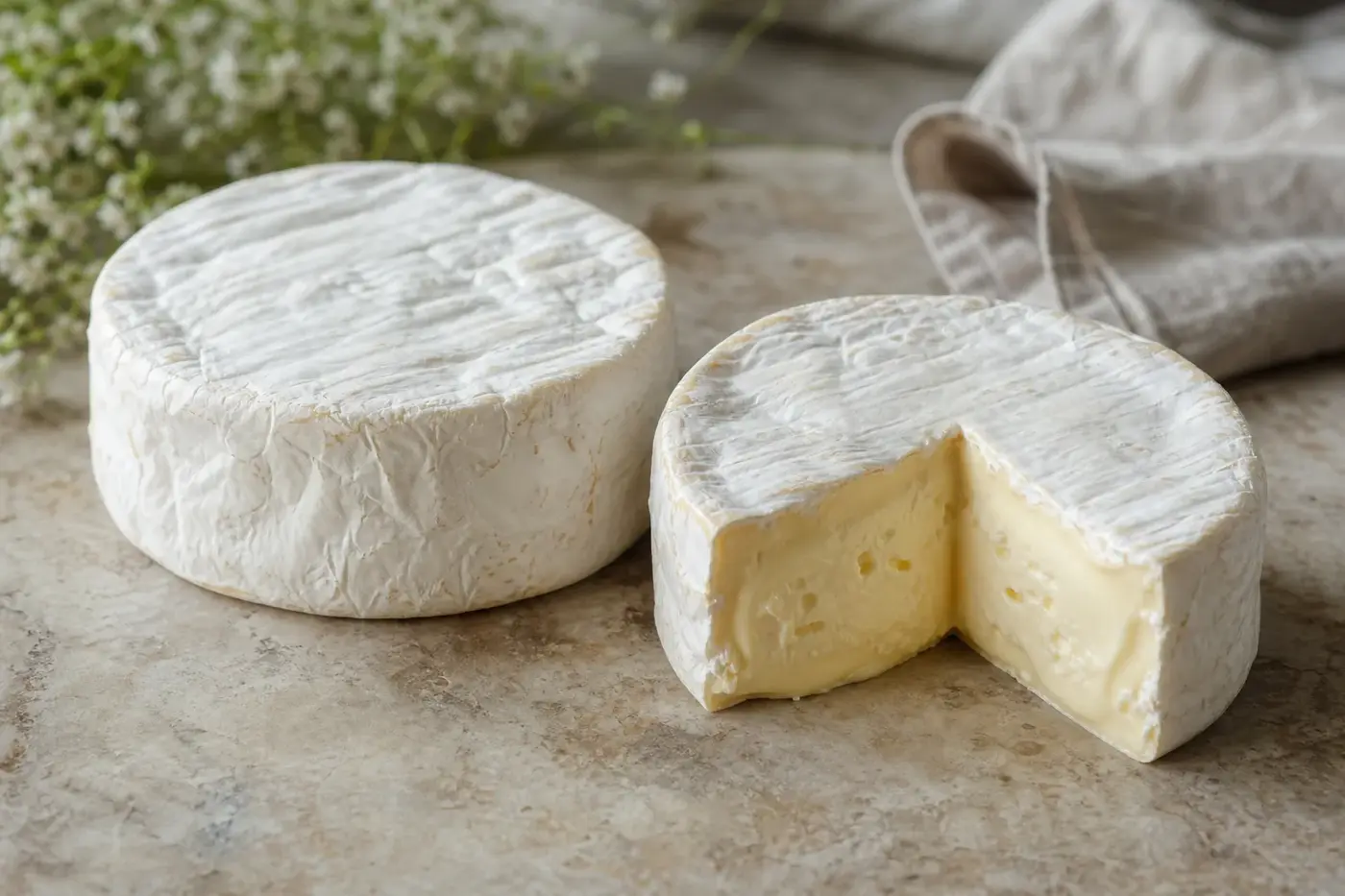
French Cheese: The Complete Guide
Picture Normandy’s pastures, then follow the milk towards the Loire’s goat dairies, the Jura’s shared cheesemaking traditions and the sheep country of the Pyrenees.