Pérail
Picture a stone sink, a little sheep’s milk and barely enough room for a small, flat cheese.
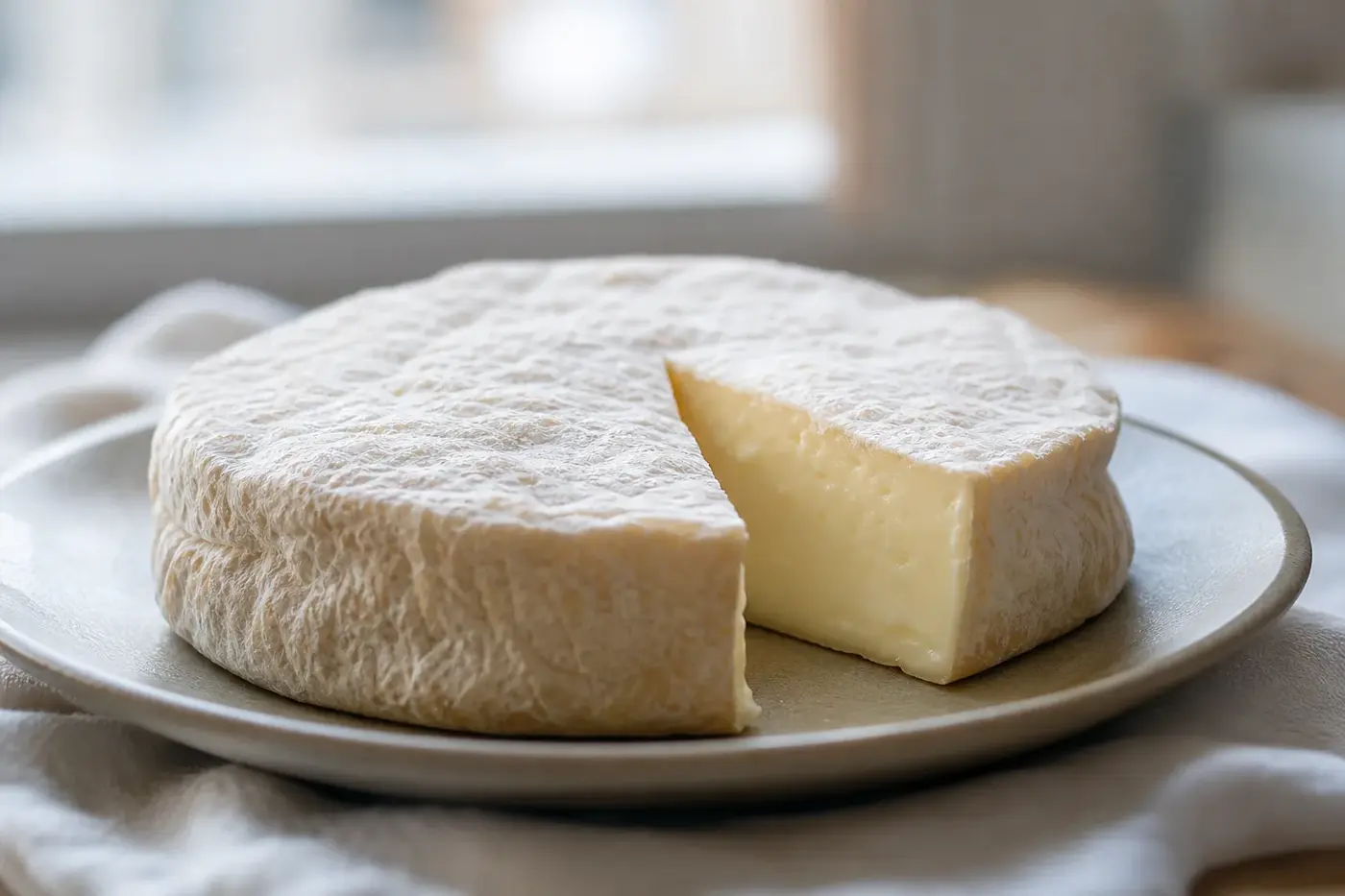
Picture a stone sink, a little sheep’s milk and barely enough room for a small, flat cheese. In the sheep-farming country of southern France, that sink, the peralhièira, helped give Pérail its shape and its name, in the region known for Roquefort. [1] Beneath its pale, delicate skin, whole sheep’s milk becomes a soft paste, growing more yielding with age as fresh dairy flavours give way to something fuller and creamier. [1,2]
| Pérail at a glance | What you need to know |
|---|---|
| Familiar and registered name | Pérail. [3,6] |
| Milk under the EU PGI specification | Whole Lacaune sheep’s milk. Raw, thermised and pasteurised milk are permitted. [3] |
| Area under the EU PGI specification | Most of Aveyron and specified parts of Lozère, Tarn, Hérault and Gard, France. See the transitional exception below. [3,6] |
| EU protection | Registered PGI under Commission Implementing Regulation (EU) 2025/1020, effective 16 June 2025; status as at November 2026. [6] |
| EU register identifier and direct register entry | Not supplied here. |
| Direct product specification link | Not supplied here. |
| Great Britain protection | No status stated here. |
| Earliest permitted sale | From the seventh day after rennet is added. [3] |
| How the texture develops | The producers’ association describes a milky stage at 7 to 12 days and a creamier texture from about 20 days. [2] |
| Coagulant | Calf or lamb animal rennet. [3] |
Follow the flock into Pérail country
Head into Aveyron and you reach the heart of Pérail’s territory, where mountain and Mediterranean climates meet. INAO, France’s national institute responsible for official origin and quality schemes, places it among the plateaux, valleys and gorges of the south-western Massif Central. The legal production area covers most of Aveyron and selected parts of four neighbouring departments, not all five departments in full. [3,4]
Sheep farming here means making a living from contrasting terrain. Grazing, haymaking and milk production all depend on land of differing quality. INAO describes a predominantly grass-based feeding system, with pasture near the sheep buildings and rough grazing on poorer soils. The sheep supplying Pérail’s milk are the local Lacaune breed. [1,4]
That origin on the label tells you more than “southern France” ever could. For EU PGI Pérail, milk production, cheesemaking and ripening must happen within the specified area, subject to the transitional exception below. PGI means protected geographical indication. [3,6]
When Roquefort stopped, Pérail had its moment
Pérail’s story follows the seasonal rhythm of Roquefort production. INAO’s historical account describes farmers making it towards the end of the ewes’ lactation, after local Roquefort dairies stopped taking their milk. Those dairies supplied their remaining rennet too, while women did much of the cheesemaking in farming households. [1]
With only small quantities of milk left to use, a small cheese made sense. INAO links its flat shape to the limited draining space on the stone peralhièira, which also gave Pérail its name. Evidence of the cheese reaches back to the late nineteenth century. [1]
Think leftover milk, not leftover cheese. Households made Pérail separately from their available sheep’s milk, rather than reworking Roquefort. Its combination of milk-setting and draining practices eventually found a home at farmhouse, artisan and larger dairy scales. [1,5]
A delicate skin, a centre worth meeting
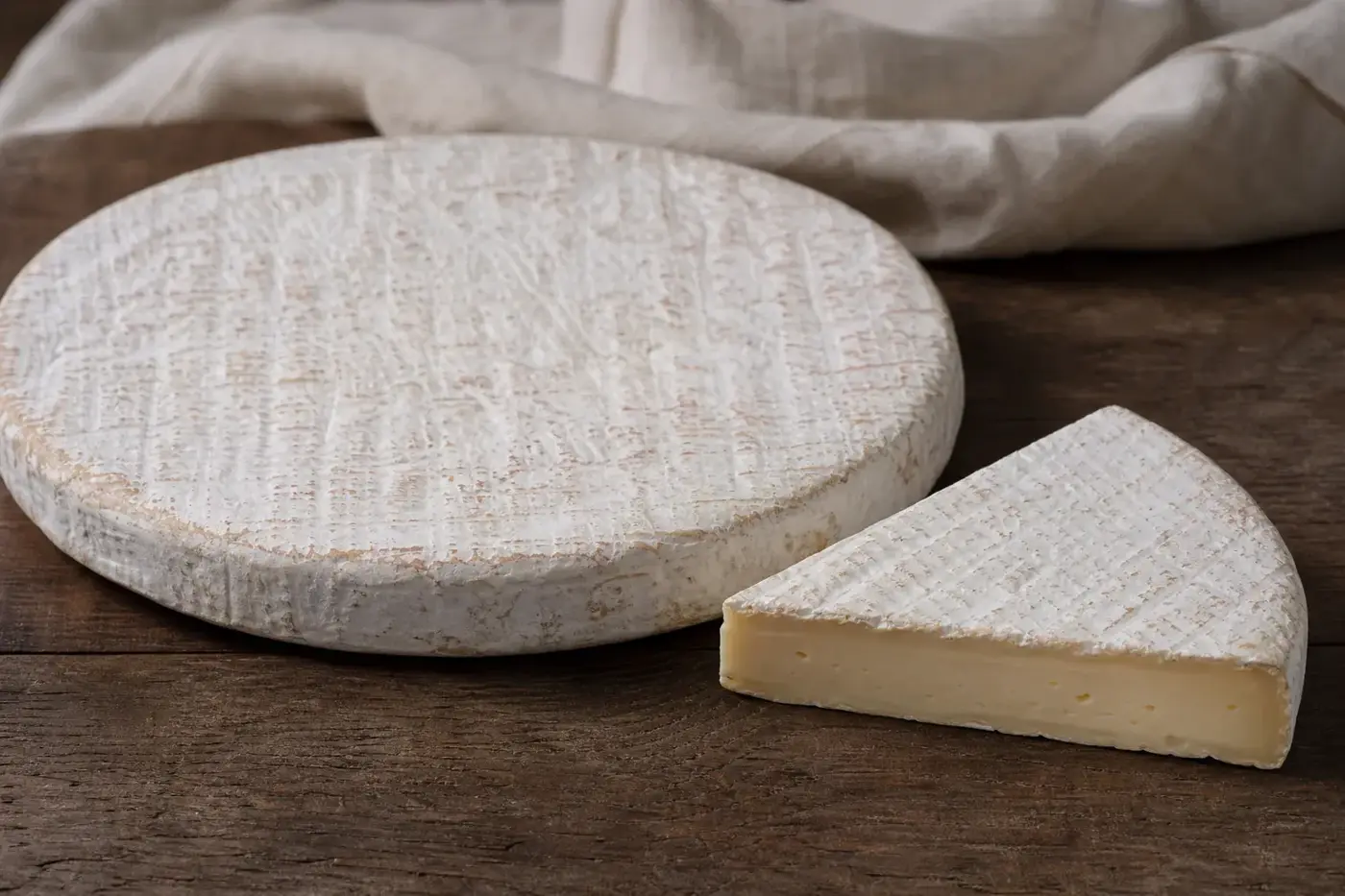
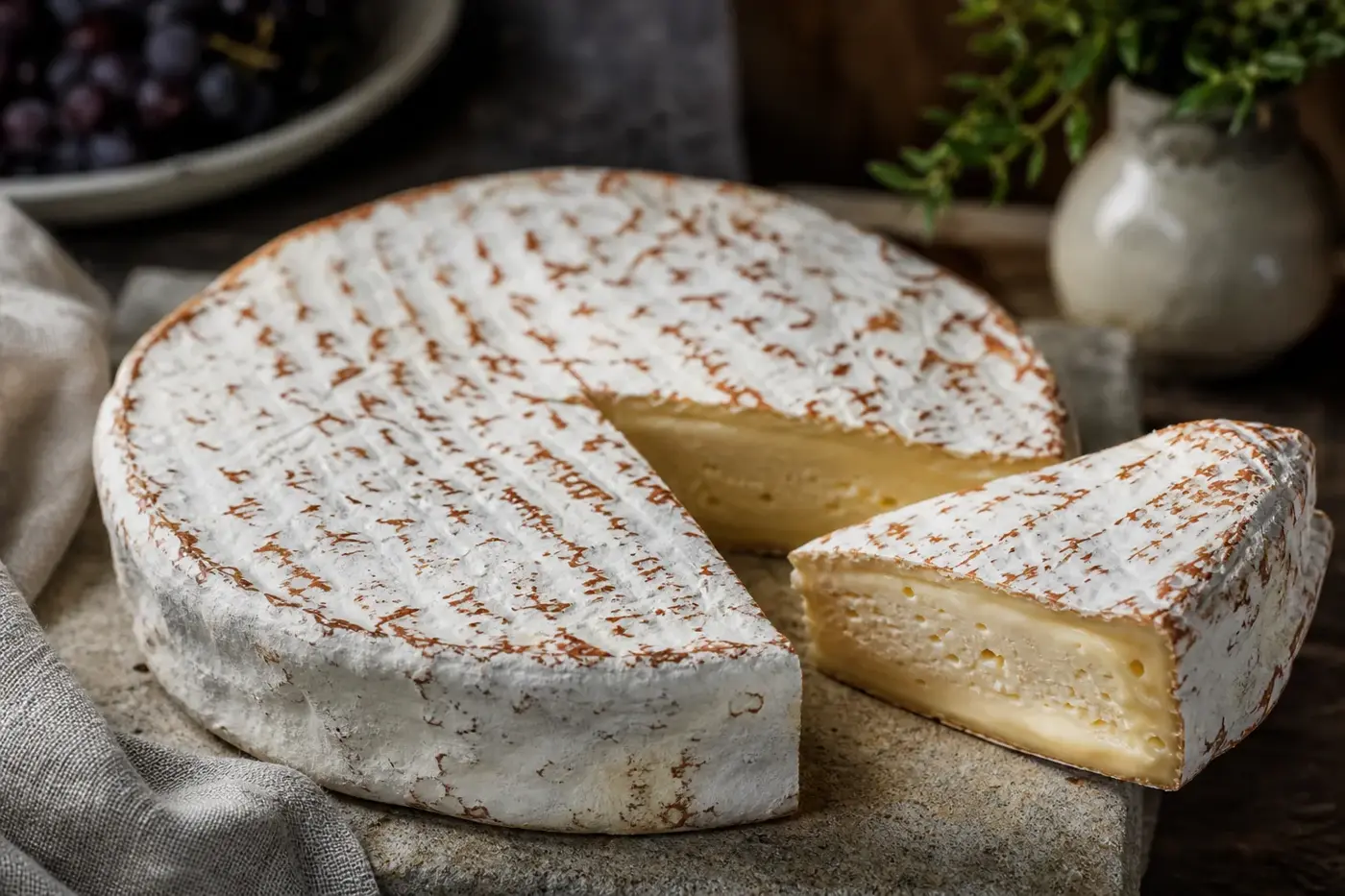
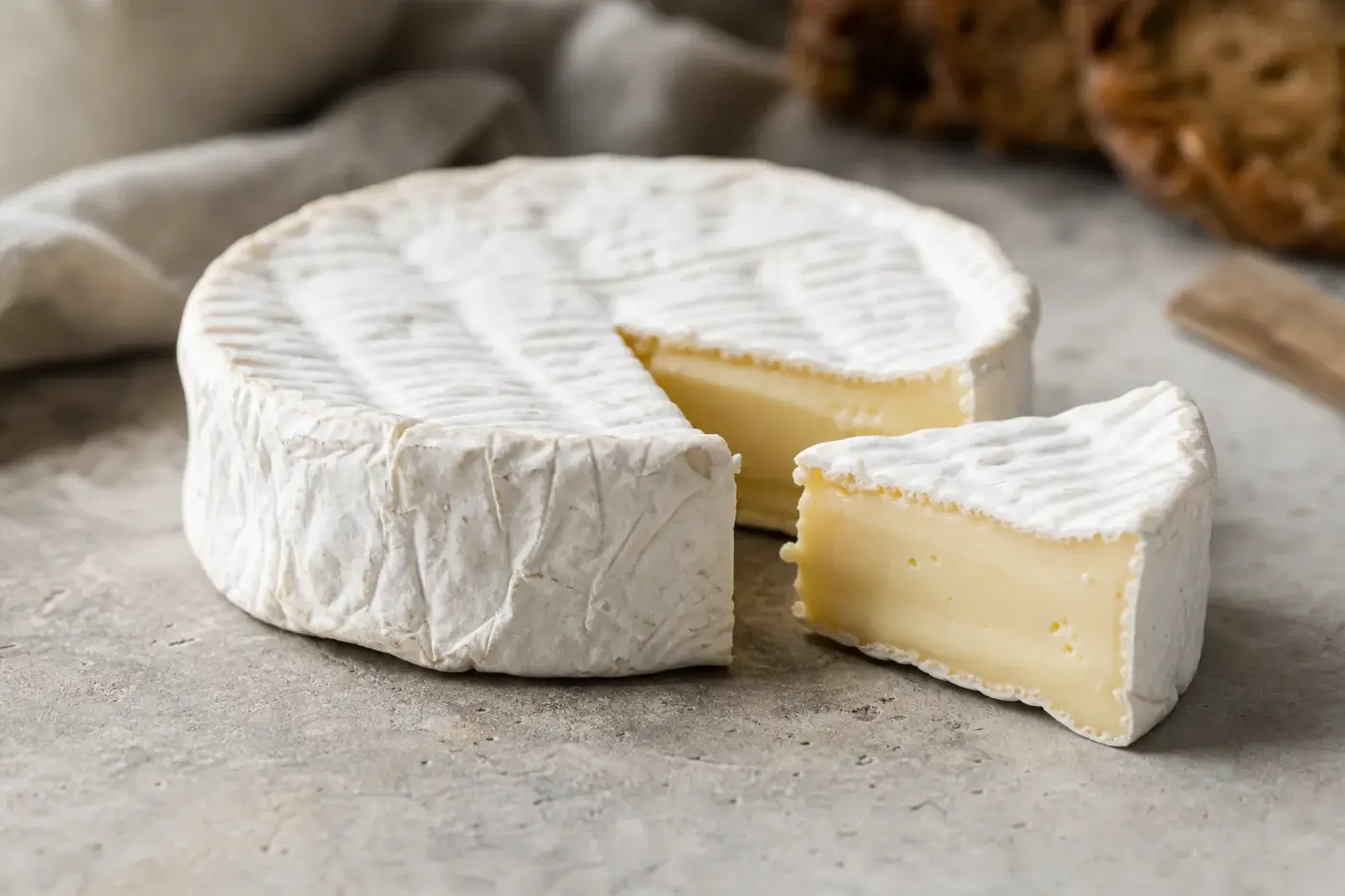
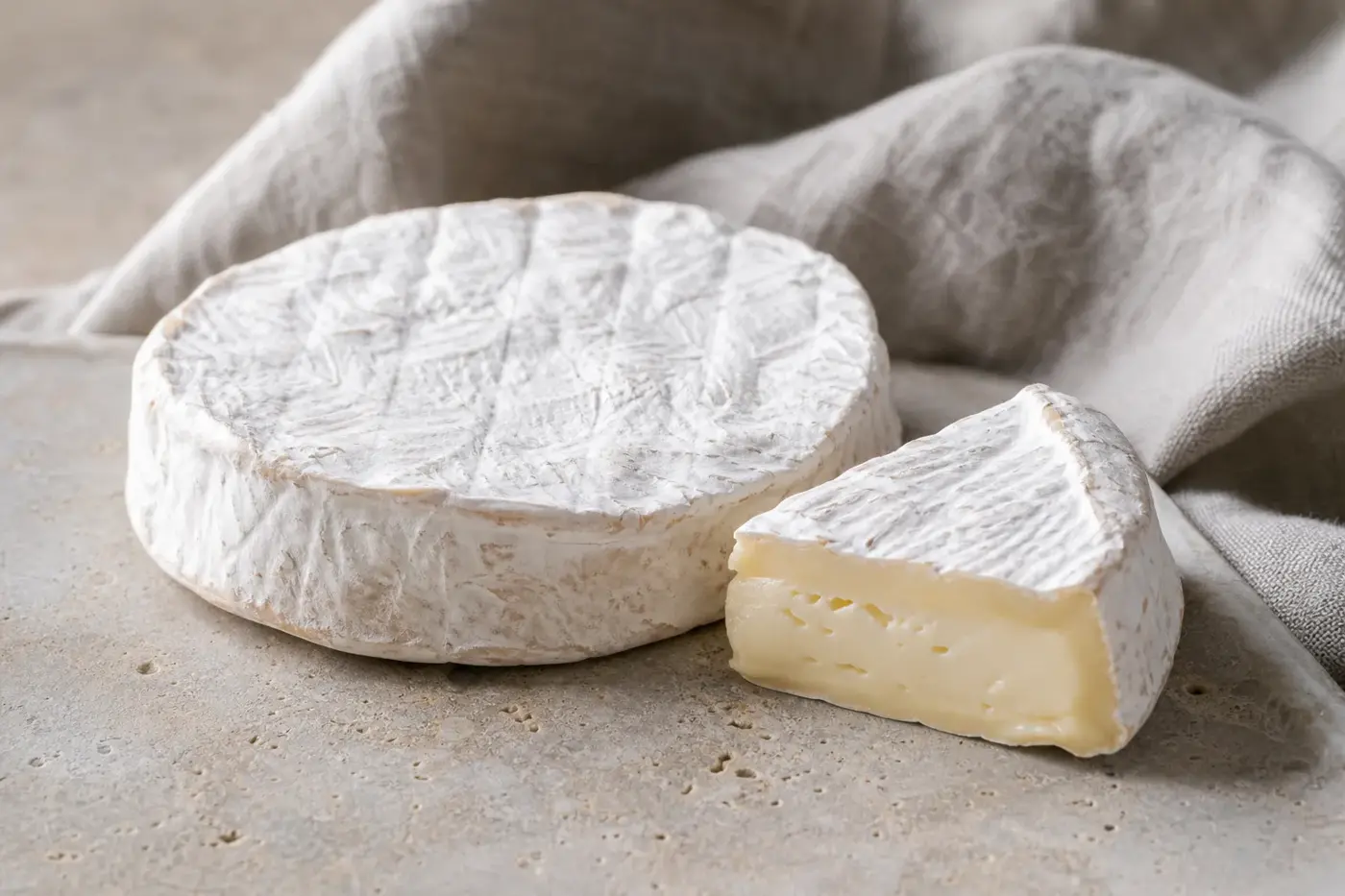
Look closely and you see a low, round cheese with a pale surface, not a hefty outer crust. The European Commission describes a thin, supple skin around an evenly textured, soft interior. Its colour runs from white to ivory, with a covering that stays delicate rather than thick and dry. [7]
The French specification calls this a fine skin, “without rind”, though everyday cheese descriptions may call it a thin rind. Ripening flora, notably Geotrichum, give the surface its slightly felted appearance. [3]
The producers’ association describes light wrinkles outside and a smooth, melting paste within. At roughly 7 to 12 days, you get a younger, milky character; around 20 days, the texture becomes creamier. These ages describe development, not a schedule for keeping your purchased Pérail at home. [2]
Let your appetite choose the texture. For soft wedges, look for a cheese that still holds its shape. For a more yielding centre, ask the cheesemonger which individual cheese is ready. The cheese in front of you tells you more than its age alone.
Taste milk, cream and a whisper of wool
“Mild sheep’s cheese” hardly tells you the whole story. The European Commission identifies sheep’s milk, curd and cream notes, sometimes with impressions of dried fruit. There is also a characteristic sheep-associated aroma, including a slight woolly quality. [7]
INAO describes fresh, gentle aromatic notes alongside milky and sheep’s-wool aromas. The producers’ association follows the shift from young and milky towards a more unctuous texture. Put those descriptions together and dairy character leads, with a recognisable sheep’s-milk identity close behind. [1,2]
As you taste, notice the balance between milk and cream, and whether the paste holds its shape or spreads readily. [1,7] A flowing centre is not guaranteed. Nor is the oldest available Pérail automatically your favourite: ripeness is not a competitive sport.
From sheep’s milk to a little round
Pérail begins with both lactic cultures and rennet, each with a job to do. The cultures help acidify the milk; the rennet helps form the gel that becomes curd. The regional producers’ association describes the main sequence as setting, moulding, draining, salting and ripening. [5]
The set curd goes into moulds by hand or mechanical means. Liquid whey drains away, leaving the shallow round to take shape, before fine salt goes onto the unmoulded cheese’s surfaces. Affinage, the controlled ripening period, develops its skin, flavour and texture. [5]
The specification requires gravity draining, with turning but no pressing, followed by surface salting with dry salt. The manufacturer must also carry out the ripening. That production stage is separate from the chilled storage your cheese needs after purchase. [3]
For the wider picture, explore how cheese is made. Pérail gets its small size and softness from its own making and ripening method. You are looking at a cheese made as a little round, not a piece cut from something larger.
Farmhouse roots, and a label worth reading
Pérail still carries its farmhouse beginnings with it, but the story has grown beyond the farm. Artisan cheesemakers, dairies and a cooperative make it too. The producers’ association describes these different businesses working within the regional industry. [10]
A business’s size or type will not tell you how it treats its milk. The specification allows raw, thermised and pasteurised milk, and requires animal rennet from calves or lambs. That rennet matters if you choose cheese according to vegetarian preferences. [3]
Read the product information rather than treating “farmhouse” as shorthand for a milk treatment. For a closer look at those distinctions, turn to the guide to raw, thermised and pasteurised cheese.
What the protected name tells you
Pérail is registered as a protected geographical indication in the European Union. The registration regulation was adopted on 26 May 2025, published on 27 May and entered into force on 16 June 2025. The operative registration act and INAO information underpin the November 2026 status given here. [4,6]
That protected name connects the cheese to a defined place and production specification. Within those rules, makers still have choices, including milk treatment and moulding methods. You get shared requirements, not identical cheeses. [3,5]
There is one transitional exception to the origin rules. The registration regulation allows Fromagerie de la Lémance, established outside the defined area, to keep using the name for five years from the regulation’s entry into force. During that transition, read the maker’s details alongside the name. [6]
If you would like to untangle the different schemes, turn to protected names explained. It sets out the distinctions behind those labels.
Tell the cheesemonger what you fancy
Start with the occasion, not a demand for maximum ripeness. For neat wedges on a plate, ask for a Pérail that holds its shape. If you want to spread it onto bread, say you prefer a softer paste and ask which cheese is ready.
Check the milk treatment, maker, storage instructions and date marking. The PGI symbol identifies the geographical scheme; the product label tells you about the particular cheese you are buying. The specification requires the protected name and EU PGI symbol on the visible labelling of PGI cheese. [3]
Tell the cheesemonger when you plan to serve it, and ask when it should reach its preferred eating stage. That gives them more to work with than simply asking for the ripest cheese. Keep the identifying label or receipt with it, so the handling instructions stay to hand.
Make room in the fridge for Pérail
Pérail is a chilled soft cheese, so follow its packaging instructions. For England, Wales and Northern Ireland, the Food Standards Agency advises keeping a domestic fridge between 0 and 5 °C. It also advises refrigerating dairy products and following use-by dates and storage directions. [8]
Keep the cheese protected in its packaging and handle it only as much as necessary. Once opened, follow any stated opening instructions. Do not assume every Pérail gets the same number of extra days.
Before putting it away, decide how much you expect to serve. Taking out only that amount avoids repeatedly warming the whole cheese. For help with wrapping and fridge organisation, see how to store cheese at home.
Let the texture lead at the table
For England, Wales and Northern Ireland, follow the Food Standards Agency’s current chilled-food guidance and the storage instructions on the packaging. [8] This page gives no advice on bringing Pérail towards room temperature or an applicable serving time limit.
If your cheese holds its shape, cut wedges from the centre outwards. If the paste is very soft, offer bread and a serving utensil. Let the texture guide you rather than insisting on tidy slices.
Bring bread, then consider a little sweetness
Country bread is the producers’ association’s suggested companion, with a little honey if you fancy it. For a mixed cheese tasting, it also recommends putting Pérail early in the line-up, before stronger cheeses. [9]
Try plain bread and a bite of cheese on its own before reaching for anything sweeter. Fresh pear or apple are suggestions here for contrast. Serve them separately so everyone can find the balance they enjoy, without committing the whole cheese to a relationship with honey.
For a drink, water makes a simple starting point. An unsweetened apple infusion or a small glass of apple juice gives you another option. These fruit and drink choices are serving suggestions, not documented regional matches.
Invite Roquefort, its old neighbour, to the board
Put Pérail and Roquefort beside each other and you have shared history but very different characters. Pérail brings the pale, soft paste and dairy-led flavours described above. Roquefort belongs to the soft blue-veined category identified in NHS guidance. [7,11]
Taste Pérail first, then explore the contrast with the blue cheese. Bread between tastes keeps the comparison straightforward. Their connection is the same sheep-farming background, not the same eating experience. [1,9]
This page summarises published guidance from the official sources it cites. It is not medical advice. Guidance differs between countries and changes over time, so check the current source for where you live, and ask your doctor, midwife, pharmacist or dietitian about your own circumstances.
Read the milk label, especially during pregnancy
If you need to avoid raw milk cheese, read the product label or ask the seller to confirm the milk treatment. Pérail allows several treatments. Its name alone cannot give you the answer. [3]
For pregnancy, consult current UK NHS guidance on cheese and milk, including its distinctions between unpasteurised products and soft cheeses. Talk through your circumstances with your midwife or doctor. [11]
Questions people ask
What does Pérail taste like?
Pérail has flavours of sheep’s milk, curd and cream, sometimes with dried fruit notes. It can also have a slight woolly aroma.
Is Pérail made with raw milk?
It can be, but the specification also permits thermised and pasteurised milk. Check the product label or ask the seller to confirm the milk treatment.
Is Pérail vegetarian?
The specification requires animal rennet from calves or lambs. Check the product information if you choose cheese according to vegetarian preferences.
How should Pérail be stored?
Pérail is a chilled soft cheese, so follow its packaging instructions. For England, Wales and Northern Ireland, the Food Standards Agency advises keeping a domestic fridge between 0 and 5 °C, refrigerating dairy products and following use-by dates and storage directions.
Can I eat Pérail during pregnancy?
The UK NHS provides guidance on cheese and milk during pregnancy, including distinctions between unpasteurised products and soft cheeses. Consult the current NHS guidance and discuss your circumstances with your midwife or doctor.
Sources
- INAO, La dénomination "Pérail" enregistrée en IGP, registration announcement, 2025. Historical account, farming context and sensory description.
- Association Pérail, IGP Pérail, undated web edition retrieved November 2026. The producers’ association’s descriptions of appearance and maturation.
- French Ministry of Agriculture, Cahier des charges de l’indication géographique protégée « Pérail », associated with Bulletin officiel n° 2025-24, 12 June 2025. Product description, area, production and labelling requirements.
- INAO, Pérail, official product record, web edition retrieved November 2026.
- Association Pérail, Histoire du Pérail IGP, undated web edition retrieved November 2026. Attributed industry account of making and history.
- European Commission, Commission Implementing Regulation (EU) 2025/1020 of 26 May 2025 entering the geographical indication ‘Pérail’ (PGI) in the Union register of geographical indications pursuant to Regulation (EU) 2024/1143, Official Journal, 27 May 2025, Articles 1 to 3.
- European Commission Representation in France, La Commission accorde au fromage français Pérail le statut d’Indication Géographique Protégée, 28 May 2025. Product and sensory description.
- Food Standards Agency, How to chill, freeze and defrost food safely, published 18 December 2017, current web edition retrieved November 2026; applies to England, Wales and Northern Ireland.
- Association Pérail, Recettes et dégustations, undated web edition retrieved November 2026. Attributed bread, honey and tasting-order suggestions.
- Association Pérail, Brebis Lacaune Pérail IGP, undated web edition retrieved November 2026, section “Les fabricants de Pérail”. Producer categories only.
- NHS, Foods to avoid in pregnancy, current web edition retrieved November 2026, section “Cheese, milk and other dairy”.
This desk-researched article combines the official specification and registration act with INAO records, attributed producers’ association descriptions and official UK handling guidance.
Last checked: November 2026
Last checked November 2026.
The editors suggest you read next