Polish Cheese
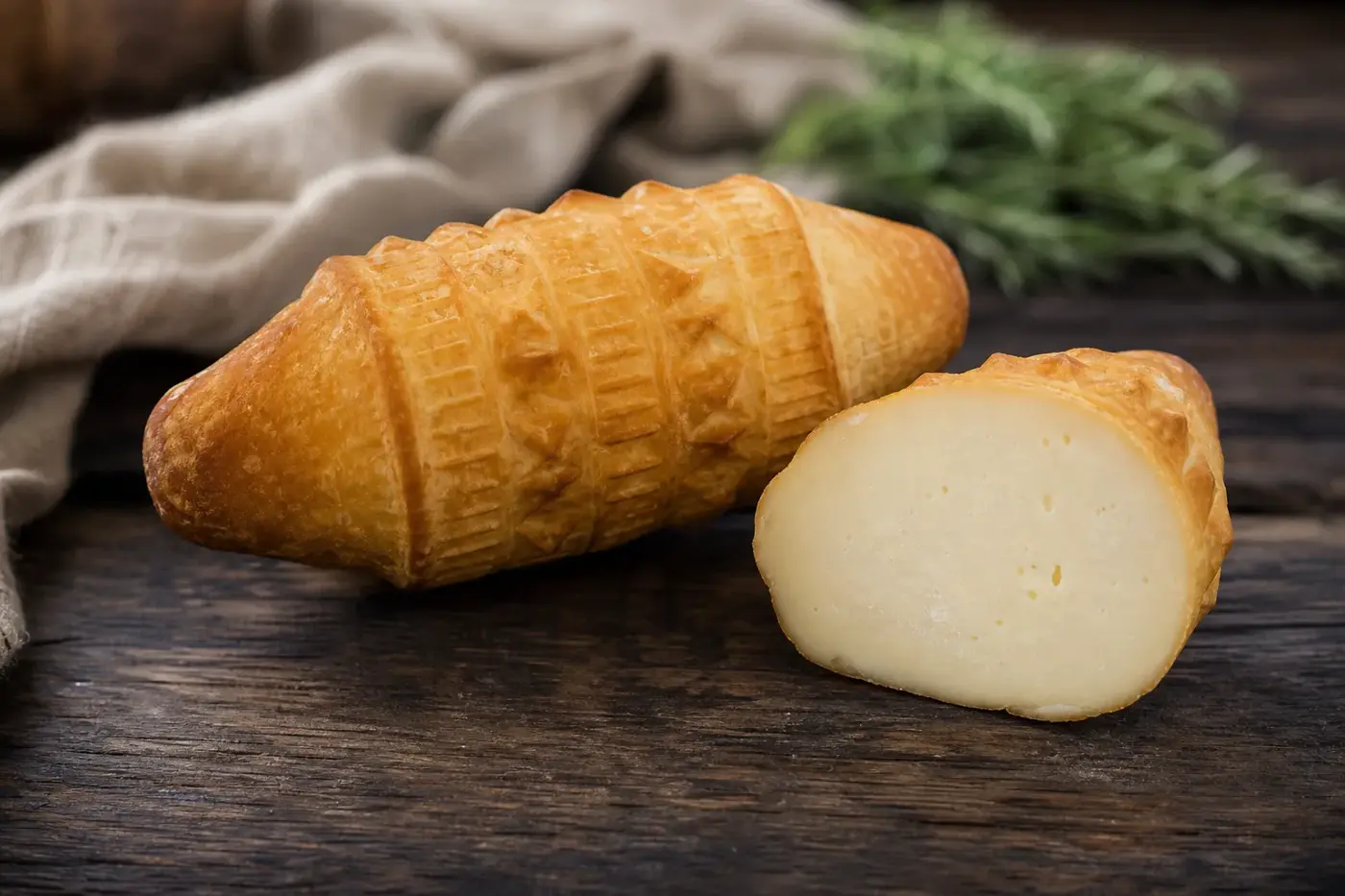
Above a Podhale hearth, smoke curls around a patterned spindle of cheese.
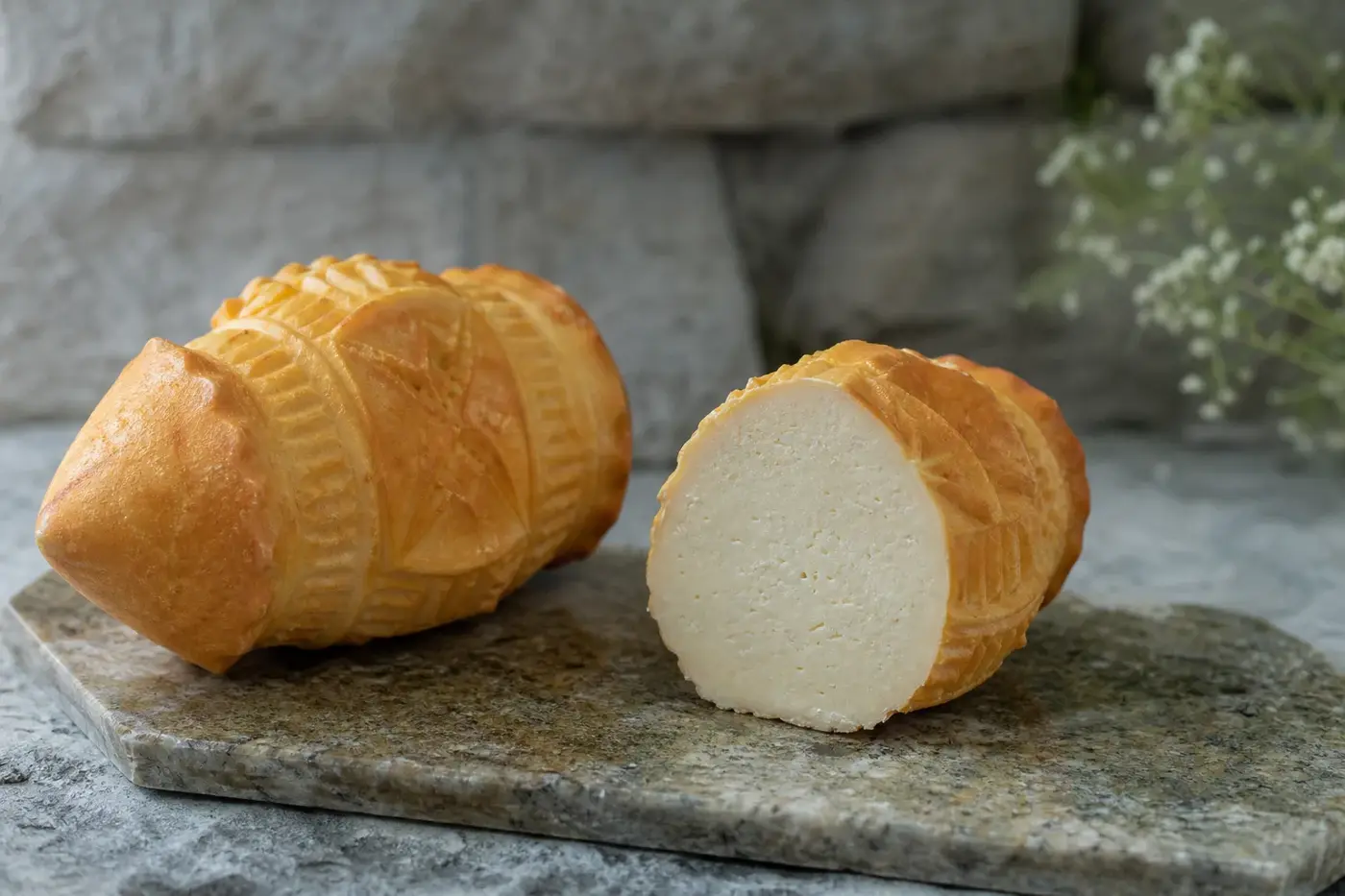
Above a Podhale hearth, smoke curls around a patterned spindle of cheese. This is oscypek, made seasonally, mainly from sheep’s milk, sometimes with cow’s milk added, then ornamented, brined and smoked. Its shape carries the work of the shepherd’s hut. Beyond the mountains, you have soft bryndza, cow’s milk rounds, fresh twaróg and a regional cheese fried with butter to look forward to. A modest itinerary this is not.[1,2,3]
Your first taste: the essentials
| What to know | Your quick guide |
|---|---|
| Country | Poland.[4] |
| EU schemes you will meet here | PDO, PGI and TSG.[4,5] |
| Registration authority | European Commission.[5,9] |
| Register identifiers | Not provided here |
| National certification oversight | IJHARS, Poland’s Agricultural and Food Quality Inspection.[5] |
| Legal definition of cheese in Poland | Not provided here |
| Official protected-name list | Ministry of Agriculture and Rural Development.[4] |
From the mountain hut to your kitchen chair
Start in the mountains, then pull up a kitchen chair. Polish cheese comes into focus when you taste the contrast between mountain cheesemaking and everyday cooking. Seasonal mountain milk becomes a decorated spindle, an animal shaped in curd or a soft salted cheese for spreading. Twaróg finds its place beside chives and radishes, inside a dumpling or with fruit and cream.[1,2,12]
You can make a tasting of that journey. Begin with plain twaróg, then try a fresh rennet cheese, a smoked mountain cheese and Wielkopolska’s fried cheese. Each reveals a different treatment of milk: acidification, draining, salting, smoking or heating. No single cheese gets to speak for the whole country.[2,3,7,12]
Meet the shepherds behind the cheese
In southern Poland, grazing and cheesemaking come together at the mountain hut, or bacówka. The head shepherd, known as the baca, works with assistants called juhasi, milking and making cheese. Małopolska’s regional tourism authority describes this seasonal working world across Podhale, the Gorce and the Pieniny.[6]
Head to Korycin in northeastern Poland’s Podlaskie and cow’s milk takes a different shape. Look for a flattened round, bearing the ridges of the basket in which it drained. The agriculture ministry describes how the cheese firms as it matures. Its mild flavour grows more pronounced and piquant.[7]
Further west, Wielkopolska brings butter into the picture. Curd is ripened, then fried with butter, a kitchen technique worth seeking out. Follow farming practices and cooking methods as well as geography, and your cheese map becomes much more revealing. The same milk species can produce very different foods.[3]
For goat’s milk cheeses, start with the farm rather than a national formula. Whatever the species, ask where the milk was produced, where the cheese was made and which stages happened on the farm. A shop’s address cannot answer those questions. The answers put your cheese back into its working landscape.
Six cheeses to make room for
Oscypek: give the whole spindle your attention
At a mountain stall, take a look at the size. Oscypek is not a name for every small smoked cheese: Poland’s quality inspectorate describes the EU PDO cheese as weighing 600 to 800 g and measuring 17 to 23 cm long. Its rules allow sheep’s milk with up to 40% cow’s milk from the specified breeds.[2]
A wooden mould ornaments the middle before brining and smoking. The inspectorate describes an exterior ranging from straw coloured to light brown, with a slight sheen. Inside, the paste is pale cream, sometimes nearly white. Ask to see the whole cheese before deciding how to eat it: that distinctive form deserves attention alongside the cut surface.[1,2]
Bryndza podhalańska: meet the mountain’s softer side
Put soft bryndza podhalańska beside oscypek and taste how different mountain cheeses can be. Culture.pl, the Adam Mickiewicz Institute’s cultural publication, describes this sheep’s milk cheese eaten on bread, in pierogi or with salad. Both belong to the mountain story. Their textures take you in very different directions.[1]
Redykołka: little shapes with a smoky character
You might find an animal, a bird, a heart or a miniature spindle. Redykołka brings the mountain tradition into smaller shapes, with a lightly salty taste and distinct smoke aroma. The inspectorate describes it as a semi-hard cheese. The smallest spindles weigh 30 to 60 g; the other permitted shapes weigh no more than 300 g.[2]
Ser koryciński swojski: let a plain slice introduce itself
Look for uneven holes and a flattened round, quite unlike those smooth mountain spindles. This unsmoked northern cheese uses cow’s milk set with rennet, the enzyme that coagulates milk into curd. The ministry records its plain character and the changes that maturation brings. Taste a plain example first, then explore versions with added herbs.[7,8]
Twaróg wędzony: taste what smoke brings to curd
Twaróg wędzony brings smoke into the curd-cheese tradition. Its EU registration is a traditional speciality guaranteed, or TSG, rather than a geographical designation. Set it beside plain twaróg, ask the seller about the smoking, and compare the exterior with the freshly cut centre. You have a small, focused tasting ready to go.[5,9]
Wielkopolski ser smażony: follow the butter
Butter and heat do the transforming here. The agriculture ministry describes Wielkopolski ser smażony as a cow’s milk curd cheese that ripens before being fried with butter. Seek it out to taste how a regional technique turns familiar twaróg into something quite different.[3]
Let the label lead you to the place
Poland’s official list of EU registered products includes the six names below as of November 2026. PDO means protected designation of origin, PGI means protected geographical indication, and TSG means traditional speciality guaranteed. On Polish labels, you will see their abbreviations as ChNP, ChOG and GTS respectively.[4,5]
| Registered name | EU registration | Regional connection, not the full legal production area | What to look for |
|---|---|---|---|
| Oscypek | PDO | Defined parts of Małopolskie and Śląskie | A patterned smoked spindle.[2,5] |
| Bryndza Podhalańska | PDO | Podhale | Soft sheep’s milk cheese.[1,5] |
| Redykołka | PDO | Podhale | Small smoked shapes, including animals and hearts.[1,2,5] |
| Ser koryciński swojski | PGI | Korycin area in Podlaskie | A flattened cow’s milk round.[5,7] |
| Twaróg wędzony | TSG | Traditional method, not a delimited production area | Smoked curd cheese.[5,9,11] |
| Wielkopolski ser smażony | PGI | Wielkopolska | Curd ripened, then fried with butter.[3,5,10] |
Those letters tell you which connection matters. Twaróg wędzony’s TSG recognises a traditional product and method without requiring manufacture in one Polish region. PDO and PGI link products to defined places. You can explore the differences in protected names explained.[10,11]
At a stall, ask for the complete registered name and the producer’s certification details. Poland’s agriculture ministry directs buyers to the inspectorate’s list of producers with valid certificates or quality attestations. That traceable information tells you more than a mountain silhouette, a wooden stall or the word traditional. Look beyond the setting to understand what you are buying.[4]
Get to know everyday twaróg
Fresh twaróg is the white cheese behind many everyday Polish dishes. The Polish Tourism Organisation describes it as made from soured cow’s milk, pleasantly tangy, and either crumbly or creamy in texture. Unlike rennet-set cheeses such as koryciński, it is acid-set.[8,12]
As milk sours, acidity develops; rennet, by contrast, is a coagulating enzyme. Both routes give you curd, the solids that become cheese, and whey, the liquid drained away. In your kitchen, what matters is how that curd behaves in a filling. Consider twaróg’s moisture, acidity and how finely it has been worked before cooking.[8,12,14]
Two questions will help you shop. Is this a firm draining curd for crumbling, or a finely worked cheese for a smooth filling? Is it plain, or already mixed with other ingredients? Read the product name and ingredients: twaróg alone cannot tell you which texture or preparation you are taking home.
Pull up a chair and try the cooking
Begin with pierogi. Poland’s official tourism site identifies potato and curd cheese as the classic filling for pierogi ruskie. Twaróg goes inside, rather than being grated over the dish as a finishing cheese. Try a portion alongside a plain cheese tasting to appreciate both the ingredient and its place in cooking.[13]
For another everyday taste, try twaróg with radishes and chives, or as a pancake filling. The Polish Tourism Organisation describes both uses. If you fancy something sweet, seek out sernik, the Polish cheesecake, and ask which curd the kitchen uses. That question opens a useful conversation about the finished dessert’s texture.[12]
Ordering grilled oscypek with cranberry preserve? Ask for the preserve alongside so you can taste the cheese first. For another mountain cheese dish, Culture.pl records bryndza in pierogi and on bread. One simple dish and one plain cheese can reveal more than a board dressed for its portrait.[1]
Follow the shepherds into the past
The mountain story reaches along the Carpathian arc. Vlach communities moving through it helped shape the pastoral tradition, sharing their expertise with local populations. Małopolska’s regional tourism authority places the shepherd’s hut, seasonal flock and cheeses within that broader movement. You need not pin a precise birthday on an individual cheese to appreciate that history.[6]
Written records bring the story closer. Culture.pl’s account places early mentions in Ochotnica’s fifteenth-century records and cites an eighteenth-century written description of cheesemaking. Today, you can still encounter the work those accounts describe. Milking, moulding and smoking keep the tradition visible.[1]
Plan a visit with good questions in your pocket
For the mountain tradition, start with the regional tourism authority’s information on shepherds’ huts around Podhale. It includes Rusinowa Polana, the Kościeliska Valley and Murzasichle. Before setting out, consult the current official listing and ask about seasonal operation, access and booking. Find out whether you can watch any part of production, too.[6]
For a wider trip, build around three contrasting stops: a mountain hut, a cheesemaker in the Korycin area, and a regional food shop or restaurant in Wielkopolska. At regional markets, ask who made each cheese and where. Restaurants show you how cheese is cooked. Makers are better placed to explain the milk and method.
Keep your questions specific: which milk species and proportions were used, and is the milk raw or pasteurised? Was the cheese actually smoked, with which wood, and how old is it? Ask whether you can taste a plain example alongside an added-herb version. Record the answers; they tell you more than a string of tasting adjectives.
Plan mountain visits around the grazing season. The quality inspectorate’s buying guide gives May to September as oscypek’s production period, so ask when your particular cheese was made even if the stall opens all year. For help making sense of the answers, turn to our guides to milk treatments and reading cheese labels.[2]
Choose your next cheese adventure
- How to Tell Cheese Styles Apart: Milk, Rind, Texture and Method: get to know Poland’s fresh, rennet-set and smoked styles side by side.
- How Cheese Is Made: From Milk to Cheese: follow the processes that make those contrasts possible.
Questions people ask
What is oscypek made from?
Oscypek is made mainly from sheep’s milk, with up to 40% cow’s milk from specified breeds permitted under its PDO rules. It is shaped in a wooden mould, brined and smoked.
What is twaróg and how is it eaten?
Twaróg is a fresh white cheese made from soured cow’s milk. It is eaten with radishes and chives, used as a pancake filling and put into pierogi ruskie with potato.
What is ser koryciński swojski?
It is an unsmoked cow’s milk cheese from the Korycin area in northeastern Poland. It has a flattened round shape, uneven holes and ridges left by its draining basket.
What do PDO, PGI and TSG mean on Polish cheese?
PDO means protected designation of origin, PGI means protected geographical indication, and TSG means traditional speciality guaranteed. PDO and PGI link products to defined places, while twaróg wędzony’s TSG recognises a traditional product and method without requiring manufacture in one Polish region.
Where can I see Polish mountain cheese being made?
The Małopolska regional tourism authority provides information on shepherds’ huts around Podhale, including Rusinowa Polana, the Kościeliska Valley and Murzasichle. Check its current official listing and ask whether visitors can watch production.
Sources
- Adam Mickiewicz Institute, Culture.pl, Polish Food 101: Oscypek, 8 August 2014. Cultural account of production, associated cheeses and historical references.
- IJHARS, Oscypek (ChNP), redykołka (ChNP), bryndza podhalańska (ChNP): kupuj mądrze, jedz smacznie, accompanying the inspectorate’s guidance published 7 September 2022.
- Polish Ministry of Agriculture and Rural Development, Discover Polish Food, retrieved publication excerpt; edition date not verified. Passage describing Wielkopolski ser smażony and the six registered cheese names.
- Polish Ministry of Agriculture and Rural Development, Produkty zarejestrowane jako Chronione Nazwy Pochodzenia, Chronione Oznaczenia Geograficzne oraz Gwarantowane Tradycyjne Specjalności, updated 5 October 2026; and the ministry’s quality-schemes overview, updated 6 August 2026.
- IJHARS, Nowy produkt w rejestrze gwarantowanych tradycyjnych specjalności, 2023 announcement identifying the six cheeses and their registration categories.
- VisitMałopolska, Stop by the shepherd’s for an oscypek! Multigenerational traditions in the mountain areas, undated regional tourism account, checked November 2026.
- Polish Ministry of Agriculture and Rural Development, Ser Koryciński „Swojski”, 3 June 2018, national traditional-products entry.
- Polish Ministry of Agriculture and Rural Development, Ser koryciński swojski: application to amend the specification, retrieved document; amendment’s operative status not verified. Used only for descriptive ingredient and process terminology.
- European Commission, Commission Implementing Regulation (EU) 2023/1689, adopted 30 August 2023, published 6 September 2023, Articles 1 and 2.
- Polish Ministry of Agriculture and Rural Development, Chronione Oznaczenie Geograficzne: ChOG, current ministry explanation and list, checked November 2026.
- Polish Ministry of Agriculture and Rural Development, Gwarantowana Tradycyjna Specjalność: GTS, current ministry explanation and list, checked November 2026.
- Polish Tourism Organisation, culinary brochure, “Cheeses” section, retrieved publication excerpt; edition date not verified.
- Polish Tourism Organisation, Pierogi: what it is, history and how to eat it, undated official tourism article, retrieved November 2026.
- Polish Ministry of Agriculture and Rural Development, Twaróg z Kujaw i Ziemi Dobrzyńskiej, traditional-products entry, 2018; retrieved passage describing curd pressing and whey removal.
Researched as desk research using Polish public-authority records, an EU registration act, cultural accounts and official tourism publications; no visit or first-hand tasting was supplied.
Last checked: November 2026
Last checked November 2026.
The cheeses of Poland
The editors suggest you read next
French Cheese: The Complete Guide
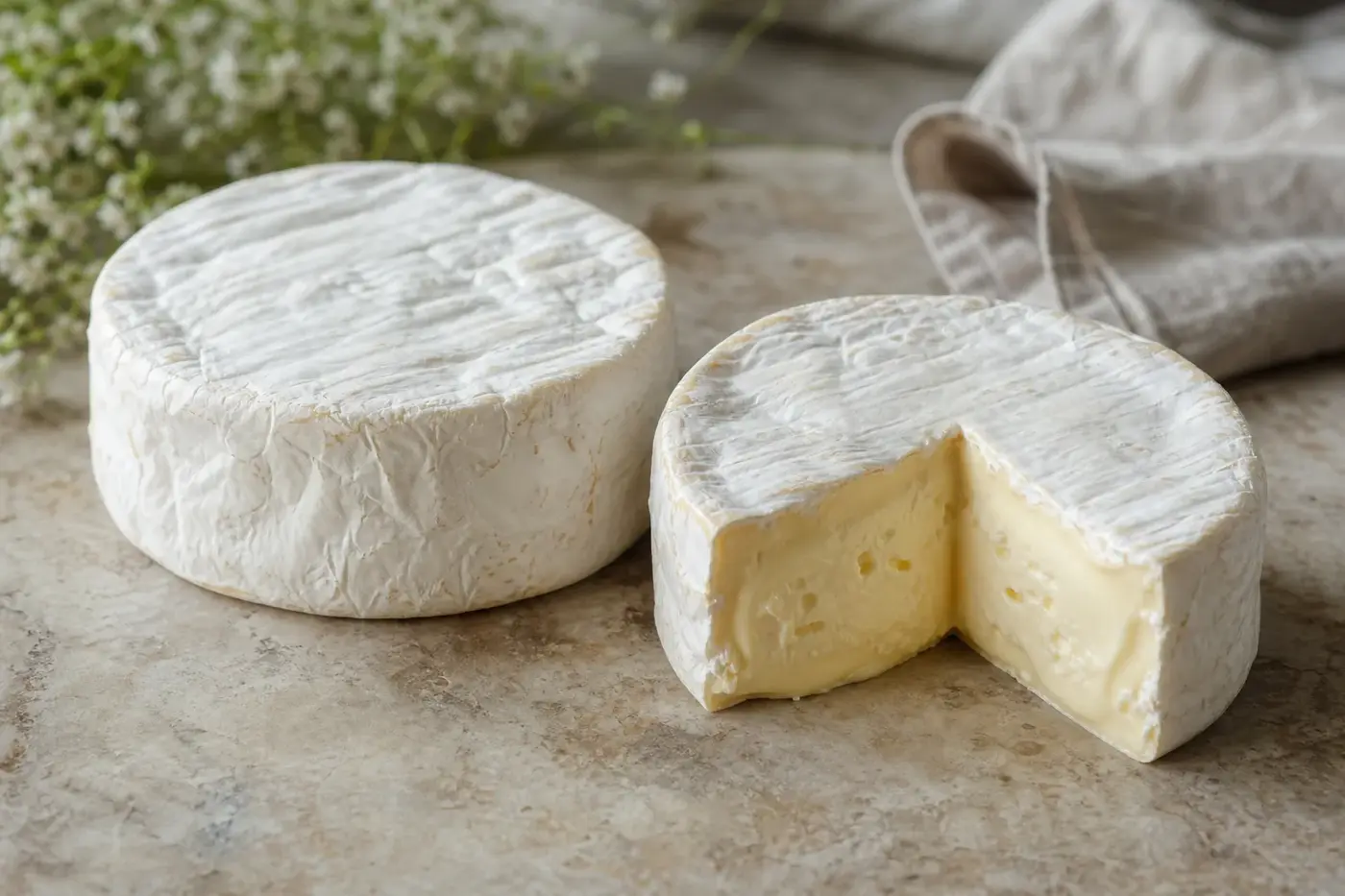
Picture Normandy’s pastures, then follow the milk towards the Loire’s goat dairies, the Jura’s shared cheesemaking traditions and the sheep country of the Pyrenees.