Proteolysis and Lipolysis Explained
Press a piece of cheese and watch what happens.
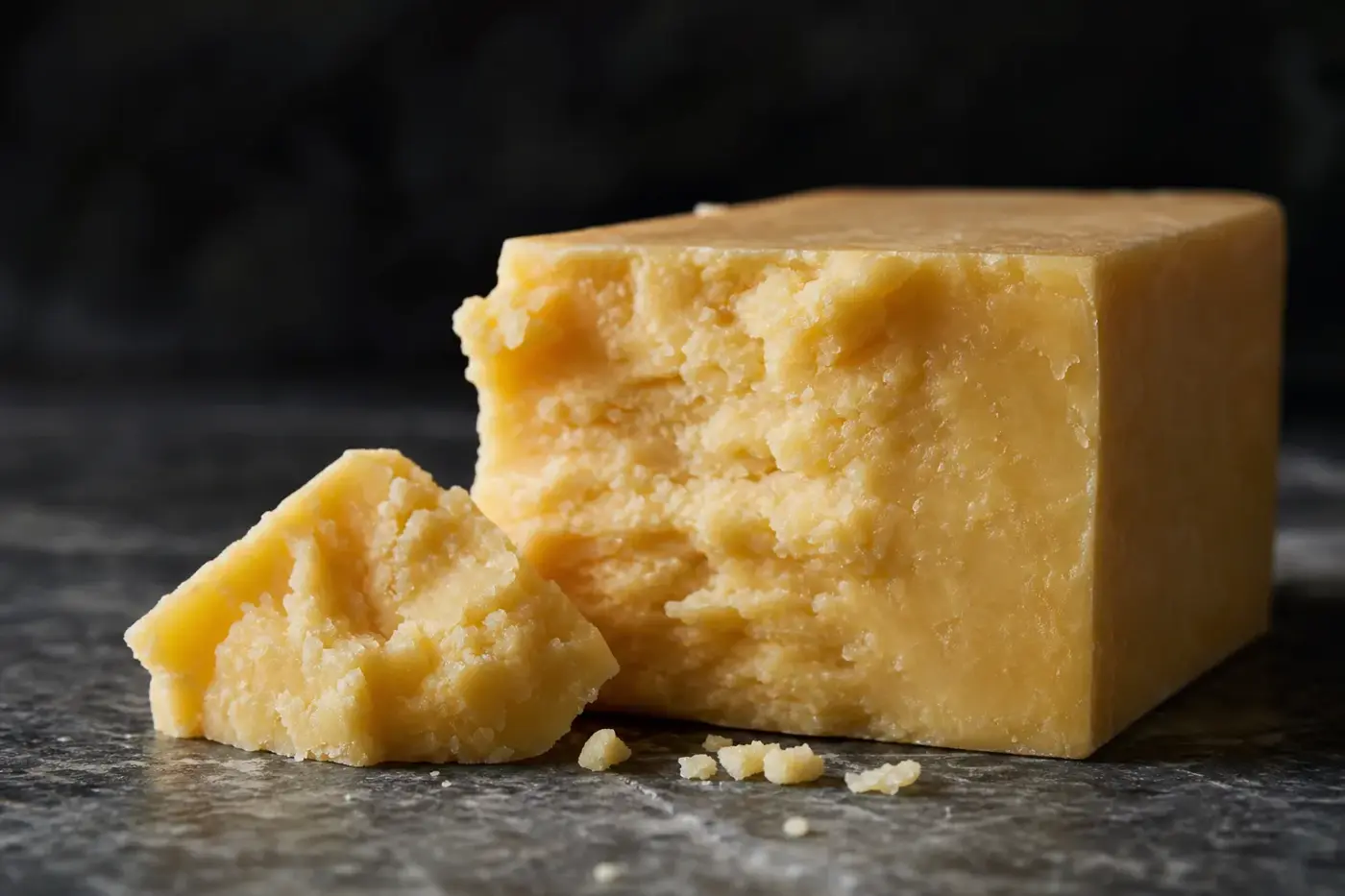
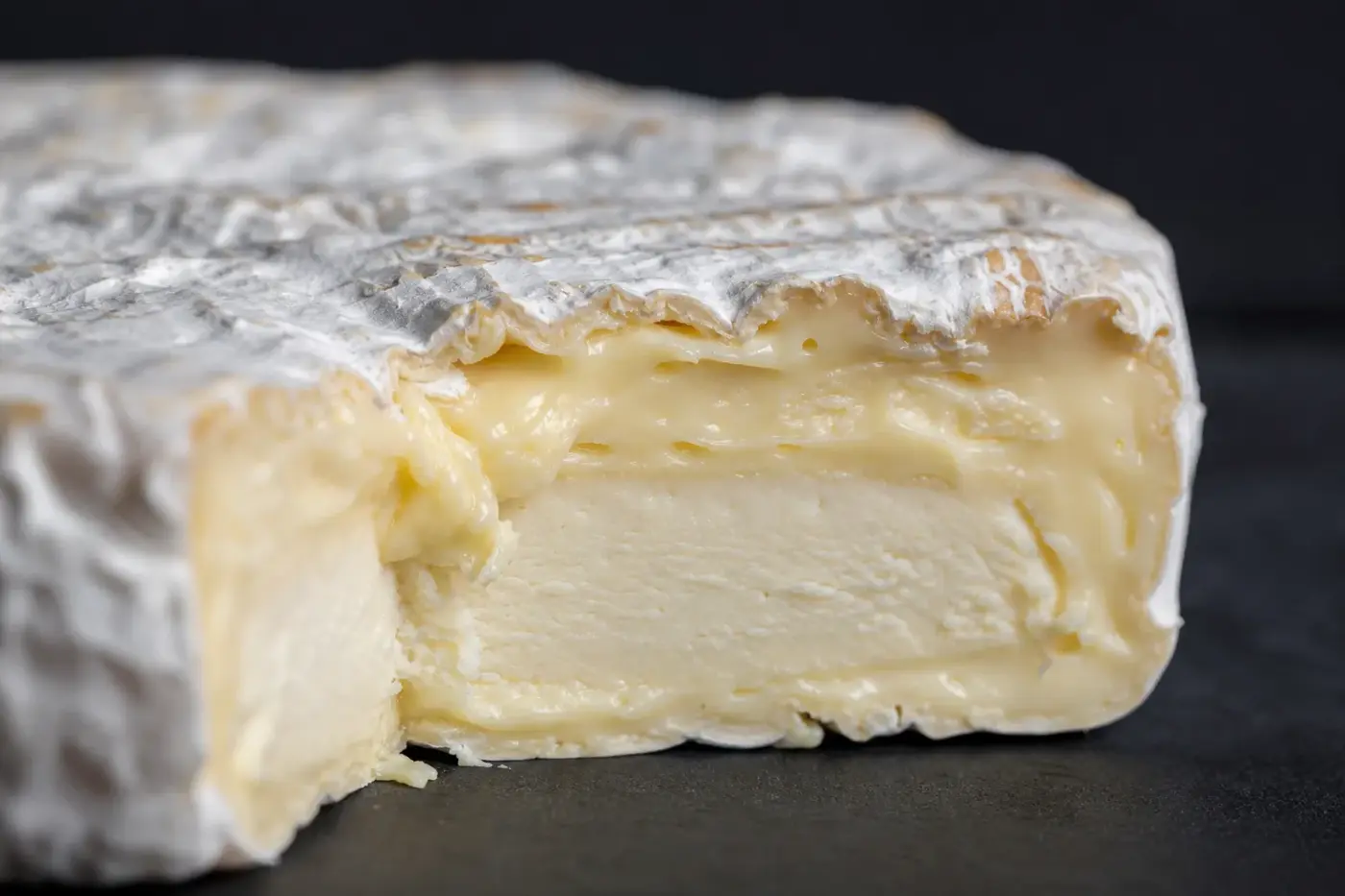
Press a piece of cheese and watch what happens. It might bend, fracture or smear beneath your fingers. Inside, milk proteins surround globules of fat, while enzymes cut proteins into smaller pieces and fats release fatty acids. Those quiet changes supply flavour ingredients and the starting materials for aromas. [3, 8]
You’re meeting proteolysis, the breakdown of proteins, and lipolysis, the breakdown of fats. A cheese’s character depends on which products build up and what happens to them next. The cutting is only the beginning. [3, 8]
Beneath the rind, a structure worth knowing
Picture a network holding moisture and fat globules in place. In rennet-set cheese, much of that structure comes from casein, the main family of milk proteins. Ripening begins with this organised material, not a uniform mixture. [3]
Experimental microscopy lets you see the protein phase surrounding the fat globules. It also reveals how changes in that phase accompany changes in firmness. What happens here matters when you take a bite. [3]
Enzymes are catalysts: they make particular chemical reactions happen more readily. Protein-cutting enzymes attack bonds in casein chains, while lipases attack bonds joining fatty acids to the glycerol backbone of milk fat. Both reactions happen in the same cheese, but their pace and importance vary between cheeses. [3, 4, 8]
Want the earlier story, from setting milk to draining curd? Start with how cheese is made. Here, you’re stepping into ripening.
Proteolysis: the curd builder takes on a new job
The enzyme that helps build a curd can later help remodel it. The enzyme preparation rennet, used to set many cheeses, can remain active after cheesemaking. Residual chymosin, the principal milk-clotting enzyme in many preparations, cuts casein during ripening. [1]
In experimental Cheddar, inhibiting chymosin strongly reduced the breakdown of one casein fraction. That left less material available for later proteolysis. Those first cuts help determine what can happen next. [1]
Casein chains are amino acids joined together. Initial cuts release shorter chains called peptides; further cutting produces smaller peptides and free amino acids. Proteinases generally cut within chains, while peptidases help dismantle the fragments. [2, 5, 10]
Don’t picture three tidy stages, each politely waiting its turn. Large fragments, small peptides and individual amino acids coexist in a changing mixture. Ripening has little interest in keeping a textbook diagram tidy. [2, 5, 10]
Milk brings enzymes too, notably plasmin, which attacks casein. Its contribution depends on the cheese. Experiments changing Cheddar’s composition and manufacture found that much of the retained plasmin system stayed in its inactive precursor form. [5]
Microbes supply another set of tools. Starter bacteria bring proteinases and peptidases, and other ripening organisms contribute their own enzymes. Having enzymes, though, is not the same as releasing them. [2]
In Cheddar made with three different lactococcal starter strains, enzyme activity released into cheese juice depended strongly on autolysis: bacterial cells breaking open. The strain richest in enzymes before cheesemaking did not release the most active enzymes into the cheese. An impressive toolkit only helps if you can get it open. [2]
How the same breakdown brings savouriness or bitterness
Free glutamate contributes umami, the savoury basic taste. Other protein breakdown products can contribute bitterness. Their effect depends on peptide sequence, concentration and the surrounding cheese, not simply on their presence. [6, 7]
One sensory study isolated bitter fractions from Cheddar, then added equal amounts back to reduced-fat and full-fat cheeses. The increases in bitterness differed. The cheese itself changed how those additions tasted. [6, 7]
Some amino acids taste bitter too. Measuring total amino acids therefore cannot tell you whether a cheese will taste savoury, bitter or balanced. The total alone tells you little about the experience of eating it. [7]
Cheddar research has paired chemical measurements with sensory reconstitution and omission. That means rebuilding mixtures, then removing selected components to test their contribution. You learn more about taste this way than from a list of everything an instrument detects. [7]
From amino acid to something you can smell
Releasing an amino acid can begin an aroma pathway, rather than finish it. Microbial metabolism can turn amino acids into volatile compounds that reach your nose. Releasing the raw material and producing an aroma molecule are distinct steps. [9]
Research tracking aged Gouda recorded amino acid changes alongside increases in phenylacetaldehyde and 2-phenylethanol. The study followed 23 batches made with three starter mixtures. Many amino acids increased during part of ripening, but their final concentrations were generally below those at the preceding sampling. [9]
Release and subsequent use overlap. The supply does not simply keep climbing as cheese ages. Some of what becomes available is already moving on to its next transformation. [9]
What makes cheese yield to your knife?
Cutting structural proteins can weaken the casein network and make cheese less firm. Moisture, acidity and mineral balance also shape that change. Your knife meets the whole material, not just its peptide content. [1, 3, 10]
A moist surface-ripened cheese and a drier hard cheese begin with different structures. Similar chemical changes can therefore produce different physical results. Firmness is not a direct measure of how many peptides a cheese contains. [1, 3, 10]
Experimental Cheddar makes the point neatly. Early softening still happened when a major chymosin-driven cut in casein was inhibited. That softening correlated more closely with changes in insoluble calcium than with the amount of intact casein. [1]
Protein breakdown mattered, but this particular early softening could happen without it. More proteolysis does not always mean softer cheese. To understand the texture, you need the wider picture. [1]
Lipolysis: unlocking the flavour in milk fat
Most milk fat sits in triglycerides: molecules with three fatty acids attached to glycerol. Lipases release those acids by hydrolysis, using water to break the attachments. The released acids differ in chain length and sensory effect. [4, 8, 13]
Some contribute sharpness or a piquant character directly. Others matter more as starting materials for aromas formed later. As with proteins, the first breakdown is not the final flavour story. [4, 8, 13]
In blue cheese, Penicillium roqueforti supplies lipases that release fatty acids. Other reactions determine what happens to those acids afterwards. Freeing an acid from milk fat and metabolising it are separate steps, each helping shape the developing cheese. [4, 8]
Follow the fatty acids to their next stop
Methyl ketones show you how a released fatty acid can become something different. Laboratory work with P. roqueforti spores demonstrated that certain fatty acids become methyl ketones containing one fewer carbon atom. Octanoic acid, for example, can yield 2-heptanone. [8, 11]
The ketone comes from transforming the released fatty acid. It does not come directly from a lipase cutting milk fat. Keeping those steps separate helps you follow how the aroma develops. [8, 11]
Lactones belong to another family of fat-related aroma compounds. The aged Gouda study detected δ-decalactone and δ-dodecalactone, with the latter increasing during part of ripening. Fat-related flavour reaches beyond free fatty acids and the methyl ketones associated with blue cheese. [9]
Finding a lactone, though, does not tell you how much it contributes to the complete cheese’s aroma. Presence is one piece of the picture. Sensory contribution is another. [9]
Three cheeses, three ripening stories
Put blue cheese, Camembert-type soft cheese and aged Cheddar beside each other, and different reactions take the foreground. These research examples involve both protein and fat chemistry. Their organisms, structures and ripening conditions give particular reactions greater influence. [1, 4, 10]
Think of them as different patterns, not steps on one ladder from mild to strong. Each has its own ripening story. Here’s what those differences look like side by side. [1, 4, 10]
| Cheese in the research | What happens to its proteins | What happens to its fats | What sets it apart |
|---|---|---|---|
| Blue cheese with P. roqueforti [4, 8] | Mould enzymes break down casein | Lipases release fatty acids; microbial reactions produce methyl ketones | Mould makes a strong contribution to metabolism |
| Camembert-type soft cheese [10, 12] | Chymosin and plasmin act first; mould proteinases become important later | No detail given here | Surface growth and changing acidity create uneven ripening |
| Aged Cheddar [1, 2] | Residual coagulant and bacterial enzymes make different cuts | No detail given here | Casein, minerals and moisture shape firmness together |
In the Camembert research, researchers tracked casein fragments over ten weeks. They compared them with fragments produced by mould enzymes acting on milk proteins. The results distinguished early chymosin and plasmin activity from later P. camemberti activity. [10, 12]
A separate physical study recorded increasing pH and a texture that first became firmer, then softened. Even a soft cheese need not soften continuously from its first day. What you call it does not tell you every stage it passes through. [10, 12]
What sets the pace beneath the rind?
Microbes determine which enzymes are available. The cheese environment determines how effectively those enzymes work. Salt, moisture and acidity interact, rather than acting as independent switches. [5]
Cheddar experiments varied calcium and phosphorus, residual lactose and the ratio of salt to moisture. They found effects on proteolysis linked to protein structure and enzyme activity. Manufacture sets the conditions that the ripening cheese inherits. [5]
That makes salt more informative in relation to moisture than as an isolated number. Acidity changes during ripening too, particularly where surface microbes consume lactate. In Camembert-type cheese, differences between surface and centre create distinct local conditions for enzymes. [5, 10]
The rind and middle can therefore be at different stages despite sharing a production date. Cut into the cheese and you’re not necessarily meeting one uniform stage of ripeness. Where you take your bite matters. [5, 10]
Temperature influences microbial growth and enzyme activity; time allows compounds to be released and transformed. Research has explored environmental effects on P. roqueforti lipolysis, while experiments with its spores found that changing conditions changed ketone production. Several controls work together throughout ripening. [4, 8]
Why more breakdown is not always better
More breakdown does not automatically make better cheese. Desirable flavour depends on the mixture and concentration of products, and on the cheese in which you taste them. Counting cut protein bonds cannot, by itself, predict the strength of a sensory effect. [6]
Remember those bitter fractions added to Cheddar? The same added material had a different impact when the fat content changed. You need to consider the cheese around those compounds, not just the compounds themselves. [6]
Sharp fatty-acid notes can belong to a cheese’s intended character. An unbalanced accumulation can be described as rancid. The distinction lies in the particular products and their sensory balance, not in lipolysis itself being a defect. [4, 13]
Experimental work accelerating Cheddar ripening has assessed flavour alongside protein and fat degradation. Its explicit aim was a balanced result without bitter or rancid defects. More activity is useful only if the result tastes right. [4, 13]
Let your palate join the conversation
Compare a blue cheese, a surface-ripened soft cheese and an aged Cheddar. Treat it as an observation exercise, keeping notes for each sample. Drink plain water between samples, and record what you notice before reaching for a chemical explanation.
- Begin with the bite. Press or cut each piece. Does it bend, fracture, smear or hold a distinct centre? In the soft cheese, compare the middle with the paste nearer the rind.
- Give taste and aroma their own space. Note saltiness, acidity, savouriness and bitterness. Then write a separate line for what you smell. Describe the character first, rather than calling everything “strong”.
- Stay for the finish. Does a particular taste linger? Does the texture change rapidly as you chew? Record the differences without assuming that the most persistent or softest sample is the most successfully ripened.
Want to spend longer with these examples? Continue with camembert and cheddar. The Science of Cheese hub’s coverage of flavour chemistry and cheese texture takes you further, connecting these two breakdown pathways with the wider sensory picture.
Questions people ask
What are proteolysis and lipolysis in cheese?
Proteolysis is the breakdown of proteins, while lipolysis is the breakdown of fats. Both occur during ripening, supplying ingredients for flavour and starting materials for aromas.
How does protein breakdown affect cheese flavour?
Protein breakdown releases peptides and amino acids. Free glutamate contributes savoury umami taste, while some peptides and amino acids can contribute bitterness. Microbes can also transform amino acids into volatile aroma compounds.
Does more protein breakdown always make cheese softer?
No. In experimental Cheddar, early softening occurred even when a major chymosin driven cut in casein was inhibited. That softening correlated more closely with changes in insoluble calcium.
How does fat breakdown contribute to blue cheese flavour?
In blue cheese, Penicillium roqueforti supplies lipases that release fatty acids from milk fat. Other reactions can transform some of those acids into methyl ketones.
Why can cheese taste bitter or rancid during ripening?
Some protein breakdown products can contribute bitterness, depending on their sequence, concentration and the surrounding cheese. Sharp fatty acid notes can be part of a cheese's intended character, but an unbalanced accumulation can be described as rancid.
Sources
- American Dairy Science Association, Chymosin-Mediated Proteolysis, Calcium Solubilization, and Texture Development During the Ripening of Cheddar Cheese, Journal of Dairy Science, volume 88, 2005. Full research paper retrieved.
- Teagasc, Proteolytic enzyme activities in Cheddar cheese juice made using lactococcal starters of differing autolytic properties, Journal of Applied Microbiology, volume 100, 2006. Abstract retrieved through PubMed.
- American Dairy Science Association, Progressive ultrastructural changes in the casein matrix during the ripening of inadequately acidified feta cheese, Journal of Dairy Science, 2019. Publisher's abstract retrieved in search results.
- Elsevier, The effects of environmental conditions on the lipolytic activity of strains of Penicillium roqueforti, International Journal of Food Microbiology, article identifier S0168160598001913. Publisher's indexed text retrieved; publication year not independently verified.
- American Dairy Science Association, Influence of Calcium and Phosphorus, Lactose, and Salt-to-Moisture Ratio on Cheddar Cheese Quality: Proteolysis During Ripening, Journal of Dairy Science, 2006. Publisher's indexed results and conclusions retrieved.
- American Chemical Society, Preparative Methods of Isolating Bitter Peptides from Cheddar Cheese, Journal of Agricultural and Food Chemistry, volume 44, 1996. Publisher's abstract retrieved in search results.
- Elsevier, Characterization of the key nonvolatile metabolites in Cheddar cheese by partial least squares regression (PLSR), reconstitution, and omission, Food Chemistry, article identifier S0308814622019963. Publisher's indexed abstract and introductory text retrieved.
- Microbiology Society, The Oxidation of Fatty Acids by Spores of Penicillium roqueforti, Journal of General Microbiology, volume 44, 1966. Publisher's summary retrieved.
- Frontiers, The rotation of primary starter culture mixtures results in batch-to-batch variations during Gouda cheese production, Frontiers in Microbiology, 2023. Full research paper retrieved through PubMed Central.
- University College Cork, Proteolysis in Irish farmhouse Camembert cheese during ripening, Journal of Food Biochemistry, volume 44, 2020, article e13101. Repository manuscript retrieved.
- Nature, Formation of Ketones from Fatty Acids by Spores of Penicillium roqueforti, volume 182, 1958. Publisher's research summary retrieved.
- American Dairy Science Association, Characterization of Chemical and Physical Changes in Camembert Cheese During Ripening, Journal of Dairy Science, volume 75, 1992. Publisher's abstract retrieved in search results.
- Springer Nature, Optimizing the acceleration of Cheddar cheese ripening using response surface methodology by microbial protease without altering its quality features, AMB Express, 2021. Indexed research text and conclusions retrieved.
Researched through published cheese-ripening experiments, connecting enzyme activity, chemical measurements, microscopy and sensory studies.
Last checked: November 2026
Last checked November 2026.
The editors suggest you read next
Where Cheese Flavour Comes From: The Chemistry Explained
Your knife slips through a bloomy-rind cheese.