Portuguese Cheese: The Complete Guide
Picture your plate with Azeitão, Serra da Estrela and Serpa waiting for you.
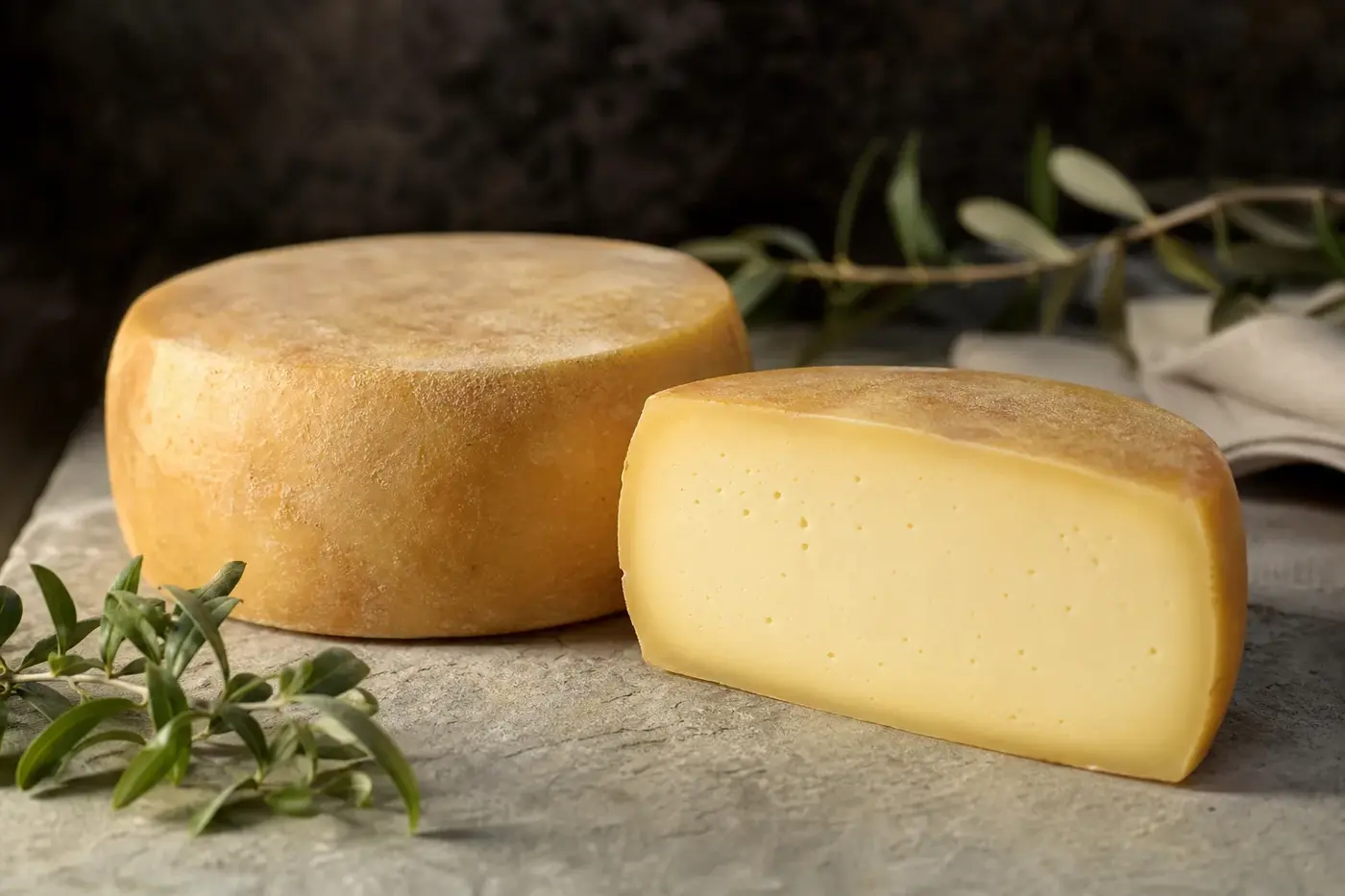
Picture your plate with Azeitão, Serra da Estrela and Serpa waiting for you. Perhaps cardoon coagulation caught your curiosity, too: cheese does have a way of turning dinner into a research project.
But this story must pause before you reach for your knife. Some essential paperwork is missing.
Editorial status: held pending mandatory official source records.
The official records still needed
Why your full guide must wait
The master prompt requires accuracy and prohibits filling missing records by inference. A finished guide would leave essential coverage unsupported.
No article ready for publication has been supplied. Neither have invented register identifiers or unsupported tasting descriptions.
Sources
-
Product specification publisher, Qualifica Portugal: Caderno de especificações do Queijo de Azeitão, retrieved PDF, revision date not established. The text identifies the production municipalities as Palmela, Setúbal and Sesimbra, and specifies raw sheep’s milk, salt and a preparation of Cynara cardunculus. Its relationship to the currently operative EU specification still needs confirmation.
-
Direção-Geral de Agricultura e Desenvolvimento Rural: Queijo de Azeitão DOP, undated official product account, retrieved search extract. It describes a semi-soft paste and a flavour combining piquancy, acidity and saltiness. The full page could not be opened successfully.
-
Direção-Geral de Agricultura e Desenvolvimento Rural: Queijo Serpa DOP, undated official product account, retrieved search extract. It describes a semi-soft cheese made from raw sheep’s milk coagulated with cardoon infusion and identifies its Alentejo production municipalities. The linked specification was not retrieved.
-
Original dairy research: Influence of Cardoon Flower (Cynara cardunculus L.)…, Foods, volume 9, article 386, 2020, retrieved PDF. The experiment compared three cardoon preparations and milk from three stages of the flock’s lactation. It supports explaining cardoon’s involvement in coagulation and protein breakdown, while showing that milk season also affected the cheeses studied.
-
European Commission: Geographical indications and quality schemes explained, current web edition retrieved November 2026. It explains the EU PDO scheme and links to the official registers. This general explanation does not establish the current registration or specification of an individual cheese.
-
NHS: Foods to avoid in pregnancy, current web edition retrieved November 2026. Its guidance distinguishes hard, semi-hard, pasteurised soft, unpasteurised and mould-ripened cheeses, with cooking exceptions. It should be applied to a verified product class and milk treatment, rather than converted into a verdict based on a Portuguese cheese name.
Research used retrieved official material and original dairy research. Essential register and specification checks remain incomplete.
Last checked: November 2026
Last checked November 2026.
The cheeses of Portugal
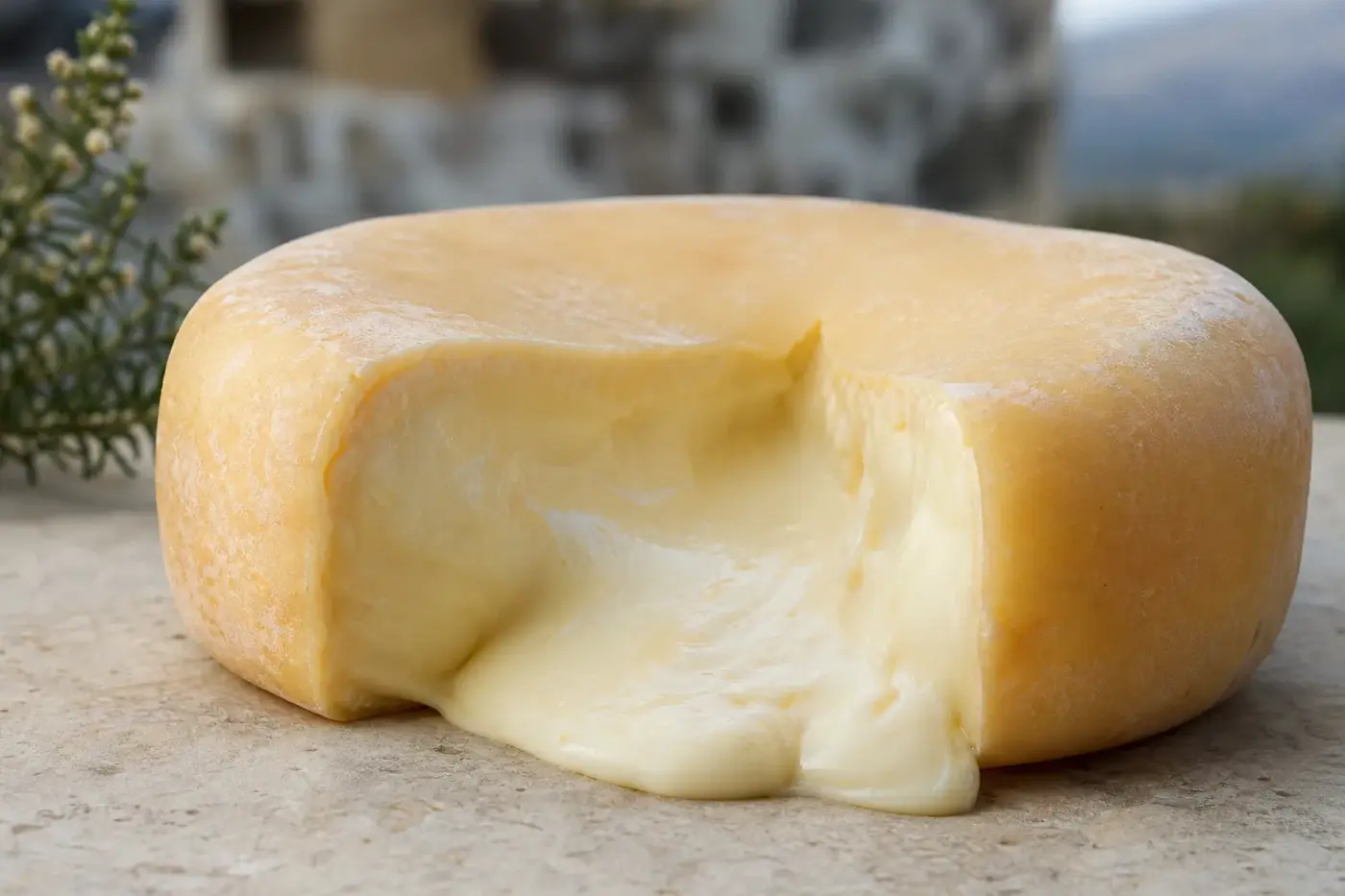
Queijo Serra da Estrela
Cut into Queijo Serra da Estrela and watch its pale interior gently abandon its shape.
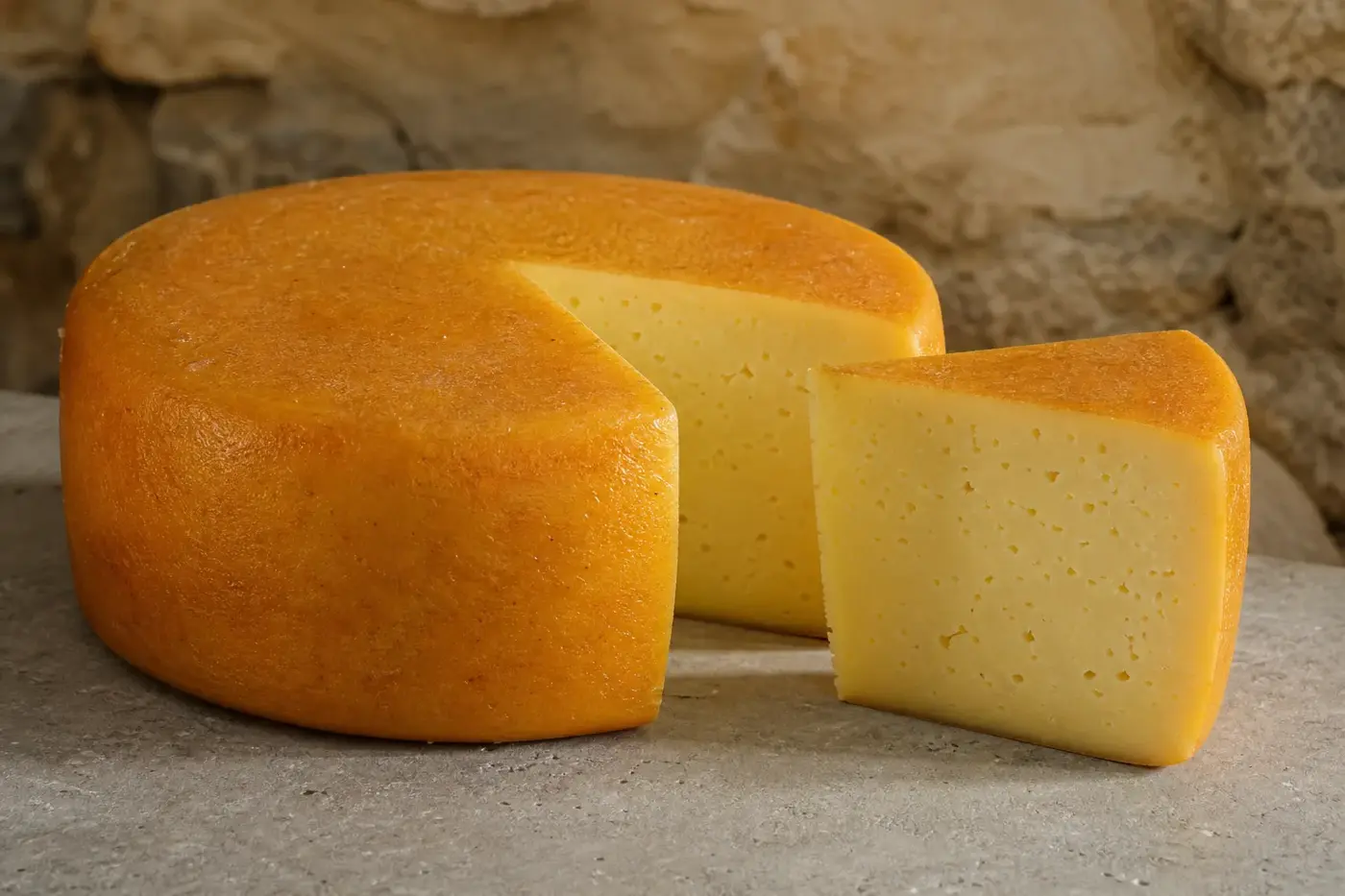
Queijo S. Jorge
Behind a stone wall on São Jorge, cattle graze green pasture.
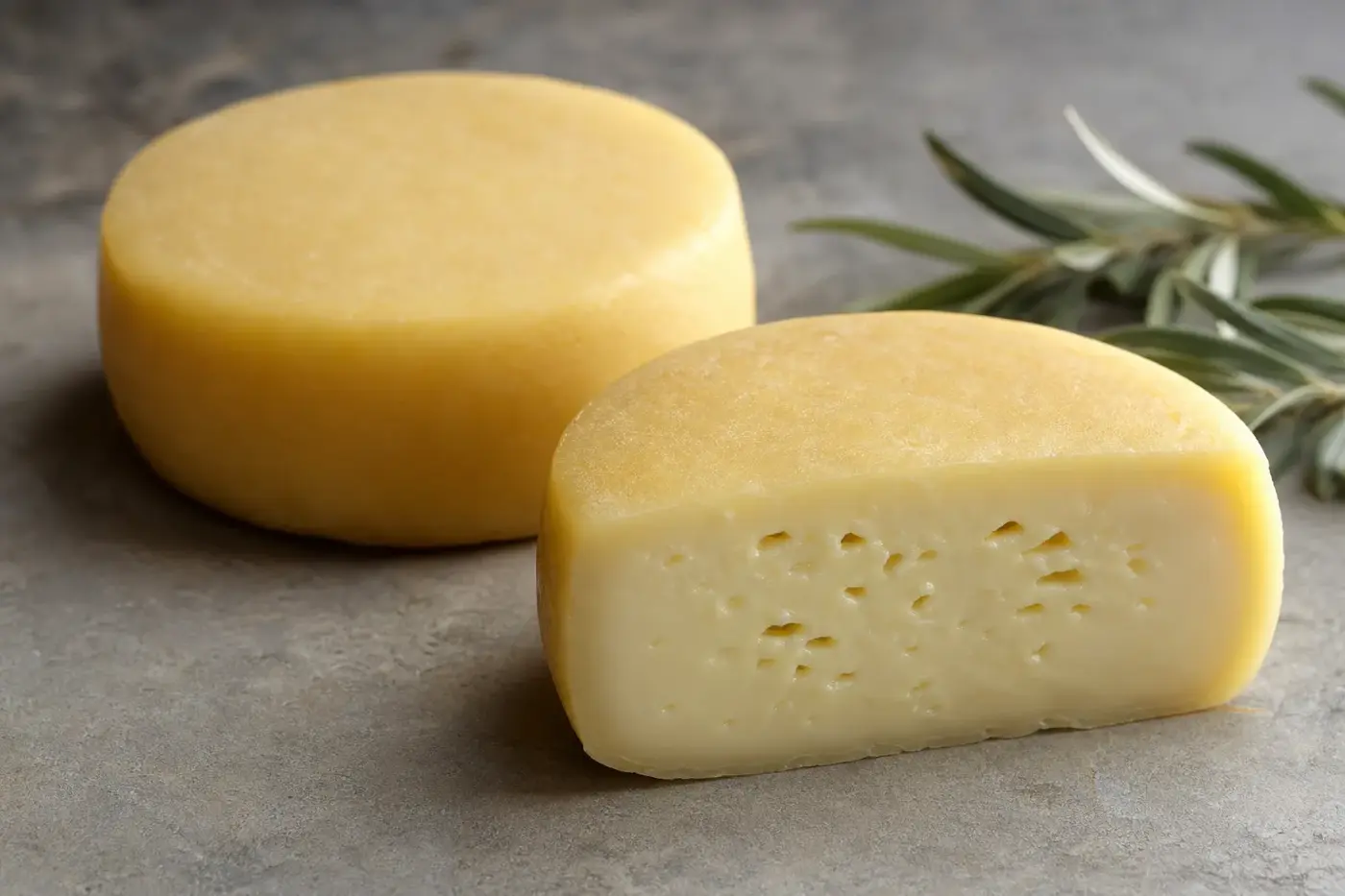
Queijo de Azeitão
Open the thin rind and you meet a soft centre with a tang, followed by a little bitterness.
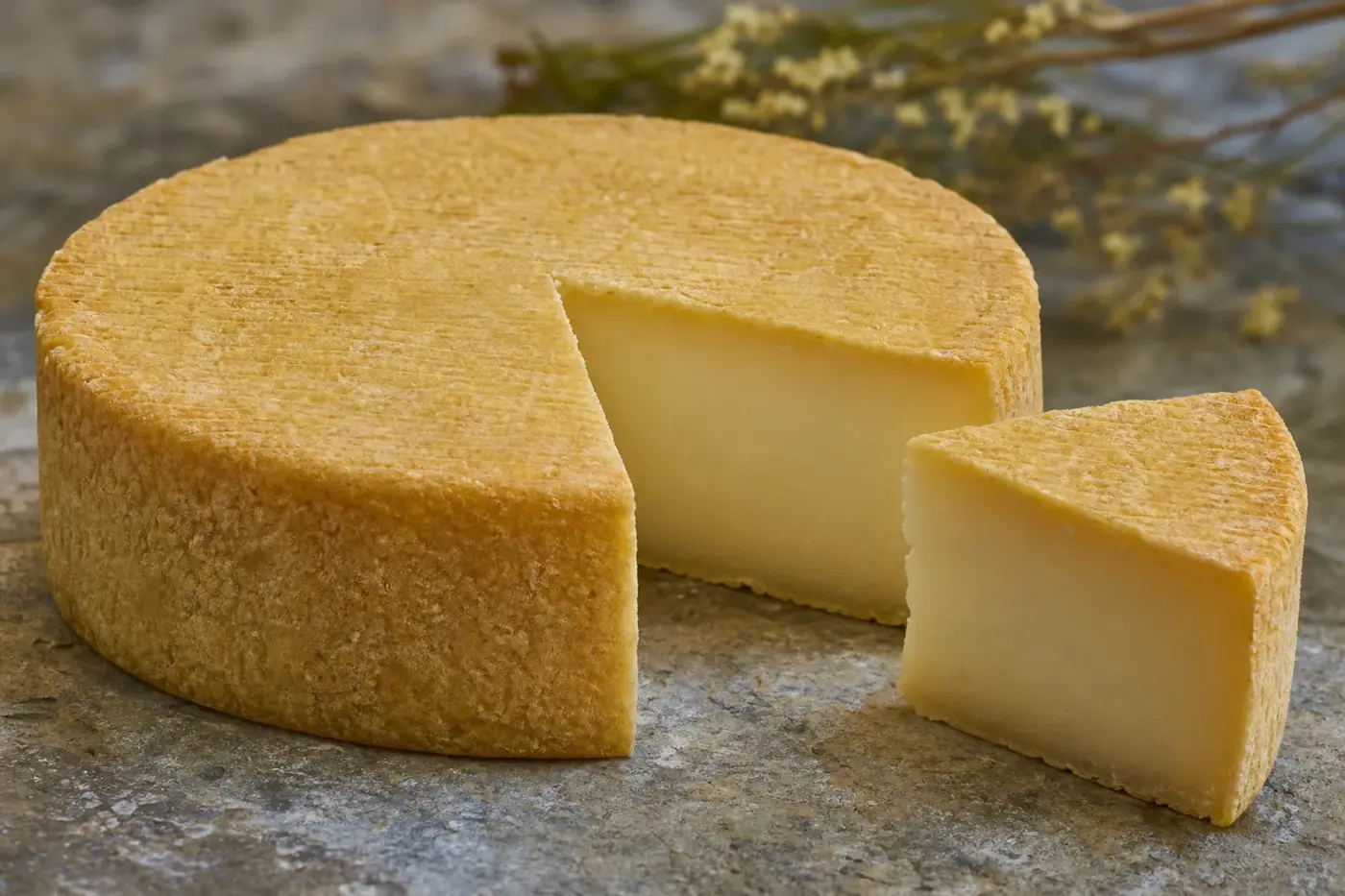
Queijo Serpa
Your knife slips through a thin, straw-yellow rind.
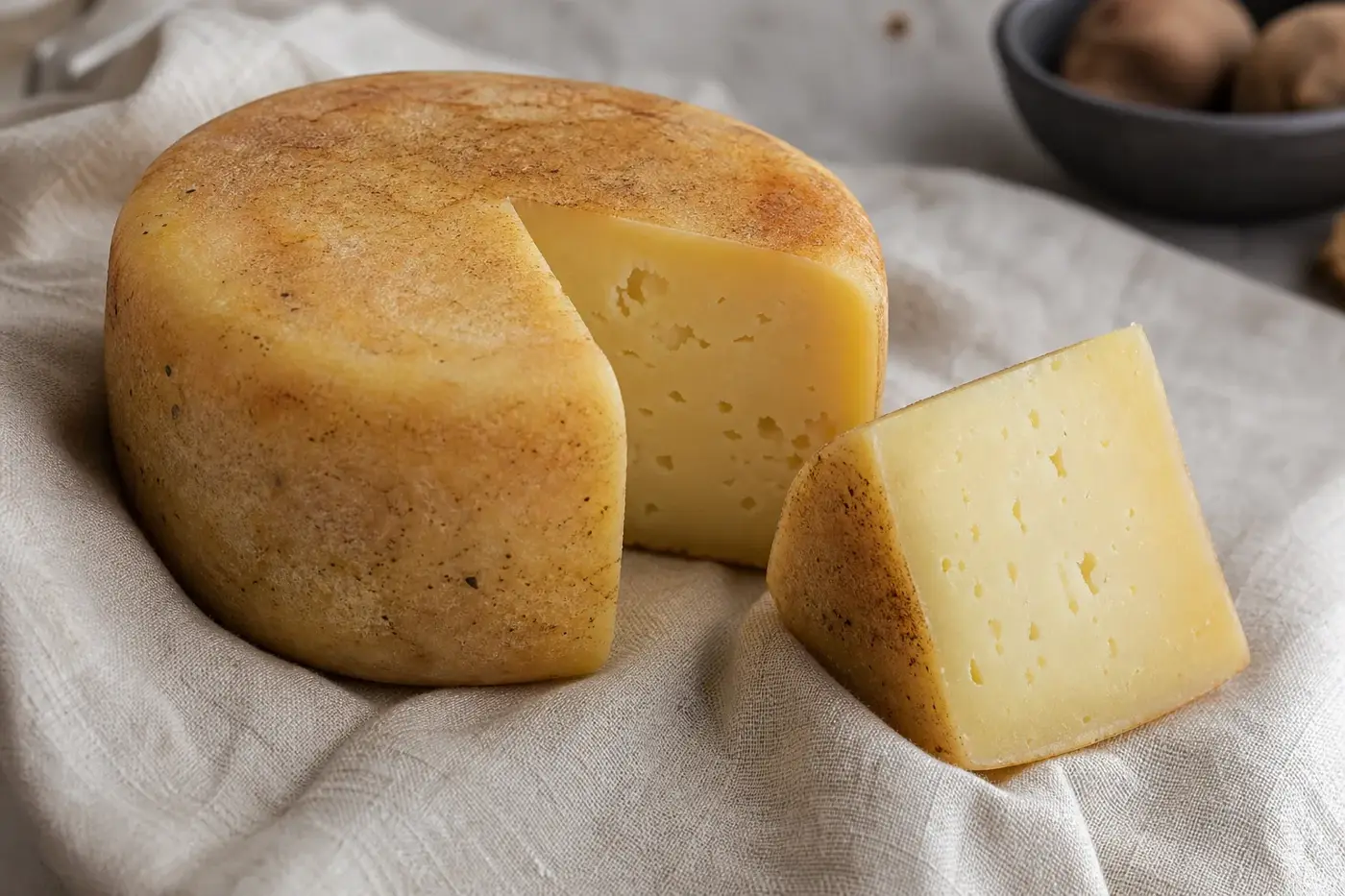
Queijo de Nisa
Cut into Queijo de Nisa and its intense aroma arrives before your first bite.
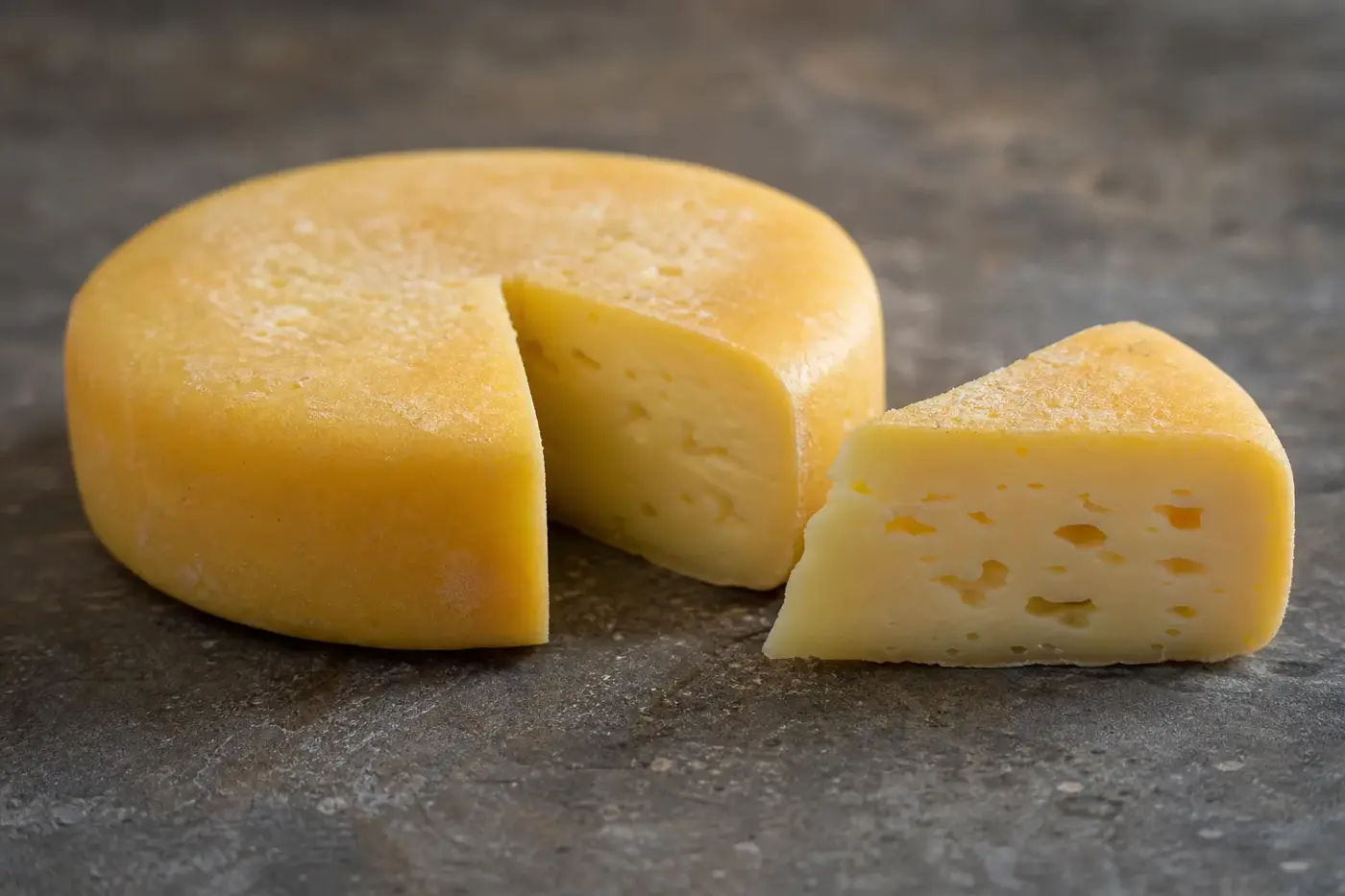
Queijo do Pico
Cut a narrow wedge.
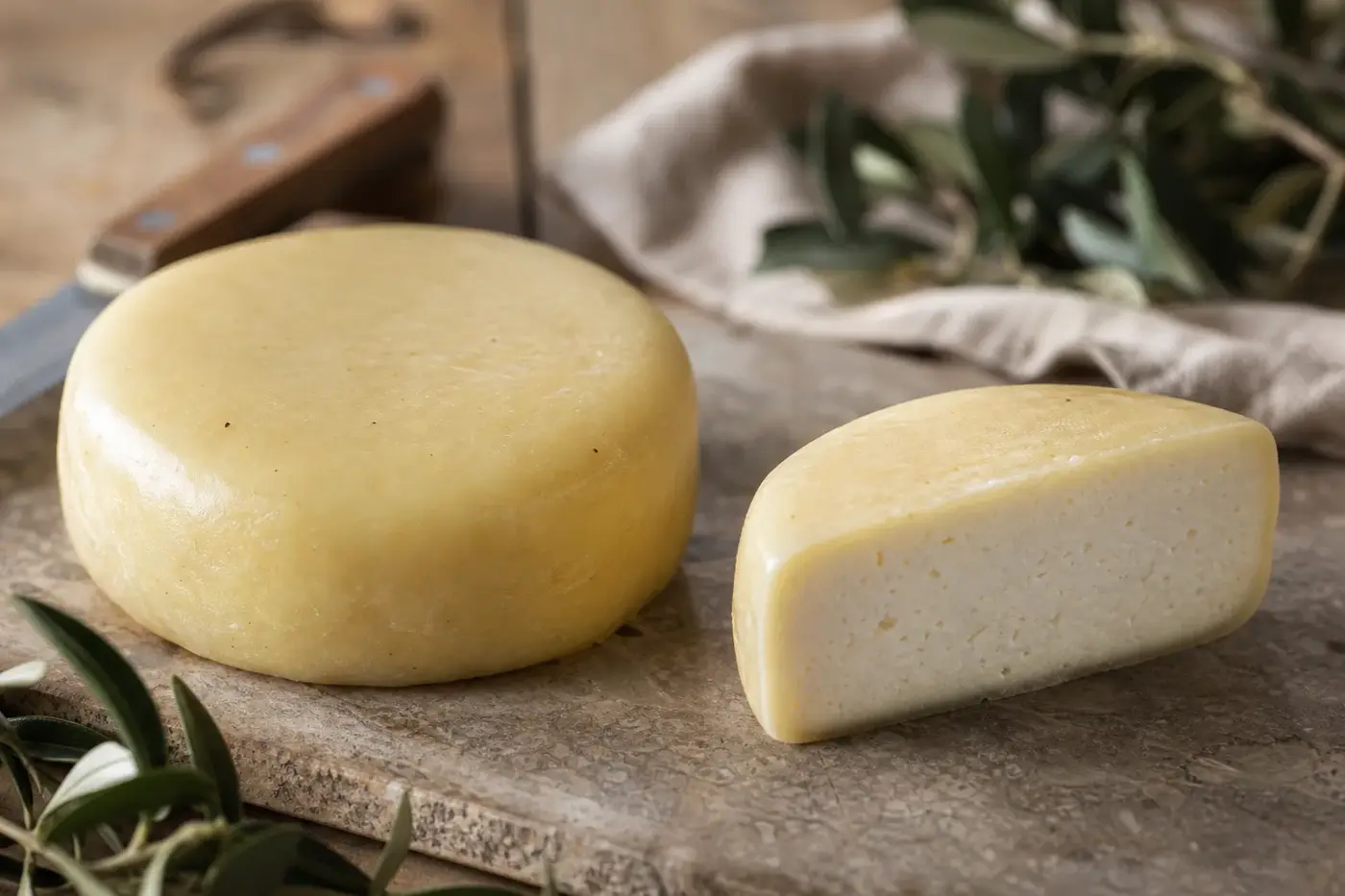
Queijo Terrincho
Picture Portugal’s “hot land”, with Churra da Terra Quente sheep grazing dry uplands, fallow fields and river valleys.
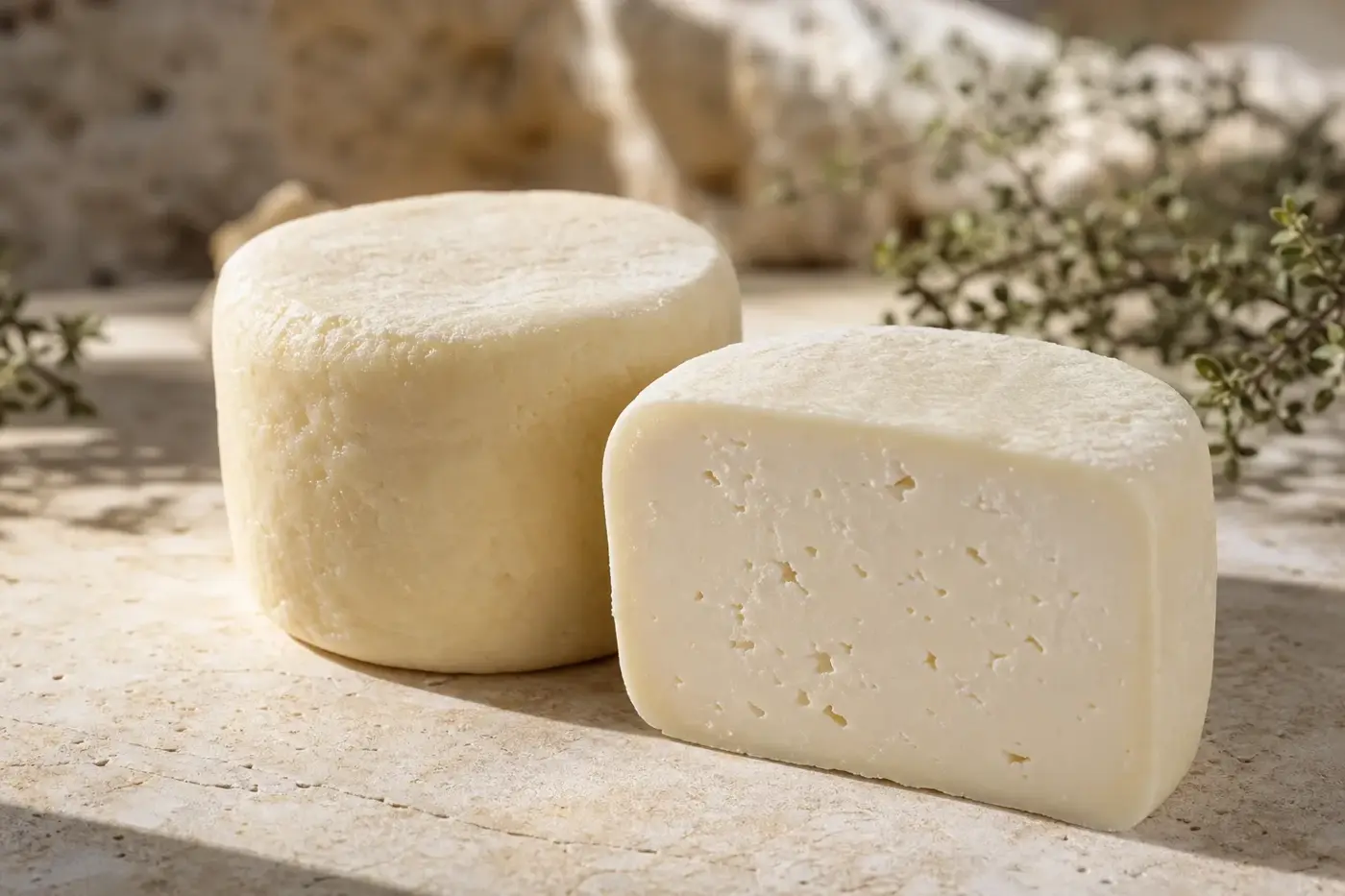
Queijo Rabaçal
Picture sheep and goats grazing among wild thyme in Portugal’s Sicó country.
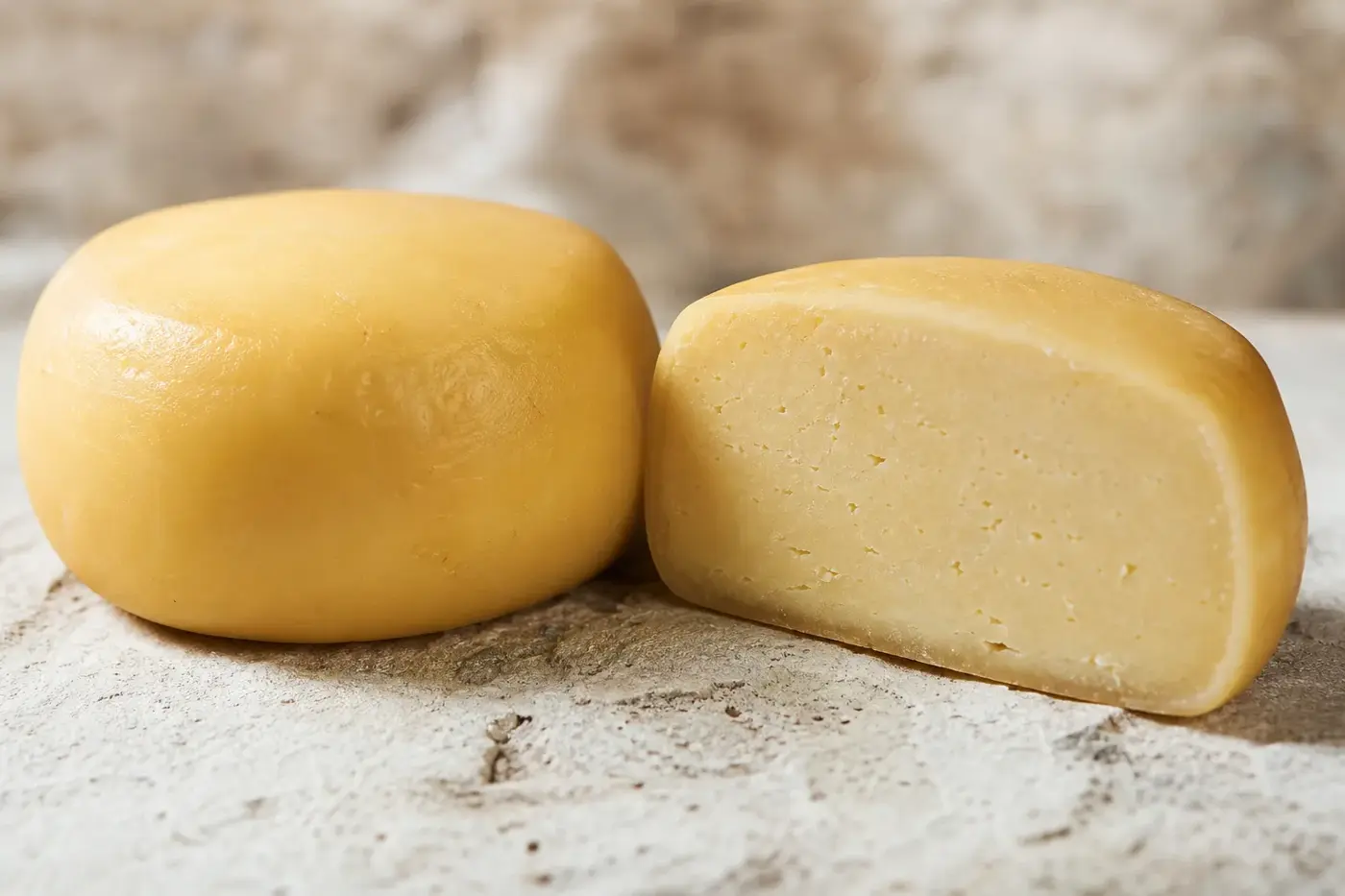
Queijo de Évora
A wood fire warms the milk.
The editors suggest you read next
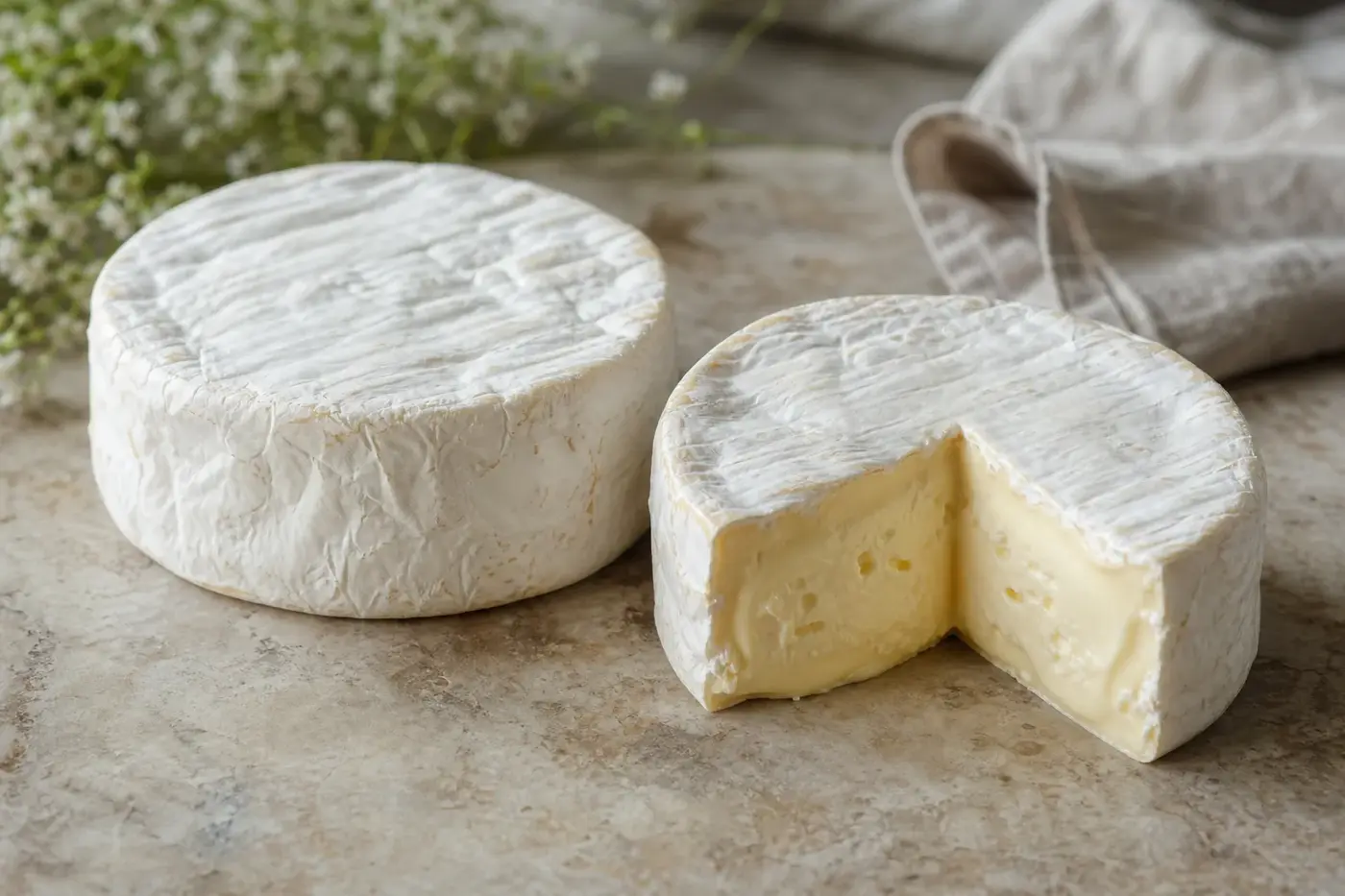
French Cheese: The Complete Guide
Picture Normandy’s pastures, then follow the milk towards the Loire’s goat dairies, the Jura’s shared cheesemaking traditions and the sheep country of the Pyrenees.