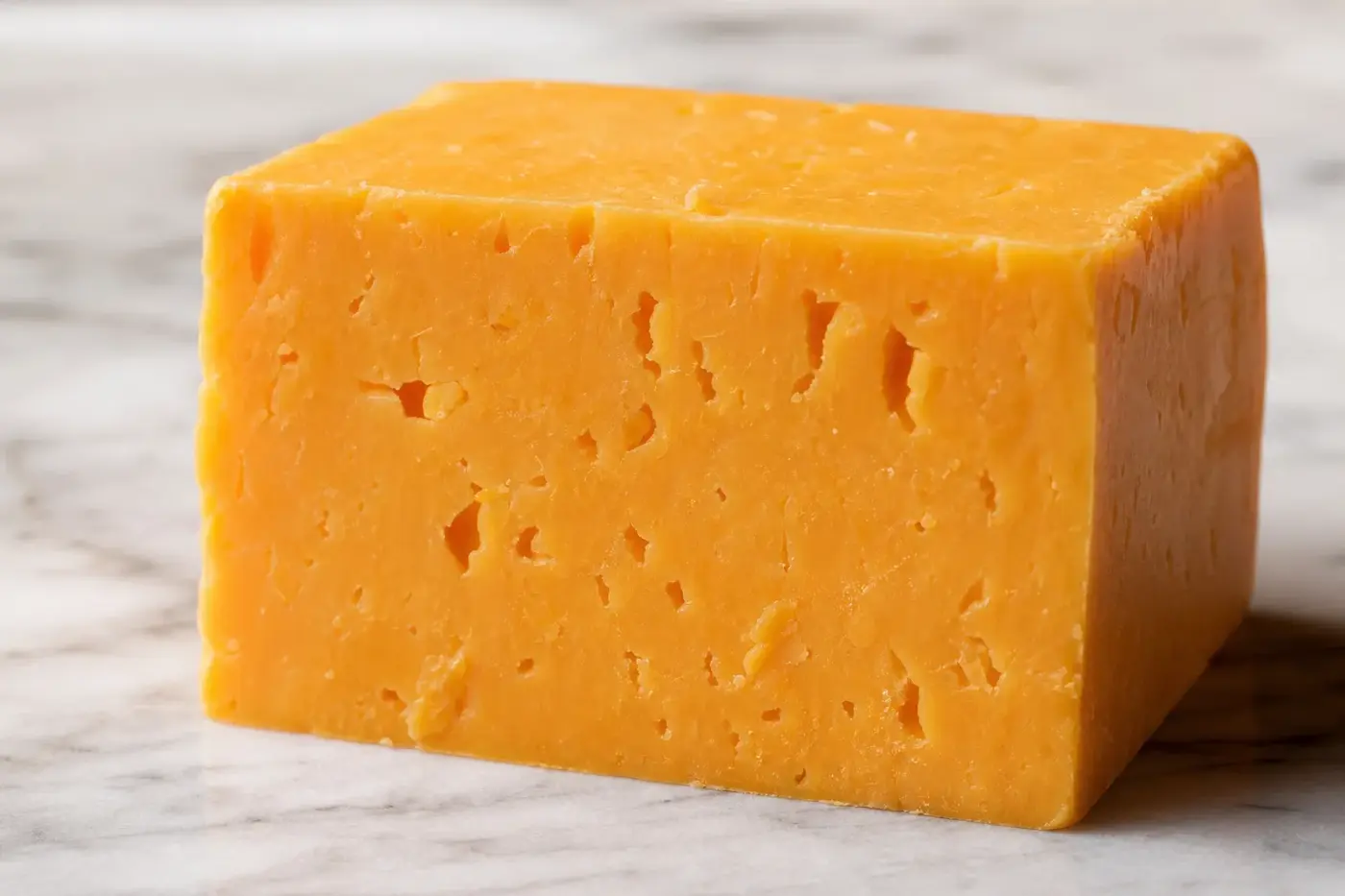
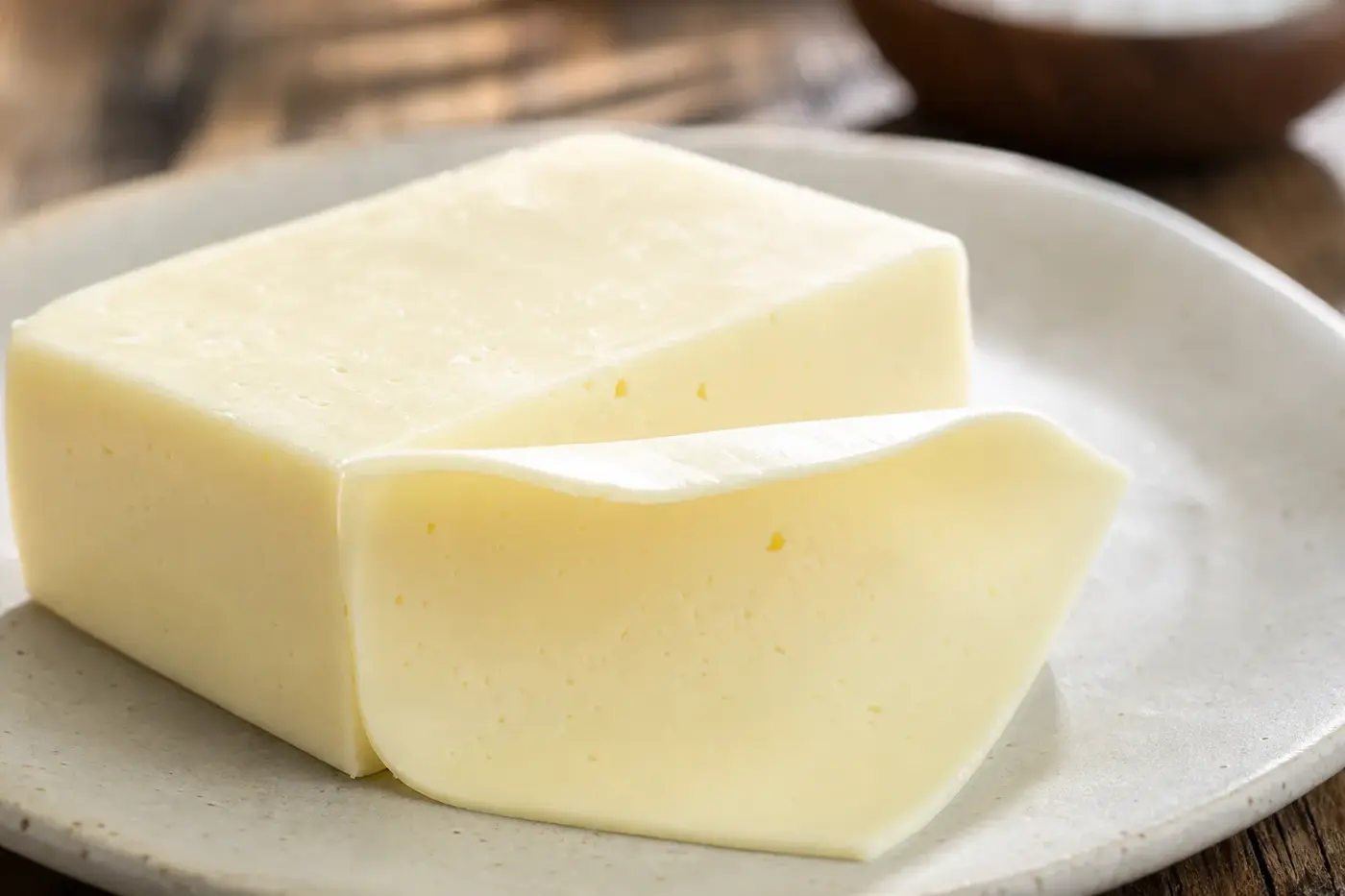
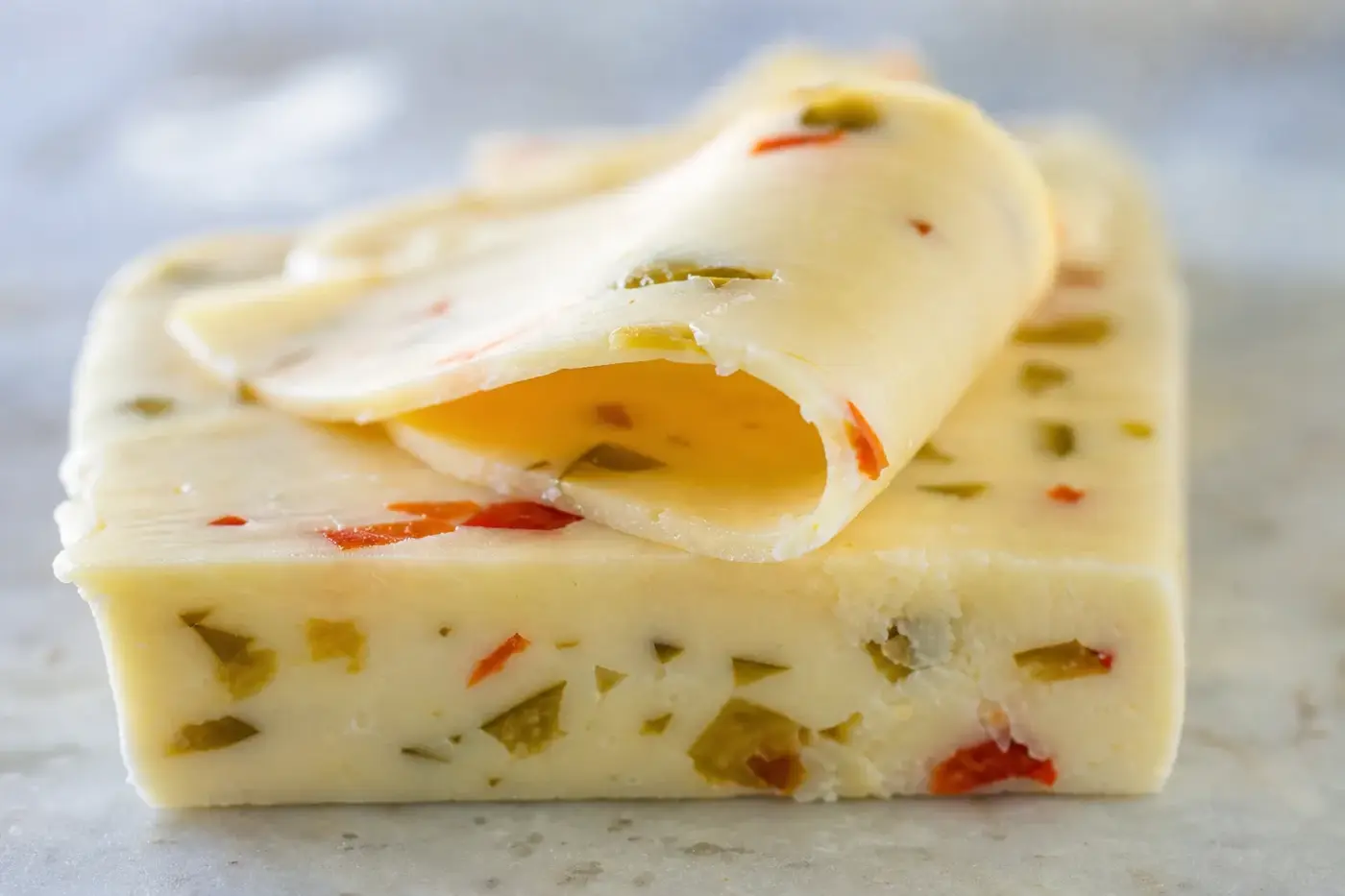
Queso Añejo
Picture a grater passing over queso refregado from Zacazonapan in the State of Mexico, its surface commonly coated with guajillo chilli.
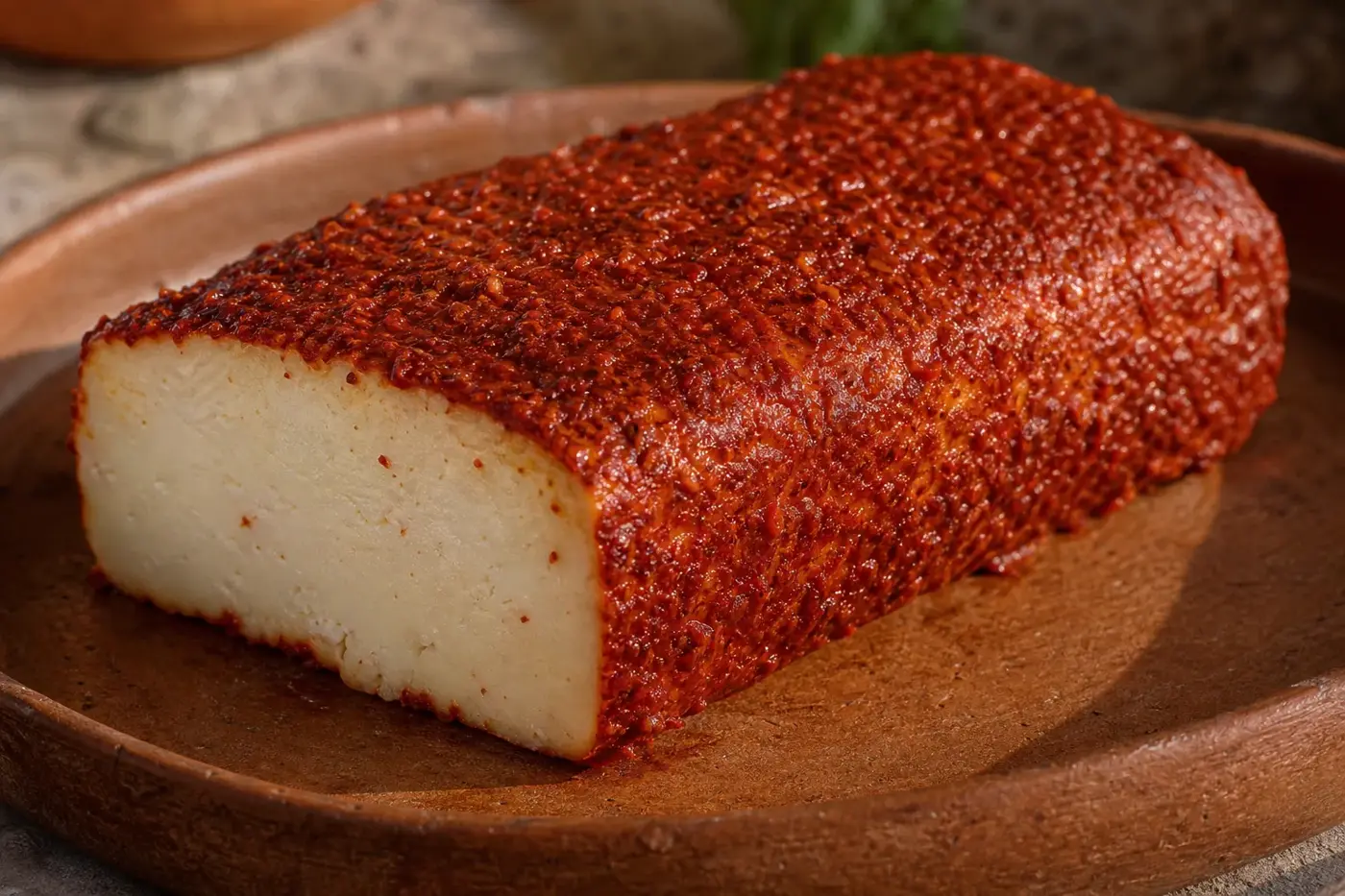
Picture a grater passing over queso refregado from Zacazonapan in the State of Mexico, its surface commonly coated with guajillo chilli.[3] A salty, concentrated scattering lands on your food just before serving. This is one expression of queso añejo, a name meaning aged: what lies beneath depends on the milk, the handling of the curd, maturation and regional practice.[1][2][3]
| Field | What to know |
|---|---|
| Name | Queso añejo means aged cheese.[1] |
| Category | A broad Mexican culinary name for matured cheeses.[1] |
| Milk | One regional queso añejo is documented as cow’s milk cheese.[1] For goat’s milk, ask for details from primary sources. |
| Character | Expect a generally hard cheese with concentrated flavour and noticeable salt.[1] |
| Formats | Regional examples may come as rectangular blocks or cylinders.[3] |
| Surface | Plain or coated with chilli paste, depending on your cheese.[4] |
| Main kitchen role | Grate it, crumble it or enjoy it in pieces.[1][3] |
One name, a whole regional conversation
Añejo tells you a cheese has been aged. It leaves the interesting part open: which cheese are you holding? The Mexican culinary dictionary published by Larousse treats queso añejo as a generic designation for several regional cheeses left to mature.[1]
So two cheeses carrying the name can look quite different. Think about what your dish needs: fine gratings, loose crumbs or a piece that stays together when sliced. A recipe asking simply for queso añejo usually wants an aged cheese’s finishing contribution, so give the product as much attention as the name.[1][3]
For the wider distinctions between milk, rind and texture, explore how to tell cheese styles apart. Your dish is a useful guide to the texture you should choose.
Follow the milk to Monte Escobedo
Start in Monte Escobedo in Zacatecas. Larousse records cow’s milk in its account of the region’s queso añejo.[1] If you are looking into goat’s milk use, turn to an account from a producer or agricultural source.
The word añejo cannot answer the milk question for you. Do not assume it means goat’s cheese, or that every regional example follows a cow’s milk recipe. Ask which animal supplied the milk.
Milk treatment deserves its own question. Larousse records both raw and pasteurised cow’s milk for queso sierra, which can mature into queso sierra añejo.[6] Read the individual label or ask the maker; Raw milk, thermised and pasteurised cheese explains the language behind the answer.
Hands in the curd, time in the making
To understand how your cheese was made, begin with its region and producer. Methods vary, so producer or agricultural accounts are the place to find details of curd formation, salting, shaping and ageing. One sweeping recipe cannot do justice to every añejo.
Coagulation turns milk into curd, the solid material from which cheese takes shape. Traditional Cotija offers one example: cow’s milk, salt and rennet, the ingredient that coagulates the milk. Queso refregado gets its identity from a more hands on process: rubbing or grinding the curd by hand, sometimes on a metate, a traditional grinding stone.[3][5]
Those movements help shape what eventually reaches your plate. Larousse describes refregado formed into rectangular blocks or cylinders, then aired and aged.[3] Salting, shaping and maturation all matter, but the regional method gives you the detail.
Even the waiting follows no single timetable. Larousse records one to three months of maturation for queso de Tepehuanes in Durango.[7] Ask how old your particular cheese is, because añejo does not promise a fixed number of months.
Find the texture, then fetch the grater
Firm or hard, concentrated in flavour and salty: that is Larousse’s broad description of queso añejo.[1] In your kitchen, “savoury” is useful shorthand. For a more precise picture of the flavour, ask the maker about the piece you are buying.
Give the cut face a little attention, too. Dryness and crumbliness are related, but they do not describe every cheese in quite the same way. Larousse distinguishes Cotija that holds together when cut from a more granular form that breaks apart.[5]
Among aged Mexican cheeses, there is room for a compact wedge and an easily crumbled piece. Grate a firm cheese; break a friable one into crumbs with clean fingers or a fork. You want an even scattering, not a collection of shreds auditioning for perfect uniformity.
Read the story in that red chilli coat
A red exterior can lead you towards an enchilado cheese, with a chilli preparation on its surface. Larousse describes pastes made with dried red chillies, sometimes with vinegar and garlic.[4] Other cheeses remain plain, so the coating belongs to the particular cheese rather than the whole family.
Place brings that colour into focus. Queso refregado from Zacazonapan in the State of Mexico commonly carries guajillo chilli, while queso sierra may wear a paste of ancho chilli, garlic and salt.[3][6] Behind each preparation sits its own regional practice.
A coating is different from seasoning mixed through the curd. Larousse distinguishes enchilado cheeses from botanero cheeses, which contain pieces of chilli inside the cheese itself.[4] Keep that distinction in mind when deciding how much chilli character you want on your plate.
Before you grate or crumble, ask whether the surface is intended to be eaten. Follow the maker’s instructions for the coating, and remove the packaging.
Añejo, fresco or Cotija: what does your plate need?
Maturity separates queso añejo from queso fresco. Fresco means fresh, and Larousse defines fresh cheese as unripened; añejo points towards ageing.[8] Both may break into small pieces, but those pieces bring different qualities to your food.
Cotija has a more specific identity. Larousse describes a dry, matured, hard cheese associated with Cotija in Michoacán, traditionally made with raw cow’s milk, salt and rennet.[5] It can fit the broad añejo description, but Cotija and queso añejo are not interchangeable names.
Let the result you want guide you. Choose fresh cheese for a fresh-cheese garnish, and hard aged cheese for a grated finishing layer. If a recipe names a regional cheese, explain any substitution clearly: your replacement should suit the dish without concealing what has changed.
Make room for that final scattering
Enchiladas, soups and antojitos, the broad Mexican category of snack-like dishes, are documented settings for grated Cotija.[5] They offer useful starting points for an aged cheese. Treat that last scattering as part of the dish, not something remembered on the way to the table.
For a dry, crumbly añejo, try these serving suggestions:
- Scatter it over plated enchiladas, leaving sauce visible between the crumbs.
- Give tostadas a light covering over beans, vegetables or your chosen filling.
- Set it beside a bowl of beans so everyone can choose their own amount.
- Grate it over finished soup rather than stirring the whole quantity into the pot.
Begin with a little, then taste. Salt is prominent in añejo’s documented character, so a modest first addition makes sense.[1] If your cheese carries a chilli coating, take those surface ingredients into account before adding more chilli to the dish.
Before the cheese meets the heat
Cotija does not melt, according to Larousse, which records its use grated over food.[5] Choose a dry aged cheese chiefly as a finishing ingredient when you want its grated or crumbled texture to remain part of the dish. It has not come to the kitchen to become a cheese sauce.
Other regional cheeses have different talents. The same Mexican reference records queso de Tepehuanes served gratinated with beans or chorizo.[7] When heat matters to your recipe, identify the regional cheese and ask about the particular product rather than relying on añejo alone.
For a flowing filling, ask your seller for a cheese intended for melting. For a distinct, salty topping, add añejo towards the end of cooking or at the table. The piece in front of you, and the result you want, should guide your decision.
Have a proper conversation at the counter
Ask about milk species, milk treatment, producer, age and surface ingredients. Across the documented regional examples, those answers reveal more than colour or shape alone.[2][3][6] They also help you decide whether your cheese belongs under a grater, between your fingers for crumbling, or served in pieces.
If you are buying loose cheese, ask to see the cut face and have the seller explain its expected condition. You need to distinguish an intended chilli coating from an unexpected surface change. A smaller piece also lets you discover whether the firmness suits your dish.
Before buying, read the date and storage instructions. In England, Wales and Northern Ireland, consult the Food Standards Agency guidance on chilling food and following storage instructions, with November 2026 as the reference date here.[9][10] For help finding the useful details, see How to read a cheese label.
Give your cheese a good home
Follow the maker’s instructions for temperature and storage after opening. For households in England, Wales and Northern Ireland, the FSA recommends keeping the fridge between 0 and 5 °C and refrigerating dairy products.[9] Keep your particular cheese’s label available for reference.
Cover the cheese in suitable packaging or place it in a clean food container, retaining the label. Take out only what you need for preparation, then return the rest promptly. The FSA advises keeping chilled food out of refrigeration for the shortest possible time.[9]
For England, Wales and Northern Ireland, consult the FSA advice on use by dates and storage instructions, with November 2026 as the reference date here.[10] If unexpected mould appears, turn to current official food safety guidance for your country and mould on cheese.
For pregnancy advice, consult current NHS guidance.[11] Check how it applies to the particular cheese you have.
Change the cheese without losing the dish
Aged Cotija is a practical candidate when you need a grated topping. Its documented character is dry, hard and salty.[5] Look at the texture of the particular product, then adjust the quantity to suit your dish rather than treating the swap as automatic.
Where you can find it, queso refregado gives you another regional option. Larousse records it crumbled over food.[3] Choose a chilli-coated version and its surface seasoning comes into the dish along with the cheese, so allow for that in your choice.
Queso fresco takes your plate in a different direction. Being unripened is its defining quality, making it a choice for a fresh-cheese garnish rather than a recipe that depends on an aged finish.[8] A good substitute keeps the cheese’s job in view and makes the change in character clear.
General information only, not medical advice: follow the official guidance where you live.
Questions people ask
What does queso añejo mean?
Queso añejo means aged cheese. It is a broad Mexican culinary name for several regional cheeses, rather than the name of one cheese.
Is queso añejo made from goat’s milk?
The name añejo does not establish which animal supplied the milk. Cow’s milk is documented for queso añejo from Monte Escobedo in Zacatecas, while goat’s milk use remains unverified against the required primary sources.
Is queso añejo the same as Cotija?
Cotija can fit the broad añejo description, but the two names are not interchangeable. Cotija is a dry, matured, hard cheese associated with Cotija in Michoacán.
Does queso añejo melt?
Larousse says Cotija does not melt and records its use grated over food. Other regional cheeses behave differently: queso de Tepehuanes is served gratinated with beans or chorizo.
What can I use instead of queso añejo?
Aged Cotija is a candidate for a grated topping because it is dry, hard and salty. Queso refregado is another regional option and is recorded crumbled over food.
Sources
- Larousse Cocina. Diccionario enciclopédico de la Gastronomía Mexicana, “Queso añejo”. Online edition, undated, accessed November 2026. Source.
- Larousse Cocina. Diccionario enciclopédico de la Gastronomía Mexicana, “Queso seco”. Online edition, undated, accessed November 2026. Source.
- Larousse Cocina. Diccionario enciclopédico de la Gastronomía Mexicana, “Queso refregado”. Online edition, undated, accessed November 2026. Source.
- Larousse Cocina. Diccionario enciclopédico de la Gastronomía Mexicana, “Queso enchilado”. Online edition, undated, accessed November 2026. Source.
- Larousse Cocina. Diccionario enciclopédico de la Gastronomía Mexicana, “Queso Cotija”. Online edition, undated, accessed November 2026. Source.
- Larousse Cocina. Diccionario enciclopédico de la Gastronomía Mexicana, “Queso sierra”. Online edition, undated, accessed November 2026. Source.
- Larousse Cocina. Diccionario enciclopédico de la Gastronomía Mexicana, “Queso de Tepehuanes”. Online edition, undated, accessed November 2026. Source.
- Larousse Cocina. El pequeño Larousse Gastronomique en español, “Queso fresco”. Online edition, undated, accessed November 2026. Source.
- Food Standards Agency. How to chill, freeze and defrost food safely. Published 18 December 2017, live guidance accessed November 2026. Applies to England, Northern Ireland and Wales. Source.
- Food Standards Agency. Food safety in a heatwave: advice for consumers. Published 27 June 2024, live guidance accessed November 2026. Applies to England, Northern Ireland and Wales. Source.
- NHS. Foods to avoid in pregnancy. Live guidance, accessed November 2026. Source.
Researched through Mexican culinary reference entries and current official UK consumer guidance, comparing regional examples rather than imposing one production formula.
Last checked: November 2026
Last checked November 2026.
The editors suggest you read next
American Cheese: The Processed Slice Explained
Watch a slice of American cheese soften over your burger.